Where to stay
Where to stay in Buenos Aires: which neighborhood to choose for your trip
We may earn a commission when you book through links on this page, at no extra cost to you. We don't visit or try the places we cover: we summarize published sources. How we work
In short
- First stay: Palermo or Recoleta, practical, pleasant and lively.
- Historic, bohemian atmosphere: San Telmo. Business trips or modern comfort: Puerto Madero or Retiro.
- The city is big: stay close to a metro (subte) station or frequent bus lines.
- Ezeiza (international flights) is about 30 km (19 mi) from the center; Aeroparque (domestic flights) is inside the city.
Buenos Aires is an immense metropolis made of dozens of very different neighborhoods (barrios). Choosing where to stay really changes the experience: you will not live the same city between the sidewalk cafés of Palermo, the cobbled streets of San Telmo and the glass towers of Puerto Madero. This guide compares the main neighborhoods to help you decide by budget, pace and tastes.
In short:
- First stay: Palermo or Recoleta, practical, pleasant and lively
- Historic and bohemian atmosphere: San Telmo
- Business trip or modern comfort: Puerto Madero or Retiro
- The city is big: stay close to a metro station (subte) or frequent bus lines
How to choose your neighborhood in Buenos Aires
The Argentine capital covers a vast area, and the main sights are spread between the center, the historic south, the residential north and the edge of the Río de la Plata. Three criteria weigh more than any other: the evening atmosphere (restaurants, bars, calm), ease of getting around and the feeling of safety when coming home late.
The metro, called the subte, links the center efficiently to several neighborhoods, but it does not cover everything. Taxis and ride-hailing apps remain affordable, which lets you stay a little away from the center without complicating life. Fares and conditions change: check them before you leave.
Another point to keep in mind: local hours. Argentines dine late, often after 9 pm, and the nightlife neighborhoods only really come alive at nightfall. If you like lively nights, stay in a going-out neighborhood; if you want to sleep, ask for a room facing the courtyard.
Palermo: the most versatile neighborhood
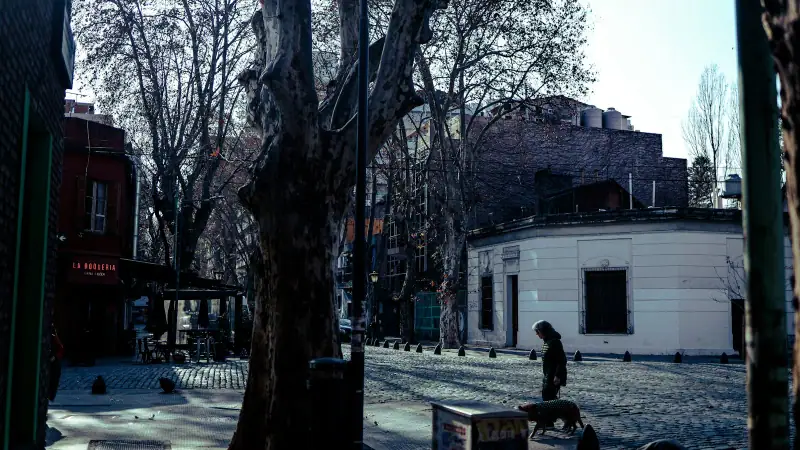
Palermo is the largest barrio of the city and, for many travelers, the best landing point. It is divided into sub-neighborhoods with distinct identities. Palermo Soho, around its tree-lined streets, concentrates designer shops, cafés and restaurants. Palermo Hollywood, a little farther north, is known for its bars and nightlife. Palermo also has large parks, popular for walks and jogging.
The main asset: a very wide choice of lodging, from hostels to boutique hotels and apartments, and a varied dining scene. The downside: some streets are noisy on weekends, and the historic center requires a metro, bus or taxi ride.
Who is it for? First stay, couples, travelers who like going out in the evening, stays of a week or more.
Staying in Palermo?
Compare hotels, hostels and apartments in Palermo by dates and budget.
Recoleta: elegance and residential calm
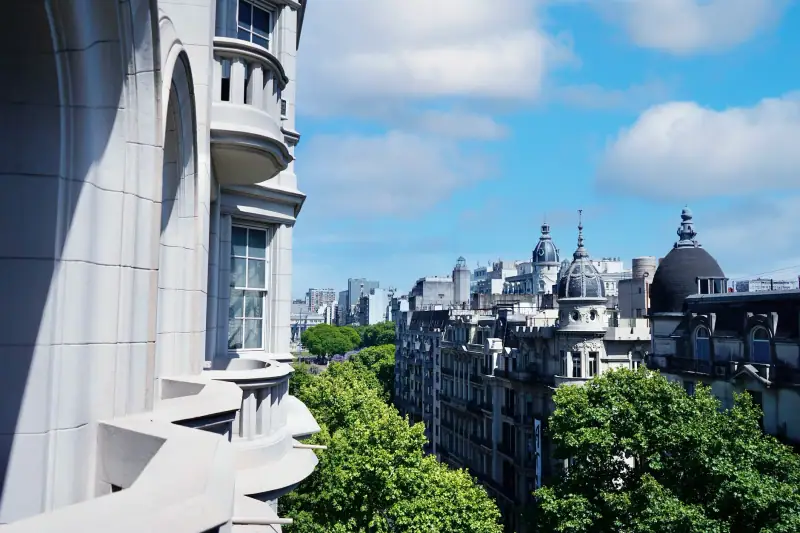
Recoleta is the chic neighborhood of Buenos Aires, with avenues lined with European-style buildings, its museums and its famous cemetery, where Eva Perón is buried among others. Streets are generally quieter than in the going-out neighborhoods, and the atmosphere is more hushed, with classic cafés and many bookstores.
It is a good compromise for travelers who want a comfortable setting, close to the major cultural sights, without the nighttime bustle of Palermo. Lodging is often a little more expensive, with more classic hotels than hostels. The proximity to Palermo makes it easy to reach both neighborhoods in a few minutes by taxi.
Who is it for? Travelers who like calm, families, cultural stays, a first trip to Argentina.
San Telmo: historic and bohemian atmosphere
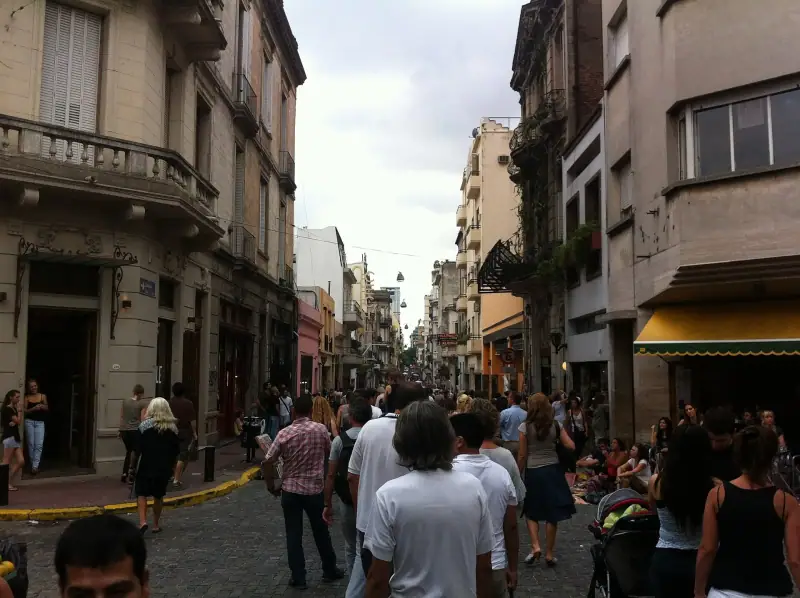
San Telmo is one of the oldest neighborhoods of the city. Its cobbled streets, colonial houses, antique dealers and tango bars give it a unique charm. On Sundays, a large open-air fair takes over its streets, which makes this day a special time to stay there, but also livelier and noisier.
The neighborhood is ideal for those who want to experience the Buenos Aires of the past and is close to Plaza de Mayo and the historic center. It is, however, less residential and less uniform than Palermo: very lively streets sit next to calmer ones, and a few areas, notably on the edge of the neighborhood, call for more caution at night. Choose well-located lodging and follow your host’s advice.
Who is it for? Fans of history, tango and bohemian atmosphere, mid-budget travelers.
Puerto Madero and Retiro: modernity and comfort
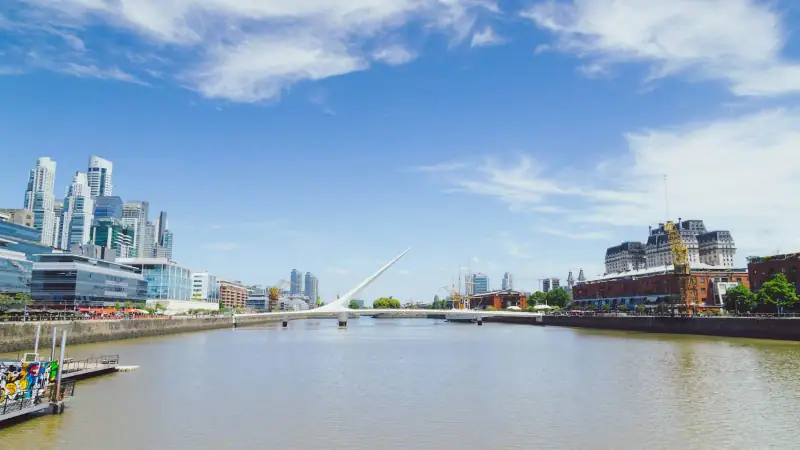
Puerto Madero is the old port, converted into a waterfront promenade lined with restaurants, residential towers and upscale hotels. The neighborhood is very clean, orderly and pleasant for walking, but it lacks the popular, lively character of the other barrios, and its restaurants are often more expensive.
Retiro, closer to the business center, has large train stations and many well-equipped hotels. It suits short stays, one-night stops and business travelers, as transport connections are plentiful. In the evening, some areas are quieter, even deserted, and nightlife is limited: check before booking.
Who is it for? Business stays, short stopovers, travelers looking for the comfort of a modern hotel.
Center, Congreso and other neighborhoods: book with care
The center (Microcentro) and the surroundings of the Congreso are very practical for transport and proximity to the sights, and prices there are often attractive. But they are noisy during the day, more deserted in the evening and on weekends, and the condition of lodging varies greatly from one property to another. Read recent reviews carefully and check the exact location of the street.
Other neighborhoods, such as Villa Crespo, appreciated for its local atmosphere, or Belgrano, more residential and green, appeal to travelers who stay longer and look for neighborhood life. They are less immediate for a first stay, but offer good value and a more authentic setting.
Neighborhood comparison table
| Neighborhood | Atmosphere | Ideal for | Good to know |
|---|---|---|---|
| Palermo | Trendy, green, lively in the evening | First stay, couples, nights out | Possible noise on weekends |
| Recoleta | Chic, calm, cultural | Families, cultural stays | Lodging often more expensive |
| San Telmo | Historic, bohemian | Tango, heritage | Livelier on Sundays, caution at night |
| Puerto Madero | Modern, airy | Comfort, business stays | Little local life |
| Retiro | Practical, central | Short stopovers | Quiet evenings |
| Center / Congreso | Dense, commercial | Small budget, transport | Deserted at night, variable quality |
Hotel, hostel or apartment: what to choose?
The hotel suits short stays: reception, luggage handling, breakfast and security of your belongings. Hostels are plentiful in the tourist neighborhoods, with dorms and private rooms, and they make it easy to meet other travelers. The apartment becomes interesting from a week’s stay or with family, with a kitchen and washing machine, especially in Palermo and Recoleta.
In every case, check the following before booking: air conditioning in summer (December to February), heating in winter, how quiet the room is and the cancellation conditions. Recent reviews are more reliable than the overall rating. Most properties accept cards, but payment methods and conditions at the property change: check just before you leave.
When to book and how much to budget
High season in Buenos Aires generally corresponds to the year-end holidays, the austral summer and local school vacations. Book several weeks ahead for these periods, especially for the most in-demand neighborhoods. The shoulder seasons, in spring and autumn, offer a good balance between pleasant climate and availability; to refine, see our guide when to go to Argentina.
Prices vary strongly with the season, neighborhood and type of lodging: compare several dates and several neighborhoods on booking platforms before deciding, rather than relying on an average.
Fitting Buenos Aires into your route
Buenos Aires often serves as the entry and exit point for a trip in the country, with domestic flights to Iguazú, Salta or Mendoza. If you spend two nights at the start of the trip and one at the end, you can change neighborhoods: for example Palermo for discovery, then a practical night near your departure flight. Find a complete plan in our 2-week Argentina itinerary.
Tours and shows in Buenos Aires
Guided visits, tango lessons and excursions from the capital.
Safety and comfort tips
- Choose a location near a lively, well-lit street rather than an isolated address.
- In the evening, use official taxis or ride-hailing apps rather than long walks on deserted streets.
- In the street, keep your phone and camera out of sight, bags zipped and worn in front of you in very crowded places.
- On arrival, ask the front desk for reliable addresses for currency exchange, taxis and restaurants in the neighborhood.
- At the airports, Ezeiza handles international flights and Aeroparque domestic flights: check your flight’s airport and allow a sufficient margin.
Frequently asked questions
What is the best neighborhood to stay in Buenos Aires the first time?
Palermo (Soho and Hollywood) and Recoleta are the simplest choices: residential neighborhoods, lively in the evening, well served by the metro and taxis. San Telmo suits you if you prefer the historic atmosphere and cobbled streets.
Should you stay near the historic center?
It is not essential. The center (Microcentro and Plaza de Mayo) is very busy during the day but much quieter in the evening and on weekends. It is easy to reach by metro or taxi from other neighborhoods.
Is Buenos Aires safe for travelers?
The tourist neighborhoods can be visited without difficulty with the usual precautions of a big city: zipped bags, phone out of sight in the street, official taxis or ride-hailing apps in the evening. Ask your host about streets to avoid at night.
Hotel or apartment in Buenos Aires?
For a short stay, the hotel offers flexibility (reception, luggage, breakfast). The apartment becomes interesting from a week or with family, notably in Palermo or Recoleta, with a kitchen and washing machine.
Where should you stay for the airport?
Buenos Aires has two airports: Ezeiza (international flights) about thirty kilometers (19 mi) from the center, and Aeroparque (domestic flights), on the river inside the city. For a very early flight, lodging in a central neighborhood with easy taxi access is enough.
More Argentina guides
Keep reading
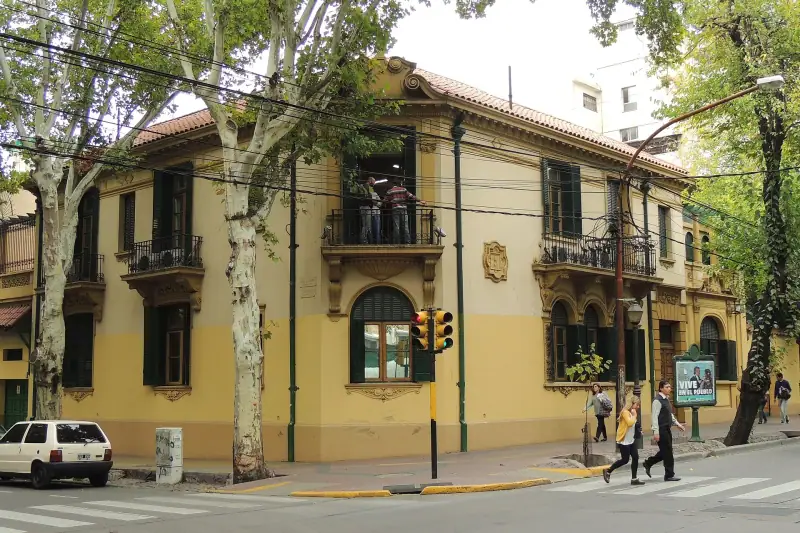
Where to stay in Mendoza: downtown, Luján de Cuyo or the Uco Valley?
Downtown, Chacras de Coria, Luján de Cuyo, Uco Valley or Potrerillos: compare the areas to stay in Mendoza by budget, pace and wine country wishes.
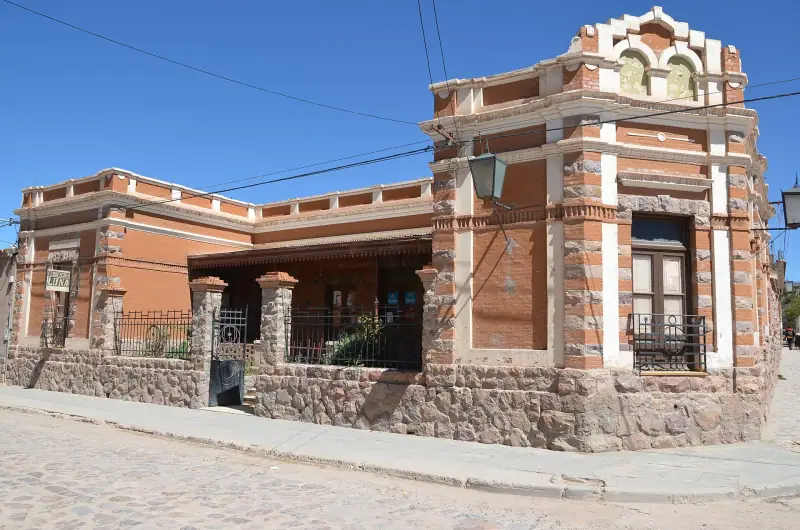
Where to stay in Salta and the Quebrada de Humahuaca: neighborhoods, villages and tips
Where to stay in Salta, Purmamarca, Tilcara, Humahuaca or Cafayate? Neighborhoods, lodging types, altitude, seasons and booking tips.
Argentina budget: real costs by item and 3 travel profiles
What budget for Argentina? Real costs by item (lodging, transport, meals, activities), three profiles priced per day and tips to spend less.
Ready-made
Argentina itineraries
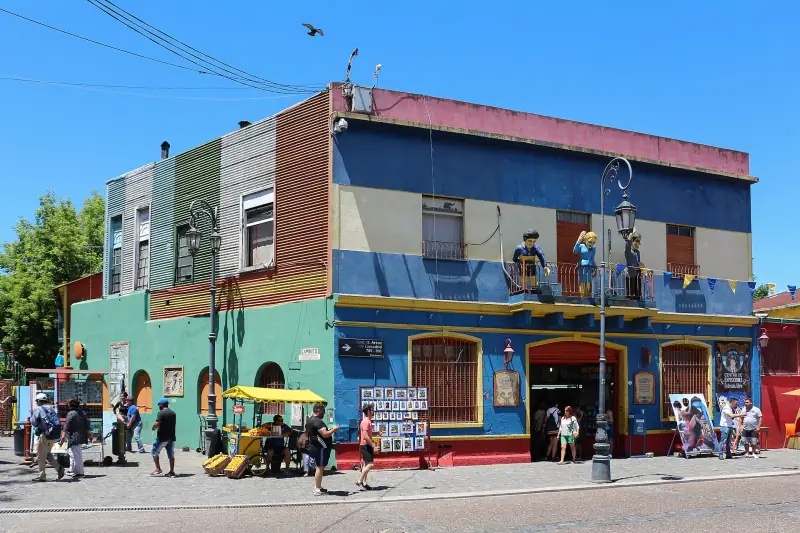
14 days
Argentina in 2 weeks: Buenos Aires, Iguazú, Salta and Mendoza
Buenos AiresPuerto IguazúSaltaMendoza
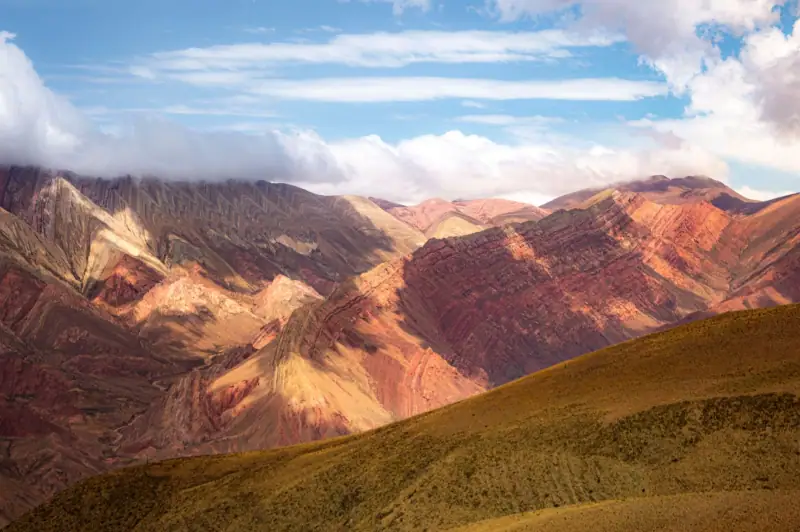
22 days
Argentina in 3 weeks: Buenos Aires, Iguazú, Northwest, Mendoza, Córdoba and Valdés
Buenos AiresPuerto IguazúSalta and the NorthwestMendozaCórdobaPuerto MadrynBuenos Aires

8 days
Northwest Argentina road trip: Salta, Cafayate, Cachi and Humahuaca in 8 days
SaltaCafayateCachiSaltaPurmamarcaTilcara