Where to stay
Where to stay in Vietnam: neighborhoods, types of accommodation and tips by city
We may earn a commission when you book through links on this page, at no extra cost to you. We don't visit or try the places we cover: we summarize published sources. How we work
In short
- For a first visit to Hanoi, the Old Quarter and the streets around Hoàn Kiếm Lake are the most practical; the French Quarter is calmer. In Ho Chi Minh City, District 1 concentrates most sights.
- In Hoi An, sleep in or near the old town for one or two nights, then the beach if you stay longer; in Ninh Binh, favor the countryside near Tam Cốc.
- In Ha Long Bay, a night aboard a junk is the most appreciated option; the alternative is Cat Ba Island with day boat trips.
- Book ahead for high season, Tết and busy places such as Hoi An, Sapa on weekends and Phu Quoc; choose a cancellable booking in storm and flood season.
In Vietnam, the range of accommodation is wide: small family guesthouses, city hotels with often excellent value, seaside resorts, junk cabins in Ha Long Bay, homestays in the mountains. The real question is therefore not finding a bed, but choosing the right neighborhood at each stop, because Vietnam is a long country where each city has its own rhythm.
This guide helps you decide where to sleep city by city, understand the different types of accommodation and avoid the classic mistakes: a windowless room, a hotel in the middle of a noise zone, too long a trip between the station and the center. It complements our visiting guides and our article on the budget for a trip to Vietnam. Rate and availability information changes: take it as markers and check when you book.
Types of accommodation in Vietnam
Before talking neighborhoods, here are the main families of lodging you will come across.
Mid-range hotels are the safe bet in the country. In big cities, you often find a clean, air-conditioned room with a private bathroom and breakfast. Many small hotels are family-run and offer an attentive welcome: bus booking, restaurant tips, luggage storage.
Hostels and dorms are very present in the neighborhoods frequented by backpackers, notably in Hanoi, Ho Chi Minh City and Hoi An. They suit small budgets and solo travelers. Many also offer private rooms, and organize outings or evenings.
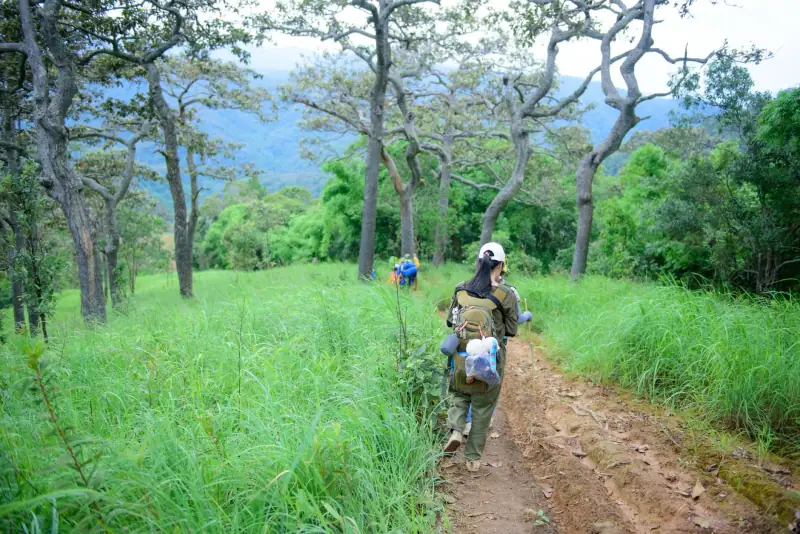
Homestays are family houses open to travelers, especially in rural areas: the northern mountains, the Ninh Binh countryside, the Mekong Delta. You sleep simply, but often share a meal and your hosts’ daily life. A good way to get off the tourist circuits.
Resorts and beach hotels are concentrated around Da Nang, Hoi An and on Phu Quoc. They suit relaxing stays at the end of a trip.
The junks of Ha Long Bay are a case apart: the accommodation is part of the excursion. We detail the options in our guide to the Ha Long Bay cruise.
Compare accommodation in Vietnam
Hotels, guesthouses and apartments: compare offers, reviews and cancellation terms before fixing your itinerary.
Where to stay in Hanoi: the Old Quarter or the French Quarter
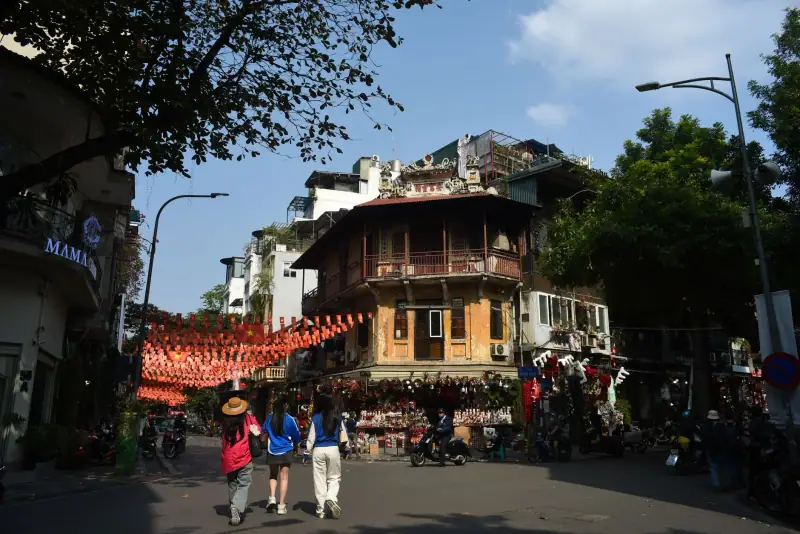
For a first visit to the capital, the Old Quarter is the simplest choice. Its tight streets, once organized by trade guilds, concentrate restaurants, cafés, shops and travel agencies. You can head out on foot toward Hoàn Kiếm Lake and the main sights. The downside: two-wheeler traffic and noise last late into the evening. Ask for a room on a high floor or courtyard side, and check that it has a window.
The area around Hoàn Kiếm Lake and the French Quarter, southeast of the lake, offer wider streets, colonial-era buildings, cafés and quieter hotels. It is a good option for couples or if noise bothers you. The main sights remain reachable on foot or by taxi at a modest price.
The West Lake (Tay Ho) area, to the northwest, is more residential, with varied cafés and restaurants, but you will need a taxi or car with a driver to reach the center. It suits a second stay or a slower trip.
To organize your days, see our guide Hanoi: what to see and do. If you plan Ha Long Bay or Ninh Binh, sleeping a night in Hanoi before leaving avoids setting off tired.
Where to stay in Ho Chi Minh City: District 1, District 3 or Thao Dien
In Ho Chi Minh City, most travelers choose District 1, the historic and administrative center. It has Notre-Dame Cathedral, the Central Post Office, many museums and markets, as well as lots of restaurants and bars. It is the most practical for a stay of two or three days; our guide Ho Chi Minh City: what to see and do details the sights.
Within District 1, the area around Bui Vien Street is the backpacker district: bars, music, cheap restaurants, a very lively mood at night. Excellent if you are looking for a party or very inexpensive accommodation, less suitable if you want to sleep early.
District 3 is more residential and quieter, with shaded streets, good cafés and local restaurants, while staying close to the center. The Thao Dien area, across the river, attracts an expat clientele, with cafés, shops and international restaurants; it is further from the major sights.
For the trip from the airport, generally allow half an hour to an hour by car depending on traffic. Use an official taxi or a ride-hailing app rather than a driver who approaches you.
Where to stay in Hoi An: old town or An Bang beach
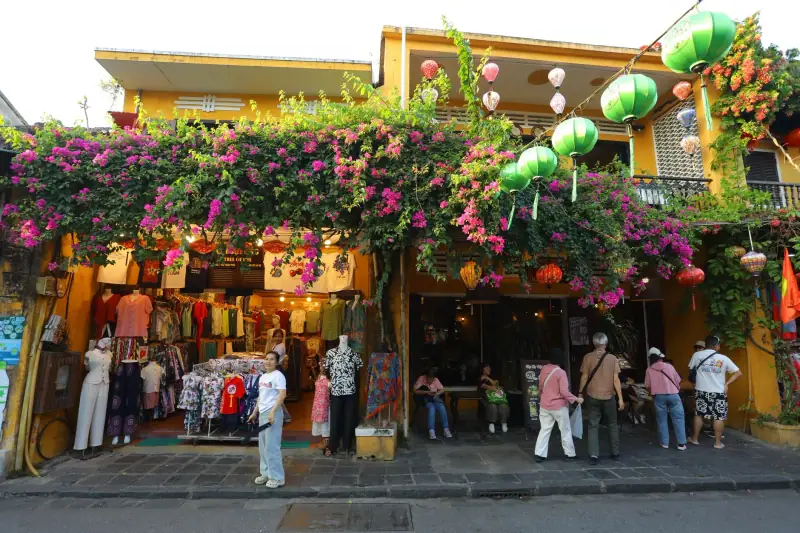
Hoi An is the town where the choice of neighborhood matters most, because two moods compete.
Sleeping in the old town or very near means waking up in lanes of old houses, with lanterns, a few minutes’ walk from the Thu Bon River. Accommodation is charming there but sometimes pricier, and the lanes are very busy in the evening. Small guesthouses with an inner courtyard or a small pool are a safe bet.
Sleeping near An Bang beach (or Cua Dai), a few kilometers from the center, offers a more relaxed mood: the sea, beach cafés, and a bike or motorbike-taxi ride of a few minutes back to town. A good compromise to combine visiting and swimming, especially as beach hotels often have a shuttle or bikes.
Between these two options, most travelers choose the center for one or two nights, then the beach if they stay longer. See Hoi An: what to see and do to organize your days. Remember to check the season: from late fall to early winter, the region is exposed to rain and floods, as detailed in our article when to go to Vietnam.
Where to stay in Hoi An
Old town or seafront: compare guesthouses and hotels by neighborhood, reviews and included breakfast.
Where to stay in Hue and Da Nang
In Hue, two banks compete. The south bank of the Perfume River is the most practical: hotels, restaurants and cafés are grouped there, a short distance from the Citadel. Staying on that side lets you do everything on foot or by cyclo for a short distance. The north bank, on the Citadel side, is calmer, with less choice. Two nights are enough for the site, as explained in our guide Hue: what to see and do.
Da Nang is the center’s big beach city, with its long My Khe beach, seafront hotels and bridges lit at night. It works as a base if you want a more modern hotel or a beach stay, with Hoi An a short drive away. Travelers looking for old-world charm will prefer Hoi An, those who want choice and often lower prices, Da Nang.
Where to stay in Sapa and the northern mountains

In Sapa, the question is whether to sleep in town or in a village. In town, you have views of the valleys when the weather is clear, many restaurants, and hiking starts nearby. In the valley villages, such as Tả Van or Cát Cát, ethnic minority homestays let you sleep simply with a local family, share a meal and start hiking in the morning.
A few tips: nights can be cool at altitude, especially in winter, so check the heating or blankets; fog is frequent and can hide the views for days; book ahead for fine-weather weekends. Our guide Sapa: what to see and do details the hikes and villages.
Where to stay in Ninh Binh: the countryside rather than the town
Ninh Binh town itself has little tourist interest. Travelers instead choose to sleep near Tam Cốc, in the heart of the rice fields and limestone peaks, in small hotels and homestays a few minutes from the boats. You enjoy the morning atmosphere, before the groups arrive, and the landscapes by bike. It is also nicer than coming back from a full day in Hanoi.
One or two nights are enough to see Tam Cốc, Tràng An and the neighboring pagodas. Details are in our guide Ninh Binh: what to see and do.
Sleeping in Ha Long Bay: junk or Cat Ba Island

Two options dominate. The cruise with a night on board: you board at midday, sail among the islets, kayak, dine on board and sleep in a cabin. It is the simplest way to enjoy the bay in peace, after the day-excursion boats have left. Compare cabins, group size and cancellation policy, as the weather can change programs.
The second option is to sleep on Cat Ba Island, the archipelago’s largest island, and take day boat trips. It is more flexible and often cheaper, with the chance to hike on the island and explore Lan Ha Bay, calmer than classic Ha Long Bay.
Cruises in Ha Long Bay
A night aboard a junk, or a day excursion: compare the options, programs and traveler reviews.
Where to stay on Phu Quoc
Phu Quoc is the big beach island in the south of the country, in the Gulf of Thailand. The west coast concentrates most hotels and resorts, with beaches such as Long Beach, near Duong Dong town, where restaurants and the night market are. It is practical for those who want a bit of activity. The south of the island, toward Bai Sao, offers beaches reputed to be more beautiful and more isolated resorts, suited to a quiet stay.
As with all beach resorts, the season matters a lot: the sea is calmer and the sky clearer in the dry season, and several properties reduce activity in the heart of the rainy season. See our guide when to go to Vietnam to set your dates.
How to choose accommodation: the criteria that matter
A few points are worth checking before clicking “book.”
- Location above all. Ten minutes’ walk from the center changes the stay. Look at the map rather than the neighborhood name.
- Recent reviews. Favor those from the last few months: cleanliness, noise, service quality, accuracy of the photos.
- The window and noise. Some cheap rooms have no window; in lively neighborhoods, ask for a quiet room.
- Air conditioning. Essential from late spring to fall in most cities. In the mountains in winter, it is rather heating you should look for.
- Breakfast. Often included and hearty, with local dishes (phở, eggs, fruit). A good way to save.
- Luggage storage and help with transport. Very useful with late departures (night train, evening flight): most small hotels keep your things for free.
- Cancellation policy. With the unpredictable weather (typhoons, floods in the center), a changeable booking protects you. Also think about your travel insurance.
For formalities before departure, see our article Vietnam formalities and visa.
Practical tips for your nights in Vietnam
Expect to show your passport. Most accommodations ask for your passport on arrival for the official registration of foreigners. It is normally returned quickly, often after a photocopy or scan.
Night trains and sleeper buses. They let you save a night of accommodation, for example between Hanoi and Sapa or Hue, but comfort varies. Compare the real cost with a hotel night and an extra day.
Tips and payment. Small hotels sometimes accept only cash; check the payment method and any taxes on arrival. Keep local currency for small expenses.
Safety. Lock the room, do not leave valuables visible, and use the safe when there is one. In a dorm, a small padlock is useful.
The most common scams. A driver who claims the hotel is “closed” or “full” to take you elsewhere: check by phone or by asking staff at a neighboring shop. Confirm the room price on arrival and keep your booking confirmation.
Book in Hanoi
Old Quarter, Hoàn Kiếm Lake or French Quarter: compare the capital's hotels by location and reviews.
Which accommodation for which trip?
As a couple, favor charming guesthouses in Hoi An, a night aboard a junk and a quiet hotel in Hanoi, in the lake area or the French Quarter.
As a family, choose family rooms or apartments with a kitchen, hotels with a pool, and avoid areas that are too noisy. Short legs limit children’s fatigue.
Solo or on a small budget, hostels are a chance to meet other travelers and organize group excursions. Do factor sleep quality into the price, though.
On a long trip, alternate: a few comfortable nights after legs by bus or night train, and simple lodgings in the countryside.
To structure the whole itinerary and set the number of nights per stop, see our 15-day Vietnam itinerary.
Frequently asked questions
Which neighborhood should you stay in in Hanoi?
For a first visit, the Old Quarter and the streets around Hoàn Kiếm Lake are the most practical: everything is done on foot. The Old Quarter is lively and noisy until late in the evening; the French Quarter, further southeast, is calmer and more open.
Where should you stay in Ho Chi Minh City?
District 1 concentrates most of the sights and restaurants, which makes it the simplest choice. District 3 is more residential and calmer, while staying close. The Bui Vien Street area is very festive: pleasant if you like the mood, tiring if you want rest.
Do you need to book accommodation in advance in Vietnam?
Yes for high season, the Tết holidays (early in the year) and very popular destinations such as Hoi An, Sapa on weekends or Phu Quoc. Outside peak periods, mid-range accommodation is easy to find a few days ahead, but booking gives more choice.
What is a Vietnamese homestay?
It is accommodation with a local family or in a small family house, often in the countryside or mountains, for example around Sapa or Ninh Binh. Meals are frequently offered there. Comfort ranges from very simple to rather polished: read recent reviews before booking.
Are Vietnamese hotels expensive?
Accommodation is generally affordable, especially outside the big beach resorts. Prices vary a lot with the season and the city: compare several dates and see our budget guide to place your spending.
Should you sleep in Ha Long Bay?
A night aboard a junk lets you enjoy the bay in peace, after the day excursions leave. It is the option travelers like best. Otherwise, you can sleep on Cat Ba Island and take day boat trips.
More Vietnam guides
Keep reading
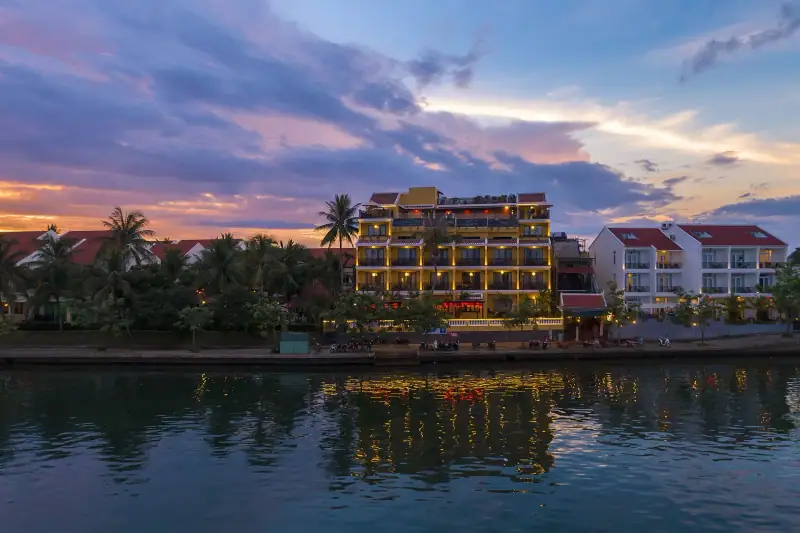
Where to stay in Hoi An: old town, An Bang or countryside, which area to choose?
Where to stay in Hoi An? Old town, An Bang beach, Cam Thanh or rice fields: pros, cons, season and booking tips to choose well.
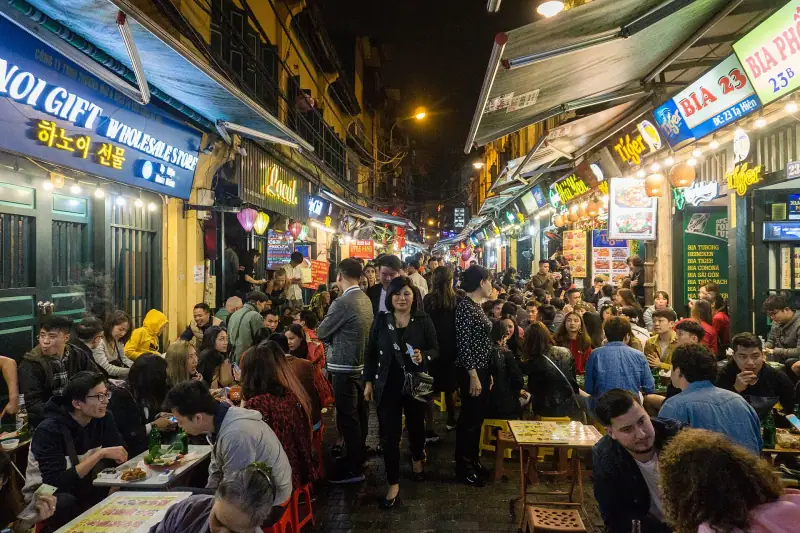
Hanoi: what to see and do in 3 days, a guide to the capital
What to see in Hanoi? Old Quarter, Hoàn Kiếm Lake, Temple of Literature, mausoleum, citadel, street food: a 3-day itinerary, tips and where to stay.
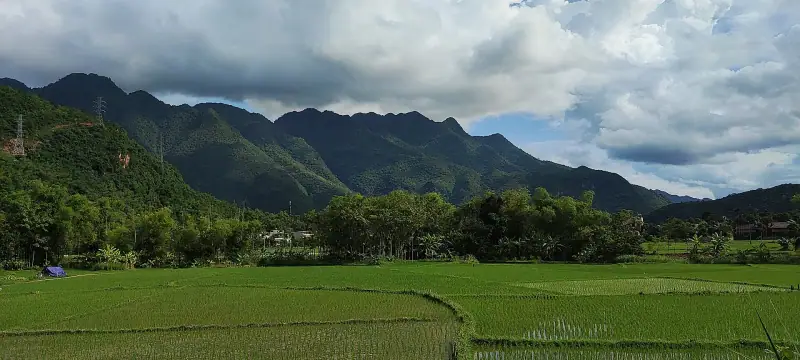
Mai Châu without a car from Hanoi: bus, Lac village or Pom Coong
Getting to Mai Châu from Hanoi without a car: bus or van, duration, prices, Lac or Pom Coong, how many nights and what to know before booking.
Ready-made
Vietnam itineraries

10 days
Vietnam in 10 days without a car: a realistic itinerary by train, bus and plane
Vietnam in 10 days without a car: Hanoi, Ninh Binh, Hue, Hoi An and Ho Chi Minh City, with distances, real travel times and train, bus or plane options.
7 days
Northern Vietnam in 7 days: Hanoi, Ninh Binh and Ha Long Bay
HanoiNinh BinhHa Long Bay cruise

15 days
Vietnam 15-day itinerary: north to south, day by day
HanoiNinh BinhHa Long or Lan Ha Bay cruiseHoi An