What to see
Sapa: what to see and do in 3 days in the rice terraces of the north
We may earn a commission when you book through links on this page, at no extra cost to you. We don't visit or try the places we cover: we summarize published sources. How we work
In short
- Sapa sits at about 1,500 m (4,920 ft), 300 to 350 km (186 to 217 mi) from Hanoi: about 5 to 6 hours by sleeper bus or minibus, or 8 to 9 hours by night train to Lào Cai plus a transfer of about 45 minutes.
- Three days and two nights allow a rice-terrace hike, a village visit and, weather permitting, Fansipan (about 3,143 m / 10,312 ft).
- September-October and March-April are generally the most pleasant; summer is rainy and winter can be very foggy.
- Do not schedule Fansipan on your last day: the summit is often in cloud, so keep a buffer.
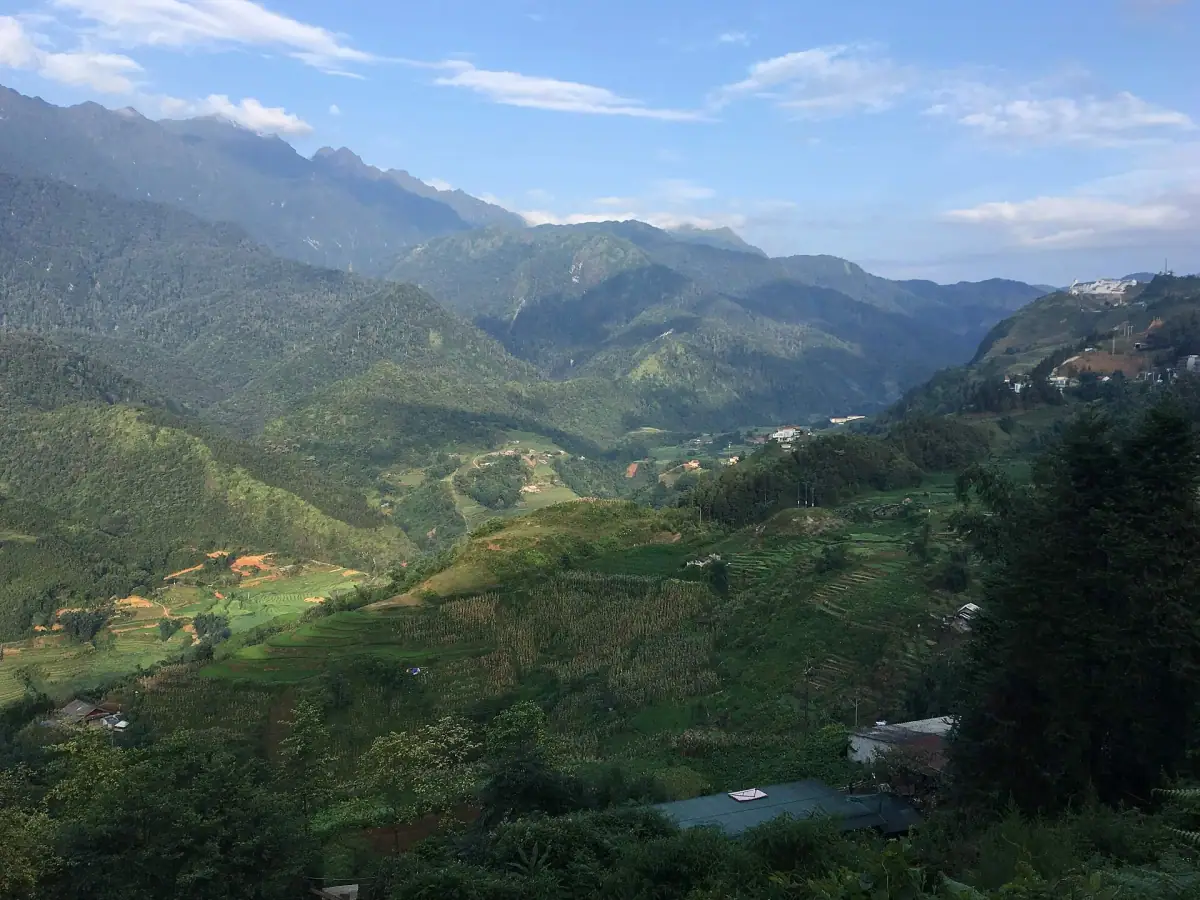
Perched at about 1,500 meters (4,920 ft) in the far north of Vietnam, near the Chinese border, Sapa is the starting point for the country’s most beautiful mountain scenery: rice terraces cut into entire slopes, valleys drowned in mist, villages where several ethnic minorities live, such as the Hmong and the Dao.
The town itself has changed a lot and become heavily urbanized. But an hour or two on foot outside the center is enough to find trails, water buffalo and stepped crops again. This guide helps you organize 3 days in Sapa: how to get there, what to see, when to go and where to sleep. Durations and distances are orders of magnitude, to check against the weather and road conditions.
Getting from Hanoi to Sapa
Sapa is about 300 to 350 km (186 to 217 mi) from Hanoi depending on the route. The town has no train station: you go through Lào Cai, the large city near the border, then climb a mountain road.
- The sleeper bus or minibus, by the Hanoi – Lào Cai expressway, is generally the fastest: allow about 5 to 6 hours, depending on traffic and stops.
- The night train to Lào Cai takes 8 to 9 hours. It arrives early in the morning; a transfer of about forty minutes by shuttle or taxi to Sapa then remains. It is slower, but you save a night of accommodation.
- A car with a driver suits you if you are a group or want to stop along the way.
If possible, arrive the day before or early in the morning, to keep the whole day for walking. If you have not yet visited the capital, our guide on what to see and do in Hanoi will help you plan before you leave.
Find a flight to Hanoi
Hanoi is the gateway to Sapa and the northern mountains. Compare flights before fixing your dates.
If Sapa is too far for your stay, a rice valley closer to the capital can also be visited without a car: see Mai Châu from Hanoi by bus.
The rice terraces of the Mường Hoa valley
The Mường Hoa valley is the most famous in the Sapa area. Its slopes are covered with terraced rice fields that change color through the year: tender green when the rice is growing, golden yellow shortly before the harvest, brown and reflecting the sky when the plots are flooded at the start of the season.
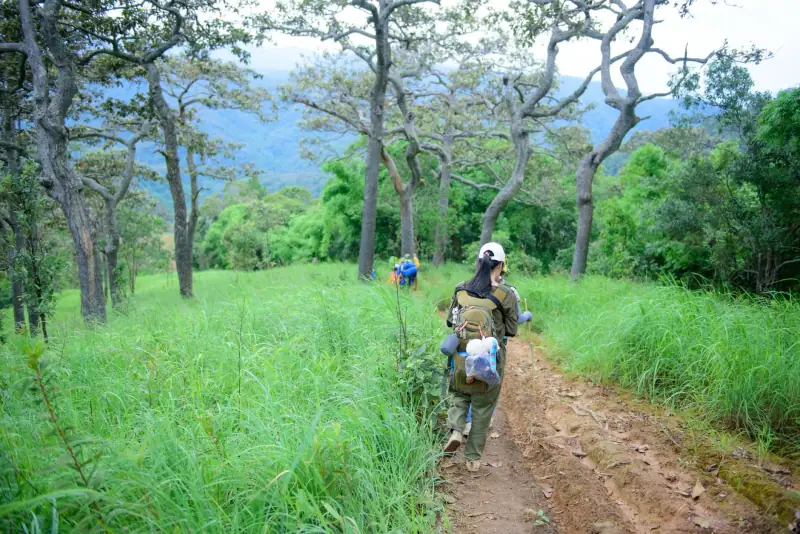
A hiking trail goes down into the valley through several villages. The walk is generally doable in half a day to a full day depending on the route chosen, with sloped sections and paths that are slippery after rain. A few tips:
- Wear good shoes with a grippy sole: mud is common, even outside the rainy season.
- Bring water, a waterproof jacket and a hat: the weather changes quickly in the mountains.
- Start early to enjoy the soft light and avoid groups.
- Keep small bills to buy crafts or a drink from locals.
The landscape is one of the main arguments for the north of the country; for many travelers, it is also the highlight of a stay in Vietnam.
Ethnic minority villages: Cát Cát, Tả Van, Lao Chải
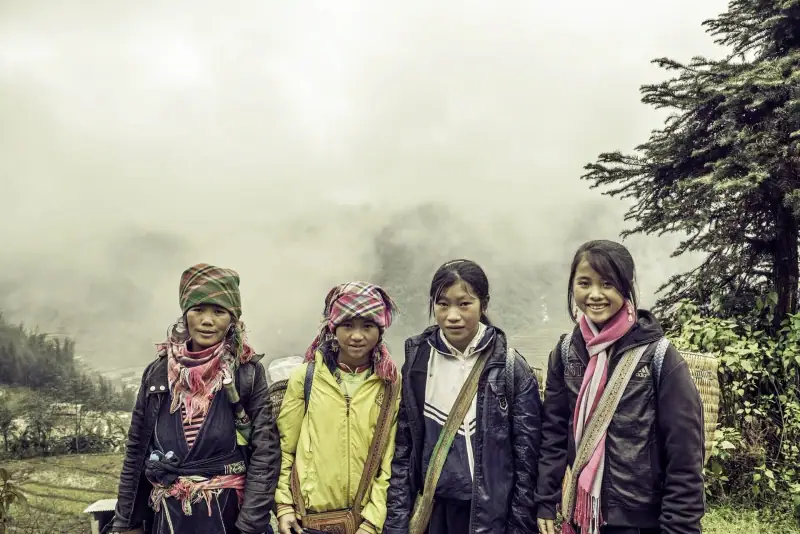
Several villages can be visited from Sapa. Cát Cát, the closest to town, is reached on foot by a staircase and a trail; it is heavily developed for visitors, with craft shops, weaving workshops and small waterfalls. Lao Chải and Tả Van, further into the Mường Hoa valley, are more oriented toward farming life and are discovered on a hike.
These villages are first and foremost places where people live. A few common-sense rules:
- Always ask before photographing a person, especially children.
- Do not systematically buy from the women sellers who follow you; a polite, smiling refusal is enough.
- Avoid giving money or candy to children: it encourages begging.
- If you stay with a local family, choose a family or a locally run accommodation: that way the money stays in the village.
The markets of the mountain villages, held on certain days of the week, are another way to discover the region. Ask locally for the exact days, as they vary from one village to another.
Fansipan, the roof of Indochina
Fansipan peaks at about 3,143 meters (10,312 ft): it is the highest mountain in Vietnam, and in the whole Indochinese peninsula, which earns it the nickname “roof of Indochina.” It lies in the Hoàng Liên Sơn range, a few kilometers from Sapa.
There are two ways to discover it:
- The cable car: it links the town of Sapa to the foot of the summit in about fifteen minutes, and steps remain to climb to the highest point. It is the simplest solution, accessible to most travelers.
- Hiking: it requires several hours of uphill walking, often over two days with a night at altitude, and a guide is strongly recommended. It is for walkers in good physical condition.
In both cases, the weather is unpredictable: the summit is frequently in cloud. Bring a windbreaker, a warm layer even in summer, and do not schedule this visit on the last day, to have a buffer if visibility is poor.
Treks and excursions in Sapa
Guided hike in the rice fields, village visit or Fansipan ascent: browse the bookable activities, with the cancellation terms shown on each offer.
Ô Quy Hồ Pass and the waterfalls
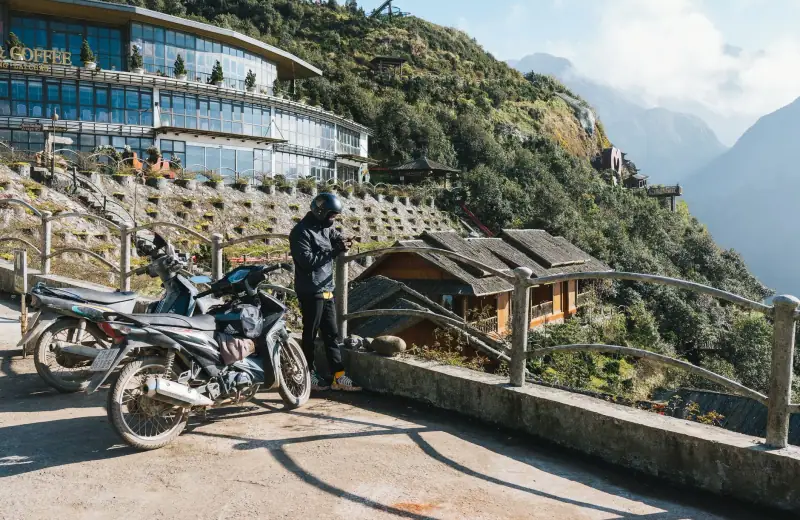
A few kilometers from Sapa, the road crosses the Ô Quy Hồ Pass, one of the longest and most spectacular in the country. Its switchbacks cross mountain landscapes, with the Fansipan range in the background when the sky is clear. The road can be done by car, by motorbike with a driver or on an organized excursion.
The waterfalls near the road are easy stops: one, called Silver Waterfall, is very busy; another, Love Waterfall, requires a bit more walking. They are more impressive after the rains, but access can then be slippery.
As on all the mountain roads of the north, riding a motorbike is not recommended for inexperienced travelers. For maximum comfort, use a driver.
A 3-day itinerary in Sapa
Here is a plan that leaves room for the weather, since fog can shift your plans.
Day 1: arrival and first contact. Arrive in Sapa early in the morning or during the day. Settle in, then take a walk in town and to Cát Cát village. Dinner in town, where you find Vietnamese restaurants as well as more international menus.
Day 2: the Mường Hoa valley. Hike through the rice terraces to Lao Chải and Tả Van, with lunch in a village. Return in the late afternoon by car or on foot depending on how you feel.
Day 3: Fansipan or Ô Quy Hồ Pass. Cable car to the summit, if the weather is good, or an excursion to the pass and the waterfalls. Return to Hanoi in the evening or the next day: do not plan a tight international flight the same evening.
To include Sapa in a big north-to-south trip, see our 15-day Vietnam itinerary.
Where to stay in Sapa
The town holds most of the hotels, from budget hostels to boutique hotels with valley views. To be near trailheads and restaurants, choose the center. For quiet and scenery, look at accommodations on the outskirts or in the villages, often guesthouses run by local families.
- Check the view: in the mountains, a room with a balcony toward the valley changes the experience, but it is useless on days of thick fog.
- Check the heating in winter: nights are cool, and not all rooms are well insulated.
- Book ahead in high season and during the Tết holidays, when attendance is high.
Where to stay in Sapa?
Compare Sapa's hotels and guesthouses, in the town center or with views of the rice fields, depending on your dates and budget.
What to eat in Sapa
Mountain cuisine is hearty and comforting, well suited to the cool climate. You find grilled skewers, smoked pork, seasonal vegetables, sticky rice and steaming soups. Many restaurants in town also offer classic Vietnamese dishes such as phở or spring rolls. To taste local cooking, favor meals taken with a local family during a trek.
When to visit Sapa
Sapa has a tropical mountain climate: the seasons are marked and fog is frequent.
- September-October: the rice fields are usually golden, the sky clearer. A much-loved period, therefore busier.
- March-April: mild temperatures, green landscapes, fewer people.
- Summer (June to August): hot during the day but rainy; the rice fields are an intense green, but trails are muddy and visibility is often reduced.
- Winter (December to February): cold, foggy, sometimes freezing; it can even freeze at altitude. Bring warm clothes.
To compare all regions of the country, see our guide when to go to Vietnam.
Practical tips
- Dress in layers: the temperature varies a lot between morning, afternoon and night.
- Plan a cash budget for the villages, where card payments are rare.
- Book your treks with a reliable operator: compare reviews and check the number of participants per group.
- Keep some slack in your schedule: fog, landslides or roadworks can delay transport.
- Respect locals and their environment: do not leave trash and do not leave the paths to enter cultivated plots.
Final thoughts
Sapa has to be earned: the trip is long, the weather unpredictable, and the town has become touristy. But the rice terraces, the village trails and the view from Fansipan make it one of the most memorable stops in the north. Three days are enough to enjoy it without rushing. Then head back down to Hanoi, Ha Long Bay or Ninh Binh to continue your trip, or go on toward the center of the country.
Frequently asked questions
How long do you need to visit Sapa?
Three days and two nights in Sapa allow a hike in the rice fields, a village visit and, weather permitting, Fansipan. With only one day, the trip from Hanoi takes most of the time.
How do you get from Hanoi to Sapa?
By the Hanoi – Lào Cai expressway, allow about 5 to 6 hours by sleeper bus or minibus, for 300 to 320 km (186 to 199 mi), then a mountain road up to Sapa. The night train to Lào Cai takes 8 to 9 hours, followed by a transfer of about 45 minutes.
What is the best time to visit Sapa?
September-October and March-April are generally the most pleasant. The rice fields are golden shortly before the harvest, in late summer and early fall. Summer is rainy and misty; winter is cold and can be very foggy.
Do you need a guide to hike around Sapa?
It is not mandatory on the busiest trails, but a local guide makes it easier to discover the villages, avoids getting lost in fog and brings income to locals. For climbing Fansipan on foot, a guide is strongly recommended.
Can you see Fansipan without climbing it?
Yes, a cable car links the town to the summit area in about fifteen minutes. A few steps remain to reach the highest point. Visibility depends a lot on the weather: check the forecast and leave early.
More Vietnam guides
Keep reading

Hanoi: what to see and do in 3 days, a guide to the capital
What to see in Hanoi? Old Quarter, Hoàn Kiếm Lake, Temple of Literature, mausoleum, citadel, street food: a 3-day itinerary, tips and where to stay.
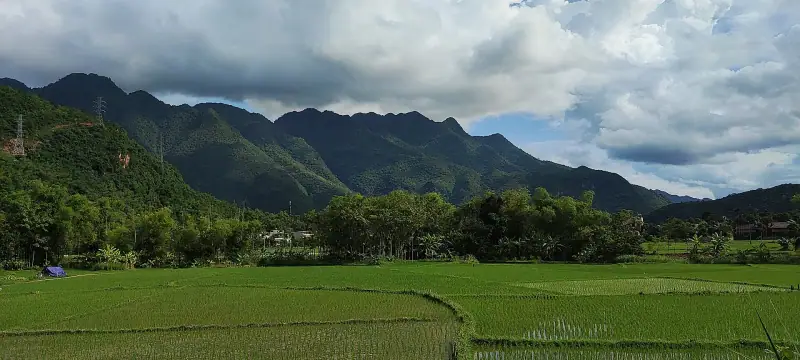
Mai Châu without a car from Hanoi: bus, Lac village or Pom Coong
Getting to Mai Châu from Hanoi without a car: bus or van, duration, prices, Lac or Pom Coong, how many nights and what to know before booking.
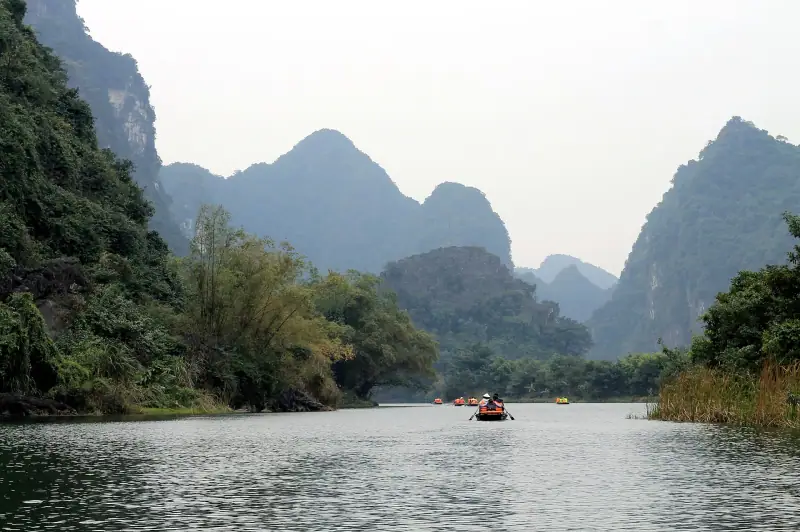
Ninh Binh: what to see and do in 2 days from Hanoi
What to see in Ninh Binh? Tràng An, Tam Cốc, Hang Múa, Hoa Lư, Bái Đính Pagoda: a 2-day itinerary, seasonal tips and where to stay.
Ready-made
Vietnam itineraries

10 days
Vietnam in 10 days without a car: a realistic itinerary by train, bus and plane
Vietnam in 10 days without a car: Hanoi, Ninh Binh, Hue, Hoi An and Ho Chi Minh City, with distances, real travel times and train, bus or plane options.
7 days
Northern Vietnam in 7 days: Hanoi, Ninh Binh and Ha Long Bay
HanoiNinh BinhHa Long Bay cruise
15 days
Vietnam 15-day itinerary: north to south, day by day
HanoiNinh BinhHa Long or Lan Ha Bay cruiseHoi An