What to see
Ho Chi Minh City (Saigon): what to see and do in 3 days
We may earn a commission when you book through links on this page, at no extra cost to you. We don't visit or try the places we cover: we summarize published sources. How we work
In short
- Two to three days cover the essentials: the colonial center, the war museums, Cholon and street food; add a day for the Cu Chi tunnels or the Mekong Delta.
- Tan Son Nhat Airport is only a few kilometers from the center: 20 minutes to 1 hour to District 1 depending on traffic.
- District 1 is the most practical base for a first visit; District 3 is calmer and more residential.
- The dry season, roughly December to April, is the most pleasant; from May to November showers are frequent but short, often in the late afternoon.
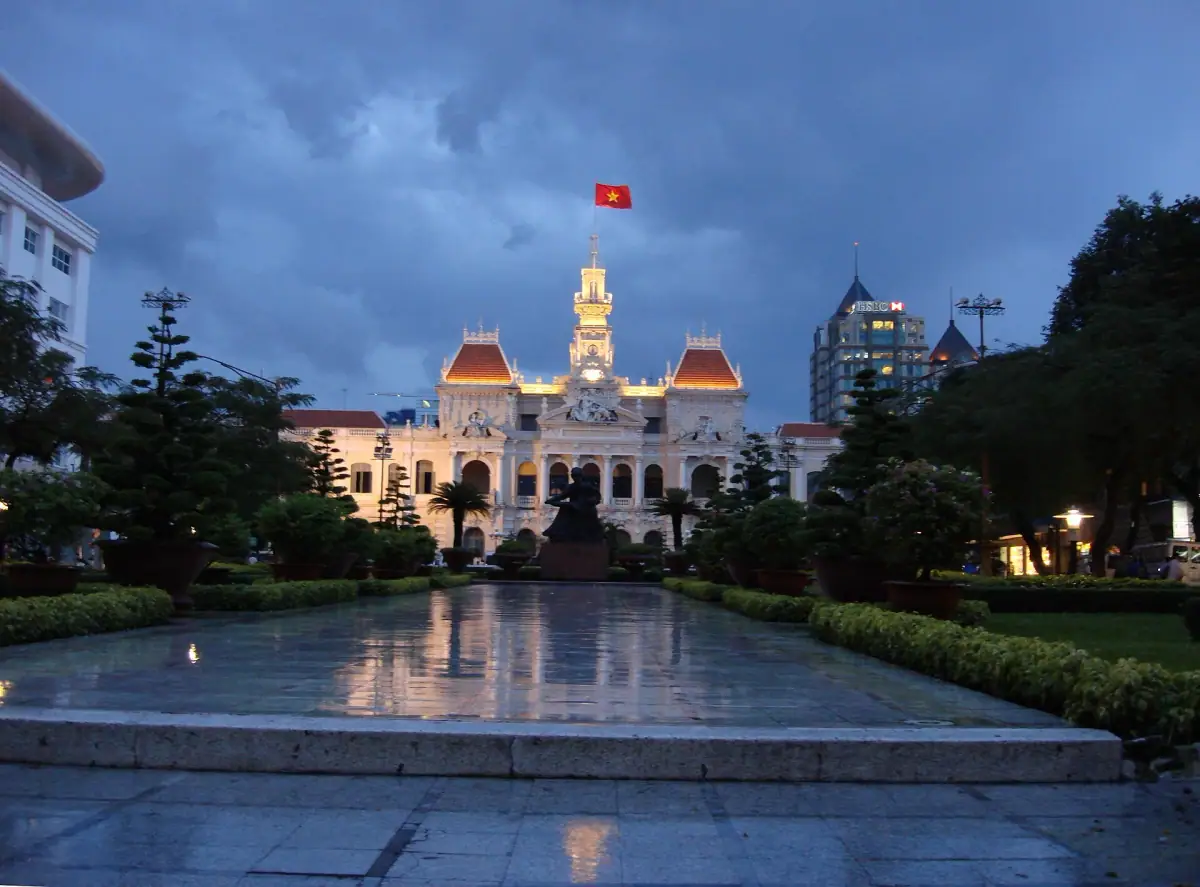
The economic capital of Vietnam, Ho Chi Minh City, which almost everyone still calls Saigon, is a dense, noisy and fascinating metropolis. Motorbikes come in streams, skyscrapers stand beside pagodas, and buildings from the French colonial era appear around the bend of tree-lined avenues. Nothing like the calm of Hue or the gentleness of Hoi An: here, everything moves fast, and that is part of its charm.
This guide helps you organize 3 days in Ho Chi Minh City: how to get there, which neighborhoods to explore, which monuments and museums to choose, what to eat, where to sleep and which excursions to add. Distances and durations are orders of magnitude, to adjust to traffic, which varies a lot from one hour to the next.
Getting to Ho Chi Minh City and getting around
The city is served by Tan Son Nhat International Airport, only a few kilometers from the center: depending on traffic, the trip to District 1 generally takes between 20 minutes and an hour. It is the main gateway to the south of the country, with flights to Hanoi, Da Nang or Phu Quoc, as well as many international connections. If you are putting together a north-to-south trip, our 15-day Vietnam itinerary shows how to include it.
Find a flight to Ho Chi Minh City
International flights or domestic connections from Hanoi, Da Nang or Phu Quoc: compare schedules before fixing your dates.
In the center, many sights can be reached on foot, but heat and humidity encourage alternating walking with rides by car or motorbike taxi. Ride-hailing apps, such as Grab, are widespread: they show the price before departure, which avoids negotiating. City buses exist but are impractical for a short stay.
The colonial center: Notre-Dame Cathedral and the Central Post Office
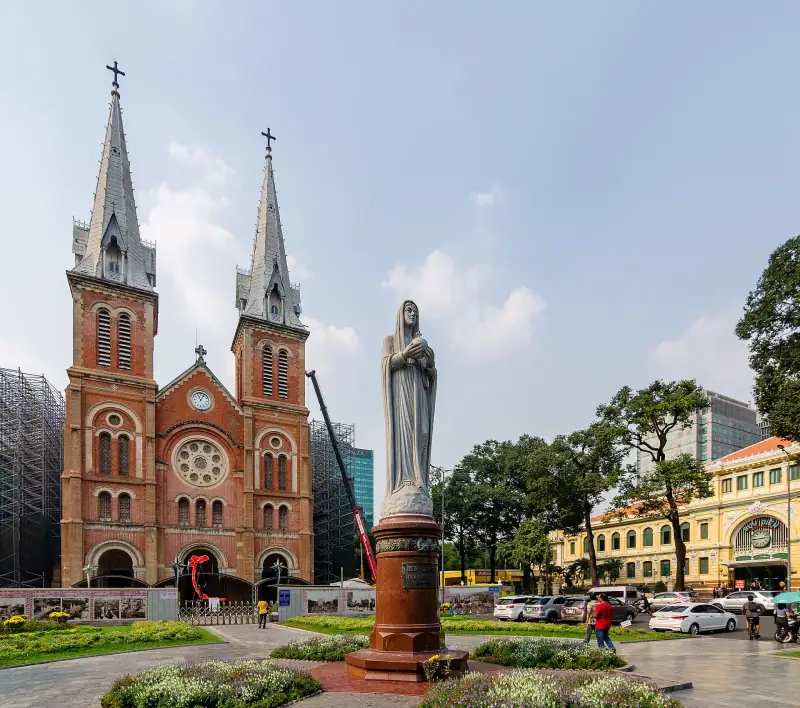
This is the ideal starting point. Saigon Notre-Dame Cathedral, built in the late 19th century in a Romanesque style, is recognizable by its two towers and its red brick facade. It faces the Central Post Office, a colonial building of the same period, with a large vaulted hall, period phone booths and old maps on the walls. It is sometimes attributed to Gustave Eiffel, but that is a persistent legend rather than an established fact.
The post office is still in operation: it is the place to write a postcard to your loved ones. The two monuments are a few steps from each other, in a district of wide avenues extended by Dong Khoi Street, a former shopping artery from the French period, now lined with shops, cafés and hotels. Further on, the pedestrian Nguyen Hue Street links the center to the Saigon River: it is a very busy place for a stroll in the evening.
Allow two to three hours for this first morning, with breaks in cafés. Depending on the period, the cathedral may be under restoration or access may be limited: check before going if you want to see the inside.
The Reunification Palace and the War Remnants Museum
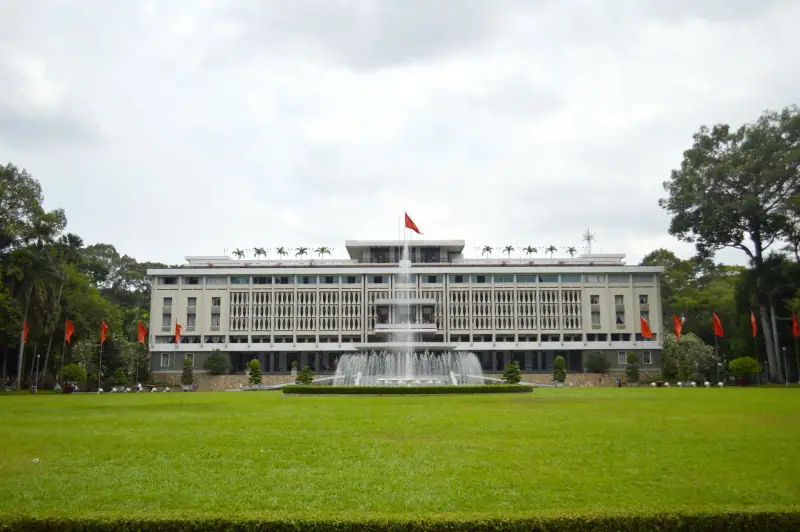
The Reunification Palace, the former presidential palace of the South Vietnamese regime, is one of the city’s most striking sites. It was at its gates that North Vietnamese army tanks arrived on April 30, 1975, ending the war. The building, in a 1960s modernist style, has been kept in its period state: reception rooms, conference room, offices, an underground bunker with its communications equipment. The visit is short, often about an hour, and very telling for understanding the country’s recent history.
Not far away, the War Remnants Museum presents the Vietnam War from the Vietnamese point of view, with photographs, documents and military equipment displayed in the courtyard. Some rooms are very hard, notably those covering the consequences of Agent Orange: take that into account with children, and keep energy for the rest of the day.
For both sites, entry is paid and hours generally include a midday break: ask at the entrance or at your hotel to avoid unpleasant surprises.
Ben Thanh Market and the District 1 neighborhoods
Ben Thanh Market, with its large clock-topped facade, is one of the city’s symbols. It dates from the early 20th century and gathers hundreds of stalls: fabrics, souvenirs, coffee, spices, crafts, but also food stands where you eat on the go. It is very touristy and posted prices are negotiable: stay polite, compare, do not pay the first price quoted. For a more local mood, many neighborhood markets, less visited by tourists, are also worth a detour.
Around it, District 1 mixes narrow lanes, old buildings, cafés set in former apartments and glass towers. At the end of the day, try a cold drink on a rooftop to watch the city light up. The Bitexco Tower and Landmark 81, further to the northeast, are a reminder that Saigon is also the country’s economic showcase.
Where to stay in Ho Chi Minh City
Hotels in District 1, quieter addresses in District 3 or near Cholon: compare availability, neighborhoods and reviews.
Cholon, the Chinese district and its pagodas
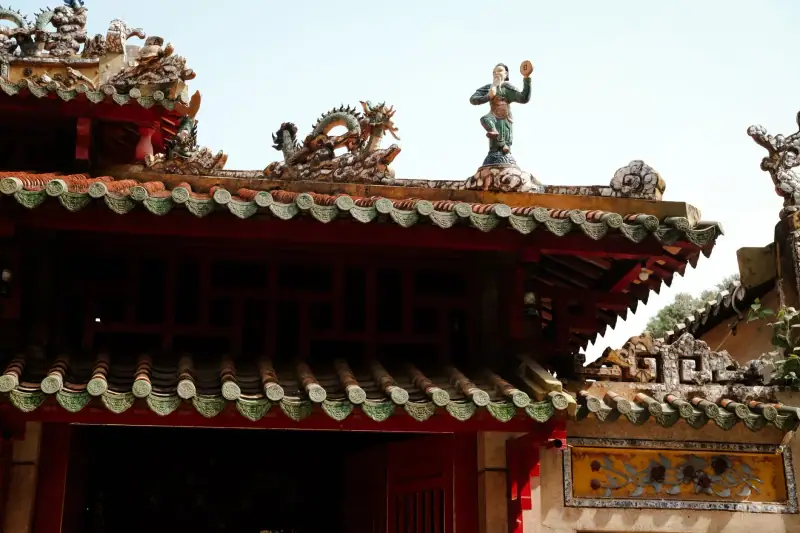
A few kilometers west of the center, Cholon is the historic Chinese district, in District 5. Its name roughly means “big market.” You find temples, community assembly halls, medicinal herb shops, wholesalers and a large covered market, Binh Tay Market.
Thien Hau Pagoda, dedicated to the sea goddess Mazu, is one of the best known: incense spirals hanging from the ceiling, roofs decorated with small ceramic figures, a very fragrant atmosphere. You go to see locals pray, more than for a monumental visit. Respect the religious character of the place: shoulders and knees covered, low voice, discreet photos.
Cholon is best visited in late morning, with a lunch of Cantonese cuisine or dim sum, then a stroll through the shopping streets. Allow half a day.
The Jade Emperor Pagoda and the city’s religious life
In District 1, northeast of the center, the Jade Emperor Pagoda (Phuoc Hai) dates from the early 20th century and mixes Buddhism, Taoism and folk worship. It is darker and more intimate than the Cholon pagodas, with painted wooden statues of deities, offerings and thick incense smoke. The site also holds a turtle pond, which you observe from a distance.
It is a short visit, about an hour, easily combined with a walk in District 3, where you find cafés, bakeries and more discreet colonial houses.
Saigon street food
Saigon is a capital of street food. A few dishes to try:
- Bánh mì: a crusty bread sandwich filled with meat, pâté, pickled vegetables and herbs. A classic at any hour.
- Cơm tấm: broken rice served with grilled pork, an egg and vegetables, very popular for breakfast and lunch.
- Hủ tiếu: a southern noodle soup, clearer and sweeter than the northern phở.
- Bánh xèo: large crispy rice-flour crêpes, rolled in lettuce leaves with herbs.
- Cà phê sữa đá: very strong filtered coffee, with sweetened condensed milk and ice. It refreshes, but it wakes you up.
Eat where locals queue, spot stalls with good turnover, and prefer dishes cooked to order. To understand the country’s main families of dishes, see our guide to Vietnamese cuisine.
Food tour and cooking class in Saigon
Street food tasting by motorbike or on foot, Vietnamese cooking class: browse the bookable activities, with the cancellation terms of each offer.
Excursions from Ho Chi Minh City: the Cu Chi tunnels and the Mekong Delta
Two excursions come up very often, each lasting half a day to a day:
- The Cu Chi tunnels, northwest of the city, about 1 h 30 to 2 h by road depending on traffic. This underground network served as a refuge and logistics base during the war. You visit sections widened for tourists, reconstructed traps and galleries where you can crawl on all fours: avoid them if you are claustrophobic. Some tours also offer shooting at a range, which is not to everyone’s taste.
- The Mekong Delta, a vast region of canals, orchards and floating villages southwest of the city. Day excursions generally go to My Tho or Ben Tre: a boat ride, a visit to coconut candy workshops, fruit tasting. To see the floating markets, which open early in the morning, you have to stay in the area, notably in Can Tho, which means at least one night.
Both excursions are easy to book online or through your hotel. Check the real length of the tour, the number of participants and what is included before paying.
Cu Chi tunnels and the Mekong Delta
Guided tunnel visit, a day in the delta or a combination of both: compare tours from Saigon.
Suggested itinerary: Ho Chi Minh City in 3 days
- Day 1: Notre-Dame Cathedral, Central Post Office, Dong Khoi Street, a cơm tấm lunch, Reunification Palace in the afternoon, a stroll on Nguyen Hue Street at the end of the day.
- Day 2: War Remnants Museum in the morning, Jade Emperor Pagoda, Ben Thanh Market, then a street food evening in District 1 or 3.
- Day 3: Cholon and Thien Hau Pagoda in the morning, Binh Tay Market, free afternoon or rest.
If you have one more day, devote it to the Cu Chi tunnels or the Mekong Delta.
Where to stay in Ho Chi Minh City
For a first visit, District 1 is the most practical: sights, restaurants and nightlife are concentrated there. It is also noisier and pricier than the rest of the city. District 3 is a good alternative, calmer and more residential, with fine local food spots and cafés. Cholon (District 5) suits those who prefer a less touristy mood, but it is a little off-center.
Book ahead for holiday periods, notably Tết (Lunar New Year), when many shops close for a few days and prices climb.
When to visit Ho Chi Minh City
The city is hot all year. The dry season, from about December to April, is the most pleasant for visiting, even though the heat rises clearly toward the end of the period. From May to November, showers are frequent, often in the late afternoon: they generally last a short time and do not prevent sightseeing, as long as you pack a light poncho. The detail by region is in our guide when to go to Vietnam.
Practical tips
- Crossing the street: walk at a steady pace, without stopping, and let the motorbikes go around you.
- Safety: keep your phone and bag close to your body, especially at the roadside, because motorbike bag snatching exists.
- Dress: shoulders and knees covered for pagodas and temples.
- Heat: water, hat and sunscreen, and air-conditioned breaks in the middle of the day.
- Transport: prefer ride-hailing apps or reputable taxis, and check the price before leaving.
- Combining: Saigon is a good starting or ending point for a trip to Vietnam, after Hoi An or Hue.
Final thoughts
Ho Chi Minh City is a city you love for its energy: a colonial center to explore on foot, museums that tell the country’s recent history, a fascinating Chinese district and street food that justifies the detour all by itself. Three days let you discover it without rushing, with one more excursion if you like landscapes and history. Arrive with curiosity, plan breaks in the shade and let yourself be carried by the city’s rhythm.
Frequently asked questions
How long do you need to visit Ho Chi Minh City?
Two to three days are enough to see the essentials: the colonial center, the war museums, Cholon and street food. Add a day if you want to make an excursion to the Cu Chi tunnels or the Mekong Delta.
Are Saigon and Ho Chi Minh City the same city?
Yes. The city was renamed Ho Chi Minh City in 1976, after the country's reunification, but the name Saigon is still widely used day to day, especially for the historic center (District 1).
Where should you stay in Ho Chi Minh City for a first visit?
District 1 is the most practical: most tourist sights, restaurants and bars are there, and you get around largely on foot. District 3 is calmer and residential, with good local food spots.
How do you cross the street with all these motorbikes?
Move at a slow, steady pace, without stopping or backing up, looking at the drivers. Motorbikes go around you if your path is predictable. At big intersections, take advantage of a group of pedestrians.
What is the best time to visit Ho Chi Minh City?
The dry season, from about December to April, is the most pleasant, even though temperatures rise toward the end of the period. From May to November, showers are frequent, often in the late afternoon, but they are short and do not prevent sightseeing.
More Vietnam guides
Keep reading
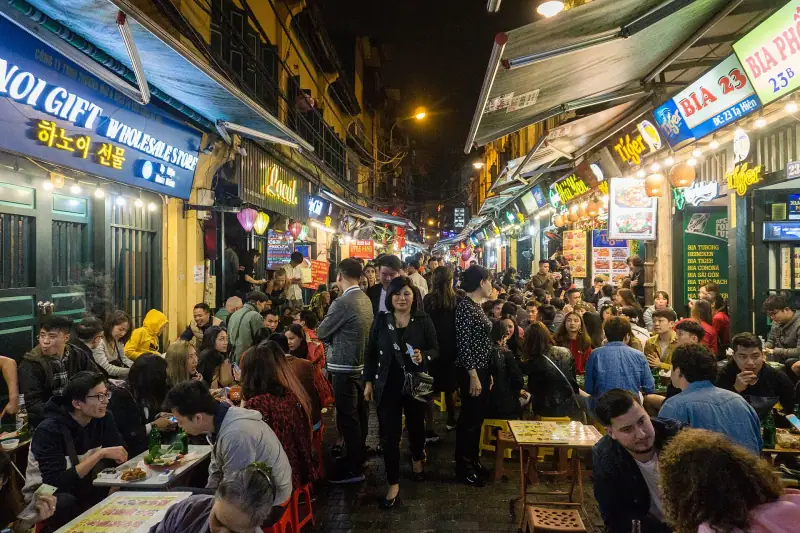
Hanoi: what to see and do in 3 days, a guide to the capital
What to see in Hanoi? Old Quarter, Hoàn Kiếm Lake, Temple of Literature, mausoleum, citadel, street food: a 3-day itinerary, tips and where to stay.
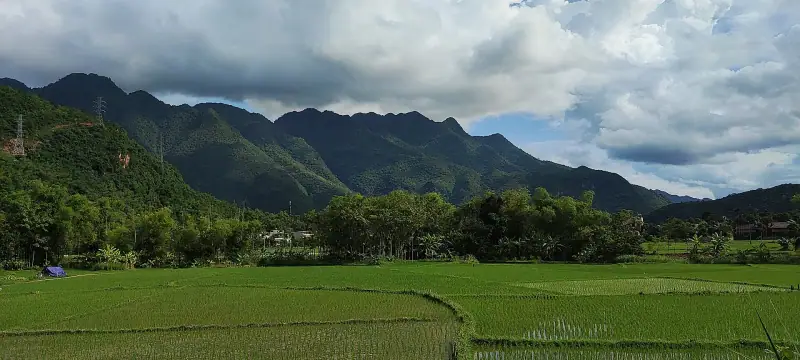
Mai Châu without a car from Hanoi: bus, Lac village or Pom Coong
Getting to Mai Châu from Hanoi without a car: bus or van, duration, prices, Lac or Pom Coong, how many nights and what to know before booking.
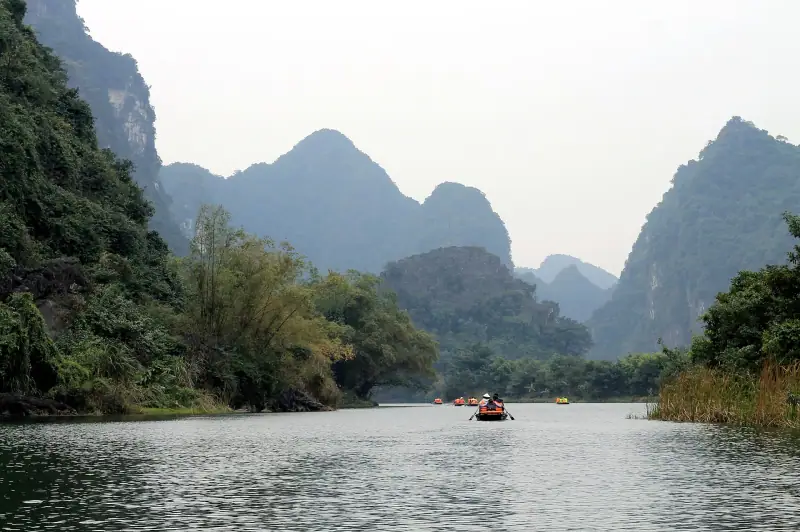
Ninh Binh: what to see and do in 2 days from Hanoi
What to see in Ninh Binh? Tràng An, Tam Cốc, Hang Múa, Hoa Lư, Bái Đính Pagoda: a 2-day itinerary, seasonal tips and where to stay.
Ready-made
Vietnam itineraries
10 days
Vietnam in 10 days without a car: a realistic itinerary by train, bus and plane
Vietnam in 10 days without a car: Hanoi, Ninh Binh, Hue, Hoi An and Ho Chi Minh City, with distances, real travel times and train, bus or plane options.
7 days
Northern Vietnam in 7 days: Hanoi, Ninh Binh and Ha Long Bay
HanoiNinh BinhHa Long Bay cruise

15 days
Vietnam 15-day itinerary: north to south, day by day
HanoiNinh BinhHa Long or Lan Ha Bay cruiseHoi An