What to see
Hanoi: what to see and do in 3 days, a guide to the capital
We may earn a commission when you book through links on this page, at no extra cost to you. We don't visit or try the places we cover: we summarize published sources. How we work
In short
- Three days cover the essentials: Old Quarter, Hoàn Kiếm Lake, Temple of Literature, Ba Đình and the citadel, with time for street food.
- Nội Bài Airport is about 30 km (19 mi) from the center; allow 45 minutes to 1 hour depending on traffic.
- The Old Quarter is the most convenient base for a first visit, but it is lively late into the evening.
- Check the Ho Chi Minh Mausoleum opening days and dress code before going: it opens only some mornings and closes once a year for maintenance.
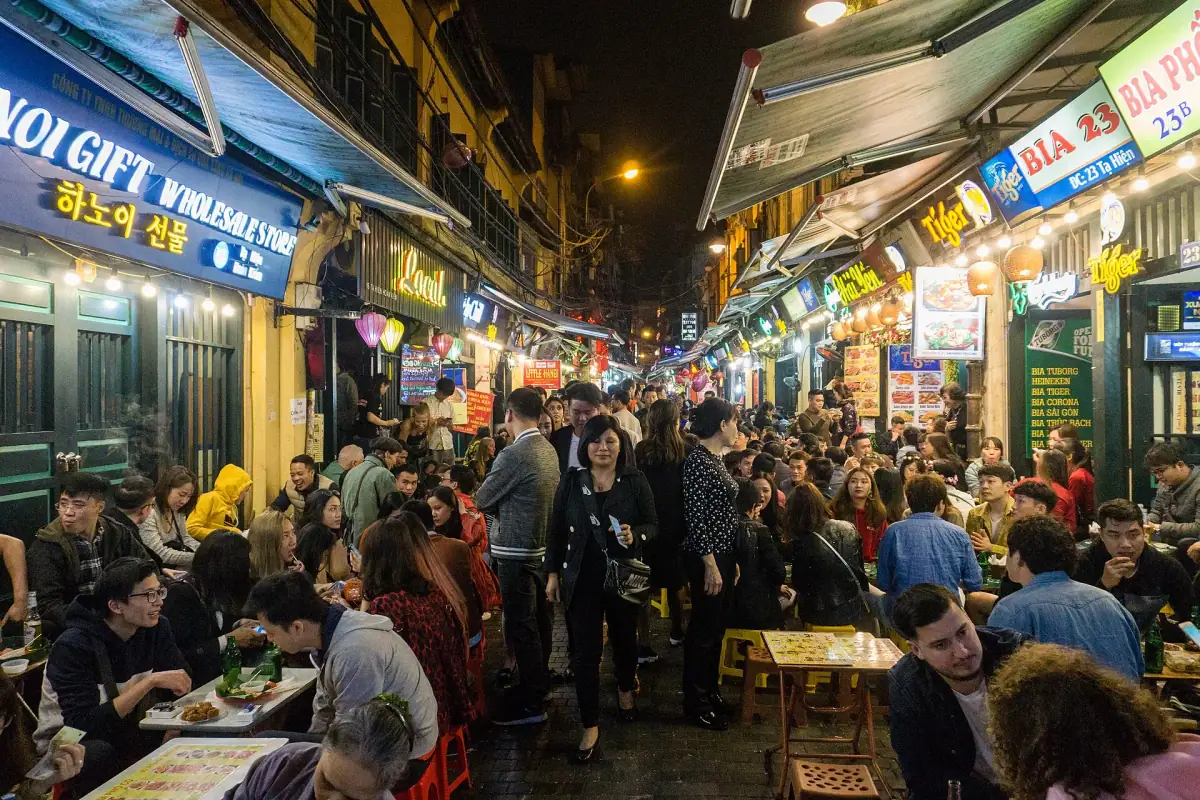
Hanoi is not just something you visit: you live it, to the rhythm of scooters, the smell of broth and the little plastic stools set out on the sidewalks. Vietnam’s capital mixes very old shopping lanes, lakes in the middle of the city, temples, French colonial villas and cafés where you can spend an afternoon without noticing the time go by.
It is also the natural gateway to the north of the country. This guide helps you organize 3 days in Hanoi: the sights to see first, a realistic itinerary, the right habits for traffic and food, and how to choose where to sleep. Durations and distances are orders of magnitude, to adjust according to traffic and season.
Arriving in Hanoi and getting your bearings
Nội Bài International Airport is about 30 km (19 mi) from the center. The trip generally takes 45 minutes to an hour, longer at rush hour. The simplest options are a taxi or a pre-booked car, a cheaper but slower public bus, or the shuttle offered by some hotels. To avoid haggling over the fare on arrival, agree on the price first or use a ride-hailing app.
For a nature getaway of one or two nights without renting a vehicle, our guide to Mai Châu by bus from Hanoi details the trip, the prices and the choice between Lac and Pom Coong.
The tourist center is concentrated around two neighboring areas: the Old Quarter, north of Hoàn Kiếm Lake, and the French Quarter, to the south, with its wider avenues and early 20th-century buildings. The other major sights are spread out to the west, around Ba Đình, and along West Lake. The center is very easy to cover on foot; for longer distances, taxis and cars with a driver are very affordable.
Crossing the street takes some getting used to: walk at a slow, steady pace, without stopping or running. The scooters will go around you. It is unsettling on the first day, natural by the second.
Find a flight to Hanoi
Compare flights to the capital before fixing your dates, especially for fall and spring, which are in high demand.
The Old Quarter: the beating heart of Hanoi
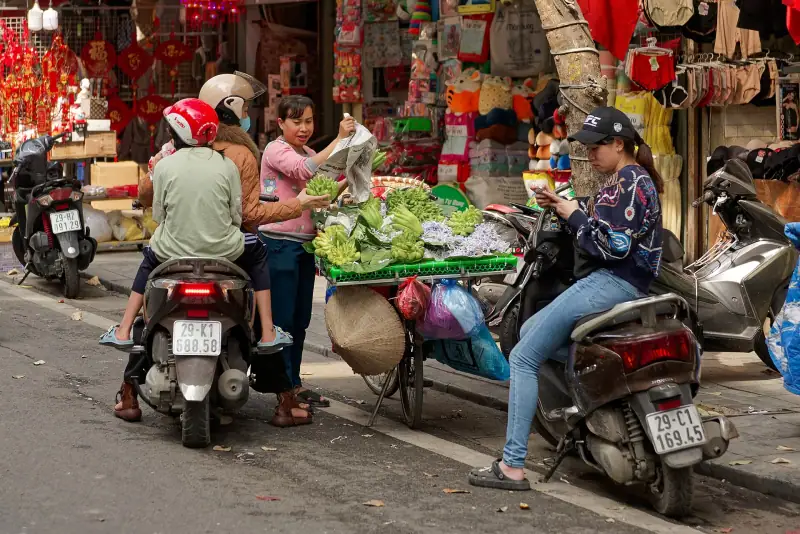
The Old Quarter is a maze of lanes where trades were once grouped by street: people often speak of the “36 streets” or “36 guilds.” This organization left traces in street names, and some shops are still specialized: silk, bamboo, spices, toys, fabrics, metal goods.
The nicest way is to get lost with no set plan, moving from a stall to a tube house: these narrow, very deep buildings, typical of the city, sometimes have several inner courtyards. A few tips:
- Visit in the morning: the atmosphere is more authentic, the markets are in full swing and the heat is still bearable.
- Haggle with a smile in shops without displayed prices, but not excessively: the gaps are rarely huge on small purchases.
- Look up: the facades, balconies and tangles of electric wires are part of the scenery.
- Keep your bag in front of you in very crowded places, as in any big city.
In the evening, some streets in the quarter are closed to traffic on weekends, with stalls and activity. It is a very good opportunity to have dinner right there and watch local life.
Hoàn Kiếm Lake and Ngọc Sơn Temple
Hoàn Kiếm Lake, the “Lake of the Returned Sword,” marks the symbolic heart of the city. According to legend, King Lê Lợi returned a magic sword there to a giant turtle after driving out the Chinese occupiers. Around the lake, a shaded path is very busy early in the morning with locals exercising, doing tai chi or simply taking a walk.
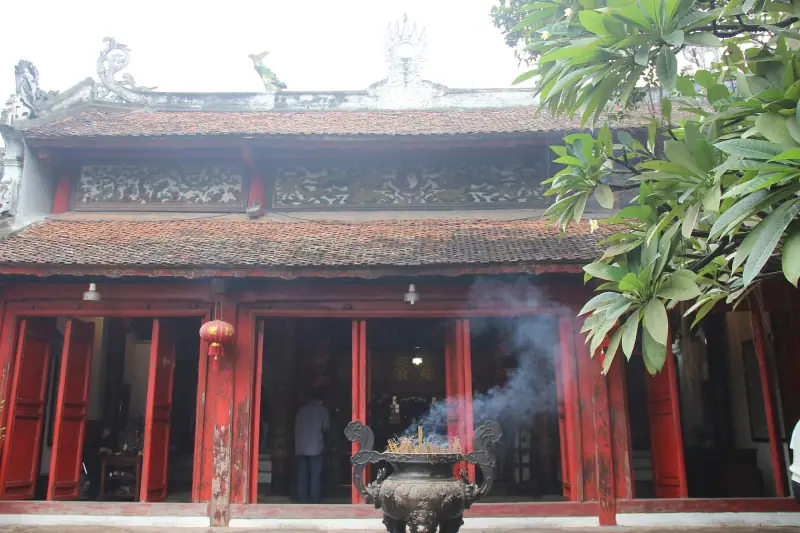
On a small island, Ngọc Sơn Temple is connected to the shore by a red wooden bridge, the Thê Húc Bridge. There is an entrance fee, for a visit of about half an hour. Photos are nicer in the morning light or at the end of the day, when the bridge’s colors reflect in the water.
On weekends, the streets around the lake are generally closed to traffic, which turns the stroll into a large social space, with games, music and families enjoying the cool evening.
The Temple of Literature, the country’s first university
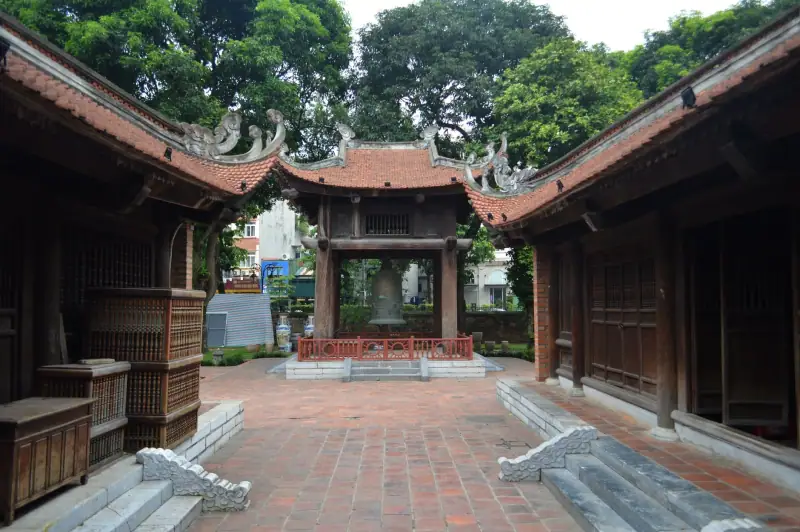
The Temple of Literature (Văn Miếu – Quốc Tử Giám) is a complex of courtyards, gardens and traditional pavilions dedicated to Confucius and scholars. It was founded in the 11th century, and the teaching institution associated with it is considered Vietnam’s first university.
The steles set on stone turtles, which carry the names of the laureates of the imperial exams, are among the site’s best-known images. Students still come to touch the turtles’ heads before their exams to bring luck. The visit lasts about an hour; the atmosphere is calmer early in the morning or at the end of the day.
The site is a good starting point for an afternoon in the west of the city: it is only a few kilometers from the Old Quarter, easily reached by taxi or by car with a driver.
Where to stay in Hanoi?
Lively Old Quarter, streets near the lake or a calmer atmosphere near West Lake: compare availability and reviews.
Ba Đình: the mausoleum, One Pillar Pagoda and the citadel
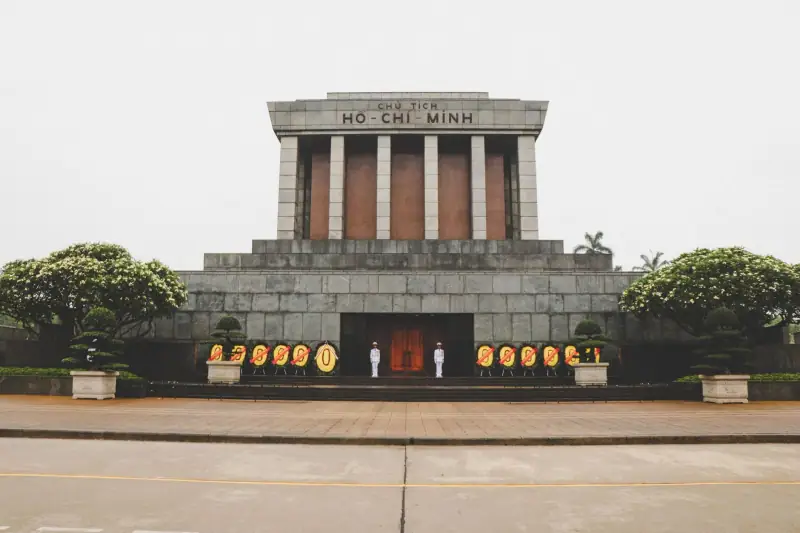
The Ba Đình district is the country’s political center. It is home to the Ho Chi Minh Mausoleum, where the leader lies, as well as the stilt house where he lived and the One Pillar Pagoda, a small shrine set on a stone pillar in the middle of a pond, recognizable and much photographed.
The mausoleum is tightly managed: it opens only some mornings, closes on certain days of the week, and shuts every year for a maintenance period. Dress must be respectful (shoulders and knees covered), silence is expected, and cameras are generally not allowed inside. Check the conditions before you go.
Nearby, the Imperial Citadel of Thăng Long, a UNESCO World Heritage Site since 2010, preserves remains from several eras, from the Lý dynasty to the modern period. It is a large site, more archaeological than spectacular, but it sheds light on several centuries of the capital’s history. Allow an hour or two depending on your interest.
Hoa Lò Prison and the museums
To understand the country’s modern history, Hoa Lò Prison is a striking visit. Built in the colonial era, it was used to imprison Vietnamese opponents, then foreign soldiers during the war. The exhibits reflect a national point of view, which is worth keeping in mind, but the visit remains instructive. Allow about an hour.
Two museums round out a stay well. The Vietnam Museum of Ethnology, a little outside the center, presents the diversity of the country’s ethnic minorities, with reconstructed traditional houses in the gardens. The Vietnamese Women’s Museum tells, in an accessible way, the role of women in the family, society and history. They are especially useful if you plan to head on to Sapa and the northern mountains.
The French Quarter, the cathedral and the puppet theater
South of the lake, tree-lined avenues and colonial-style buildings recall the period of French Indochina: the neoclassical opera house, several grand hotels and villas with green shutters. It is a pretty area for an end-of-day stroll.
St. Joseph’s Cathedral, in neo-Gothic style and inaugurated at the end of the 19th century, is northwest of the lake. The lanes around it hold small cafés and shops, very pleasant in the late afternoon.
The water puppet theater is a show typical of the Red River Delta: wooden puppets move across a pool, accompanied by traditional musicians. The performance lasts about an hour and can be understood without speaking Vietnamese. Book ahead in high season.
Tours and excursions in Hanoi
Walking tour, scooter tour with a driver, show or day excursion: browse the bookable activities, with the cancellation terms shown on each offer.
West Lake and Trấn Quốc Pagoda
West Lake (Hồ Tây) is the city’s largest lake. Its shore is more residential, with cafés, restaurants and hotels where you feel far from the bustle of the Old Quarter. You can go around it by bike or by car, but the distance is significant: a full loop takes several hours by bike if you stop.
Trấn Quốc Pagoda, set on a peninsula, is reputed to be one of the capital’s oldest Buddhist sanctuaries. It is especially pleasant in the late afternoon, when the golden light gives the place a peaceful air. Modest dress is expected.
What to eat in Hanoi
Hanoi is a street food paradise, and most dishes are enjoyed on small stools, for a few euros (a few dollars). A few specialties to try:
- Phở, rice noodle soup with beef or chicken, often eaten for breakfast. The northern version is clearer and has fewer herbs than in the south.
- Bún chả, grilled pork served with rice vermicelli and a sweet-and-sour broth, very popular at lunchtime.
- Chả cá, fish marinated in turmeric and dill, pan-fried at the table: a dish typical of the city.
- Bánh mì, the Vietnamese sandwich inherited from the French baguette, ideal for a quick lunch.
- Egg coffee (cà phê trứng), a creamy drink invented in Hanoi, halfway between coffee and dessert.
To choose a place, the most reliable rule is to head for stands frequented by locals, where turnover is fast and dishes are prepared in front of you. If you have a sensitive stomach, favor hot dishes cooked to order, and avoid ice in places with few customers.
To go further, a cooking class or a walking food tour helps you understand the ingredients, taste several dishes in one evening and ask a local guide all your questions.
Food tour and cooking class in Hanoi
Street food tasting with a local guide, or a workshop to learn how to make phở and spring rolls.
A 3-day itinerary in Hanoi
Here is a balanced schedule that limits unnecessary trips and leaves room for breaks.
Day 1: Old Quarter and Hoàn Kiếm Lake
- Morning: walk through the Old Quarter, street breakfast.
- Lunch: bún chả or another local specialty.
- Afternoon: loop around Hoàn Kiếm Lake and Ngọc Sơn Temple, then St. Joseph’s Cathedral.
- Evening: water puppet show, then dinner in the Old Quarter.
Day 2: history and culture
- Morning: Ba Đình district (mausoleum if open, One Pillar Pagoda), then Thăng Long Citadel.
- Afternoon: Temple of Literature.
- End of day: egg coffee, then a stroll through the French Quarter.
Day 3: museums and West Lake
- Morning: Hoa Lò Prison or the Museum of Ethnology, depending on your interests.
- Afternoon: Trấn Quốc Pagoda and the shore of West Lake.
- Evening: food tour or farewell dinner.
If you have an extra day, spend it on an excursion outside the city: our guide Ninh Binh: what to see and do in 2 days details the easiest one to organize from the capital.
Where to stay in Hanoi
For a first visit, the Old Quarter remains the most practical choice: you get around on foot, there are restaurants everywhere and small hotels are plentiful. It is, however, lively late in the evening; ask for a room away from the street if you are a light sleeper.
The streets around Hoàn Kiếm Lake and the French Quarter offer a more open setting, with establishments of varied standards and easy access to the museums and the theater. The shore of West Lake suits those who prefer quiet, at the cost of longer taxi rides to reach the main sights.
Book ahead in high season, especially in October-November and around the Tết holidays, when the city is in great demand.
When to visit Hanoi
Hanoi’s climate has four seasons. Fall (October-November) and spring are generally the most pleasant periods. Summer is hot, humid and stormy, while winter is cool, often with a gray sky and some drizzle; bring a jacket. To compare with the rest of the country, see our guide when to go to Vietnam.
Practical tips
- Money: keep cash in dong for street food and small purchases; cards are accepted in hotels and more upscale restaurants.
- Dress: light clothing, but covering shoulders and knees for temples, pagodas and the mausoleum.
- Transport: ride-hailing apps avoid price discussions; for a scooter, rent one only if you are used to local driving and have suitable insurance. Rules for riding a scooter or motorbike in Vietnam depend on your license: check the official sources before you go.
- Traffic: the city is noisy; cross slowly, without stopping, and walk on clear sidewalks when you can.
- Visa: entry rules depend on your passport. Check the official travel advice of your government before you book: travel.state.gov (US), GOV.UK (UK), travel.gc.ca (Canada), Smartraveller (Australia) (checked November 2026).
Final thoughts
Hanoi is a city you discover in touches: a bowl of noodle soup at dawn, a temple hidden in a lane, a coffee facing the lake at sunset. With three days, you cover the essentials of its sights and take the time to taste its atmosphere. Start early, walk a lot, eat where the locals eat, and keep a spare day for a getaway to the nearby countryside.
Frequently asked questions
How many days do you need to visit Hanoi?
Three days let you see the essentials: the Old Quarter, Hoàn Kiếm Lake, the Temple of Literature, the historic Ba Đình district and the citadel, with time for street food. Two days are enough for a quick overview, four or five if you add an excursion.
Where should you stay in Hanoi for a first visit?
The Old Quarter and the streets around Hoàn Kiếm Lake are the most convenient: everything is walkable, restaurants are close by and there is a wide choice of accommodation. They are also noisier than residential areas such as the shores of West Lake.
How do you get from Nội Bài Airport to central Hanoi?
The airport is about 30 km (19 mi) from the center. It is linked by public buses, shuttles, taxis and pre-booked cars. Allow roughly 45 minutes to 1 hour depending on traffic.
Can you visit the Ho Chi Minh Mausoleum whenever you want?
No. It opens only some mornings of the week, closes on certain days and shuts once a year for maintenance. Respectful dress is required and cameras are generally not allowed inside. Check the conditions before you go.
What is the best season to visit Hanoi?
Fall (October-November) and spring are generally the most pleasant. Summer is hot, humid and stormy; winter is cool, often gray and drizzly. The seasons differ by region across Vietnam.
Can you combine Hanoi with Ninh Binh and Ha Long Bay?
Yes, these are the two classic excursions from the capital. Plan each as a separate round trip, with at least one night for the bay, or include them in a wider tour of the north.
More Vietnam guides
Keep reading
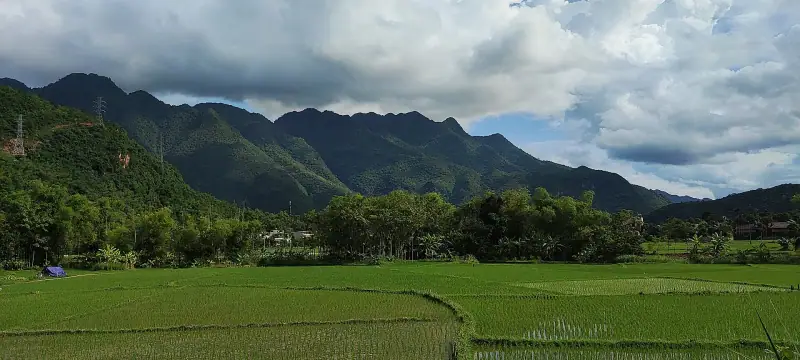
Mai Châu without a car from Hanoi: bus, Lac village or Pom Coong
Getting to Mai Châu from Hanoi without a car: bus or van, duration, prices, Lac or Pom Coong, how many nights and what to know before booking.

Ninh Binh: what to see and do in 2 days from Hanoi
What to see in Ninh Binh? Tràng An, Tam Cốc, Hang Múa, Hoa Lư, Bái Đính Pagoda: a 2-day itinerary, seasonal tips and where to stay.
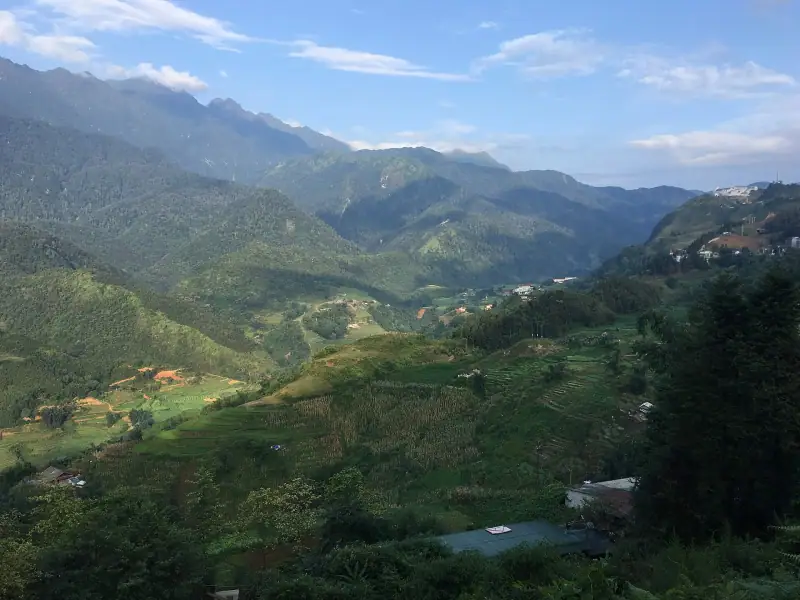
Sapa: what to see and do in 3 days in the rice terraces of the north
What to see in Sapa? Rice terraces, ethnic minority villages, Fansipan, Ô Quy Hồ Pass: a 3-day itinerary, access from Hanoi, season and where to stay.
Ready-made
Vietnam itineraries
10 days
Vietnam in 10 days without a car: a realistic itinerary by train, bus and plane
Vietnam in 10 days without a car: Hanoi, Ninh Binh, Hue, Hoi An and Ho Chi Minh City, with distances, real travel times and train, bus or plane options.
7 days
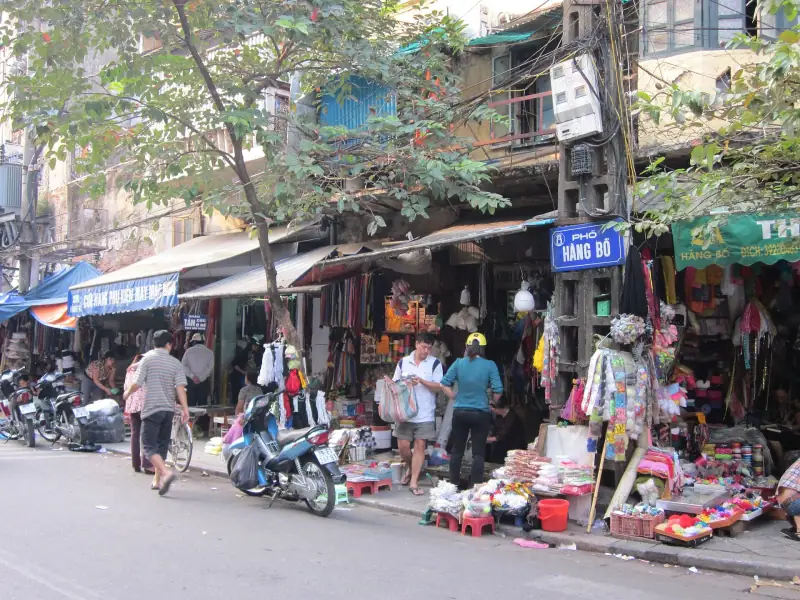
Northern Vietnam in 7 days: Hanoi, Ninh Binh and Ha Long Bay
HanoiNinh BinhHa Long Bay cruise

15 days
Vietnam 15-day itinerary: north to south, day by day
HanoiNinh BinhHa Long or Lan Ha Bay cruiseHoi An