Plan your trip
When to go to Vietnam: weather by region and best time

We may earn a commission when you book through links on this page, at no extra cost to you. We don't visit or try the places we cover: we summarize published sources. How we work
In short
- The north suits spring and fall, the center spring to early summer, and the south the dry season from late fall to spring (November to April).
- For a north-to-south circuit, March-April is the easiest compromise: mild north, dry center, hot but dry south.
- The center gets much of its rain from October to December, with floods and more frequent typhoons; typhoons mostly hit the north and center coast from summer to late fall.
- Tết (Lunar New Year) falls between late January and mid-February: many shops close, transport and hotels are full and prices rise.
Vietnam stretches more than 1,600 km (994 mi) from north to south. That length explains why it rains in Hue while Ho Chi Minh City is sunny, or why you shiver in Hanoi in January while swimming on Phu Quoc. Answering the question “when to go to Vietnam?” therefore means first deciding where you want to go, then choosing the season that suits each region.
This guide presents the climate of the country’s three main zones, the risks to know about (monsoon, typhoons, heat), the impact of the Lunar New Year, then offers a month-by-month table and advice for building a coherent circuit. The temperatures and dates given are orders of magnitude: the climate varies from year to year.
Vietnam’s climate in brief
The country has a tropical monsoon climate, but with strong nuances:
- The north (Hanoi, Ninh Binh, Ha Long Bay, Sapa) has four seasons: a cool and often gray winter, a mild spring, a hot and very humid summer, and a generally pleasant fall.
- The center (Hue, Da Nang, Hoi An) is squeezed between the sea and a mountain range. It enjoys a hot and fairly dry season in spring and summer, and a rainy season that comes later, at the end of the year.
- The south (Ho Chi Minh City, Mekong Delta, Phu Quoc) has only two seasons: dry and rainy, with high temperatures all year.
A simple rule follows: the north is best visited in spring and fall, the center between spring and early summer, the south in the dry season, from late fall to spring.
The north: Hanoi, Ninh Binh, Ha Long and Sapa

Hanoi and the Red River Delta
Winter, from about November to March, is cool: temperatures can drop to around 10 to 15 °C (50 to 59 °F) at night, and the sky often stays overcast, with frequent drizzle at the end of winter. Bring a warm jacket and do not expect big blue skies. Conversely, from May to September, heat and humidity are heavy, with temperatures regularly above 30 °C (86 °F) and violent storms.
The best windows for Hanoi are October-November and March-April: temperatures are mild, the light is pleasant, and the city can be explored on foot without suffering. These are also good months for tasting street food, which is a large part of the capital’s appeal.
Ninh Binh and its karst landscapes
Ninh Binh, nicknamed the “Ha Long Bay on land” for its limestone peaks rising from the rice fields, can be visited all year, but the landscapes change a lot. The rice fields are green in spring and summer, and golden as harvest approaches, in May-June then September-October, depending on growing cycles. For boat rides, avoid days of heavy rain or strong heat: morning is the best time.
Where to stay in Hanoi?
Old Quarter hotels, boutique properties or quieter addresses: compare availability before fixing your dates.
Ha Long Bay
Ha Long Bay is magnificent in every season, but visibility varies. In winter, mist and a gray sky are frequent and the water is cool, which does not invite swimming. Summer brings heat and swimming, but it is also the period when storms and typhoons can disrupt or cancel cruises. Spring and fall generally offer the best compromise.
Whatever the season, leave a buffer in your schedule: the authorities may suspend outings to sea in bad weather. For context, the bay is a UNESCO World Heritage Site and receives a large number of visitors: favor a two-day, one-night cruise if you want to enjoy the bay when the morning and evening light is at its finest.
Sapa and the northern mountains
Sapa is the region where the season matters most. In winter, it is cold and foggy, with temperatures near zero some nights and even, a few days a year, snow or frost. In summer, the rice terraces are an intense green, but rain and clouds are frequent. At harvest time, toward the end of summer and the start of fall, the terraces take on golden tints, which makes it the period most prized by photographers.
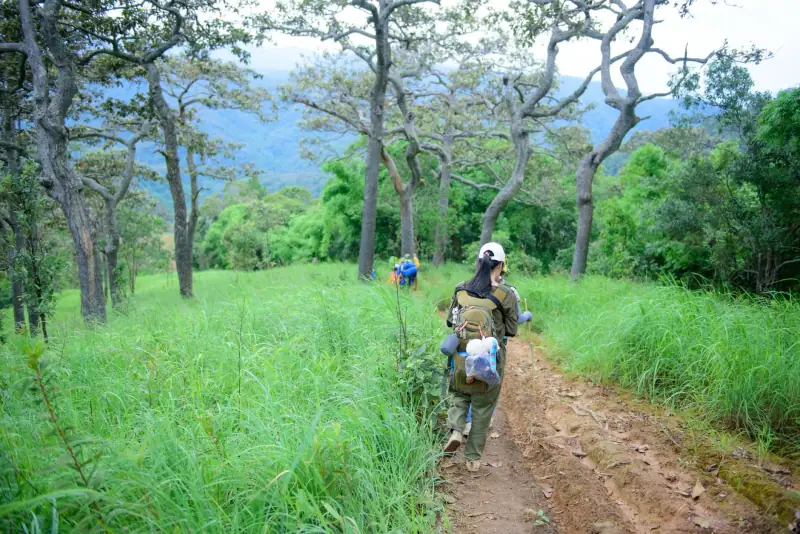
To hike to the neighboring villages, favor September-October or March-May: trails are passable and temperatures bearable. Avoid periods of heavy rain, which make paths muddy and slippery.
The center: Hue, Da Nang and Hoi An
The central coast has a rhythm of its own. The most pleasant season generally runs from February-March to August: the sky is clear, the sea calm, and swimming possible in Da Nang and Hoi An. In July-August, it is very hot, sometimes more than 35 °C (95 °F), and it is better to limit visits at midday.
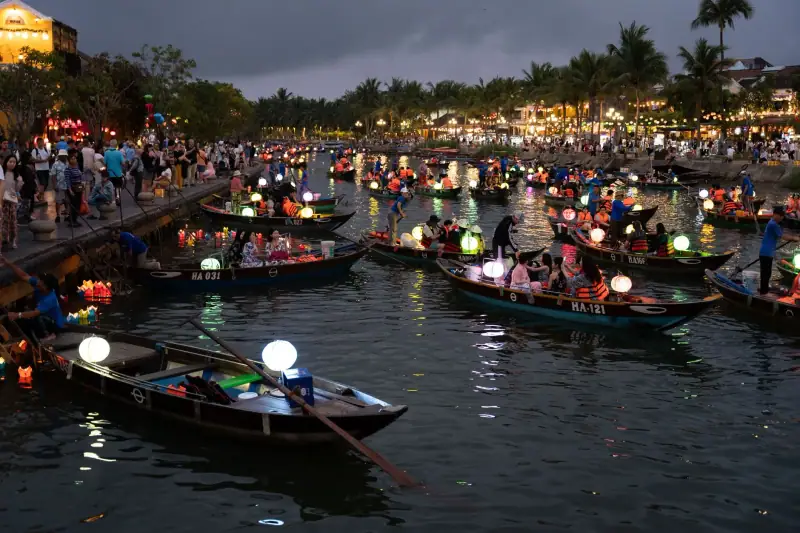
Conversely, from October to December, the region receives a large part of its annual rain. Floods can affect Hoi An, whose old town is close to the river, and typhoons are more frequent. That does not make the trip impossible, but it requires flexibility: a rainy day can become a day for a cooking class or a visit to a tailor, two very popular activities in Hoi An.
January and February are often an in-between: cooler, sometimes drizzly in Hue, but generally bearable. Hue, with its imperial citadel and tombs, is best visited in dry weather: part of the visits are outdoors and can become unpleasant in the rain as well as under the midday sun.
Find a flight to Vietnam
Compare flights to Hanoi, Da Nang or Ho Chi Minh City. Fares vary strongly with the season and Tết.
The south: Ho Chi Minh City, the Mekong Delta and Phu Quoc

Ho Chi Minh City and the Mekong Delta
In the south, temperature varies little: it is hot all year, often around 30 to 35 °C (86 to 95 °F). The dry season, roughly November to April, is the most comfortable, with little rain. March and April are the hottest months, with heavy heat during the day.
The rainy season, from about May to October, does not mean continuous rain. The classic scenario is a clear sky in the morning, then a big storm in the late afternoon that lasts one to two hours. Just schedule your visits for the morning. The advantage: fewer people, lower prices and brilliant vegetation in the Mekong Delta, whose canals and orchards are very green at this time.
Phu Quoc and the islands
For beaches, the best period for Phu Quoc is during the south’s dry season, from November to April: calm sea, clear sky, good visibility for snorkeling. From May to October, the monsoon brings showers and a rougher sea, and some water activities may be limited. If you are considering a beach stay at the end of a circuit, that is an argument for placing your trip in winter.
Excursions and guided tours in Vietnam
Ha Long Bay cruise, Mekong Delta ride, cooking class: browse the bookable activities, with cancellation according to the offer's terms.
Typhoons, heat and rain: the risks to know
Three phenomena deserve anticipating.
Typhoons. They form in the Pacific and mainly hit the northern and central coast, especially from summer to late fall. They are rarely a danger for an informed traveler, but can disrupt flights, trains and cruises. Follow the official weather bulletins and keep a one-day buffer in your schedule, especially before an international flight.
Heat. Between March and August, the combination of heat and humidity tires you quickly, especially in the south and the center. Visit early in the morning, take a break in the middle of the day, drink plenty of water and protect yourself from the sun.
Floods. In the center, in the fall, they can cut some roads. If you travel at that time, get suitable travel insurance and do not book a domestic flight too tight before your return flight.
Tết: should you travel during the Lunar New Year?
Tết is the country’s big holiday. It follows the lunar calendar, so it falls between late January and mid-February depending on the year. In 2027, it is expected in early February. Vietnamese people return to their families, cities empty of their locals and are decked with flowers and decorations.
For a traveler, this has pros and cons:
- Pros: festive mood, lighter traffic in big cities, flower displays, a unique atmosphere.
- Cons: many shops, restaurants and sites close for a few days, transport and accommodation are full, and prices rise.
If you travel at this time, book flights, trains and hotels well in advance, and plan flexibility for meals. Check the exact dates for the year concerned.
Month by month: what to choose?
| Period | North | Center | South |
|---|---|---|---|
| January-February | Cool and gray, Tết possible | Cool, drizzle possible | Dry, very pleasant |
| March-April | Very good compromise | Very good, increasingly hot | Dry but very hot |
| May-June | Hot, storms begin | Hot and sunny | Start of the rainy season |
| July-August | Hot, humid, stormy | Very hot, fine weather | Afternoon rain |
| September | Often pleasant, golden rice fields in Sapa | Rains begin, typhoons possible | Rainy season |
| October-November | Excellent in Hanoi | Rainiest period | End of the rains, improving |
| December | Cool and dry | Rain and coolness | Dry, very pleasant |
This table is a summary: the weather changes from year to year, and the limits between seasons are blurry.
Which period to choose for your plan?
A full north-to-south circuit. Spring (March-April) is the easiest compromise: mild north, dry center, hot but rain-free south. The other option is fall in the north, accepting a less certain center. In both cases, start from the north in spring or from the south in winter to follow the good weather.
A cultural and food stay. Hanoi, Hue, Hoi An and Ho Chi Minh City can be visited almost all year. Just choose the season that avoids the extremes of heat or rain in the cities you favor.
Hiking in Sapa and the north. September-October or March-May, for dry trails and remarkable landscapes.
Beaches. November to April for Phu Quoc, February to August for Da Nang and Hoi An.
Budget. The low season (monsoon in the south, cold winter in the north) often offers lower accommodation prices. Do not, however, make this saving your only criterion: a trip in permanent rain loses much of its interest.
What to pack by season
- All year: light, breathable clothing, hat, sunscreen, insect repellent.
- Rainy season: a light waterproof jacket or poncho, quick-drying sandals, a waterproof pouch for your phone and papers.
- Winter in the north: a fleece or warm jacket, a windbreaker and socks, especially for Sapa and Ha Long Bay cruises.
- Hiking: good shoes with a grippy sole, because paths quickly become muddy.
Final thoughts: the right season is your itinerary’s
There is no bad time to visit Vietnam, only periods suited to certain regions. Keep the simple logic in mind: the north in spring and fall, the center from spring to early summer, the south and its islands from November to April. Choose your priorities first (culture, trekking, beach, food), then the period, and finally build your itinerary accordingly.
Frequently asked questions
What is the best time to visit all of Vietnam?
There is no perfect month everywhere. For a north-to-south circuit, the most balanced periods are generally March-April and October-November for the north, with a compromise for the center. If you can only travel in one season, it is better to choose the regions suited to the date than to try to see everything.
Can you travel in Vietnam during the rainy season?
Yes, especially in the south, where the monsoon often means heavy late-afternoon showers rather than whole days of rain. Prices are lower and sites less crowded. In the center, however, October to December can bring lasting rain and floods.
What is the typhoon risk in Vietnam?
Typhoons mainly hit the northern and central coast, mostly between summer and late fall. They can cause Ha Long Bay cruises or domestic flights to be canceled. Check the weather bulletins before leaving, plan a buffer in your schedule and consider travel insurance.
Should you avoid Tết when traveling in Vietnam?
Tết, the Lunar New Year, falls in January or February depending on the year. The country is then very lively but many shops and restaurants close for a few days, and transport is packed. Travelers looking for quiet avoid it, others enjoy the festive mood. Book flights and accommodation very early.
When are the Sapa rice fields at their best?
The rice terraces are green in summer and take on golden tints at harvest time, around September-October depending on the year. Both periods are photogenic, but fog is frequent: keep some flexibility in your stay.
What is the best time for Phu Quoc's beaches?
The island has its best weather during the south's dry season, generally from November to April. During the monsoon, the sea can be rough and showers frequent, even though the temperature remains pleasant.
More Vietnam guides
Keep reading

Vietnam budget: how much a trip costs, item by item
Budget for a stay in Vietnam: real costs (accommodation, transport, meals, activities), three profiles with figures and tips for spending less.
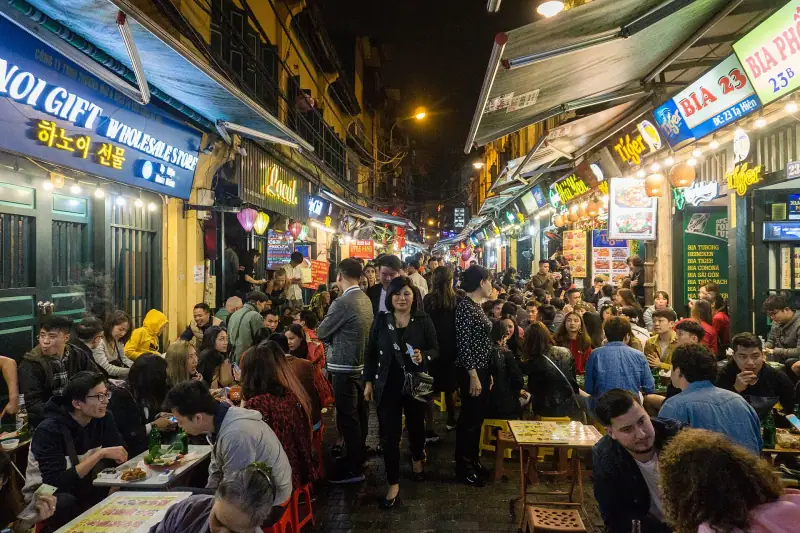
Hanoi: what to see and do in 3 days, a guide to the capital
What to see in Hanoi? Old Quarter, Hoàn Kiếm Lake, Temple of Literature, mausoleum, citadel, street food: a 3-day itinerary, tips and where to stay.
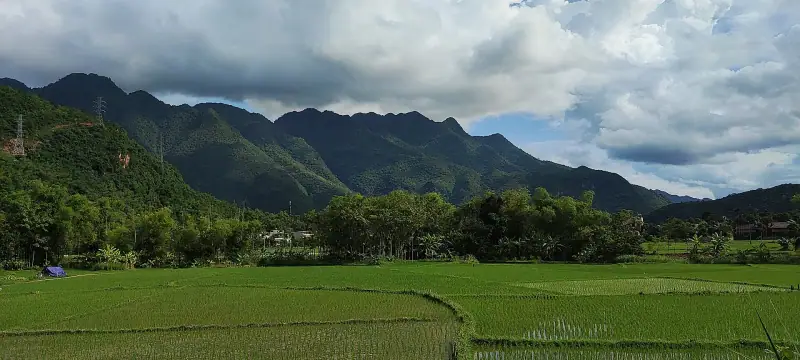
Mai Châu without a car from Hanoi: bus, Lac village or Pom Coong
Getting to Mai Châu from Hanoi without a car: bus or van, duration, prices, Lac or Pom Coong, how many nights and what to know before booking.
Ready-made
Vietnam itineraries

10 days
Vietnam in 10 days without a car: a realistic itinerary by train, bus and plane
Vietnam in 10 days without a car: Hanoi, Ninh Binh, Hue, Hoi An and Ho Chi Minh City, with distances, real travel times and train, bus or plane options.
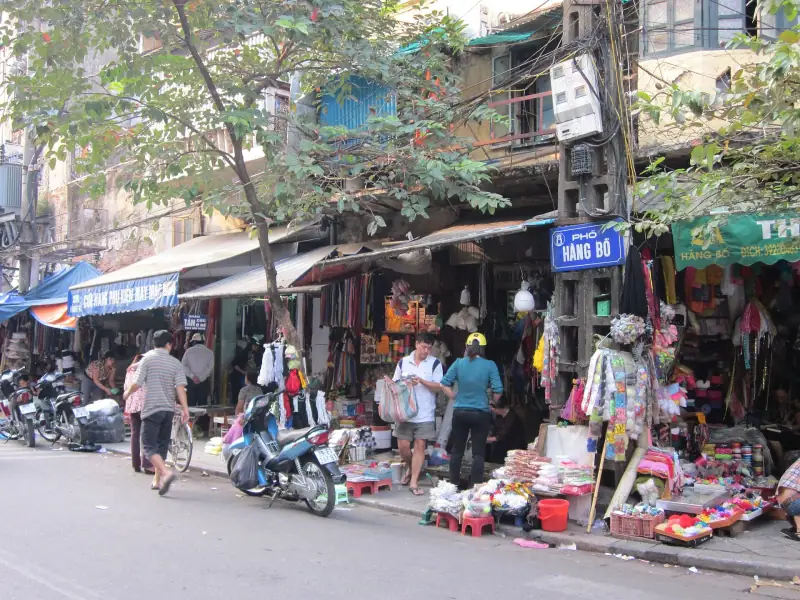
7 days
Northern Vietnam in 7 days: Hanoi, Ninh Binh and Ha Long Bay
HanoiNinh BinhHa Long Bay cruise

15 days
Vietnam 15-day itinerary: north to south, day by day
HanoiNinh BinhHa Long or Lan Ha Bay cruiseHoi An