Where to stay
Where to stay in Boston: which neighborhood and type of lodging to choose
We may earn a commission when you book through links on this page, at no extra cost to you. We don't visit or try the places we cover: we summarize published sources. How we work
In short
- Back Bay is the best-balanced choice for a first stay: central, well served by subway and train, close to Newbury Street and the Public Garden.
- Beacon Hill and Downtown suit a history-focused stay; the North End is lively but offers little lodging.
- Cambridge, Fenway and Brookline are often gentler on the budget, and Cambridge is linked to downtown by the subway's Red Line.
- Boston is one of the most expensive East Coast cities for lodging, especially in fall and at university graduations: book early.
Boston is a compact city, but the choice of neighborhood changes the experience a lot: brick streets and gas lamps on Beacon Hill, Italian restaurants in the North End, Victorian facades in Back Bay, a student atmosphere across the river in Cambridge. Because the capital of Massachusetts is among the most expensive East Coast cities to sleep in, it is better to know where to put your budget. This guide compares the main areas and lodging types, whether you are already preparing your 3-day Boston itinerary or are still choosing dates.
Boston is largely explored on foot, and its subway, nicknamed “the T”, links the main neighborhoods. The choice therefore depends less on distance than on atmosphere, noise, budget and proximity to a station. If you come from New York, the guide to where to stay in New York will help you compare the two stops of the same trip.
Back Bay: the best balance for a first stay
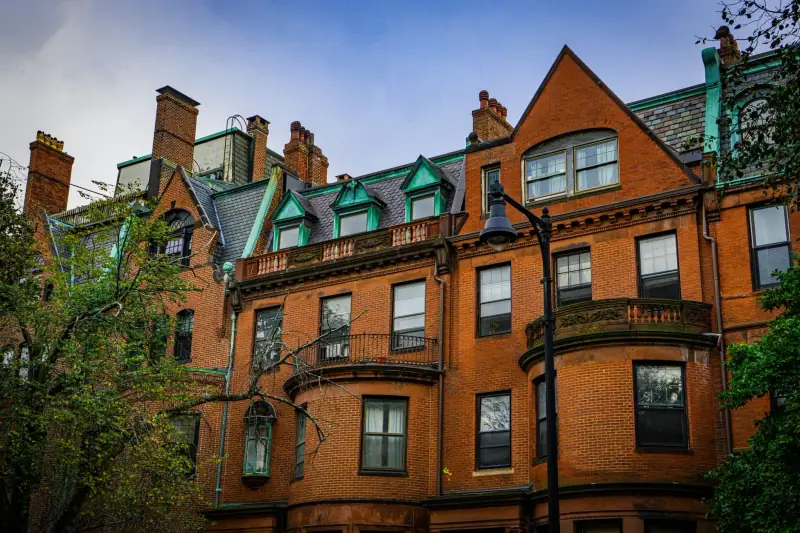
Back Bay is the neighborhood most often recommended to travelers discovering Boston. Its regular streets, lined with Victorian brick houses, are organized around Newbury Street, the main shopping street, and Copley Square, where the public library and Trinity Church stand. The Public Garden and Boston Common are within walking distance, which lets you start the Freedom Trail without taking the subway.
For transport, the neighborhood is one of the best placed: it is served by the subway, and Back Bay station hosts regional trains and Amtrak connections. For a stay of two to four nights, it is a very comfortable base, with a wide choice of restaurants, cafés and shops. Many hotels there occupy former mansions or large buildings around Copley Square and the Prudential Center.
The flip side is the price: you pay for the location. Back Bay rooms are among the most expensive in the city, especially in fall. If a hotel’s rate seems excessive, look at the streets a little farther west, toward Kenmore, or neighboring areas like the South End.
Beacon Hill and the historic center: for history and charm
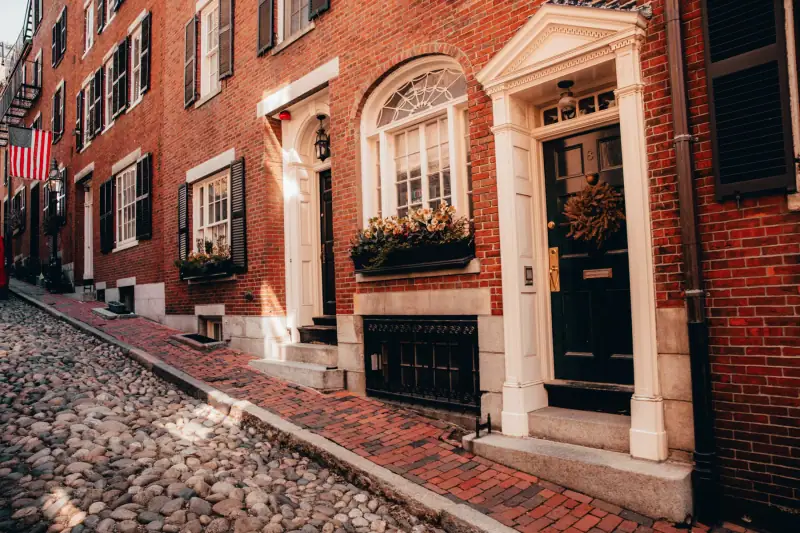
Beacon Hill is probably the most photogenic of Boston’s neighborhoods: cobbled lanes, brick facades, colorful doors and a view of the Massachusetts State House at the top of the hill. Boston Common is a stone’s throw away, and so is the start of the Freedom Trail. Lodging there is mostly small charming hotels and bed and breakfasts, sometimes set in former townhouses.
Around Downtown, the Financial District and Faneuil Hall, the profile changes: large business hotels, very central, often more affordable on weekends when the offices empty. It is a good choice for a stay centered on the historic sites, because you can string together the Freedom Trail stops without taking the subway. The drawback is less neighborhood life in the evening and on Sunday.
A few precautions: in old houses, rooms can be small and stairs steep, which is less practical with large suitcases. Ask whether an elevator exists and check the distance to the nearest subway station.
Compare hotels in Boston
Rates vary a lot by week and neighborhood: compare availability for your dates and filter free-cancellation offers.
The North End: Italian atmosphere steps from the Freedom Trail
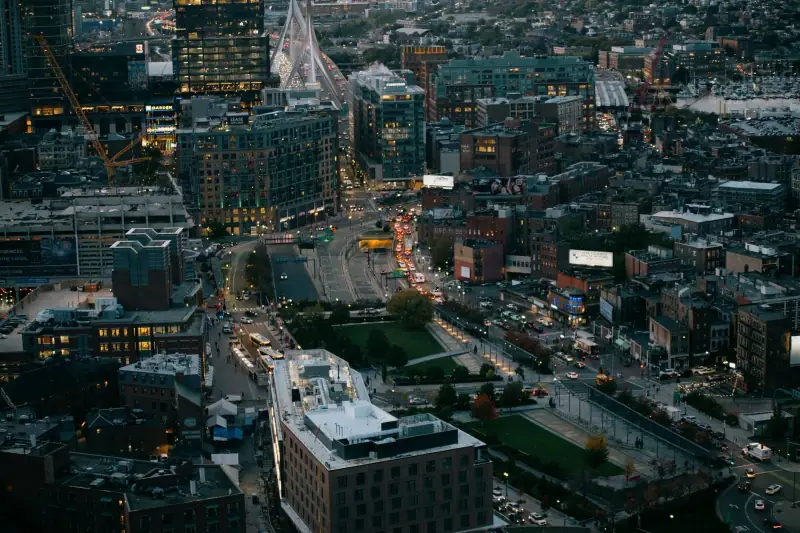
The North End is Boston’s oldest residential neighborhood and one of the liveliest in the evening. Its narrow streets are known for their Italian-inspired restaurants and pastry shops, and the Old North Church, a Freedom Trail stop, is there. The atmosphere is that of a village in the city, with lively patios in the early evening.
For sleeping, the offer is limited: you mostly find small establishments and a few apartments, more than large hotels. That can suit you if you want an authentic neighborhood experience, but you are a little away from the main subway lines, and noise can be felt on summer evenings. If you love food, you can also stay in Downtown and walk to the North End for dinner.
Seaport and the waterfront: modern, facing the water
The Seaport District, across the Fort Point Channel, has been largely rebuilt and mixes glass towers, recent hotels, restaurants and waterfront spaces. The Institute of Contemporary Art, a contemporary art museum set at the edge of the harbor, is there. The neighborhood appeals to those who prefer modern rooms and open views to the charm of old streets.
It is also a practical area if you arrive at nearby South Station, or if you need to get to Logan Airport. The atmosphere is more impersonal than in the historic neighborhoods, and the wind off the bay can make winter evenings cold. Rates there are often high, especially on weekdays when conventions are held.
Cambridge: the university alternative across the Charles
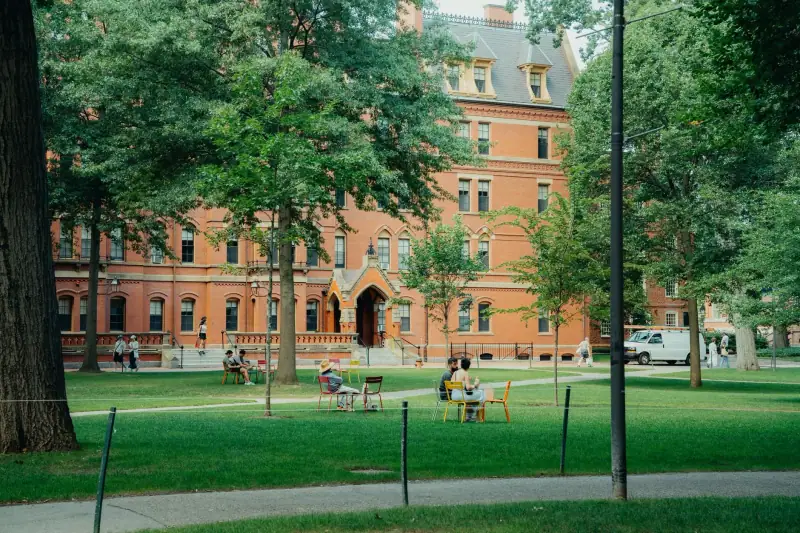
Cambridge is a separate city from Boston, but it is part of the same metro area and is reached by subway on the Red Line. Harvard Square, with its bookstores, cafés and the famous university, is one of the most pleasant lodging hubs. Kendall Square, near MIT, is more modern and hosts mostly hotels used by business travelers.
Sleeping in Cambridge has real appeal if you stay more than three nights or want a calmer atmosphere than in central Boston. Allow a ride of a few subway stops to reach Downtown. Rates are sometimes gentler than in Back Bay, but not always: during university graduation periods, Cambridge rooms fill very quickly and prices climb.
Fenway, Kenmore and Brookline: baseball and gentler prices
Around Fenway Park, the Red Sox stadium, the Fenway and Kenmore area offers a good compromise: large-chain hotels, often more affordable than in Back Bay, and quick access to the center by subway. On game nights, the area is very lively and rooms sell for more: check the baseball season calendar before you book.
Brookline, to the southwest, is a quiet residential suburb, linked to the center by the local network’s trolley. It is a good option for families and slightly longer stays. You gain calm and sometimes space, but you move away from the Freedom Trail and have to allow more travel time each day.
Charlestown, the airport and other options
Charlestown, north of the river, is home to the Bunker Hill Monument and the USS Constitution, two sites tied to the history of American independence. It is a quiet residential neighborhood, with few hotels, visited mostly during the day from the center.
For a late arrival or a very early departure, some travelers choose a hotel near Logan Airport. The advantage is avoiding a long trip with luggage, but neighborhood atmosphere is nearly nonexistent. Public transportation links the airport to the center: check the network’s official website before you leave to learn which lines are running and the access conditions.
Which type of lodging to choose in Boston
Guided tours and activities in Boston
Walking tours of the Freedom Trail, harbor cruises and excursions: compare available activities before you leave.
Large-chain hotels dominate the offer around Downtown, Back Bay and Seaport. They offer standardized rooms, a continuously staffed front desk and, often, a gym or an optional breakfast. It is the simplest solution for a short stay or a business trip, but you rarely pay for charm.
Charming hotels and boutique hotels are found mostly in Beacon Hill, Back Bay and the South End. Rooms can be smaller, but the service and setting are more personal. Read recent reviews before booking, especially for old buildings, where soundproofing varies.
Bed and breakfasts are set in former townhouses. They suit couples and travelers who like intimate places. Check cancellation terms and arrival hours, because there is not always a continuous front desk.
Apartments and short-term rentals can be a good fit for a group or a long stay, notably for cooking. Since the city regulates this type of rental, ask for guarantees about the property and read the terms carefully before paying a deposit.
Hostels and budget lodging exist, but the offer is limited. For a tight budget, the most effective solution is often to sleep in a less central area, like Fenway, Brookline or Cambridge, rather than looking for a cheap hotel in Back Bay.
When to book and how to lower the bill
Boston is in high demand at several times of the year. Fall, with its mild days and colorful foliage, attracts many visitors, and university graduation periods in spring push prices up. Sporting events and conventions also affect availability. The guide to when to go to the East Coast details these periods.
A few habits help keep the budget under control:
- book as soon as your dates are fixed, with free cancellation until your transport tickets are confirmed;
- compare weekday and weekend stays, because gaps can be large in the business district;
- check the fees announced at booking, notably taxes and any service fees;
- look at Cambridge, Fenway or Brookline if Back Bay exceeds your budget;
- ask for the parking rate if you arrive by car, because it is often charged per night.
To prepare the whole trip, see also the article on the budget for an East Coast trip.
Boston as a stop on a New England trip
If Boston is only the starting point of a longer trip, choose lodging that is easy to reach from the main roads or the station. Travelers who then continue to the coast, villages and fall forests will find a detailed route in the New England fall road trip. In that case, it is often simpler to sleep in the city during the visit, then pick up the car on the day of departure, to avoid paying for parking for several nights.
Boston is also a natural stop between New York and the rest of New England. The train link between the two cities is simple, and choosing a hotel near a station makes the connection easier.
Before you book: formalities and insurance
Entry rules depend on your passport. Check the official travel advice of your government before you book: travel.state.gov (US), GOV.UK (UK), travel.gc.ca (Canada), Smartraveller (Australia) (checked November 2026). The article on East Coast formalities gives more context. Because medical costs are very high in the United States, travel insurance is recommended.
Frequently asked questions
What is the best neighborhood to stay in Boston for a first visit?
Back Bay is the best-balanced choice: it is central, well served by subway and train, close to Newbury Street and the Public Garden, and you can reach the Freedom Trail on foot or in a few stops. Beacon Hill and the historic center are good alternatives if your program is mostly historic.
Is Boston an expensive city for lodging?
Yes, it is one of the most expensive East Coast cities for lodging, particularly in fall, at university graduations and during major events. Booking early, aiming for weekdays rather than weekends and considering Cambridge or Brookline helps lower the bill.
Can you stay in Cambridge and visit Boston easily?
Yes. Cambridge, across the Charles River, is linked to downtown Boston by the subway's Red Line. It is a pleasant base and often a little more affordable, with a university atmosphere around Harvard Square.
Do you need a car if you sleep in Boston?
No. The center is compact, the local subway called the T serves the main neighborhoods and walking is enough for many trips. Hotel parking is generally paid and expensive: keep the car for a stop outside the city, for example toward Cape Cod or the North Shore.
Where to stay in Boston if you arrive by train or plane?
Downtown, the South Station area or Back Bay are practical if you arrive by train. From Logan Airport, public transportation links reach the center without a car. Check current connections on the network's official website before you leave.
Are apartment-style rentals a good option in Boston?
They can suit a group or a long stay, but the city regulates short-term rentals. Check cancellation terms, extra fees and the exact description of the property before confirming, and compare with an equivalent hotel room.
More US East Coast guides
Keep reading
Where to stay in Chicago: neighborhoods and types of lodging
Loop, River North, Gold Coast, Lincoln Park, West Loop or Wicker Park: compare Chicago's neighborhoods and lodging types to choose where to stay.
Where to stay in Key West: neighborhoods and types of lodging
Old Town, Truman Annex, Casa Marina, Midtown or New Town: compare Key West's neighborhoods and lodging types to choose for your budget and stay.
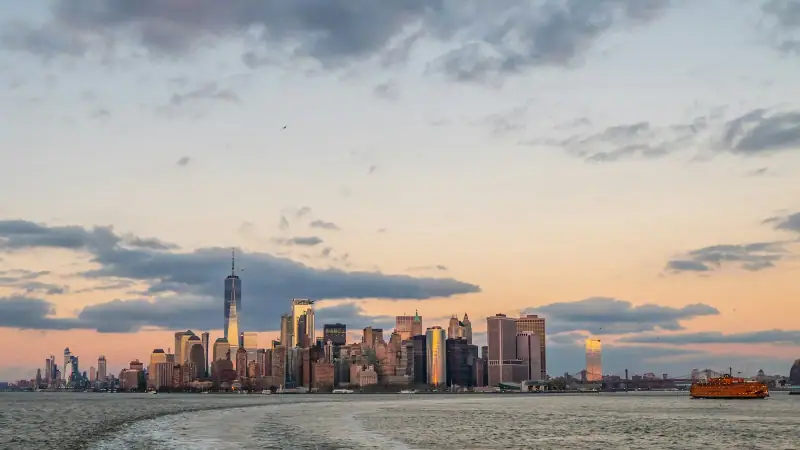
US East Coast travel budget: real costs, 3 priced profiles and tips to spend less
Lodging, transport, meals, activities: how much does an East Coast trip cost? Three daily budgets with figures and tips to cut the bill.
Ready-made
US East Coast itineraries
4 days
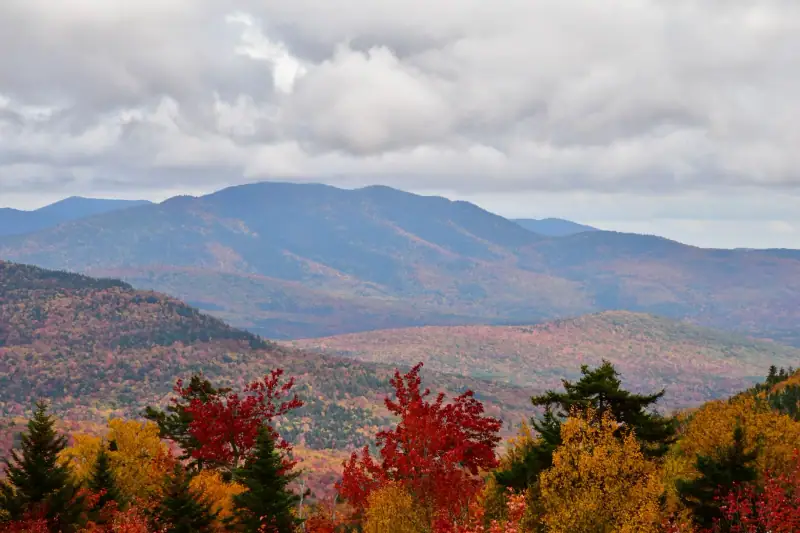
New England fall road trip: 4 days from Boston to the White Mountains and Vermont
LincolnWoodstock
Can be adapted in the planner
3 days
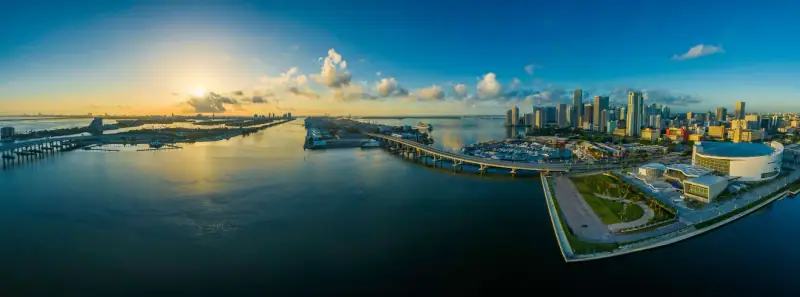
Miami in 3 days: an itinerary through South Beach, Wynwood and the Everglades
What to see in Miami in 3 days: South Beach Art Deco, Wynwood, Little Havana, Coral Gables, Vizcaya and the Everglades. Day-by-day plan and tips.
2 days
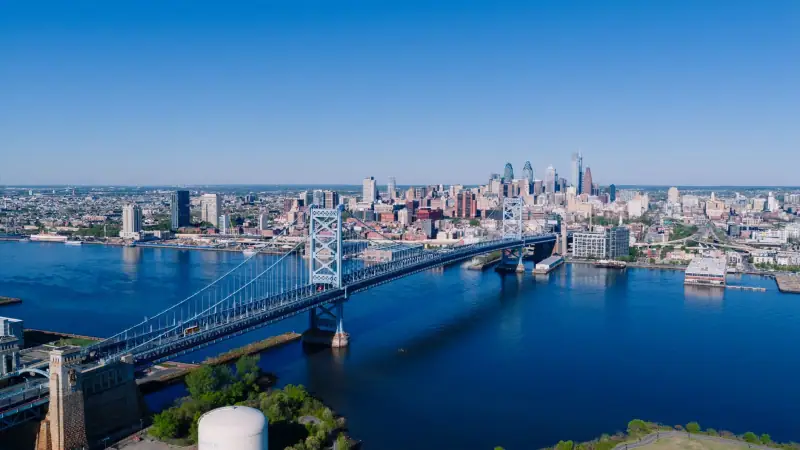
Philadelphia in 2 days: an itinerary through American history and good food
What to see in Philadelphia in 2 days: Independence Hall, Liberty Bell, Old City, Reading Terminal Market, the art museum and neighborhoods. Plan and tips.