Plan your trip
When to go to the US East Coast: seasons, weather and best times

We may earn a commission when you book through links on this page, at no extra cost to you. We don't visit or try the places we cover: we summarize published sources. How we work
In short
- Early fall (late September to mid-October) and late spring (May and early June) offer the best compromise of pleasant temperatures, long days and reasonable crowds.
- New England foliage generally peaks between late September and late October, a little earlier in the north and later in the south; book lodging early.
- Summers in the cities are hot and humid, winters in the north are cold; Florida is best from November to April.
- The Atlantic hurricane season runs from June 1 to November 30; flexible cancellation and travel insurance are strongly advised for Florida.
The East Coast spans several climate zones: the climate of New York or Boston has nothing to do with that of Miami. Winters in the north are cold and snowy, summers in the big cities are hot and humid, while Florida has a subtropical climate, with a hot, stormy season. The right time therefore depends on what you want to do: explore the cities, admire the foliage, enjoy the beaches or see Niagara Falls.
This guide helps you choose, season by season, by showing what changes from one season to the next. The temperatures and dates given are approximate: the weather varies from year to year.
Spring: cool, in bloom and inexpensive
Spring starts late in the Northeast. In March it can still be cold, even snowy, and only in April do the parks begin to turn green again. May is often an excellent month: days are long, outdoor café seating returns, and the summer crowds are not there yet.
In Washington, the cherry blossoms around the Tidal Basin are one of the major events of the season, generally in late March or early April. The exact date changes every year and lasts a short time: allow flexibility, and book your lodging with free cancellation. Crowds are heavy during those few days, as the 3-day Washington itinerary shows.
Where to sleep in Washington in spring
Rates go up during cherry blossom season: compare hotels for your dates and keep a cancellation option.
Summer: heat, humidity and peak season
From June to August, the cities of the coast are hot and often very humid. Washington and Philadelphia are hard going in a heat wave, and late-day thunderstorms are frequent. It is also high season for American families: hotel prices are high in New York, and popular sites are packed.
Summer has its advantages. Days are long, the beaches of New England and Long Island are open, and outdoor concerts and the July 4 national holiday liven up the cities. In Boston, the coolness of the ocean makes the heat more bearable than in New York, and the Freedom Trail is very easy to walk.
To cope, start early, keep air-conditioned museums for midday and bring a water bottle. Transportation and buildings are often heavily air-conditioned: a small light jacket is useful, even in great heat.
Fall: foliage season, the best time
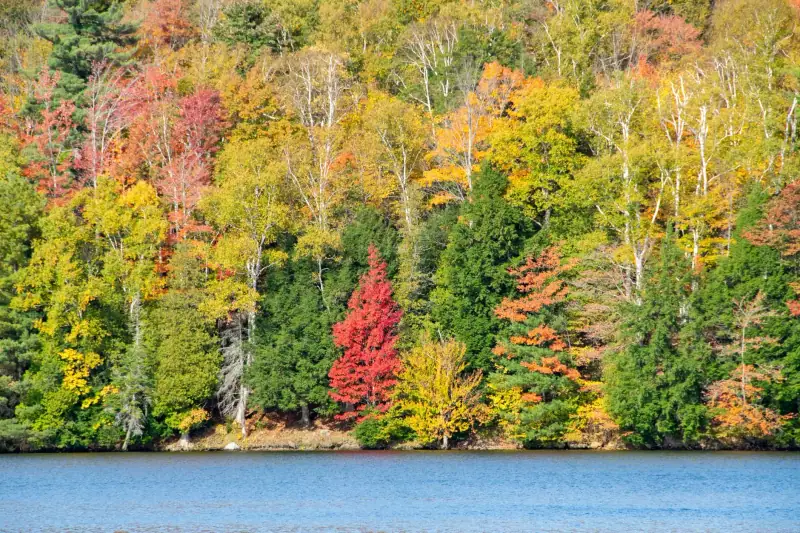
This is the period many travelers recommend. Temperatures are mild, the air is drier and the light is beautiful. Above all, New England’s foliage takes on its red, orange and yellow colors: this is fall foliage.
The peak varies by year and latitude, but it generally falls between late September and late October. The northern states, like Vermont, New Hampshire and Maine, color first. Boston, farther south, follows a little later. This season is in high demand: lodging in villages and on scenic roads fills up long in advance, so book early.
Cities are also very pleasant at this time. Central Park in New York takes on coppery shades, and it is a good time to walk all day. Niagara Falls is a good visit in early fall, before the end of the boat season. For details, see the guide to Niagara Falls on the American side.
Excursions to admire the foliage
Day tours from New York and Boston let you see the fall colors without driving.
Winter: cold, snow and holiday atmosphere
From December to February, the Northeast is cold. Sub-freezing temperatures are common in New York, Boston and Niagara, and snowstorms can disrupt flights and trains. In return, the city dresses up in its year-end lights, with Manhattan’s shop windows, the Rockefeller Center ice rink and Christmas markets.
Prices are lower in January and February, outside holidays. Lines are shorter at the monuments, and museums are quieter. If you like frosty landscapes, Niagara Falls partly frozen is a very different sight from summer, but some activities at the foot of the falls are then closed. And if you want to ski, the guide to skiing in New England presents the resorts of Vermont, New Hampshire and the areas around New York and Boston.
Plan layered clothing, good waterproof shoes, gloves and a hat. Days are short, and it is better to organize outdoor visits around the daylight.
Florida: a dry season and a hurricane season

Florida follows a different calendar. The most pleasant period is generally winter and early spring, from November to April: it is warm without excess, and the air is less humid. It is also high season, with high prices in Miami, Orlando and the Keys, especially during year-end and spring school holidays.
Summer there is hot, humid and stormy. The Atlantic hurricane season officially runs from June 1 to November 30, with a higher risk in late summer and early fall. Traveling then is possible, and rates are lower, but you need to follow the weather, plan for flexibility and check cancellation terms.
The Orlando parks are very busy during American school holidays. To limit waiting, prefer quiet weeks, such as early December or some periods from January to February, depending on the school calendar.
Combining the coast’s cities by season

A classic stay links New York, Philadelphia, Washington and Boston by train or road. In spring and fall, this loop is ideal: you walk a lot, and the weather stays mild. In summer, favor mornings and museums for the hottest cities. In winter, concentrate on New York and Boston, which offer many indoor activities.
For a trip mixing cities and nature, fall combines the two best: foliage in the north, beautiful days in the city, Niagara Falls still accessible. If Florida is part of the plan, the simplest is to place it at the end of the trip, from November to April.
New York hotels by season
Rates vary a lot by season: compare Manhattan hotels to find the best dates.
Budget and booking by period
The most expensive periods are summer, late December and, for some cities, the foliage peak or the cherry blossoms. Shoulder months, like May, early June and November, are often more affordable, with decent weather. Book your flights and lodging several months ahead for high-demand periods.
Hurricanes, snowstorms and flight delays are real risks depending on the season. Travel insurance covering cancellation and medical costs is strongly recommended, especially in the United States where care is very expensive.
Do not forget formalities: entry rules depend on your passport. Check the official travel advice of your government before you book: travel.state.gov (US), GOV.UK (UK), travel.gc.ca (Canada), Smartraveller (Australia) (checked November 2026).
Frequently asked questions
What is the best time to visit the East Coast?
Early fall, from late September to mid-October, and late spring, in May and early June, offer the best compromise between pleasant temperatures, long days and reasonable crowds.
When can you see the fall colors in New England?
The foliage peak generally falls between late September and late October, a little earlier in the north and later in the south. Dates vary from year to year with the weather: follow foliage reports before you book.
Is summer too hot to visit New York and Washington?
Summers there are hot and often very humid, particularly in Washington and Philadelphia. Visits remain possible, but it is better to go out early, alternate with air-conditioned museums and plan for plenty of water.
Can you go to Florida in the fall?
Yes, but the Atlantic hurricane season runs from June 1 to November 30, with a higher risk in August, September and October. Travel insurance and flexible cancellation terms are strongly advised.
Is winter a good season for New York?
It is a cold period, with some snow at times, but the year-end lights and the prices outside the late-December holidays can appeal. Plan warm clothes and shorter days.
More US East Coast guides
Keep reading

US East Coast travel budget: real costs, 3 priced profiles and tips to spend less
Lodging, transport, meals, activities: how much does an East Coast trip cost? Three daily budgets with figures and tips to cut the bill.

Skiing in New England: Vermont, New Hampshire and resorts near New York and Boston
Skiing on the East Coast: Vermont and New Hampshire resorts, small areas near Boston and the Catskills from New York, lift tickets, season and tips.

What to see in Florida: Miami, the Everglades, the Keys, Orlando and the historic coast
What to see in Florida: Miami, Everglades, Keys, Key West, Orlando, Cape Canaveral, St. Augustine and the Gulf coast. Distances, durations and tips.
Ready-made
US East Coast itineraries
4 days
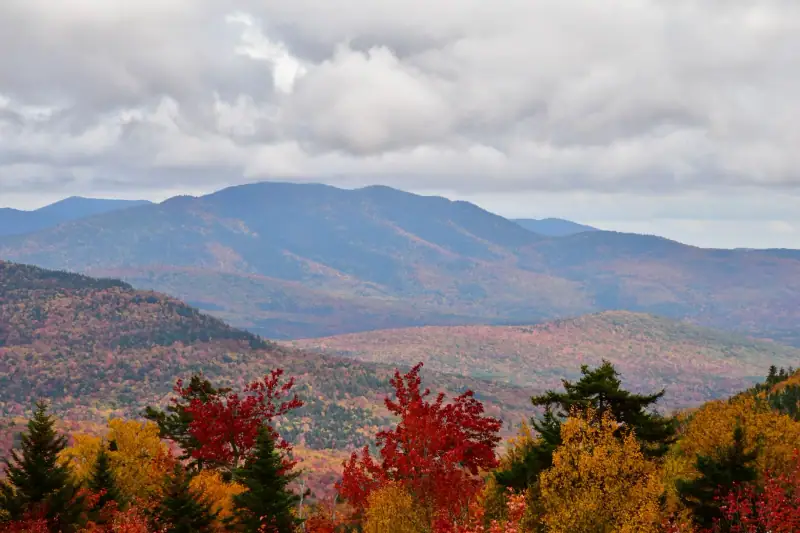
New England fall road trip: 4 days from Boston to the White Mountains and Vermont
LincolnWoodstock
Can be adapted in the planner

3 days
Miami in 3 days: an itinerary through South Beach, Wynwood and the Everglades
What to see in Miami in 3 days: South Beach Art Deco, Wynwood, Little Havana, Coral Gables, Vizcaya and the Everglades. Day-by-day plan and tips.

2 days
Philadelphia in 2 days: an itinerary through American history and good food
What to see in Philadelphia in 2 days: Independence Hall, Liberty Bell, Old City, Reading Terminal Market, the art museum and neighborhoods. Plan and tips.