Itineraries
Miami in 3 days: an itinerary through South Beach, Wynwood and the Everglades
We may earn a commission when you book through links on this page, at no extra cost to you. We don't visit or try the places we cover: we summarize published sources. How we work
Day by day
- Day 1South Beach Art Deco, beach, Lincoln Road
- Day 2Wynwood street art, Little Havana, Coral Gables
- Day 3Vizcaya Museum and Gardens, Everglades
Weather through the year on this route
| Jan | Feb | Mar | Apr | May | Jun | Jul | Aug | Sep | Oct | Nov | Dec | |
|---|---|---|---|---|---|---|---|---|---|---|---|---|
| High °F (°C) | 27-3 | 29-1 | 384 | 5211 | 6418 | 7323 | 7725 | 7725 | 7021 | 5714 | 457 | 341 |
| Low °F (°C) | 11-11 | 13-10 | 22-5 | 331 | 447 | 5412 | 6016 | 5815 | 5111 | 405 | 30-1 | 19-7 |
Normals 1991–2020 at Boston and Stowe: averages over 30 years, not a forecast. Source: NASA POWER (MERRA-2), grid of about 50 km. Figures computed by us in November 2026. Rain is shown only where a weather station confirms the figures.
In short
- Three days alternate beach and Art Deco in South Beach (day 1), Wynwood, Little Havana and Coral Gables (day 2), then Vizcaya and the Everglades (day 3).
- A car is not essential for South Beach, but it is the most flexible option for Coral Gables, Vizcaya and the Everglades.
- November to April is the most pleasant period, with drier weather; the hurricane season officially runs from June to November.
- Public beaches are free; the budget depends mostly on lodging, meals and parking.
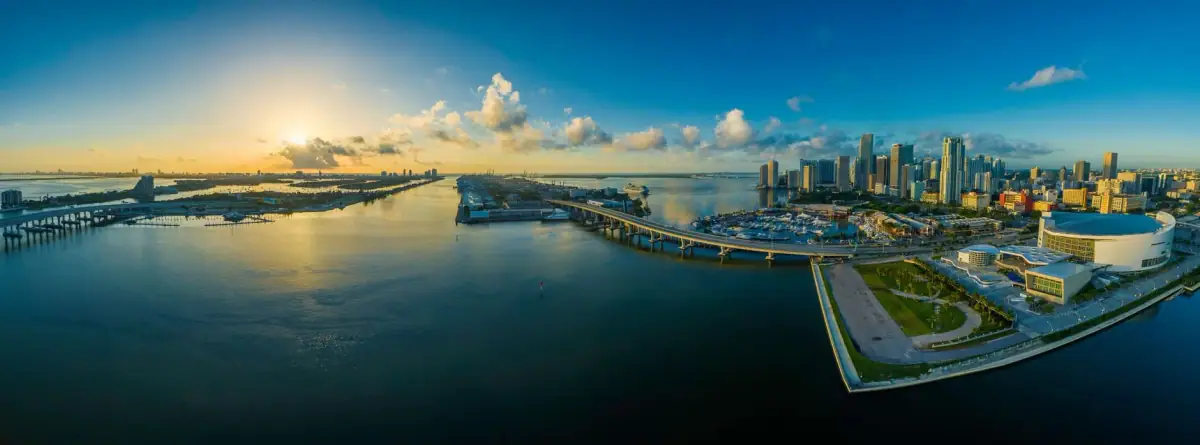
Miami is the gateway to Florida and one of the most colorful cities on the East Coast: pastel Art Deco facades, light-sand beaches, giant murals, Cuban neighborhoods and mangroves less than an hour’s drive away. You hear as much Spanish as English, which gives it a character very different from New York or Boston.
This guide offers a three-day itinerary that alternates beach, culture and nature, without rushing from one end of the metro area to the other. If you combine Florida with the Northeast, the 4-day New York itinerary and the guide to when to go to the East Coast will help you organize the whole trip.
Day 1: South Beach and Art Deco
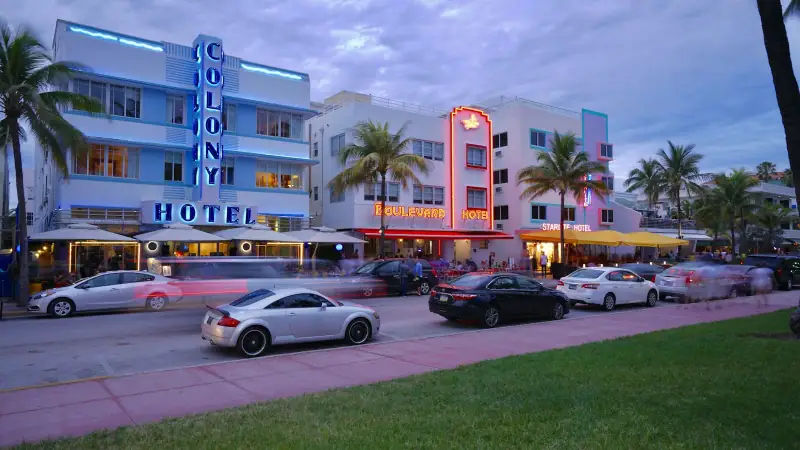
Spend the first day in South Beach, the southern tip of Miami Beach. The Art Deco district, listed on the U.S. National Register of Historic Places, lines up pastel-colored hotels with rounded lines and neon signs, built mostly in the 1930s. The best way to discover it is to walk along Ocean Drive and the parallel streets, early in the morning, before the heat and the crowds.
Architecture fans can take a guided walking tour of the district, offered by local organizations, which explains the details of the facades. Allow one to two hours. Then head to the beach: the sand is wide, the brightly colored lifeguard stands are a photo classic, and the water is generally calm and warm.
In the afternoon, stroll Lincoln Road, a long pedestrian street lined with shops, cafés and outdoor seating, a few minutes from the beach. It is a good place for a late lunch or a fresh fruit juice. In the evening, South Beach comes alive: restaurants, music and bars are plentiful, but the atmosphere varies a lot from one street to another, so choose the one that suits you.
Where to sleep in Miami
South Beach, Brickell or Wynwood: compare hotels by neighborhood and dates, because rates vary a lot between high and low season.
Day 2: Wynwood, Little Havana and Coral Gables
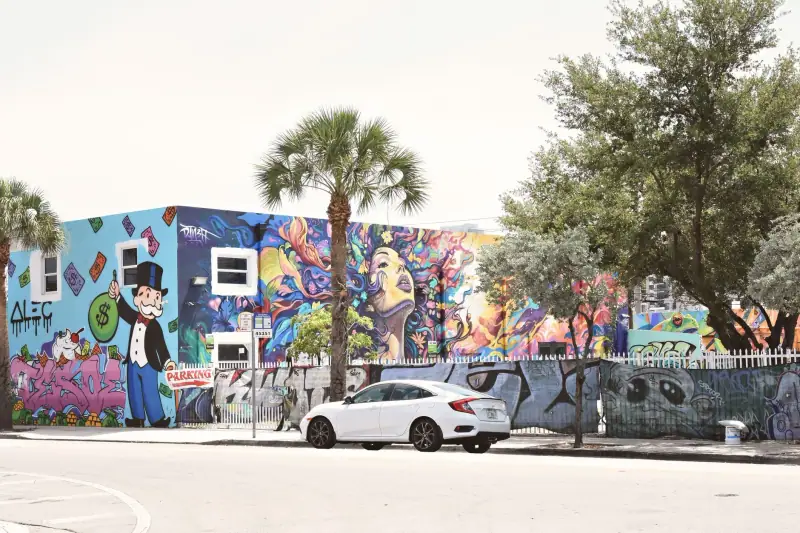
The second day explores Miami “from the inside”, starting with Wynwood, a former warehouse district turned street art capital. The walls of the Wynwood Walls area and neighboring streets are renewed regularly, so no visit is quite like the previous one. Galleries, craft breweries and cafés in the area complete the walk.
Then head south to Little Havana, the heart of Miami’s Cuban community. Calle Ocho, its main artery, is dotted with walk-up windows serving strong Cuban coffee, cigar workshops and parks where people play dominoes. It is a neighborhood to experience rather than to “visit”: take time to try a Cuban sandwich or a pastry at a spot popular with locals.
Guided tours in Miami
Street art tours, food walks in Little Havana or bay cruises: compare offers and book before you leave.
End the day in Coral Gables, a neighboring residential city known for its shaded avenues and Mediterranean-inspired architecture. The Venetian Pool, a public pool built in a former coral rock quarry with caves and waterfalls, is one of its most unusual attractions. Check opening days and hours on the official website before you go, as they change with the season.
Day 3: Vizcaya and the Everglades
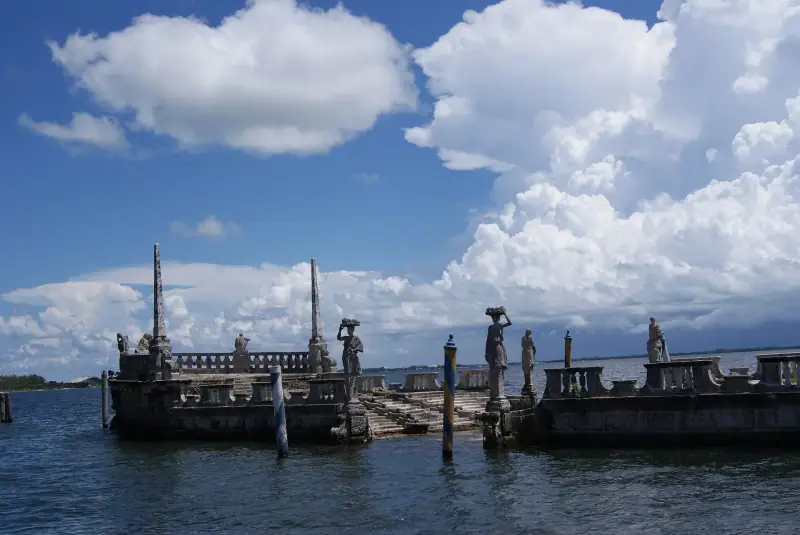
For the last day, turn to nature and history. The Vizcaya Museum and Gardens, on Biscayne Bay, is an Italian Renaissance-style villa built in the early 20th century, surrounded by formal gardens and open to the water. Allow a morning for the house and grounds; book ahead in high season.
In the afternoon, head to the Everglades, a huge ecosystem of marshes, mangroves and flooded prairies. The national park, southwest of the metro area, is reached by car in about an hour, depending on the entrance you choose and traffic. Alligators, waterbirds and turtles are easy to spot from the raised boardwalks, and airboat rides are offered by private operators nearby; the guide to airboat rides in the Everglades explains whether to book and at what price.
Bring water, a hat and insect repellent, especially in the wet season. The best times to see wildlife are generally morning and late in the day. For a simpler visit without a car, several agencies offer organized excursions from Miami with transport included.
Getting around and preparing your trip
Miami is a sprawling city, and public transportation mostly covers the center. In South Beach, you get around on foot, by bike or on rental scooters, and taxis and ride-hailing complete the picture. For Coral Gables, Vizcaya and the Everglades, a car remains the most flexible solution. Traffic can be heavy at rush hour: leave a margin for trips at the start and end of the day, and look into parking before choosing your hotel.
As for formalities, entry rules depend on your passport. Check the official travel advice of your government before you book: travel.state.gov (US), GOV.UK (UK), travel.gc.ca (Canada), Smartraveller (Australia) (checked November 2026). Because medical costs are very high in the United States, consider travel insurance.
When to go and how to plan your budget
Miami’s climate is subtropical. November to April is the most pleasant period, with drier weather and comfortable temperatures, but also higher hotel prices. Summer is hot, humid and marked by frequent thunderstorms; the official hurricane season runs from June to November, which justifies choosing flexible cancellation terms if you travel then.
Public beaches are free, as are most walks in the neighborhoods. The budget depends mostly on lodging, meals and parking. Prices change from one season to another: check the official websites of the venues for current rates.
To round out your stay, you can extend your trip north through the big cities of the coast, such as Washington or Philadelphia.
Frequently asked questions
Is three days enough to see Miami?
Yes, three days let you see South Beach and its Art Deco district, one or two cultural neighborhoods such as Wynwood and Little Havana, and give half a day to nature, for example the Everglades. Add a day if you want to enjoy the beach without rushing.
Do you need to rent a car in Miami?
To stay in South Beach, it is not essential: walking, bike sharing and taxis or ride-hailing are enough. A car becomes practical for the Everglades, Coral Gables, Vizcaya or a trip to the Keys, but parking is paid and sometimes expensive.
What is the best time to visit Miami?
Winter and early spring, from about November to April, are the most pleasant: drier weather and bearable heat. Summer is hot, humid and stormy, and the hurricane season officially runs from June to November.
Where to stay in Miami: South Beach or downtown?
South Beach suits those who want the beach and the atmosphere on foot, but it is lively and often more expensive. Downtown, Brickell or Wynwood are better placed for city visits and often quieter in the evening.
Can you swim in Miami all year?
The water is generally pleasant for most of the year, with a subtropical climate. In winter it is cooler, and the air can be too on some days: bring an extra layer for the evening.
More US East Coast guides
Keep reading
US East Coast travel budget: real costs, 3 priced profiles and tips to spend less
Lodging, transport, meals, activities: how much does an East Coast trip cost? Three daily budgets with figures and tips to cut the bill.
When to go to the US East Coast: seasons, weather and best times
Spring, summer, fall foliage or winter: choose the best time to visit New York, Boston, Washington, Niagara and Florida, with weather and crowds.

Skiing in New England: Vermont, New Hampshire and resorts near New York and Boston
Skiing on the East Coast: Vermont and New Hampshire resorts, small areas near Boston and the Catskills from New York, lift tickets, season and tips.
Ready-made
US East Coast itineraries

4 days
New England fall road trip: 4 days from Boston to the White Mountains and Vermont
LincolnWoodstock
Can be adapted in the planner

2 days
Philadelphia in 2 days: an itinerary through American history and good food
What to see in Philadelphia in 2 days: Independence Hall, Liberty Bell, Old City, Reading Terminal Market, the art museum and neighborhoods. Plan and tips.

3 days
Boston in 3 days: a walking itinerary through the Freedom Trail, Harvard and the waterfront
A 3-day Boston itinerary: Freedom Trail, Beacon Hill, Back Bay, Cambridge and the harbor. Where to stay, how to get around and when to go.