Plan your trip
US East Coast travel budget: real costs, 3 priced profiles and tips to spend less
We may earn a commission when you book through links on this page, at no extra cost to you. We don't visit or try the places we cover: we summarize published sources. How we work
In short
- Excluding flights, plan about $2,100 for two people for a week on a tight budget, about $3,900 in comfort and more than $7,000 high-end.
- Lodging weighs the most: New York averages around $317 a night in 2026, and a hotel occupancy tax of 14.75% plus facility fees come on top.
- Sales tax (8.875% in New York) is added to displayed prices and an 18 to 20% tip is usual: add 25 to 30% mentally to a menu price.
- Washington's Smithsonian museums and the national zoo are free, the best savings lever of the trip.
The East Coast does not have a reputation as a cheap destination, and rightly so: between hotels in the big cities, taxes added to almost every price and tipping, the bill often exceeds what travelers had planned. But it is also very adjustable. The same stay can cost from one to three times as much depending on the neighborhoods chosen, the season, how you get around and how you eat.
This guide details real costs item by item, with prices recorded in 2026 from official sources or reference sites. When a figure is an estimate in this guide, it says so. Amounts are in US dollars: exchange rates vary, so always convert at the time of your booking.
Lodging: the heaviest item
In the big cities of the coast, lodging is the first expense, far ahead of everything else. In New York, the average nightly hotel rate in 2026 is around $317, according to estimates published by specialist sites. In Manhattan, the first-half average was about $310. Seasonal gaps are large: June and December can push prices up by 30 to 50%, and December is the most expensive month, while January is the most affordable.
The other cities rank as follows. A survey of downtown hotels rated three stars or more, for October 2025, found about $375 a night in Boston (the most expensive city in the ranking), $227 in Washington, $134 in Miami and $116 in Orlando. This is the price of the cheapest double room: plan more for a better location or school holidays.
Hidden hotel fees
The displayed price is almost never the price paid. In New York, an occupancy tax of 14.75% is added, as well as facility fees or “resort fees” of around $29 to $41 a night at many hotels. Over a week, that adds up to several hundred dollars. Read the detailed total before confirming, and favor free-cancellation rates.
Several strategies cut this cost:
- stay on weekdays rather than weekends: in New York, the difference can exceed $150;
- stay outside Manhattan, in Queens, Brooklyn or New Jersey, with good subway service;
- choose a hostel or a dorm bed if you are traveling solo;
- travel in low season, in January or February in the north, in summer or September in Florida.
The guide to choosing your neighborhood in New York helps you weigh location against price.
Compare New York hotels for your dates
Rates vary a lot from week to week: compare total prices, taxes and fees included, and keep a free-cancellation option.
Transport: train, subway and car
Getting between cities
The northeast coast is very easy to travel by train. Fares on the Amtrak Northeast Regional (the classic line, cheaper than the Acela) vary strongly with the date and how early you book. During promotions, fares of around $40 for New York to Boston, $40 for Washington to New York and $27 for Philadelphia to Washington have appeared. Outside promotions, and especially when booking late, prices are clearly higher, sometimes several times that amount. Book early and watch for seasonal sales.
For a single trip from one city to another, the intercity bus is generally cheaper than the train, at the price of longer trips. For an itinerary that mixes cities and Florida, a domestic flight is often the most practical; just compare low-cost airlines on several dates.
In the cities
In New York, the subway and bus fare is $3 a ride since January 2026. Thanks to the OMNY cap, you never pay more than $35 over a rolling seven days, provided you always pay with the same contactless bank card or the same phone. For a stay of four to seven days on foot and by subway, plan $15 to $20 per person per day at most, and often less.
In Boston, Washington and Philadelphia, the downtowns are explored mostly on foot. This is the case for the Freedom Trail, detailed in the 3-day Boston itinerary. Local transport remains a minor item.
Renting a car
A car is useful only for New England, the Everglades or Florida: in the big cities, it is more a burden than an asset. Hotel parking in New York or Boston is expensive, and street parking is difficult. If you do a New England road trip, rent it only for the portion outside cities, and compare prices and one-way fees. Also think about gas, tolls and parking.
Meals: the tip and tax trap
In New York, a full dinner costs on average around $40 per person for food alone in a tourist neighborhood, with a range of $25 to $120 depending on the type of place. With tax and tip, the real bill is more like $40 to $160. High-end restaurants far exceed $200 per person.
Two rules to remember. The 8.875% sales tax in New York is added to the menu price. The usual tip in a restaurant is 18 to 20% of the bill. A common trick: doubling the tax amount gives about 17.75%, a tip close to the minimum. In total, a meal often costs 25 to 30% more than the price read on the menu.
Eating for less
- breakfast in a bakery, a café or a deli rather than at the hotel;
- lunch at the counter, at a food truck or in a covered market, with no table service and therefore no customary tip;
- lunch specials, often much cheaper than dinner at the same restaurant;
- sharing dishes, because American portions are generous;
- supermarket shopping for a picnic or a breakfast in lodging with a kitchen.
This selection of specialties to taste on the East Coast shows where to eat well without blowing the budget.
Activities: where to pay and where not to
Flagship attractions are not cheap. In New York, entry to the Empire State Building starts at about $44, and Top of the Rock from $45. The ferry crossing for the Statue of Liberty and Ellis Island costs $25.50 for an adult ($16.50 for a child aged 4 to 12), with a 30-cent supplement to access the pedestal or the crown, which are booked long in advance.
A multi-attraction pass can be worth it if you plan several visits. The New York CityPASS costs $149 for an adult and $129 for a child aged 6 to 17, and includes five attractions. It becomes worthwhile from three or four paid visits, but not if you prefer to wander. Do the math with your own choices before buying.
In Orlando, the parks are a budget of their own: in 2026, a one-day ticket for Magic Kingdom, at Walt Disney World, ranges from about $139 to $199 depending on the date, with the lowest rates in August and September and the highest during spring break. A child pays $5 less. Add food in the park, paid fast lines and parking.
Passes and skip-the-line tickets in New York
Compare multi-attraction passes and flexible-date tickets before you buy, to pay only for what you will really visit.
Free activities
The East Coast also has many visits with no entry ticket. In Washington, all the Smithsonian museums and the national zoo are free, mostly without reservation; only a few, such as the Air and Space Museum or the museum of African American history, require a free pass to be reserved. The monuments of the National Mall can be visited freely, as seen in the 3-day Washington itinerary.
In New York, the walk across the Brooklyn Bridge, the stroll on the High Line, Central Park and the free Staten Island Ferry offer beautiful views without spending a dollar. In Boston, the Freedom Trail is a free route on foot. Alternating a paid day with a free day is the simplest way to contain the bill.
Costs before departure
Even before you leave, several items enter the budget:
- the international flight, very variable with the season, often the second item after lodging; book several months ahead and compare arrival airports;
- entry requirements, which depend on your passport: check the official travel advice of your government (travel.state.gov in the US, GOV.UK in the UK, travel.gc.ca in Canada, Smartraveller in Australia) (checked November 2026) for any fee;
- travel insurance, strongly recommended, because medical care in the United States is very expensive, and it is not a place to cut costs;
- bank fees, to check with your bank: card payment, withdrawals, conversion.
Three priced budget profiles
These budgets are estimates, calculated from the prices cited above. They are per day, for two people sharing a room, excluding the international flight. They include taxes and tips in meals.
The tight budget: about $300 a day for two
- lodging: about $180 (simple hotel away from the center, a room outside Manhattan, or a cheaper city);
- meals: about $70 (inexpensive breakfast and lunch, one simple dinner);
- local transport: about $20;
- activities: about $30 (mostly free visits, one or two paid attractions during the stay).
For seven days: about $2,100 for two. This profile assumes giving up Manhattan in peak season, favoring low season and promotional train fares.
The comfort budget: about $550 a day for two
- lodging: about $320 (a classic, well-located hotel, close to the New York average);
- meals: about $130 (sit-down restaurants for dinner, simple lunches);
- local transport: about $35;
- activities: about $70 (one paid attraction a day on average).
For seven days: about $3,900 for two. This is the most realistic profile for a first trip with New York, Washington and Boston.
The high-end budget: about $1,000 a day for two
- lodging: about $550 (a four-star hotel, which in 2026 sits between $400 and $600 a night before tax in New York);
- meals: about $250 (good restaurants, fine-dining dinners);
- local transport: about $60 (taxis, an occasional car with driver);
- activities: about $150 (guided tours, skip-the-line tickets, a show).
For seven days: about $7,000 for two. Five-star hotels, which start around $600 a night and go up toward $1,000, or the Orlando parks with the full package, can push this total higher still.
More affordable hotels in Washington
Washington remains clearly cheaper than Boston or New York: compare hotels for your dates and check the total price with taxes.
Tips to spend less
Choose the right season
Season changes prices more than any other factor. In the Northeast, January and February are the cheapest months, outside holidays. High season is in June and December in New York, and during fall foliage for the villages of New England. In Florida, it is the reverse: prices are lower in summer and early fall, but that is hurricane season. The guide to when to go to the East Coast details these trade-offs.
Build your itinerary smartly
Concentrate your stay on fewer cities: every trip costs time and money. Two or three cities well visited are often cheaper and more pleasant than a tour of seven. If you combine New York, Philadelphia and Washington, the train along the coast remains the simplest way, with an advance fare.
Small savings that add up
- bring a water bottle: tap water is drinkable in the big cities;
- pay by contactless card, and check your bank’s fees first;
- avoid restaurants around very touristy sites, like Times Square;
- book paid museums online, often a little cheaper than at the ticket window;
- keep a 10% margin of the budget for unexpected costs and forgotten taxes.
How much to plan in total?
For ten days between New York, Washington and Boston, in the comfort profile, plan about $5,500 for two on the ground, plus flights. In the tight profile, $3,000 is realistic provided you choose the right season. The key is to keep in mind that lodging and meals make up most of the bill, and that savings are mostly made before departure: dates, neighborhoods and early booking.
Finally, keep one simple rule: every price displayed in the United States is a price before tax and before tip. By mentally adding 25 to 30%, you avoid bad surprises and your budget stays realistic. Rates by city are detailed in the guide to sales tax in the United States.
Sources
- OMNY (MTA): prices checked November 2026
- Empire State Building: prices checked November 2026
Frequently asked questions
What budget should you plan for a week on the East Coast?
Excluding flights, plan about $2,100 for two people on a tight budget, around $3,900 in comfort and more than $7,000 high-end. These figures are estimates built from prices seen in 2026: lodging alone weighs nearly two thirds of the bill in the big cities.
What is the most expensive city on the East Coast?
Boston and New York are the most expensive to sleep in. A survey of central hotels rated three stars and up found about $375 a night in Boston in October 2025, against about $227 in Washington, $134 in Miami and $116 in Orlando. Prices vary a lot with the season.
Do you pay tax on top of the displayed price?
Yes. In the United States, sales tax almost always comes on top of the price shown on the shelf or on the restaurant menu: 8.875% in New York. At hotels, occupancy tax is added to the rate, and some properties also charge service fees per night. Check the final total before you book.
How much should you tip in a restaurant?
In a restaurant with table service, the usual tip is 18 to 20% of the bill, before or after tax depending on habits. It is not optional: it makes up a large part of staff income. Include it in your meal budget.
What are the entry costs for the United States?
Entry rules and any fees depend on your passport. Check the official travel advice of your government before you book: travel.state.gov (US), GOV.UK (UK), travel.gc.ca (Canada), Smartraveller (Australia) (checked November 2026).
Are Washington's museums really free?
Yes, the Smithsonian museums in Washington and the national zoo are free. A few, such as the Air and Space Museum or the museum of African American history, require a free entry pass to be reserved. It is the best savings lever of the trip.
More US East Coast guides
Keep reading

When to go to the US East Coast: seasons, weather and best times
Spring, summer, fall foliage or winter: choose the best time to visit New York, Boston, Washington, Niagara and Florida, with weather and crowds.

Skiing in New England: Vermont, New Hampshire and resorts near New York and Boston
Skiing on the East Coast: Vermont and New Hampshire resorts, small areas near Boston and the Catskills from New York, lift tickets, season and tips.

What to see in Florida: Miami, the Everglades, the Keys, Orlando and the historic coast
What to see in Florida: Miami, Everglades, Keys, Key West, Orlando, Cape Canaveral, St. Augustine and the Gulf coast. Distances, durations and tips.
Ready-made
US East Coast itineraries

4 days
New England fall road trip: 4 days from Boston to the White Mountains and Vermont
LincolnWoodstock
Can be adapted in the planner
3 days
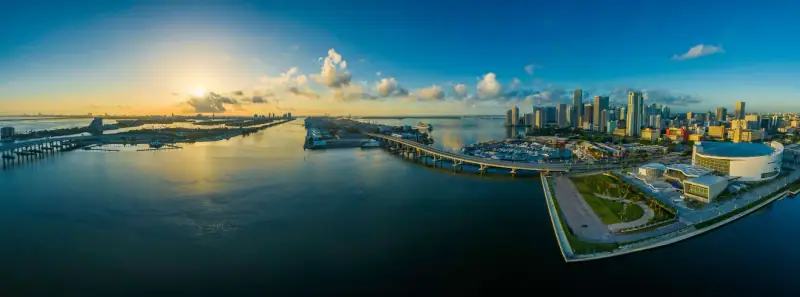
Miami in 3 days: an itinerary through South Beach, Wynwood and the Everglades
What to see in Miami in 3 days: South Beach Art Deco, Wynwood, Little Havana, Coral Gables, Vizcaya and the Everglades. Day-by-day plan and tips.

2 days
Philadelphia in 2 days: an itinerary through American history and good food
What to see in Philadelphia in 2 days: Independence Hall, Liberty Bell, Old City, Reading Terminal Market, the art museum and neighborhoods. Plan and tips.