What to see
Visiting Chicago: what to see and do in the Windy City
We may earn a commission when you book through links on this page, at no extra cost to you. We don't visit or try the places we cover: we summarize published sources. How we work
In short
- Three days cover the essentials: the Loop, Millennium Park, an architecture cruise, a major museum and a walk along the lake.
- The elevated "L" subway and buses serve most neighborhoods; a car is rarely useful for a city stay.
- Late spring, summer and early fall are the most pleasant; winter is long, cold and windy, but hotel prices are often lower.
- Prices are shown before tax in the United States, and a tip is customary in restaurants.
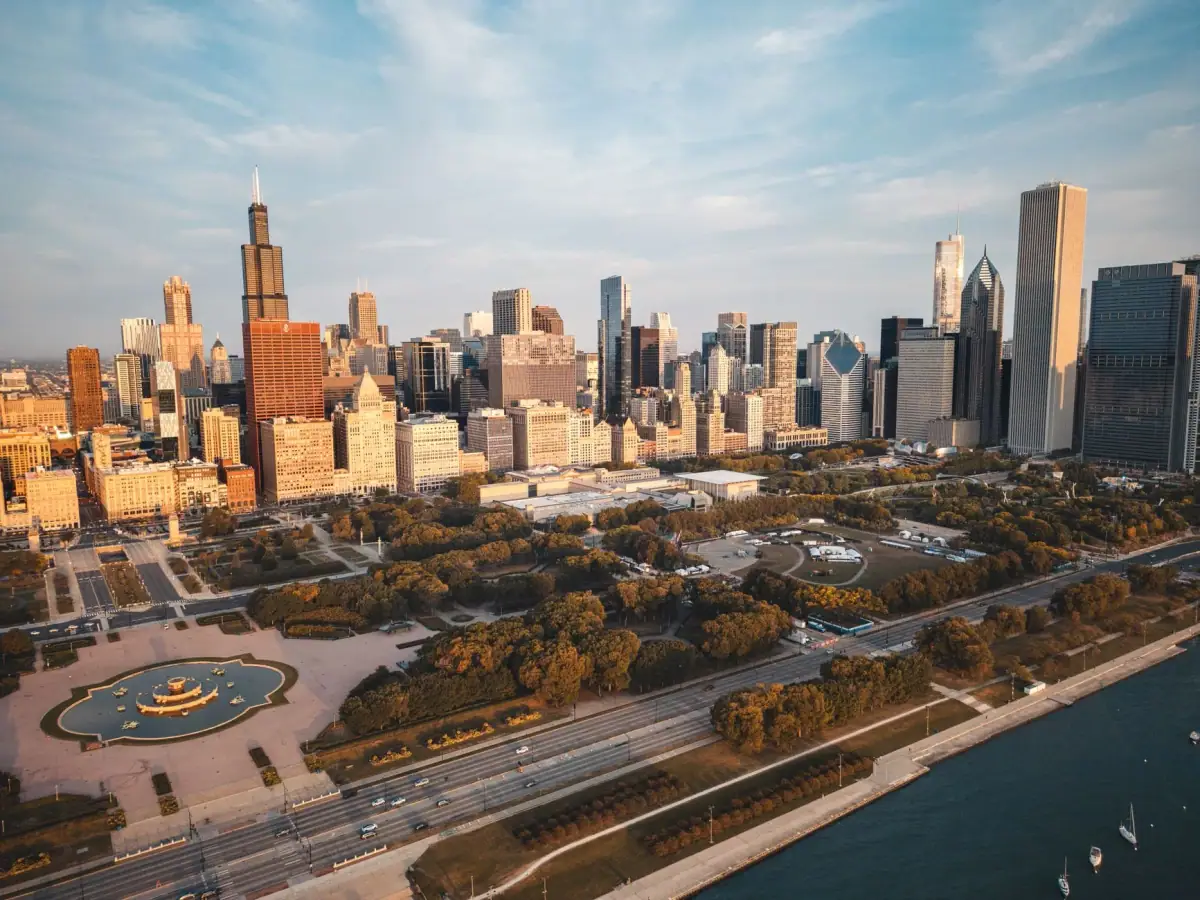
Chicago is often overshadowed by New York, and that is a good thing for anyone who likes big cities without the crush. Set on the south shore of Lake Michigan, the third-largest city in the United States charms with its skyscraper architecture, spectacular parks, first-rate museums, music scene and generous food. Locals readily call it the “Windy City”, a nickname that proves itself mostly in winter.
This guide helps you decide what to see and do in Chicago, how to get around and how much time to give it. If you are torn between Chicago and the coast’s most famous metropolis, compare with the 4-day New York itinerary. The United States remains a big country: this guide covers the East and the Midwest.
Understanding Chicago in a few words
The city stretches from north to south along the lake, which plays the role of an inland sea: urban beaches, bike paths, marinas and open views of the skyline. The historic center, the Loop, takes its name from the loop formed by the elevated subway tracks. This is where the big skyscrapers, theaters and several museums are concentrated.
Around the Loop, the city divides into neighborhoods with very different atmospheres: from the shopping streets and hotels of River North to the residential neighborhoods of the north, by way of the big lakefront parks. Chicago suffered a major fire in 1871, after which the city was rebuilt, making it a laboratory of modern architecture and the first skyscrapers. This history explains the central place of architecture in any visit.
How to get there and get around
Getting there
Chicago has two major airports, O’Hare and Midway, linked to the center by the subway and by shuttles or taxis. From New York or Washington, allow a domestic flight of a few hours, or a train trip that is much longer; check schedules before booking.
Getting around
The subway network, the “L”, is the simplest way to go from the airport to the center and to reach the north and west neighborhoods. Buses complete the network. In the Loop and along the river, walking is largely enough. For an urban stay, the car is more of a constraint: expensive parking, traffic, one-way streets.
Where to sleep in Chicago
Hotels in the Loop, River North or near the lake: compare lodging for your dates. Rates vary strongly with the season and big events.
Millennium Park and the Loop
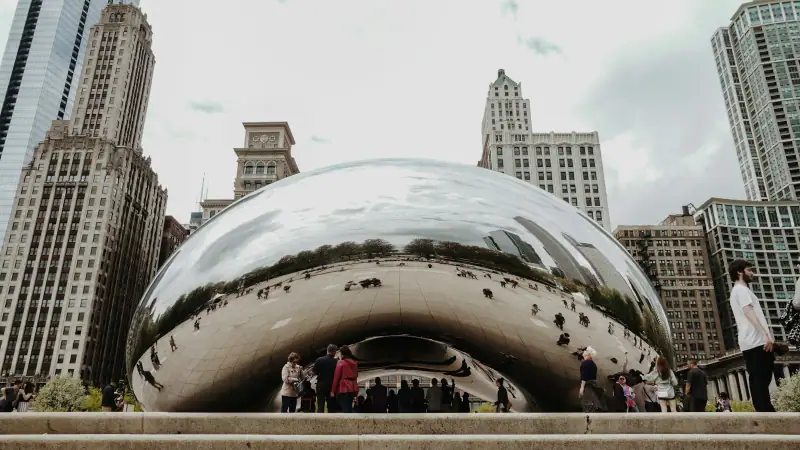
The first stop on a first visit is Millennium Park, a large urban park at the edge of the Loop. Its emblem is the Cloud Gate sculpture, which everyone nicknames “The Bean”: an immense polished steel form that reflects the skyline and passersby. Come early in the morning to photograph it without the crowd and play with the reflections.
The park also houses the Crown Fountain, made of two towers that project faces in video, and a large outdoor concert pavilion. Access to the park is free, which makes it an ideal stop for a first walk or a picnic. Close by, the Loop is worth looking up at: stone facades, ornaments, big glass roofs and old theaters sit side by side in a few streets.
Architecture, the first reason to come
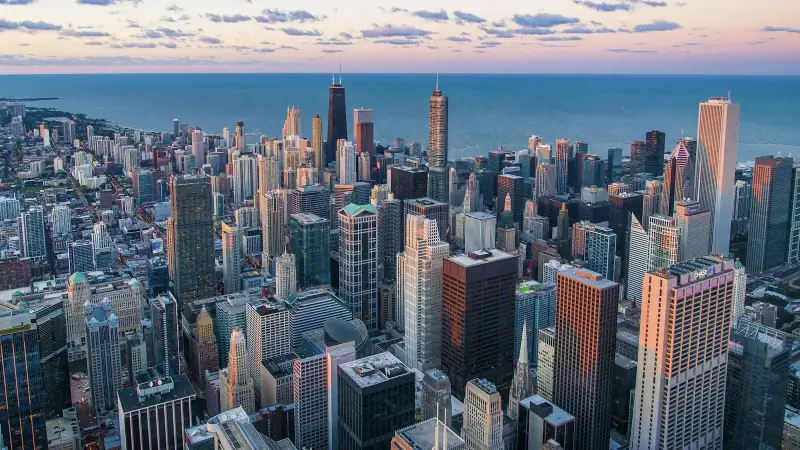
Chicago is a city for looking up. The city is one of the great cradles of the skyscraper, with buildings ranging from the late 19th century to contemporary glass towers. Even if you are not an architecture enthusiast, the effect of the city seen from the river is striking.
The architecture cruise on the river
The most popular way to understand the city is a narrated cruise on the Chicago River. Guides tell the story of the towers lining the banks, the styles, the architects and anecdotes of the rebuilding after the fire. Trips last about an hour and a half; they operate mostly from late spring to fall. Book ahead in high season, and bring a jacket, because the wind on the water can surprise you even in summer.
A view from above
Several towers offer observation decks, including Willis Tower, one of the tallest buildings in the United States, which offers a glass ledge over the void. Choose a clear day to enjoy the view of the lake and the city; in haze or rain, the visit loses much of its interest. Check hours and prices on the official website before you go.
Cruises and guided tours in Chicago
Architecture cruise, walking tours, food tours: check the offers, durations and cancellation terms before booking.
The Art Institute and the museums
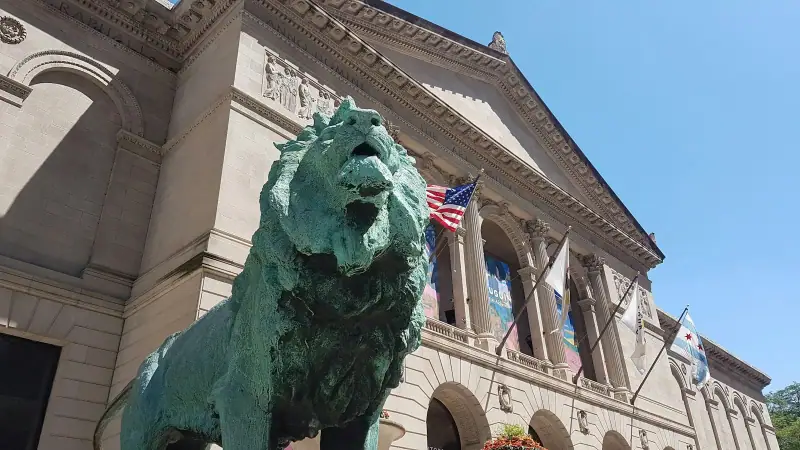
The Art Institute of Chicago is one of the great art museums of the United States. It is known for its collections of Impressionists and Post-Impressionists, American art and modern art. Allow half a day, and pick the rooms that interest you before you go in: the museum is vast and fatigue arrives quickly.
The city has other major institutions, notably science and natural history museums, grouped on the “Museum Campus” on the lakefront. They are particularly suited if you travel with family. Many museums offer timed tickets or variable rates: book online when possible to avoid waiting.
The Riverwalk and the lakefront
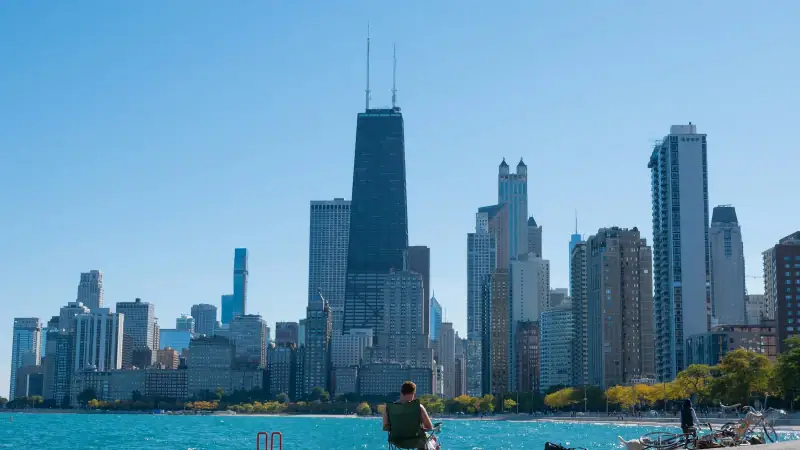
The Riverwalk is a promenade built along the Chicago River, with patios, bars and views of the bridges and towers. At sunset, the light on the glass facades makes it one of the most beautiful places in the city to stroll. In summer, the atmosphere is lively; in spring or fall, it is calmer and just as pleasant.
To the east, Lake Michigan offers miles of walking. The lakefront path can be walked or biked and links urban beaches, parks and marinas. In summer, people swim and sunbathe there; in winter, the lake can partly freeze and the landscape becomes spectacular, but very cold. Navy Pier, a large leisure pier with a Ferris wheel and shops, attracts many families; it is touristy, but the view of the skyline from the end of the pier often justifies the trip.
The Magnificent Mile and shopping
North of the river, the Magnificent Mile is the city’s main shopping avenue: big brands, department stores, hotels and restaurants. Even if shopping is not your priority, the walk is pleasant, with remarkable buildings and, nearby, calmer small streets. To plan your purchases, remember that prices are shown before tax in the United States: tax is added at the register, which raises the bill slightly. The article on the budget on the East Coast details these gaps.
Parks, neighborhoods and local life
To get off the classic circuit, leave the center and explore the neighborhoods. In the north, Lincoln Park combines a large park, a free zoo, gardens and beaches. Around it, residential streets lined with brick houses and trees give a quieter image of the city. For a more bohemian atmosphere, the neighborhoods of the west and north concentrate cafés, independent shops, galleries and small concert venues.
Sports life is also part of the local identity. Attending a baseball game in a historic stadium in the north of the city, or simply watching the atmosphere around it, is a fun way to meet locals. The season runs from spring to fall; book your seats ahead for the most in-demand games.
Music is the other great signature of Chicago: the city is known for blues, jazz and house. Many clubs offer live music in the evening. Addresses change quickly: check recent reviews and programs rather than relying on a fixed list.
What to eat in Chicago
Chicago is a city for food lovers, and some specialties are almost tourist obligations:
- Deep dish pizza, hearty and melting, to share between two or three people;
- The Chicago-style hot dog, topped with mustard, onions, pickles, tomato, peppers and a neon-green relish, no ketchup according to local tradition;
- The Italian beef sandwich, stewed beef dipped in its juices, served in a crusty roll;
- Caramel and cheese popcorn, a typical sweet-and-salty mix, found in several shops downtown.
For a broader panorama of American cuisine, see the article on specialties to taste on the East Coast. To discover the neighborhoods while eating, a guided food tour is a good option: it lets you taste several dishes in a few hours and understand the history of the communities that shaped the city.
When to go to Chicago
Summer is high season: heat, sometimes humidity, outdoor festivals, cruises and open beaches. Spring and early fall offer pleasant temperatures, beautiful colors in the parks and often more reasonable prices. Winter is long and cold, with wind and snow: days are short, but museums, theaters and restaurants offer good refuges, and hotels are cheaper. If you come in winter, pack warm clothes, gloves and waterproof shoes. To compare seasons across the whole East Coast and the Midwest, see the guide to when to go to the East Coast.
How many days to plan and how to organize your stay
Two days: the essentials
First day: Millennium Park, the Loop, a quick lunch, an architecture cruise and an evening on the Riverwalk. Second day: Art Institute in the morning, a walk along the lake in the afternoon, a deep dish dinner. It is a reasonable minimum, but the pace will be brisk.
Three to four days: the right pace
Add the Magnificent Mile, an observation deck, Navy Pier or the Museum Campus, and half a day in Lincoln Park. Keep an evening for live music or a baseball game, depending on the season.
Five days and more
With more time, explore the residential neighborhoods, the markets, the galleries and take time to wander without a plan. You can also combine Chicago with another stay in the East: the city is well linked to the big metropolises of the coast by domestic flights. For the American side of Niagara Falls, the article on Niagara on the American side details the visit.
Getting connected and staying reachable
To stay connected, check your carrier’s international plan or use a travel eSIM, which gives you internet from landing. Saily offers plans in more than 150 countries; check the offer for the United States before you leave. To compare options, read the guide to SIM cards and eSIMs on the East Coast.
An eSIM for the United States
Saily offers plans in more than 150 countries: check the offer for the United States before departure, to use maps and transport from the moment you arrive.
Practical tips
- Formalities: entry rules depend on your passport. Check the official travel advice of your government before you book: travel.state.gov (US), GOV.UK (UK), travel.gc.ca (Canada), Smartraveller (Australia) (checked November 2026). See also the guide to East Coast formalities.
- Weather and wind: even in summer, a light jacket is useful near the lake and in the evening. In winter, plan several layers.
- Transport: spot the subway line that serves your hotel before you arrive, and keep your phone charged for directions.
- Tips and taxes: displayed prices do not include taxes, and a tip is customary in restaurants.
- Safety: as in any big city, stay alert at night, stay in busy areas and ask your lodging about neighborhoods to avoid.
- Reservations: for cruises, observation decks, in-demand museums and popular restaurants, book ahead.
In short
Chicago is a city that rewards curiosity: exceptional architecture, parks open to the lake, large-scale museums, music and generous food. Plan three days to enjoy it without rushing, choose a season where the wind lets you stroll, and do not miss the cruise on the river. To compare with other big cities of the coast, see the guides to New York and to the whole East Coast.
Frequently asked questions
How long do you need to visit Chicago?
Three days let you see the essentials: the Loop, Millennium Park, an architecture tour, a major museum and a walk along the lake. With four or five days, you add the residential neighborhoods, a baseball game or a music evening.
What is the best time to visit Chicago?
Late spring, summer and early fall are the most pleasant: you enjoy the parks, outdoor cafés and the lake. Winter is long, cold and windy, but hotel prices are often lower. See also the guide to choosing the season on the East Coast.
Do you need to rent a car in Chicago?
No, it is rarely useful for a city stay. The center is explored on foot, and the elevated subway network, called the "L", as well as buses serve most neighborhoods. Parking is expensive and traffic dense downtown.
Where should you stay in Chicago?
The Loop and its surroundings are practical for sightseeing and transport. River North is lively, with many restaurants, while the north of the city is more residential and calmer. Choose according to your budget and your taste for nightlife.
What is "deep dish" pizza?
It is Chicago's emblematic pizza: a thick, pie-shaped crust, topped with cheese, toppings and then tomato sauce. It is hearty and takes about twenty minutes to bake, which explains the wait at restaurants. It is meant for sharing.
Do you need a visa for Chicago?
Entry rules depend on your passport. Check the official travel advice of your government before you book: travel.state.gov (US), GOV.UK (UK), travel.gc.ca (Canada), Smartraveller (Australia) (checked November 2026).
More US East Coast guides
Keep reading

What to see in Florida: Miami, the Everglades, the Keys, Orlando and the historic coast
What to see in Florida: Miami, Everglades, Keys, Key West, Orlando, Cape Canaveral, St. Augustine and the Gulf coast. Distances, durations and tips.

What to see in Washington and the Mid-Atlantic: Baltimore, Annapolis, Philadelphia
What to see around Washington and the Mid-Atlantic: Alexandria, Mount Vernon, Baltimore, Annapolis, Gettysburg and Philadelphia. Sights, trips and tips.
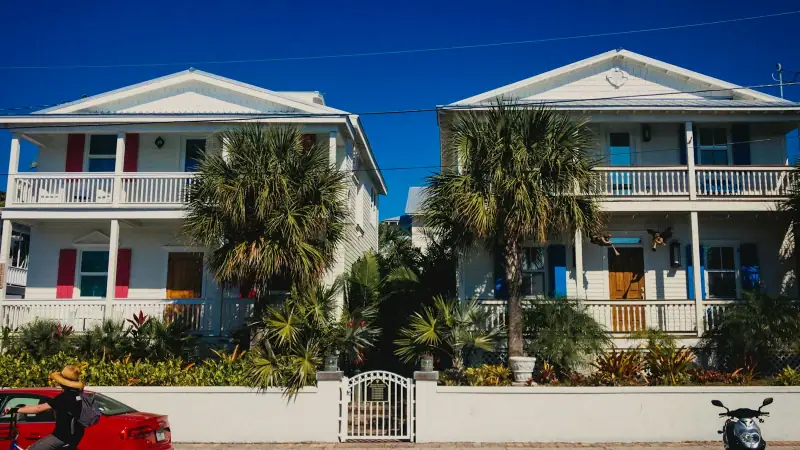
Visiting Key West: what to see and do at the end of the Keys
What to see and do in Key West: Duval Street, Hemingway House, sunset, the Dry Tortugas, beaches and food. Plan your Florida stay.
Ready-made
US East Coast itineraries

4 days
New England fall road trip: 4 days from Boston to the White Mountains and Vermont
LincolnWoodstock
Can be adapted in the planner
3 days
Miami in 3 days: an itinerary through South Beach, Wynwood and the Everglades
What to see in Miami in 3 days: South Beach Art Deco, Wynwood, Little Havana, Coral Gables, Vizcaya and the Everglades. Day-by-day plan and tips.

2 days
Philadelphia in 2 days: an itinerary through American history and good food
What to see in Philadelphia in 2 days: Independence Hall, Liberty Bell, Old City, Reading Terminal Market, the art museum and neighborhoods. Plan and tips.