What to see
Complete Guide to Visiting Turkey: Regions, Highlights, Budget and Tips
We may earn a commission when you book through links on this page, at no extra cost to you. We don't visit or try the places we cover: we summarize published sources. How we work
In short
- Two weeks combine Istanbul, Cappadocia and the Aegean or Mediterranean coast; with one week, limit yourself to two stops such as Istanbul and Cappadocia.
- Spring (April to June) and early fall (September to October) give the best balance of pleasant temperatures and reasonable crowds.
- Turkey covers about 780,000 km² (301,000 sq mi); distances between major stops run to hundreds of kilometers, so domestic flights are very useful.
- Entry rules depend on your passport: check your government's official travel advice before you book.
Turkey is one of the few countries where you can sleep in a house carved into rock on Monday, wander an ancient city on Tuesday and swim in a turquoise cove on Thursday. Straddling Europe and Asia, heir to the Roman, Byzantine and Ottoman empires, it offers a variety of landscapes and cultures that surprises at every stop: a thousand-year-old metropolis on the Bosphorus, the volcanic plateaus of Anatolia, the coasts of the Aegean and the Mediterranean, the mountains of the east.
This complete guide is the pillar article of the site. It helps you understand the country’s geography, choose your regions, decide when to go, how to get there and get around, where to sleep and how much to plan. At each step, links send you to our detailed articles. Because prices and hours change quickly, we give orders of magnitude and invite you to check practical information before booking.
Turkey at a glance
Turkey is a vast country: its area, about 780,000 km² (301,000 sq mi), is large. A small part of the territory lies in Europe (Thrace, around Istanbul), the rest in Asia, on the great Anatolian plateau bordered by the Black Sea to the north, the Aegean Sea to the west and the Mediterranean to the south.
This size has a direct consequence on how a trip is organized: you do not “do” Turkey in one go. You have to choose one or two major areas, and accept leaving the rest for a next stay. Distances between the major stops are measured in hundreds of kilometers, which makes domestic flights very useful.
The country is organized around six major tourist areas, which we cover on this site:
- Istanbul, the metropolis between two continents;
- Cappadocia, in the center of Anatolia;
- the Aegean, with Ephesus, Pamukkale and Bodrum;
- the Lycian coast, around Fethiye and Kaş;
- the Turkish Riviera, with Antalya, Side and Alanya;
- eastern and southeastern Anatolia, farther away, with Mount Nemrut (Adıyaman province) and Lake Van.
The currency is the Turkish lira, and the official language is Turkish. In tourist areas, you will easily find English-speaking staff. A few words of Turkish (merhaba, teşekkür ederim, lütfen) are always much appreciated.
Istanbul, the city of two shores
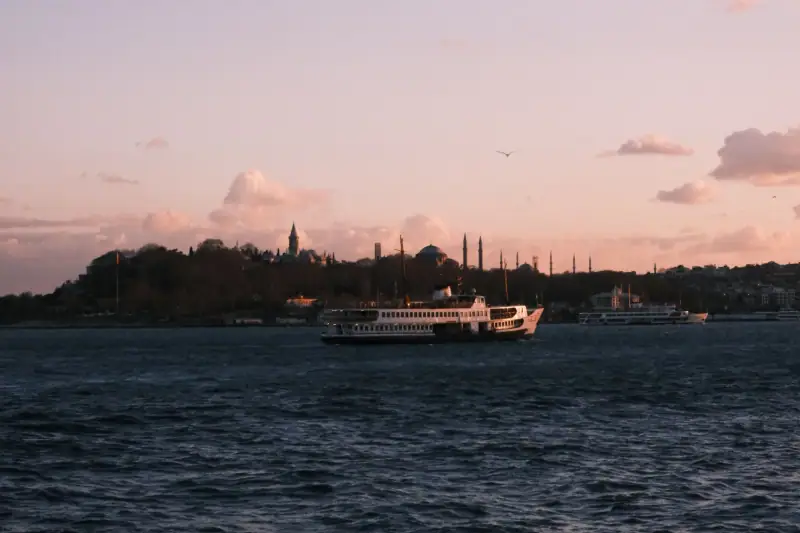
For most travelers it is the gateway to the country, and it amply deserves a stay. Istanbul is the only major city in the world located on two continents, separated by the Bosphorus. Its historic peninsula, Sultanahmet, brings together Hagia Sophia, the Blue Mosque, Topkapı Palace, the Basilica Cistern and the old Hippodrome, all within walking distance of one another.
Beyond this core, the city is discovered by district: the Grand Bazaar and the Egyptian Bazaar for covered markets, Galata and Karaköy for cafés and views, Balat for its colorful houses, Kadıköy on the Asian side for a more local atmosphere. The ferries, which cross the Bosphorus and the Golden Horn, are both a means of transport and a sight in themselves.
For a first stay, allow three to four days. Our article What to see in Istanbul: the 10 essentials details the visits not to miss, and Where to stay in Istanbul compares neighborhoods according to your travel style: Sultanahmet for the monuments, Karaköy and Galata for atmosphere, Kadıköy for authenticity.
Cappadocia, between fairy chimneys and balloons

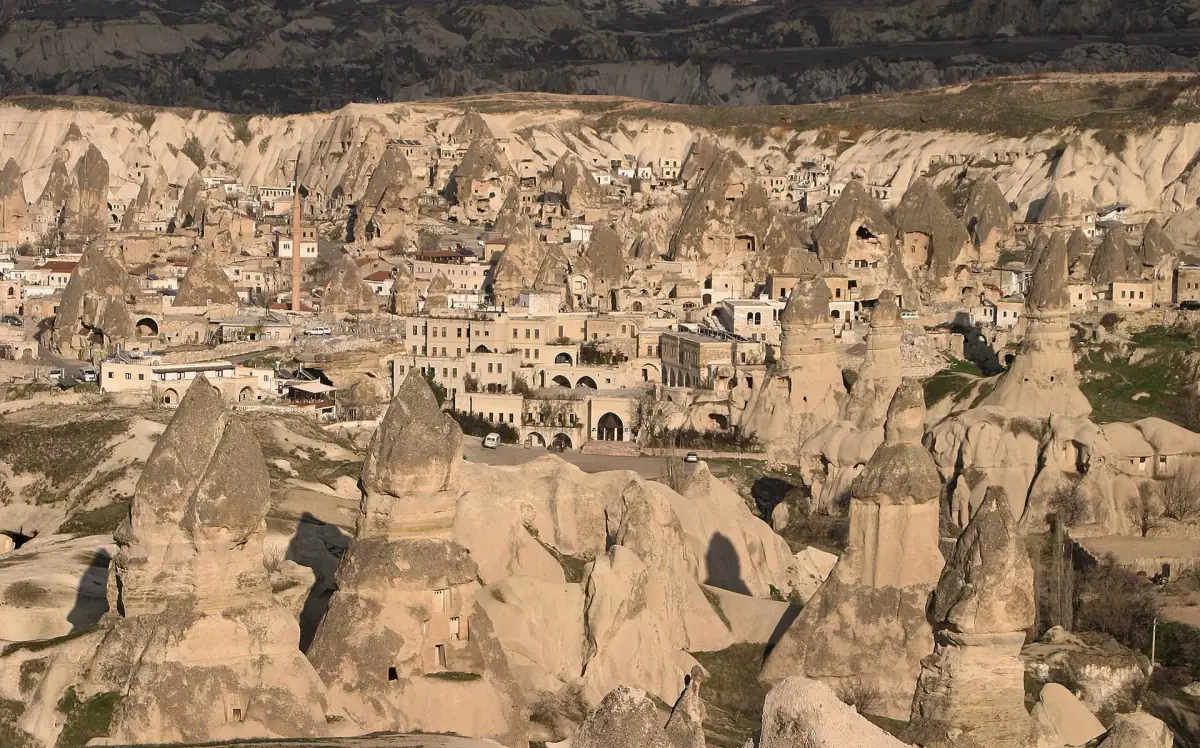
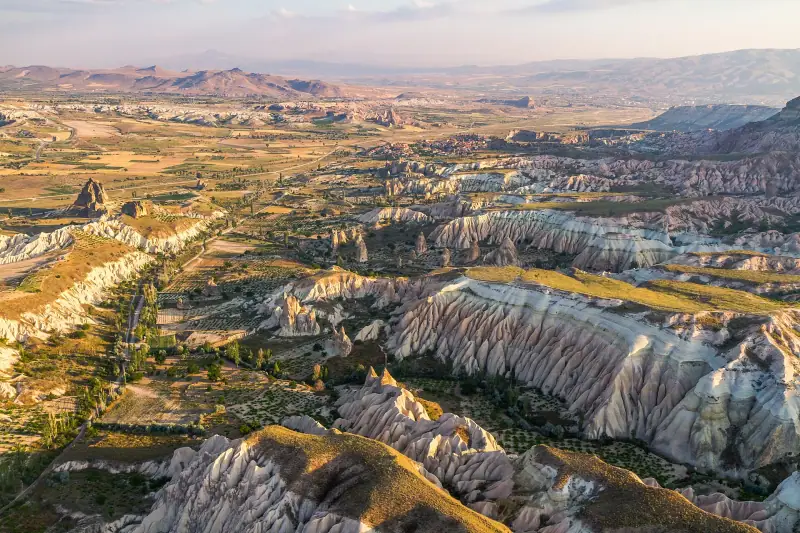
In central Anatolia, Cappadocia is a science-fiction landscape born from the erosion of soft volcanic rock. Fairy chimneys, sculpted valleys, rock-cut churches decorated with Byzantine frescoes and underground cities where inhabitants once took refuge make up a region apart. The region is also famous for its sunrise hot air balloon flights, among the most emblematic images of the country.
Göreme is the best-known village to stay in, but Uçhisar, Ürgüp and Avanos each have their own character. Many hotels were set up in former cave dwellings, which is part of the charm of the stay. Our guide Where to stay in Cappadocia helps you choose between these villages.
Two to three days let you see the essentials: the Göreme Open-Air Museum, a few valleys on foot, an underground city and a sunrise over the balloons, whether you watch them from the ground or from the basket. To organize these days, see our itinerary Cappadocia in 3 days, which spreads the visits realistically.
Hot air balloon flights in Cappadocia
Compare offers and cancellation terms for sunrise flights.
The Aegean: Ephesus, Pamukkale and Bodrum
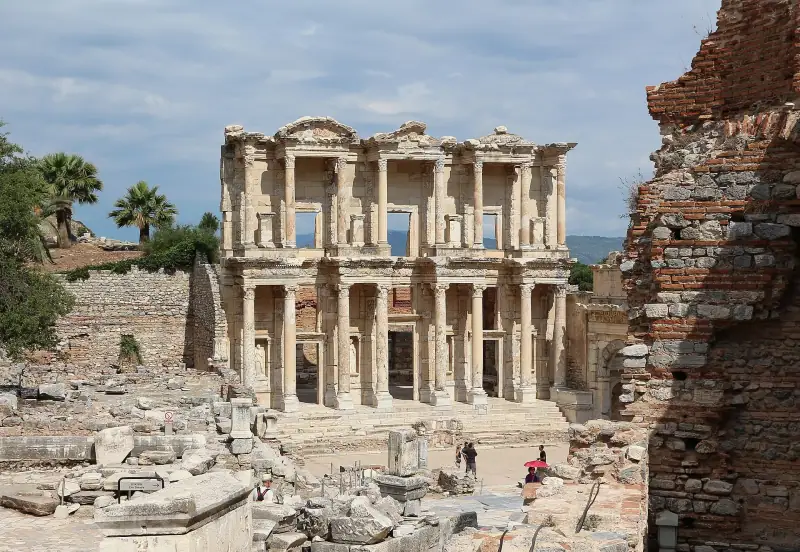
Turkey’s western coast is one of the cradles of antiquity. This is where the ruins of Ephesus stand, one of the best-preserved ancient cities of the Mediterranean, with its great marble street and spectacular library facade. The village of Selçuk, close by, is a practical and pleasant base to visit it, with the village of Şirince a short distance away (is it worth the detour?).
Inland, Pamukkale, whose name means “cotton castle”, intrigues with its white travertine terraces formed by limestone-rich waters. At the top are the remains of Hierapolis, an ancient Roman spa city. The two sites combine well in a stay of a few days, and our article Ephesus and Pamukkale in 2 days offers a sequence to do it without wasting time on the road.
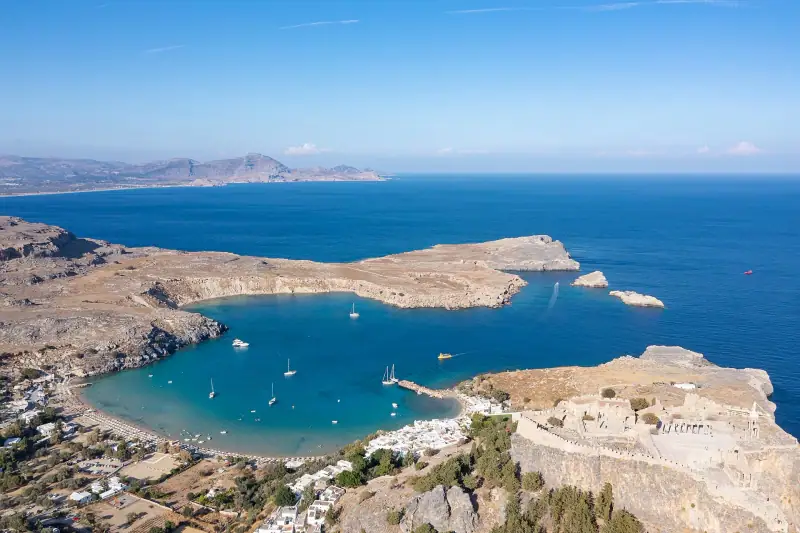
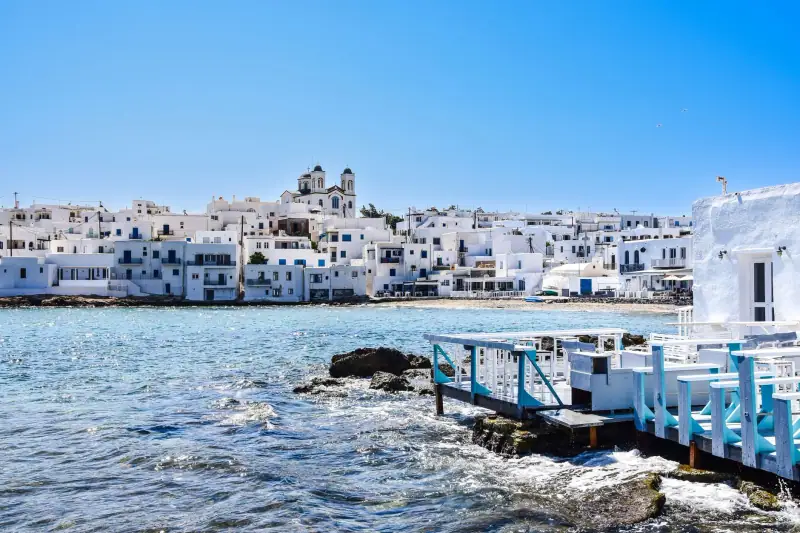
Farther south, the Bodrum peninsula changes register: lively port, medieval castle, bays lined with white villages and nightlife in summer. Bodrum: what to see and do presents the town and its surroundings, between heritage and beaches. It is a destination that suits fans of the seaside as well as those who like to alternate relaxation and visits.
The Lycian coast: Fethiye and Kaş
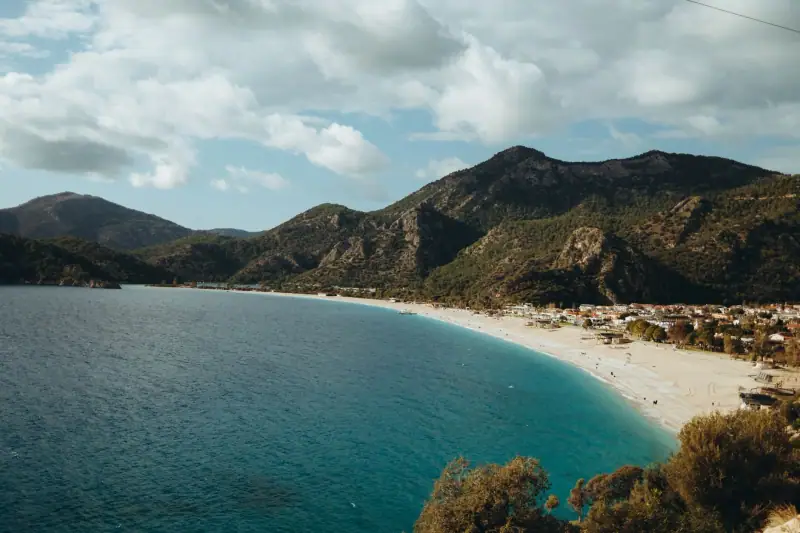
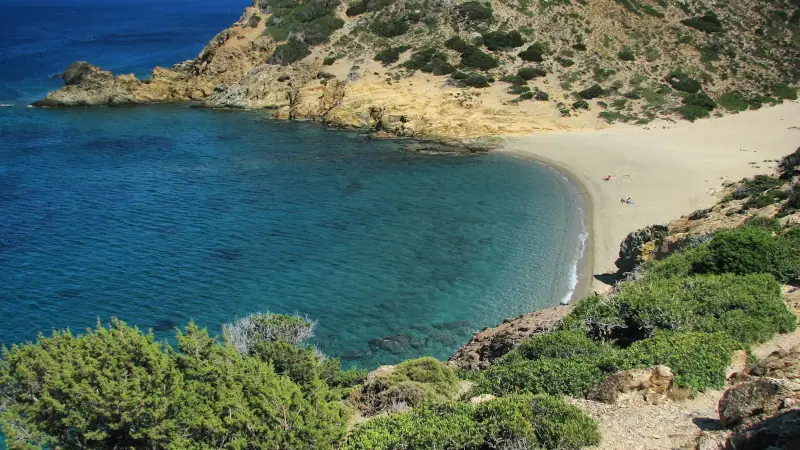
Between Fethiye and Kaş, the southwest coast alternates coves, pine-covered hills and remains of an ancient civilization, the Lycians, whose rock-cut tombs can still be seen. It is an ideal region for sea lovers: boat trips, swimming, diving, kayaking, but also hiking on the Lycian Way, a long-distance trail that follows the coast.
Fethiye is a good starting point, with its harbor, its tombs carved into the cliff and the proximity of renowned beaches. Kaş, smaller and more relaxed, charms with its atmosphere of a fishing village turned quiet resort and with the quality of its dive sites. Our itinerary Lycian coast: 5 days from Fethiye to Kaş links these stops in a logical order.
This coast is best explored by rental car, because there are many stops and the roads are scenic. It is also served by minibuses (dolmuş) that link the main towns. Drive carefully on the winding roads, especially in summer, when traffic is heavier.
Antalya and the Turkish Riviera
Antalya is the big gateway to the Turkish Mediterranean. Its old town, Kaleiçi, with Ottoman lanes lined with restored houses, descends to a small Roman harbor. The city is surrounded by beaches, waterfalls and ancient sites, which makes it a versatile base. Our article What to see and do in Antalya presents the old town, the beaches and the ancient sites nearby.
Around Antalya, the Turkish Riviera stretches east with Side and Alanya, resorts where ancient ruins and large hotel complexes mix. It is the region of “all-inclusive” packages and family beach holidays, with long sand beaches and a wide range of activities. It suits you well if you mainly want to rest by the water, while keeping the option of day excursions.
Hotels in Turkey
Compare lodging in Istanbul, Cappadocia, the Aegean or Antalya by your dates.
Eastern Anatolia, for a second trip
In the east of the country, eastern Anatolia and southeastern Anatolia are far less visited but offer remarkable landscapes and sites, such as Mount Nemrut (Adıyaman province, in the southeast), where colossal statues watch over the tomb of King Antiochus I of Commagene, or Lake Van, in eastern Anatolia, a large mountain lake surrounded by high relief. It is territory for experienced travelers, who accept long trips and more modest tourist infrastructure.
This region is generally approached on a second trip, or as an extension of a Cappadocia circuit. Because safety conditions can vary by area, always check your government’s official travel advice before building an itinerary toward the east or southeast of the country.
When to go to Turkey
Turkey has several climates. The Mediterranean and Aegean coast has hot, dry summers and mild, damp winters. The interior, on the Anatolian plateau, has very hot summers and cold winters, with snow in Cappadocia and in the east. Istanbul is more temperate, but can be damp and cool from November to March.
As a general rule, the most pleasant months for a discovery trip are:
- April to June, for mild temperatures, green nature and moderate crowds;
- September and October, when the sea is still warm and the heat more bearable than in midsummer;
- July and August if your priority is swimming, accepting the heat and the crowds;
- winter, for a snowy Cappadocia, lower prices and calmer sites, with a less welcoming coast.
The detail, region by region, is in our article When to go to Turkey. Also think about religious holiday periods, when transport and lodging can be in higher demand, and Turkish school holidays in summer.
How to get to Turkey
Istanbul has two main airports, one on the European side and the other on the Asian side: check which one serves your flight, because trips to the center are not equivalent. In season, Antalya, Izmir, Bodrum and Dalaman also have airports served by flights.
Several carriers, scheduled and low-cost, serve the country. Fares vary with the season and booking lead time: booking two to four months ahead generally remains the best strategy, especially for summer. Consider “open-jaw” flights, which let you arrive in Istanbul and leave from another city, avoiding a costly backtrack.
Formalities before you go
Entry rules depend on your passport. Check the official travel advice of your government before you book: travel.state.gov (US), GOV.UK (UK), travel.gc.ca (Canada), Smartraveller (Australia) (checked November 2026). A valid travel document is required in any case.
Health, insurance, customs and authorization for minors traveling without their parents are detailed in our article Formalities for Turkey. Travel insurance with repatriation assistance is strongly advised, all the more if you plan hiking, diving or renting a vehicle.
How to get around Turkey
The choice of transport depends on your itinerary. Here is an overview of the main options:
- Domestic flights link Istanbul to the major tourist regions (Cappadocia, the Aegean, the Mediterranean coast) in one to two hours of flying. They are by far the fastest solution for long distances;
- Long-distance buses are an institution: dense network, generally comfortable vehicles, onboard service. An economical way to link two moderately distant cities;
- High-speed trains serve certain routes, notably around Ankara, but the network remains limited compared with buses;
- A rental car offers the most freedom on the coast, in the Aegean and in Cappadocia. It is less useful in Istanbul, where parking and traffic are complicated;
- Urban transport (tram, metro, ferries, minibuses) is efficient in Istanbul and the big cities. A rechargeable card simplifies trips.
If you rent a car, compare insurance and deductible terms, check toll and payment card rules, and plan not to drive at night on secondary roads. Do not try to link too many stops by car: a trip of more than four hours is often a reason to prefer a domestic flight.
Where to sleep in Turkey
The range of lodging is very varied. In Istanbul, you will find hotels of every category, from hostels to palaces, with a choice of neighborhood that shapes the atmosphere of your stay. In Cappadocia, cave hotels and charming houses are common. On the coast, from the small family hotel to the big all-inclusive resort, everything exists.
A few pointers for booking:
- Book early for high season, particularly in Göreme during balloon-flight periods and on the coast in July-August;
- Check the location: in Istanbul, being near a tram or ferry stop is often more useful than being at the foot of a monument;
- Read recent reviews and check what is included (breakfast, transfer, taxes);
- All-inclusive packages make sense on the Turkish Riviera, less so if you want to taste local cuisine every evening;
- Compare cancellation policies, which vary from one lodging to another.
Our guides Where to stay in Istanbul and Where to stay in Cappadocia help you choose neighborhood and village, with the strengths and limits of each.
What budget to plan for Turkey
Turkey remains overall more affordable than many European destinations, but the gaps are large between a trip by hostel and bus, and a stay in a boutique hotel with domestic flights and excursions. Prices have also changed in recent years, and the very touristy areas (Istanbul, Cappadocia, coastal resorts) are more expensive than the interior.
The main spending items are:
- the round-trip flight, very variable by season;
- lodging, often the biggest share of the budget once you are there;
- site entries and excursions (balloon, cruises, guided tours), to anticipate because they can weigh heavily;
- meals, very affordable if you eat in restaurants frequented by locals;
- domestic transport, with buses and trains inexpensive, domestic flights and car rentals more expensive.
Our article Budget for a stay in Turkey costs three profiles (budget, comfort, high-end) and offers concrete tips to spend less without sacrificing the experience. Also plan a little cash for small purchases, tips and places that do not accept cards.
Turkish cuisine, a trip within the trip
It would be a shame to visit Turkey without taking an interest in its table. Turkish cuisine is one of the richest in the region: meze to share, kebabs, pide and lahmacun, grilled fish on the coast, slow-cooked dishes, pastries with honey and dried fruit. The Turkish breakfast, with its cheeses, olives, tomatoes, eggs, jams and fresh bread, is an event in itself.
Each region has its specialties. In Istanbul, street food (simit, balık ekmek, börek) is part of daily life. In Cappadocia, you taste dishes cooked in pottery. On the coast, fish and olive-oil vegetables dominate. For a detailed list, read our article Turkish cuisine: 20 specialties to taste.
To go further than the restaurant, a cooking class or a food tour helps you understand products and techniques with a local guide, and remains an excellent way to discover a neighborhood.
Food tours in Istanbul
Guided tastings and food visits to discover Turkish cuisine with a local guide.
How to build your itinerary
Depending on the time you have, here are a few coherent combinations for a first trip. They are indicative: adapt them to your pace and the season.
One week: Istanbul and Cappadocia. Three to four days in Istanbul, then a domestic flight to Cappadocia for two to three days. It is the classic duo, easy to organize, combining a monumental city and unique landscapes.
Ten days: Istanbul, the Aegean and Pamukkale. Istanbul, a flight to Izmir, then Ephesus and Pamukkale. This sequence favors ancient heritage. Our itinerary Ephesus and Pamukkale in 2 days covers the central part.
Two weeks: the great classic. Istanbul, Cappadocia, then the coast (Aegean or Mediterranean) to finish with a few days of relaxation. You will thus have seen the three faces of the country: the city, Anatolia and the sea.
For sea lovers: concentrate on the coast between Fethiye, Kaş and Antalya, with a car, and complete with one or two days of archaeological excursions. The itinerary Lycian coast in 5 days can serve as a backbone.
A simple principle: do not change hotels every day. Planning at least two nights per stop (three in Istanbul) saves you from spending your trip living out of suitcases and in transit.
Travel tips and etiquette
A few habits make travel smoother and more respectful.
- In mosques, cover shoulders and knees, remove your shoes, and avoid visiting during prayers. Women must cover their hair; a light scarf is enough;
- During Ramadan, many restaurants stay open in tourist areas, but it is polite not to eat or drink ostentatiously in the street during the day, particularly inland;
- Haggling is common in bazaars, a little less in shops with posted prices. Stay courteous, without insisting;
- Tips are customary in restaurants, hammams and taxis, as a small extra;
- Antiquities and archaeological objects must never be bought or picked up: their export is strictly forbidden and can lead to prosecution;
- Classic scams (shoe shiners who “drop” their brush, invitations for a drink followed by an outsized bill, taxis without a meter) are easily foiled: stay polite, ask prices in advance, use the meter.
On health, ask your doctor or a travel clinic, and see the official travel health pages (CDC in the US, TravelHealthPro in the UK). Pharmacies are common in towns and cities.
The last word: where to start?
If this is your first trip, start with Istanbul and Cappadocia: it is the ideal balance between culture, landscapes and logistical simplicity. Then add the Aegean or the Lycian coast depending on whether you prefer ancient sites or the sea. Keep eastern Anatolia and less-traveled roads for a second stay.
Whatever your formula, plan ahead: book flights and high-season lodging early, check your travel documents, and leave room for the unexpected. It is often in a small neighborhood café, a conversation with a shopkeeper or a detour by ferry that Turkey will leave its mark on you most. Have a good trip!
Frequently asked questions
How long do you need to visit Turkey?
Two weeks let you combine Istanbul, Cappadocia and the Aegean or the Mediterranean coast without rushing. With one week, it is better to limit yourself to two stops, for example Istanbul and Cappadocia. The country is huge: it is better to come back than to try to see everything in one trip.
What is the best time to go to Turkey?
Spring (April to June) and early fall (September to October) offer the best compromise between pleasant temperatures and reasonable crowds. Summer is very hot on the coast and inland, but ideal for swimming. Our article on when to go to Turkey details the weather region by region.
Do you need a visa for Turkey?
Entry rules depend on your passport. Check the official travel advice of your government before you book: travel.state.gov (US), GOV.UK (UK), travel.gc.ca (Canada), Smartraveller (Australia) (checked November 2026).
Is Turkey a safe country for tourists?
Tourist areas are visited all year by millions of visitors. The main risks are small scams in town and pickpockets in very busy places. Check your government's official travel advice before leaving, because some areas near the borders are advised against.
How do you get around Turkey?
For long distances, domestic flights are the most practical. Long-distance buses are frequent and comfortable, high-speed trains serve certain routes, and a rental car is ideal for the coast, the Aegean and Cappadocia. In town, trams, metros and ferries are enough.
What budget should you plan for a trip to Turkey?
The budget varies a lot with travel style, season and region: Istanbul and the beach resorts are more expensive than the interior. Our dedicated article offers three costed profiles and tips to limit spending.
Can you drink tap water in Turkey?
Bottled water is sold everywhere at low prices, and many travelers prefer it for drinking.
More Turkey guides
Keep reading
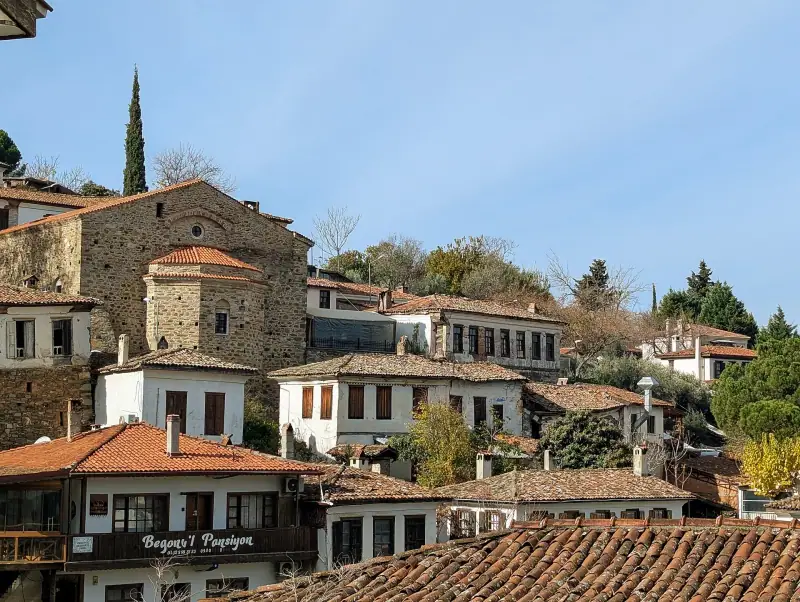
Şirince: Is It Worth the Detour from Ephesus and Selçuk?
Şirince, a hill village near Ephesus: is it worth the detour? Getting there from Selçuk, visit length, fruit wines, tourist traps and alternatives.
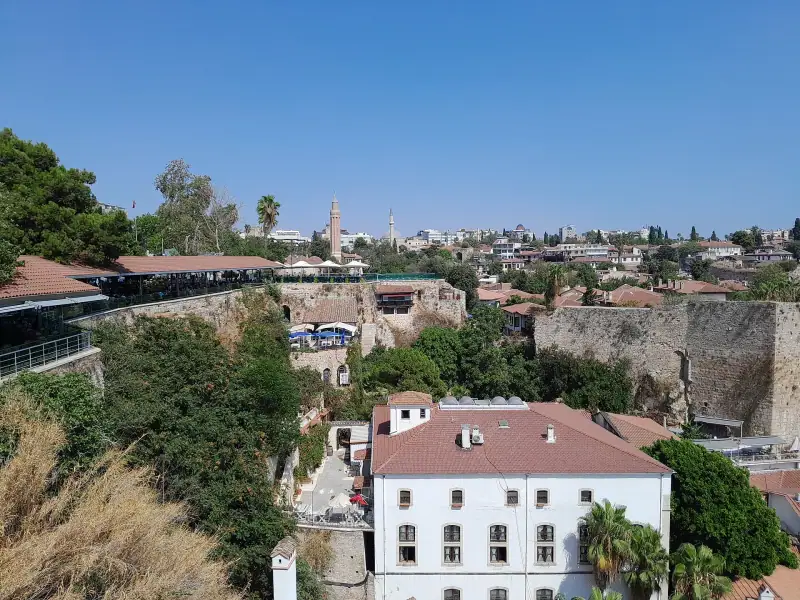
What to See and Do in Antalya: Old Town, Beaches and Ancient Sites
Antalya in 3 days: Kaleiçi, harbor, Düden Falls, Konyaaltı and Lara beaches, then Perge, Aspendos and Termessos. Tips to organize your stay.
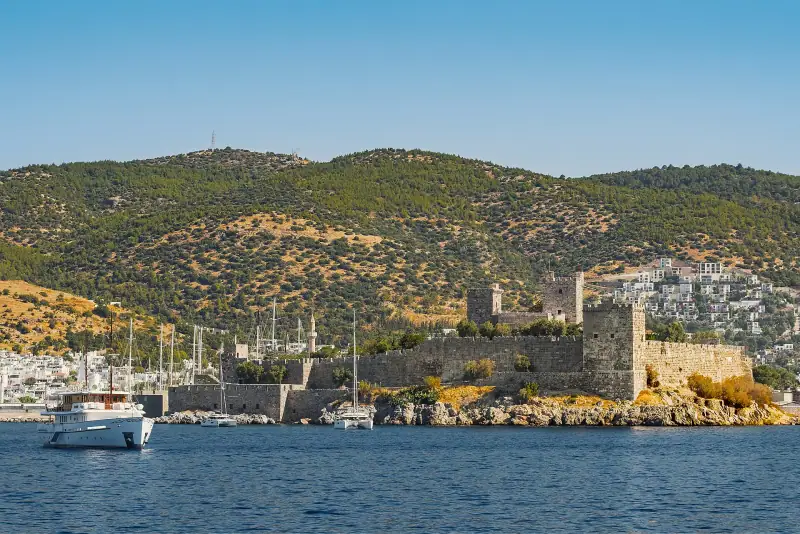
Bodrum: What to See and Do on the Aegean Peninsula
What to see in Bodrum? St. Peter's Castle, ancient theater, marina, peninsula villages, Gümüşlük, boat trips and a day trip to Kos.
Ready-made
Turkey itineraries
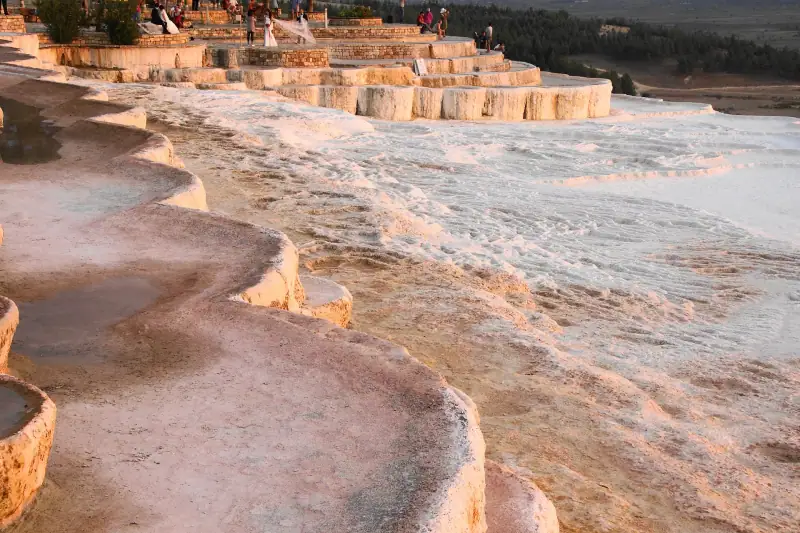
2 days
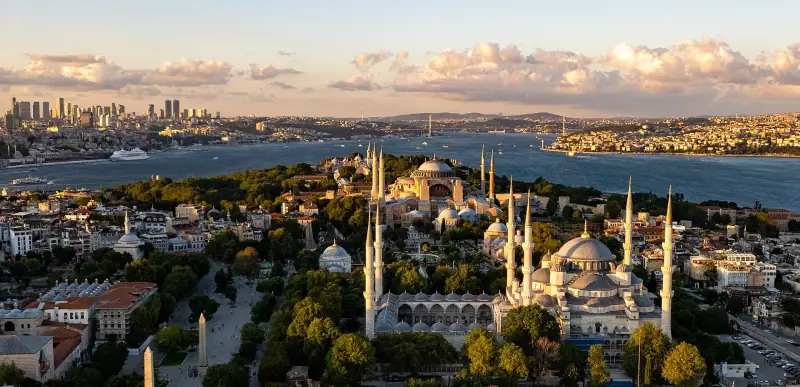
3 days
Istanbul in 3 Days: A Day-by-Day Itinerary to See It All
A 3-day Istanbul itinerary: Hagia Sophia, Topkapı, Grand Bazaar, Bosphorus, Galata and the Asian side, with a realistic pace and practical tips.
3 days
Cappadocia in 3 Days: A Detailed Itinerary of Valleys, Underground Cities and Hot Air Balloons
What to see in Cappadocia in 3 days? Day-by-day itinerary: Göreme, valleys, Uçhisar, Derinkuyu, Avanos, hot air balloons and tips for your stay.