Where to stay
Where to Stay in Istanbul: Which Neighborhood to Choose for Your Trip?
We may earn a commission when you book through links on this page, at no extra cost to you. We don't visit or try the places we cover: we summarize published sources. How we work
In short
- Sultanahmet is the most practical for a first stay of two or three days: Hagia Sophia, the Blue Mosque and Topkapı are all on foot.
- Beyoğlu, Galata and Karaköy, across the Golden Horn, suit you if you want evening life, cafés and restaurants, and are linked by tram.
- Balat, Fener and Kadıköy suit a second stay; Beşiktaş and Ortaköy offer a waterfront setting but are farther from the main sites.
- Book early in high season, read recent reviews on noise and cleanliness, and check the exact location on the map.
Istanbul is one of the few cities in the world to straddle two continents, and it is also an immense metropolis, crossed by the Bosphorus, the Golden Horn and the Sea of Marmara. Choosing your neighborhood is therefore the most important booking decision: sleeping in the right place changes how you visit, the time spent in transport, the atmosphere of your evenings and, often, the price of the room.
This guide compares the main neighborhoods for travelers visiting the city: what you find there, who they suit and their weak points. It deliberately does not name specific hotels, because availability and rates change a lot from one season to the next: use comparison sites to check availability and recent reviews. If you are still unsure about the date, start with our guide on when to go to Turkey.
Sultanahmet: the most practical for the major monuments
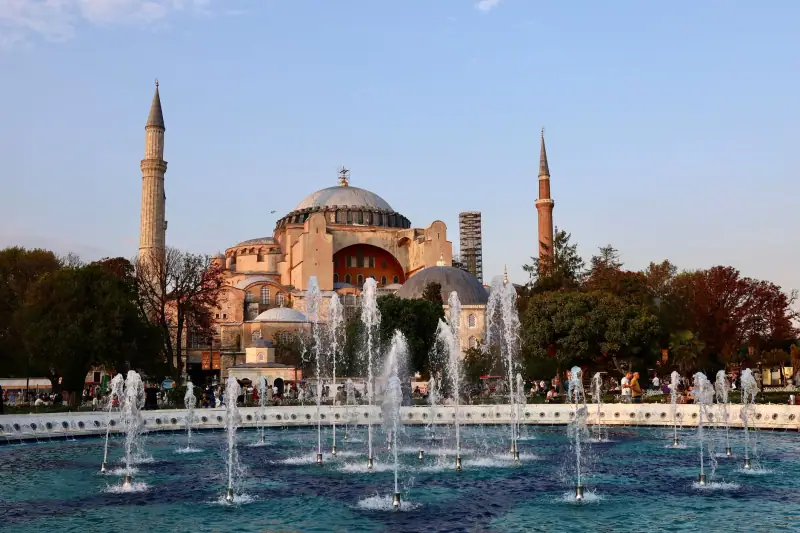
Sultanahmet is the historic heart of the Istanbul peninsula. This is where Hagia Sophia, the Blue Mosque, the old Hippodrome, the Basilica Cistern and Topkapı Palace stand, all within walking distance of most hotels in the area. For a first stay of two or three days, it is the simplest choice: you can reach the monuments before the groups, return to rest in the middle of the day and head out again in the late afternoon.
The district is also well served by the T1 tram, which links the old town to Eminönü, Karaköy and Kabataş. Many small hotels occupy former restored houses, sometimes with a rooftop terrace from which you can glimpse the Sea of Marmara and the minarets. These are often modest-sized properties, which is pleasant but means reading reviews on soundproofing and cleanliness.
The flip side is a very touristy atmosphere. Restaurants in the immediate vicinity of the monuments mainly target visitors, with higher prices and uneven quality, and approaches in the street are frequent. Nightlife is limited: in the evening, you have dinner then go back or head to another neighborhood. To eat well, a few streets of distance are generally enough: our article on Turkish cuisine gives pointers on the dishes to look for and how to choose a place.
Hotels in Sultanahmet
Compare lodging near Hagia Sophia and the Blue Mosque by your dates.
Beyoğlu, Galata and Karaköy: activity, cafés and views of the Golden Horn
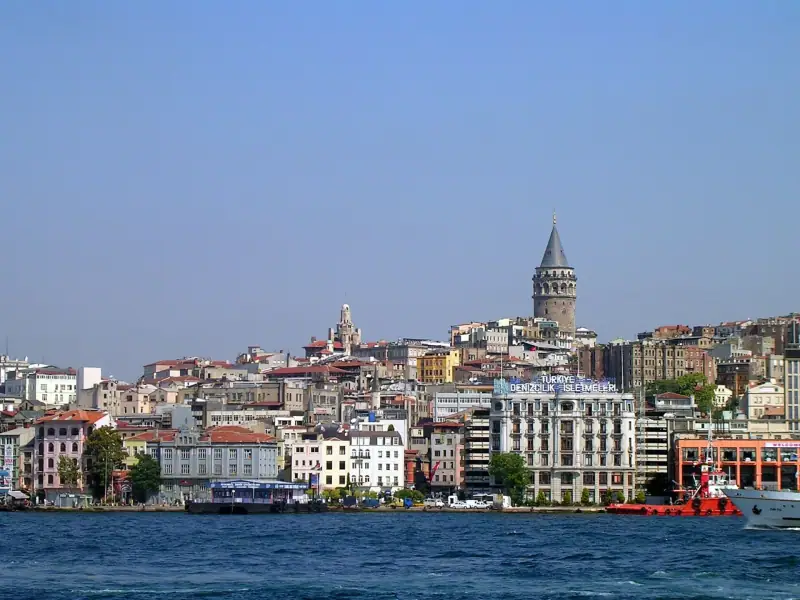
Across the Golden Horn, Beyoğlu forms the modern side of the European bank. Here you find the Galata Tower, the pedestrian İstiklal Avenue, Taksim Square and, below, the Karaköy district, which has seen a revival in recent years marked by cafés, galleries and restaurants. It is the area to favor if you want to go out in the evening, taste contemporary cuisine and enjoy a more urban atmosphere than Sultanahmet’s.
Lodging is varied: boutique hotels in old buildings, apartments, more modern addresses. The streets of Galata and Cihangir are sloped, sometimes steep, which matters if you travel with a heavy suitcase or children in strollers. The historic Tünel funicular and the Karaköy tram line help reduce the climbs. To get to Sultanahmet from Karaköy, allow a tram ride or a walk across the Galata Bridge, which offers fine views of the mosques along the way.
These districts are lively late into the night, especially on weekends. If you are a light sleeper, avoid rooms directly onto bar streets and prefer a high floor or a courtyard room. The Taksim area is very central for transport, but denser and noisier; many travelers prefer Galata or Cihangir, calmer and more pleasant to explore on foot.
Balat and Fener: an authentic neighborhood for a second stay
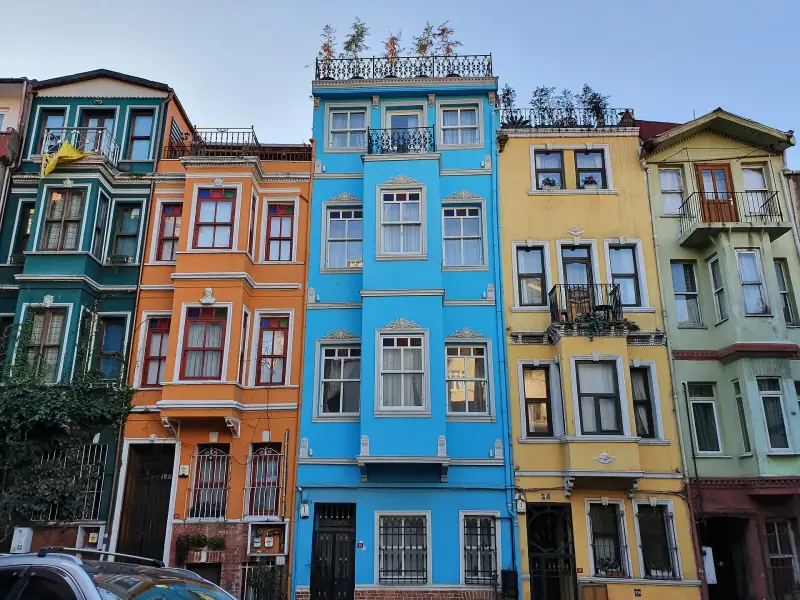
On the south shore of the Golden Horn, Balat and Fener are historic districts with cobbled lanes, colorful houses and former Greek, Jewish and Armenian quarters. They appeal to travelers who like to photograph, stroll and get off the busiest routes. You find cafés, antique shops, small churches and old synagogues, as well as more local restaurants.
Lodging choices are more limited and consist mainly of small guesthouses and apartments. Transport is less direct than in Sultanahmet: count on buses, taxis or ferries on the Golden Horn, and the terrain is hilly. It is a good option if you already know the city or are staying several days, but less suited to a very short stay where every minute of transport counts.
Bosphorus cruise
A pleasant way to discover both banks of Istanbul, whichever neighborhood you stay in.
Beşiktaş, Ortaköy and the Bosphorus: elegance and the waterfront
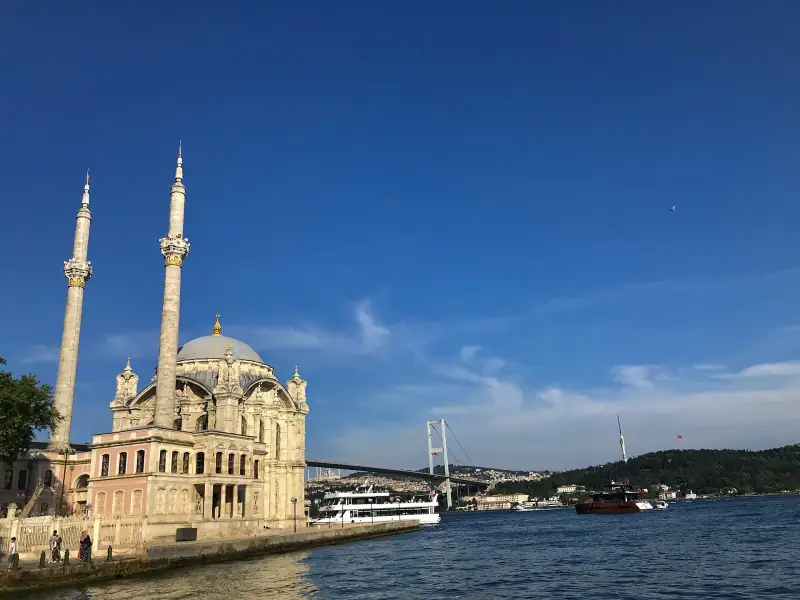
Farther north, along the Bosphorus, the Beşiktaş and Ortaköy districts offer a more residential, airier atmosphere. Here you find Dolmabahçe Palace, waterside promenades, terraces and, in Ortaköy, the small mosque standing out in front of the Bosphorus Bridge. Hotels in this area are often more upscale, sometimes with a direct view of the strait.
The main advantage is the setting: waking up facing the Bosphorus, with boats passing, is a treat. The drawback is the distance from the major sites: to reach Sultanahmet, you generally need to combine tram, bus or taxi, and traffic along the shore can be dense at rush hour. It is therefore a good choice for a couple’s stay or a getaway where comfort comes first, less so for a program packed with visits.
The neighboring Nişantaşı district, known for its shops and cafés, suits those who like shopping and elegant addresses. It is calmer than Taksim, but far from the old city and without a marked historic character.
Kadıköy and the Asian side: a local atmosphere
Kadıköy is on the Asian side of Istanbul. You reach it from the European side by ferry, a trip much appreciated by visitors because it offers a viewpoint on the old city’s skyline. The district is known for its lively market, cafés, bookshops, bars and young population. It is frequented mostly by Istanbulites, which shows in the atmosphere and in prices, often lower in restaurants.
Staying in Kadıköy suits travelers who have already seen the main monuments, or those who prefer a neighborhood atmosphere to the museum-like atmosphere of Sultanahmet. You must, however, accept spending time in transport for each visit to the European side: the ferry is pleasant, but it adds a step to each round trip, and it is better to check schedules late in the evening.
There are fewer hotels there than on the European side and rather geared to a local clientele or business travelers. Look for lodging near the pier to limit trips.
Near the airports: book only for a layover
Istanbul has two major airports: Istanbul Airport (IST), on the European side, fairly far from the center, and Sabiha Gökçen (SAW), on the Asian side. Hotels exist near both. They are handy for a short layover or a very early flight, but offer no tourist interest and take you away from everything you come to see.
If your flight arrives late or leaves before dawn, a night near the airport can make sense; for the rest of the stay, sleep in the city. Also remember to compare the price and schedules of shuttles, metro and private transfers: the link between the airport and the city is often a long trip, which depends on traffic. Whichever solution you choose, check the arrival arrangements with your hotel before leaving.
Compare flights to Istanbul
Fares vary by season and day of the week: compare several dates before you book.
Which neighborhood to choose for your profile?
To find your way, here is a summary by type of trip.
- First stay of 2 to 3 days: Sultanahmet to limit travel, or Karaköy / Galata if you want activity while staying well connected by tram.
- Travelers who go out in the evening: Beyoğlu, Galata, Cihangir or Karaköy, taking care to choose a quiet room.
- Couples and comfort stays: Beşiktaş or Ortaköy for the Bosphorus setting, or a small charming hotel in Galata.
- Families: Sultanahmet for proximity to the sites, or apartment-style lodging for more space. Avoid very steep streets with a stroller.
- Small budgets: Sultanahmet, Laleli and Kadıköy generally offer more budget options than Beşiktaş or Nişantaşı. Always compare recent reviews rather than price alone.
- Second stay or a wish for authenticity: Balat, Fener or Kadıköy.
Tips for booking well
A few habits simplify booking, whichever neighborhood you choose.
- Book early in high season. Spring, fall and holiday periods are in high demand. Religious holiday dates, which change each year, push up visitor numbers: check them before locking in your stay.
- Read recent reviews. Focus on those that mention noise, cleanliness, breakfast and welcome. A hotel well rated three years ago is not necessarily up to date.
- Check the exact location on the map. An address “in Sultanahmet” can sit at the top of a slope or several streets from a tram stop. Look at the real distance to the nearest stop.
- Look at cancellation terms. Flexible rates let you adjust the stay if flights change or if the weather upsets your plans.
- Ask what breakfast includes. In many Turkish hotels, breakfast is generous and one of the pleasures of the stay.
- Tell them your arrival time. If you land late, let the hotel know so that someone waits for you.
To get around, the rechargeable Istanbulkart card works for public transport such as the tram, metro, buses and ferries. It greatly simplifies trips between your neighborhood and the sites to visit.
Hotels in Istanbul
Filter by neighborhood, budget and traveler rating to find the lodging that suits you.
Frequently asked questions
Sultanahmet or Beyoğlu for a first time? Sultanahmet if your priority is seeing the monuments without losing time; Beyoğlu, Galata or Karaköy if you want a livelier neighborhood in the evening. The two are linked by tram.
Can you do without taxis? Yes in most cases. Tram, metro, funiculars, buses and ferries cover tourist areas well. A taxi remains useful late in the evening or with luggage.
Is it better to change hotels during the stay? For fewer than five nights, it is generally not necessary. Beyond that, you can split the stay between a historic neighborhood and a livelier or calmer one.
What is the best time to stay in Istanbul? Spring and fall are the most pleasant for walking, but the city can be visited almost all year. Our guide on the best time to go to Turkey details the seasons and the holidays to anticipate.
Frequently asked questions
What is the best neighborhood to stay in Istanbul on a first visit?
Sultanahmet is the most practical if you want to visit Hagia Sophia, the Blue Mosque and Topkapı Palace on foot. Beyoğlu and Karaköy, across the Golden Horn, are better if you are looking for more activity, bars and restaurants in the evening.
Is it dangerous to stay in Istanbul?
Tourist neighborhoods are generally busy and safe, including in the evening. As in all big cities, watch your belongings in crowds and be wary of overly insistent offers (sellers, fake guides, restaurants that do not show prices).
Should you stay on the European or the Asian side?
For a first stay, the European side holds nearly all the major monuments. The Asian side, with Kadıköy, suits a second stay or those who prefer a less touristy neighborhood atmosphere, with a ferry ride to reach the old city.
Which neighborhood for a short stay with a late arrival?
A hotel near a tram line (Sultanahmet, Karaköy) or a metro station simplifies late arrivals. Check with the hotel about airport transfer options and reception hours.
How many nights should you allow in Istanbul?
Three nights let you see the big classics without rushing. Four or five nights leave time to add a Bosphorus cruise, the Asian side and lesser-known neighborhoods such as Balat.
Is it noisy at night in Istanbul?
It depends on the neighborhood and the floor. Streets near Beyoğlu's nightlife are lively late, and the call to prayer can be heard from dawn in the old city. Ask for a room on the courtyard side or on a high floor if you are a light sleeper.
More Turkey guides
Keep reading
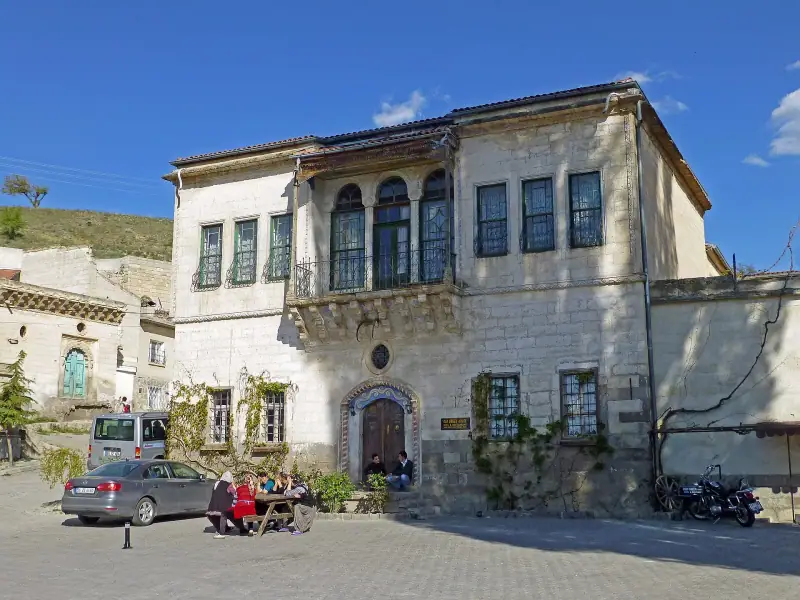
Where to Stay in Cappadocia: Göreme, Uçhisar, Ürgüp or Avanos? A Village Guide
Where to stay in Cappadocia? Comparing Göreme, Uçhisar, Ürgüp, Avanos and quieter villages: atmosphere, transport, cave hotels and booking tips.
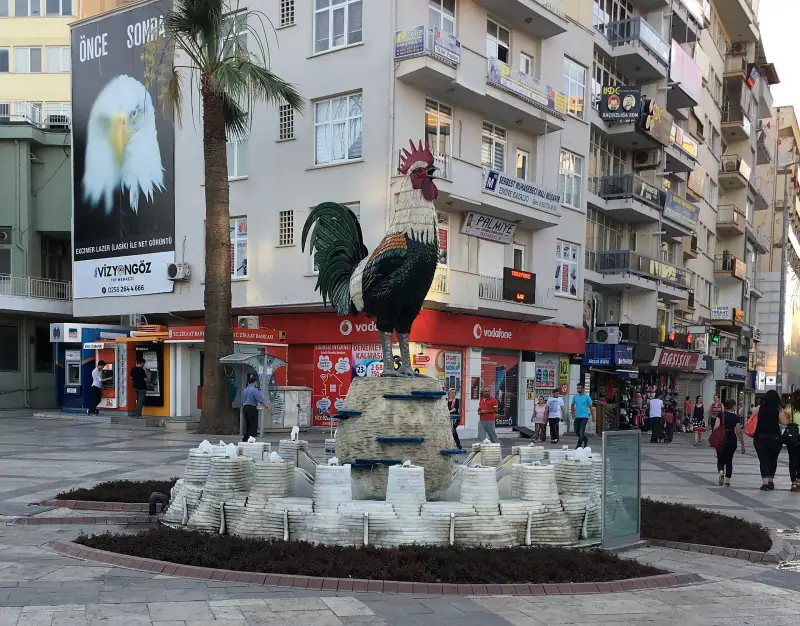
Where to Stay in Pamukkale Without a Car: Village, Karahayıt or Denizli?
Where to stay in Pamukkale without a car: village, Karahayıt or Denizli? Distances, minibuses, pros and cons, and tips to climb the travertines early.

Where to Stay in Antalya: Neighborhoods, Hotel Types and Tips for Choosing
Kaleiçi, Konyaaltı, Lara or Belek: compare Antalya's neighborhoods and lodging types to choose where to stay according to your trip.
Ready-made
Turkey itineraries
2 days
3 days
Istanbul in 3 Days: A Day-by-Day Itinerary to See It All
A 3-day Istanbul itinerary: Hagia Sophia, Topkapı, Grand Bazaar, Bosphorus, Galata and the Asian side, with a realistic pace and practical tips.

3 days
Cappadocia in 3 Days: A Detailed Itinerary of Valleys, Underground Cities and Hot Air Balloons
What to see in Cappadocia in 3 days? Day-by-day itinerary: Göreme, valleys, Uçhisar, Derinkuyu, Avanos, hot air balloons and tips for your stay.