What to see
What to See and Do in Antalya: Old Town, Beaches and Ancient Sites
We may earn a commission when you book through links on this page, at no extra cost to you. We don't visit or try the places we cover: we summarize published sources. How we work
In short
- Two days cover the old town (Kaleiçi), the harbor, the falls and a beach; allow three to four days to add Perge, Aspendos or Termessos.
- Perge and Aspendos combine in one day (a loop of about 90 to 100 km / 56 to 62 mi); Termessos, in the mountains, is best early in the morning.
- Konyaaltı has a pebble beach below the Taurus; Lara has big hotels and sandier beaches. Water shoes help.
- Visit ancient sites early in summer: shade is scarce, so bring water and a hat.
Antalya is the big gateway to the Turkish Riviera, but it is not just the airport and the seaside hotels. The city rises above a gulf, backed by the Taurus Mountains, and holds a well-preserved historic district, Kaleiçi, where you come across ramparts, a small harbor, Ottoman houses and Roman remains. A few dozen kilometers away, some of the finest ancient sites in the country make easy day trips.
This guide offers an overview of the places to see, the possible activities and a simple way to organize three days. To choose your travel dates, see also our article on the best time to go to Turkey.
Kaleiçi, the historic district to explore on foot
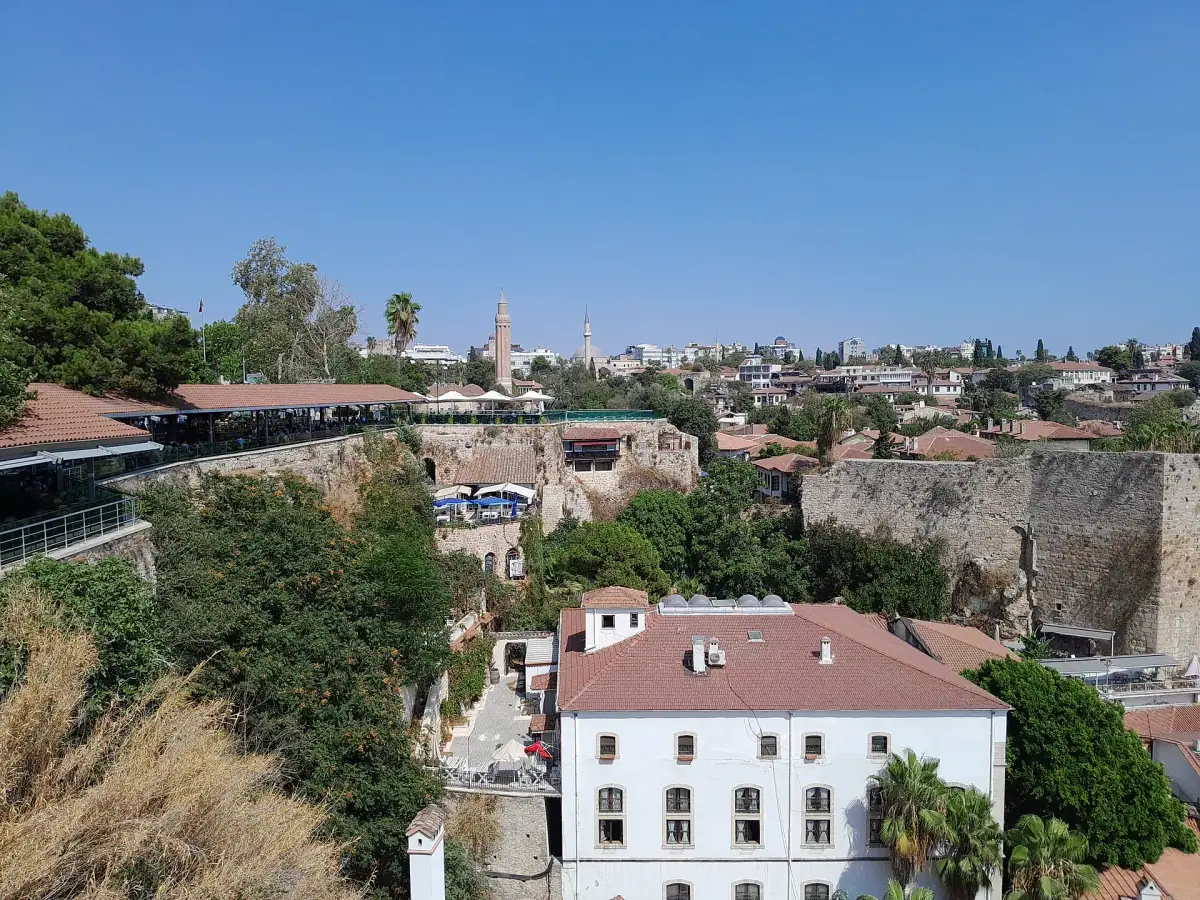
Kaleiçi, literally “inside the fortress”, is the old heart of Antalya. Its cobbled, sloping lanes wind between wood and stone houses with restored facades, many of which have become boutique hotels, cafés or craft shops. There is no single great monument to tick off: the pleasure is in getting lost without a precise goal, pushing open a door onto a courtyard, stopping in the shade of a fig tree.
A few landmarks help you find your way. Clock Tower Square (Saat Kulesi) marks one of the district’s entrances, on the modern center side. The fluted minaret, Yivli Minare, is the symbol of the city; it dates from the Seljuk period and can be seen from afar. Hadrian’s Gate, a Roman triumphal arch with three bays built in honor of the emperor during his visit, opens onto the old town and remains one of the most photographed monuments in Antalya.
The district is very pleasant at the end of the day, when the heat falls and the terraces come alive. Early in the morning, you will have the lanes almost to yourself.
Hotels in Antalya
Compare lodging in Kaleiçi, Konyaaltı and Lara by dates and budget.
Antalya’s old harbor and the clifftop
At the foot of Kaleiçi, the small harbor of Roman origin, now lined with restaurants and shops, is a classic place for a stroll. Boats offer half-day or full-day trips at sea, with swims in coves reachable only by water. The panorama over the gulf, with the Taurus range sometimes still snow-capped in spring, is worth the detour on its own.
From the terraces built on the cliffs, you can watch the sun set over the bay. The gardens that run along the cliff edge are frequented by locals and make a good spot for a tea break. If you are looking for a simple activity idea, a short boat cruise from the harbor lets you see the coast from another angle; compare durations and what is included before you book.
Hıdırlık Tower, a round tower from the Roman period on the cliff edge, is easy to spot from Kaleiçi and can be visited in a few minutes, in passing.
The Antalya Archaeological Museum
If you only have time for one museum, choose this one. The Antalya Archaeological Museum presents collections from excavations in the region, including statues and sarcophagi from sites such as Perge. It is in the modern part of the city, beyond Kaleiçi, and can be reached by tram.
Visiting the museum before heading to the ancient sites gives context: you better understand what the cities of Pamphylia and Pisidia were, their wealth and their ties to the Roman world. Allow about two hours for an unhurried visit. Check the opening days before going, as they can change.
Düden Falls and the natural parks
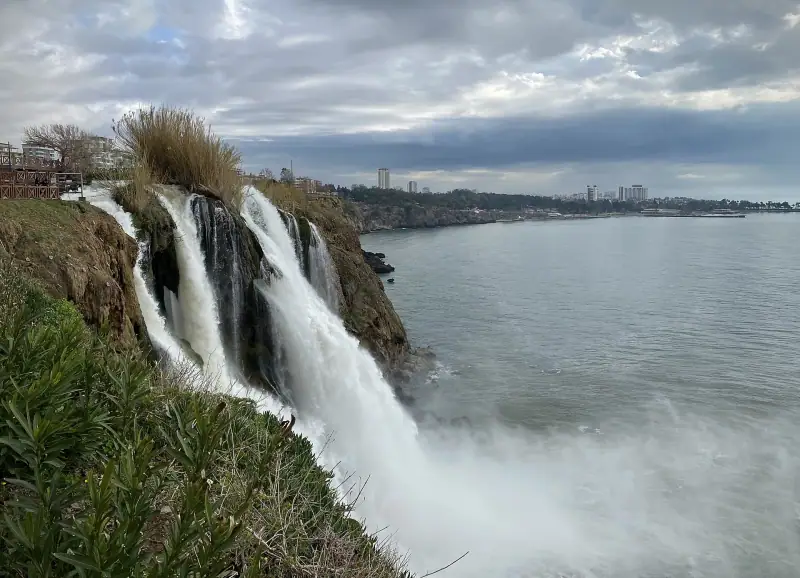
Two sets of falls bear the name Düden: the Upper Falls, in a park north of the city, and the Lower Falls, where the river drops directly to the sea from the cliff. The first are visited in a green setting, with paths and shade, which is pleasant in summer. The second are seen mostly from a landscaped park or from a boat.
It is a short visit, which complements a day devoted to the city well. In the hot season, the flow is sometimes weaker and the coolness around the park is appreciated. Bring comfortable shoes if you want to walk the paths.
Konyaaltı and Lara beaches
Antalya has two major seaside areas. Konyaaltı stretches west of the city, facing the mountains; its beach is made of pebbles and lined by a long promenade. Lara, to the east, is known for its big hotels and its sandier beaches. Both can be reached easily by local transport or taxi.
A few practical tips:
- Water shoes. They make swimming more comfortable on pebbles.
- Umbrellas and loungers. Many beaches have paid zones; the public beach often remains accessible outside these areas.
- Sun. Between July and August, the sun is intense in the middle of the day: favor the morning and late afternoon.
For a more relaxation-focused stay, lodging near Konyaaltı or Lara is better suited than Kaleiçi, but you will be a bit farther from the historic center.
Boat trips in Antalya
Compare trips at sea from the harbor, with swimming and lunch depending on the package.
Perge, the ancient city at the foot of the Taurus
About fifteen kilometers (9 mi) east of central Antalya, Perge was one of the main cities of Pamphylia. The site keeps a clearly readable stadium, a theater, monumental gates and a great colonnaded street with its central channel. The whole is fairly extensive and has little shade: bring water and a hat.
Perge takes about two hours to visit. It combines easily with another stop in the day, which makes it a good choice for a half day if you want to start with the nearest site. The Antalya Archaeological Museum displays some of the statues found here, which links the two visits.
Aspendos and its Roman theater
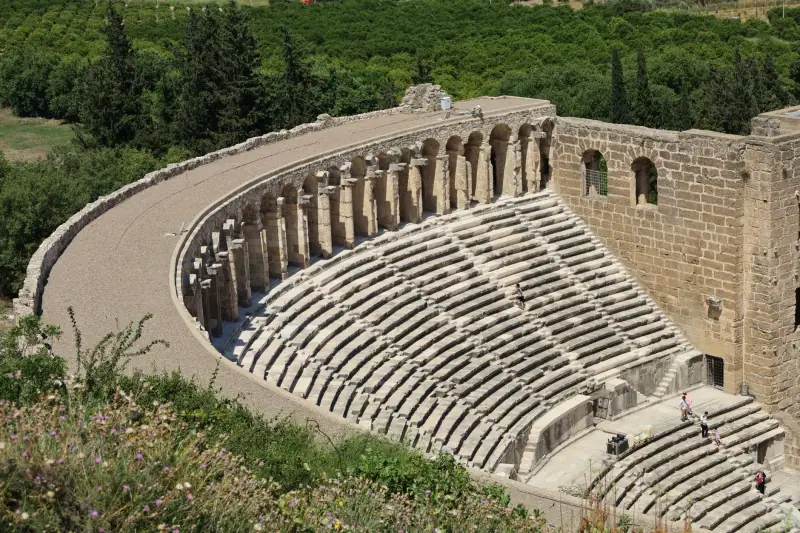
Aspendos, about 45 kilometers (28 mi) east of Antalya, is best known for its 2nd-century Roman theater, one of the best preserved in the Mediterranean basin. The stage, the seating and the general structure have survived remarkably; you can climb the seats and appreciate the acoustics.
The site also includes an aqueduct, visible at some distance. In summer, performances are sometimes held there, to be checked by season. Aspendos combines very well with Perge on the same day, by car or on an organized tour.
Tours to Perge and Aspendos
A guided day to see the ancient sites without worrying about transport.
Termessos, the mountain city
Termessos is very different from the previous two. Perched in the hills, in a national park about 35 kilometers (22 mi) northwest of Antalya, the Pisidian city has to be earned: you arrive by a mountain road, then walk on stone paths among pines. The theater, overlooking the valley, offers a very fine panorama.
The site is little restored and largely overgrown with vegetation, which gives it an atmosphere of discovery. Bring good walking shoes, water and enough time: it is better to go in the morning, before the heat. Termessos is the right choice if you prefer a wilder, less crowded atmosphere.
Organizing three days in Antalya
Here is a simple split that limits travel:
- Day 1: the city. Kaleiçi on foot in the morning, old harbor and lunch, then the archaeological museum in the afternoon. Dinner on a terrace in Kaleiçi.
- Day 2: the Pamphylian sites. Perge in the morning, Aspendos in the early afternoon, back to Antalya for dinner. Allow a loop of about 90 to 100 km (56 to 62 mi) in total (Antalya, Perge, Aspendos, back), very doable in a day.
- Day 3: nature and beach. Termessos early in the morning, then a swim at Konyaaltı or Düden Falls late in the day depending on energy.
For a longer stay, Antalya combines well with the neighboring coast; for a whole circuit in the west of the country, see our itinerary Pamukkale and Ephesus in 2 days. And before you go, read our guide to Turkish culinary specialties to know what to taste.
Getting there and getting around
Antalya airport (AYT) is one of the busiest in the country. The link with the center is by bus, shuttle or taxi; find out about schedules and fares at the time of your trip.
In town, the historic tram and buses serve Kaleiçi, the museum and the beaches. For the ancient sites, compare minibuses, organized tours and car rental: a car gives the most freedom, and is the simplest if you want to link Perge, Aspendos and Termessos at your own pace.
Practical tips
- Heat. In summer, visit ancient sites early in the morning and keep the afternoon for the beach or the city.
- Clothing. Bring closed shoes for the ancient sites, where the stones are uneven.
- Water. Take a bottle of water on each excursion: shade is scarce at the sites.
- Tickets. Prices and opening days of sites and museums change: check them before going.
- Money. Keep a little cash in Turkish lira for minibuses and small shops.
- Season. Spring and fall offer the best compromise between heat and crowds.
Frequently asked questions
Is Antalya suited to a stay without a car? Yes, for the city and the beaches: everything can be done on foot, by tram or by bus. A car is only useful for the distant ancient sites.
Do you need to book excursions ahead? In high season, it is prudent. In low season, you will easily find places at short notice.
Is Antalya suitable for a family stay? Yes: beaches, parks, boats and easily accessible ancient sites offer a wide choice of activities for all ages.
Frequently asked questions
How long do you need to visit Antalya?
Two days are enough for the old town, the harbor, the falls and a beach. Allow three to four days if you want to add the ancient sites of Perge, Aspendos or Termessos, each of which takes half a day to a day.
Where should you stay in Antalya for a first visit?
The historic Kaleiçi district is the most practical: you get around on foot, among Ottoman houses, boutique hotels and restaurants. For the beach and a more seaside stay, look at Konyaaltı or Lara.
What is the best time to visit Antalya?
Spring and fall are the most pleasant: the sea is already or still warm, and the heat is bearable for visiting ancient sites. Summer is very hot and busy; winter is mild but swimming is less appealing.
Can you visit the ancient sites without a car?
Yes, thanks to minibuses (dolmuş) and buses from the bus station, or by joining an organized tour. A rental car offers more freedom, especially for Termessos, located in a national park in the hills.
Are Antalya's beaches sandy?
They are mostly pebbles, notably at Konyaaltı, with the Taurus as a backdrop. Sand is more common on some beaches of the neighboring coast, toward Side or Belek. Water shoes are useful.
More Turkey guides
Keep reading
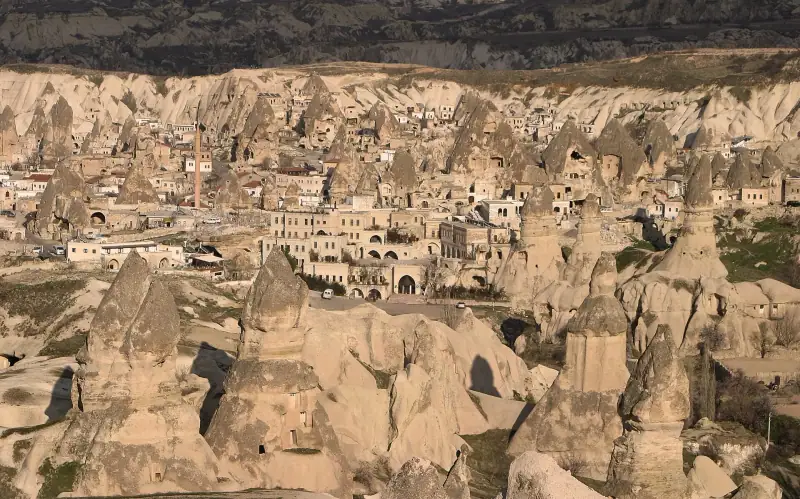
Complete Guide to Visiting Turkey: Regions, Highlights, Budget and Tips
Istanbul, Cappadocia, Ephesus, the Lycian coast, Antalya: a complete guide to planning a trip to Turkey, from the ideal season to the budget.
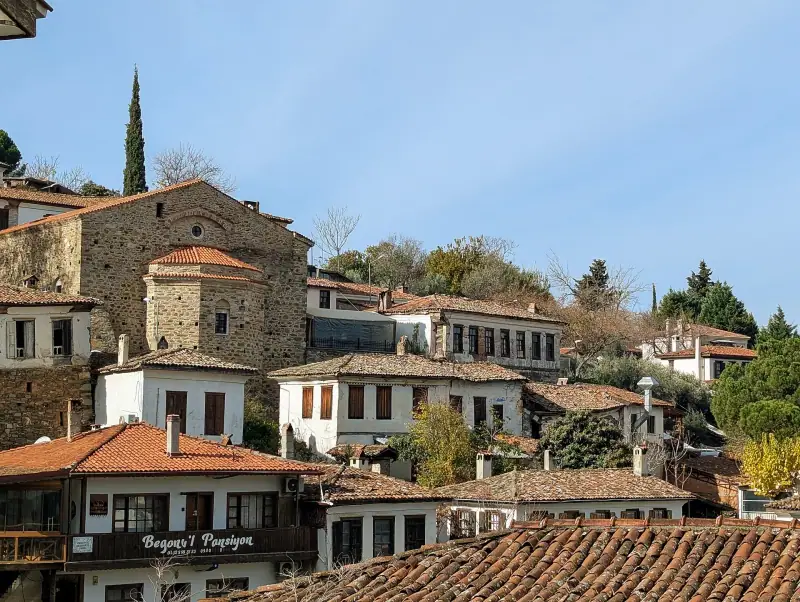
Şirince: Is It Worth the Detour from Ephesus and Selçuk?
Şirince, a hill village near Ephesus: is it worth the detour? Getting there from Selçuk, visit length, fruit wines, tourist traps and alternatives.
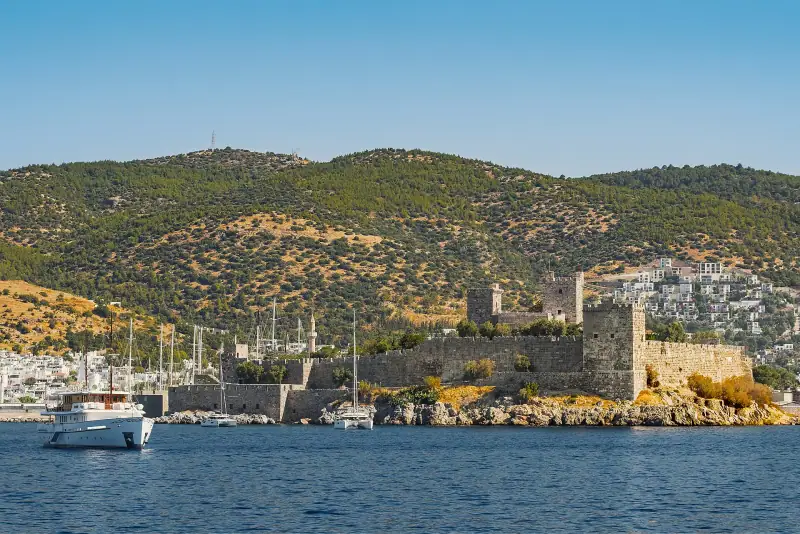
Bodrum: What to See and Do on the Aegean Peninsula
What to see in Bodrum? St. Peter's Castle, ancient theater, marina, peninsula villages, Gümüşlük, boat trips and a day trip to Kos.
Ready-made
Turkey itineraries
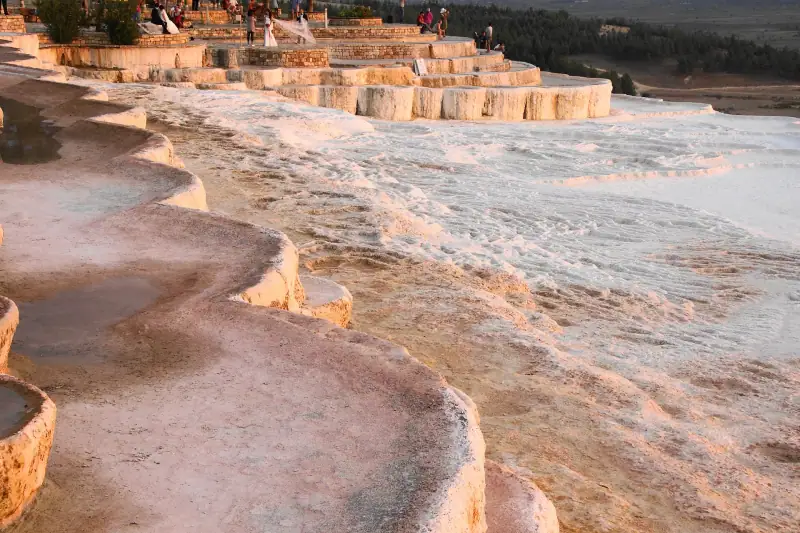
2 days
3 days
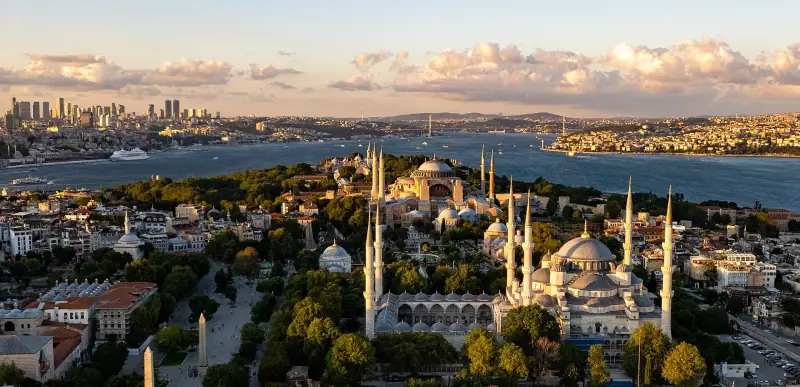
Istanbul in 3 Days: A Day-by-Day Itinerary to See It All
A 3-day Istanbul itinerary: Hagia Sophia, Topkapı, Grand Bazaar, Bosphorus, Galata and the Asian side, with a realistic pace and practical tips.
3 days
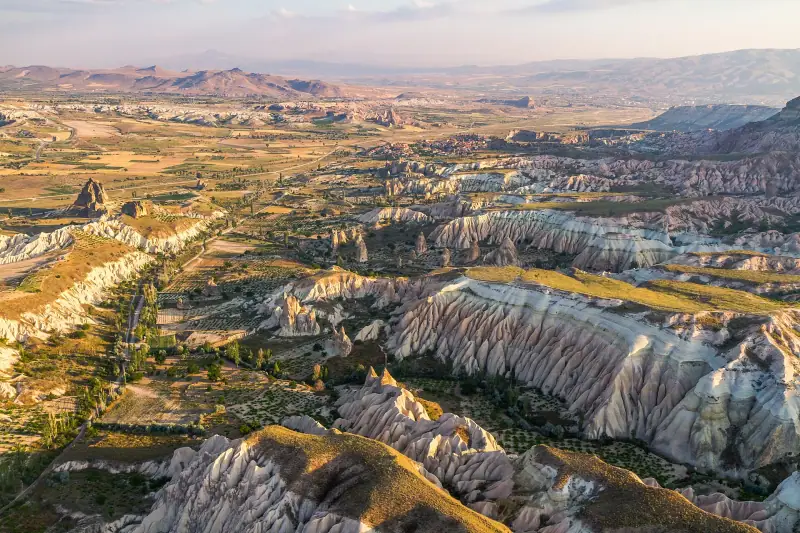
Cappadocia in 3 Days: A Detailed Itinerary of Valleys, Underground Cities and Hot Air Balloons
What to see in Cappadocia in 3 days? Day-by-day itinerary: Göreme, valleys, Uçhisar, Derinkuyu, Avanos, hot air balloons and tips for your stay.