Plan your trip
When to Go to Turkey? Best Time, Weather and Seasons Region by Region
We may earn a commission when you book through links on this page, at no extra cost to you. We don't visit or try the places we cover: we summarize published sources. How we work
In short
- April to June and September to October give the best compromise: pleasant temperatures for cities and ancient sites, a swimmable sea on the coasts and moderate crowds.
- July and August are peak season: good for swimming, but very hot, especially inland (Pamukkale) and in Istanbul.
- Cappadocia has cold winters and more balloon cancellations for wind; plan at least two nights, ideally three.
- Ramadan and the Feast of the Sacrifice move about eleven days earlier each year; book transport and hotels well ahead if your dates coincide.
Turkey is a vast country, straddling two continents, and there is no single good season to visit it. Istanbul, on the Bosphorus, has cool, damp winters. The Cappadocia plateau, at altitude, has a continental climate with cold winters and dry summers. The coasts of the Aegean and the Mediterranean enjoy hot summers and mild winters. Choosing your period therefore comes down to choosing what you want to do: visit cities and ancient sites, hike, swim or combine everything in a circuit.
This guide reviews the climate of each major region, details the seasons one by one and flags the periods of heavy crowds or religious holidays that change the atmosphere and prices. Temperatures are given as orders of magnitude: they vary from year to year and with altitude.
Spring (April to June): the ideal balance
April, May and early June are often considered the best window for a first trip. In Istanbul, temperatures rise gradually to levels pleasant for walking all day, between the old town, the Galata district and the banks of the Bosphorus. Parks and streets fill with flowers in spring, and the city hosts a tulip festival every year that makes April particularly photogenic. It can still rain, especially in April: a light waterproof jacket is useful.
In Cappadocia, the days are mild, the valleys are green and the nights stay cool. It is the ideal period for hikes in the Göreme, Rose or Love valleys, before the big heat of summer. Sunrise balloon flights work well, even if wind can cancel them some mornings. On the Aegean coast, ancient sites such as Ephesus, near Selçuk, are visited in far better conditions than in July or August: less heat, fewer people early in the day.
For swimming, the sea stays cool in April and May, but becomes pleasant from late spring on the Mediterranean coast, toward Antalya, Fethiye or Kaş. Lodging rates are generally more moderate than in summer, except around local public holidays and long weekends, when prices and crowds can climb.
Hotels in Istanbul
Compare lodging by your dates, from the historic district to the banks of the Bosphorus.
Summer (July and August): the coast, but in the heat
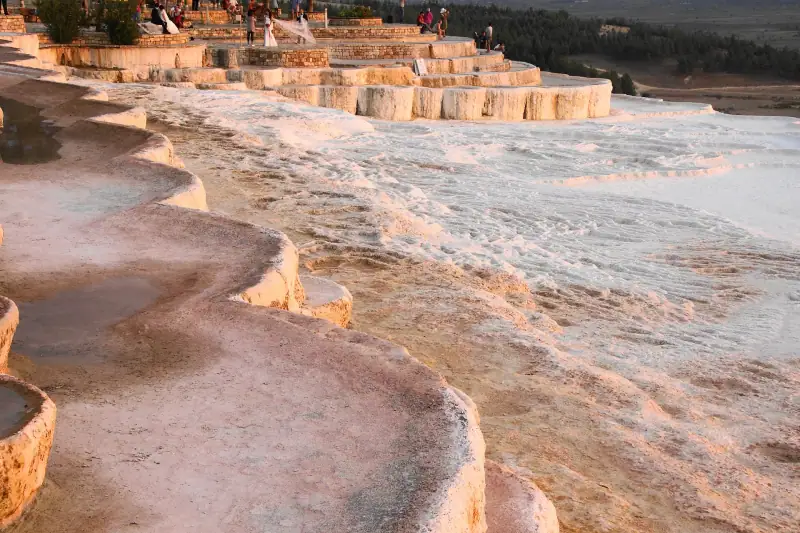
Summer is high season, notably for families and vacationers who come for the sea. On the Mediterranean and Aegean coasts, swimming is pleasant, the days are long and the beach resorts are lively. In return, the heat can become very strong, particularly inland: at Pamukkale, the white travertine terraces reflect the sun and make a midday visit exhausting. It is better to go early in the morning or late in the afternoon.
In Istanbul, July and August are hot and humid, and the city is very busy. Museums and the great mosques see groups flood in, queues lengthen and hotel prices are higher. If you must travel in this period, schedule visits at opening time and keep afternoons for a break, a hammam or a boat crossing on the Bosphorus, where the air is cooler.
Cappadocia, at altitude, handles summer better than the plains: days are hot and dry, evenings cooler. Hikes are best done at daybreak. Book your lodging and activities ahead, because choices are limited in small villages and charming properties fill up early.
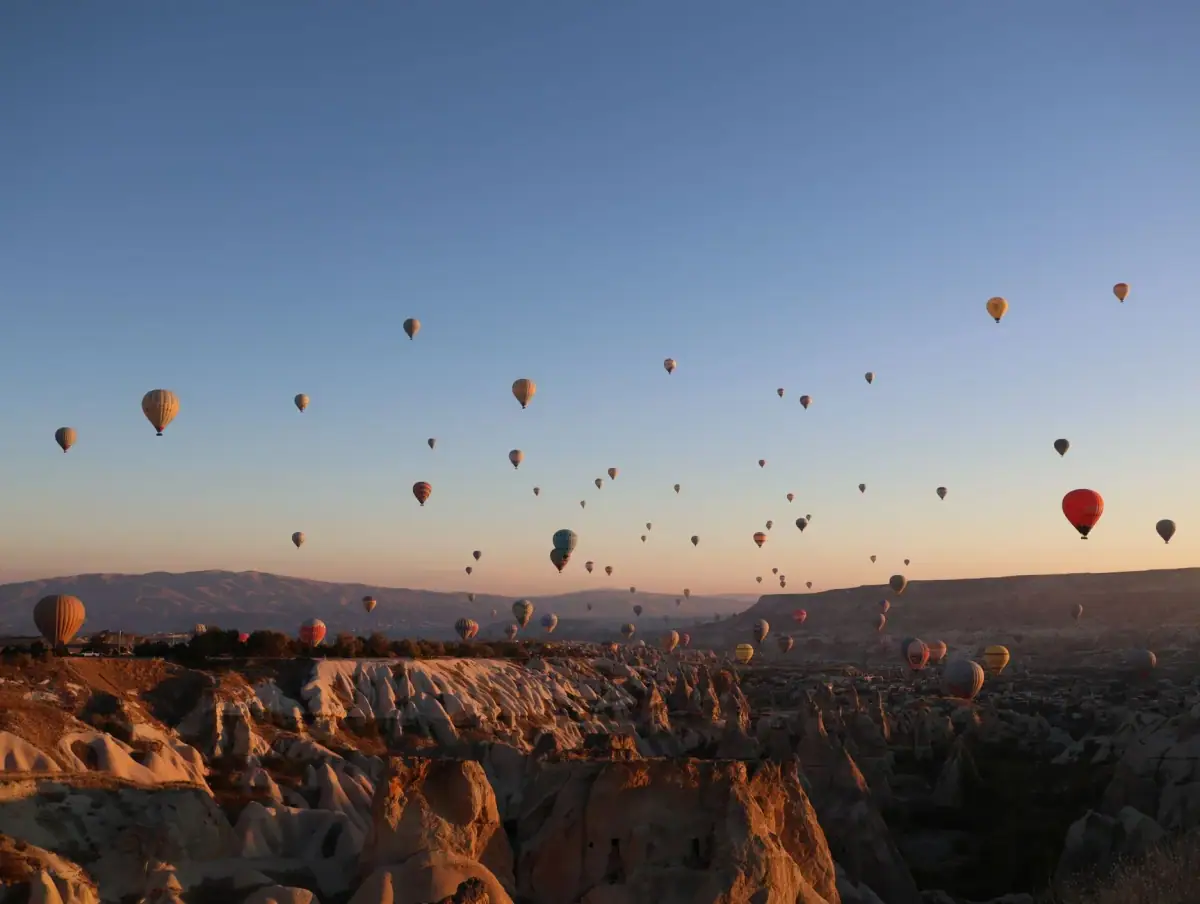
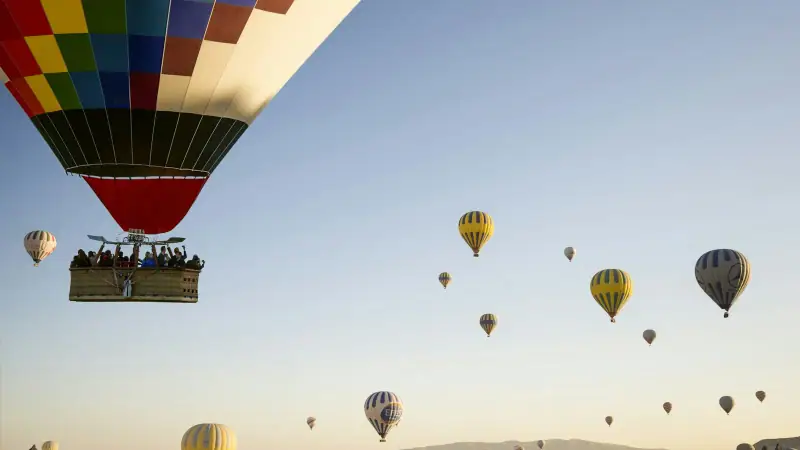
Hot air balloon flight in Cappadocia
A classic of any trip: book ahead, with a margin in case of weather cancellation.
Fall (September to November): warm sea and fewer people
September and October rival spring for the title of best season. The sea has stored the summer’s heat and stays pleasant for swimming on the Aegean and Mediterranean coasts, while air temperatures become bearable again for sightseeing. Crowds fall clearly after mid-September, and lodging prices often follow. It is a very good time for a circuit combining Istanbul, Cappadocia, Pamukkale and the coast.
In Cappadocia, the landscapes take on golden hues and the vineyards are in full harvest, which gives beautiful light for photography. Nights turn cool from October: bring a sweater or jacket for early departures, notably before a balloon flight. In November, rain returns to Istanbul and the tourist season slows. Some seaside businesses close or cut back services on the coast, which should be checked before booking.
For the Lycian Way, the famous hiking trail that follows the coast between the Fethiye area and the Antalya area, fall and spring are the most recommended periods: temperatures let you walk for several hours without suffering from the heat.
Winter (December to March): quiet, cold and low prices
Winter is the off-season, but it has its assets. In Istanbul, the weather is cool, often gray and rainy, and it can snow occasionally. In return, the major monuments are far less crowded and hotel rates are lower. It is a pleasant period for visiting mosques, museums and hammams, as well as for long breaks over tea in a café in the center.
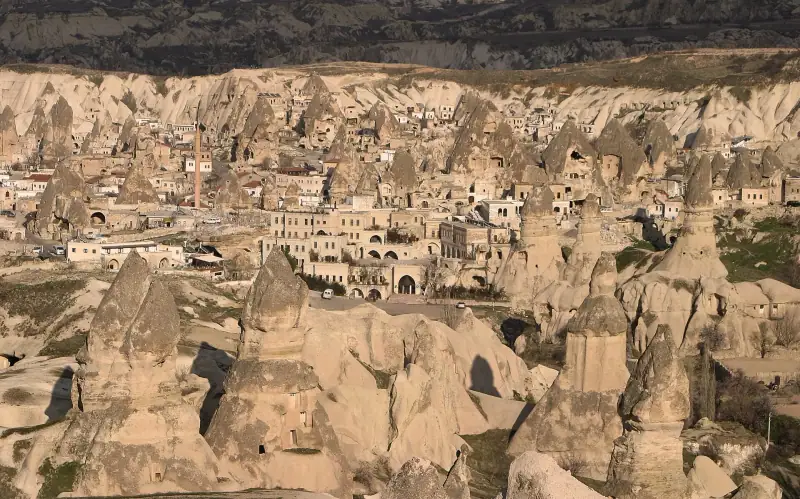
Cappadocia transforms: the fairy chimneys sometimes get covered in snow, which gives spectacular landscapes, but the cold is sharp and some roads or paths can be difficult. Balloons still fly when conditions allow, but cancellations are more common. The Mediterranean coast stays mild compared with the rest of the country, without allowing comfortable swimming for most travelers. The ancient sites of the Aegean and the Lycian coast are then visited almost alone.
Religious holidays and public holidays to plan for
Two major religious periods influence travel: Ramadan and the Feast of the Sacrifice (Kurban Bayramı). Their dates follow the lunar calendar and move about eleven days earlier each year. During Ramadan, tourist sites and most shops in visited areas operate normally. In the most traditional towns, some restaurants close during the day, but the atmosphere at sunset, when families break the fast, is a striking moment for a curious traveler.
During the holidays, on the other hand, many Turks travel: buses, trains and flights are fuller, lodging in beach destinations and Cappadocia more expensive, and government offices and some shops may close for several days. If your dates coincide with a holiday, book your transport and hotels well ahead, and check the exact dates for the current year from an official source.
Compare flights to Turkey
Fares vary widely by season: compare several dates before you book.
Istanbul: a city to visit almost all year
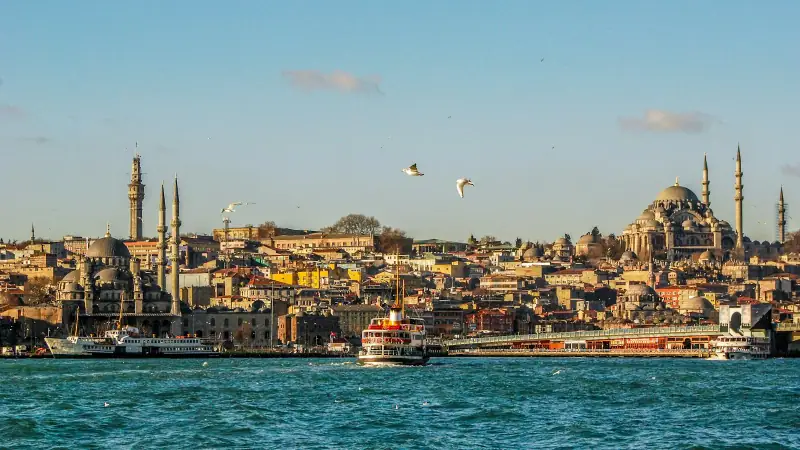
Istanbul is the most flexible destination in the country. Between Hagia Sophia, the Blue Mosque, Topkapı Palace and the Grand Bazaar, a large share of the visits is done on foot or under cover, which lets you adapt to the weather. Spring and fall are the most pleasant, with mild days and superb light on the Bosphorus. Summer is hot, humid and very busy, winter cool and rainy but far calmer.
To avoid the crowds, arrive at opening time at the most famous monuments and keep waterfront districts, such as Karaköy or Ortaköy, for the end of the day. Ferry crossings on the Bosphorus are an excellent way to cool off in summer and enjoy the scenery in any season. Allow at least three days to see the essentials without rushing.
Cappadocia: balloons, valleys and a high-altitude climate

Cappadocia is a plateau region, around Göreme, Uçhisar and Ürgüp. Its altitude explains marked temperature swings between day and night, and truly cold winters. Balloons take off at dawn, when the air is calm, and flights are regularly canceled when the wind is too strong; this is more frequent in winter, hence the value of planning at least two nights there, ideally three.
For hiking in the valleys, such as Rose Valley or Love Valley, the months of May, June, September and October are the most comfortable. In summer, set out early and bring plenty of water. The region’s underground cities, cool all year, are a good option for hot hours or rainy days.
Ephesus, Pamukkale and the Aegean coast: visit before the big heat
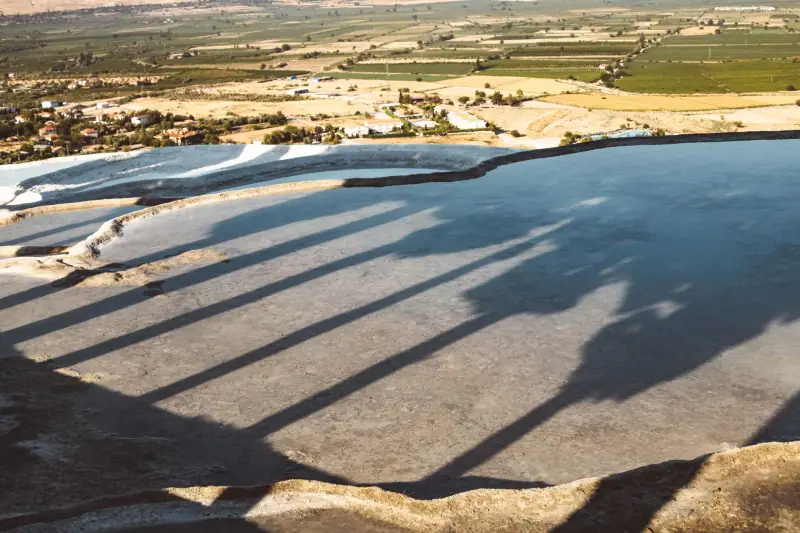
The ancient sites of Ephesus, near Selçuk, and of Pamukkale, with its travertine terraces and the ruins of Hierapolis, offer little shade. Spring and fall are by far the best seasons to tour them. In summer, visits are made early in the morning or late in the day, and cruise-ship buses and organized groups concentrate the crowds in mid-morning.
Farther south, the coast of Bodrum, Fethiye and Kaş combines turquoise sea and small coves. Swimming there is pleasant from June to October. May and September are ideal for combining beach, walks and visits to Lycian sites without enduring the summer crowds or the highest rates.
Which time of year should you choose for your trip?
The best period depends above all on your priority. For a cultural circuit combining Istanbul, Cappadocia and the ancient sites, aim for April to June or September to October: temperatures allow walking and hiking, and crowds are more reasonable than in midsummer. For a beach stay on the Mediterranean or Aegean coast, favor June and September, even early October, when the water is pleasant without the extreme heat of July and August.
For an urban getaway in Istanbul, almost any time of year works, as long as you accept rain in winter and heat in summer. For hiking the Lycian Way, spring and fall are the most comfortable. Finally, if your budget is tight, winter and the shoulder seasons generally offer lower rates, at the price of a more uncertain climate and fewer options on the coast.
Whatever the season, bring layered clothing, good walking shoes and an outfit suited to mosque visits, with shoulders and knees covered. And keep flexibility in your program: a spare day in Cappadocia for the balloon and a half day of rest in the coastal stops will spare you many frustrations.
Frequently asked questions
Is Turkey too hot in summer? On the coast and in the interior plains, the heat is strong in July and August. If you travel in this period, organize your days around the cool hours and keep swimming or indoor visits for midday.
What is the best month for Cappadocia? May, June, September and October are the most comfortable for combining hiking and a balloon flight. Winter offers snowy landscapes but requires gearing up against the cold.
Can you combine city and beach in one trip? Yes, it is even the classic pattern. June and September are the most balanced months for linking Istanbul, Cappadocia and then a few days on the coast.
Frequently asked questions
What is the best time to visit Turkey?
April to June and September to October offer the best compromise: pleasant temperatures for visiting Istanbul and the ancient sites, water that is already or still warm enough to swim in on the coasts, and more moderate crowds than in midsummer. The best choice depends on the region.
Can you go to Turkey in winter?
Yes, as long as you adapt the program. Istanbul is cool and often rainy, Cappadocia can be snowy and very cold, but the sites are almost deserted. The Mediterranean coast stays mild, without being warm enough for swimming.
When can you see Cappadocia without too many people?
Spring and fall are the most pleasant for hiking the valleys. Balloon flights take place all year when weather allows, but cancellations for wind are more frequent in winter: plan a margin of two or three days.
Should you avoid Ramadan to travel in Turkey?
It isn't necessary. Tourist sites and most restaurants in visited areas stay open, but some businesses close during the day in more conservative towns. The dates move about eleven days earlier each year: check them before booking.
When is the sea warm enough to swim?
On the Aegean and Mediterranean coasts, swimming is pleasant from June to October, with warmer water in late summer. In May and October, the sea is cooler but many travelers swim happily.
More Turkey guides
Keep reading
Budget for a Trip to Turkey: Real Costs, 3 Costed Profiles and Ways to Spend Less
What budget for Turkey in 2026? Lodging, transport, meals and activities, three costed profiles and concrete tips to save money.
Complete Guide to Visiting Turkey: Regions, Highlights, Budget and Tips
Istanbul, Cappadocia, Ephesus, the Lycian coast, Antalya: a complete guide to planning a trip to Turkey, from the ideal season to the budget.
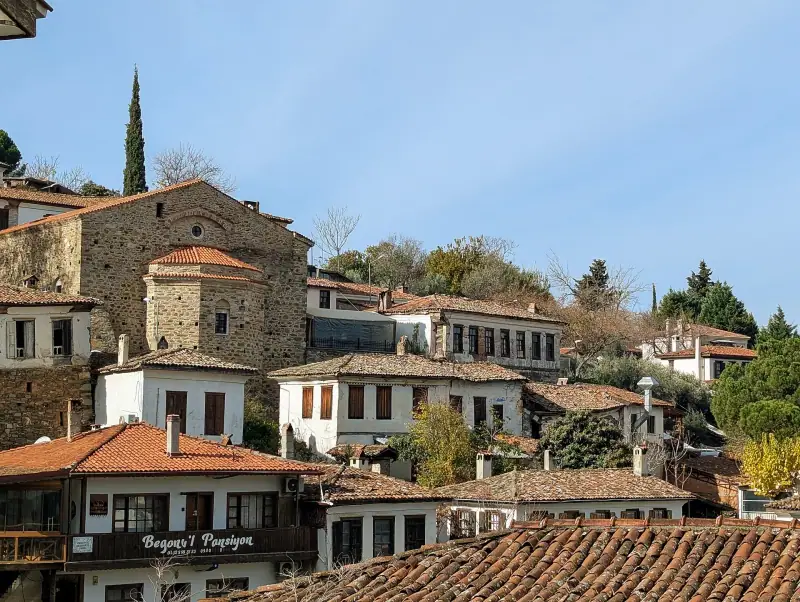
Şirince: Is It Worth the Detour from Ephesus and Selçuk?
Şirince, a hill village near Ephesus: is it worth the detour? Getting there from Selçuk, visit length, fruit wines, tourist traps and alternatives.
Ready-made
Turkey itineraries
2 days
3 days
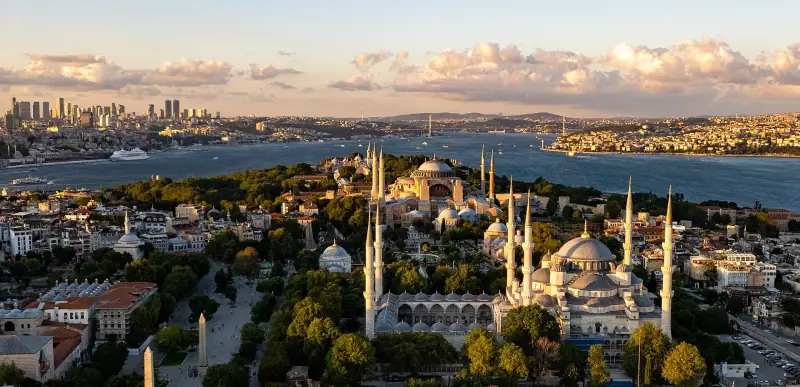
Istanbul in 3 Days: A Day-by-Day Itinerary to See It All
A 3-day Istanbul itinerary: Hagia Sophia, Topkapı, Grand Bazaar, Bosphorus, Galata and the Asian side, with a realistic pace and practical tips.
3 days
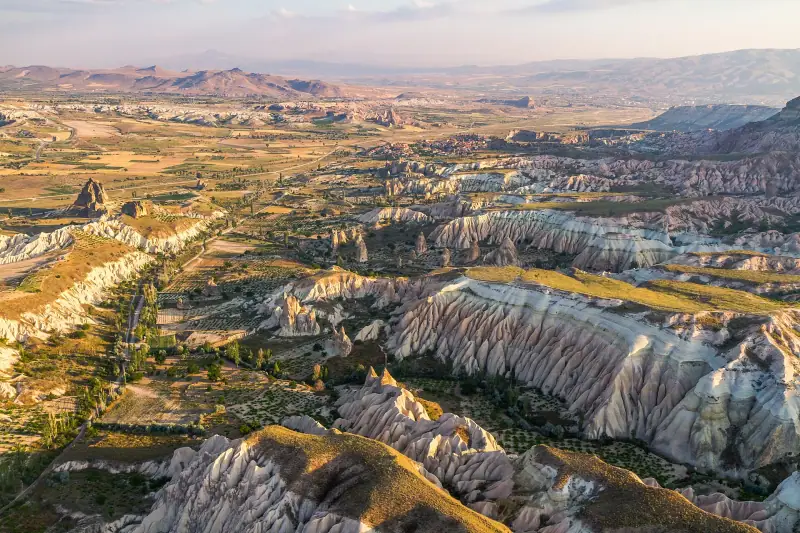
Cappadocia in 3 Days: A Detailed Itinerary of Valleys, Underground Cities and Hot Air Balloons
What to see in Cappadocia in 3 days? Day-by-day itinerary: Göreme, valleys, Uçhisar, Derinkuyu, Avanos, hot air balloons and tips for your stay.