What to see
What to See in Istanbul: The 10 Essentials for a First Stay
We may earn a commission when you book through links on this page, at no extra cost to you. We don't visit or try the places we cover: we summarize published sources. How we work
In short
- Three full days cover the old city's major monuments, a bazaar, a Bosphorus cruise and Galata; four or five days add the Asian side and Balat.
- Sultanahmet brings together Hagia Sophia, the Blue Mosque, the Basilica Cistern and Topkapı within a few hundred meters of one another.
- Cover shoulders and knees for mosques, remove your shoes, and expect limits during prayers; visit major monuments early or late in the day.
- Hagia Sophia has worked as a mosque since 2020 and visitor access rules have changed: check current rules on official sources.
Istanbul was the capital of three successive empires, Roman, Byzantine and then Ottoman, and it shows at every street corner. The domes of Hagia Sophia, the minarets of the Blue Mosque, the walls, the bazaars and the ferries crossing the Bosphorus make a unique setting, spread over two continents. The challenge is not finding what to see, but choosing and organizing your days without exhausting yourself.
This article presents ten essential visits for a first stay, with what makes each one special and a few tips for approaching them. It gives neither fees nor hours, which change regularly: check them before leaving. To choose the best season, see our guide on when to go to Turkey; to choose your base, our article where to stay in Istanbul compares the neighborhoods.
Hagia Sophia, the monument that sums up Istanbul
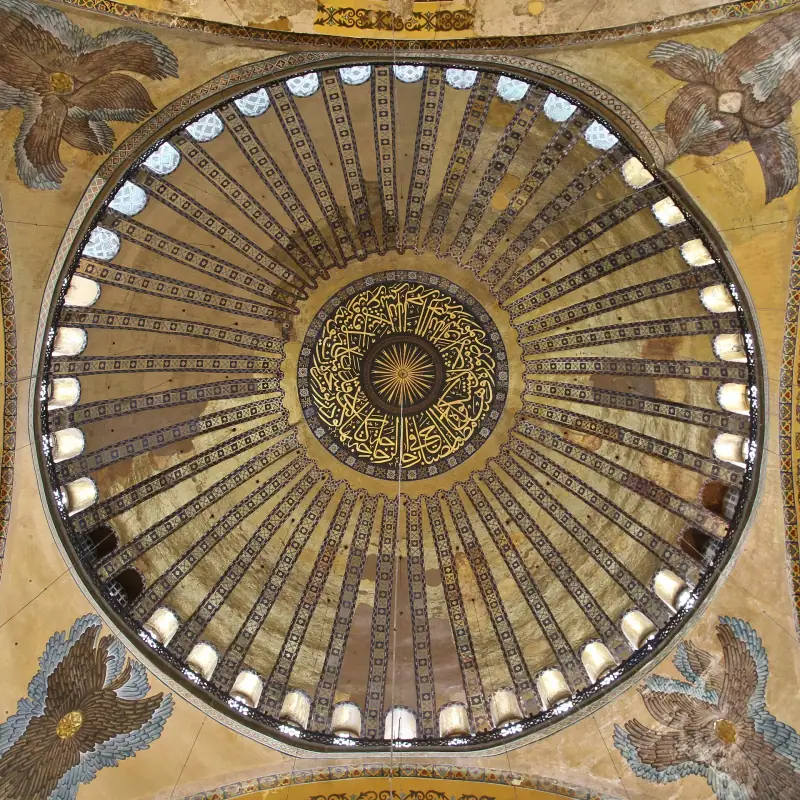
Hagia Sophia (Ayasofya) is probably the city’s most famous building. Built in the 6th century under Emperor Justinian, it was the great cathedral of the Byzantine Empire, then a mosque after the Ottoman conquest of 1453, a museum in the 20th century, and has functioned as a mosque again since 2020. Its vast central dome, which seems to float above the nave, remains one of the architectural feats of late antiquity.
The interior mixes elements of both cultures: Byzantine mosaics, large Ottoman calligraphic medallions, low-hanging chandeliers. Visiting arrangements for non-worshippers have changed in recent years, as have queues by season. Check the current rules before going, take prayer times into account and bring covering clothing.
The best advice is to come early in the morning or late in the day, when groups are scarcer. Allow at least an hour there, more if you like to observe the decoration’s details.
The Blue Mosque and the old Hippodrome
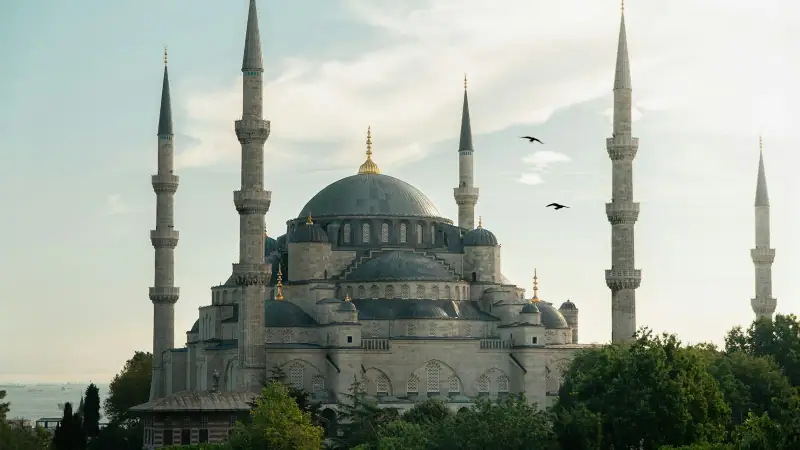
Facing Hagia Sophia, the Sultan Ahmed Mosque, which everyone calls the Blue Mosque, was built in the early 17th century. It owes its nickname to the ceramic tiles inside, produced in the city of İznik, and is recognizable from afar by its six minarets. It remains an active place of worship: visitor access is through a dedicated entrance and is interrupted at prayer times.
Between the two monuments lies the square of the old Roman Hippodrome, where the Egyptian obelisk, the Serpent Column and a 19th-century German fountain remain. It is a good place for a break, to watch the comings and goings and to get your bearings before continuing to Topkapı Palace. The T1 tram passes nearby, which makes getting to other districts easier.
Hotels in Istanbul
Compare lodging from Sultanahmet to Karaköy by dates and budget.
Topkapı Palace, residence of the sultans
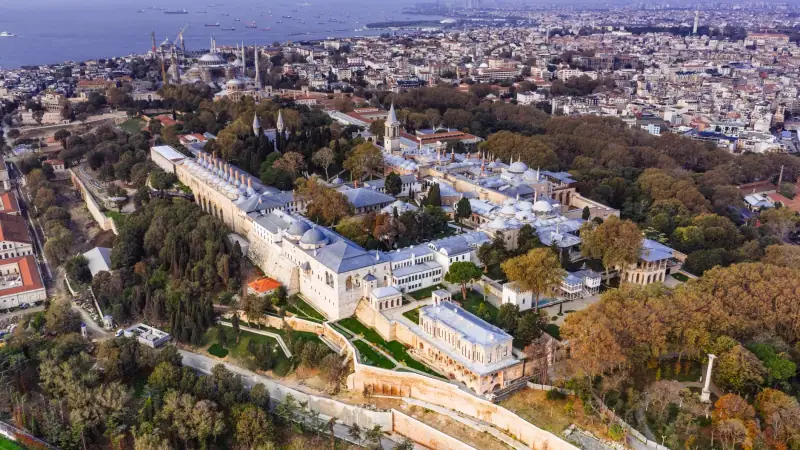
For nearly four centuries, Topkapı Palace was the center of Ottoman power. Set on the tip of the historic peninsula, facing the Sea of Marmara, the Bosphorus and the Golden Horn, it is discovered through a succession of courtyards, pavilions and treasury rooms. The ceramics, imperial apartments and jewel collections give a precise idea of court life, and the terraces offer very fine views over the strait.
The palace is vast and is visited at a leisurely pace: allow half a day rather than just an hour. Some parts, such as the Harem, may have separate ticketing or access, to be checked before arriving. Arrive early, bring water and do not hesitate to take an audio guide or a guided tour if you want to understand the role of each courtyard.
Next door, Gülhane Park and the Istanbul Archaeology Museum deserve a detour if time allows. This museum brings together remarkable collections from antiquity, the Eastern world and the Mediterranean, and is a good alternative in rainy weather.
The Basilica Cistern, an unusual place beneath the city
A few steps from Hagia Sophia, the Basilica Cistern is an immense underground reservoir built in the Byzantine era, in the 6th century, to supply the imperial palace with water. More than three hundred columns support its vaults, in a dark, cool atmosphere that contrasts with the bustle of the street. Walkways let you move above the water.
It is a short visit, often finished in under an hour, and makes a good break in great heat or rain. The lighting makes photos difficult and queues can lengthen at certain hours: come early or in the late afternoon.
The Grand Bazaar and the Spice Bazaar
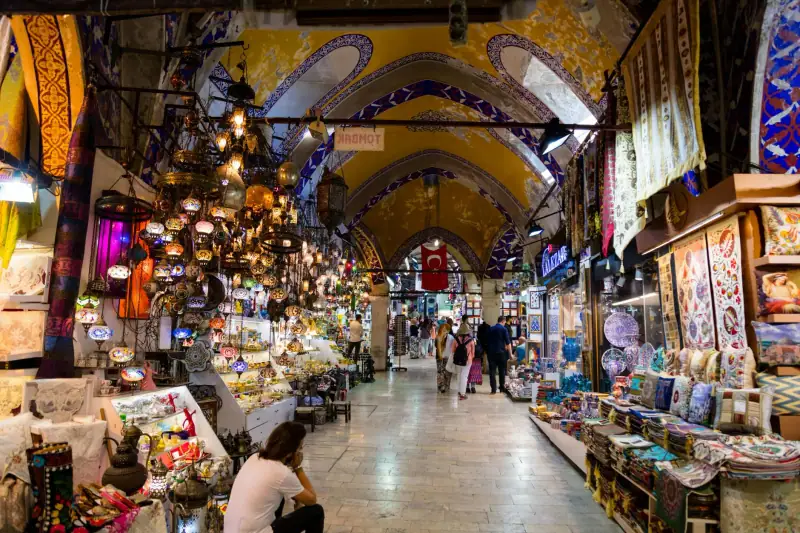
The Grand Bazaar (Kapalıçarşı) is one of the largest covered markets in the world. Its origin goes back to the 15th century, shortly after the Ottoman conquest of the city, and today it forms a labyrinth of vaulted lanes where jewelry, carpets, ceramics, lamps and textiles sit side by side. It is easy to get lost, which is part of the pleasure, but you must accept the sellers’ insistence and know how to haggle politely.
Farther north, near the Galata Bridge and the Eminönü district, the Spice Bazaar (Mısır Çarşısı) dates from the 17th century. It is smaller, easier to walk and more food-oriented: spices, teas, Turkish delight, dried fruit and cheeses. It is a great place to buy local products to take home. To choose better what to taste, our guide to Turkish cuisine presents the specialties to look for.
A few tips: compare prices before buying, be wary of “fake guides” who lead you to a specific shop, and keep your belongings in front of you in the crowd.
Food tour in Istanbul
Street food, meze and sweets tastings with a local guide, in the historic districts.
The Süleymaniye Mosque, the finest view over the Golden Horn
Overlooking the Golden Horn from one of the city’s hills, the Süleymaniye Mosque was designed by the architect Sinan for Sultan Suleiman the Magnificent and completed in the mid-16th century. Less visited than its famous neighbors, it charms with its harmonious proportions, the light of its interior and its gardens, from which you discover a panorama over the strait.
It is a good place to escape the Sultanahmet crowds for a while. The walk from the Grand Bazaar is possible, with a gradual climb. Respect prayer times and the requested dress, as in other mosques.
The Galata Tower and the Beyoğlu district
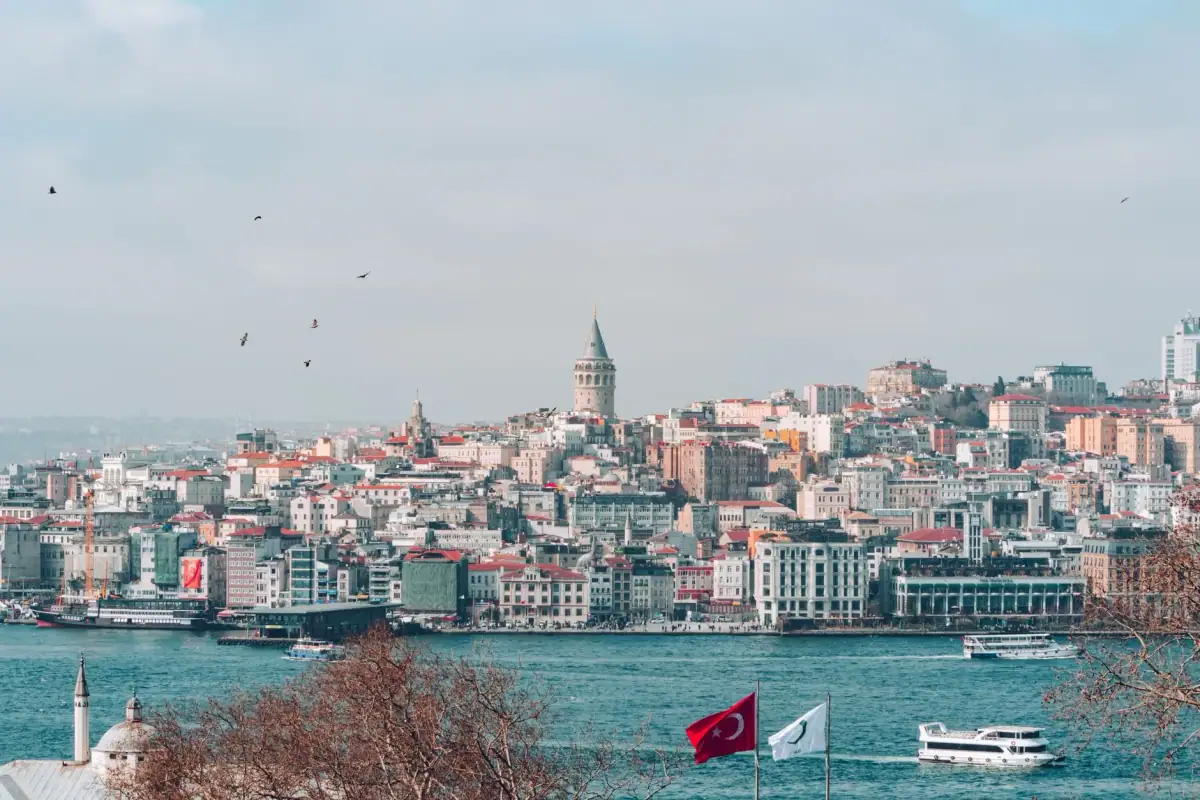
Across the Golden Horn, the Galata Tower has risen since the 14th century above the lanes of the former Genoese colony. Its top offers a panoramic view of the old city, the Bosphorus and the Golden Horn. Queues can be long at sunset, a much sought-after hour: favor early morning or a mid-afternoon visit.
The surrounding district is explored on foot: sloping streets, designer shops, cafés and galleries. From there, you can reach İstiklal Avenue, a big pedestrian thoroughfare lively until late in the evening, which leads to Taksim Square. The historic Tünel funicular spares you the climb if you are carrying luggage.
A Bosphorus cruise
No stay in Istanbul is complete without time on the water. The Bosphorus separates Europe from Asia and links the Sea of Marmara to the Black Sea. Ottoman palaces, fortresses, wooden pavilions, residential districts and monumental bridges line its banks. Two main options are open to you: the public ferry, economical and open to the daily life of Istanbulites, or a narrated tourist cruise, more comfortable and more guided.
A trip in the late afternoon offers soft light, but the air can be cool on deck, even in summer: bring an extra layer. If you have time, get off at a pier to have lunch in a seaside village before returning.
Kadıköy and the Asian side
Crossing by ferry to Kadıköy, on the Asian side, changes how you see the city. The district is geared more toward residents than visitors: a fresh produce market, streets of small restaurants, cafés, bookshops and artisan shops. The neighboring Moda district, more residential, lends itself to a seaside walk late in the day.
It is an excellent way to spend an afternoon when you have already seen the major monuments. The ferry trip, from Eminönü or Karaköy, is part of the experience: you watch the skyline of the old city go by, with Hagia Sophia and Topkapı as a backdrop.
Balat, Fener and the colorful districts
On the banks of the Golden Horn, the Fener and Balat districts are known for their colorful houses, cobbled lanes, churches and cafés. They were long neighborhoods of Greek, Jewish and Armenian communities, and keep a varied religious heritage. It is a popular place to stroll with a camera, among antique dealers, workshops and cafés with retro decor.
The streets are steep and sometimes uneven: bring good shoes. To discover Balat in calmer conditions, come on a weekday rather than the weekend, when the district becomes very busy.
A traditional hammam to end the day
The hammam is one of the classic experiences of a stay in Turkey. Several historic establishments in the city, some dating from the Ottoman era, still offer scrubs and massages in a setting of marble and domes. Others are more geared to a tourist audience, with more comfortable and more expensive packages.
Before booking, read recent reviews, check what the package includes and how the men’s and women’s areas are organized. A hammam is a good way to relax after a day of walking, especially in winter.
How to organize your days
Here is a simple split into three days, which avoids unnecessary back and forth:
- Day 1: the old city. Hagia Sophia, Blue Mosque, Hippodrome, Basilica Cistern, then Topkapı depending on the time available.
- Day 2: bazaars, Süleymaniye and the Golden Horn. Grand Bazaar, Süleymaniye Mosque, Spice Bazaar, then a crossing of the Galata Bridge and the end of the day around the Galata Tower.
- Day 3: the Bosphorus and the Asian side. Cruise or ferry, lunch on the water, then Kadıköy or Balat as you wish.
This order can change with the weather, the closing day of certain sites and your wishes. Do not overload each day: Istanbul is an immense city, where transport trips take time.
If you extend your trip toward the interior of the country, the flight to Cappadocia is a logical next step to discover a completely different landscape.
Practical tips
- Dress. Shoulders and knees covered to enter mosques; a scarf for women.
- Shoes. Wear comfortable shoes: streets are cobbled and sidewalks sometimes uneven.
- Transport. Tram, metro, funiculars and ferries serve tourist areas well. A rechargeable transport card simplifies trips.
- Crowds. Visit the major monuments early in the morning or late in the day, and keep your belongings in front of you in dense areas.
- Tickets. Find out about tourist passes or skip-the-line tickets before paying: their value depends on the sites you really plan to see.
- Water and breaks. Days of walking are long, especially in summer. Drink water and take breaks in a café.
Frequently asked questions
How long does Hagia Sophia take? Allow at least an hour, more if you want to observe the details. Check the access rules in force before coming.
Which visit to choose if I only have one day? Concentrate on Sultanahmet: Hagia Sophia, the Blue Mosque and, if time allows, the Basilica Cistern, then finish with a crossing of the Galata Bridge.
Can you do everything on foot? In the old city, yes. To go from one district to another, use the tram, metro, funicular or ferry.
What is the best time to visit? Spring and fall are the most pleasant. Our guide on the best time to go to Turkey details the seasons.
Frequently asked questions
How many days do you need to see Istanbul?
Three full days let you see the old city's major monuments, a bazaar, a Bosphorus cruise and the Galata district. With four or five days, you add the Asian side, neighborhoods such as Balat and slower visits.
What is the best neighborhood for seeing the monuments on foot?
Sultanahmet brings together Hagia Sophia, the Blue Mosque, the Basilica Cistern and Topkapı a few hundred meters from one another. Our guide to where to stay in Istanbul details the neighborhoods by travel style.
How should you dress to visit mosques?
Cover shoulders and knees for everyone, and bring a scarf for women, who must cover their hair. You remove your shoes at the entrance. Visits are discouraged or limited during prayers.
Do you need to book Istanbul's monuments ahead?
In high season, queues are long at the busiest sites. Arriving at opening time, or booking a skip-the-line ticket or a guided tour when possible, saves valuable time.
Can you visit Istanbul with children?
Yes, as long as you lighten the program: one major monument in the morning, a break, then a more playful activity such as the ferry crossing or the Basilica Cistern. Galata's sloping streets and long queues call for organization.
Have the visiting arrangements for Hagia Sophia changed?
Yes. Hagia Sophia has operated as a mosque since 2020 and visitor access conditions have evolved. Check the current rules on official sources before you come.
More Turkey guides
Keep reading
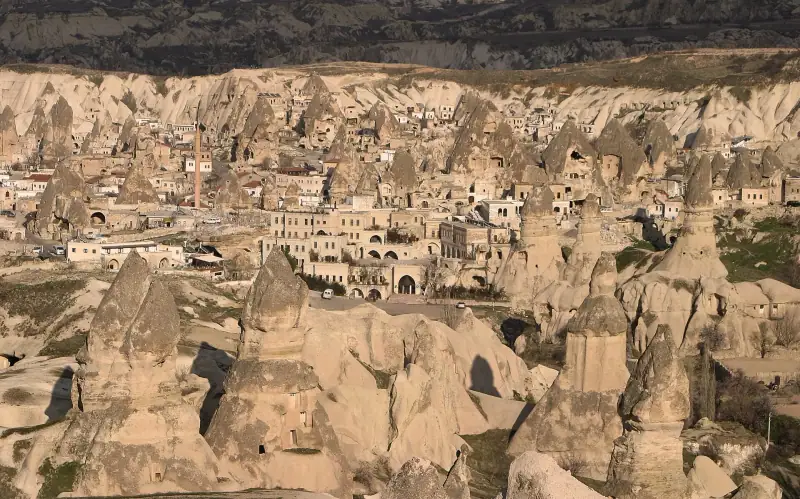
Complete Guide to Visiting Turkey: Regions, Highlights, Budget and Tips
Istanbul, Cappadocia, Ephesus, the Lycian coast, Antalya: a complete guide to planning a trip to Turkey, from the ideal season to the budget.
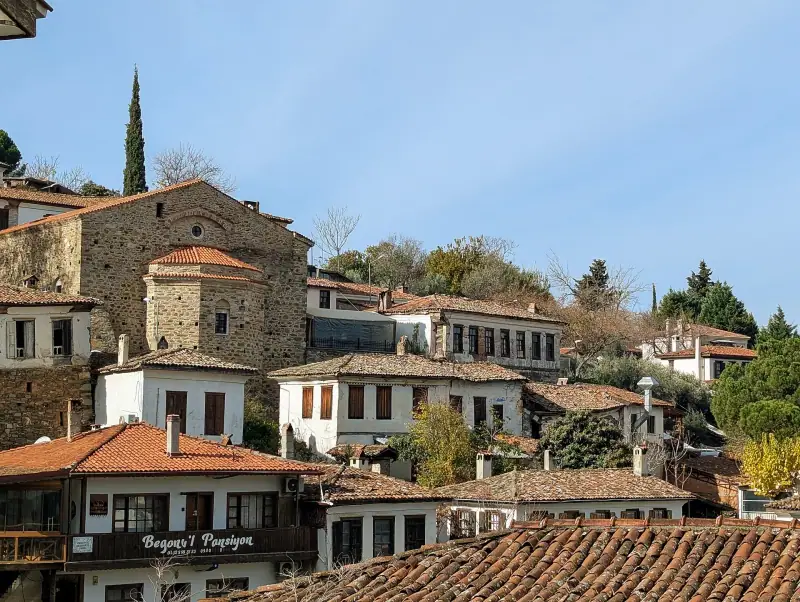
Şirince: Is It Worth the Detour from Ephesus and Selçuk?
Şirince, a hill village near Ephesus: is it worth the detour? Getting there from Selçuk, visit length, fruit wines, tourist traps and alternatives.
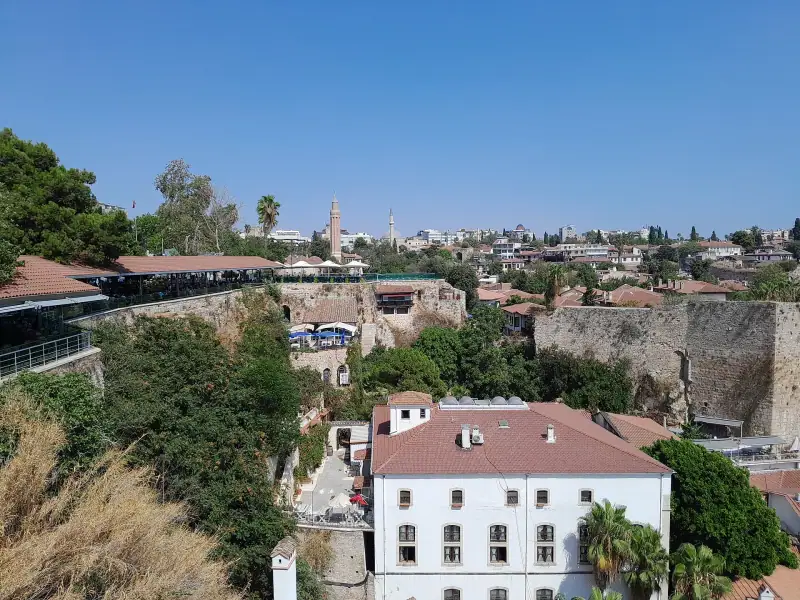
What to See and Do in Antalya: Old Town, Beaches and Ancient Sites
Antalya in 3 days: Kaleiçi, harbor, Düden Falls, Konyaaltı and Lara beaches, then Perge, Aspendos and Termessos. Tips to organize your stay.
Ready-made
Turkey itineraries
2 days
3 days
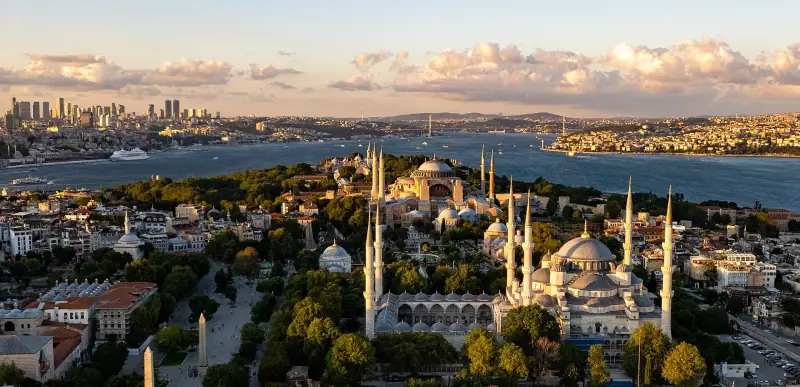
Istanbul in 3 Days: A Day-by-Day Itinerary to See It All
A 3-day Istanbul itinerary: Hagia Sophia, Topkapı, Grand Bazaar, Bosphorus, Galata and the Asian side, with a realistic pace and practical tips.
3 days
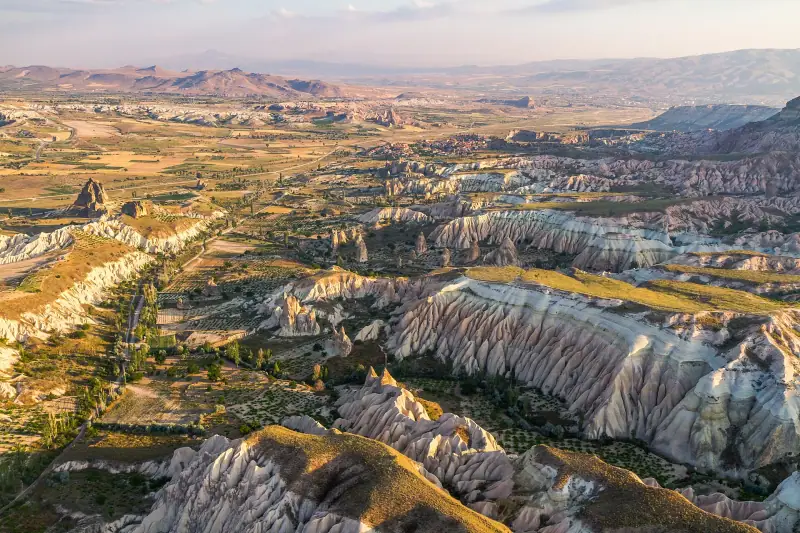
Cappadocia in 3 Days: A Detailed Itinerary of Valleys, Underground Cities and Hot Air Balloons
What to see in Cappadocia in 3 days? Day-by-day itinerary: Göreme, valleys, Uçhisar, Derinkuyu, Avanos, hot air balloons and tips for your stay.