Itineraries
Istanbul in 3 Days: A Day-by-Day Itinerary to See It All
We may earn a commission when you book through links on this page, at no extra cost to you. We don't visit or try the places we cover: we summarize published sources. How we work
Day by day
- Day 1Hagia Sophia, Blue Mosque, Basilica Cistern, Topkapı Palace
- Day 2Grand Bazaar, Spice Bazaar, Süleymaniye, Galata, İstiklal
- Day 3Bosphorus cruise, Kadıköy, Balat and Fener, hammam
In short
- Day 1 covers Sultanahmet (Hagia Sophia, Blue Mosque, Basilica Cistern, Topkapı); day 2 the bazaars, Süleymaniye and Galata; day 3 the Bosphorus and the Asian side.
- Sultanahmet puts the major monuments within walking distance; Karaköy and Beyoğlu have more evening life.
- Tram, metro, funicular and boats form an efficient network; avoid taxis at rush hour.
- Cover shoulders and knees for mosques, and expect closures during prayers; book popular visits ahead in high season.
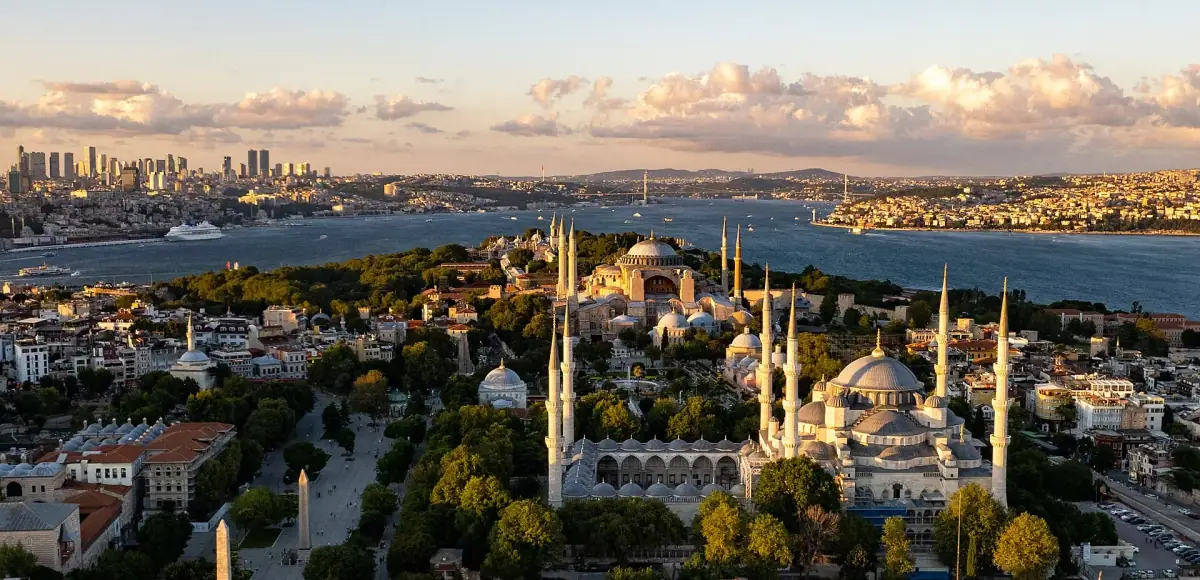
Istanbul spreads across two continents, between the Sea of Marmara, the Bosphorus and the Golden Horn. Capital of three successive empires, it stacks eras: Byzantine basilicas, Ottoman mosques, bazaars, modern districts and villages on the water. Seeing everything in three days is impossible, but you can come away with an accurate and very rich picture of it, provided you organize your time well.
This itinerary groups visits by area to limit travel: the first day is devoted to the old city, the second to the bazaars, the Golden Horn and Galata, the third to the Bosphorus and the Asian side. For a detailed presentation of each site, see our article what to see in Istanbul. To prepare your budget, see also the budget for a trip to Turkey.
Before you start: organizing for 3 days
The secret of a good short stay is not to cross the city more than necessary. Istanbul is big and traffic is often dense: you quickly lose an hour in a taxi at rush hour. The tram, metro, funicular and boats are generally more reliable, and most sites in the old city are walkable.
The choice of neighborhood matters a lot. Sultanahmet puts the major monuments a few minutes’ walk away, which is valuable when you have little time. The Karaköy and Beyoğlu districts offer more life in the evening and are close to the tram and funicular. To compare options, read our guide to where to stay in Istanbul.
Hotels in Istanbul
Compare hotels in Sultanahmet, Karaköy and Beyoğlu by dates and budget.
As for clothes, bring comfortable shoes: you will walk a lot, often on sloping cobbled streets. For mosques, bring an outfit that covers shoulders and knees, and a light scarf for women. In summer, add water and a hat; in winter, a raincoat, because rain is frequent.
Day 1: Sultanahmet, the historic heart
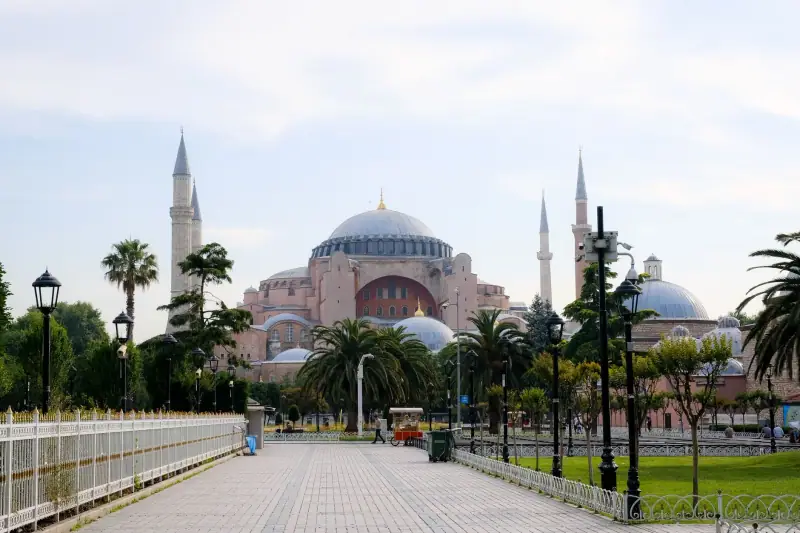
The first day takes place almost entirely on foot, in the district that brings together the city’s most famous monuments. Start early: queues form quickly, especially in high season, and the morning light on the domes is magnificent.
Hagia Sophia
Start with Hagia Sophia (Ayasofya), built in the Byzantine era in the 6th century. Its immense dome, which looks suspended, has made the building famous since it was built. A church, then a mosque, then a museum, it is today again an active mosque, open to visitors outside prayer times. Access arrangements and fees for foreign visitors have changed in recent years: check official sources before your visit.
The Blue Mosque and the old Hippodrome
Opposite, the Sultan Ahmed Mosque, known as the Blue Mosque, owes its nickname to the İznik tiles that decorate its interior. It has six minarets, a particularity that sets it apart. Entry is through a side entrance reserved for visitors, and visits are suspended during prayers: arrive outside those times. Next to it, the square of the old Hippodrome keeps an Egyptian obelisk and an ancient column: a good place for a break before continuing.
The Basilica Cistern
Then go down beneath the city, into the Basilica Cistern, an immense underground hall supported by hundreds of columns and built in the Byzantine era to store water. The atmosphere, cool and dark, contrasts with the bustle outside, and the visit is fairly short. It is among the most unusual places of the old city.
Guided tours in Istanbul
Compare guided tours of the old city and skip-the-line tickets: cancellation terms and duration.
Topkapı Palace
In the afternoon, spend your time at Topkapı Palace, residence of the Ottoman sultans for several centuries. It consists of successive courtyards, pavilions, state buildings and terraces with views over the Bosphorus. Allow half a day if you want to see the Harem and the Treasury, which generally need an extra ticket or queue. The palace has a weekly closing day: check it before planning, and adjust the order of the days if needed.
Evening
For dinner, stay in the streets around Sultanahmet or head down toward the waterfront. Restaurants near the monuments are more touristy; a few streets farther away, you will find simpler, often cheaper addresses. Our guide to Turkish cuisine helps you choose what to taste.
Day 2: bazaars, Süleymaniye and Galata
The second day mixes shops, mosques on the heights and the modern bank of the Golden Horn. It involves more uphill walking than the first: bring good shoes.
The Grand Bazaar and the Spice Bazaar
The Grand Bazaar (Kapalıçarşı) is a covered labyrinth of streets and shops, grouped by specialty: jewelry, carpets, ceramics, lamps, textiles. It is closed on Sundays and some public holidays, according to the calendar: check before going. Haggling is part of the game: stay friendly, do not feel obliged to buy and compare before deciding. For purchases, prefer what you really like over what is presented to you as a bargain.
The Spice Bazaar, smaller and easier to walk, is the right place to buy tea, spices, Turkish delight and dried fruit. The smells are one of the pleasures of the visit.
The Süleymaniye Mosque
Then climb to the Süleymaniye Mosque, the work of the architect Sinan in the 16th century. Less crowded than its neighbors in Sultanahmet, it has a very sober and bright interior, and a terrace overlooking the Golden Horn. It is one of the finest viewpoints over the city and a good moment to catch your breath after the bazaar crowds.
Galata and Beyoğlu
Cross the Golden Horn to reach the Galata district. The Galata Tower, of medieval origin, dominates the district, and the climb to it is by steep streets lined with cafés and shops. The panorama over both banks is particularly beautiful at the end of the day, when the light turns golden. Farther on, İstiklal Avenue, a long pedestrian thoroughfare in Beyoğlu, is lively until late in the evening and can be walked or ridden on the little historic tram.
Food tour in Istanbul
Tastings, street food and markets with a local guide: compare the options and what is included.
Evening in Karaköy or Beyoğlu
For dinner, the Karaköy and Beyoğlu districts offer a wide range of restaurants, from traditional tables to more contemporary addresses. It is a chance to taste meze, grilled fish or a meat specialty, then finish with a Turkish coffee or a tea. To learn more about drinks, read our article on Turkish drinks.
Day 3: the Bosphorus and the Asian side
The last day is more relaxed, centered on the water. This is the moment to discover what makes Istanbul singular: a city built on both sides of a strait that separates Europe from Asia.
A Bosphorus cruise
Several companies offer Bosphorus cruises, short or longer, with views of Ottoman palaces, the yalı (old wooden waterside residences), fortresses and the bridges linking the two banks. Departures are generally from the Eminönü and Kabataş area. Longer trips go farther north; the short options are enough for a first visit. Check the duration, route and schedule when you book, and bring a jacket, because it is often cooler on the water.
Kadıköy and the Asian side
Then cross by boat to Kadıköy, on the Asian side. The crossing is short and very pleasant, and is part of the fun: you watch the old city’s skyline move away. Kadıköy has a very different atmosphere from Sultanahmet: a lively market, cafés, shops and restaurants where customers are mostly local. It is a very good place for lunch and to understand the daily life of Istanbulites.
Balat and Fener
If you still have energy, devote the late afternoon to the Balat and Fener districts, on the Golden Horn, known for their colorful houses, steep lanes and cafés. These districts are popular with photographers: it is calmer there than in the center. They are also former neighborhoods of Greek and Jewish communities, of which churches and synagogues remain.
A hammam to finish
End the stay with a traditional hammam: it is a pleasant way to relax after three days of walking. We detail how it works, the differences between establishments and the precautions to take in our guide to the Turkish hammam.
Bosphorus cruise
Compare daytime or sunset cruises: duration, route and cancellation terms.
Adapting the itinerary to your stay
This itinerary can be adjusted to your wishes and the season. If you only have two days, group Sultanahmet and the bazaars on the first day, and keep the cruise for the second. If you have four days, add a slower day: a district like Ortaköy or Üsküdar, an art museum, or simply a long boat ride.
In case of rain, favor indoor visits: the Basilica Cistern, the Grand Bazaar, museums and the hammam. Keep the cruise and viewpoints for a clearer day. For an ideal season, see our guide on when to go to Turkey.
If Istanbul is only the first stage of your trip, you can continue to Cappadocia: our 3-day Cappadocia itinerary follows on naturally, with a domestic flight from Istanbul.
Compare flights to Istanbul
Fares vary by season and day of the week: compare several dates before you book.
Practical tips for these 3 days
- Transport. A rechargeable transport card simplifies trips by tram, metro, funicular and boat. Avoid taxis at rush hour: traffic can be very slow.
- Hours. Some sites have a weekly closing day, and mosques are closed to visitors during prayers. Check hours before fixing the order of the days.
- Crowds. Arrive early at the major sites and book ahead in high season.
- Scams. Be wary of people who insistently approach you to offer a tea, a carpet or a restaurant. A simple polite refusal is generally enough.
- Money. Bank cards are widely accepted in town, but keep a little cash for small purchases, markets and tips. Our budget guide gives ballpark figures.
- Respect for the places. In mosques, speak softly, remove your shoes and follow the posted instructions.
- Safety. Keep an eye on your belongings in very busy places, and consider suitable travel insurance.
Frequently asked questions
Are three days enough to visit Istanbul? Yes for a first look: the essentials can be done in three days if grouped well. But the city amply deserves a week for anyone who wants to go further.
Which neighborhood should you stay in? Sultanahmet to be near the monuments, Karaköy or Beyoğlu for nightlife and restaurants. See our article on where to stay in Istanbul.
How do you get around? On foot in the old city, then by tram, metro, funicular and boat for the rest. Boats are a means of transport in their own right in Istanbul.
Do you need to book? In high season, yes, at least for the most in-demand visits. Off-season, you can often just show up early.
What to wear for mosques? Shoulders and knees covered, a scarf for women, shoes removed at the entrance.
When to go? Spring and fall are the most comfortable periods. Our guide on when to go to Turkey details the seasons.
Frequently asked questions
Are three days enough to visit Istanbul?
Three days let you see the big essentials: Hagia Sophia, the Blue Mosque, Topkapı, the Grand Bazaar, Galata and the Bosphorus. The city is huge, so you will have to make choices, but it is an ideal length for a first look.
Which neighborhood should you stay in for a 3-day trip?
Sultanahmet is the most practical for visiting the historic sites on foot. Beyoğlu and Karaköy suit better if you want a livelier atmosphere, with more restaurants and bars. Our guide to where to stay in Istanbul compares the neighborhoods.
How do you get around Istanbul?
The tram, metro, funicular and boats form an efficient network, usable with a rechargeable transport card. The historic sites of Sultanahmet are done on foot. To cross the Bosphorus, the boat is both practical and pleasant.
Do you need to book visits ahead?
In high season, it is prudent to book ahead the visits that draw the most people, such as Topkapı, or to choose a guided tour with easier access. Check entry conditions on the official sites, because they change.
What should you wear to visit mosques?
Cover shoulders and knees, and bring a scarf for women, who must cover their hair. You will have to remove your shoes at the entrance. Mosques are places of worship: they may be closed to visitors during prayers.
What is the best time of year for a 3-day trip?
Spring and fall offer a mild climate, ideal for walking. Summer is hot and very busy, winter is cool and damp but quieter. See our guide on when to go to Turkey for more detail.
More Turkey guides
Keep reading
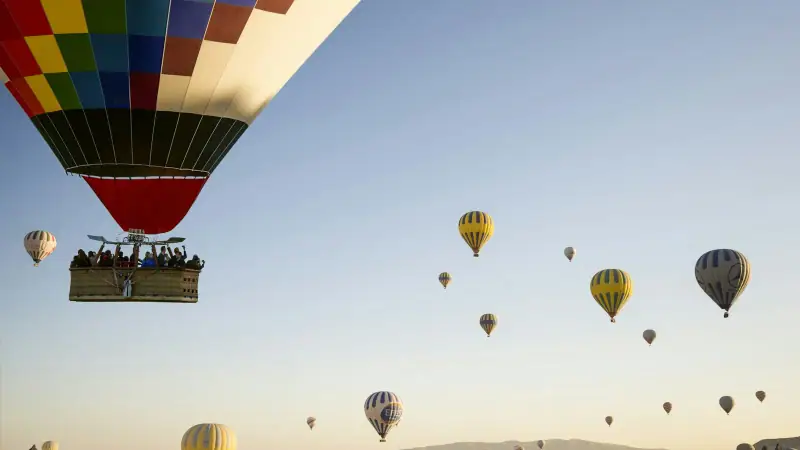
Budget for a Trip to Turkey: Real Costs, 3 Costed Profiles and Ways to Spend Less
What budget for Turkey in 2026? Lodging, transport, meals and activities, three costed profiles and concrete tips to save money.
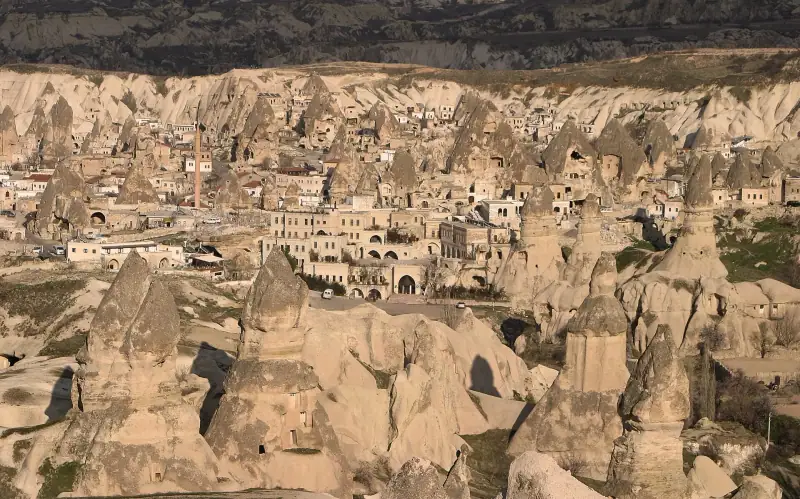
Complete Guide to Visiting Turkey: Regions, Highlights, Budget and Tips
Istanbul, Cappadocia, Ephesus, the Lycian coast, Antalya: a complete guide to planning a trip to Turkey, from the ideal season to the budget.
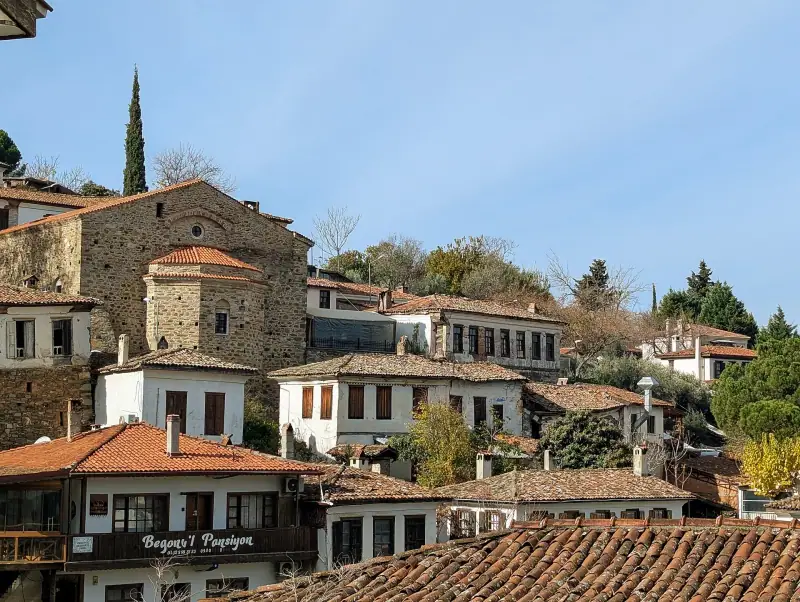
Şirince: Is It Worth the Detour from Ephesus and Selçuk?
Şirince, a hill village near Ephesus: is it worth the detour? Getting there from Selçuk, visit length, fruit wines, tourist traps and alternatives.
Ready-made
Turkey itineraries
2 days
3 days
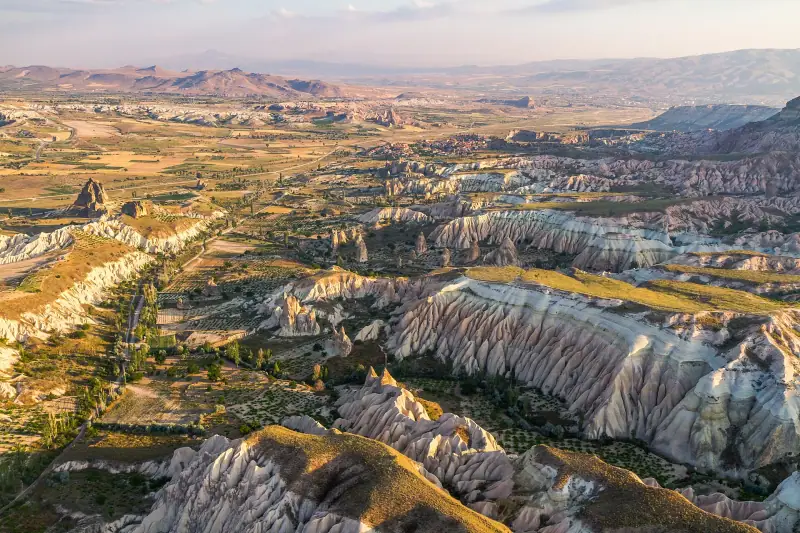
Cappadocia in 3 Days: A Detailed Itinerary of Valleys, Underground Cities and Hot Air Balloons
What to see in Cappadocia in 3 days? Day-by-day itinerary: Göreme, valleys, Uçhisar, Derinkuyu, Avanos, hot air balloons and tips for your stay.
5 days