Things to do
Hiking in Cape Town: Table Mountain, Lion's Head and peninsula trails
We may earn a commission when you book through links on this page, at no extra cost to you. We don't visit or try the places we cover: we summarize published sources. How we work
In short
- Platteklip Gorge is the most direct route up Table Mountain: a steady climb, usually 2 to 3 hours, exposed to the sun; many hikers ride the cable car down.
- Lion's Head is rated easy to moderate, 1 to 2 hours round trip, with a final stretch using hands, chains and rungs.
- Do not hike alone on isolated mountain trails; start early, carry plenty of water, and check the weather the same day.
- Skeleton Gorge from Kirstenbosch is about 7 km (4.3 mi) round trip with about 600 m (1,970 ft) of climb, around three hours.
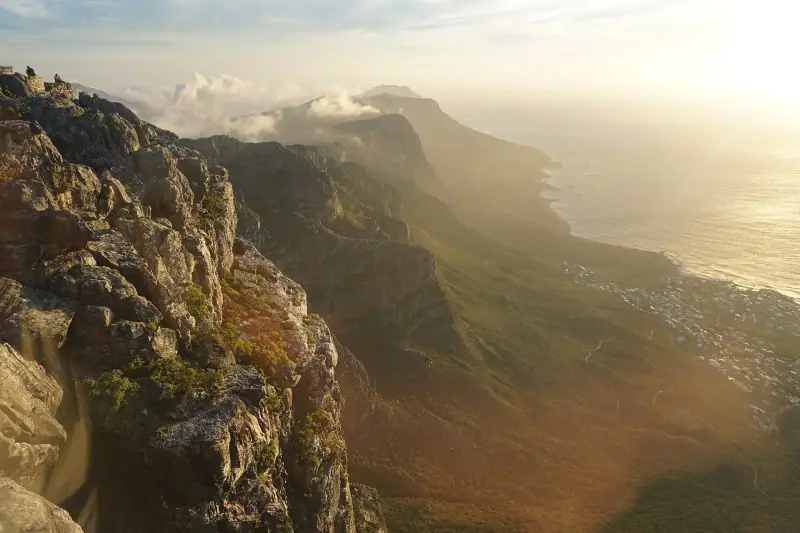
Few capitals offer such a spectacular mountain a stone’s throw from the city center. Cape Town is bordered by Table Mountain, its sandstone cliffs and its slopes covered in fynbos, a vegetation unique in the world. Every day, residents and travelers walk there before work, at sunset or on weekends. For an active, scenic stay, hiking in Cape Town ranks among the best activities in the city.
This guide presents the best-known trails, their difficulty level, the precautions to take and the best way to combine walking, transport and relaxation. To place these walks in a full stay, see our 5-day Cape Town itinerary and our guide to the highlights of the peninsula.
Before you go: weather, gear and safety
Cape Town’s mountain is beautiful but unpredictable. The wind can rise quickly and the famous “tablecloth” of cloud that covers the summit can reduce visibility in a few minutes. A sunny morning in the city does not guarantee the same conditions at the top, where it is often cooler and windier.
A few basic rules for all hikes:
- Start early. Mornings are cooler, the light is beautiful and you avoid both the afternoon heat and the crowd.
- Carry plenty of water. Exposed trails offer no reliable water point. Plan far more than for a comparable walk elsewhere.
- Protect yourself from the sun. A hat, sunglasses and sunscreen are essential, even in cloudy weather.
- Add a warm layer and a windbreaker, even in summer, for the summit.
- Wear sturdy shoes with a grippy sole: sandstone is slippery, especially when wet.
- Check the weather the same day and give up in case of thick fog or strong wind.
- Charge your phone and keep local emergency numbers at hand.
On safety, it is recommended not to hike alone on isolated trails and to stay on busy routes. Our guide to safety in South Africa details the general precautions: never leave valuables visible in a car at a trailhead, and avoid showing off a camera or jewelry.
Platteklip Gorge: the direct route to the top of Table Mountain
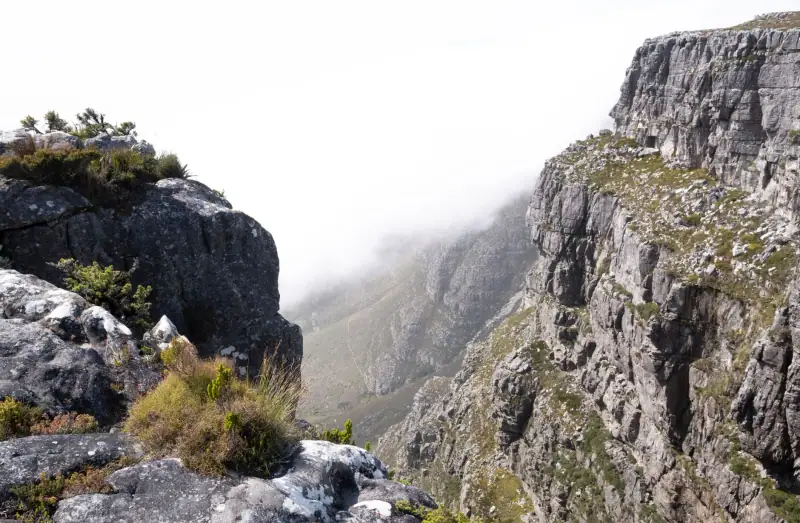
This is the most direct route to climb the mountain from the city side. Platteklip Gorge follows a ravine that cuts into the north face of the mountain. The path is well built, but it consists of a long succession of steps and blocks: a steady, demanding climb, often compared to a giant staircase.
The trail requires no climbing technique, but good physical condition helps. The ascent is largely exposed to the sun in the afternoon, which is why experienced hikers do it early in the morning. The duration depends on each person’s pace: generally allow two to three hours of climbing for an averagely fit hiker, and take your time.
At the top, you emerge on a vast plateau where short trails lead to the viewpoints, the cable car station and the various lookouts over the bay, Robben Island and the city. The flora is remarkable: proteas, heaths and other fynbos plants, many of which exist nowhere else.
For the descent, many travelers choose the cable car, which spares the knees. Do not forget that it can be suspended in strong wind: plan the means to walk down if needed.
Guided hike on Table Mountain
A local guide knows the trails, the weather and the flora: compare guided outings and cable car tickets.
Lion’s Head: the sunset walk

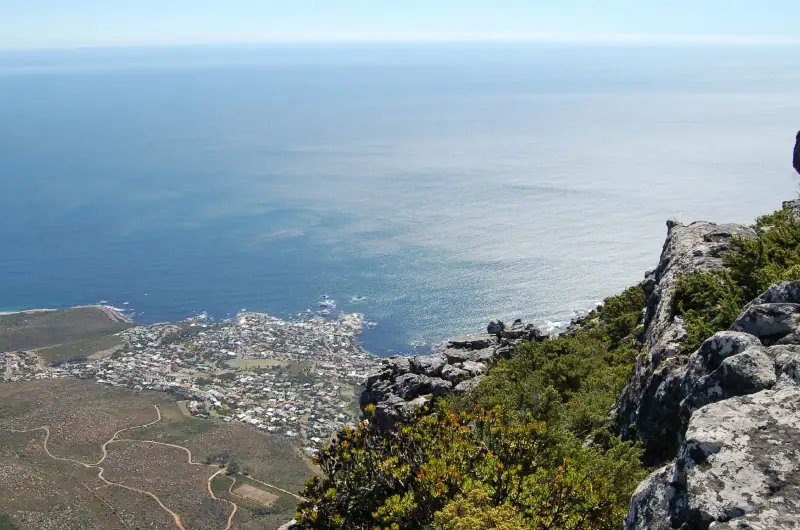
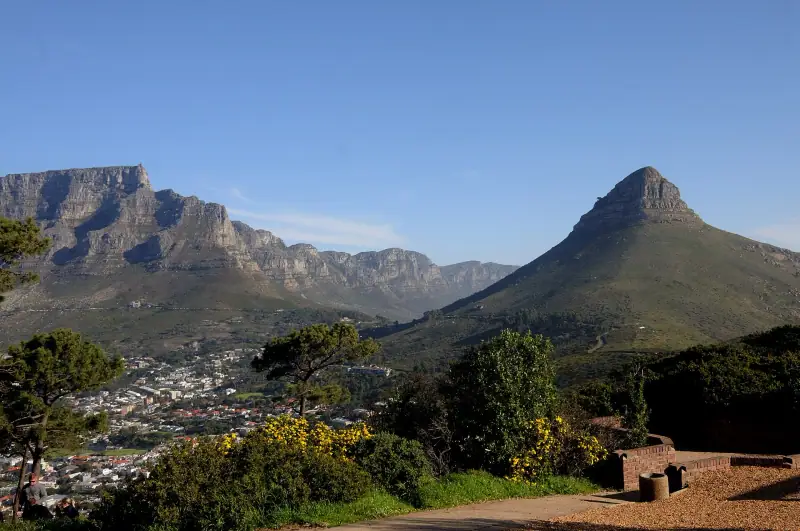
With its sugarloaf profile, Lion’s Head is one of the most photographed peaks in Cape Town. The trail climbs in a spiral around the hill, offering successive views of the ocean, Camps Bay, the city and Table Mountain. The walk is generally rated easy to moderate and takes one to two hours round trip for most walkers.
The last stretch is more exposed: you progress using your hands, with chains and rungs fixed in the rock. This passage is short, but it can impress people prone to vertigo. There is a simpler variant to bypass some sections.
It is a very popular hike at sunrise and sunset, and even on full-moon evenings. This popularity has an advantage, as the trail is busy, and a drawback: the narrow passages can be crowded. If you walk at dusk, bring a headlamp for the descent and never set out without checking the time of sunset.
Kirstenbosch and Skeleton Gorge: the mountain on the garden side
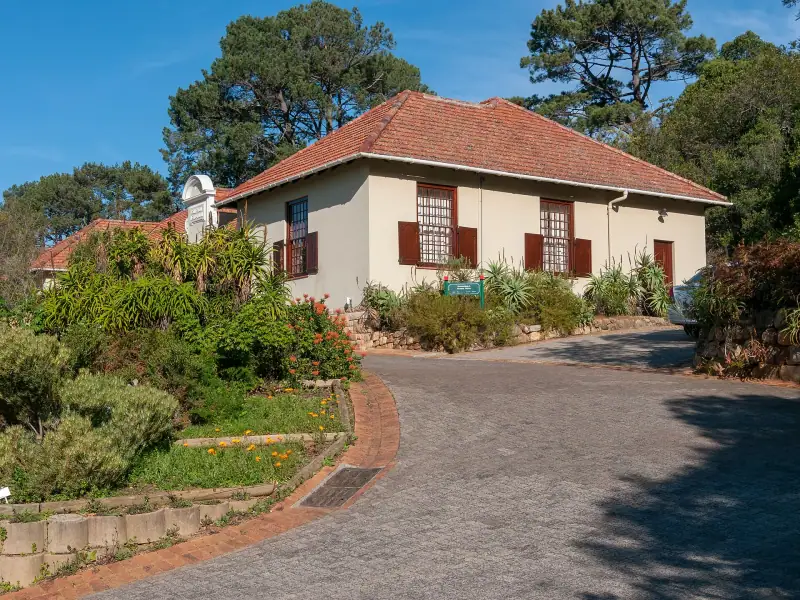
On the east slope of the mountain, the Kirstenbosch botanical garden is a destination in itself, with its lawns, its collections of South African flora and its shaded paths. It is also the starting point of several trails to the plateau.
The best known is Skeleton Gorge. Its route crosses a cool, damp indigenous forest, with passages over roots, boulders and several wooden ladders. This trail is generally presented as more technical than Platteklip, but more varied and better shaded. According to common descriptions, the round trip is around 7 km (4.3 mi), with about 600 m (1,970 ft) of climb and three hours of walking. Allow more if you dawdle.
Once at the top, some hikers continue to Maclear’s Beacon, the highest point of the plateau. Others come down a different trail, for example Nursery Ravine, gentler but longer. Whatever the choice, check the closing time of the garden gates, and check the condition of the trails before leaving, especially after heavy rain.
Sleeping at the foot of the mountain
City center, Camps Bay or green neighborhoods: compare Cape Town lodging for your dates.
The Cape Peninsula: Cape Point and the Cape of Good Hope
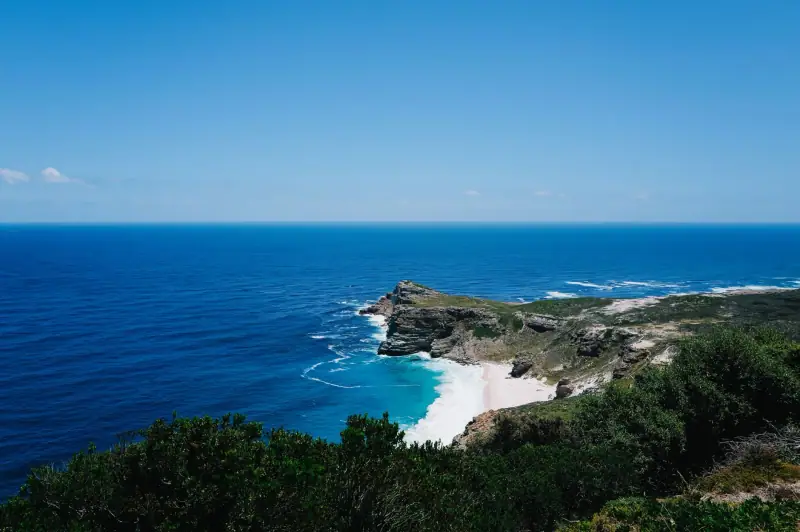
South of the city, the tip of the peninsula is protected as a nature reserve with wild landscapes: cliffs, immense beaches, fynbos and animals such as chacma baboons, ostriches or various antelopes. You reach it by car, and several trails of varying length let you walk between viewpoints.
The most classic walk links the parking lot to the historic Cape Point lighthouse, with an optional funicular to spare yourself the climb. A path also leads to the Cape of Good Hope, a symbol of navigation and a classic photo spot. The signs, cliffs and waves create a spectacular setting, especially in clear weather.
An important rule: never feed the baboons. They can become aggressive and steal food from bags or cars. Keep your provisions well stowed and follow the instructions posted in the reserve.
To organize the day, leave the city early and combine the reserve with the other stops on the peninsula, such as the Boulders Beach penguin colony. Our guide on car rental and driving in South Africa will help you prepare this trip.
Other walks: Signal Hill, Constantia Nek and coastal trails
For a gentler walk, several options exist in town or nearby:
- Signal Hill: a hill next to Lion’s Head, reachable by road, with a panorama over Cape Town, the harbor and the ocean. Ideal for sunset without much walking.
- The mountain belt trails, which run along the base of Table Mountain and link several neighborhoods without much climb.
- Coastal walks, for example along the city’s seafront, very popular with joggers and walkers.
- The Constantia forests, shadier and cooler, for a quiet walk.
These routes suit families, travelers who only have half a day, or those who want to warm up before a more ambitious climb.
What to do if you do not want to hike?
Table Mountain remains accessible to everyone thanks to the cable car, which goes to the summit in a few minutes with a 360-degree view. Buy your tickets in advance if possible, as queues can be long at peak hours, and check the weather before leaving. On windy days, the cabin may not run.
Other activities complement hiking well: a boat trip to see seals, a day in the Winelands (see our guide to the Stellenbosch and Franschhoek wine route), a beach at Camps Bay or a visit to Robben Island. Depending on your calendar, you can alternate active days and rest days.
Excursions from Cape Town
Cape Peninsula, penguins, boat, vineyards: compare excursions with free cancellation on most activities.
When to hike in Cape Town
The southern summer (November to March) brings long days, sun and heat, but also frequent wind, which locals nickname the “Cape Doctor”. Autumn (April-May) and spring (September-October) often offer ideal temperatures, with wildflowers in spring. Winter (June to August) is cooler and wetter: hikes remain possible on clear days, but the damp makes trails slippery.
To compare seasons in detail and choose the best period for the whole country, read our guide to the best time to visit South Africa.
Our picks by profile
- For a first day in Cape Town: Lion’s Head at sunrise or sunset, for an overview of the city.
- For a physical challenge: Platteklip Gorge in the cool of the morning, with a cable car descent.
- For a varied, shaded hike: Skeleton Gorge from Kirstenbosch.
- For wild landscapes: a day at Cape Point and the Cape of Good Hope.
- For an effortless outing: Signal Hill or the cable car.
In all cases, set out with water, a windbreaker, suitable shoes and a charged phone. Respect the mountain: take your trash with you, stay on the trails and do not pick flowers, as many fynbos species are protected.
Frequently asked questions
What is the most direct hike up Table Mountain?
Platteklip Gorge is the most direct route from the city side. It is a steady climb, often compared to a huge stone staircase, exposed to the sun. Bring water, sunscreen and plenty of time, especially in hot weather.
Is Lion's Head accessible to occasional hikers?
Yes, it is one of Cape Town's most popular walks. The spiral trail is rated moderate, with a final stretch where you use your hands, chains and rungs. People prone to vertigo may find these last meters impressive.
Can you hike alone in Cape Town?
It is not recommended on mountain trails. Assaults have been reported in the past on some isolated routes. Go in a group or with a local guide, avoid deserted trails at the start or end of the day and tell your accommodation your route.
What is the best time to hike in Cape Town?
The southern summer (November to March) offers long days and the most sun, but also heat and wind. Autumn and spring are often more comfortable. In winter, the weather is more changeable and rain frequent: adapt your plans.
Do you need a guide to hike on Table Mountain?
It is not required on marked, busy trails, but a guide brings safety and context (flora, history, weather). It is a good choice for longer routes or if you travel alone.
How do you get down from Table Mountain without walking?
The cable car links the summit to the city and runs both ways. Many hikers walk up and ride the cabin down. It can be closed in strong wind or bad weather: always keep a plan B.
More South Africa guides
Keep reading
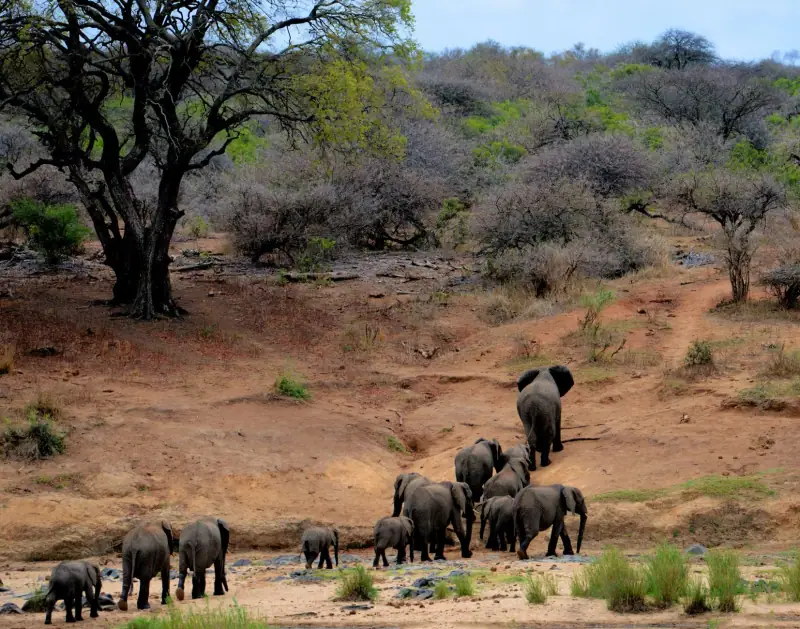
Safari in Kruger National Park: planning your first safari
Kruger National Park safari: self-drive or guided, private reserves, best season, Big Five and practical tips to make your first safari a success.
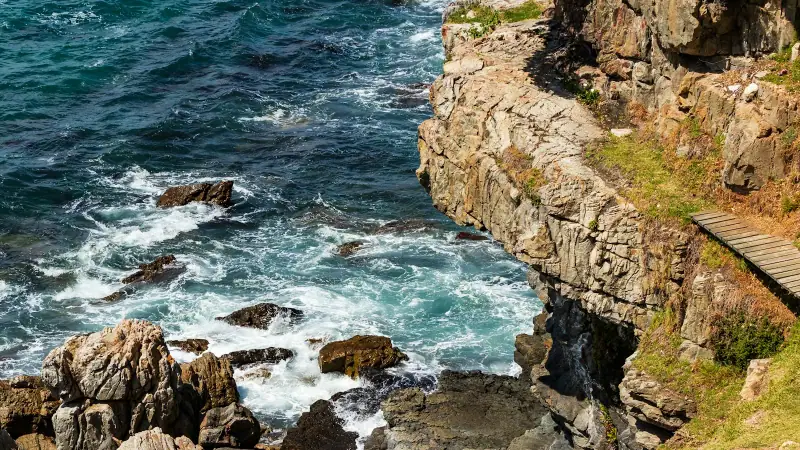
Whale watching in Hermanus: watching from the coast, season and tips
Whale watching in Hermanus: best time, cliff path, boat trips, Gansbaai, getting there from Cape Town and tips to prepare your day.
Complete guide to visiting South Africa: regions, budget, tips
Visiting South Africa: regions, cities, highlights, when to go, transport, lodging and budget. The pillar guide to prepare your trip.
Ready-made
South Africa itineraries
8 days
Garden Route road trip: 8 days from Cape Town to Gqeberha
An 8-day Garden Route road trip: Hermanus, Swellendam, Mossel Bay, Knysna, Plettenberg Bay and Tsitsikamma, with realistic stages and distances.
14 days
South Africa in 2 weeks: Kruger, Cape Town and Garden Route itinerary
A 14-day South Africa itinerary: Kruger safari, Cape Town, Winelands and the Garden Route, with domestic flights, drives and practical tips.
5 days
Cape Town in 5 days: day-by-day itinerary, peninsula and Winelands
A 5-day Cape Town itinerary: Table Mountain, Waterfront, Bo-Kaap, the Cape of Good Hope peninsula, Winelands and Hermanus, with distances and tips.