What to see
Visiting Charlevoix: Baie-Saint-Paul, La Malbaie and Île-aux-Coudres
We may earn a commission when you book through links on this page, at no extra cost to you. We don't visit or try the places we cover: we summarize published sources. How we work
In short
- Charlevoix is about 95 km (59 mi) and a little over an hour from Quebec City to Baie-Saint-Paul; La Malbaie is about another hour farther.
- Plan 2 days and 1 night for Baie-Saint-Paul to La Malbaie, and 3 days or more to add Île-aux-Coudres and a national park hike.
- A car is by far the most practical way to get around; public transit is scarce and sights are scattered.
- Best seasons: June to September for outdoor activities, late September to mid-October for fall colors; book lodging early.
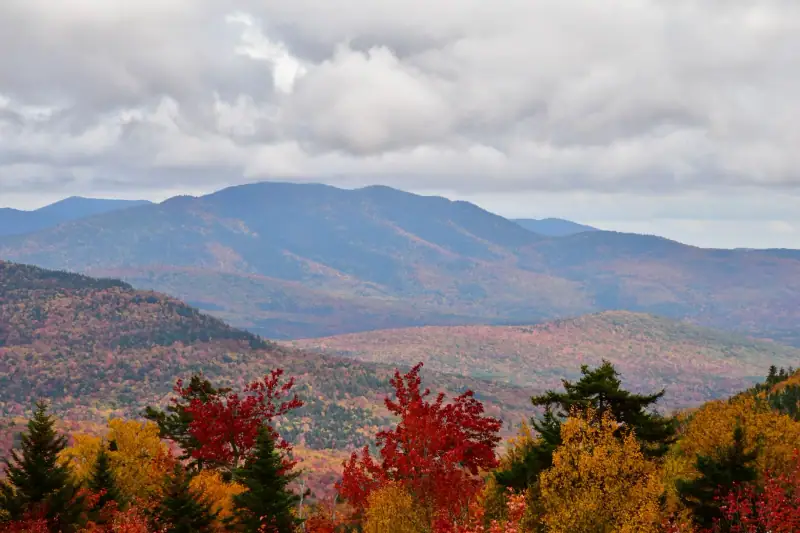
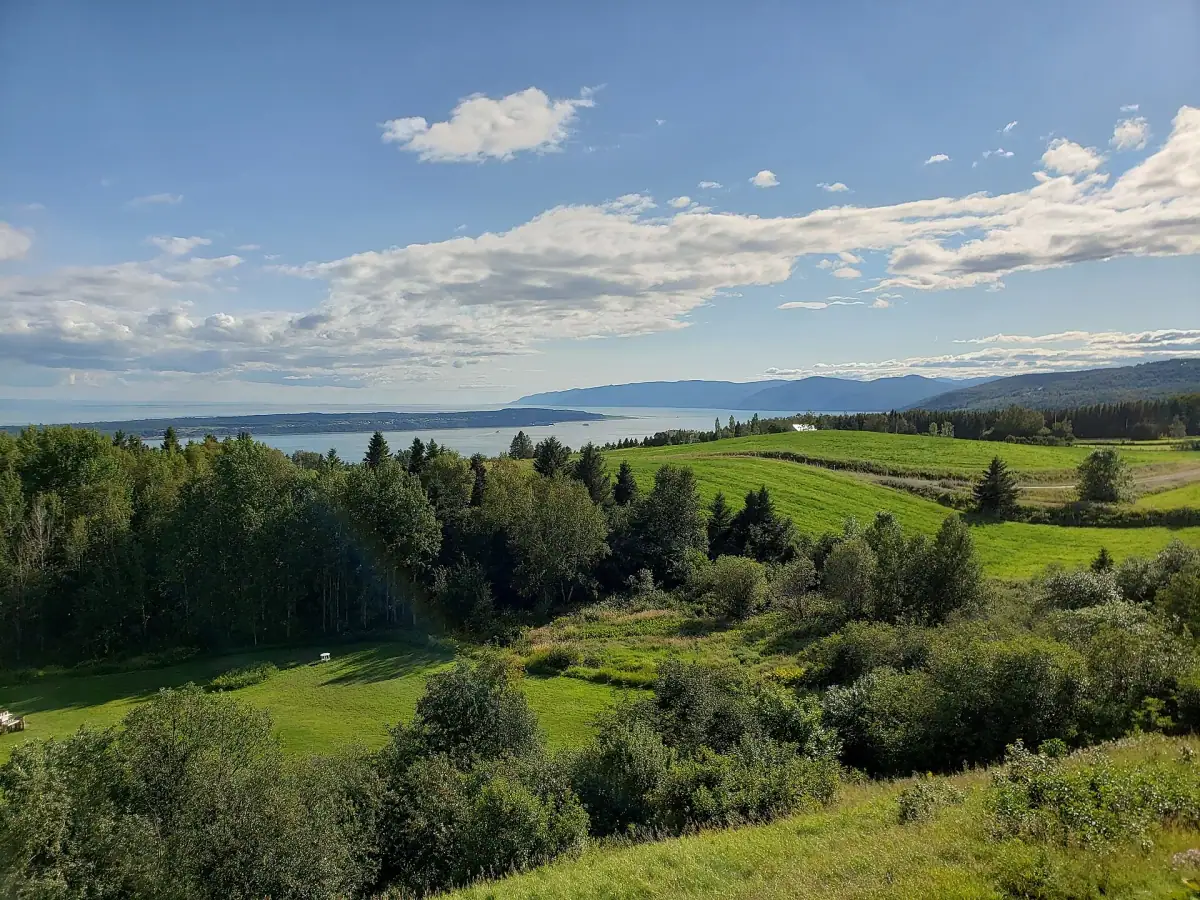
Charlevoix is one of the most photogenic regions of Quebec. About a hundred kilometers (62 mi) northeast of Quebec City, wooded hills plunge into the St. Lawrence River, artists’ villages stretch along the coast and large national parks reach deep inland. The region is recognized as a UNESCO world biosphere reserve, a label that reflects the balance between its landscapes, its residents and its local products.
This guide presents the stops not to miss, from the village of Baie-Saint-Paul to La Malbaie, and how to split your time. It complements our 9-day road trip in Quebec, of which Charlevoix is one of the highlights, between Quebec City and Tadoussac.
Charlevoix at a glance: location and ideal length
The region lies on the north shore of the St. Lawrence, following Route 138 from Quebec City to Baie-Saint-Paul, then Route 362 (the river road) along the cliffs toward La Malbaie. From Quebec City, allow about 95 km (59 mi) and a little over an hour of driving to reach Baie-Saint-Paul. From there, La Malbaie is about another hour by road, depending on traffic and the number of stops.
A geological feature explains the circular shape of the landscape: Charlevoix formed around an immense impact crater, left by a meteorite several hundred million years ago. The hills, steep valleys and bays you admire today are partly its legacy.
To size your stay, here is a realistic basis:
- 1 day from Quebec City: Baie-Saint-Paul and a few stops on the road.
- 2 days and 1 night: Baie-Saint-Paul, the coast to La Malbaie, a sunset over the river.
- 3 days or more: add Île-aux-Coudres and a day of hiking in a national park.
Baie-Saint-Paul, the artists’ village
Baie-Saint-Paul is the region’s natural gateway. Its center, concentrated around Saint-Jean-Baptiste Street, can be covered on foot in a few hours: art galleries, studios, craft shops, cafés and small restaurants serving local products. The village has long kept a close link with the visual arts, and several artists live or exhibit there all year.
The Baie-Saint-Paul Contemporary Art Museum and the many galleries make the visit a real cultural route. In summer, a contemporary art symposium also enlivens the village: check the dates before you come. The village is also known as one of the cradles of Quebec circus arts, from which the famous Cirque du Soleil troupe emerged.
If you spend the night there, favor the center so you can have dinner and wander on foot. Inns and gîtes fill up fast in summer and during fall colors: book several weeks ahead.
Where to stay in Charlevoix?
Compare inns, gîtes and hotels in Baie-Saint-Paul and La Malbaie for your dates.
The river road: from Baie-Saint-Paul to La Malbaie
Between the region’s two main towns, Route 362 winds along the cliffs, through Les Éboulements and Saint-Joseph-de-la-Rive, with open views of the St. Lawrence. It is the most pleasant stretch to drive: take your time, as the photo stops follow one another.
Les Éboulements and Saint-Joseph-de-la-Rive
After Baie-Saint-Paul, the road climbs to the village of Les Éboulements, known for its views of the river and the farmland that slopes down to the water. Farther on, Saint-Joseph-de-la-Rive, at the foot of the cliff, is a picturesque little harbor from which the ferry to Île-aux-Coudres leaves. There are also a few craft studios, which make the detour pleasant.
A detour for local food
Charlevoix has developed a strong food identity, with a “flavor route” that links farms, cheese makers, microbreweries and producers’ tables. Even without following the official circuit, stop at a farm or local food shop to taste cheeses, cured meats or maple products. To go further, our guide on what to eat in Quebec details the specialties to look for. Producers’ hours vary a lot by season: check them before making a detour.
Île-aux-Coudres, an island by bike
Île-aux-Coudres is a quiet escape, reached by ferry from Saint-Joseph-de-la-Rive in about fifteen minutes. The island is small enough to be covered in a day, and its loop, of about twenty kilometers (12 mi), is easy to do by bike, on foot in sections or by car.
Along the road you find old houses, open fields, mills and village churches. The pace is slow, which makes it a good option for families and cyclists. Plan something to eat and check which services are available by season: outside summer, several businesses close.
The island can be visited in half a day if you are in a hurry, but it deserves a full day if you like to wander. Remember to check the time of the last ferry so you are not stranded.
Activities and excursions around Charlevoix
River cruises, day excursions and guided tours from Quebec City.
La Malbaie, Pointe-au-Pic and Cap-à-l’Aigle
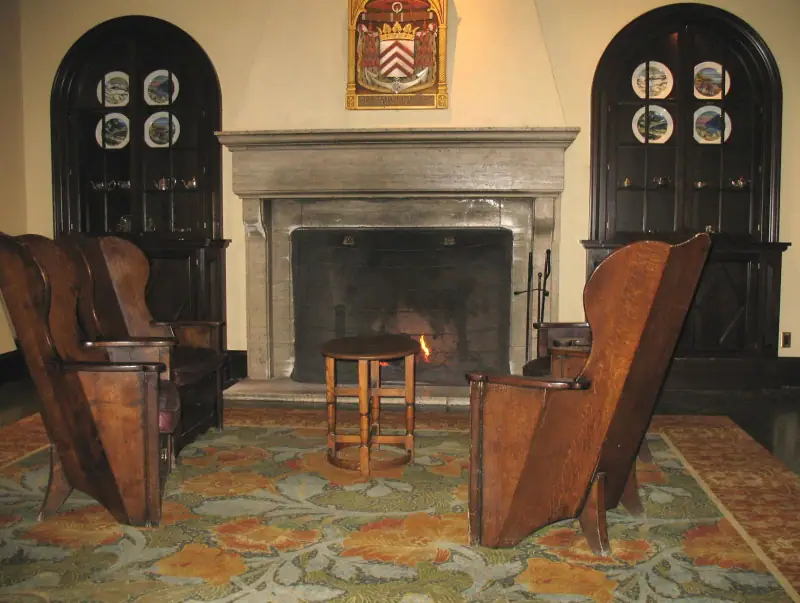
La Malbaie is the main town on the eastern coast of Charlevoix, and is in fact made up of several neighborhoods with different atmospheres. At Pointe-au-Pic, the grand hotel of the Manoir Richelieu, an emblematic building overlooking the river, recalls the time when the region was a summer resort favored by the North American upper class. You can admire the building even if you do not sleep there.
Cap-à-l’Aigle, a little farther, is a quieter village, with fine views of the river and the feel of a small harbor. It is a good place for a break at the end of the day, before continuing to Tadoussac.
La Malbaie is also a good base for day trips to the Grands-Jardins and Hautes-Gorges national parks, or to the Mont-Grand-Fonds outdoor center, appreciated for its trails and winter activities.
The national parks: hiking and wide open spaces
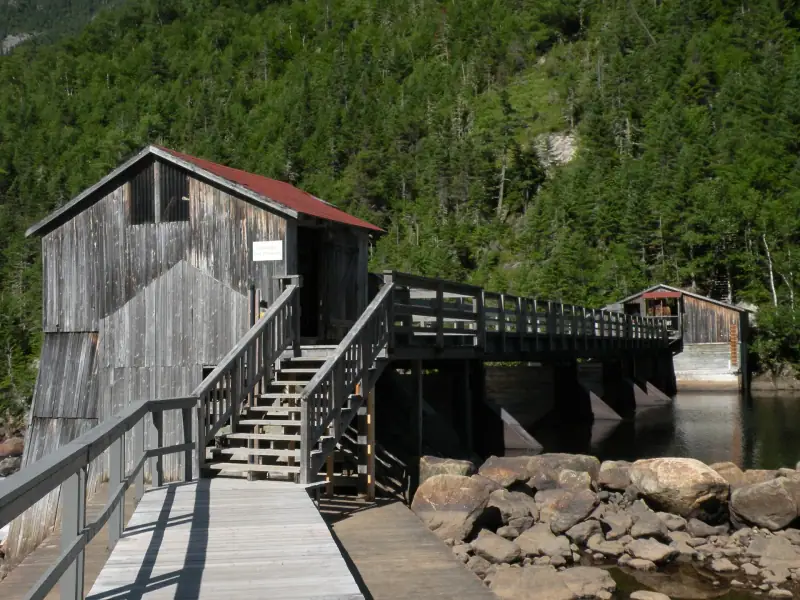
For a more active stay, Charlevoix has two large inland national parks:
- Grands-Jardins National Park, which holds taiga landscapes rare at this latitude, with trails for different levels.
- Hautes-Gorges-de-la-Rivière-Malbaie National Park, where the river flows at the bottom of a deep valley with spectacular slopes, much appreciated for hikes and cruises.
These parks need more preparation than the coastal villages: check access conditions, hours, fees and any reservations on the website of the managing body (Sépaq) before you go. Access roads can be long and services limited there. Bring water, clothing suited to the weather and a charged phone.
When to visit Charlevoix
Each season offers a different face:
- Summer (June to August): the ideal season for outdoor activities, cruises, patios and festivals. It is also the busiest period.
- Fall (late September to mid-October): the foliage colors attract many visitors. The landscapes are superb, but lodging books early.
- Winter: the region is known for its snowy landscapes and snow activities. Check whether seasonal businesses are open.
- Spring: quieter, but some services only reopen in early summer.
To compare all the seasons across the province, see our guide on when to visit Quebec.
Practical tips for organizing your stay
Getting around
A car remains the simplest way to explore the region. If you are coming from Montreal, it is better to rent the vehicle only from Quebec City to avoid unnecessary parking fees. Distances look short on the map, but winding roads and photo stops lengthen the trips: allow slack.
Where to stay
Two bases work well: Baie-Saint-Paul, for village atmosphere and dining, and La Malbaie, more practical for the parks and for continuing to Tadoussac. Options include inns, gîtes, cabins and hotels. Book early in summer and fall.
Combining with the rest of the trip
Charlevoix fits naturally between Quebec City and Tadoussac. If you visit the capital first, our guide on what to see in Quebec City will help you plan these stops, then whale watching in Tadoussac will give you the keys to continuing north.
Budget and taxes
As elsewhere in Canada, displayed prices often exclude taxes and service: check the final amount when booking. In summer, lodging in the region is among the most expensive in the province outside the big cities.
A flight to Montreal or Quebec City?
Compare flights before building your circuit.
A typical two-day itinerary
Day 1: from Quebec City to Baie-Saint-Paul. Leave Quebec City early in the morning, make one or two stops on the road, then devote the afternoon to discovering Baie-Saint-Paul: galleries, museum and dinner in the center.
Day 2: the coast to La Malbaie. Take the river road eastward, with stops at Saint-Joseph-de-la-Rive and Les Éboulements. Depending on your time, add Île-aux-Coudres or continue directly to Pointe-au-Pic and Cap-à-l’Aigle to end the day facing the river.
This formula is easy to adapt: if you like hiking, replace the end of the day with a visit to a national park, or extend by a night so you do not rush.
To sum up
Charlevoix is visited slowly, with a car, a good camera and time to wander. Baie-Saint-Paul for culture, the river road for scenery, Île-aux-Coudres for peace, La Malbaie for history and the national parks for hiking: each stop brings a different facet of the region. Fit it into your circuit in our 9-day road trip to enjoy it without rushing.
Frequently asked questions
How much time should you plan to visit Charlevoix?
Two days and one night let you see the essentials between Baie-Saint-Paul and La Malbaie. With three days, you add Île-aux-Coudres and a hike in one of the national parks. In a single day from Quebec City, you have to limit yourself to Baie-Saint-Paul and a few stops along the road.
Can you visit Charlevoix without a car?
It is difficult. Public transit is scarce and the sights are scattered between the river, the villages and the parks. A car, or an organized excursion from Quebec City, is by far the most practical solution.
What is the best time to visit Charlevoix?
From June to September for outdoor activities and cruises, and from late September to mid-October for fall colors. Winter attracts skiers and fans of snowy landscapes, but some seasonal businesses are then closed.
How do you get to Île-aux-Coudres?
A ferry links Saint-Joseph-de-la-Rive to the island in about fifteen minutes. The service is generally free, but check schedules and crowds before you go, especially in high season.
Is Charlevoix suited to families?
Yes. Distances are reasonable, the island can be toured by bike, easy trails are plentiful and farms or cheese makers are often visited with children. Just plan regular breaks between stops.
More Quebec guides
Keep reading
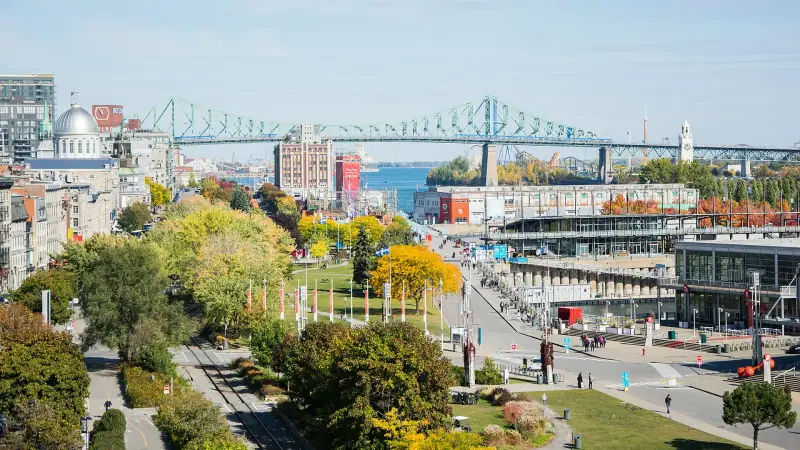
What to see in Montreal in 3 days: Old Montreal, Mount Royal and neighborhoods
What to see in Montreal in 3 days? Old Montreal, Mount Royal, the Plateau, Mile End, markets and the Underground City: day-by-day plan and practical tips.
Complete guide to visiting Quebec: regions, cities, budget and tips
Visiting Quebec: cities, regions, highlights, when to go, transport, lodging and budget. The pillar guide to prepare your trip from A to Z.
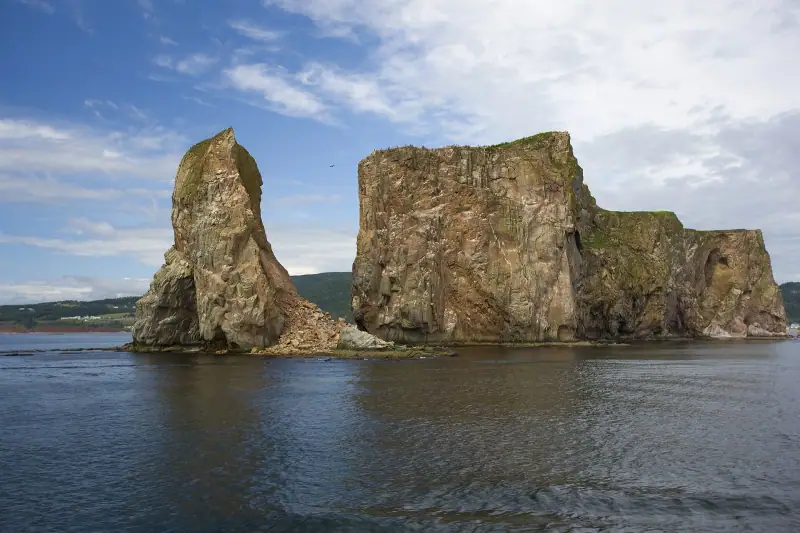
Visiting Gaspésie: Percé, Forillon and Route 132
Visiting Gaspésie: Percé Rock, Bonaventure Island, Forillon Park, the Chic-Chocs and Route 132. Length, season, budget and tips for your road trip.
Ready-made
Quebec itineraries
5 days
5 days
Eastern Townships in 5 days: Magog, Orford, Sherbrooke and wine country itinerary
MagogSherbrooke or North HatleySutton or Dunham area
8 days
Quebec with kids: an 8-day itinerary (Montreal, Quebec City, Charlevoix)
8-day Quebec itinerary with children: Montreal, Quebec City, Montmorency Falls, Charlevoix and whales. Stops, pace, distances and tips.