What to see
Visiting Bagnères-de-Luchon: what to see and do in the Queen of the Pyrenees
We may earn a commission when you book through links on this page, at no extra cost to you. We don't visit or try the places we cover: we summarize published sources. How we work
In short
- Luchon sits at about 630 m (2,070 ft) in Haute-Garonne, roughly 140 km (87 mi) and two hours by road from Toulouse; the nearest train station is usually Montréjeau.
- Half a day covers the center and the baths; allow three to four days to add the Lys valley, Superbagnères and a big hike.
- A gondola from the center reaches Superbagnères (about 1,800 m / 5,900 ft) in about ten minutes; opening dates vary by season.
- The Col du Portillon road leads to Spain's Val d'Aran in a few kilometers.
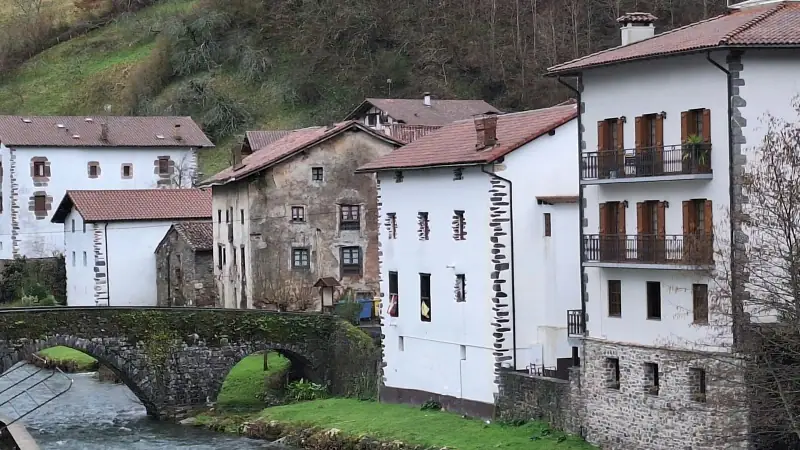
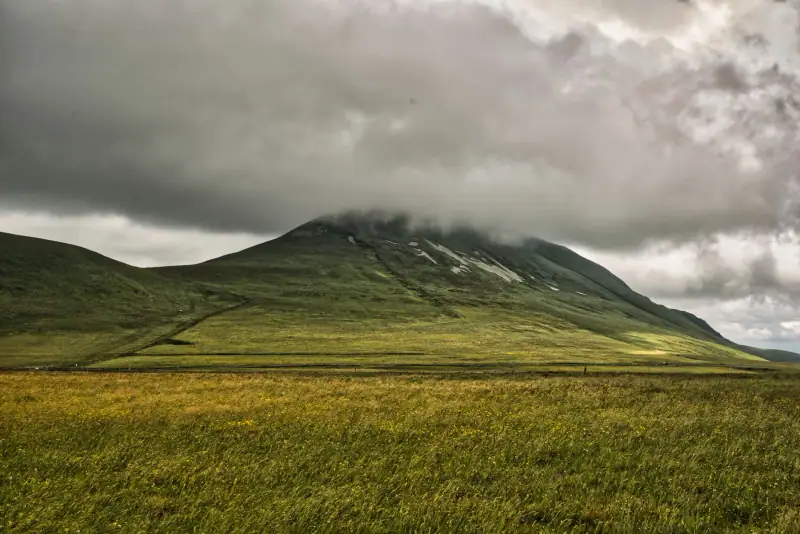
In Haute-Garonne, just east of the Hautes-Pyrénées and a stone’s throw from Spain, Bagnères-de-Luchon has kept a flattering nickname: the “Queen of the Pyrenees.” This Haute-Garonne town, set at about 630 m (2,070 ft) of altitude, owes its prestige to its thermal springs, its casino, its wide avenues lined with plane trees and its Belle Époque villas. But Luchon is also a gateway to spectacular mountains: the Lys valley, the Superbagnères plateau, Lac d’Oô, the Hospice de France and the Maladeta massif.
This guide details what to see, what to do and how to organize your stay in Luchon, whether you come for a spa weekend or a week of hiking.
Luchon at a glance: location and key facts
Luchon lies at the bottom of a valley of the Luchonnais, surrounded by peaks and very close to the Spanish border. It is one of the great spa and mountain resorts of the central Pyrenees, much farther east than Gavarnie or Cauterets.
A few reference points:
- From Toulouse: about 140 km (87 mi), roughly two hours by road.
- Train: the nearest station is generally Montréjeau, from where you reach Luchon by bus or car.
- Toward Spain: the Val d’Aran lies on the other side of the Col du Portillon, a few kilometers from the town.
The advantage of this location is twofold: relatively simple access from the Toulouse metropolitan area and a quieter atmosphere than at the big sites of the Hautes-Pyrénées. To compare ways of getting around across the range, read the guide to getting around the Pyrenees.
The Allées d’Étigny and the town center
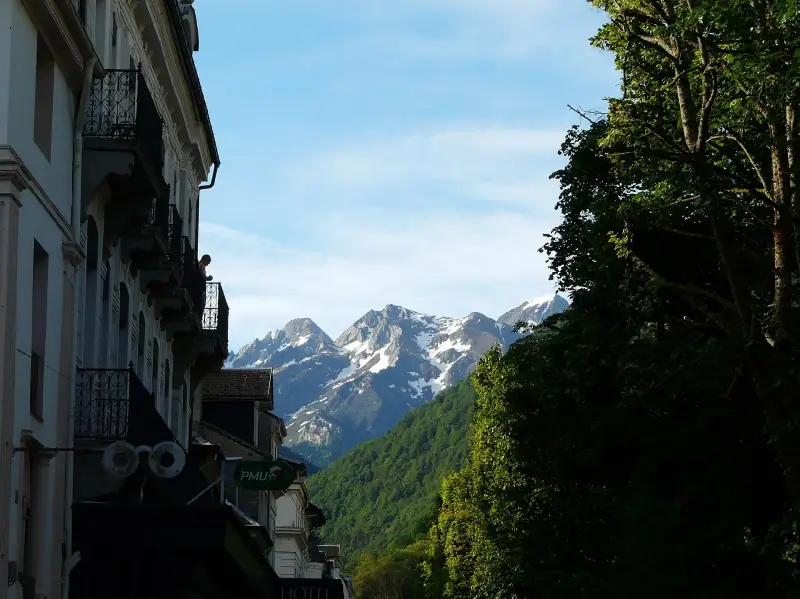
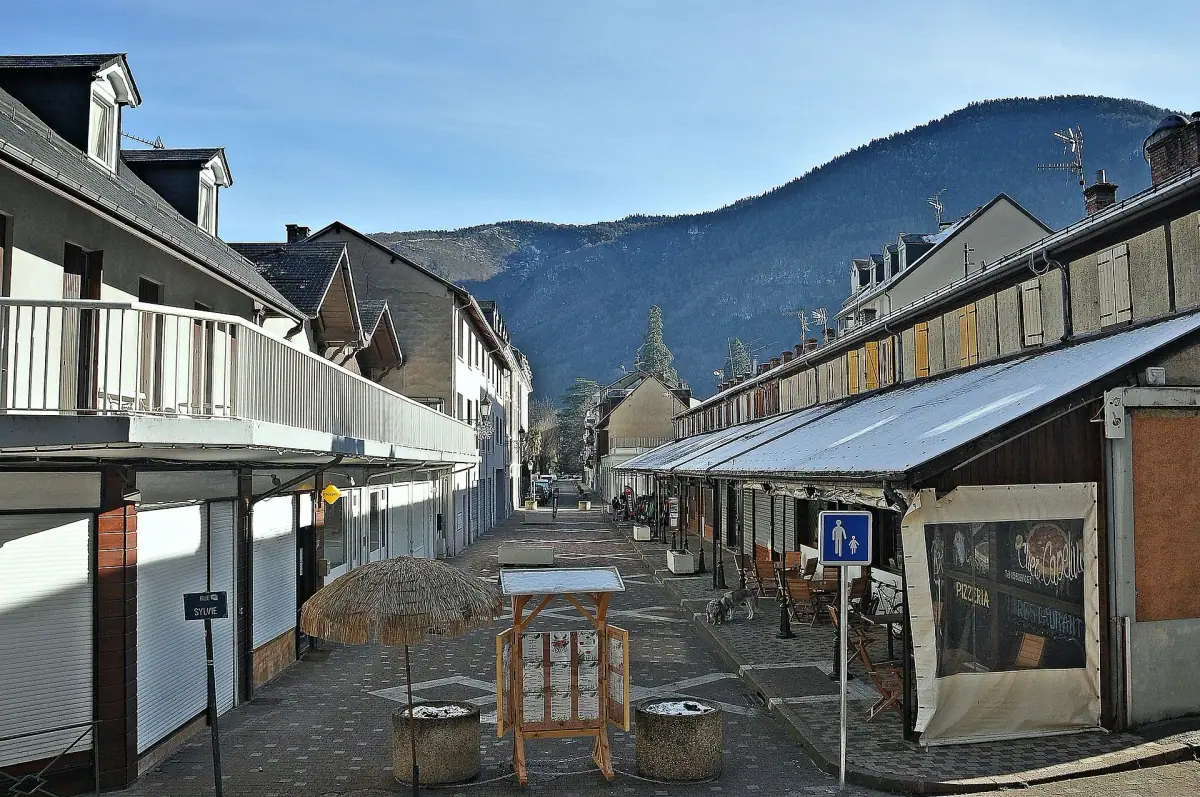
The heart of Luchon is discovered on foot, starting with the Allées d’Étigny, a large tree-lined avenue that structures the town. They are named after the 18th-century intendant who encouraged the development of the baths. Lined with cafés, brasseries and shops, they lend themselves to a relaxed stroll, with the mountains as a backdrop.
Around the avenue, the neighboring streets mix mountain houses, spa-style facades and late 19th-century villas. It is the place to wander, buy regional products (cheeses, cured meats, honey) and have a coffee on a terrace. Depending on the season, markets and events punctuate life in the center: days and dates change, so check locally rather than planning your visit around a specific event.
The baths: the soul of Luchon
Luchon owes its tourist existence to its thermal waters, known since antiquity and fashionable from the 18th century. In the 19th century, the town welcomed an aristocratic European clientele, hence the elegance of its architecture. This history explains the presence of a casino and a large thermal establishment at the foot of the mountains.
Today, the baths offer spa treatment programs and wellness areas: treatments, baths, relaxation. It is a pleasant way to recover after a big hike, or a good activity when the weather is gloomy. Rates, hours and opening periods change: see the establishment’s official website before you come. For an overview of cold-season leisure, read the article on winter activities in the Pyrenees.
Sleeping in Luchon
Hotels, residences and guesthouses in Luchon and the valley.
The Lys valley and its waterfalls
A few kilometers from the center, the Lys valley opens onto a landscape of meadows, forests and torrents. It is one of Luchon’s easiest and most popular excursions. The road that climbs it is also the one that leads to the Superbagnères resort.
At the bottom of the valley, the Cascade d’Enfer, about ten kilometers (6 mi) from Luchon, is one of the most beautiful waterfalls in the Pyrenees. A path follows the torrent from the parking lot and lets you get close to the falls, which tumble down a rock face for several dozen meters. The walk is short and accessible to most visitors, but the path can be damp and slippery: good shoes are a must.
In the same valley, longer trails lead to secondary waterfalls, shepherds’ huts and viewpoints. The Lys valley suits families as well as more experienced walkers.
Superbagnères: Luchon’s mountain
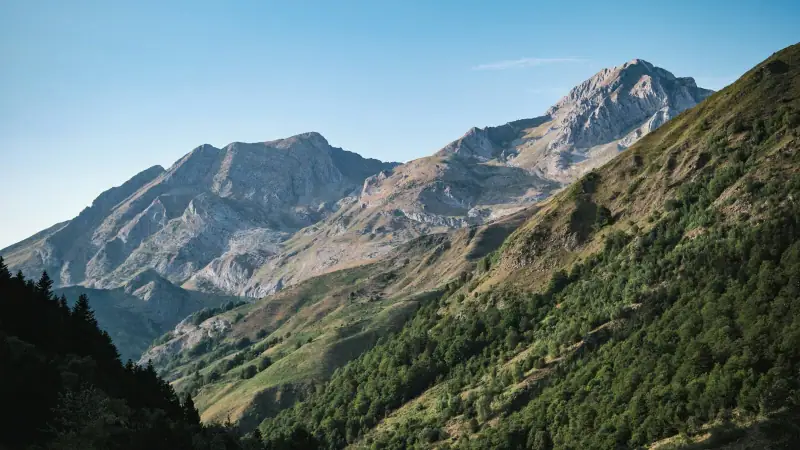
Above the town, the Superbagnères plateau overlooks the valley. This resort, at about 1,800 m (5,900 ft) of altitude, is reached by the Lys valley road or by the gondola that leaves from the center of Luchon and links the town to the mountain in about ten minutes.
In winter, Superbagnères offers a downhill ski area. In summer, the gondola generally opens access to walks, viewpoints over the range and high-altitude trailheads. Opening periods and gondola hours vary by season: check them before planning your day.
In clear weather, the view of the great summits, including the Maladeta massif on the Spanish side, justifies the ride on its own.
Activities around Luchon
Guided hikes, canyoning and mountain outings in the Pyrenees.
The Hospice de France and the Port de Vénasque
Going up the Pique valley, you reach the Hospice de France, a former high-altitude refuge whose origins go back to the Middle Ages. It once welcomed pilgrims and merchants crossing the border, sometimes at the risk of their lives in winter. Its current name dates from the 19th century. The site is now a well-known starting point for hiking.
From there, a demanding route climbs to the Port de Vénasque, a border crossing with Spain. The path is for experienced walkers, as it requires good physical condition and stable weather. In return, the view of the Maladeta massif and of the Aneto, the highest point in the Pyrenees at about 3,400 m (11,155 ft), is one of the most striking in the range.
Before setting out, check the mountain weather and trail conditions with the tourist office or a guide.
Lac d’Oô and the Oô valley
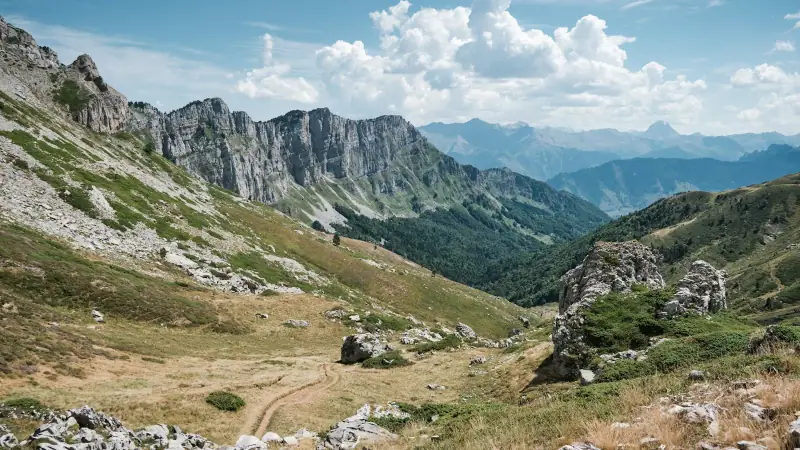
West of Luchon, the Oô valley gives access to one of the region’s most famous lakes. From the village of Oô, a road leads to the shores of Lac de Séculéjo, the starting point of the trails to Lac d’Oô, fed by an impressive waterfall. The walk is a classic day hike of moderate level, with considerable elevation gain: allow a full day with breaks.
The mountain lakes of this area are a theme of their own: to choose other outings across the range, see the selection of the best hikes in the Pyrenees.
The Col de Peyresourde and the Tour de France roads
Luchon is a high place of cycling. The Col de Peyresourde, at about 1,570 m (5,150 ft), has been used many times by the Tour de France. It links the Luchonnais to the Aure valley and attracts amateur cyclists who come to climb it. Motorists also enjoy it for its panoramas.
The region has several other passes frequently associated with the Tour. Roads are generally passable in the good season, but pass conditions can change: check before leaving.
Casino, villas and local heritage
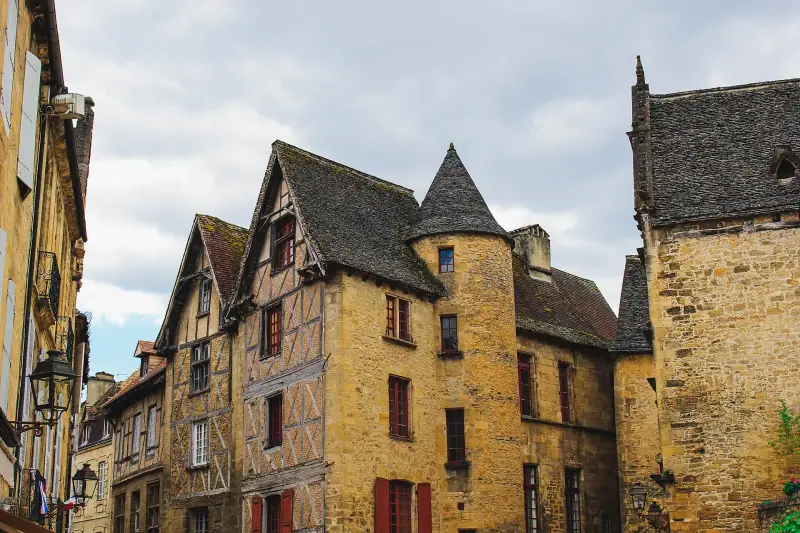
Luchon has kept many reminders of its heyday: the casino, villas with elaborate facades, gardens and bandstands recall the era when the town welcomed high society for the waters. An architectural stroll of an hour or two is enough to soak it in.
The town also has a museum devoted to local history and mountaineering. Opening hours vary by season, so ask the tourist office. For another example of Pyrenean heritage, see the article on Ariège, Foix and Montségur.
A trip to Spain: the Val d’Aran
The proximity of the border allows a simple excursion: the road over the Col du Portillon links Luchon to the Val d’Aran, a Spanish valley of Occitan culture. There you discover stone villages, Romanesque churches and an atmosphere quite different from the French side.
Bring your passport and check your government’s official travel advice for entry rules (checked November 2026), along with the traffic conditions and border rules in force before leaving. Half a day is enough for a first approach.
What to eat in Luchon
The cuisine of the Luchonnais is that of the mountains: garbure, a thick soup of vegetables and meat, sheep’s and cow’s milk cheeses, cured meats, stream trout and slow-cooked dishes. Restaurants in the center generally offer traditional menus that highlight products of the valley.
To understand the main specialties before choosing, read the article on garbure and its variants and the guide to Pyrenean food specialties.
Where to stay in Luchon
The offer is varied: town-center hotels, residences, guesthouses, gîtes and campsites in the valley. Sleeping in the center lets you do everything on foot and stay close to the baths and shops. Lodgings farther out suit hikers who want to set off early toward the Lys valley or the Oô valley.
In July-August and during winter holidays, book early. To compare areas across the range, see the article where to stay in the Pyrenees.
Luchon in one, two or three days
In one day. In the morning, stroll along the Allées d’Étigny, pass the baths and the casino. In the afternoon, head to the Lys valley and the Cascade d’Enfer.
In two days. Devote the first day to the town and the Lys valley, the second to Superbagnères or Lac d’Oô, depending on the weather and your level.
In three days or more. Add the Hospice de France, an excursion to the Val d’Aran and half a day of spa relaxation. For a stay that combines several valleys, see the itinerary 5 days in the Hautes-Pyrénées.
When to visit Luchon
Each season has its character:
- Spring: snowmelt, well-fed waterfalls, with high-altitude trails still snowy.
- Summer: the best time for hiking, but also the busiest.
- Autumn: golden forests, pleasant temperatures and reduced crowds.
- Winter: skiing at Superbagnères, snowshoeing and the baths, with roads subject to weather conditions.
The guide to choosing the best time in the Pyrenees details the seasons across the range.
Practical tips to prepare your stay
- Check the mountain weather, not just the town’s: it changes fast at altitude.
- Check the opening of roads, passes and the gondola before leaving.
- Dress in layers and bring protection from rain and sun.
- Carry cash or a card: mobile coverage can be unreliable in the valleys. Check your carrier’s international plan or use a travel eSIM.
- Respect pastoral farming: close gates and keep your distance from herds and guard dogs.
- Set out early for the busiest sites to enjoy calmer conditions.
A car makes excursions from Luchon easier, while the center is walkable. To estimate your spending, see the article on the budget for a trip to the Pyrenees and the list of essential accessories.
Why stop in Luchon
Luchon brings together the best the Pyrenees offer: an elegant spa town, wild valleys minutes away, waterfalls, lakes, legendary passes and the Spanish border within reach. It suits a relaxing weekend as well as a week of hiking. To build a wider trip, see the complete guide to the Pyrenees and the article on visiting Luz-Saint-Sauveur.
Frequently asked questions
How much time do you need to visit Bagnères-de-Luchon?
Half a day is enough to discover the center, the Allées d'Étigny and the spa atmosphere. To add the Lys valley, Superbagnères and a big hike, allow three to four days: Luchon's value lies mostly in its surrounding valleys.
Where is Bagnères-de-Luchon and how do you get there?
Luchon is in Haute-Garonne, about 140 km (87 mi) from Toulouse, roughly two hours by road. The train generally stops at Montréjeau, from where you continue by bus or car. Check the timetables in force before you go.
What is there to do in Luchon when it rains?
The baths and relaxation areas, the shops and cafés of the center, the casino and the town's small museums are good options. Hours and rates change with the season: ask the tourist office.
Is Luchon a ski resort?
Yes, Luchon is linked to the Superbagnères resort, reached by a mountain road or by a gondola from the town. Opening dates and snow cover vary from season to season: see the resort's official information.
Can you go to Spain from Luchon?
Yes. The Col du Portillon road links Luchon to the Val d'Aran, on the Spanish side, in a few kilometers. Experienced hikers can also cross the border on foot over the Port de Vénasque in summer. Bring your passport and check your government's official travel advice for entry rules.
What is the best time to visit Luchon?
June to September for hiking and waterfalls, with clear trails and services open. Autumn offers beautiful colors and quiet. Winter suits skiing at Superbagnères and spa relaxation.
Do you need a car to stay in Luchon?
The center is walkable. For the Lys valley, Lac d'Oô or the Hospice de France, a car is very handy, although seasonal shuttles sometimes exist. Ask the tourist office about the services in operation.
More Pyrenees guides
Keep reading
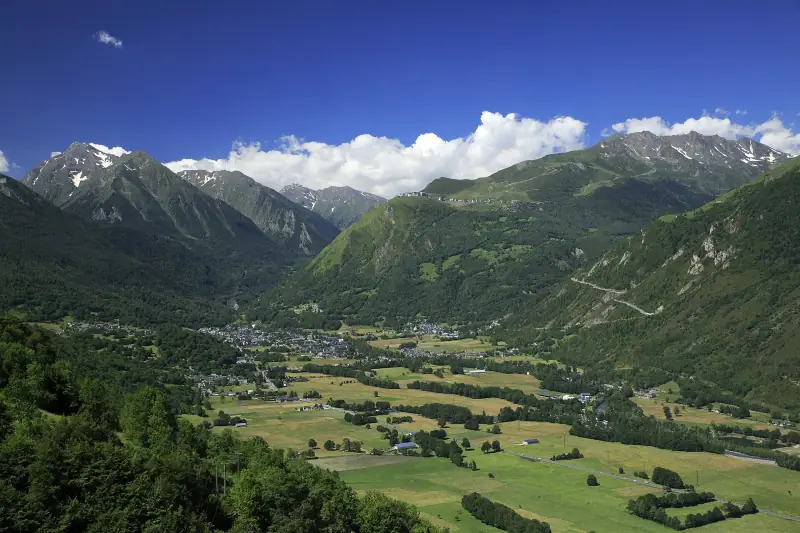
What to see in the Aure valley: Saint-Lary, Néouvielle, Arreau and villages of character
What to see in the Aure valley (Hautes-Pyrénées): Saint-Lary-Soulan, Néouvielle reserve, Arreau, Sarrancolin, Aragnouet and passes.
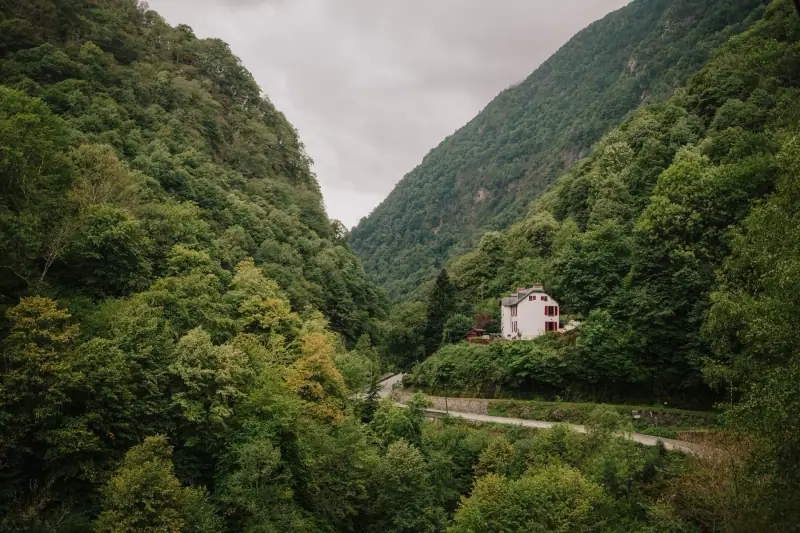
Visiting Ax-les-Thermes: what to see and do in Haute-Ariège
Visiting Ax-les-Thermes: Bassin des Ladres, thermal baths, Bonascre gondola, Beille plateau and excursion ideas. A guide to plan your stay.
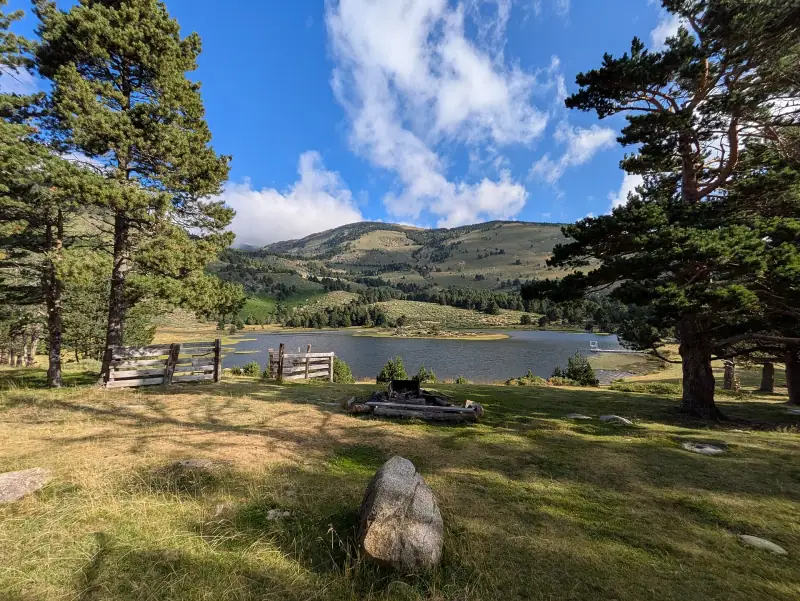
Catalan Pyrenees: what to see? The 12 essential sights
What to see in the Catalan Pyrenees? Canigó, Villefranche-de-Conflent, Mont-Louis, the Yellow Train, Cerdagne, Capcir: a selection to plan your stay.
Ready-made
Pyrenees itineraries
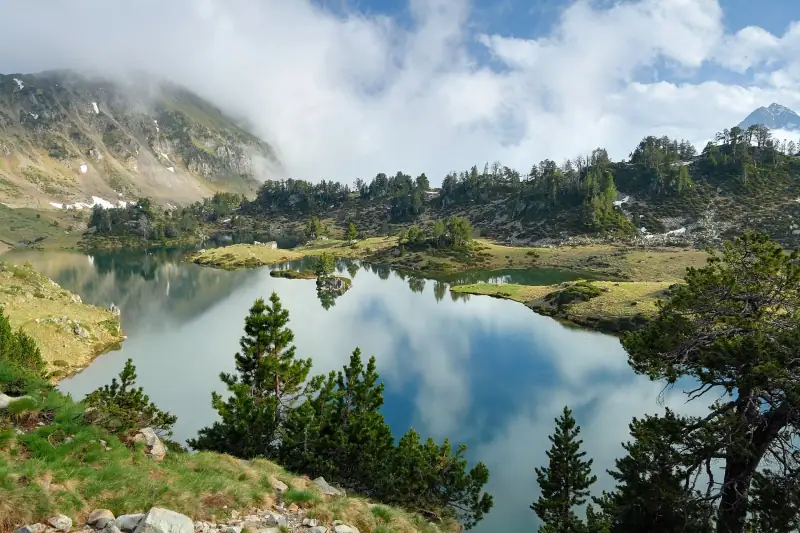
7 days
Hautes-Pyrénées and Ariège in one week by car: is the itinerary doable?
CauteretsBagnères-de-LuchonFoix
Can be adapted in the planner

5 days
5 days in the Hautes-Pyrénées: an itinerary through Lourdes, Cauterets and Gavarnie
CauteretsLuz-Saint-Sauveur
Can be adapted in the planner
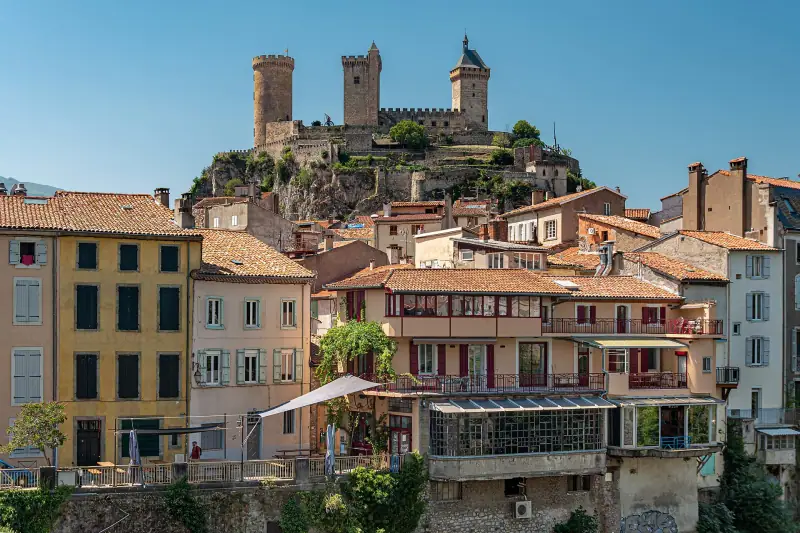
4 days
4-day road trip in Ariège and the Cerdagne: Foix, Montségur, Ax-les-Thermes, Font-Romeu
FoixAx-les-ThermesFont-Romeu
Can be adapted in the planner