Plan your trip
When to go to the Pyrenees? A month-by-month guide to the seasons
We may earn a commission when you book through links on this page, at no extra cost to you. We don't visit or try the places we cover: we summarize published sources. How we work
In short
- For high-altitude hiking, go from mid-June to mid-September; June and September are good compromises for fewer crowds.
- Skiing generally runs from December to March depending on snow cover; high passes such as the Tourmalet are closed in winter.
- Altitude commands everything: allow a drop of about 6 °C per 1,000 m (about 3.3 °F per 1,000 ft), and expect afternoon thunderstorms in summer.
- Book ahead for July-August and the February and Christmas holidays in ski resorts.
The Pyrenees stretch for more than 400 kilometers (250 mi) between the Atlantic and the Mediterranean, and their face changes radically from one season to the next. The same trails that attract thousands of hikers in August are buried under snow in February. The same spa villages that buzz with visitors in spring become ski bases in midwinter. Choosing the right period is therefore deciding which kind of trip you will have.
This guide helps you decide. It goes through each season, what it allows you to do, its limits, and the classic mistakes to avoid. It also gives pointers by massif (Hautes-Pyrénées, Luchonnais, Ariège, Catalan Pyrenees) and by profile: hiker, family, skier, heritage lover or cyclist.
The Pyrenees at a glance: a mountain climate, with nuances by slope
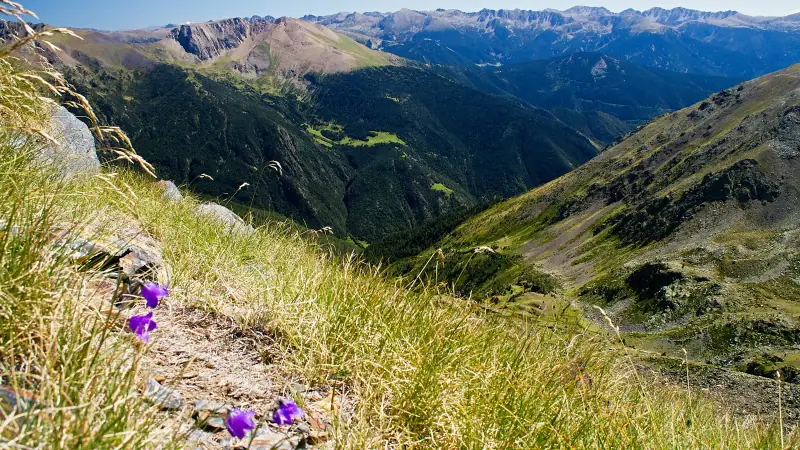
Before talking about the calendar, a point of climate geography. The range is not uniform: oceanic influence dominates in the west, with more frequent rain and very green vegetation. In the east, Mediterranean influence brings more sun, drier summers and often bright winters. In between, the classic mountain climate prevails in the Hautes-Pyrénées, the Luchonnais and Ariège.
Another essential rule: altitude commands everything. It can be pleasantly warm in the valley at Lourdes or Foix, and cool or even cold around 2,000 m (6,560 ft) the same day. As a general rule, expect a temperature drop of about 6 °C for every 1,000 m of elevation (about 3.3 °F per 1,000 ft). Within a single massif, you sometimes go in a few hours from the mildness of a village to frankly alpine conditions.
Finally, the weather changes fast. In summer, afternoon thunderstorms are frequent in the mountains: you set out early in the morning and come back down before they break. In spring and autumn, episodes of fog or rain can settle in for several days. Always check the specialized mountain forecast before an outing at altitude.
Spring (April to June): the season of contrasts
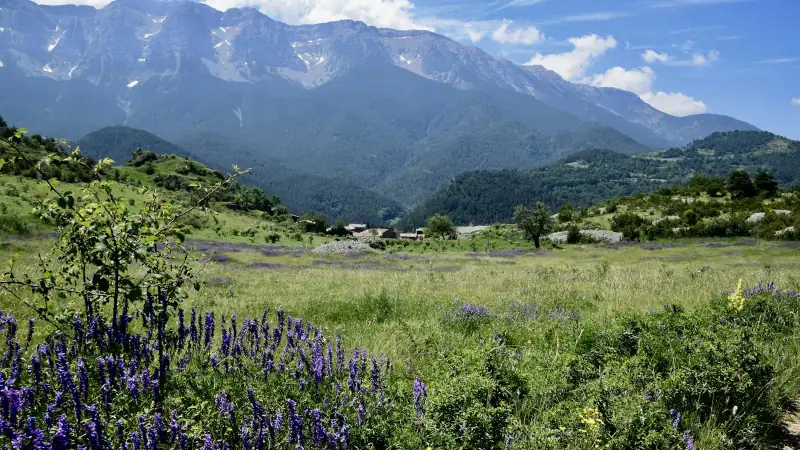
Spring is probably the trickiest season to plan, but also one of the most beautiful for those who know how to adapt.
In April and early May, the mountains are in transition. Valleys turn green again, waterfalls are at their maximum thanks to snowmelt, but the heights remain snowy. Resorts often close their lifts during April, and many high-altitude lodgings and restaurants take a break before summer. It is the ideal time for mid-mountain walks and for visiting villages, caves, the Cathar castles of Ariège and spa towns, in welcome calm.
In May and June, nature explodes: flowering meadows, swollen torrents, herds starting to climb to summer pastures. Hikes in the valleys and at mid-altitude are superb. However, the big passes and high-altitude trails can still be snowy. A trail marked “easy” in July can become exposed and slippery with a remaining snowfield: be careful, and if needed use suitable equipment (poles, sometimes light crampons) or go with a guide.
Where to stay in the Pyrenees?
Charming hotels, gîtes and chalets in Cauterets, Luz-Saint-Sauveur, Luchon or Font-Romeu.
Who is it for? Lovers of nature, photography, waterfalls, heritage, spa treatments and quiet. Avoid it if you dream of large high lakes accessible from spring: they are generally frozen or surrounded by snow.
Summer (July and August): the high season for hiking
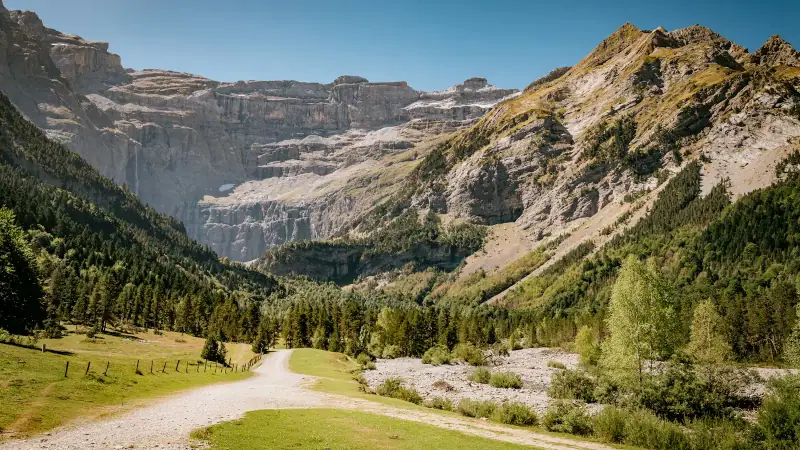
This is the period when everything is open: mountain huts, inns, summer lifts, high roads and trails. It is also the busiest period.
Summer’s strengths:
- High-altitude road passes are generally open, which allows big drives or bike crossings.
- High lakes are free of ice and trails are generally clear.
- Days are long, which leaves room for big hikes.
- The range of activities is at its maximum: canyoning, rafting, via ferrata, horseback riding, paragliding.
- Village festivals, markets and festivals enliven the valleys.
Summer’s limits:
- Crowds, notably at emblematic sites like the Cirque de Gavarnie, a UNESCO World Heritage Site, or the Pic du Midi de Bigorre, which peaks at about 2,877 m (9,438 ft).
- Higher lodging rates and reduced availability: you need to book early.
- Afternoon thunderstorms, which require setting out at dawn.
- In valley towns and in Lourdes, traffic can be heavy.
Tip: if you have to go in midsummer, favor early-morning starts, lesser-known trails and weekdays. Sleeping in the valley and heading up early will spare you part of the crowd. A large part of the Pyrenean pleasure also lies in the secondary valleys, far from the most photographed sites.
Activities in the Pyrenees
Guided hikes, canyoning, rafting, snowshoeing depending on the season.
July is also the month of the Tour de France, whose route regularly includes Pyrenean stages. The legendary passes then see thousands of spectators. If you want to watch the race go by, find out about the year’s route: roads are closed to ordinary traffic for several hours, even more than a day, before the riders pass.
Autumn (September to November): light, colors, calm
For many connoisseurs, September is the best month for the Pyrenees. The summer crowds disperse, temperatures are milder, the air is clear and trails generally remain passable at altitude through September, even early October depending on the year.
September combines the advantages: huts and lodgings still open, often stable weather, golden light, lower prices. It is the ideal month for a big hike, multi-day routes, or to return to the must-see places in better conditions.
October is the month of colors: beech groves and mountain forests turn orange and russet, notably in the valleys of the north slope. It is also the season of the deer rut in several forest massifs, a striking sound spectacle at dusk, to be observed discreetly and from a good distance.
November is the low season: rain, first snow at altitude, closure of many seasonal establishments and the big passes. It is a calm period for travelers looking for towns, spas and heritage, but it does not suit ambitious mountain plans.
Flights to the Pyrenees
Compare flights to Tarbes-Lourdes-Pyrénées, Toulouse or Pau.
Who is it for? Experienced hikers, photographers, lovers of seasonal food (mushrooms, chestnuts, summer-pasture products), cyclists who want to avoid heat and crowds. Avoid it if you depend on a complete tourist offer: some businesses close as early as late September.
Winter (December to March): skiing, snowshoeing and hot baths
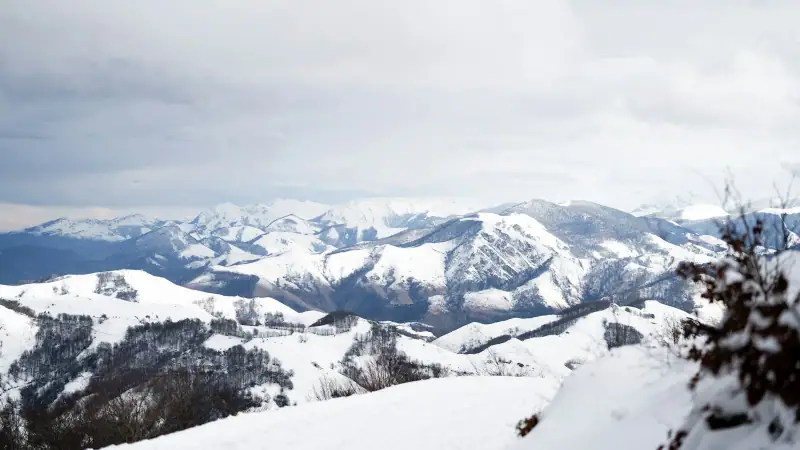
Winter turns the Pyrenees into a snowy playground. The big resorts generally open their runs in December, with the core of the season from January to March, depending on the year’s snow cover.
Downhill skiing takes place in several areas along the range: think of Hautes-Pyrénées resorts like Cauterets, Saint-Lary in the Aure valley or Barèges-La Mongie, the Luchon-Superbagnères area in the Luchonnais, the Ariège resorts, and those of the Catalan Pyrenees like Font-Romeu. The Pyrenees have a reputation for a more family-friendly atmosphere and more moderate rates than the big Alpine massifs, which appeals to families.
There is no shortage of alternatives to skiing:
- snowshoeing, ideal for discovering snowy forests and plateaus;
- cross-country and ski touring, in often calmer settings;
- sled dogs and guided winter walks;
- hot baths, as the Pyrenees have many spa towns, like Cauterets, Luchon or Ax-les-Thermes, where you can relax after a day in the cold.
Winter points of caution: high roads are closed, some isolated villages are hard to reach, and it is recommended to equip your car (chains or winter tires) and find out about road conditions. Off-piste, the avalanche risk is real: never set out without checking the avalanche risk bulletin, nor without suitable equipment and training, or without a guide.
Who is it for? Skiers, families, lovers of spas and thermal treatments, travelers seeking snowy landscapes. Avoid it if you want to hike at altitude without specific equipment.
What to do by massif and season
Each area has its best time. Here are some general pointers to refine your choice.
Hautes-Pyrénées: Gavarnie, Cauterets, Pic du Midi
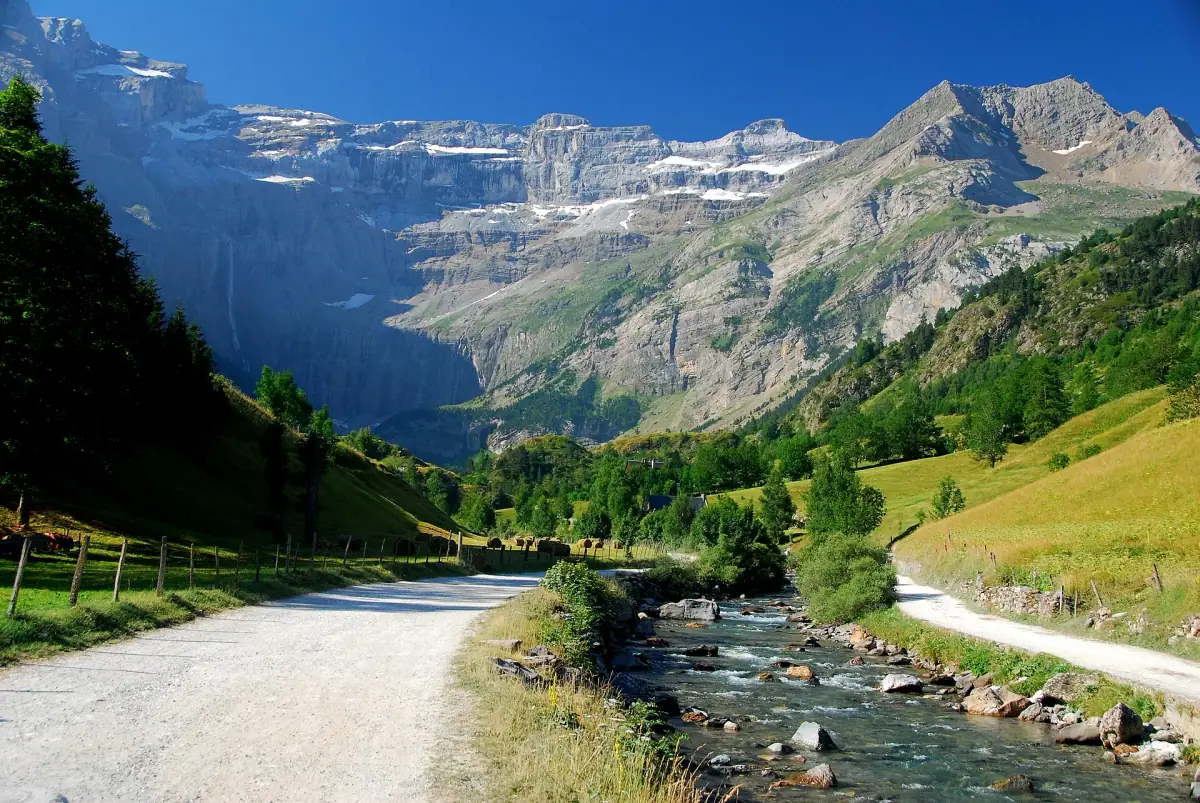
This is the tourist heart of the range. The Cirque de Gavarnie, with its famous waterfall about 420 m (1,380 ft) high, is visited mostly from June to September. In Cauterets, the season is double: hiking in summer toward the lakes and the national park, skiing and spas in winter. The Pic du Midi observatory depends on the weather and the cable car’s operation: check conditions on the day and book in high season.
Luchonnais: Bagnères-de-Luchon and its valleys
Luchon is a spa town of character, surrounded by hiking valleys and dominated by the Superbagnères resort. Spring suits walks in the valleys, summer hiking and the road over the passes, and winter snow sports and baths.
Ariège: Foix, Ax-les-Thermes, Montségur
Ariège is an excellent choice off-season: its castles, caves and villages of character can be visited all year. Low and mid altitudes are pleasant in spring and autumn, when the heat is less marked. Ax-les-Thermes combines year-round spa treatments with skiing in winter.
Catalan Pyrenees: Cerdagne, Capcir, Font-Romeu
This slope enjoys reputedly generous sunshine. Font-Romeu and the Cerdagne are pleasant in summer, with cooler temperatures than on the plain, as well as in winter, for skiing and bright days. The Canigó massif attracts hikers and lovers of Romanesque heritage from spring to autumn.
Which month to choose for your plans?
To help you decide quickly, here is a guide by type of plan:
- High-mountain hiking: from mid-June to mid-September, with a clear advantage for July, August and September.
- Easy, quiet hiking: May, June and September.
- Family trip with children: July and August for activities and swimming in lakes or rivers; February for snow.
- Skiing and winter sports: January to March, depending on snow cover.
- Spa treatment and wellness: all year, with a preference for spring and autumn.
- Heritage and back roads: April to June, September and October.
- Cycling the big passes: June to September, checking that passes are open.
- Photography: late May for meadows, October for colors, winter for snow.
- Tight budget: May, June, September, October, outside French school holidays.
Budget and bookings: what the season changes
The calendar directly affects your budget. In high season (July, August, winter holidays), lodgings are more expensive and fill quickly: it is better to book several weeks, even several months ahead. In shoulder season (April-May, October), rates are often gentler, but check that places are actually open, as many restaurants, huts and small businesses close temporarily.
For the car, very useful in isolated valleys, book early in summer, especially if you arrive by air at Toulouse, Pau or Tarbes-Lourdes-Pyrénées. Also allow generous travel times: mountain roads are winding and average speeds are well below those on the plain.
What to bring depending on the season
Whatever the period, the rule in the Pyrenees is the same: the three-layer system. A breathable layer next to the body, a warm middle layer, a waterproof and windproof jacket. Add hiking shoes with good grip, sun protection (radiation is intense at altitude), enough water, and a headlamp if you set out very early.
- Spring and autumn: light gloves, a hat, reliable rain clothing.
- Summer: sunscreen, hat, sunglasses, a swimsuit for the lakes, but also a fleece for the evening.
- Winter: warm technical clothing, waterproof shoes, chains or suitable tires for the car, and for outings away from resorts, appropriate safety equipment (avalanche transceiver, shovel, probe) with training.
Verdict: the best time to go
If you had to pick only one period, it would be late June and September: nature is beautiful, conditions generally good, crowds more reasonable than in midsummer, and prices more accessible. For skiing, February and March are the safe bets. For a cultural and food-focused trip, spring and autumn in the valleys of Ariège and the Luchonnais are a pleasure.
Whatever you choose, keep in mind the golden rule of the mountains: adapt your program to the weather, always find out about the state of roads and trails, and know when to turn back if conditions worsen. The Pyrenees will always be there for your next trip.
Frequently asked questions
What is the best time to visit the Pyrenees?
For high-altitude hiking, from mid-June to mid-September, with peak reliability in July and August. To avoid the crowds while enjoying good conditions, June and September are excellent compromises. For skiing, expect December to March depending on snow cover.
When are Pyrenean passes like the Tourmalet open?
The big high-altitude passes are closed in winter because of snow. Their opening depends on the year's snow cover: passes generally open in late spring or early summer and close in autumn. Always check road conditions with the local road authority or a road information service before you go.
When can you see mountain lakes without snow?
High lakes are generally free of ice between June and July, depending on altitude and the year. The highest trails can keep snowfields until early summer: ask a tourist office or a guides' office.
What is the best time to avoid crowds?
May, June and the second half of September are the quietest months. The best-known sites, such as the Cirque de Gavarnie, are very busy in July and August. On weekdays and early in the morning, crowds are much more bearable.
Can you visit the Pyrenees in winter without skiing?
Yes. Resorts offer snowshoeing, dog sledding, winter walks and hot baths in the thermal or leisure centers of towns like Cauterets or Ax-les-Thermes. It is also the season of quiet villages and snowy landscapes.
When should you go to enjoy the sun in the Catalan Pyrenees?
The Pyrénées-Orientales, like the Cerdagne around Font-Romeu, are known for strong sunshine. Summer is pleasant at altitude there, and winter days are often bright, even if the cold is sharp.
Do you need to book in advance?
Yes for July and August, and for the February and Christmas holidays in ski resorts. Outside those periods, you will find availability more easily, but small valley lodgings still fill quickly on weekends.
More Pyrenees guides
Keep reading
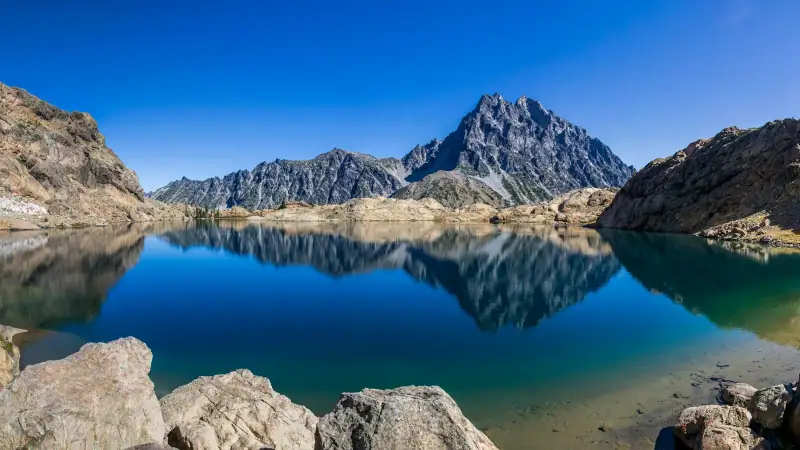
Budget for a trip to the Pyrenees: real costs and 3 priced profiles
What budget for the Pyrenees? Costs by item (lodging, transport, meals, activities), three priced traveler profiles and tips to spend less.
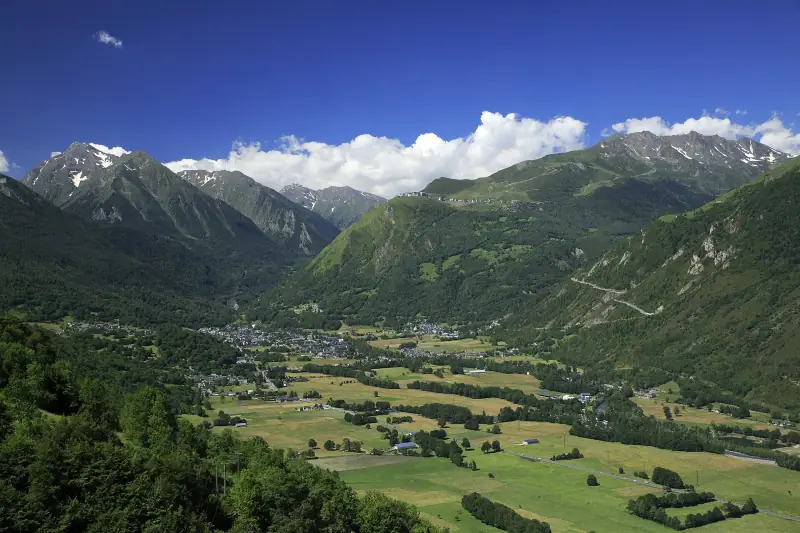
What to see in the Aure valley: Saint-Lary, Néouvielle, Arreau and villages of character
What to see in the Aure valley (Hautes-Pyrénées): Saint-Lary-Soulan, Néouvielle reserve, Arreau, Sarrancolin, Aragnouet and passes.
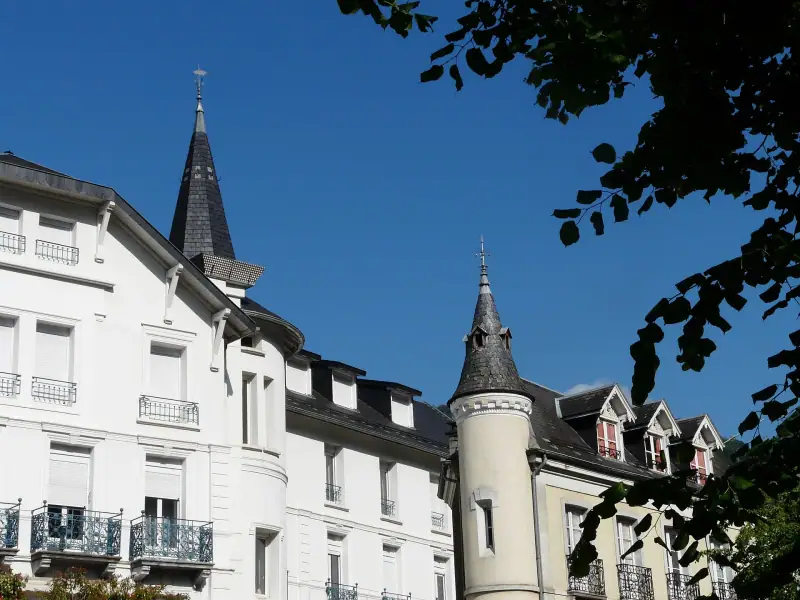
Where to stay in Bagnères-de-Luchon: neighborhoods, nearby villages and types of accommodation
Where to stay in Bagnères-de-Luchon? Spa center, Saint-Mamet, Montauban, Lys valley, Superbagnères: areas, hotels, gîtes, campsites and tips compared.
Ready-made
Pyrenees itineraries
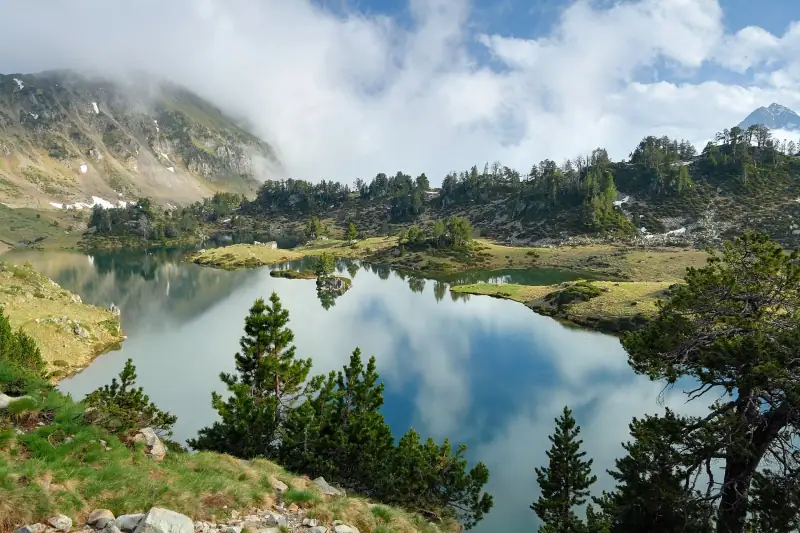
7 days
Hautes-Pyrénées and Ariège in one week by car: is the itinerary doable?
CauteretsBagnères-de-LuchonFoix
Can be adapted in the planner
5 days
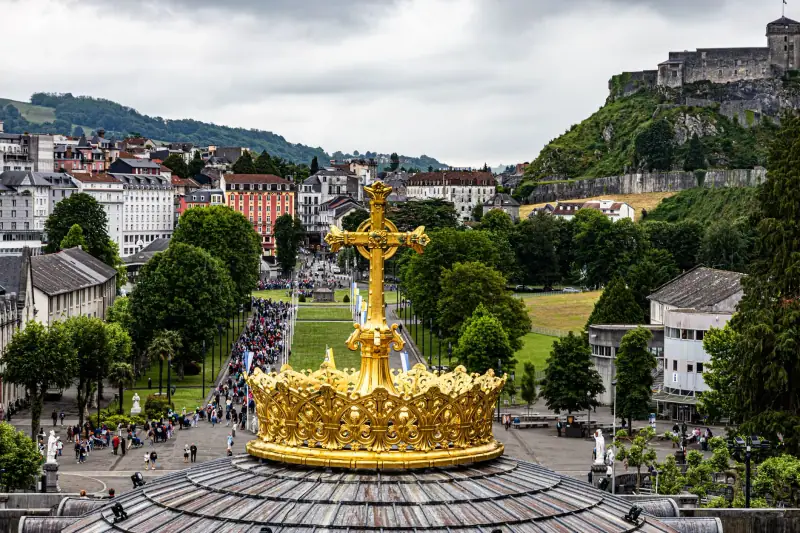
5 days in the Hautes-Pyrénées: an itinerary through Lourdes, Cauterets and Gavarnie
CauteretsLuz-Saint-Sauveur
Can be adapted in the planner
4 days
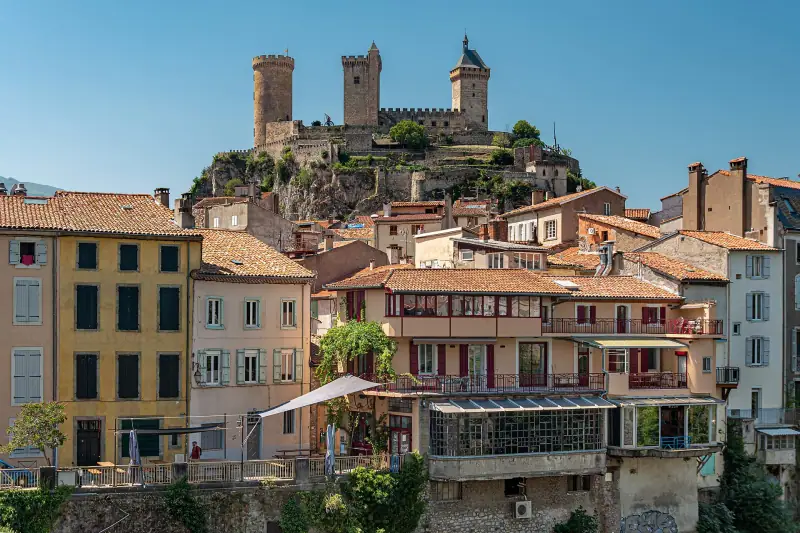
4-day road trip in Ariège and the Cerdagne: Foix, Montségur, Ax-les-Thermes, Font-Romeu
FoixAx-les-ThermesFont-Romeu
Can be adapted in the planner