Itineraries
4-day road trip in Ariège and the Cerdagne: Foix, Montségur, Ax-les-Thermes, Font-Romeu
We may earn a commission when you book through links on this page, at no extra cost to you. We don't visit or try the places we cover: we summarize published sources. How we work
Day by day
- Day 1Foix castle and old town, prehistoric sites near Tarascon
- Day 2Montségur fortress, then the road to Ax-les-Thermes
- Day 3Ax-les-Thermes baths, then drive to Font-Romeu
- Day 4Odeillo solar furnace, Bouillouses lakes, Yellow Train
Where to sleep
- Foix1 night
- Ax-les-Thermes1 night
- Font-Romeu1 night
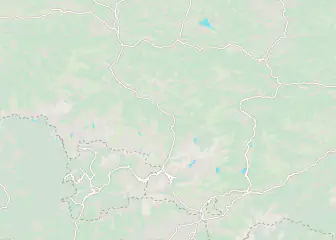
Opens the trip planner with these stops and nights already filled in. Add a stop, drop one or change the nights.
In short
- Four days by car link Foix, Montségur, Ax-les-Thermes and Font-Romeu, with well under 200 km (124 mi) of driving a day.
- A car is strongly recommended: public transport serves isolated sites (caves, fortress, plateaus) poorly.
- Best from May to October; June and September combine good weather and moderate crowds.
- Book decorated caves and some guided visits ahead, especially in July and August.
Ariège and the Cerdagne make up one of the best playgrounds in the Pyrenees for a road trip. In a few hours of driving, you go from a medieval town dominated by its towers to a fortress perched on its rocky “pog,” then from a spa town nestled in the valley to a high plateau bathed in light where the sun shines more than 300 days a year, so they say locally. Crowds are smaller than around Gavarnie or the Pic du Midi, and the variety of landscapes is remarkable.
This 4-day driving itinerary links Foix, Montségur, Ax-les-Thermes and Font-Romeu. It mixes heritage, prehistory, nature, spa relaxation and mountain food. Distances are deliberately reasonable (well under 200 km / 124 mi a day) to leave time for visits. The drive times given are rough estimates: on mountain roads, always add a buffer.
Before you go: organizing your road trip
When to go? May to October are the most comfortable months. In summer, lakes and plateaus are accessible; in autumn, the light is superb. The guide when to go to the Pyrenees details the seasons, the risk of snow on the passes and crowds.
Which vehicle? A standard car is enough in summer. Roads are good but winding, with sections at altitude. Plan to fill up before the most isolated areas, and keep water and snacks in the trunk. To learn everything about cars, trains and buses in the range, see the article on how to get around the Pyrenees.
Book ahead. Decorated caves, some guided visits and popular lodgings quickly fill up in July and August. Also book a car in advance if you arrive by train or plane.
The principle of the itinerary:
- Day 1: Foix and the Ariège valley, between castle and prehistory.
- Day 2: Montségur, then the road to Ax-les-Thermes.
- Day 3: Ax-les-Thermes, its baths, and the climb to the Cerdagne.
- Day 4: Font-Romeu, Odeillo and the plateau landscapes.
Day 1: Foix, the town of the counts, and the valley’s prehistory
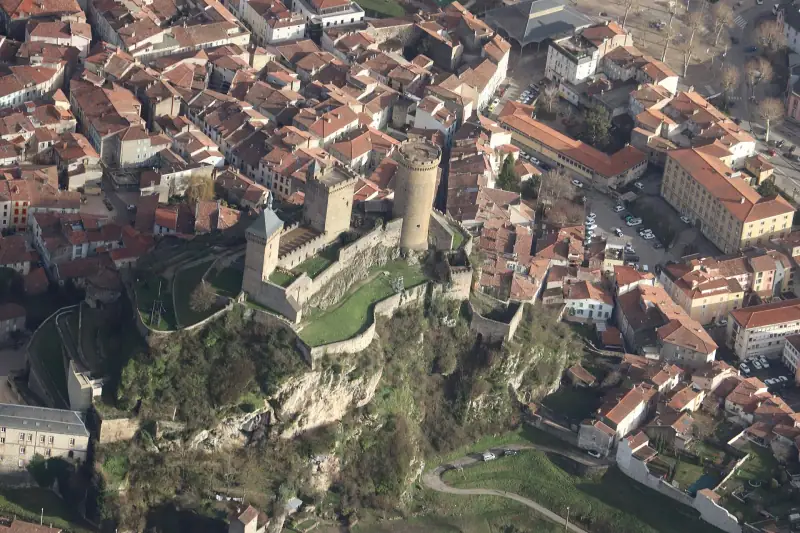
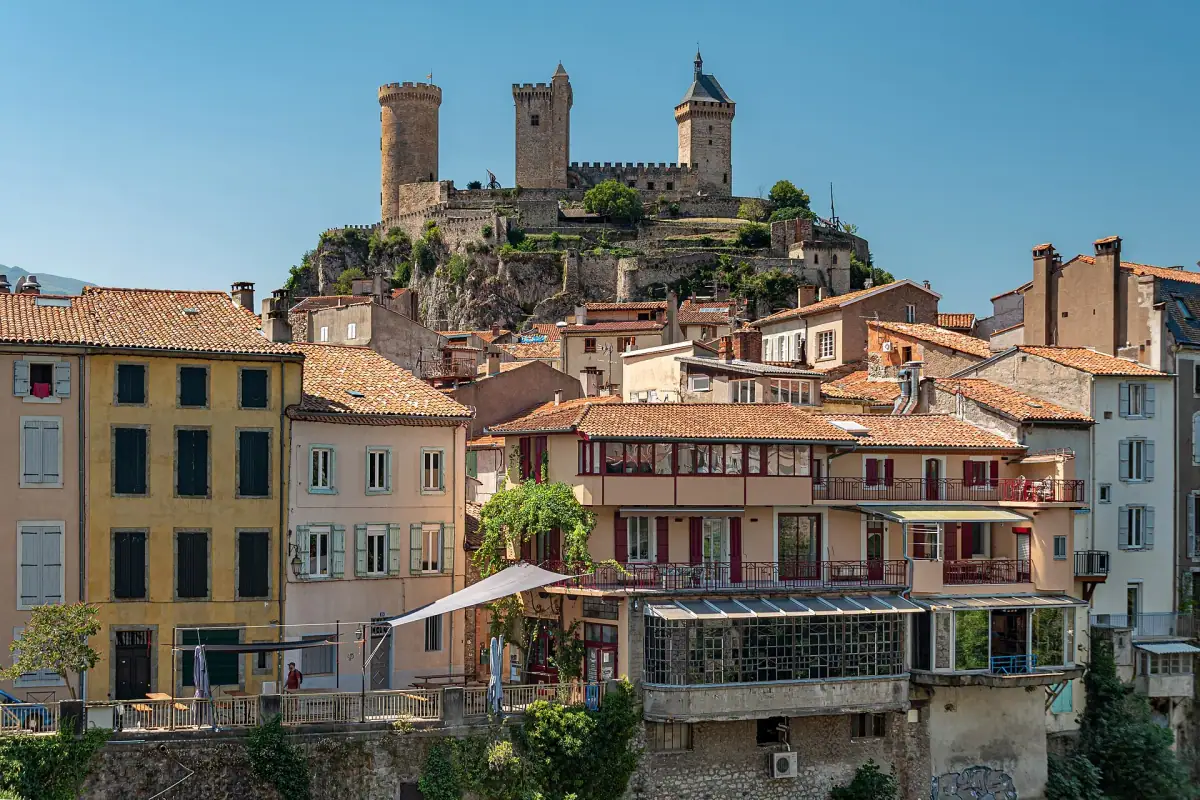
Foix is the ideal gateway to this road trip. The departmental capital of Ariège is a small, human-scale town dominated by its castle, perched on a rock and recognizable by its three towers. It was long the residence of the Counts of Foix and today houses a museum devoted to the history of the place and the region.
Morning: the castle and the old town. Go up to the castle early to enjoy the views over the town and the first foothills of the Pyrenees, then come back down to wander the lanes of the old town. Allow half a day for this visit, longer if you like museums. The castle’s hours vary by season: check them before you leave.
Afternoon: heading into prehistory. The upper Ariège valley is among the richest prehistoric territories in Europe. Going up the valley south of Foix, you reach the Tarascon-sur-Ariège area, from where several cave sites are accessible. Depending on your wishes, you can:
- visit a decorated cave if you have booked ahead;
- discover a prehistory park or museum, very educational for families;
- take a walk along the Ariège to get some air between two visits.
To learn more about the richness of this heritage, read the guide Foix, Montségur and the caves of Ariège, which covers the key sites.
Evening. Come back to sleep in Foix, which offers a good choice of lodging and restaurants. It is a chance to taste the first local specialties: cured meats, cow’s and goat’s cheeses, river trout. Avoid overly long menus, often a sign of frozen products.
Sleeping in Foix and Ariège
Compare hotels, guesthouses and gîtes around Foix for the start of your trip.
Day 2: Montségur and the road to Ax-les-Thermes
The second day is devoted to one of the most history-laden places in the Southwest: Montségur. The fortress perched on its rocky “pog” is inseparable from the history of Catharism and the siege of 1243-1244. The place is impressive, as much for its site as for its history.
The drive. From Foix, allow about an hour by road to reach the village of Montségur, crossing landscapes of hills and forests. Set out early in the morning: the climb to the fortress takes energy and is best avoided in the hottest hours.
The visit. A steep but short path leads to the ruins from the village. Bring good shoes and water. At the top, the view of the surrounding mountains is superb. A small museum in the village completes the visit by retracing the history of the place and the archaeological digs.
Lunch. Stay in the village or its surroundings for a simple meal of local products. Regional fixed-price menus are generally a good deal in this part of Ariège.
Afternoon: heading to Ax-les-Thermes. Take the road southeast to Ax-les-Thermes. The drive is on mountain roads: allow a good hour to an hour and a half with stops, and enjoy the viewpoints. Settle in when you arrive and go for a first stroll in town.
Evening. Ax-les-Thermes is a spa town, and the atmosphere is relaxed. Hot springs flow right into the street, which gives the town a unique charm.
Day 3: Ax-les-Thermes, baths and the climb to the Cerdagne
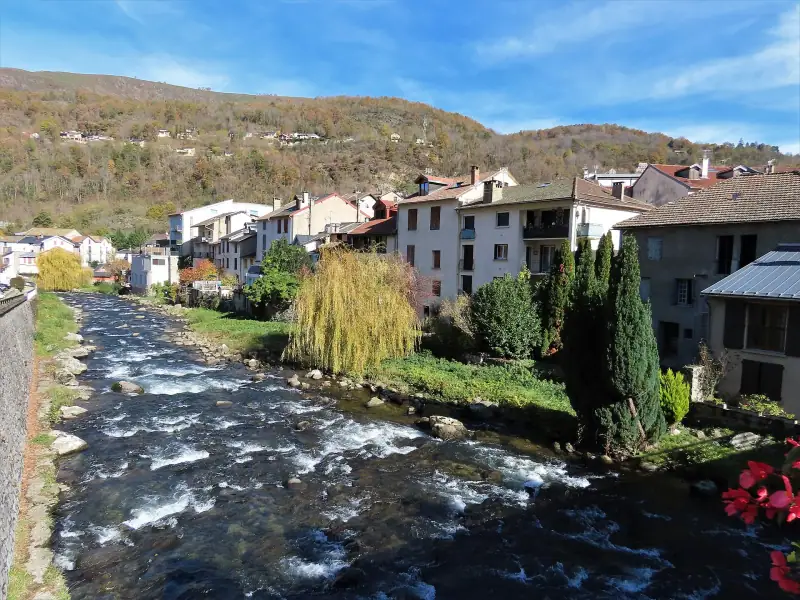
Morning: taking the waters. Ax-les-Thermes has several dozen hot springs whose water is rich in sulfur. You can:
- soak your feet in the Bassin des Ladres, a hot-water basin in the middle of town, a simple and free experience;
- enjoy a bathing area or a thermal treatment establishment, especially pleasant in rain or cool weather;
- wander the streets and buy a few regional products.
Take your time: after two days of visits and driving, a morning of relaxation does you good. In winter, the spa atmosphere is an asset, as the article on winter activities in the Pyrenees details.
Nature option. If you prefer to move, upper Ariège offers many trails around Ax-les-Thermes and on the neighboring plateaus. Choose a walk suited to your level and check the weather before setting out.
Afternoon: heading to the Cerdagne. Leave Ax-les-Thermes toward Font-Romeu. The drive crosses high-altitude landscapes that change as you reach the Cerdagne plateau. Allow about an hour and a quarter to an hour and a half, depending on traffic and season. Roads are well maintained, but check road conditions in winter.
Activities and excursions in the Pyrenees
Guided hikes, baths, visits and experiences to book in advance.
Evening in Font-Romeu. This mountain resort, set at altitude on the Cerdagne plateau, enjoys exceptional sunshine. Settle in, have a drink on a terrace if the weather allows, and try mountain Catalan cooking: cargolade, trinxat, crème catalane. The guide to Pyrenean food specialties details these dishes.
Day 4: Font-Romeu, the solar furnace and the plateau landscapes
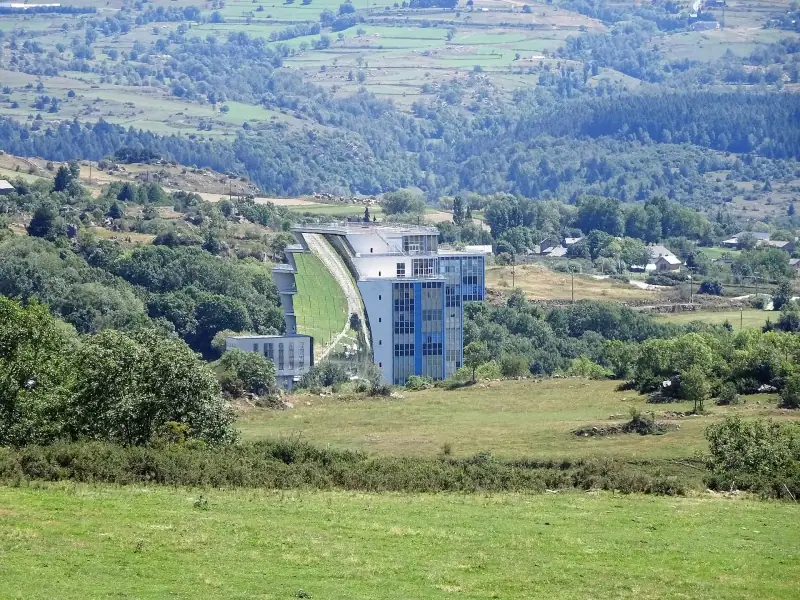
The last day is devoted to the Cerdagne plateau and its unique assets.
The Odeillo solar furnace. Near Font-Romeu, the village of Odeillo is home to a huge solar furnace, a scientific installation that concentrates the sun’s energy with a large parabolic mirror. It is open to visitors, with a presentation space that explains how it works. It is an unusual visit, enjoyed by young and old.
A walk on the plateau. The Cerdagne plateau and the Capcir offer many easy trails, among mountain pines, lakes and high meadows. The Bouillouses lakes, a much-loved natural site, are among the region’s classic excursions. Access by car may be regulated in season, sometimes with shuttles: ask the tourist office before you go.
The Yellow Train. To vary the pleasures, consider the famous Yellow Train, which crosses the Cerdagne on a spectacular mountain line. A portion of the ride is enough to enjoy the scenery without driving: a welcome break for the driver.
Last meal. End the trip with a Catalan meal: the plateau is ideal for a final tasting of local products, cheeses and Roussillon wines.
The return. Depending on your starting point, you can return through the Cerdagne or come back through Ariège. Check travel times and road conditions before setting out, especially in winter and during holidays.
Adapting the itinerary to your stay
If you have only 3 days. Drop the spa day in Ax-les-Thermes and combine Foix and Montségur on the first day, then reach the Cerdagne on the second and keep the last day for Font-Romeu and the plateau.
If you have 5 days or more. Add an extra night in Ax-les-Thermes to explore the high-altitude trails, or a hiking day on the Ariège plateaus. You can also lengthen the stay in Foix to visit more prehistoric sites.
With family. Castles, caves, baths and trains delight children. Limit drives to 1 h 30 at most and plan regular breaks.
In winter. The road trip is possible, but snow can complicate mountain roads. Prefer a more static stay, with a base in Ax-les-Thermes or Font-Romeu and days of skiing, snowshoeing or spas.
Budget and practical tips
Accommodation. It is the first expense. Guesthouses and gîtes generally offer good value. Book early for July and August.
Food. Regional fixed-price menus are often cheaper than the à la carte menu. Also consider markets and picnics for lunch.
Visits. Site admissions are generally affordable, but some visits (decorated caves, guided experiences) require a reservation. Check hours and rates on official websites: they change from one season to the next.
Car. If you come without a vehicle, compare rental companies from the airport or the station where you arrive.
Sleeping in Font-Romeu and the Cerdagne
Hotels and chalets on the plateau for your last nights.
Safety. In the mountains, the weather changes fast. Tell someone your itinerary, bring warm clothes even in summer and do not commit to a high-altitude trail without checking the forecast.
Respect for the places. Take your trash with you, stay on the trails and do not pick protected plants. If you gather mushrooms, have your harvest checked before eating it.
In short
This 4-day road trip between Foix, Montségur, Ax-les-Thermes and Font-Romeu offers a balanced overview of Ariège and the Catalan Pyrenees: medieval history, prehistory, spas, sunny plateaus and regional cooking. It is done at an unhurried pace, with short stages and well-placed lodgings. If you want to complete your stay with the Hautes-Pyrénées, the simplest is to devote a second trip to it, with the 5-day itinerary in the Hautes-Pyrénées.
Frequently asked questions
Do you need a car for this road trip in Ariège and the Cerdagne?
It is strongly recommended. Distances between Foix, Montségur, Ax-les-Thermes and Font-Romeu are modest, but public transport serves isolated sites (caves, fortress, plateaus) poorly. A car gives you the freedom to stop and adapt the program to the weather.
What is the best time of year for this itinerary?
From May to October, roads are clear and sites are open. June and September combine good weather and moderate crowds. Summer is ideal for high lakes, autumn for colors and mushrooms. In winter, some passes may require equipment: check road conditions before you go.
What budget should you plan for 4 days?
The budget depends mainly on lodging and season. Site admissions are generally modest, regional cooking offers good fixed-price menus, and fuel is a reasonable item given the distances. Compare lodgings in advance, especially in July and August.
Do you need to book the prehistoric caves?
Yes. For decorated caves with limited attendance, booking is strongly advised, even mandatory, especially in summer and during school holidays. See each cave's official website for hours and visiting conditions.
Can you do this itinerary with children?
Yes. The Foix castle, the prehistory sites, the Odeillo solar furnace, the thermal baths and the Yellow Train appeal to children. Just avoid long high-altitude hikes if the youngest are not used to them, and plan breaks on winding roads.
Can you extend the trip to the Hautes-Pyrénées?
Yes, but allow a day of driving between Ariège and Cauterets or Gavarnie. It is better to treat the two areas as two separate stays. For the Hautes-Pyrénées, the 5-day itinerary in the Hautes-Pyrénées offers a complete program.
Where should you sleep to limit driving?
A base in Foix for the first two days, then a base in Ax-les-Thermes or Font-Romeu for the rest, means changing lodging only once or twice. Short stages leave more time for visits.
More Pyrenees guides
Keep reading
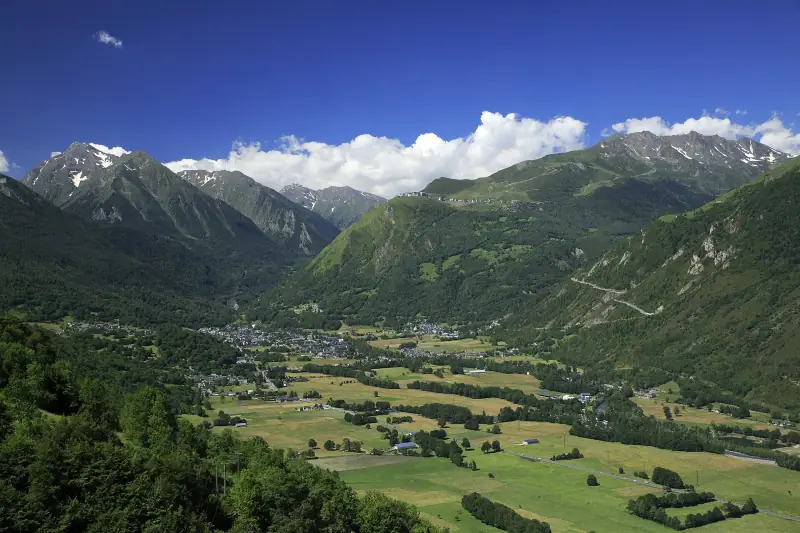
What to see in the Aure valley: Saint-Lary, Néouvielle, Arreau and villages of character
What to see in the Aure valley (Hautes-Pyrénées): Saint-Lary-Soulan, Néouvielle reserve, Arreau, Sarrancolin, Aragnouet and passes.
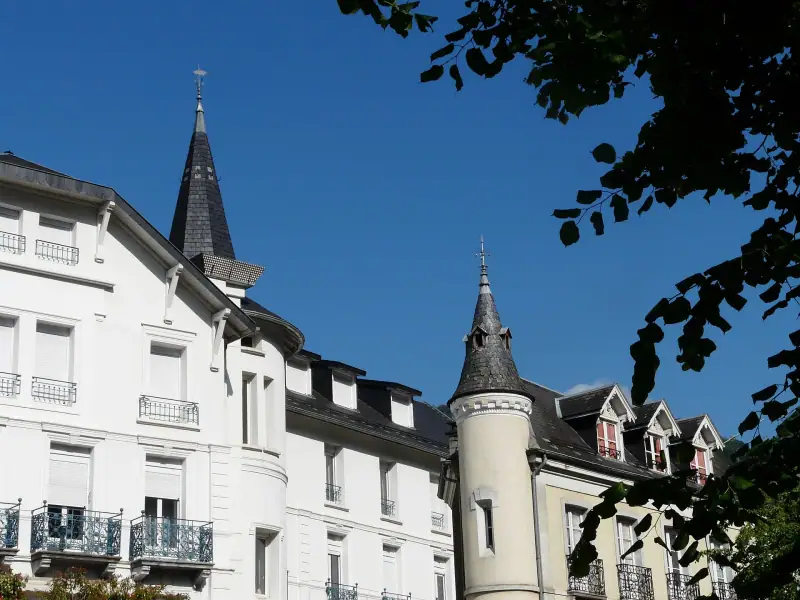
Where to stay in Bagnères-de-Luchon: neighborhoods, nearby villages and types of accommodation
Where to stay in Bagnères-de-Luchon? Spa center, Saint-Mamet, Montauban, Lys valley, Superbagnères: areas, hotels, gîtes, campsites and tips compared.
Budget for a trip to the Pyrenees: real costs and 3 priced profiles
What budget for the Pyrenees? Costs by item (lodging, transport, meals, activities), three priced traveler profiles and tips to spend less.
Ready-made
Pyrenees itineraries
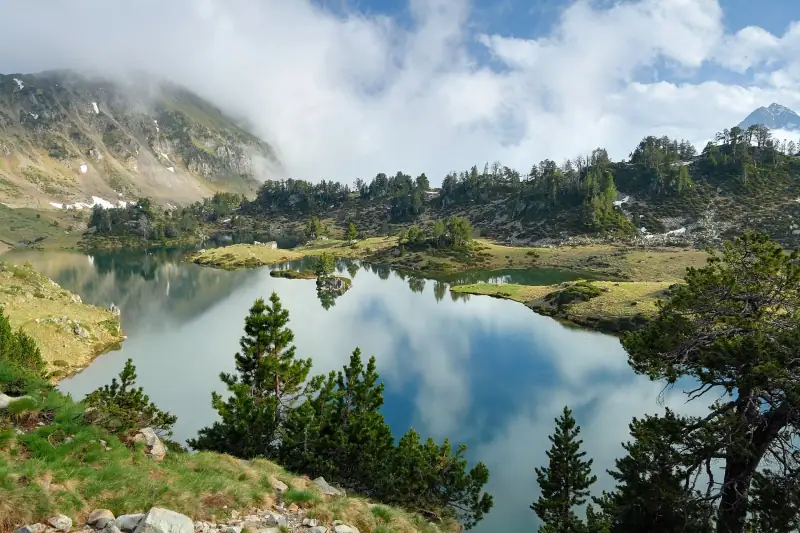
7 days
Hautes-Pyrénées and Ariège in one week by car: is the itinerary doable?
CauteretsBagnères-de-LuchonFoix
Can be adapted in the planner

5 days
5 days in the Hautes-Pyrénées: an itinerary through Lourdes, Cauterets and Gavarnie
CauteretsLuz-Saint-Sauveur
Can be adapted in the planner