Itineraries
5 days in the Hautes-Pyrénées: an itinerary through Lourdes, Cauterets and Gavarnie

We may earn a commission when you book through links on this page, at no extra cost to you. We don't visit or try the places we cover: we summarize published sources. How we work
Day by day
- Day 1Lourdes sanctuaries and castle, then drive to Cauterets
- Day 2Pont d'Espagne and the walk to Lac de Gaube
- Day 3Move to Luz-Saint-Sauveur, then Cirque de Gavarnie
- Day 4Col du Tourmalet, La Mongie and the Pic du Midi
- Day 5Free day around Luz: hike, village, spa or adventure sports
Where to sleep
- Cauterets2 nights
- Luz-Saint-Sauveur3 nights
Opens the trip planner with these stops and nights already filled in. Add a stop, drop one or change the nights.
In short
- Five days by car with two bases: two nights in Cauterets, then three nights around Luz-Saint-Sauveur.
- Main outings: Pont d'Espagne and Lac de Gaube, the Cirque de Gavarnie, the Col du Tourmalet and the Pic du Midi (about 2,900 m / 9,500 ft).
- Best from June to September, when high roads, lifts and trails are open. June and September are calmer.
- Mountain roads are slow, so add a time buffer. Some high roads close in winter: check before you go.
The Hautes-Pyrénées pack some of the range’s most spectacular scenery into a fairly compact area: a glacial cirque listed by UNESCO, waterfalls tumbling out of conifer forests, an observatory perched at nearly 2,900 meters (9,500 ft) and spa towns with a slightly old-fashioned charm. It is an ideal setting for a first stay in the Pyrenees, as long as you organize your days well.
This five-day itinerary is designed for a car and a reasonable pace: one or two big outings a day, short drives and only two bases to sleep. It starts in Lourdes, which is easy to reach, and goes through Cauterets, Gavarnie, Luz-Saint-Sauveur and the Pic du Midi. Drive times are given as a guide: on mountain roads, always add a buffer.
Before you go: organizing your stay
When to go? This itinerary works best from June to September. High roads are open, lifts are running and most trails are clear. July and August are the busiest months, especially in Gavarnie; June and September offer a good compromise between stable weather and moderate crowds. To compare the seasons month by month, read the guide to when to go to the Pyrenees.
How to get there? Lourdes is the simplest gateway: the town has a train station and a regional airport, and sits at the entrance to the valleys. From there, a car remains the most flexible way to reach the mountain villages and trailheads.
What to pack? Even in midsummer, mountain weather changes fast. Bring good walking shoes, a waterproof jacket, a warm layer, water, sunscreen and a snack. At the top of the Pic du Midi it is much cooler than in the valley.
The principle of the itinerary. You sleep two nights in Cauterets, then three nights around Luz-Saint-Sauveur, an excellent starting point for Gavarnie and the Tourmalet. This setup limits hotel changes and leaves time to enjoy each place.
Day 1: Lourdes and the road to Cauterets

Start your stay in Lourdes, one of Europe’s largest pilgrimage sites. Even if you are not religious, a visit to the sanctuary grounds beside the Gave de Pau leaves an impression with its scale and atmosphere. The castle that overlooks the town houses a museum devoted to Pyrenean life and offers a fine view of the town and the first mountains.
Allow the morning for the visit, then have lunch there before taking the road to Cauterets. The distance is modest, about 30 km (19 mi), but the road climbs the valley and passes through several villages: allow roughly 45 minutes to an hour.
Once in Cauterets, settle in and stroll around the center. This former spa town has kept a pleasant resort atmosphere, with its facades, lively streets and thermal establishments. At the end of the day, an easy walk in town or a visit to a thermal center is a good way to relax before the next day’s outings.
Sleeping in Cauterets
Hotels, gîtes and chalets close to the trails and the spas.
Day 2: the Pont d’Espagne and Lac de Gaube
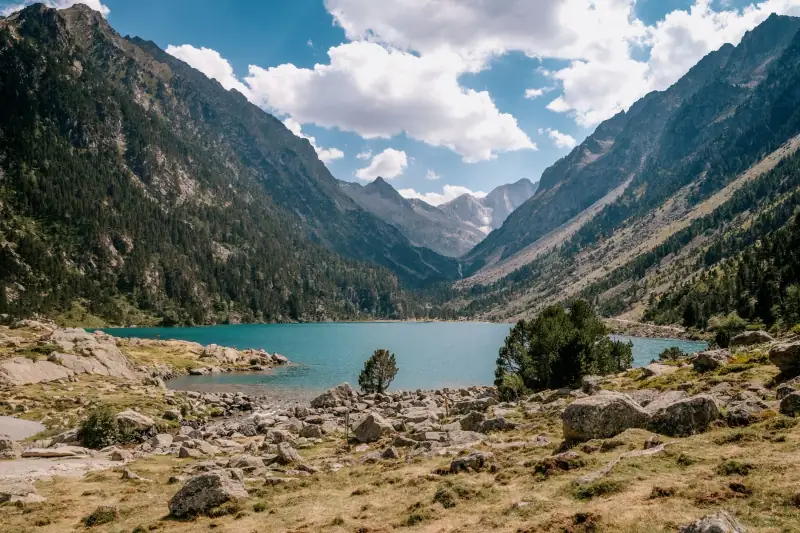
The second day is devoted to the mountains around Cauterets. Set out early for the Pont d’Espagne, at the head of the valley, a few kilometers from town. The site, inside the Pyrenees National Park, brings together waterfalls, torrents, fir forests and views of the peaks. Depending on the season, a shuttle or lift system makes it easier to reach the start of the trails: ask there.
The classic outing is the walk to Lac de Gaube. The path climbs steadily, first through forest and then over more open ground, and ends at a lake of colorful water overlooked by the north face of the Vignemale, one of the range’s great summits. Allow roughly one to one and a half hours to climb, depending on your pace, then return the same way. The route is accessible to most walkers in good condition, but it is still mountain terrain: good shoes and a checked forecast.
For a calmer program, you can limit yourself to the waterfalls near the parking lot, all reached by short paths. For more outing ideas around Cauterets and elsewhere in the Pyrenees, see the selection of the best hikes in the Pyrenees.
Late in the afternoon, back in Cauterets, treat yourself to some relaxation: thermal baths, a walk in town or a drink on a terrace. It is also the time to try local specialties; the dishes not to miss are covered in the guide to Pyrenean food specialties.
Day 3: Luz-Saint-Sauveur and the Cirque de Gavarnie
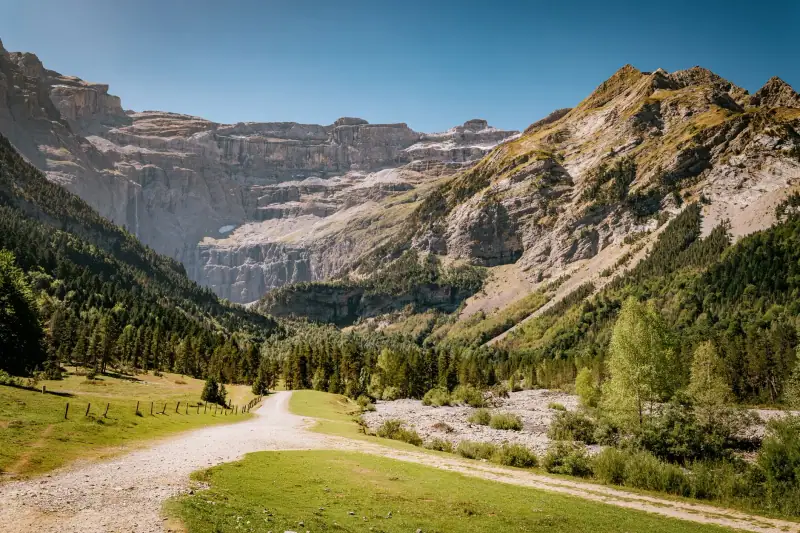
Leave Cauterets for Luz-Saint-Sauveur, where you will spend the next three nights. The drive is fairly short, about half an hour to 40 minutes. Luz is an authentic town known for its fortified church, and a good base for exploring Gavarnie, the Tourmalet and the neighboring valleys. Drop your bags, then take the road to Gavarnie.
The village of Gavarnie is about 20 km (12 mi) from Luz. Park at the entrance, then follow the wide path that leads to the foot of the Cirque de Gavarnie. The walk takes about an hour and a half each way, with no technical difficulty, but it is steady: bring water and suitable shoes. The cirque, an immense half-circle wall of rock, is a UNESCO World Heritage Site together with Mont Perdu. It is home to one of Europe’s highest waterfalls, the Grande Cascade, which drops more than 400 meters (1,310 ft) when the flow is strong enough.
To avoid the crowds, favor early morning or late afternoon, and weekdays rather than weekends. Another option is to take a horse or a donkey for part of the path, an activity offered locally in season.
Guided hikes and nature outings
With a professional, discover the cirques and lakes in safety.
Day 4: the Col du Tourmalet and the Pic du Midi
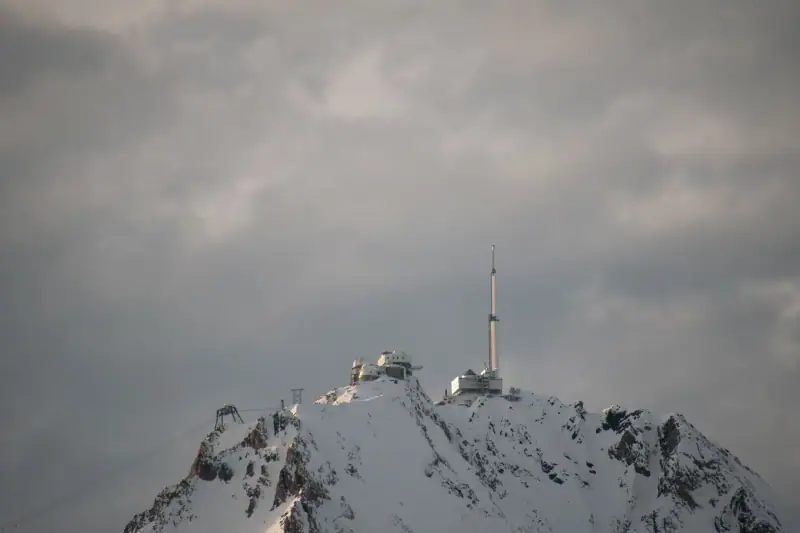
This day is devoted to one of the most emblematic sites in the Pyrenees: the Pic du Midi de Bigorre. From Luz-Saint-Sauveur, the road climbs to the Col du Tourmalet, famous for its appearances in the Tour de France. The drive is winding, with magnificent views of the valleys and ridges. In summer the pass is open, but the opening depends on snow cover during the rest of the year: check the road status before you leave.
On the other side of the pass you descend to La Mongie, a ski resort that becomes a summer starting point. This is where the cable car to the Pic du Midi departs; the peak reaches about 2,900 meters (9,500 ft). At the top, an astronomical observatory, panoramic terraces and a museum offer a spectacular view of the range in clear weather. The site is also known for its stargazing nights, with stay packages to be booked in advance.
A few practical tips: book your ticket in advance in high season, leave early, dress warmly, and check the weather on the day. If the summit is in cloud, postpone the visit to the next day if your schedule allows, rather than paying for a blocked view.
On the way back you can stop at Bagnères-de-Bigorre or return straight to Luz by the same road, enjoying the late-day light on the ridges.
Day 5: a free day around Luz-Saint-Sauveur
The last day is deliberately more flexible. The area around Luz-Saint-Sauveur offers several options depending on your energy and the weather.
For walkers, a mid-mountain hike in the neighboring valleys shows another face of the Pyrenees, often calmer than the major sites. The Luz tourist office, or a local guide, can suggest trails suited to your level and the season.
For the curious, the village of Luz and its fortified church are worth a visit, as are the local markets, where you will find cheeses, cured meats and regional products to take home.
For relaxation, the region’s thermal centers, including those in Cauterets and Barèges, offer baths and treatments after several days of walking. Book ahead in high season.
For thrill seekers, several local operators offer canyoning, rafting, via ferrata or paragliding in season. Always check that the operator is certified and find out about weather conditions.
It is also the right day to accommodate the unexpected: an outing postponed because of the weather, a site you did not have time to visit, or simply a pause by the river.
Budget and practical information: what to know
Accommodation. Prices vary strongly by season: July and August, as well as school holidays, are the most expensive and busiest periods. Book early, especially small hotels and valley gîtes, which fill up quickly. Outside those periods you will have more choice and flexibility.
Transport. A car is the most practical option. Build some slack into your schedule: mountain roads are winding and average speeds are low. Fill up before heading into the valleys, where gas stations are scarcer. In winter, check traffic conditions and any equipment requirements.
Food. Local specialties, such as garbure (a hearty cabbage and meat soup), sheep’s cheeses or Bigorre black pork, are worth the detour. Small village restaurants are generally more affordable than those in the big resorts in high season.
Safety. Always tell someone your itinerary, check the weather before each outing and do not hesitate to turn back if conditions worsen. In a mountain emergency, call 112.
Mobile coverage. In some valleys, coverage is limited. Check your carrier’s international plan or use a travel eSIM, download offline maps and keep a backup battery.
Adapting the itinerary to your profile
With children. Replace the climb to Lac de Gaube with the waterfalls near the Pont d’Espagne and favor short walks. The Pic du Midi is a great family experience, but dress the children warmly. Plan regular breaks on the winding roads.
As a couple. Add a spa evening in Cauterets or a night at altitude for stargazing. Choose charming places to stay in the villages to enjoy the calm atmosphere.
As an experienced hiker. Replace the free day with a more ambitious outing around Gavarnie, with a high-mountain guide if the route is committing or if snowfields remain.
If the weather is bad. Keep indoor activities in reserve: spas, museum visits, tastings of local products, or a visit to Lourdes. The mountains are easy to make up for; safety is not.
Sleeping in Luz-Saint-Sauveur
An ideal base for Gavarnie, the Tourmalet and the Pic du Midi.
Going further
If you have a few extra days, several extensions are possible from the Hautes-Pyrénées. The Aure valley, with the resort of Saint-Lary, opens onto the Néouvielle massif and its many lakes. Bagnères-de-Luchon, farther east, has a spa-town atmosphere and greener valleys. In Ariège, Foix and Ax-les-Thermes reveal another side of the Pyrenees, more focused on history and caves.
Whatever you choose, keep the same principle: few bases, days built around one major site, and some slack for the weather. It is the best way to enjoy the Pyrenees without wearing yourself out on the roads.
Sources
- Pic du Midi de Bigorre: figures checked November 2026
Frequently asked questions
How many days do you need to visit the Hautes-Pyrénées?
Five days let you see the big classics without rushing: Cauterets and the Pont d'Espagne, the Cirque de Gavarnie, the Pic du Midi and a freer day around Luz-Saint-Sauveur. With three days you have to make choices; with a week you can add the Aure valley or Luchon.
Do you need a car for this itinerary?
It is the most practical way. A few buses serve the valleys, but timetables are limited and trailheads are often far from the villages. With a car you can handle the early starts that are essential in summer.
What is the best time of year for this itinerary?
From June to September, when high roads, lifts and trails are accessible. June and September are the quietest months. See the guide to the seasons to fine-tune your choice.
Can you visit the Pic du Midi in bad weather?
Better to avoid it: if the summit is in cloud, the view will be blocked. Check the weather and the site's opening conditions on the day, and keep a spare day in your plan so you can postpone the visit.
Is this itinerary suitable for children?
Yes, if you adapt the pace. The walk to the Cirque de Gavarnie, the Cauterets waterfalls and the Pic du Midi can be done as a family. Bring warm clothes even in summer for the summit, and plan frequent breaks on the winding roads.
Where should you sleep to limit driving?
Two bases are enough: Cauterets for the first two nights, then Luz-Saint-Sauveur or the surrounding area for the rest. You avoid repacking every day while staying close to the major sites.
Are the mountain roads difficult to drive?
They are winding and sometimes narrow, but well maintained. Expect a low average speed and avoid driving at night in bad weather. Some high roads are closed in winter: find out before you leave.
More Pyrenees guides
Keep reading
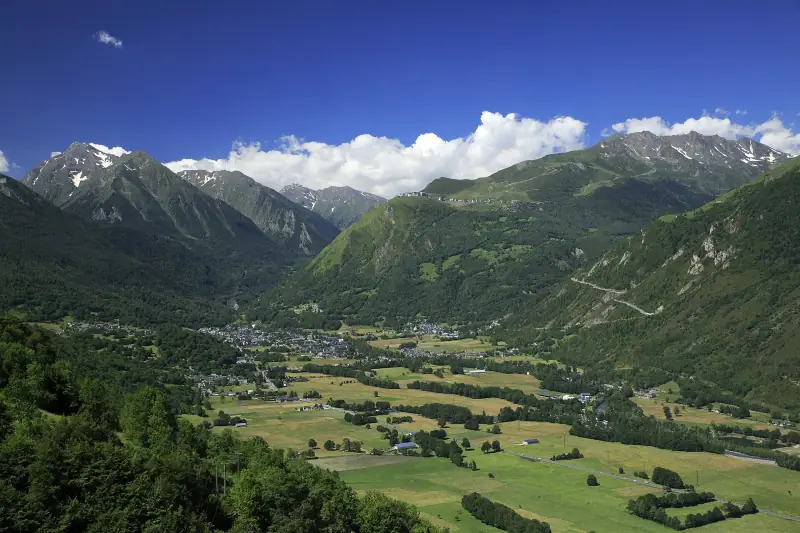
What to see in the Aure valley: Saint-Lary, Néouvielle, Arreau and villages of character
What to see in the Aure valley (Hautes-Pyrénées): Saint-Lary-Soulan, Néouvielle reserve, Arreau, Sarrancolin, Aragnouet and passes.
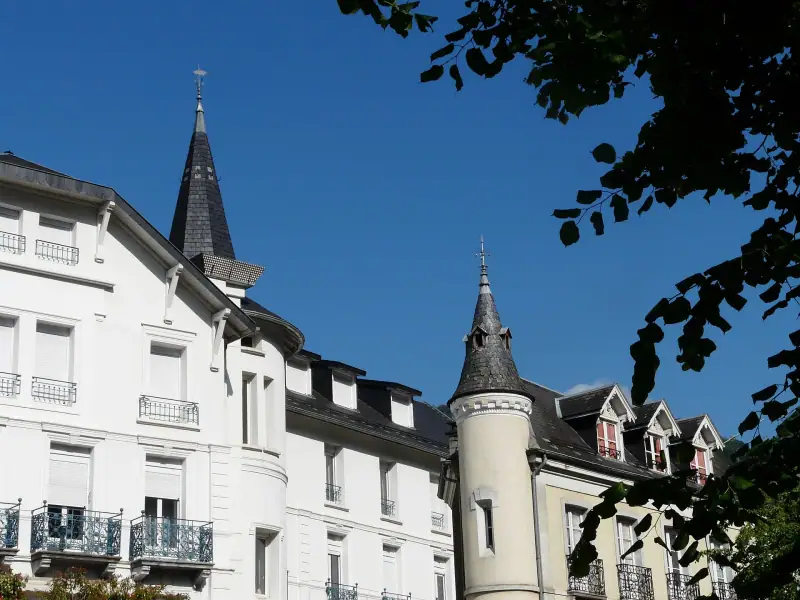
Where to stay in Bagnères-de-Luchon: neighborhoods, nearby villages and types of accommodation
Where to stay in Bagnères-de-Luchon? Spa center, Saint-Mamet, Montauban, Lys valley, Superbagnères: areas, hotels, gîtes, campsites and tips compared.
Budget for a trip to the Pyrenees: real costs and 3 priced profiles
What budget for the Pyrenees? Costs by item (lodging, transport, meals, activities), three priced traveler profiles and tips to spend less.
Ready-made
Pyrenees itineraries
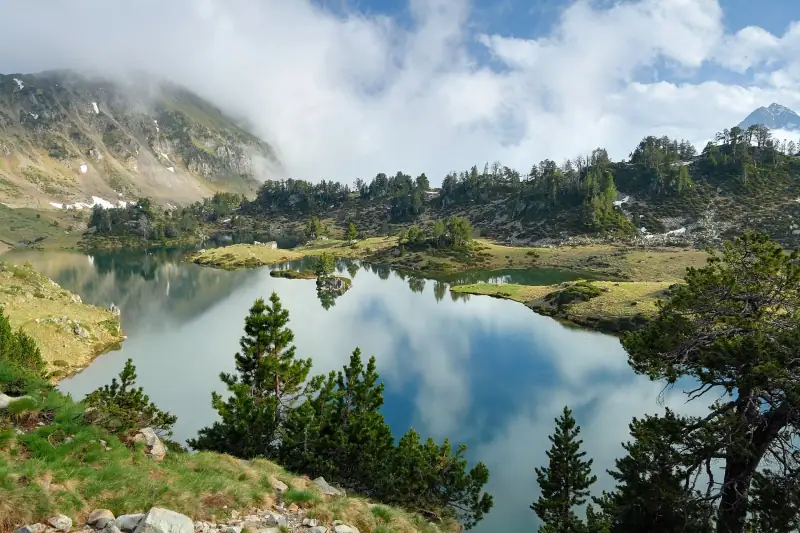
7 days
Hautes-Pyrénées and Ariège in one week by car: is the itinerary doable?
CauteretsBagnères-de-LuchonFoix
Can be adapted in the planner

4 days
4-day road trip in Ariège and the Cerdagne: Foix, Montségur, Ax-les-Thermes, Font-Romeu
FoixAx-les-ThermesFont-Romeu
Can be adapted in the planner