Where to stay
Where to Stay in Toruń: Neighborhoods and Types of Accommodation
We may earn a commission when you book through links on this page, at no extra cost to you. We don't visit or try the places we cover: we summarize published sources. How we work
In short
- The Old Town (Stare Miasto) is the simplest choice: Market Square, Copernicus' house, Gothic churches and restaurants are on foot; the New Town is slightly calmer.
- The main station, Toruń Główny, is on the other bank of the Vistula from the Old Town; Toruń Miasto station is closer to the historic center.
- One night lets you enjoy the Old Town in the evening; two nights give time to visit without rushing and add a museum or a gingerbread workshop.
- Summer weekends, long weekends and the Christmas market period raise demand in the center: book early, with free cancellation if possible.
Toruń can be visited quickly, but it is best savored by spending the night. Once the day’s crowd has left, the brick façades, Gothic granaries and cobbled lanes of the old town regain a rare calm. What remains is choosing where to sleep: within the walls, in the New Town, on the Vistula bank or on the other side of the river, facing the city’s skyline.
This guide compares Toruń’s main areas, then the types of accommodation found there: charming hotels, apartments, hostels, guesthouses. No specific establishment is named, since availability, prices and reviews change from one season to the next: the safest approach is to compare when you book. To decide what you will do there, first see our guide on what to see in Toruń.
How Toruń’s geography works
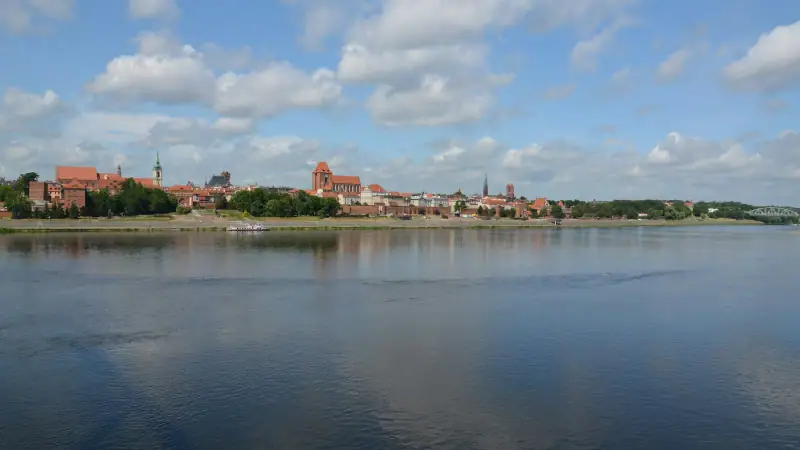
Toruń spreads across both banks of the Vistula. On the right bank are the historic heart, listed by UNESCO, and its two parts: the Old Town (Stare Miasto) and the New Town (Nowe Miasto), founded separately in the Middle Ages and each centered on a large square. The ruins of the Teutonic castle lie between the two and along the river.
On the other bank, Podgórz is a former town turned district, from which you get an overview of the Old Town’s skyline. The main station, Toruń Główny, is on this side of the Vistula; Toruń Miasto station is closer to the historic center. A bridge links the two banks, and buses and trams provide the connection.
The city is compact: from the Old Town’s Market Square to the New Town takes only a few minutes on foot. This means the choice of neighborhood matters less than elsewhere, but it still changes the atmosphere, the noise and the budget.
The Old Town (Stare Miasto): the obvious choice
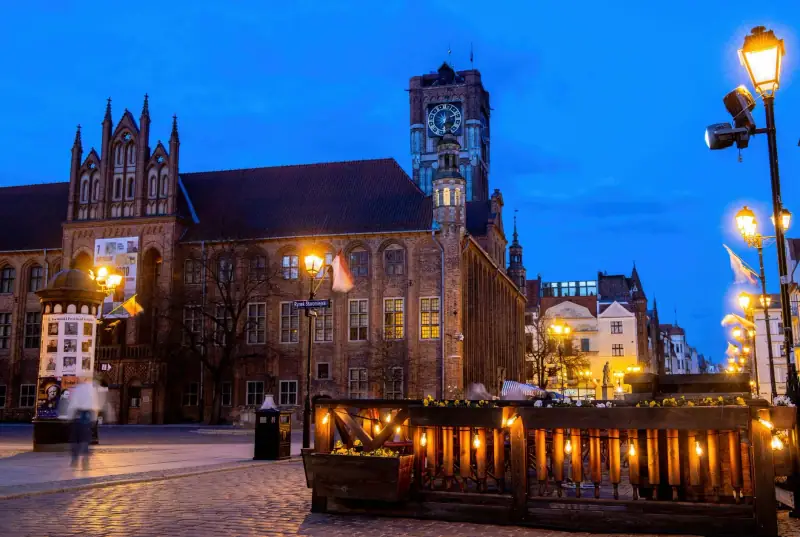
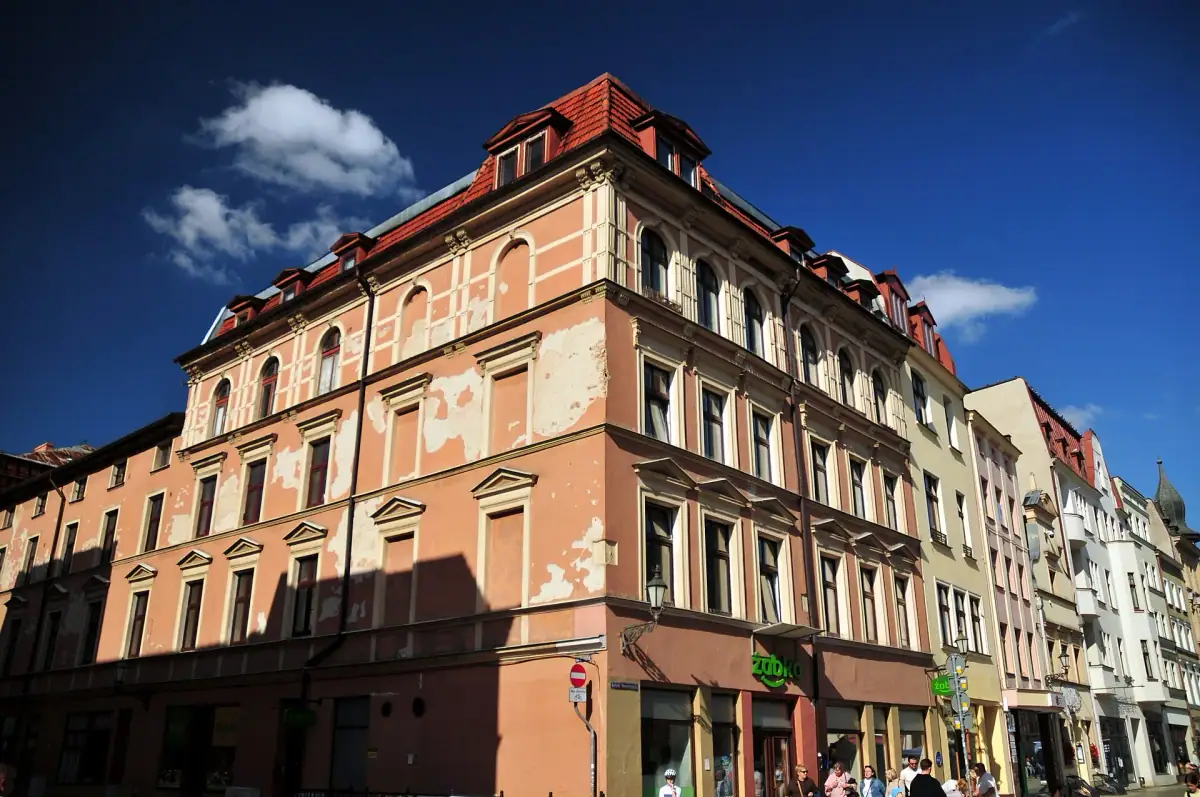
This is the area that concentrates most of what you come for: the Market Square and its Gothic town hall, Copernicus’ birthplace, the brick churches, the ramparts and the leaning tower. Restaurants, cafés and gingerbread shops follow one another along pedestrian streets. You go out to dinner, stroll, and are back in bed within minutes.
Pros. You walk everywhere, you enjoy the lit city in the evening and you can return to rest between visits. It is also the ideal place to take part in a gingerbread workshop, a tradition detailed in our article on Toruń’s pierniki.
Cons. The noise: café terraces stay lively late in summer and on weekends, and rooms facing the squares or shopping streets can suffer. Ask for a courtyard room if you are a light sleeper. Rates are generally higher than on the outskirts and many old buildings have no elevator.
Who it suits. A first stay, a weekend as a couple or a short stop of one or two nights. You find charming hotels set in old merchants’ houses, apartments and a few hostels.
🏨 Compare accommodation in Toruń's Old Town: charming hotels, apartments and hostels a few minutes from the Market Square. Check the dates, the cancellation policy, the floor and the orientation of the room before booking.
See accommodation in Toruń on Booking.com Compare on Booking.com
The New Town (Nowe Miasto): calmer, a short walk away
Despite its name, the New Town also dates from the Middle Ages. Organized around its own square, it is less frequented by groups than its neighbor and keeps a more residential look, with quieter streets and cafés frequented by residents. The Old Town square is reached in a few minutes on foot.
Pros. A quieter atmosphere in the evening, rates sometimes slightly softer and the ability to do everything on foot. You see the city in a less touristy light.
Cons. Fewer restaurants and shops than right next to the main square, and a more limited choice of accommodation. At night, some streets are almost deserted.
Who it suits. Those who want to sleep a short walk from the center without the hubbub, notably on a stay of several nights or an off-season weekend.
The Vistula bank and the foot of the ramparts
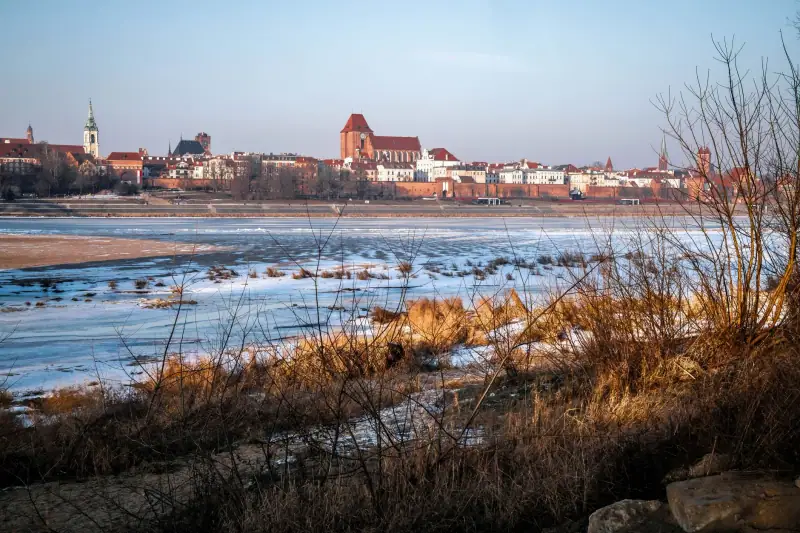
Along the river, the ramparts, the ruins of the Teutonic castle and the waterside promenades form a pleasant setting, particularly in the early evening. A few accommodations nestle there, sometimes in renovated historic buildings, with a view of the river or the roofline.
Pros. A remarkable setting, easy walks and a location a few minutes on foot from the main sights. Ideal for a romantic getaway.
Cons. The choice is limited and rates can be higher for a room with a view. The wind can be cool in winter on the banks, and you need to plan a trip to dine in the liveliest areas.
Who it suits. Couples, travelers looking for a special atmosphere and those who like to stroll by the water.
Podgórz and the left bank: the view of the city
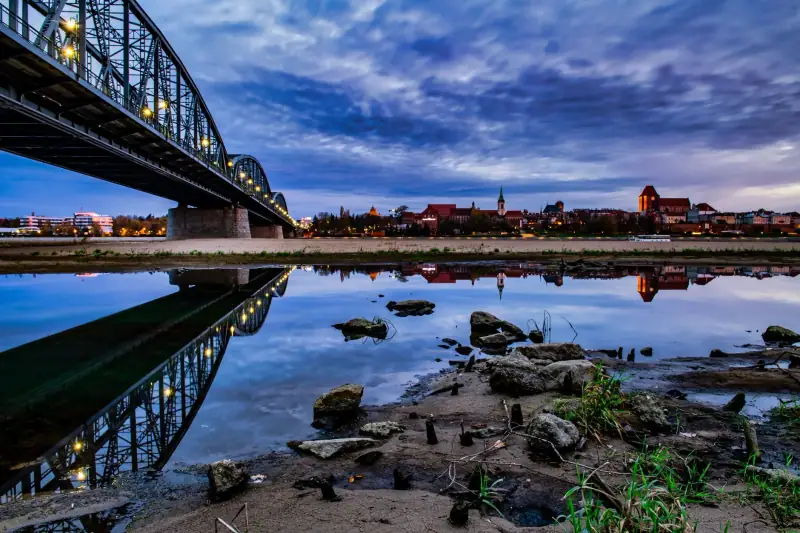
On the other side of the Vistula, Podgórz is a quieter district, with its own streets, its former square and more recent buildings. From the left bank you get the finest overview of the Old Town, notably at sunset. Accommodation there is generally more modern and more affordable than within the walls, and parking is often easier.
Pros. Softer rates, often more spacious rooms, easier parking and proximity to the main station. The setting is soothing and the view of the Old Town is well earned.
Cons. You have to cross the Vistula to reach the historic heart: allow a longer walk or a few bus or tram stops. In the evening, there is less activity and you often go back to dine on the Old Town side.
Who it suits. Travelers by car, small budgets and those who arrive or leave by train.
🛏️ Search for an apartment or a room in Toruń: filter by district, rating and amenities (elevator, parking, kitchen) to find the option that fits your stay.
The station district: practical for arriving and leaving
Around the main station, Toruń Główny, you find a functional offer, often at reasonable rates. The area is useful for a stopover night, notably if you are continuing to Warsaw, Gdańsk or Poznań by train.
Pros. Logistics: no luggage to drag around, departure times easy to keep and generally moderate prices.
Cons. The atmosphere is that of a transit district. The historic heart is separated from the station by the Vistula, which adds a bus, tram or taxi ride to each round trip, and you lose the pleasure of strolling the lanes in the evening.
Who it suits. A one-night stopover, or those who arrive late and leave early. As soon as you stay two nights or more, prefer the historic center.
Types of accommodation in Toruń
Beyond the neighborhood, the type of lodging determines comfort and budget.
Charming hotels. Several Gothic or Renaissance merchants’ houses have been converted into small hotels, with beams, exposed brick and old staircases. This is what gives the city its character, but rooms can be small and access inconvenient with big luggage. State your needs before booking.
Chain and business hotels. More functional, they are on the edge of the center, often with parking and breakfast. Their rates are generally more stable and their weekend offers sometimes interesting.
Apartments. Very common in the center, they suit families and stays of more than two nights. A kitchen reduces the meal budget. Check the floor, the presence of an elevator, the arrival arrangements and the reviews about noise.
Hostels. Toruń is a university town, which favors a low-priced offer with dorms and private rooms. Read recent reviews to spot the quieter establishments.
Guesthouses and bed-and-breakfasts. Rarer in the city center, you find more on the outskirts, with a family atmosphere and generous breakfasts.
To place these choices in your overall trip, see our budget for Poland. The country generally remains affordable, and Toruń is often cheaper than Kraków or Gdańsk.
Which neighborhood for your profile
A few pointers to decide quickly:
- First stay, short weekend: Old Town, to do everything on foot.
- More calm a short walk from the center: New Town.
- Romantic stay, view and walks: Vistula bank and the foot of the ramparts.
- Car, small budget, panoramic view: Podgórz and the left bank.
- Late arrival or early train departure: station district.
- Family or stay of several nights with a kitchen: apartment in the Old Town or the New Town.
- Tight budget: hostel in the center or a room in Podgórz.
Also think about the season. Summer and long weekends attract more visitors, and the Christmas market period makes the city especially enchanting, but busier. In winter, nights are long, the cold can be sharp and the city is very peaceful. To choose your period, read our guide when to go to Poland.
Practical tips before booking
Check the exact location on the map. Listings often show “central Toruń” for addresses on the other side of the Vistula. Check the real distance to the Market Square and to the nearest bus or tram stop.
Read recent reviews about noise. It is the first subject of complaints in the Old Town, especially in summer and on weekend evenings.
Check access. Cobblestones, stairs and the absence of an elevator are common in old buildings; if you travel with a heavy suitcase or a stroller, favor accessible lodging.
Check the cancellation conditions. A booking that is cancellable for free gives you flexibility if your dates change.
Think about parking. If you come by car, ask whether the accommodation has a space: in the Old Town, parking is limited and often paid. To rent a vehicle and explore the region, you can compare rental companies before leaving.
Keep some zlotys and a card. Poland uses the zloty (PLN), not the euro, but bank cards are accepted almost everywhere. Entry rules depend on your passport. Check the official travel advice of your government before you book: travel.state.gov (US), GOV.UK (UK), travel.gc.ca (Canada), Smartraveller (Australia) (checked November 2026). Also check your carrier’s international plan or consider a travel eSIM.
🎟️ Tours and activities in Toruń: guided tours of the old town, gingerbread workshops, walks on the Vistula. Compare the options and book ahead in high season.
Combining Toruń with the rest of Poland
Toruń fits easily into a multi-city circuit. To the west, Poznań offers another atmosphere, more student-oriented and bigger, and to the north, Gdańsk opens onto the Baltic. For a stop farther south, see our guide where to stay in Wrocław. To continue to the capital, read our two-day itinerary for Warsaw, or, for an overview of the big cities, where to stay in Kraków, Warsaw and Zakopane.
For a multi-country trip, neighboring Germany and Hungary are possible additions.
Insurance. Before leaving for abroad, check your health and repatriation coverage.
In short
For a first visit, the Old Town remains the simplest and most evocative choice; the New Town offers a bit more calm a few minutes away; Podgórz and the left bank suit tight budgets, travelers by car and fans of panoramas; the station district is for short stopovers. In every case, the city is small enough that you can change scenery in a few minutes: the key is to check the real location, read recent reviews about noise and book early in high season and during the Christmas market.
Frequently asked questions
Which neighborhood should you stay in for a first visit to Toruń?
The Old Town (Stare Miasto) is the simplest choice: the Market Square, Copernicus' house, the Gothic churches and the restaurants are all reached on foot. The neighboring streets of the New Town offer a slightly calmer compromise.
Do you have to sleep in Toruń's Old Town?
It is not essential, since the city is compact. Sleeping within the walls mainly gives you the pleasure of strolling in the evening, once the groups have left. In return, some cobbled streets are noisy on weekends and old buildings do not always have an elevator.
Is it practical to stay near Toruń station?
Yes if you arrive late or leave early. The main station, Toruń Główny, is on the other bank of the Vistula from the Old Town: allow a bus or taxi ride, or a longer walk, and check the exact distance on a map. Another station, Toruń Miasto, is closer to the historic center.
How many nights should you plan in Toruń?
One night lets you enjoy the Old Town in the evening; two nights give time to visit without rushing, add a museum or a gingerbread workshop and stroll along the Vistula.
Are prices higher in Toruń during holidays?
Summer weekends, long weekends and the Christmas market period attract more visitors and raise demand in the center. Book early, with free cancellation if possible, and compare several dates.
Do you need a car to stay in Toruń?
No. The center is visited on foot and the bus and tram network serves the other areas. If you come by car, check the parking: it is limited and often paid near the Old Town.
More Poland guides
Keep reading
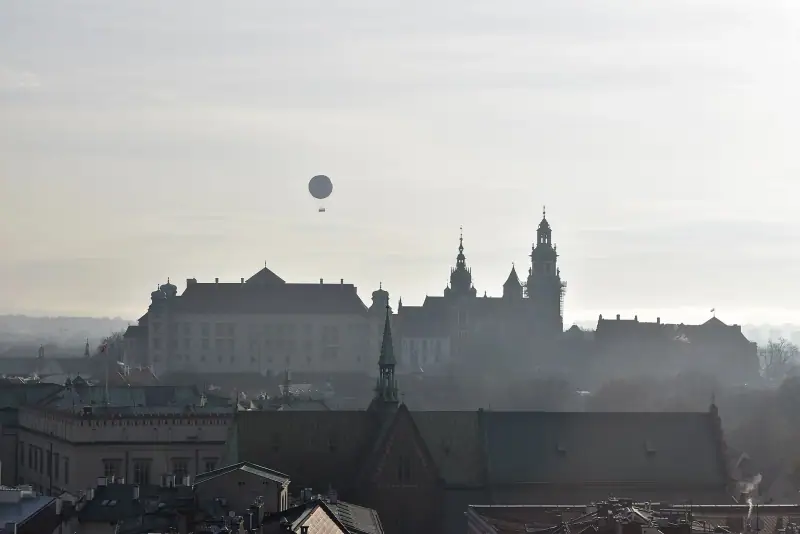
Where to Stay in Poland: Recommended Areas in Kraków, Warsaw and Zakopane
Where to stay in Poland: the best areas of Kraków, Warsaw and Zakopane for your budget and travel style, with booking tips.
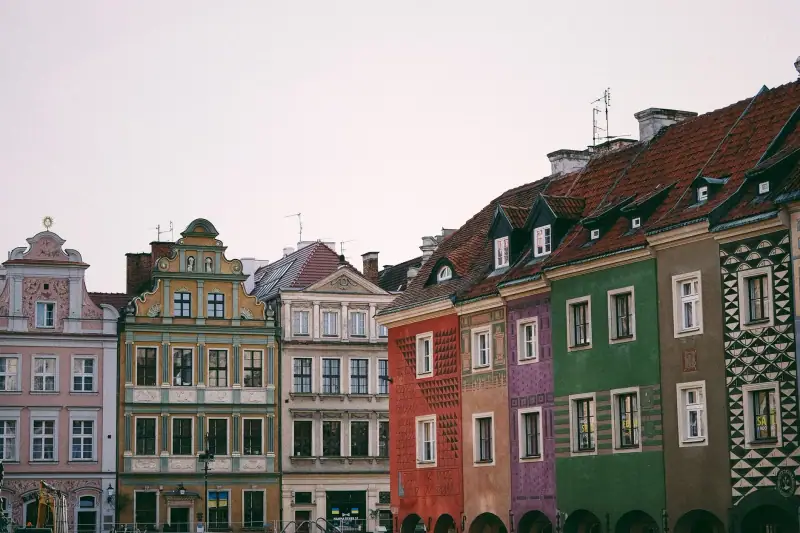
Where to Stay in Poznań: Neighborhoods and Types of Accommodation
Where to stay in Poznań: Old Market, Śródka, Jeżyce, Garbary, the station or Lake Malta. Neighborhoods and accommodation types by length of stay.
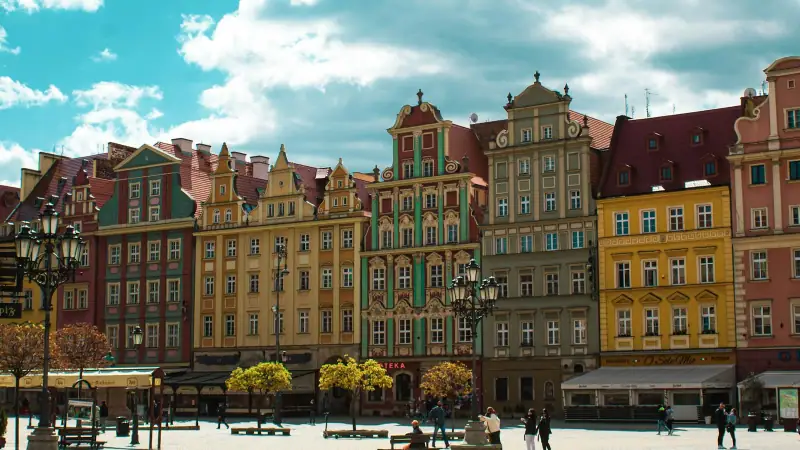
Where to Stay in Wrocław: Neighborhoods and Types of Accommodation
Where to stay in Wrocław: Old Town, Nadodrze, Ostrów Tumski, Biskupin or the station district. Neighborhoods and accommodation types for your stay.
Ready-made
Poland itineraries
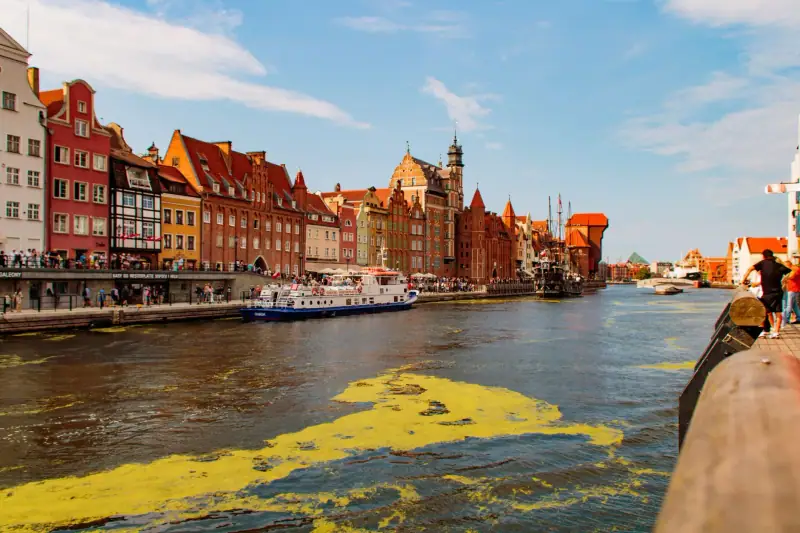
2 days
Gdańsk in 2 Days: An Itinerary Through the Old Town, the Shipyard and the Baltic
Gdańsk in 2 days: Royal Way, St. Mary's Basilica, Motława quays, European Solidarity Centre, Westerplatte and a getaway to Sopot.
3 days
What to Do in Kraków in 3 Days: A Complete Itinerary
Kraków in 3 days: old town, Wawel Hill, the Kazimierz district, the Wieliczka salt mine and a respectful visit to Auschwitz-Birkenau.
2 days
What to Do in Wrocław in 2 Days: A Complete Itinerary
Wrocław in 2 days: Market Square, Cathedral Island, bronze dwarfs, Centennial Hall and the Racławice Panorama. Walking itinerary, tips and budget.