Things to do
Zakopane in Winter: Skiing, the Tatras, Thermal Baths and Markets, a Practical Guide
We may earn a commission when you book through links on this page, at no extra cost to you. We don't visit or try the places we cover: we summarize published sources. How we work
In short
- Plan three to four days: Kasprowy Wierch for skiing and the view, Polana Szymoszkowa for kids or beginners, a half day at the thermal baths, an evening kulig.
- The only price confirmed here is the adult round-trip Kasprowy Wierch cable car ticket: 129 zł in low season, until December 18, 2026. Check pkl.pl for your dates.
- The ski season generally runs from December to March, with the peak between January and February; no official 2026-2027 opening dates were found.
- The Termy Zakopiańskie announce a technical break from November 16 to December 7, 2026, reopening December 8, subject to change.
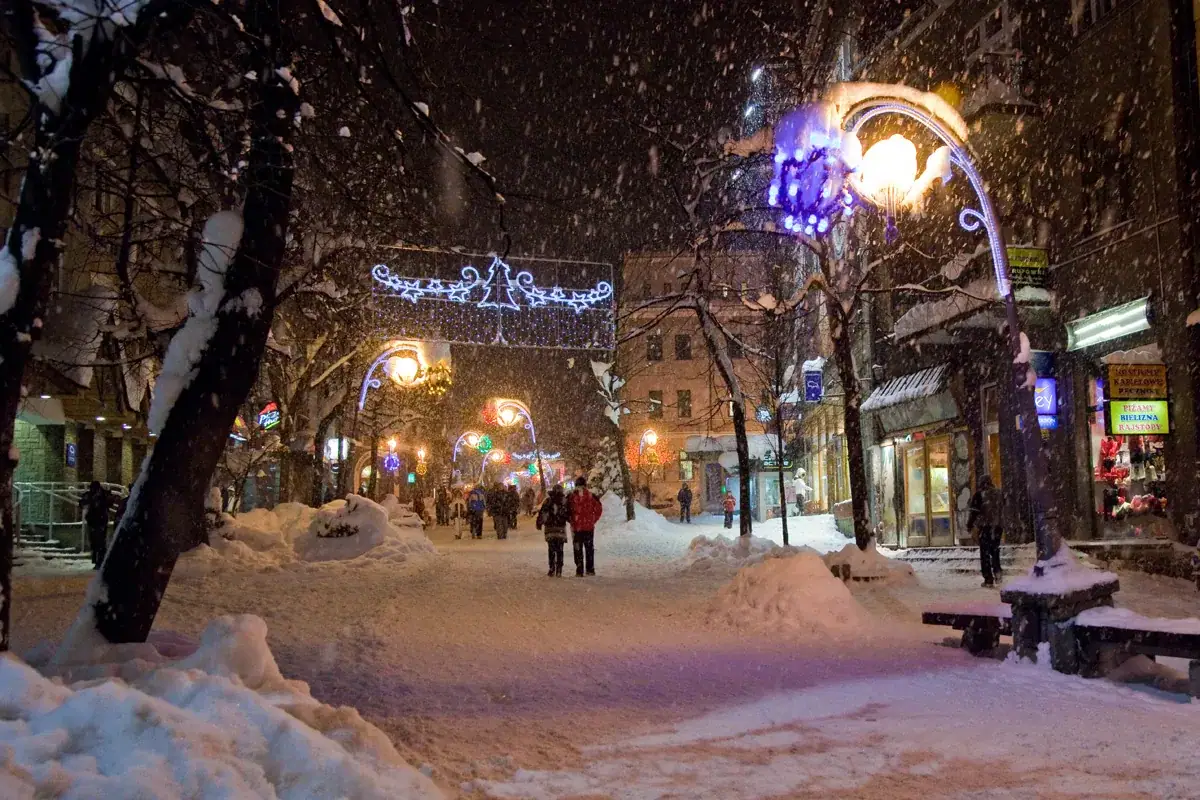
Zakopane is known as the winter capital of Poland, and you only need to arrive on a snowy morning to see why. The wooden chalets with steep roofs turn white, chimney smoke rises toward the Tatras and Krupówki Street smells of grilled oscypek. But a winter stay here is not just about skiing: outdoor thermal baths, sleigh rides, panoramas from the cable cars and evenings in mountain inns make for a very full weekend or week.
In short: for Zakopane in winter, plan three to four days. Go up Kasprowy Wierch for skiing and the view, try a small resort such as Polana Szymoszkowa with kids or beginners, set aside a half day for the thermal baths and an evening for a kulig. Rates and 2026-2027 dates change: confirm them on the official sites listed at the end of the article.
This guide complements our article on hikes and excursions in the Tatras, which focuses on the good season. Here, everything is about snow: how to get there, where to ski, what to do if you do not ski, how to dress, and what budget you can reasonably plan. When a piece of information (the price of a pass, an opening date) could not be confirmed on an official site, we say so rather than inventing a figure.
When to come to Zakopane in winter
The white season generally runs from December to March, with the core of the season between January and February, when Polish school holidays push up crowds and accommodation prices. The resorts depend on natural snow and artificial snowmaking: opening dates therefore change from year to year, and no official date had been published for 2026-2027 at this stage. Check each resort’s website.
A few pointers for choosing your period:
- Early December: the holiday atmosphere settles in, prices are softer, but snow is not always there at the valley floor. Several facilities, such as the thermal baths, use this period for maintenance work.
- Christmas and New Year: strong demand, accommodation full long in advance, a very lively town.
- January and February: the best chance of snow and slopes in good shape, but also the longest lines at the lifts, especially on weekends.
- March: longer, sunnier days, spring snow at altitude, thinner crowds.
To place Poland across the year and compare with the other seasons, see our guide to when to go to Poland and what budget to plan. The cold is real: in midwinter, temperatures can stay below freezing all day in Zakopane and even more so at altitude.
Getting to Zakopane from Kraków in winter
From Kraków, the trip takes about two hours by bus, a little more by train, as in summer. Buses are frequent and generally faster than the train. In winter, the road can be slowed by snow and by weekend departure traffic: the traffic jam on the road to Zakopane on Friday evening and Sunday afternoon is a classic. If you can, travel midweek or early in the morning.
A rental car is not necessary for the town itself, which is well served by bus and minibus. It becomes handy for reaching more distant resorts, but it means winter driving: check in the rental conditions that the vehicle is equipped for snow. To book a car, you can compare rental companies, checking the winter equipment in the rental conditions.
If you are leaving from Kraków, our three-day itinerary for the city helps divide your time before or after the mountains.
Skiing at Kasprowy Wierch
Kasprowy Wierch is the region’s big ski area, reached from Kuźnice, on the edge of Zakopane. A two-stage cable car goes up to the summit, at about 1,990 m (6,530 ft). According to the official presentation by PKL, the operator, the lift runs all year and the ski area has about 14 km (9 mi) of alpine runs, with two chairlifts. There is also a specific pass, the SKIpass KW, which covers the cable car and the two chairlifts (Gąsienicowa and Goryczkowa).
On prices, here is what could be read on the official grid (“Tourpassy” page of pkl.pl): the adult round-trip ticket for ages 27 to 64 is shown at 129 zł in low season, a period indicated through December 18, 2026. The grid consulted gave no rate for the winter high season, nor a price for the day ski pass. These amounts can also vary with the time chosen online: book directly on PKL’s official site to find the exact rate for your dates.
A few practical tips:
- Book online for a specific date and time: the wait at the ticket window can be very long in good weather, especially on weekends and during holidays.
- Check the operating status the same morning. The cable car closes for technical stops (the official page mentioned a break from October 19 to November 6) and strong wind can suspend operations.
- The terrain is demanding: it is a high-mountain area, more serious than a small valley resort. Beginners will do better elsewhere, while intermediate to good skiers will find plenty to enjoy.
- Even if you do not ski, the ride to the summit is worth the detour for the view of the border ridge with Slovakia. Dress warmly: the wind there is icy.
PKL’s “Kasprowy Zimą” blog and the resort’s winter calendar give season information, competitions and closures.
🎟️ Winter excursions and activities in Zakopane: sleigh rides, guided tours, mountain outings and transfers from Kraków. Compare programs, durations and cancellation conditions.
Polana Szymoszkowa and the small resorts for beginners and families
To learn, ski as a family or simply spend a half day on the snow, Zakopane’s more modest resorts are often simpler than Kasprowy Wierch. Polana Szymoszkowa, which overlooks the town, is the best known. Its official site indicates a resort open all year, with a vertical drop of about 260 m (850 ft) between 862 m (2,830 ft) and a little over 1,100 m (3,610 ft) of altitude, two main runs, modern lifts, ski schools and areas for children.
The town’s tourist office also cites the Harenda ski and leisure center, as well as a regional pass, the “Góral Skipass”. The 2026-2027 rates of these resorts could not be confirmed: pass prices are generally published late in the fall, and figures circulating on third-party sites often date from the previous season. Check the resorts’ websites before budgeting.
A few useful rules for a stay with children:
- Rent equipment there rather than carrying it from home, especially for children who grow fast.
- Book ski lessons ahead during school holidays.
- Plan a half day, not a full day, for the youngest: the cold tires them quickly.
For more ideas with children, see our guide to family activities in Poland.
Cross-country skiing, snowshoes and winter walks
Besides alpine skiing, Zakopane’s tourist office presents cross-country skiing, ski touring and winter hiking sections with their own marked trails. It is the right option if you want to see the Tatras without the crowds on the slopes or if you ski little.
Lake Morskie Oko remains accessible in winter by the road leading to it from the Palenica Białczańska parking lot, but it is snowy or icy. Allow more time than in summer, bring a headlamp if you return at the end of the day, and wear proper footwear. Light crampons to attach under your shoes are very useful on ice. High-mountain trails are another matter: deep snow, avalanche risk, less visible trail marking. Go only well equipped, with a guide or after consulting the information from Tatra National Park.
A few winter safety rules to remember:
- Check the weather and the park’s bulletin before each outing, and give up if conditions worsen.
- Tell your host your route and your return time.
- Night falls early: plan to come back down before the end of the afternoon.
- Bring a hot drink, an extra layer and a power bank: the cold drains phones quickly.
🏨 Sleeping in Zakopane in winter: chalets, mountain guesthouses and hotels, from the center to near the lifts. Book early for Christmas, New Year and the February holidays, when the choice shrinks.
Zakopane’s thermal baths after skiing
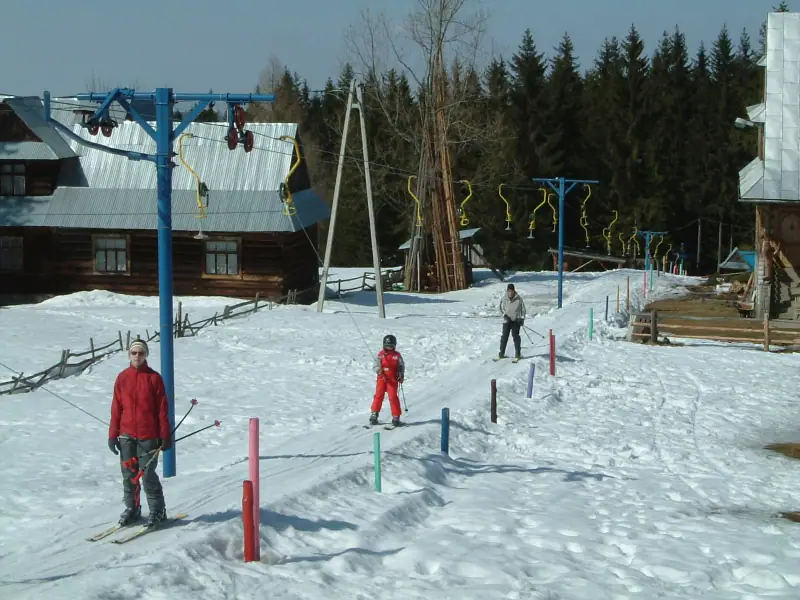
Nothing beats a hot bath after a day in the cold. The Termy Zakopiańskie (the town’s aquatic complex) announce on their official site thermal pools open from 9 am to 10 pm, a sauna area open from 2 pm to 10 pm on weekdays and from noon to 10 pm on weekends, as well as a salt cave (10 am to 9 pm). Beware of maintenance: the facility indicates a technical break from November 16 to December 7, 2026, with reopening on December 8, and specifies that these dates may change. Admission prices were not shown on the home page: see the “Cennik” section of the site.
A few kilometers away, several thermal complexes in the Podhale region (Chochołów, Białka Tatrzańska, Bukowina Tatrzańska) offer outdoor pools fed by geothermal water. Their rates and hours are not detailed here, as they could not be confirmed on their official sites for this winter: check them before you go. These facilities are very busy on weekends and during holidays, and it is better to go midweek or in the evening.
A few tips:
- Bring a swimsuit, flip-flops, a towel and a swim cap if the facility requires one.
- For an outdoor bath, a wool hat or a warm swim cap keeps your head from getting cold when you move from one pool to another.
A sleigh ride: the kulig
The kulig is the great winter tradition of Podhale. It is a ride in horse-drawn sleighs, often by torchlight, ending around a fire with grilled sausages, hot drinks and music by the highlanders (górals). Zakopane’s tourist office presents the tradition and names two organizers: Tarant, which offers individual rides on Tuesday, Thursday and Saturday afternoons (about 1 hour, or 2 to 2.5 hours with a stop in a regional hut) and free admission for children under 4, and Jędruś, which organizes a torchlight ride of about an hour every day, departing from Wielka Krokiew.
The official page publishes no rates: you need to contact the organizers directly or go through a booking platform. Book ahead for weekends and holiday periods. Dress very warmly, with thick gloves: you sit in the wind.
Krupówki, markets and mountain cuisine in winter
Krupówki Street, the pedestrian artery of the center, stays lively in winter, with its craft shops, cafés and oscypek stalls, the small smoked sheep’s-milk cheese eaten grilled with cranberry jam. The cold gives this open-air tasting a particular charm. For the Christmas markets and year-end events, no official program had been published for 2026: check the tourist office’s calendar (zakopane.pl) a few weeks before you leave.
To warm up, the traditional inns offer hearty soups, pierogi, slow-cooked meats and mulled wine or local beer in wood-decorated rooms. Our guide to Polish cuisine and its specialties will help you plan your meals. Away from the main street, prices are often more reasonable and menus more authentic.
If you like walking between visits, the architectural style known as “Zakopane style,” born in the late 19th century, can be spotted on the side streets: steep roofs, openwork balconies, carved wood. Under snow, the villas of the center are particularly photogenic.
🍲 Tastings and guided visits: discover mountain specialties on a food tour or a guided excursion. Compare the options before you book.
Where to stay in Zakopane in winter
The town center is practical for Krupówki, restaurants and the bus station, with shuttles to the lifts. The surroundings of Kuźnice, at the foot of Kasprowy Wierch, suit skiers who want to leave early. The districts climbing toward Polana Szymoszkowa or Harenda are quieter and close to the family slopes. Mountain chalets and guesthouses have definite charm, but check the heating, parking and transport arrangements to the lifts before booking.
Our guide to where to stay in Poland, in Kraków, Warsaw and Zakopane details the types of accommodation. Once there, choose a place with a clothes dryer or a ski room: after a day in the snow, it is a real plus. Book long in advance for the Christmas and February holidays.
Dressing for the Polish winter
The Tatras in winter call for serious gear, even if you stay in town:
- Warm shoes with a lugged sole, or even light crampons to slip under them for icy sidewalks and the lake path.
- Three layers: breathable base layer, fleece, waterproof windproof jacket.
- Gloves, hat, neck gaiter: extremities suffer first.
- Sunglasses or goggles: snow is dazzling.
- Sunscreen and lip balm: the mountain sun burns in winter too.
- Power bank: the cold shortens phone battery life.
Budget and insurance for a winter stay
The budget for a winter stay in Zakopane depends on the period: accommodation and ski passes rise in high season, while dining remains generally inexpensive. For a general frame, see our budget for Poland. No figures are given for 2026-2027 passes until the resorts publish them: the only rate checked here is the adult round-trip Kasprowy Wierch ticket, at 129 zł in low season until December 18, 2026.
For winter sports, take out insurance that expressly covers skiing, medical costs and repatriation, and read the coverage details before signing up, since winter-sports exclusions vary by plan.
Entry rules depend on your passport. Check the official travel advice of your government before you book: travel.state.gov (US), GOV.UK (UK), travel.gc.ca (Canada), Smartraveller (Australia) (checked November 2026). Also check your carrier’s international plan or consider a travel eSIM.
Extending the trip
Zakopane combines well with Kraków, the Wieliczka salt mine or Warsaw. Once you are back down from the mountains, a night or two in Kraków lets you return to culture and the old town before the flight home, which makes the stay more balanced than a whole week of skiing. Travelers who want to continue south can build a combination with Hungary, or head west toward Germany.
Sources
Frequently asked questions
When does the ski season start in Zakopane?
Dates vary from year to year depending on snow cover and the resorts. Kasprowy Wierch operates all year, but the slopes depend on snow. For the 2026-2027 season, check each resort's website (PKL for Kasprowy Wierch, Polana Szymoszkowa) before booking: no official opening dates had been published.
How much does the Kasprowy Wierch cable car cost?
On PKL's official price grid, the adult round-trip ticket (ages 27 to 64) is listed at 129 zł in low season, dated October 1 to December 18, 2026. The winter high-season rate and the price of the day ski pass were not on the page consulted: check them on pkl.pl.
Is Kasprowy Wierch always open?
The lift in principle runs all year, but it closes for technical stops. The official page indicated a closure from October 19 to November 6, and wind or fog can also interrupt service. Check the operating status the same morning.
Can you go to Lake Morskie Oko in winter?
Yes, access is by the same road as in summer, but it is snowy or icy. Plan suitable shoes, light walking crampons and more time than in summer. The high-mountain trails are a different level altogether (snow, avalanche risk): ask Tatra National Park before committing.
Do you need to ski to enjoy Zakopane in winter?
No. The thermal baths, sleigh rides (kulig), Krupówki Street, the panoramic cable cars and winter walks on cleared paths need no skis. The resorts also offer ski schools for beginners.
Are the Zakopane thermal baths open all year?
They close from time to time for maintenance. The Termy Zakopiańskie announce a technical break from November 16 to December 7, 2026, with reopening on December 8, subject to change. The pools are open from 9 am to 10 pm according to the official site.
Do you need travel insurance for a ski trip?
It is strongly advised: check that the policy covers winter sports, medical costs and repatriation, and always read the coverage details before signing up.
More Poland guides
Keep reading
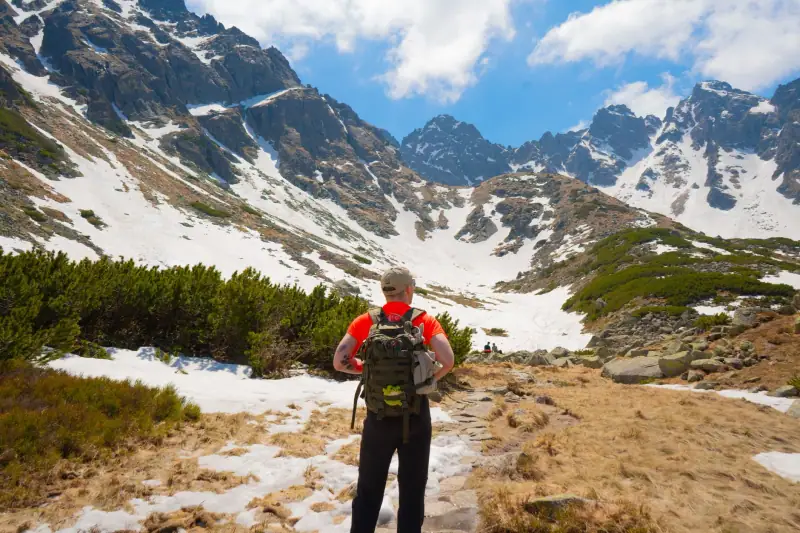
Zakopane and the Tatras: Hikes and Excursions from Kraków
Zakopane and the Tatras: Morskie Oko, Kasprowy Wierch, Krupówki Street, oscypek and tips for organizing a day trip or stay from Kraków.
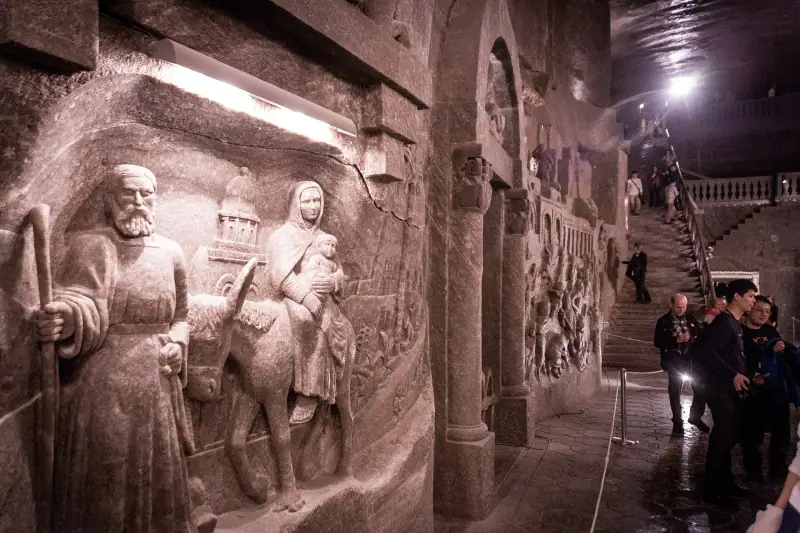
Wieliczka Salt Mine: Visiting the Underground Galleries from Kraków
Visiting the Wieliczka salt mine from Kraków: underground route, St. Kinga's Chapel, tickets, transport and tips to prepare your excursion.
Budget for a Trip to Poland: Real Costs and Tips to Spend Less
How much does Poland cost? Accommodation, transport, meals, visits: prices in zlotys, euros and dollars, three budget profiles and money-saving tips.
Ready-made
Poland itineraries
2 days
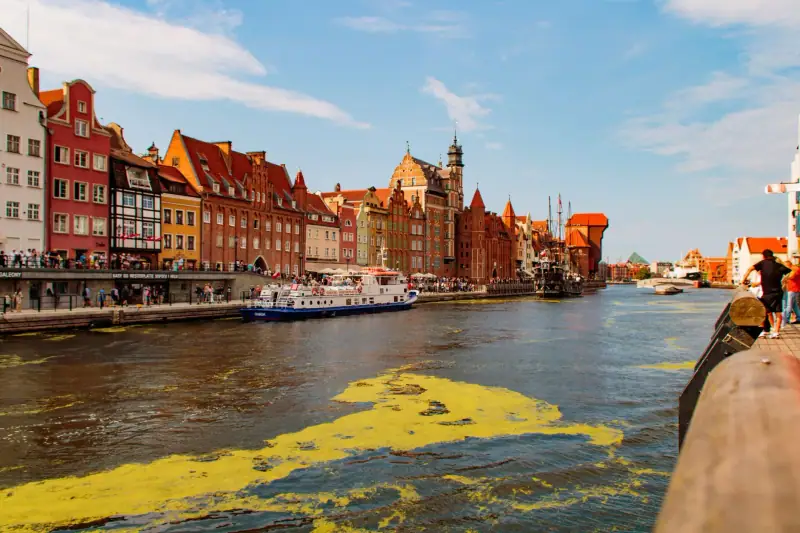
Gdańsk in 2 Days: An Itinerary Through the Old Town, the Shipyard and the Baltic
Gdańsk in 2 days: Royal Way, St. Mary's Basilica, Motława quays, European Solidarity Centre, Westerplatte and a getaway to Sopot.
3 days
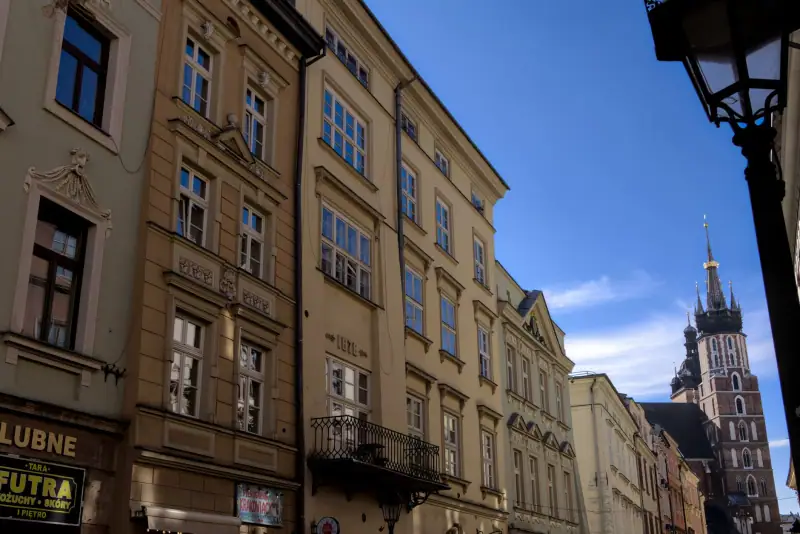
What to Do in Kraków in 3 Days: A Complete Itinerary
Kraków in 3 days: old town, Wawel Hill, the Kazimierz district, the Wieliczka salt mine and a respectful visit to Auschwitz-Birkenau.
2 days
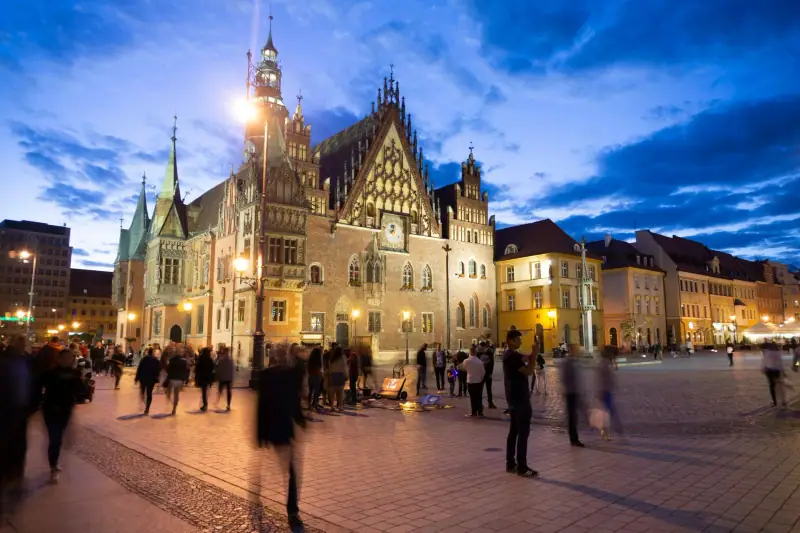
What to Do in Wrocław in 2 Days: A Complete Itinerary
Wrocław in 2 days: Market Square, Cathedral Island, bronze dwarfs, Centennial Hall and the Racławice Panorama. Walking itinerary, tips and budget.