What to see
Complete guide to visiting New Zealand: regions, budget and tips
We may earn a commission when you book through links on this page, at no extra cost to you. We don't visit or try the places we cover: we summarize published sources. How we work
In short
- Plan at least two weeks to see one island in depth, and three to four weeks to combine the North and South Islands without rushing.
- A car or campervan is the most flexible way to get around; you drive on the left, and mountain roads are slower than the distance suggests.
- December to April is the most favorable window for most activities; spring (October-November) is also pleasant, with fewer people.
- New Zealand is fairly expensive, mostly for accommodation and guided activities; camping, hostel kitchens and supermarket food keep costs down.
New Zealand is a paradox: a mid-sized country that packs in active volcanoes, fjords, glaciers, rainforests, golden beaches and alpine mountains. Two main islands, a population of around five million, plenty of sheep and a living Māori culture that shapes place names, food and ceremonies.
This guide is the starting point for planning your trip. It presents the country, its regions and cities, the must-sees, the best time to go, transport, types of accommodation and the budget to plan for. At each step, it points to detailed articles for more depth.
New Zealand at a glance
The country, called Aotearoa in the Māori language, is made up of two large islands separated by Cook Strait: the North Island (Te Ika-a-Māui) and the South Island (Te Waipounamu). Stewart Island to the south and many small islands complete the picture. The capital is Wellington, but the largest city is Auckland.
A few useful pointers before you go:
- Languages: English and Māori are the common languages. You will have no trouble getting by with basic English.
- Currency: the New Zealand dollar (NZD). Bank cards are accepted almost everywhere, including for small purchases.
- Time difference: it is large, and it changes during the year because daylight saving changes happen on different dates in the two hemispheres. Check the offset from your home city before you book flights.
- Driving: you drive on the left, as in the UK.
- Seasons: they are reversed compared with the northern hemisphere. The southern summer runs from December to February.
The country is well organized for travelers: tourist information in almost every town, marked trails, campgrounds, accommodation of every category. The flip side is that you need to plan ahead in high season.
The main regions to know
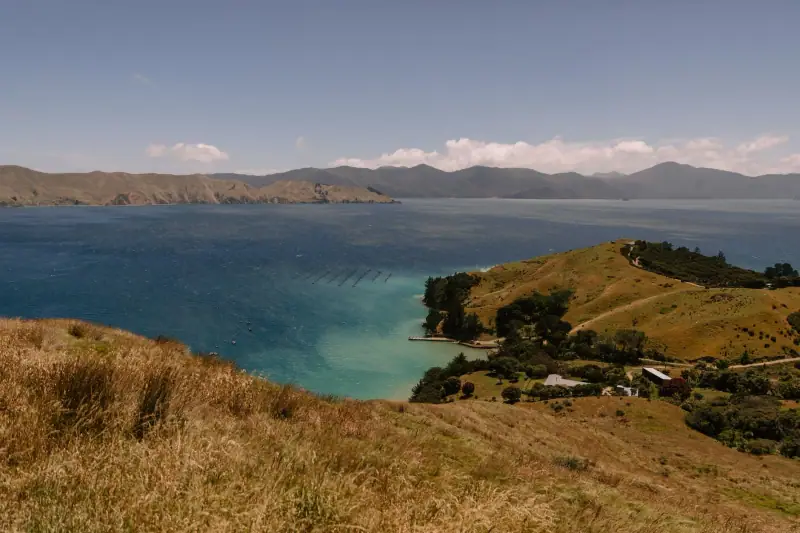
This guide divides the destination into six main areas. Here is what each brings to a trip.
Northland and the Bay of Islands
This is the far north of the North Island: a mild climate, coves, islands and beaches. The Bay of Islands is the main draw, with its boat trips and historic sites tied to the founding of the country. It is the ideal region to start gently after the flight, or to extend a stay in Auckland.
Central North Island
Rotorua, Taupō and Tongariro National Park form the volcanic heart of the country. You will find geysers, hot springs, lakes, craters and the chance to immerse yourself in Māori culture. It is an essential area for a first trip, detailed in our article on things to do in Rotorua and our guide to the Tongariro Alpine Crossing.
Nelson and Abel Tasman
In the north of the South Island, this region is known for its sunshine, golden sand beaches and coastal park. Abel Tasman National Park can be explored on foot, by kayak or by water taxi. Find all the details in our article Abel Tasman: hiking, kayaking and beaches.
West Coast
A narrow strip between the Tasman Sea and the Southern Alps, the West Coast is known for its rainforests, wild beaches and glaciers, Franz Josef and Fox. The weather is wetter here than in the rest of the island: leave some slack in your schedule.
Otago and Fiordland
This is the region of superlatives: Queenstown and its mountain setting around Lake Wakatipu, Wānaka and its lake, and Fiordland with its deep fjords, including Milford Sound. It is also the capital of adventure activities. We detail the possibilities in our articles on Milford Sound and where to stay in Queenstown.
Canterbury
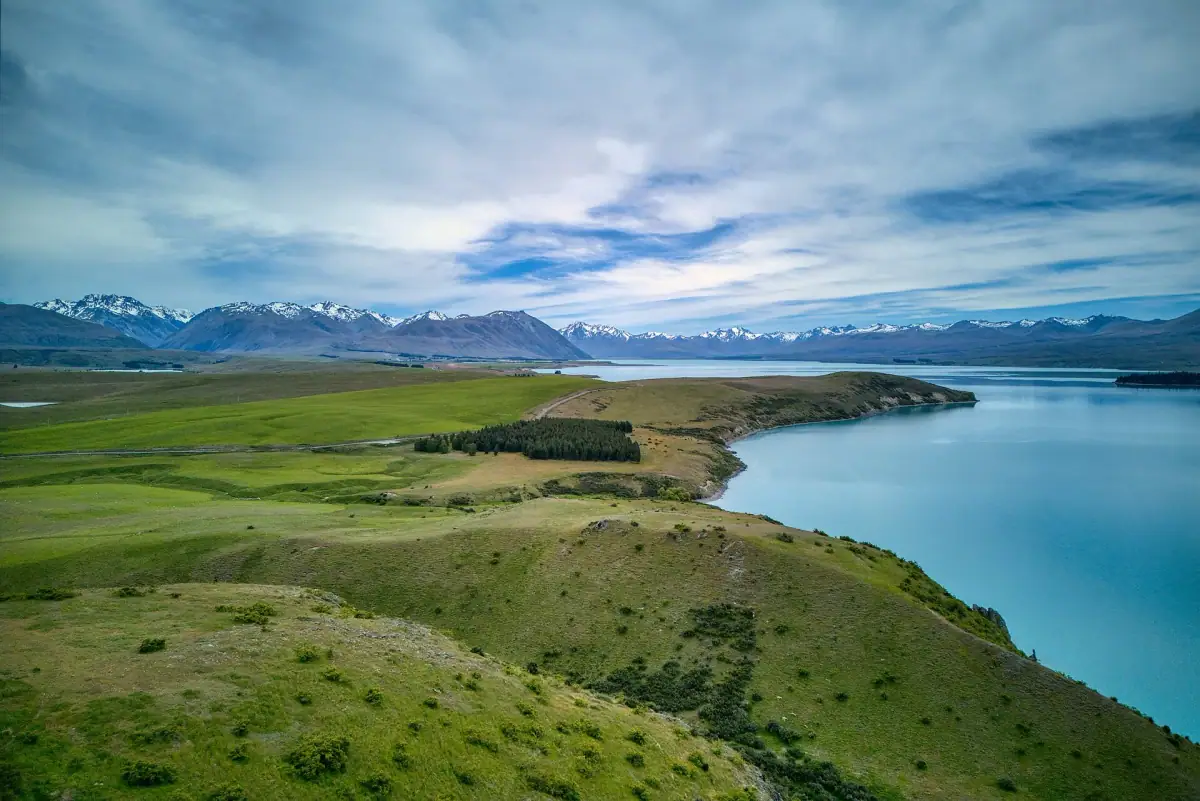
This region east of the Southern Alps brings together Christchurch, the Mount Cook (Aoraki) massif, which rises to about 3,700 m (12,140 ft), and milky blue lakes such as Tekapo. Skies are very clear, making it a popular place for stargazing.
The main cities
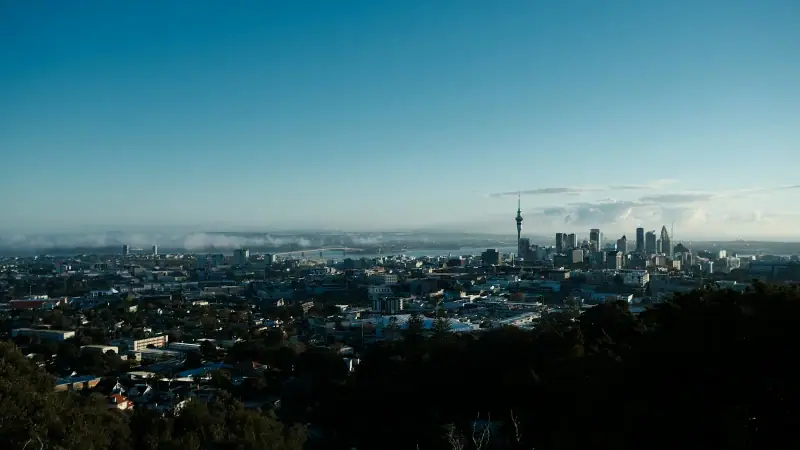
New Zealand’s cities are more starting bases than destinations for long stays, but each has its own character.
Auckland
The country’s largest city, built between two harbors and on former volcanic cones, Auckland is the most common gateway for international flights. You generally spend one or two days here: a panorama from the Sky Tower, waterfront walks, Hauraki Gulf islands reachable by ferry.
Wellington
The capital, at the south of the North Island, is compact, hilly and very pleasant on foot. Museums, cafés, a waterfront and a lively cultural scene make it a popular stop. Our article on things to do in Wellington offers a two-day plan.
Rotorua
More than a town, it is a site: sulfur smell, steam escaping from the ground, Māori cultural villages. It serves as a base for exploring the volcanic region.
Christchurch
The South Island’s main city, Christchurch was largely rebuilt after the earthquakes of the early 2010s. It is the usual start or end point of a South Island road trip.
Queenstown and Wānaka
Queenstown is the adventure capital: bungee jumping, jet boating, paragliding, skiing in winter. Wānaka, about an hour’s drive away, is quieter and appeals for its lake and hikes.
Nelson
A sunny, creative city in the north of the South Island, Nelson is the natural base for exploring Abel Tasman and the vineyards of the neighboring region.
Flights to New Zealand
The plane ticket weighs heavily on the budget: compare offers and book early for high-season dates.
The must-sees
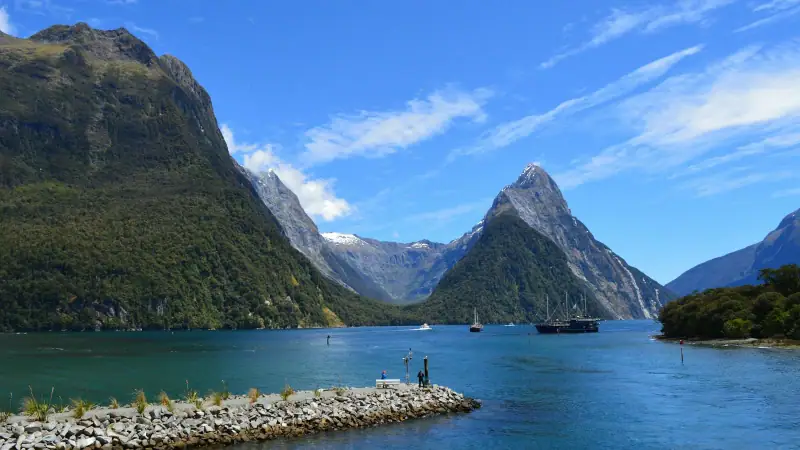
Depending on the length of your stay, you will have to make choices. Here are the sites that come up most often in successful itineraries.
Milford Sound and Fiordland
A fjord surrounded by steep cliffs, waterfalls and forests clinging to the walls, discovered by cruise. The road that leads there is itself spectacular. All the practical tips are in our article visiting Milford Sound.
Tongariro Alpine Crossing
Considered one of the finest day hikes in the country, this crossing of volcanic landscapes calls for good fitness and favorable weather. It is detailed in our guide to the Tongariro Alpine Crossing.
Rotorua and Māori culture
Geysers, boiling mud pools and cultural evenings let you discover Māori traditions, from songs to the haka. It is one of the best places to understand the country’s identity: see Rotorua: geysers, Māori culture and nature.
Abel Tasman
A coastal park alternating forest trails, golden sand coves and turquoise water. You can explore it in a day or over several days of walking: see Abel Tasman: hiking, kayaking and beaches.
Mount Cook and Lake Tekapo
The country’s highest peaks, glaciers and milky-colored lakes make up a high-mountain setting reachable by car, with many hiking trails of varying difficulty.
Franz Josef and Fox glaciers
Among the few glaciers in the world to descend so close to a rainforest, they can be visited on foot or on a guided excursion, depending on terrain conditions and the weather.
Queenstown, the adventure capital
Even if you are not after thrills, Queenstown’s setting is worth the detour. The lake, mountains, restaurants and cruises let you enjoy the site without extreme sports.
When to go to New Zealand
The climate is oceanic and temperate, with big differences between the subtropical north and the cooler south. The weather changes quickly: always pack several layers of clothing and a waterproof jacket.
- Summer (December to February): high season, long days, activities accessible everywhere, but heavy crowds and high prices.
- Fall (March to May): an excellent compromise, with colorful landscapes and fewer people, especially early in the season.
- Winter (June to August): ski season around Queenstown and Wānaka, lower prices, but high-altitude hikes are trickier.
- Spring (September to November): green nature, full waterfalls, moderate crowds.
For a first trip, February to April is often the most balanced period. For the month-by-month detail, see our article when to go to New Zealand.
Places to stay in New Zealand
Hotels, motels and apartments: compare offers by your dates, especially in high season.
Getting to New Zealand
Auckland is the busiest international airport, followed by Christchurch and Wellington. Check which airlines serve it from your departure city, since routes and connections vary. Plan one or two days to recover from jet lag before linking stops together.
For a road trip, it is often practical to arrive in one city and leave from another, for example Auckland then Christchurch, to avoid retracing your steps. This approach can lead to extra car drop-off fees: check when you book.
Entry requirements
Entry rules depend on your passport. Check the official travel advice of your government before you book: travel.state.gov (US), GOV.UK (UK), travel.gc.ca (Canada), Smartraveller (Australia) (checked November 2026). Whatever your passport, expect very strict biosecurity rules at customs (as of October 2026): checks on hiking boots, tents and food are serious, and fines are steep.
Getting around
By car or campervan
This is the most common way to get around. It offers great freedom to stop in villages, at viewpoints and on trails. A few precautions are in order:
- You drive on the left: take time to get used to it on the first quiet roads.
- Mountain and coastal roads are winding: the distance on the map gives a poor idea of travel time.
- Gas stations can be rare in some remote areas: fill up before heading out.
- Small roads are sometimes narrow, sometimes one-lane on bridges.
A simple planning tip: limit yourself to a few hours of driving a day, to leave time for stops. To help build your route, see our itineraries for a 7-day North Island road trip and a 10-day South Island road trip.
Crossing between islands
The ferry links Wellington to Picton across Cook Strait in about three and a half hours. The crossing offers fine scenery on arrival in the Marlborough Sounds. You can take your vehicle on board, which avoids returning the rental car: check your contract. Book ahead in high season. There are also short flights between the two islands.
By bus and train
Long-distance bus companies link the main cities and a few tourist sites. The passenger rail network is limited, with a few scenic lines geared toward tourism. It is workable for a trip focused on cities, but restrictive for national parks.
Renting a vehicle
To rent a car, compare the options and check the deductible, included mileage and return conditions. Campervans are very popular, but camping rules are strict: you generally cannot park anywhere for the night, you must use authorized spots.
Excursions and activities
Cruises, guided excursions, cultural visits: book your activities ahead in season.
Where to stay
Accommodation is very varied, and the choice depends on your travel style.
- Hotels and motels: motels, very common, often offer a small kitchenette and parking, handy for a road trip.
- Hostels: very well run, with shared kitchens, they are an economical option, including for older travelers who are happy with private rooms.
- Campgrounds and holiday parks: pitches for tents and vans, cabins, shared kitchens. Excellent value for money.
- Department of Conservation campgrounds: simple sites in the middle of nature, at reduced rates, with few amenities.
- Private rentals and lodges: for a more comfortable experience, notably in hiking and vineyard areas.
In high season, the most popular towns fill up quickly. Queenstown, Abel Tasman and the areas near the glaciers are among the tightest. To choose your neighborhood in Queenstown, read our article where to stay in Queenstown.
What budget to plan
New Zealand is a fairly expensive destination, like many remote countries. Here are the main spending items:
- The flight: often the heaviest item, very variable depending on the season and how early you book.
- The vehicle: car or campervan rental, fuel, insurance and any ferry crossing fees.
- Accommodation: very variable depending on whether you choose camping, hostels or hotels.
- Activities: cruises, guided excursions, scenic flights and adventure activities are a significant expense.
- Food: supermarket shopping and meals you prepare yourself lighten the bill, while restaurants are expensive.
A few tips help keep the budget under control: travel outside high season, choose free hikes, cook for yourself and book activities early. The landscapes, which are the country’s main attraction, generally cost nothing. For financial planning, note that prices change from year to year: always compare prices when you book.
Discovering local food
Even if food is not the first reason to come, it holds some good surprises: lamb, seafood, seasonal fruit, wines from Marlborough and Central Otago, not to mention typical desserts. Discover our selection in the article what to eat in New Zealand: 15 specialties to taste.
Hiking and nature
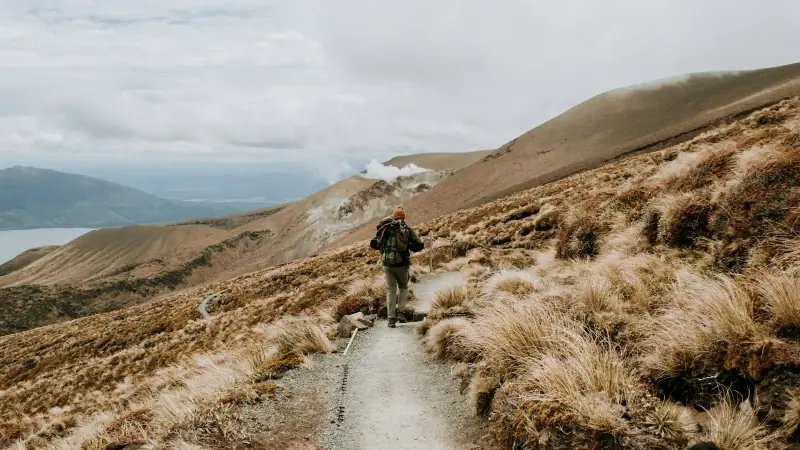
New Zealand is a paradise for walkers. The country has about ten major multi-day tracks, the Great Walks, as well as hundreds of shorter walks, from a few minutes to several hours. Accommodation on the Great Walks is booked long in advance and follows a precise season calendar.
A few safety rules to follow:
- Always check the weather and the trail condition with an information center before setting out.
- Bring warm and waterproof clothing, even in summer.
- Stay on marked trails and respect the rules protecting fauna and flora.
- Let someone know your route for hikes of several hours.
Practical tips before you go
A few points not to overlook so that the trip goes well:
- Insurance: take out travel insurance that includes medical costs and repatriation, because care for visitors can be expensive.
- Connectivity: local SIM cards or eSIMs are easy to get, but the network is weak in remote areas. Download offline maps. Before you go, check your carrier’s international plan or consider a travel eSIM.
- Power outlets: the country uses type I plugs, as in Australia, with a 230 V voltage. An adapter is needed.
- Sun protection: the sun is very intense, even on cloudy days. Sunscreen, a hat and sunglasses are essential.
- Tiny biting flies: sandflies are common in some wet areas, notably on the West Coast and in Fiordland. Bring repellent.
- Respect for Māori culture: follow local instructions at sacred sites, and always ask before photographing a ceremony.
How to organize your trip by length
Here are some ways to structure your trip:
- 10 days: focus on a single island. The 10-day South Island itinerary is a good base.
- 2 weeks: combine, for example, a week on the North Island and a week on the South Island, limiting the stages.
- 3 to 4 weeks: travel both islands at a more relaxed pace, with hiking stages and rest days. The 7-day North Island itinerary can complement the northern part.
In all cases, avoid filling the schedule to the maximum: distances look short on the map, but winding roads and photo stops quickly slow progress.
Recap: where to start?
To prepare your trip efficiently, here is the order we suggest:
- Choose the period with our article when to go to New Zealand.
- Check the entry requirements.
- Book the flight and the accommodation at the most in-demand sites.
- Build the itinerary with one of our two road trips.
- Book the headline activities, such as the Milford Sound cruise or the Tongariro crossing.
- Leave a few free days to enjoy Wellington, Rotorua or Abel Tasman without rushing.
And do not forget to taste the local food along the way. New Zealand is discovered slowly, and that is precisely where its charm lies.
Frequently asked questions
How long do you need to visit New Zealand?
Allow at least two weeks to see one island in depth, and three to four weeks to combine the North and South Islands without rushing. With only ten days, it is better to focus on a single island.
Do you need a visa for New Zealand?
Entry rules depend on your passport. Check the official travel advice of your government before you book: travel.state.gov (US), GOV.UK (UK), travel.gc.ca (Canada), Smartraveller (Australia) (checked November 2026). Always confirm the current conditions on official sites.
What is the best way to get around?
A car or campervan remains the most flexible option, because public transport does not serve natural sites well. You drive on the left, and mountain roads are slower than the distance suggests.
What is the best time to go?
From December to April, summer and early fall in the southern hemisphere offer the most favorable conditions for most activities. Spring (October-November) is also very pleasant, with fewer people. Winter suits skiers.
What budget should you plan for a New Zealand trip?
It is a fairly expensive destination, especially for accommodation and guided activities. The flight is a major part of the budget. Camping, hostel shared kitchens and supermarket shopping help keep spending under control while you are there.
Is it better to visit the North Island or the South Island?
The South Island is the more spectacular, with its fjords, lakes and Alps. The North Island appeals for Māori culture, volcanic landscapes and its cities. If you have only two weeks, the South Island is the most common choice for a first trip.
Can you travel around New Zealand without a car?
It is possible between the main cities and major tourist sites thanks to long-distance buses and a few trains, but it limits your freedom a lot. Organized excursions give access to some sites without driving.
More New Zealand guides
Keep reading
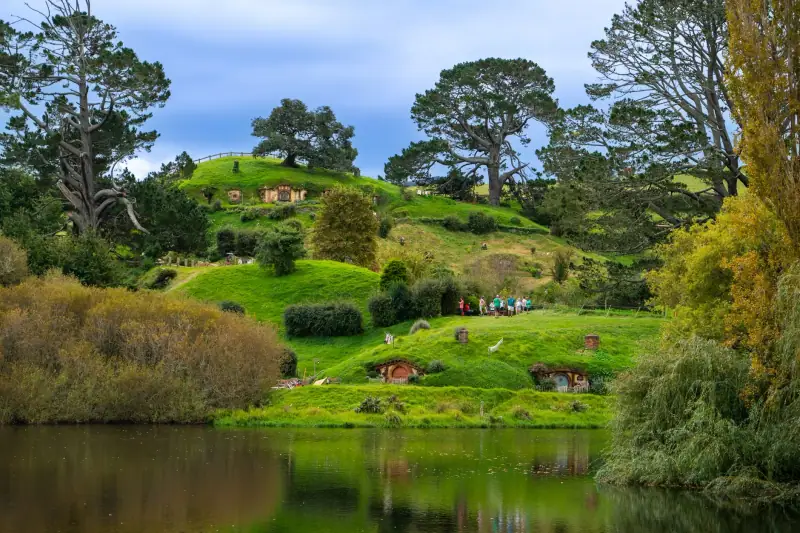
Hobbiton or Waitomo: which to visit with one day from Auckland?
Hobbiton or Waitomo Caves from Auckland? Duration, drive, who each suits and tips to choose, or to combine both without rushing all day.
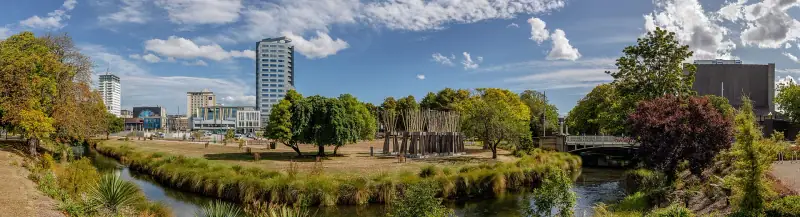
Visiting Christchurch: what to do in 2 days in the Garden City
Visit Christchurch in 2 days: botanic gardens, the Avon, Arts Centre, earthquake memory, Antarctic Centre and trips to Akaroa, Lyttelton or Sumner.
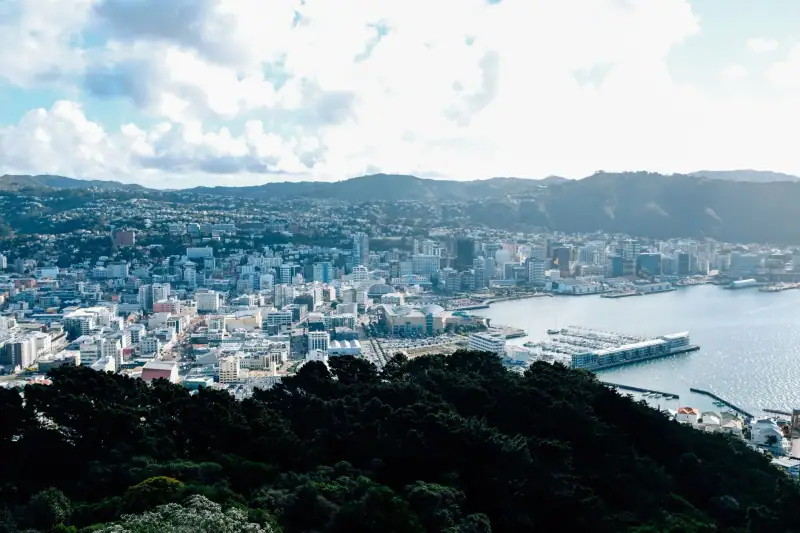
Things to do in Wellington: museums, nature and coffee in 2 days
What to do in Wellington? Te Papa, cable car, Zealandia, Mount Victoria, Cuba Street and the South Island ferry: a guide to organize 2 days in the capital.
Ready-made
New Zealand itineraries

3 days
3 days in Auckland: a day-by-day itinerary with islands, volcanoes and beaches
What to do in 3 days in Auckland: Sky Tower, urban volcanoes, Waiheke Island and west coast beaches, with a day-by-day plan and practical tips.
3 days
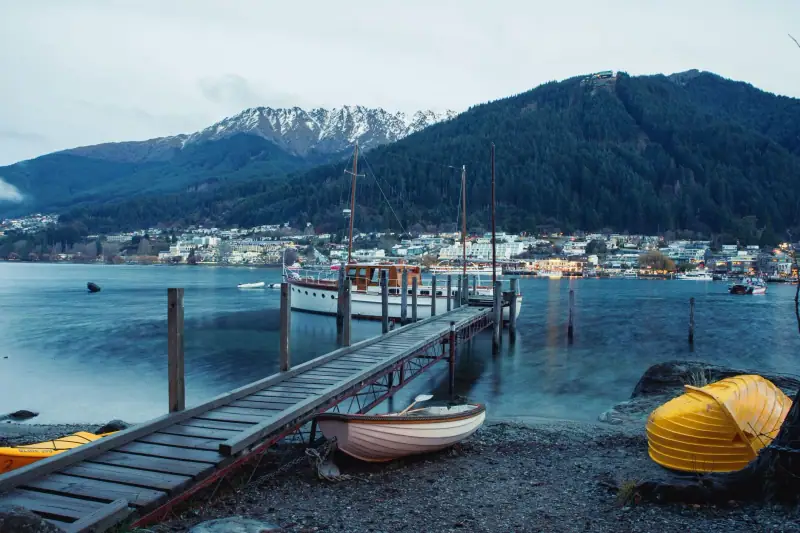
3 days in Queenstown: a day-by-day itinerary with activities and tips
What to do in 3 days in Queenstown: Lake Wakatipu, Arrowtown, Glenorchy and adventure activities, in a day-by-day plan with tips to organize it.
7 days
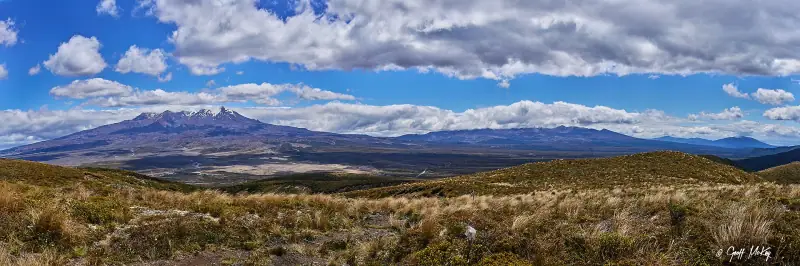
North Island road trip in 7 days: Auckland to Wellington
7-day North Island road trip: Auckland, Waitomo, Rotorua, Taupō, Tongariro and Wellington, with drive times, stops and practical tips.