Plan your trip
When to visit New Zealand: the best time to go, month by month
We may earn a commission when you book through links on this page, at no extra cost to you. We don't visit or try the places we cover: we summarize published sources. How we work
In short
- For a first trip, late summer and early fall in the southern hemisphere (February to April) balance pleasant days, clear landscapes and slightly fewer crowds than midsummer.
- Seasons are reversed compared with the northern hemisphere: summer runs December to February, fall March to May, winter June to August, spring September to November.
- December to February is high season: book accommodation, rental vehicles and Great Walks huts long ahead.
- Winter (June to August) suits skiing around Queenstown and Wānaka; the North Island remains easy to travel.
Choosing the right date to go to New Zealand means first accepting a simple rule: the country is in the southern hemisphere, so its seasons are reversed compared with the northern hemisphere. When the northern hemisphere shivers in January, New Zealanders enjoy the beach and long summer evenings.
But the season is only part of the answer. The country stretches from the subtropical north to the alpine mountains of the South Island, and the weather changes fast, sometimes several times in the same day. This guide helps you choose your dates according to what you plan to do: road trip, hiking, skiing, wildlife watching or a simple relaxing stay.
Understanding New Zealand’s seasons
The calendar is as follows:
- Southern summer: December to February
- Southern fall: March to May
- Southern winter: June to August
- Southern spring: September to November
The climate is oceanic and temperate, with marked nuances by latitude and altitude. The north of the North Island is the mildest, the south of the South Island the coolest, and the Southern Alps form a mountain barrier separating a very wet West Coast from a clearly drier interior.
Very changeable weather
Whatever the season, pack layered clothing, a waterproof jacket and serious sun protection. The sun is reputed to be particularly harsh, and the weather can flip quickly in the mountains as on the coast. This variability is part of the country’s charm, but it means keeping slack in the schedule, especially for high-altitude stages and boat crossings.
Summer (December to February): high season
This is the most popular period, and for good reason: days are long, temperatures pleasant almost everywhere and most activities are accessible. It is the ideal time for swimming, kayaking, multi-day hikes and mountain roads.
The flip side is the crowds. New Zealand school holidays run around Christmas and January, and many residents also travel in their own country. Accommodation at famous sites, places on the great trails and rental vehicles are snapped up, and prices reach their highest level.
If you go at this time, book very early, especially for stops in Queenstown, Abel Tasman National Park and the best-known hiking areas.
Hotels in Queenstown
In high season, the good addresses go fast: compare accommodation by your dates.
Fall (March to May): the best compromise
For many travelers, this is the most pleasant period. Once the summer crowd has dropped off, landscapes take on warm colors, notably around Queenstown and Arrowtown where fall foliage attracts photographers. Days stay mild early in the season, with cooler mornings and evenings gradually shortening.
March and early April often offer stable conditions, with fewer people on the trails, slightly lower prices and superb light. From May, temperatures drop noticeably, especially at altitude, and some activities begin to close for the season.
It is a good period for a classic road trip combining both islands, provided you set off before the days get too short.
Winter (June to August): skiing and lower prices
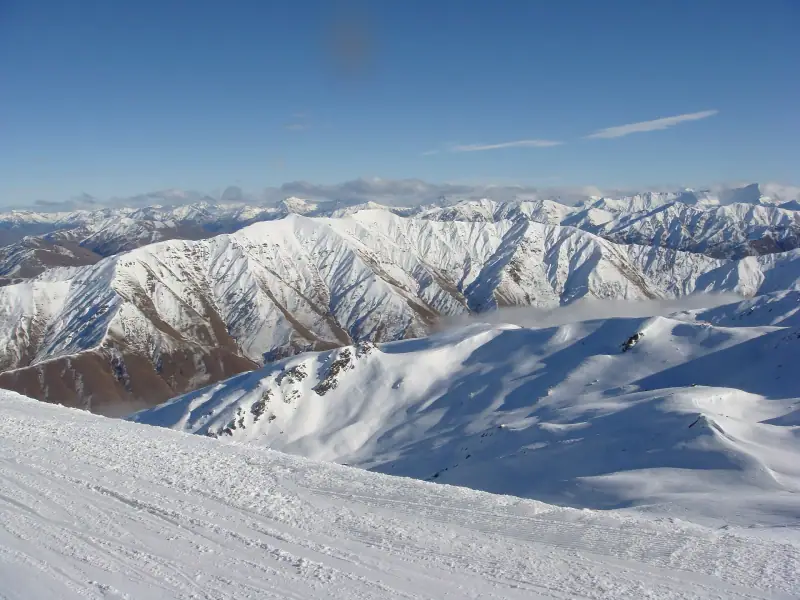
Winter is not the season people choose first, but it has its assets. The South Island’s ski areas, notably around Queenstown and Wānaka, welcome skiers and snowboarders, generally from June to October depending on snow cover. The snowy landscapes of the Southern Alps are spectacular, and accommodation prices drop outside ski periods.
The drawbacks are real: days are short, the cold is marked at altitude, and some mountain roads may require chains or be temporarily closed. Major high-altitude hikes become winter expeditions that call for real experience and suitable equipment.
The North Island, on the other hand, remains very easy to get around. Rotorua and its hot springs, Auckland and Wellington are all good to visit in winter, and the Bay of Islands remains the country’s mildest area.
Matariki, the Māori New Year
In the middle of the year, New Zealand celebrates Matariki, which marks the Māori New Year with the appearance of a star cluster in the sky. Dates change each year and cultural events are organized across the country. Check the official calendar before booking if this interests you.
Spring (September to November): nature awakens
Spring is one of the most charming seasons, with nature in full renewal, lambs in the meadows and brilliant green landscapes. Temperatures rise gradually, but the weather remains very unpredictable: a beautiful day can give way to a cold shower within hours.
Early in the season, snow persists at altitude and some hikes remain difficult or impassable. From October-November, conditions improve and the most famous trails gradually reopen. Prices are still reasonable and the summer crowd is not yet there.
It is a very good option if you want to travel before high season, with a safety margin on the weather.
Excursions in Queenstown
Cruises, scenic flights, guided hikes: compare the activities available by season.
Choosing by region
The North Island
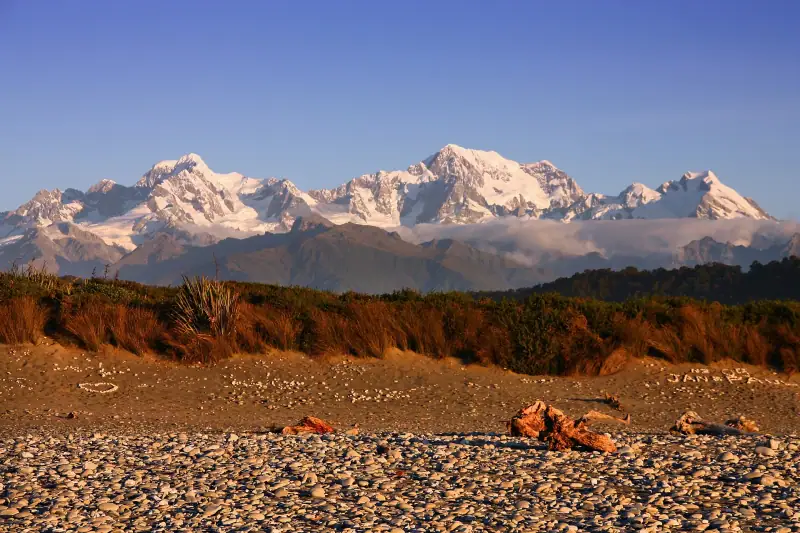
Auckland, the Bay of Islands, Rotorua, Taupō and Wellington enjoy a milder climate than the South Island. The north is the most pleasant for swimming in summer. Farther south, the central plateau around Tongariro and Taupō is cooler, with weather that can change very quickly.
The famous Tongariro Alpine Crossing, a day-long volcanic traverse, is best done in summer and early fall, when conditions are most stable. In winter, the terrain becomes alpine and requires specialized equipment: ask the Department of Conservation and local operators before setting out.
The South Island
This is the realm of grand landscapes: glacial lakes, fjords, glaciers and mountains. Queenstown and Wānaka are great bases all year, with hiking in summer and skiing in winter.
The West Coast and Fiordland receive heavy rainfall all year round. Do not let rain cancel your visits: in rain, the waterfalls of Milford Sound multiply and the spectacle is striking. But keep flexibility in your schedule, as roads or excursions may be disrupted.
In Abel Tasman National Park, the most pleasant season for kayaking and walking by the sea is summer, with late spring and early fall also highly recommended.
Hiking and Great Walks
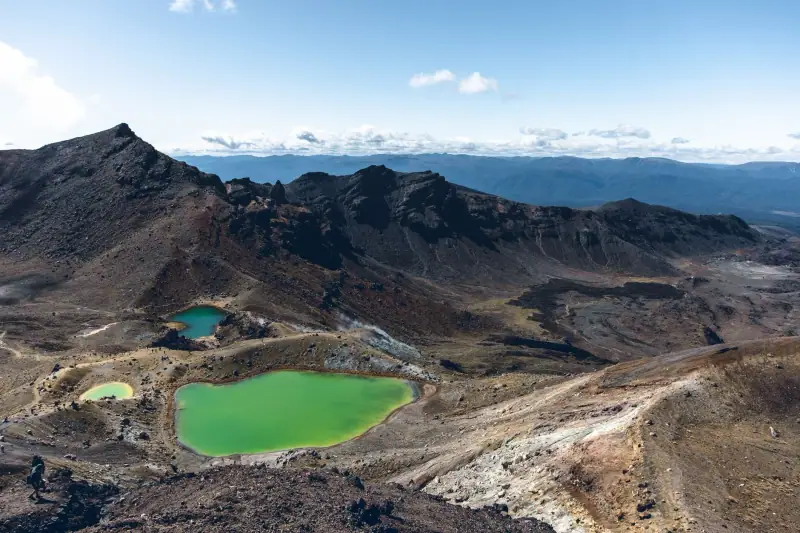
New Zealand is a paradise for hikers, and its Great Walks, marked multi-day trails equipped with huts and campsites, are renowned worldwide. The busiest season runs roughly from late October to April, when conditions are most favorable and services are provided.
Outside this period, huts may no longer be staffed, the risks of avalanche or flood increase and some sections become dangerous. Bookings for the best-known trails open several months ahead and fill quickly: check the official calendar before you fix your flight dates.
Wildlife and seasonal experiences
New Zealand offers fine encounters with nature, but some depend on the season:
- Whales and dolphins: several sea outings are offered around Kaikōura, with sightings possible throughout the year. Conditions vary with the weather and the sea.
- Penguins and seabirds: some colonies are more visible at specific times of the year, notably during the breeding season. Ask at local visitor centers.
- Skiing and snowboarding: from about June to October, depending on the resorts and snow cover.
- Hot springs and geothermal activities: pleasant all year, and particularly appreciated in winter around Rotorua.
The calendars of these activities can change from one year to the next: confirm them with operators before booking.
Budget and crowds by season
The season directly affects the cost of the trip.
- High season (December to February): highest prices, strong demand, bookings to make long in advance.
- Shoulder season (March to April, October to November): good balance of weather, prices and crowds.
- Low season (June to August, outside ski resorts): lower prices, but harsher weather and sometimes reduced hours.
If you travel by motorhome or van, plan the choice of vehicle ahead too: models are booked early in high season, and driving on the left on winding roads calls for caution, especially in rain or fog.
Hotels in Auckland
For your arrival or departure, compare accommodation downtown and in the neighborhoods near the harbor.
Final advice
If you remember only one idea: first choose what you want to experience, then the season that suits it.
- First trip, road trip across both islands: February to April, or October-November.
- Hiking and Great Walks: from late October to April, with bookings made ahead.
- Skiing and snowy landscapes: June to September, around Queenstown and Wānaka.
- A more economical trip: shoulder seasons and early winter, outside school holidays.
In all cases, keep slack in your schedule, watch forecasts and official alerts before each mountain stage, and consider travel insurance that covers weather-related surprises. New Zealand rewards prepared and flexible travelers.
Frequently asked questions
What is the best time to go to New Zealand?
For a first trip, late southern summer and early fall (February to April) offer a good balance: pleasant days, clear landscapes and slightly smaller crowds than in midsummer. Spring (October-November) is also very popular for its green landscapes.
What are the seasons in New Zealand?
They are reversed compared with the northern hemisphere: southern summer runs from December to February, fall from March to May, winter from June to August and spring from September to November.
When should you avoid New Zealand?
There is no absolutely bad period, but winter (June to August) complicates high-altitude hikes and some mountain roads. The Christmas and January holidays are in high demand: accommodation and rental vehicles are booked long in advance.
Can you visit New Zealand in winter?
Yes, especially if you like skiing, snowy landscapes and lower prices. Days are short and cooler, high-altitude hikes call for experience and some seasonal activities are limited. The milder North Island remains easy to travel.
What is the best season for the Great Walks?
The Great Walks, the long multi-day trails, are generally most accessible in the southern summer and early fall. Places in huts and campsites go very early: check the official Department of Conservation calendar and book as soon as it opens.
Where is it warmest in New Zealand?
The north of the North Island, around the Bay of Islands, has the country's mildest and most subtropical climate. The farther south you go on the South Island, the cooler the temperatures, with rapid changes from one day to the next.
More New Zealand guides
Keep reading
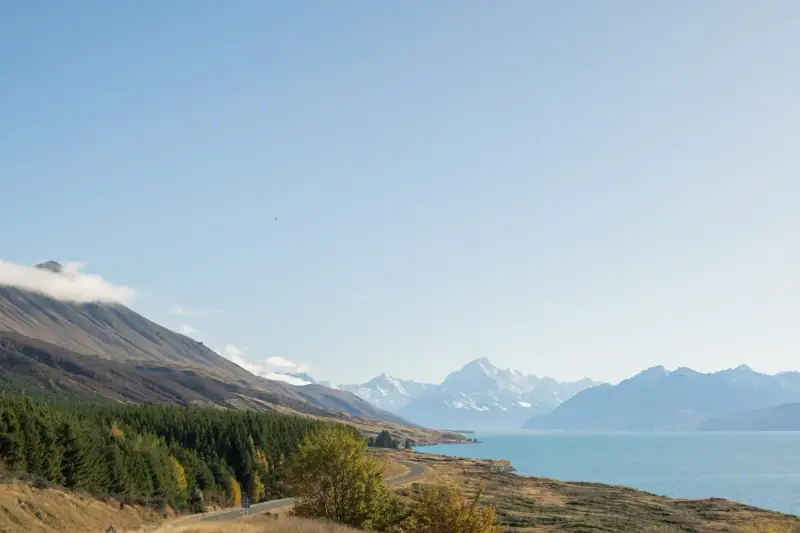
New Zealand budget: real costs, 3 profiles and money-saving tips
How much does New Zealand cost? Real prices by item (lodging, transport, food, activities), three 15-day budgets and tips to pay less.
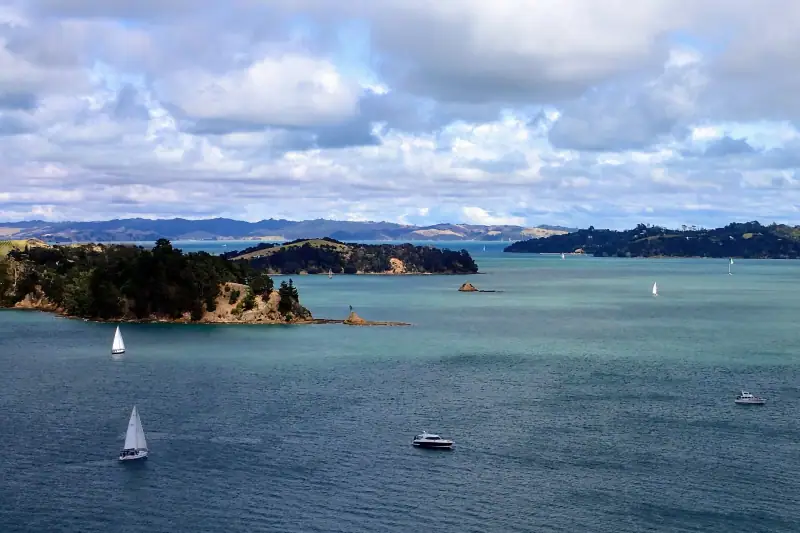
Waiheke from Auckland without a car: ferry, bus, vineyards and prices
Get to Waiheke Island by ferry from Auckland without a car: crossing, buses on the island, beaches, vineyards, a day's budget and mistakes to avoid.
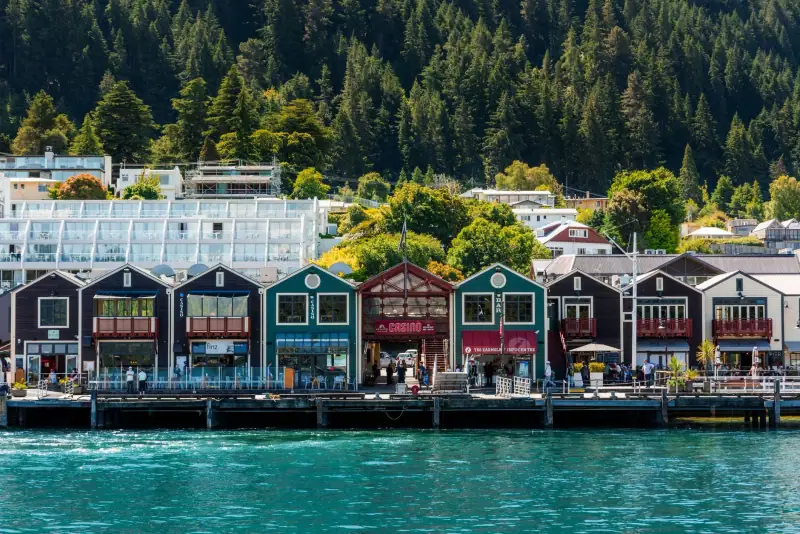
Te Anau or Queenstown: where to stay to visit Milford Sound?
Sleep in Te Anau or Queenstown for Milford Sound? Distances, drive time, budget and recommended nights: the comparison to choose without losing a day.
Ready-made
New Zealand itineraries

3 days
3 days in Auckland: a day-by-day itinerary with islands, volcanoes and beaches
What to do in 3 days in Auckland: Sky Tower, urban volcanoes, Waiheke Island and west coast beaches, with a day-by-day plan and practical tips.
3 days
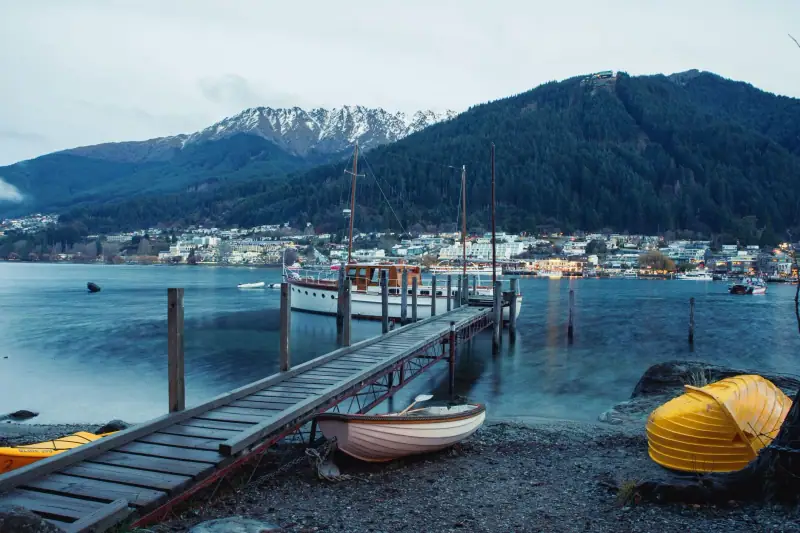
3 days in Queenstown: a day-by-day itinerary with activities and tips
What to do in 3 days in Queenstown: Lake Wakatipu, Arrowtown, Glenorchy and adventure activities, in a day-by-day plan with tips to organize it.
7 days
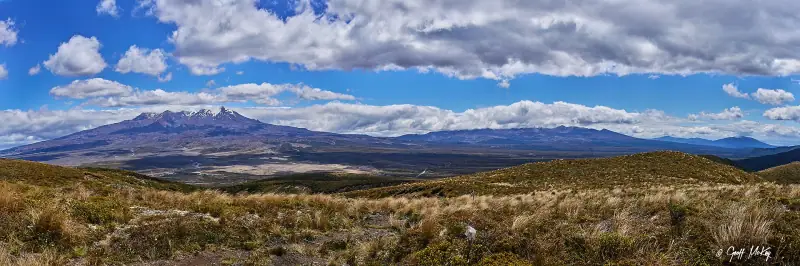
North Island road trip in 7 days: Auckland to Wellington
7-day North Island road trip: Auckland, Waitomo, Rotorua, Taupō, Tongariro and Wellington, with drive times, stops and practical tips.