What to see
Things to do in Wellington: museums, nature and coffee in 2 days
We may earn a commission when you book through links on this page, at no extra cost to you. We don't visit or try the places we cover: we summarize published sources. How we work
In short
- Two days cover Te Papa, the waterfront, the cable car and botanic garden, Cuba Street, and Zealandia or Mount Victoria.
- Pack a windbreaker even in summer: Wellington faces Cook Strait and is nicknamed Windy Wellington.
- The ferry to Picton crosses Cook Strait in about 3 h 30; book ahead in high season, especially with a vehicle.
- You do not need a car in town; rent one only when you continue your road trip.
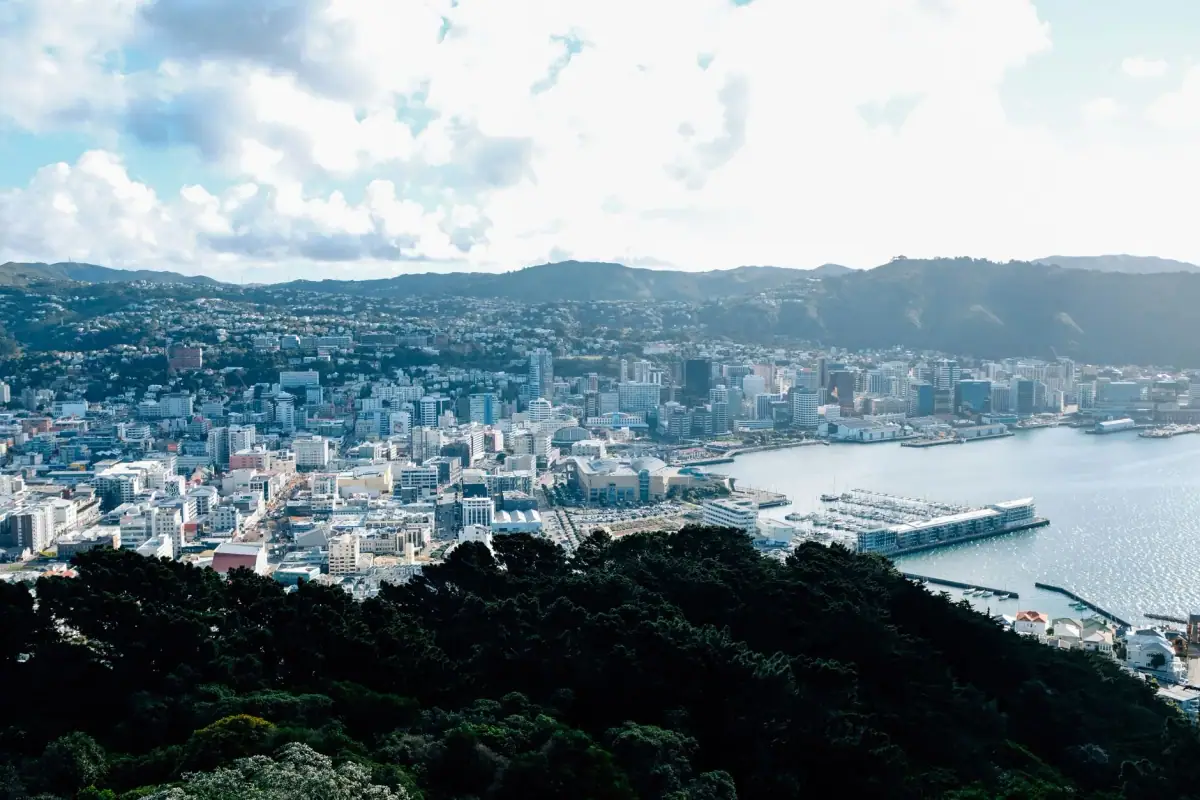
Wellington is the smallest of New Zealand’s big cities, and probably one of the most endearing. Nestled around an amphitheater-shaped harbor, backed by hills covered in wooden houses, the capital packs into a few square kilometers top-class museums, a renowned café scene and nature trails reachable on foot from downtown.
Many travelers only pass through to catch the ferry to the South Island. That is a shame: two days let you enjoy the city without rushing. This guide helps you organize your stay, choose your visits and avoid the pitfalls, starting with the wind. If you are preparing a wider trip, also see our 7-day North Island road trip.
Wellington in brief: what to expect
Wellington has been New Zealand’s capital since 1865. The city is compact: downtown, the waterfront and the main neighborhoods can be covered on foot, which is rare in the country. The atmosphere is more cultural and more urban than elsewhere, with students, civil servants, artists and real neighborhood life.
The terrain plays a big role. The city is built on slopes, between the bay and the hills, giving many viewpoints over the harbor. It is also exposed to the wind from Cook Strait, which earned it the nickname “Windy Wellington”. Even in summer, slip a windbreaker into your bag.
Finally, Wellington is a practical crossroads: you arrive by air, or by road from Auckland or Rotorua, and leave by ferry to Picton to continue on the South Island. It therefore fits very well into a longer itinerary.
Te Papa Tongarewa, the national museum
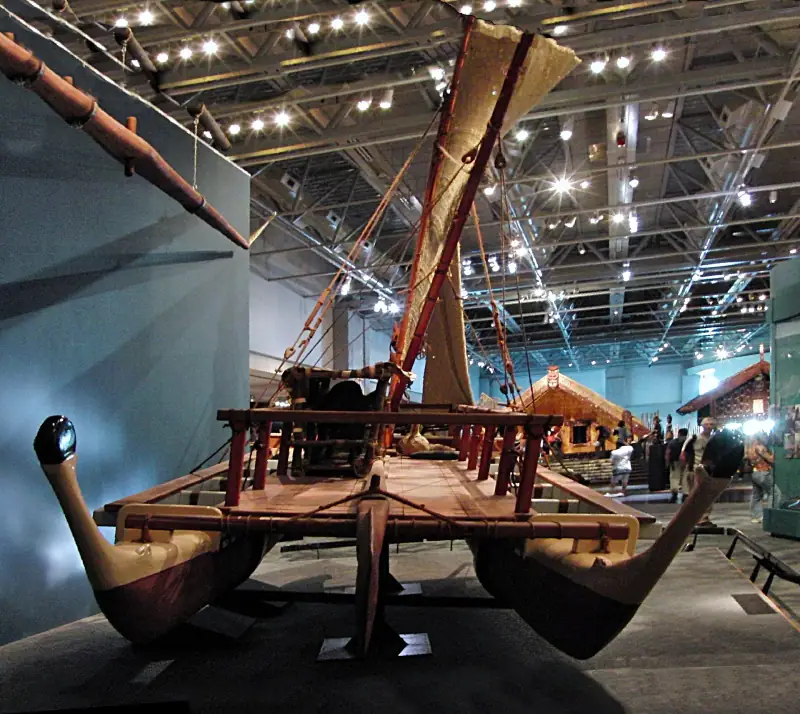
It is impossible to talk about Wellington without mentioning Te Papa, New Zealand’s national museum, set on the waterfront. It is one of the most interesting visits in the country, including for those who are not regular museum-goers.
The collections cover natural history, art, the country’s history and Māori culture. You will discover the unique fauna of the archipelago, the story of the Treaty of Waitangi, and superb pieces of Māori culture, notably a traditional meeting house. The exhibitions are designed to be interactive, which also appeals to children.
Allow at least two to three hours, more if you like to take your time. The museum is very busy in rainy weather, so arrive early in the morning. As entry conditions (free or not depending on the exhibitions and the visitors’ residency) may change, check them on the official site before your visit.
The museum exit leads you straight onto the waterfront: a pleasant walk to continue the day.
Hotels in Wellington
Downtown hotels, apartments and motels: compare accommodation by your dates.
The cable car and the botanic garden
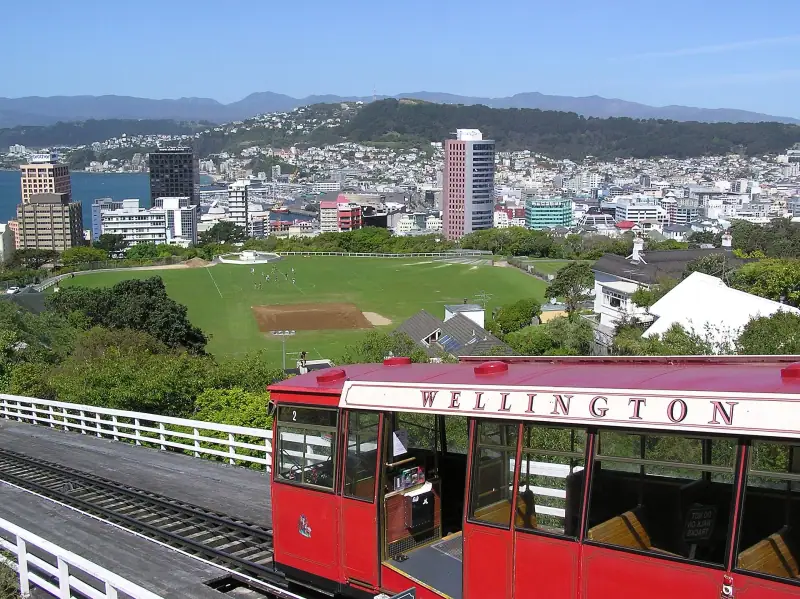
The Wellington Cable Car is one of the city’s symbols. This red funicular links downtown, near Lambton Quay, to the Kelburn district on the heights. The ride is short, but the view over the city and the harbor is one of the finest in the capital.
At the top, you reach the Wellington Botanic Garden, a vast green space with well-kept paths. A pleasant way to come back down is to follow the garden’s paths on foot to downtown: the descent is easy and passes beautiful beds, fern forests and flowering areas depending on the season.
If the weather is clear, this is the best moment of the day to take photos of the harbor and surrounding hills. The whole thing takes half a day, without particular effort, which makes it an ideal activity for a first morning.
Mount Victoria and the waterfront
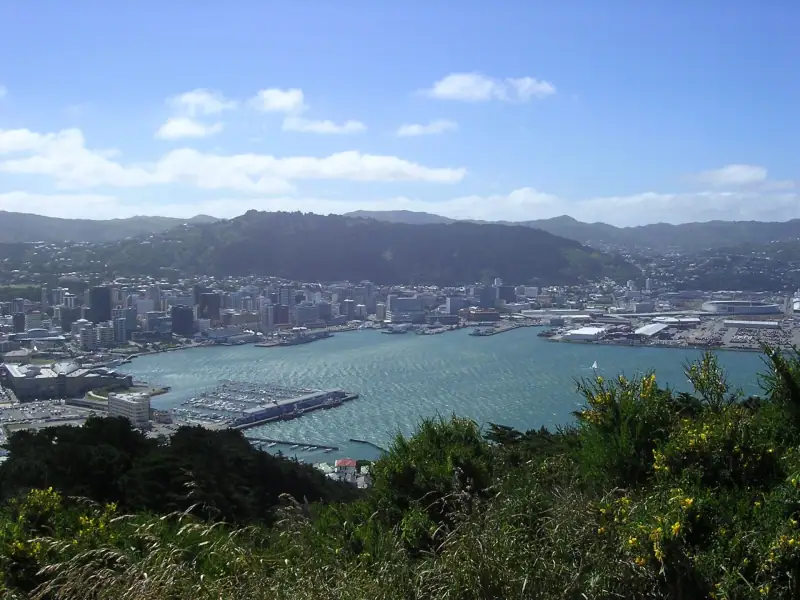
For a full panorama, head to Mount Victoria, a hill near downtown with a 360-degree view over the city, the harbor and the strait. You can walk up from the Te Aro district in about thirty minutes, or get there by car or bus. Sunset is especially popular, but the wind can be strong: dress accordingly.
The waterfront is a place to live in its own right. The promenade follows the harbor from Te Papa to Oriental Bay, the city’s urban beach, where people walk, run or picnic as soon as the sun shows. You will pass sculptures, cafés and jetties from which some jump into the water on fine days.
Allow one to two hours for this walk, depending on your stops. It is also a good way to spot the neighborhoods where you might want to have dinner in the evening.
Zealandia, nature in the heart of the city

Zealandia is an ecological sanctuary a few minutes from downtown, in a valley surrounded by a fence that protects wildlife from introduced predators. The aim is to recreate New Zealand’s original ecosystem and to host rare species that are hard to see elsewhere.
It is one of the best places in the country to observe endemic birds in an easily accessible setting. The trails are well marked and suit most visitors. Night tours are also offered, to try to spot nocturnal species, including the little spotted kiwi, although sightings are never guaranteed.
Allow half a day, more if you like to watch quietly. Bring comfortable shoes and layered clothing, as the weather changes quickly. It is advisable to book ahead in high season, in particular for guided tours.
Activities in Wellington
Guided visits, excursions and nature experiences: compare and book ahead.
Cuba Street, cafés and nightlife
Cuba Street is Wellington’s liveliest and most creative street. Pedestrianized along part of its length, it brings together secondhand clothing shops, record stores, galleries, cafés and restaurants of varied cuisines. The atmosphere is relaxed and a little alternative.
Wellington has a reputation as New Zealand’s coffee capital. Many local roasters serve a flat white, the country’s signature drink, and it is easy to move from one café to another through the day. The city is also known for its craft beer scene, with several breweries and bars downtown.
For dinner, you will find cuisine from around the world, fish and seafood dishes, vegetarian options and more upscale addresses. Rather than relying on a single recommendation, read recent reviews on a mapping app and book on weekends. To go deeper into the specialties to taste, read our guide on New Zealand food.
Weta Workshop and New Zealand cinema
Wellington is closely tied to cinema. The Lord of the Rings and The Hobbit films were largely designed here, and special-effects and prop studios are based in the Miramar district, on the peninsula east of downtown.
Weta Workshop offers guided tours that take you behind the scenes of the making of costumes, weapons, creatures and models used in major productions. Even if you are not a fantasy fan, it is an interesting visit for understanding these craftspeople’s know-how.
Allow about two hours, including travel from downtown. Tours are often full in high season: book a few days ahead.
Flights to Wellington
Compare flights to New Zealand and domestic connections to Wellington.
The ferry to the South Island
For most travelers, Wellington is the gateway to the South Island. The ferry crosses Cook Strait to Picton, in the Marlborough Sounds, in about 3 h 30. The trip is often spectacular: you first follow the Wellington coast, then enter green fjords as you approach Picton.
Several companies operate the crossing. Book ahead in high season, especially with a vehicle, and plan to arrive at the terminal at the time indicated by the company. The sea can be rough in the strait: if you are prone to seasickness, keep that in mind.
If you are traveling in a rental car, check the pickup and drop-off conditions: some options let you leave the vehicle on one side and pick up another in Picton. Your road trip can then continue with our 10-day South Island itinerary.
When to go and how to organize
The southern summer, from December to February, offers the longest days and the mildest weather, with the highest prices. Spring and fall are good alternatives: crowds are smaller, but the weather is more changeable. Winter is cool and rainy, which suits museum visits. To compare seasons, see when to go to New Zealand.
Here is a suggested two-day plan:
- Day 1: Te Papa in the morning, lunch on the waterfront, cable car and botanic garden in the afternoon, dinner on Cuba Street.
- Day 2: Zealandia in the morning, Mount Victoria late in the afternoon, or Weta Workshop if you like cinema.
Downtown is best explored on foot, and buses complement trips to more distant neighborhoods. You do not need a car in town: rent one only when you continue your journey.
Practical tips
- The wind: always bring a windbreaker, even in summer.
- The weather: it can change several times in the same day. Dress in layers.
- Reservations: plan ahead for guided visits, the ferry and accommodation in high season.
- Accommodation: downtown and the Te Aro district let you do everything on foot. Compare offers by your dates.
- Practical information: hours and prices change, always check them on official sites before you leave.
With its museums, hills and neighborhood life, Wellington deserves more than a simple stopover. Two well-filled days are enough to understand why so many visitors and residents love it.
Frequently asked questions
How long does it take to visit Wellington?
Two days are enough to see the essentials: Te Papa museum, the waterfront, the cable car and a lively neighborhood such as Cuba Street. With a third day, you can add the Zealandia sanctuary or a walk on the hills around the city.
Is Wellington the capital of New Zealand?
Yes. Wellington has been the country's capital since 1865, even though Auckland is the most populous city. Parliament and several national institutions are located there.
Why is Wellington said to be a windy city?
The city faces Cook Strait, a corridor where wind often funnels through. Even in fine weather, bring a windbreaker: it can feel much cooler than the forecast temperature.
How do you get from Wellington to the South Island?
Ferries link Wellington to Picton across Cook Strait. The crossing takes about 3 h 30 and offers fine coastal scenery. In high season, book ahead, especially if you are taking a vehicle on board.
Do you need a car to visit Wellington?
No, downtown is easily visited on foot, complemented by public transport. A car is mostly useful if you are continuing a road trip. Remember to return it before taking the ferry if you are changing rental companies.
What is the best time to visit Wellington?
The southern summer, from December to February, is the most pleasant and the brightest. Fall and spring remain possible with suitable clothing, but the weather is more changeable.
More New Zealand guides
Keep reading
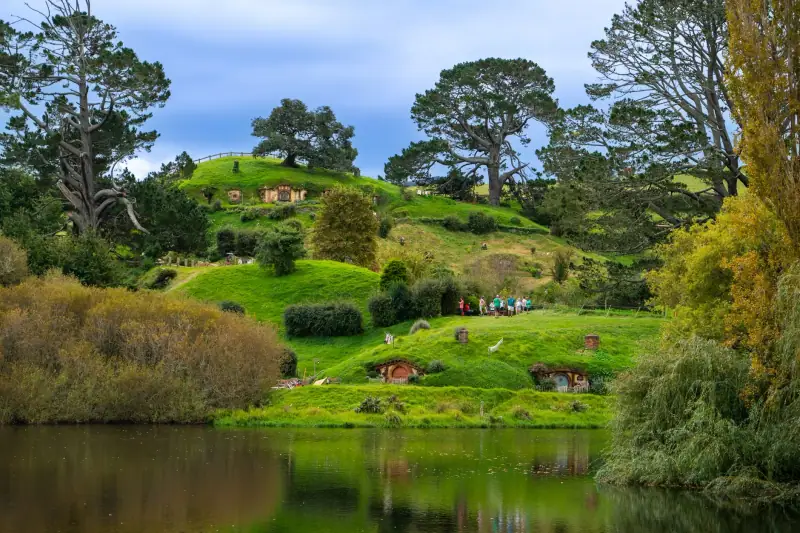
Hobbiton or Waitomo: which to visit with one day from Auckland?
Hobbiton or Waitomo Caves from Auckland? Duration, drive, who each suits and tips to choose, or to combine both without rushing all day.
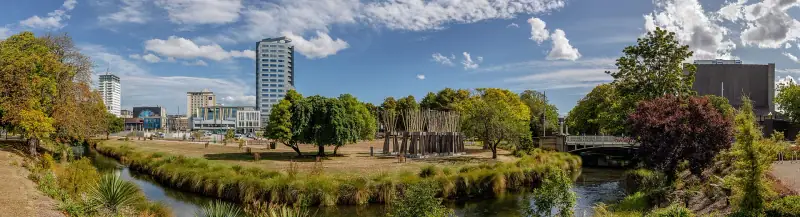
Visiting Christchurch: what to do in 2 days in the Garden City
Visit Christchurch in 2 days: botanic gardens, the Avon, Arts Centre, earthquake memory, Antarctic Centre and trips to Akaroa, Lyttelton or Sumner.
Complete guide to visiting New Zealand: regions, budget and tips
Plan your New Zealand trip: regions, cities, must-sees, best season, transport, accommodation and budget. The pillar guide to organize everything.
Ready-made
New Zealand itineraries

3 days
3 days in Auckland: a day-by-day itinerary with islands, volcanoes and beaches
What to do in 3 days in Auckland: Sky Tower, urban volcanoes, Waiheke Island and west coast beaches, with a day-by-day plan and practical tips.
3 days
3 days in Queenstown: a day-by-day itinerary with activities and tips
What to do in 3 days in Queenstown: Lake Wakatipu, Arrowtown, Glenorchy and adventure activities, in a day-by-day plan with tips to organize it.
7 days
North Island road trip in 7 days: Auckland to Wellington
7-day North Island road trip: Auckland, Waitomo, Rotorua, Taupō, Tongariro and Wellington, with drive times, stops and practical tips.