What to see
Visiting Christchurch: what to do in 2 days in the Garden City
We may earn a commission when you book through links on this page, at no extra cost to you. We don't visit or try the places we cover: we summarize published sources. How we work
In short
- Two days cover the botanic gardens, the Avon, the Arts Centre, the earthquake memorials and one trip such as Sumner, Lyttelton or the Port Hills.
- Akaroa, about 80 km (50 mi) away, deserves a full day, so add a third day if you can.
- The February 2011 earthquake killed 185 people and destroyed much of downtown; the Cardboard Cathedral and the quake memorial tell that story.
- You do not need a car for downtown; it becomes useful for Akaroa, Banks Peninsula and onward to Tekapo, Mount Cook or Queenstown.
Christchurch is the largest city on the South Island and, for many travelers, the first stop after landing. It is nicknamed the “Garden City” for its parks, flower-lined banks and very British atmosphere. But the city also has a more recent and striking history: the 2010 and 2011 earthquakes upended its center, and its rebuilding today makes it one of the most interesting places in the country for understanding a community’s resilience.
This guide helps you organize two days in the city, choose your visits and add a trip in the surroundings. If Christchurch is the starting point of your trip, also read our 10-day South Island road trip, which links the city to Queenstown.
Christchurch in brief: what to expect
Christchurch is a flat city, built on the Canterbury plain between the Pacific Ocean and the Southern Alps, which you can make out in clear weather. This topography makes it one of the most pleasant cities in the country to explore by bike or on foot, a change from Wellington and its hills. The center is organized around Cathedral Square, the Avon River and the vast Hagley Park.
The atmosphere is calm, more provincial than Auckland’s. Cafés, shops and galleries are gradually settling into rebuilt districts, while many murals color the facades. You will find a successful mix of Victorian Gothic Revival buildings and contemporary architecture.
On climate, the region is one of the driest in the country, with sunny summers and cool winters. To choose your period, see our guide when to go to New Zealand.
The botanic gardens and Hagley Park
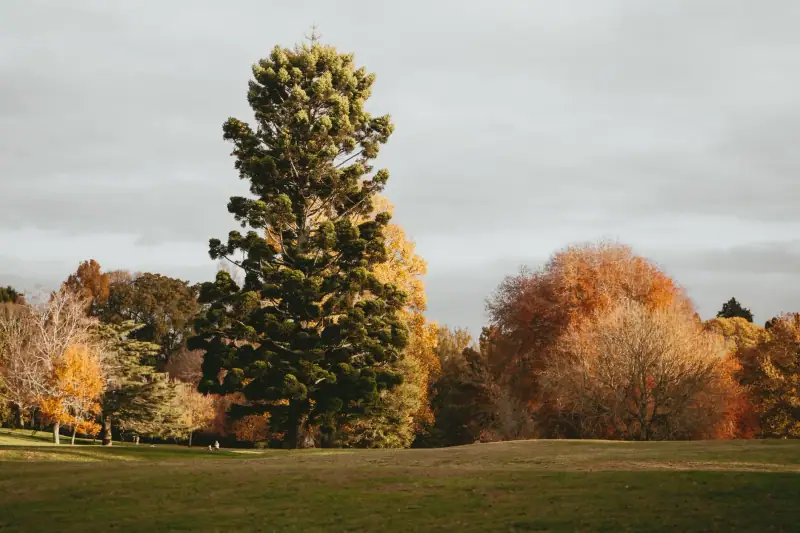
Hagley Park is the city’s big green lung, with its lawns, tree-lined paths and sports fields. Christchurch’s botanic gardens nestle inside it, enclosed by a loop of the Avon. They are free to enter and open all year, and bring together collections of roses, native plants, ferns and glasshouses of varied shapes.
It is the best place for a first morning. You can stroll at your own pace, picnic on the grass or have a coffee at one of the park’s establishments. In fall, the trees of Hagley Park take on warm colors that delight photographers.
Allow two to three hours for the gardens alone, more if you combine the visit with a walk along the river. Families will appreciate the wide spaces where children can run freely. Comfortable shoes are enough: everything is flat and well kept.
The Avon, by punt or on foot
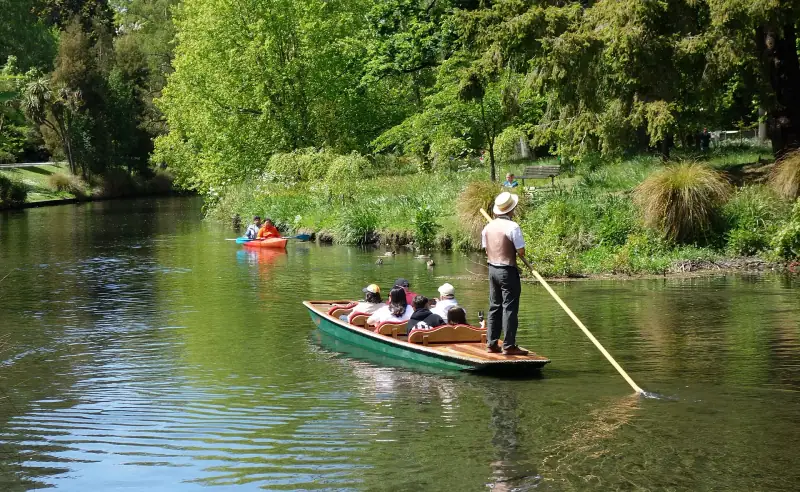
The Avon River winds through the city, lined with weeping willows and lawns. Punting, a ride in a flat-bottomed boat steered by a boatman in traditional dress, is a signature activity of the city, offered in the gardens area. It is a little touristy, but it is a peaceful way to see the city from another angle.
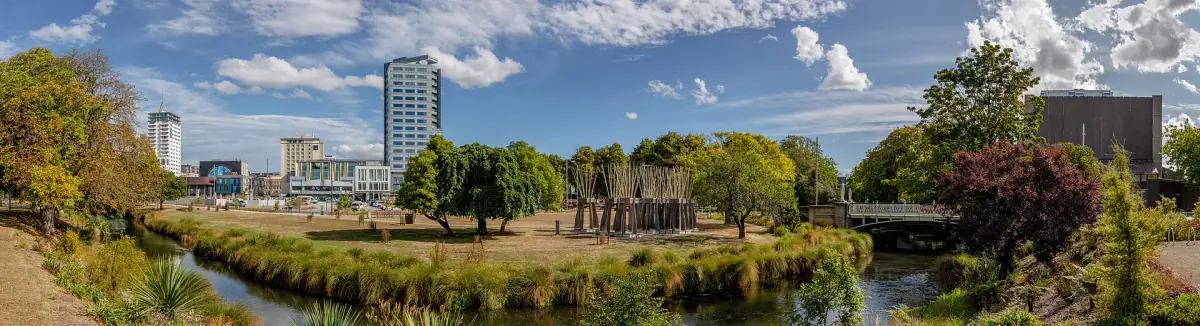
If you prefer to walk, a path follows the river for a good part of its course and links the gardens to downtown. You will meet ducks, cyclists and joggers, as well as a few memorial bridges. Allow about an hour of quiet strolling.
For those who like some effort, renting a bike is also a good option: the terrain is flat, bike paths are numerous and traffic is moderate downtown.
Hotels in Christchurch
Downtown hotels, motels and apartments: compare accommodation by your dates.
The Arts Centre and the historic center
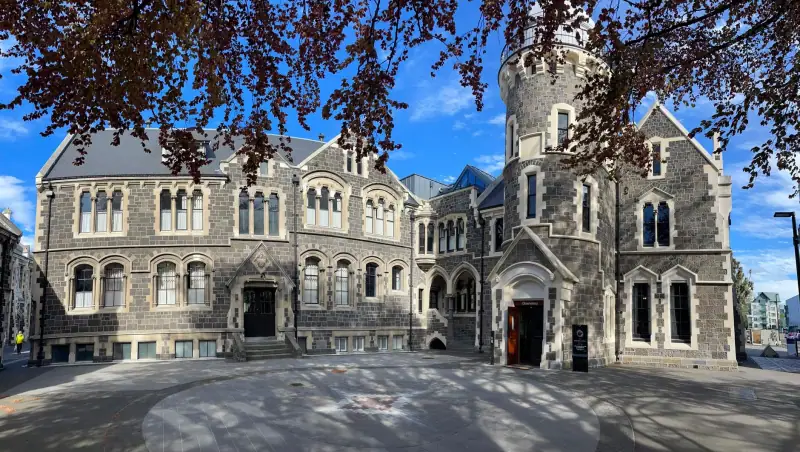
The Christchurch Arts Centre occupies a group of Gothic Revival stone buildings, originally built to house the University of Canterbury. The site was badly damaged by the earthquakes, then restored over many years. It now houses craft shops, galleries, cafés, performance venues and a local market on certain days of the week.
Walking through the inner courtyards is a pleasure in itself, even without buying anything. It is a good place to have lunch or to bring back a souvenir made by local designers. Check visiting and market hours on the official site, as they vary by season.
Nearby, the Canterbury Museum, devoted to natural history, Māori culture and Antarctic exploration, is closed for a major redevelopment: the reopening of the main building is announced for around 2029. In the meantime, a pop-up museum presents a selection of collection pieces and temporary exhibitions at CoCA, 66 Gloucester Street. As access conditions may change, check hours and prices before you come; an hour or two is enough.
Earthquake memory and rebuilding
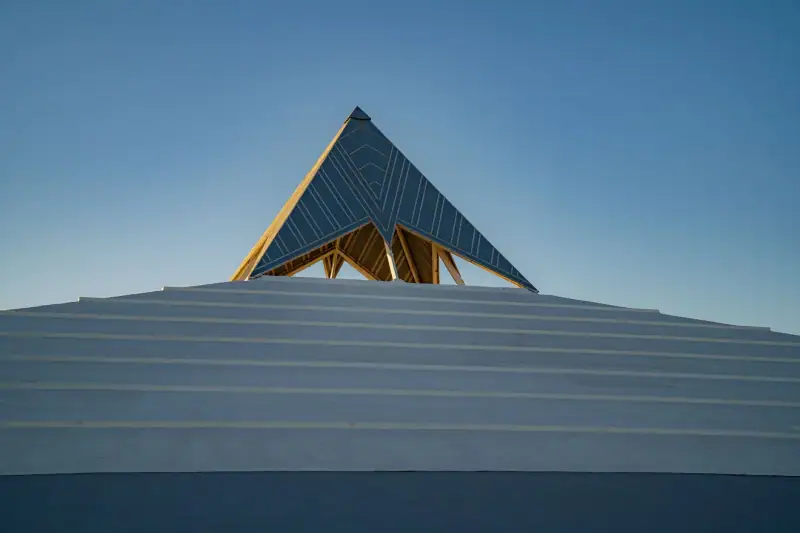
You cannot understand Christchurch without mentioning the earthquakes of September 4, 2010 and February 22, 2011. The second, particularly deadly, cost 185 people their lives and destroyed much of downtown. The Anglican cathedral, on the main square, was badly damaged, and the city had to reinvent itself.
Several places let you approach this history with respect. The “Cardboard Cathedral”, or transitional cathedral, designed by Japanese architect Shigeru Ban with cardboard tubes, has become a symbol of ingenuity and hope. The earthquake memorial, set along the Avon River, honors the victims with a wall bearing their names. The Quake City museum retraces the event through testimonies and objects.
This discovery is moving and instructive. It gives another dimension to your walks downtown, where murals, art installations and still-vacant lots tell the story of the rebuilding. Allow half a day to combine the memorial, the transitional cathedral and a few street murals.
The International Antarctic Centre
Christchurch has long been a gateway to Antarctica: several international scientific programs stop over here before heading to the white continent. The International Antarctic Centre, near the airport, helps you understand this link through interactive exhibits, a polar storm simulation and animals.
It is an outing particularly suited to families, and a good option on rainy days. Allow two to three hours there. Its proximity to the airport makes it easy to fit in on arrival or departure day, if your flight leaves you a free slot.
Activities in Christchurch
Guided visits, excursions and nature experiences: compare and book ahead.
Trips around Christchurch
The Canterbury region offers several outings that are easy to add to a stay of two or three days.
- Sumner: a small seaside resort about thirty minutes from downtown, with its beach, cafés and a cave-shaped rock to explore at low tide.
- Lyttelton: a former port nestled in a volcanic crater, known for its bohemian atmosphere, cafés and local weekend market. You can also ride the gondola up the Port Hills for an overview of the city and the bay.
- Akaroa: a village about 80 km (50 mi) away, on Banks Peninsula, founded by French settlers in the mid-19th century. Street names and a particular atmosphere remain. You can watch dolphins there, including Hector’s dolphin, one of the smallest in the world. Allow a full day.
- The TranzAlpine: a scenic rail link between Christchurch and the West Coast, often cited among the most beautiful train journeys in the world. The day is long; check timetables and booking conditions before committing.
For the next stages, see our 10-day South Island road trip, which naturally extends these trips toward Tekapo and Mount Cook.
Where to eat and have a coffee
Christchurch has a food scene in full renewal. In the rebuilt center you will find cafés from local roasters, world-cuisine restaurants and tables that showcase Canterbury produce: lamb, fish, cheeses, seasonal fruit. The neighboring Waipara wine region is also less than an hour away by road, with its rieslings and pinot noirs; see our article on the wine route in New Zealand.
For a broader look at the country’s food, read eating in New Zealand: the specialties. Addresses change fast in a city being rebuilt: ask your host for advice rather than relying on a fixed list.
Flights to Christchurch
Compare flights to New Zealand and domestic connections to Christchurch.
Getting around Christchurch
Downtown can be covered on foot. A heritage tram runs a tourist loop around the main sites, useful for getting your bearings or resting your legs. Buses link downtown to the airport and outlying neighborhoods, and shared bikes and scooters are common.
For excursions outside the city, a rental car offers more freedom. Remember that you drive on the left: take time to get used to it on quiet roads before venturing farther. Also think about your overall budget by reading our budget guide for New Zealand.
Suggested 2-day itinerary
Day 1: the heart of the city. Morning at the botanic gardens and Hagley Park, then a walk along the Avon, possibly by punt. Lunch at the Arts Centre, then an afternoon devoted to the Canterbury Museum pop-up (CoCA) and earthquake memory (transitional cathedral, memorial). Dinner downtown.
Day 2: your choice according to taste. Nature option: Port Hills and Lyttelton, returning via Sumner. Family option: International Antarctic Centre and an afternoon in the park. Change-of-scenery option: a day in Akaroa with dolphin watching. In all cases, keep free time to wander: it is the spirit of the city.
Practical tips
- When to come: December to February for the gardens, but fall is very photogenic.
- Clothing: bring layers, as the weather can change quickly, even in summer.
- Booking: popular activities and accommodation should be booked ahead in high season.
- Entry requirements: entry rules depend on your passport. Check the official travel advice of your government before you book: travel.state.gov (US), GOV.UK (UK), travel.gc.ca (Canada), Smartraveller (Australia) (checked November 2026).
- Insurance: travel insurance covering medical costs is strongly recommended.
To conclude
Christchurch is not New Zealand’s most spectacular city, but it is one of the most human. Its soothing gardens, its recent history and its creative vitality make it a stop that deserves more than a simple transit night. Two days will give you a good idea of its character, and a third will let you discover Akaroa or the coast. After that, the road to the Southern Alps opens in front of you.
Frequently asked questions
How long does it take to visit Christchurch?
Two days let you see downtown, the gardens, the Arts Centre and a museum, then devote half a day to a trip such as Sumner, Lyttelton or the Port Hills. A third day is useful for Akaroa, which deserves a full day.
Is Christchurch worth the detour?
Yes, especially if you like human-scale cities, gardens and recent history. It does not have Queenstown's spectacular scenery, but it is a very good base to catch your breath before or after a South Island road trip.
What happened in Christchurch in 2010 and 2011?
Two major earthquakes struck the Canterbury region, in September 2010 and then February 2011. The second, closer to the center, killed 185 people and destroyed much of downtown. Rebuilding has continued since, giving the city its unique mix of the new and the remembered.
Do you need to rent a car in Christchurch?
Not for downtown, which can be visited on foot, by tram or by bike. A car becomes useful for Akaroa, Banks Peninsula and, of course, to continue to Tekapo, Mount Cook or Queenstown. Many travelers pick it up on the day they leave the city.
Where should you stay in Christchurch?
Downtown is the most practical for a short stay: everything is on foot. The neighborhoods around Hagley Park and Riccarton are quieter and often well placed for travelers with cars, with easier parking.
What is the best season to visit Christchurch?
The southern summer (December to February) is ideal for the gardens and walks. Fall offers lovely colors in the parks. Winters are cool, sometimes frosty, but the city remains pleasant and serves as the gateway to the region's ski areas.
More New Zealand guides
Keep reading
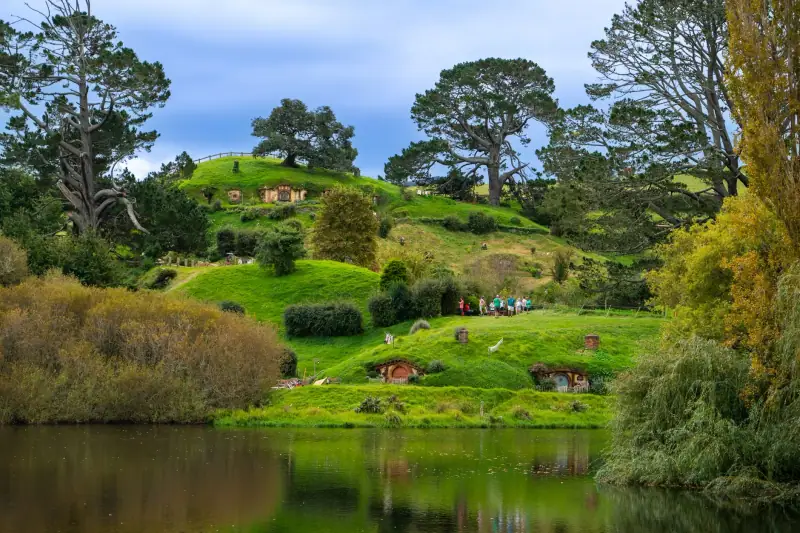
Hobbiton or Waitomo: which to visit with one day from Auckland?
Hobbiton or Waitomo Caves from Auckland? Duration, drive, who each suits and tips to choose, or to combine both without rushing all day.
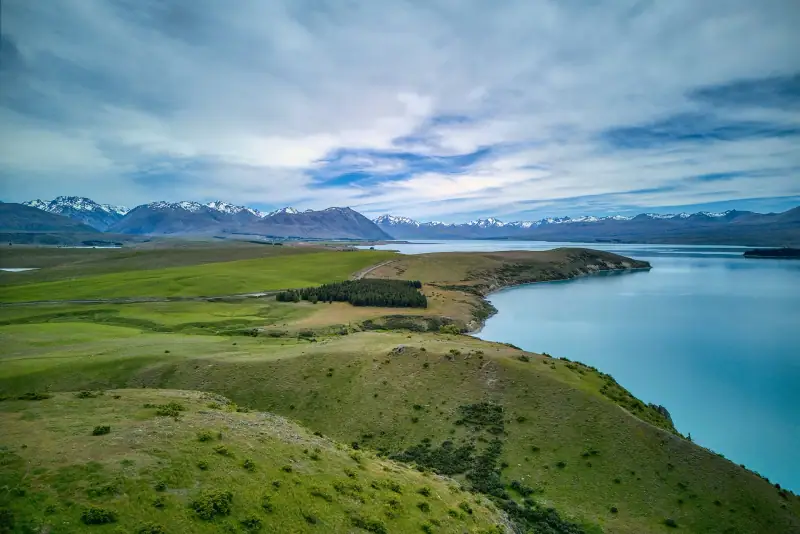
Complete guide to visiting New Zealand: regions, budget and tips
Plan your New Zealand trip: regions, cities, must-sees, best season, transport, accommodation and budget. The pillar guide to organize everything.
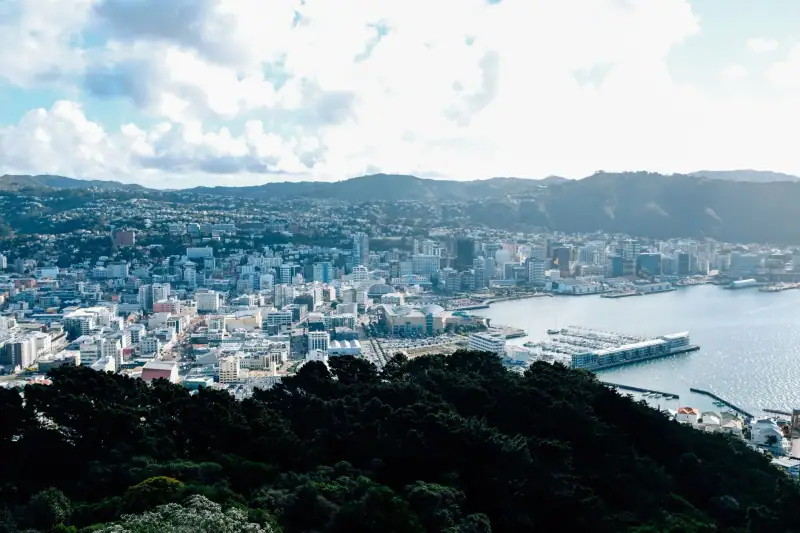
Things to do in Wellington: museums, nature and coffee in 2 days
What to do in Wellington? Te Papa, cable car, Zealandia, Mount Victoria, Cuba Street and the South Island ferry: a guide to organize 2 days in the capital.
Ready-made
New Zealand itineraries

3 days
3 days in Auckland: a day-by-day itinerary with islands, volcanoes and beaches
What to do in 3 days in Auckland: Sky Tower, urban volcanoes, Waiheke Island and west coast beaches, with a day-by-day plan and practical tips.
3 days
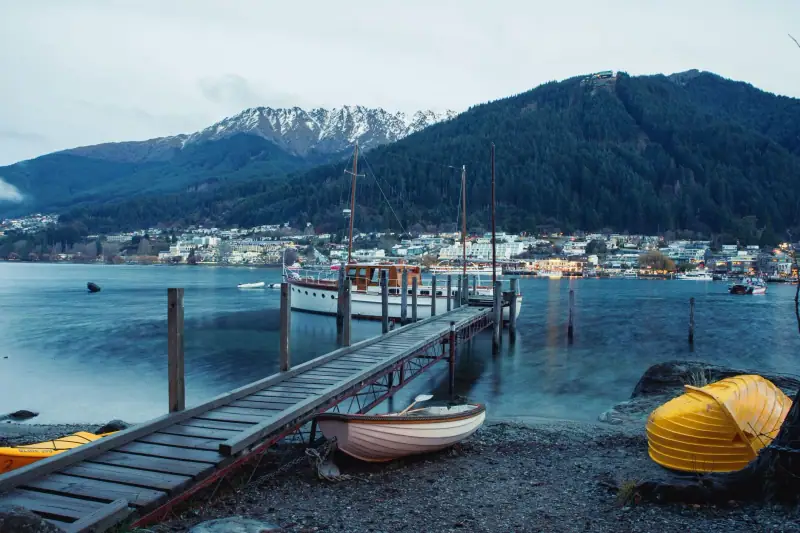
3 days in Queenstown: a day-by-day itinerary with activities and tips
What to do in 3 days in Queenstown: Lake Wakatipu, Arrowtown, Glenorchy and adventure activities, in a day-by-day plan with tips to organize it.

7 days
North Island road trip in 7 days: Auckland to Wellington
7-day North Island road trip: Auckland, Waitomo, Rotorua, Taupō, Tongariro and Wellington, with drive times, stops and practical tips.