Things to do
Chitwan Safari: A Guide to the National Park, from Sauraha to the Rhinos
We may earn a commission when you book through links on this page, at no extra cost to you. We don't visit or try the places we cover: we summarize published sources. How we work
In short
- Chitwan is one of the best places in South Asia to watch the Indian rhinoceros; plan at least two nights there.
- From Kathmandu it is about 150 km (93 mi) and generally 5 to 7 hours by road; from Pokhara generally 4 to 6 hours.
- The dry season, roughly October to March, is the most pleasant; April to June is hot and the monsoon is humid.
- Walks in the forest require a licensed naturalist guide. Elephant rides are widely criticized: prefer jeep, guided walk or canoe.
After the altitude of the Himalaya and the bustle of Kathmandu, the Terai offers a completely different Nepal: flat, hot, covered with sal forests and tall grasslands. Chitwan National Park is its great attraction. It is one of the best places in South Asia to watch the Indian rhinoceros in its natural habitat, and an ideal complement to a cultural stay or a trek.
Here is how to prepare your safari: what you really see, how to get there, where to stay and which activities to choose.
Chitwan National Park in brief
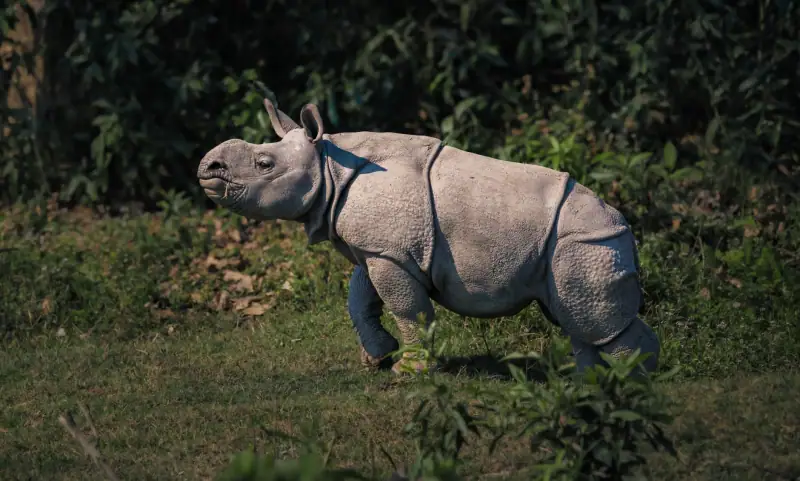
Created in the 1970s and UNESCO World Heritage listed since the 1980s, the park protects a vast portion of the Terai, in the south of the country, near the Indian border. It combines forests, marshes, grasslands and rivers, which shelter remarkably varied wildlife.
The animals you are most likely to meet:
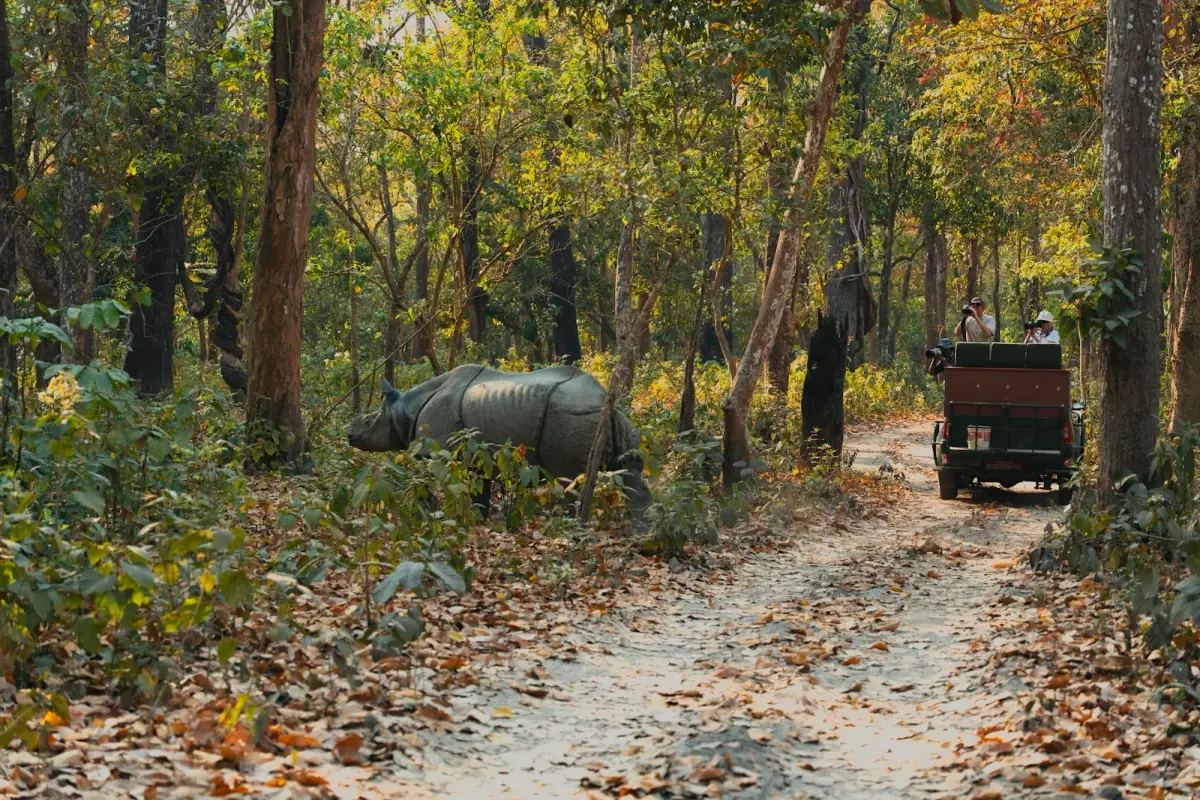
- The Indian rhinoceros, the park’s emblem, regularly seen in the grasslands and near watercourses.
- The gharial, a crocodile with a very slender snout, spotted on sandbanks along the river.
- Deer, wild boar and monkeys, very common on the trails.
- Birds, with several hundred species recorded: a pleasure for enthusiasts, even beginners.
The Bengal tiger and the sloth bear also live in the area, but they are very discreet. Seeing them is a matter of luck: better to go without that expectation, and enjoy the rest.
How to get to Chitwan
Most travelers reach Chitwan by road, from Kathmandu or Pokhara. Journeys are longer than the distance suggests, because of the terrain, traffic and the state of the roads.
- From Kathmandu: it is about 150 km (93 mi) and generally 5 to 7 hours by road, depending on traffic and roadworks. Tourist buses and private vehicles make the trip.
- From Pokhara: generally plan 4 to 6 hours by road. It is a natural stage on the route between the country’s two main cities.
- By plane: some connections exist to Bharatpur airport, near the park. Schedules and airlines change often: check before booking.
In all cases, allow a margin, especially during the monsoon, when landslides can slow or cut some stretches. If you are preparing a full itinerary, our two-week itinerary in Nepal places Chitwan between Pokhara and the return to Kathmandu.
Flights to Nepal
To combine Kathmandu, Pokhara and the Chitwan jungle, compare flights to Kathmandu, with or without a stopover, before locking in your dates.
Sauraha: the starting base for the safari
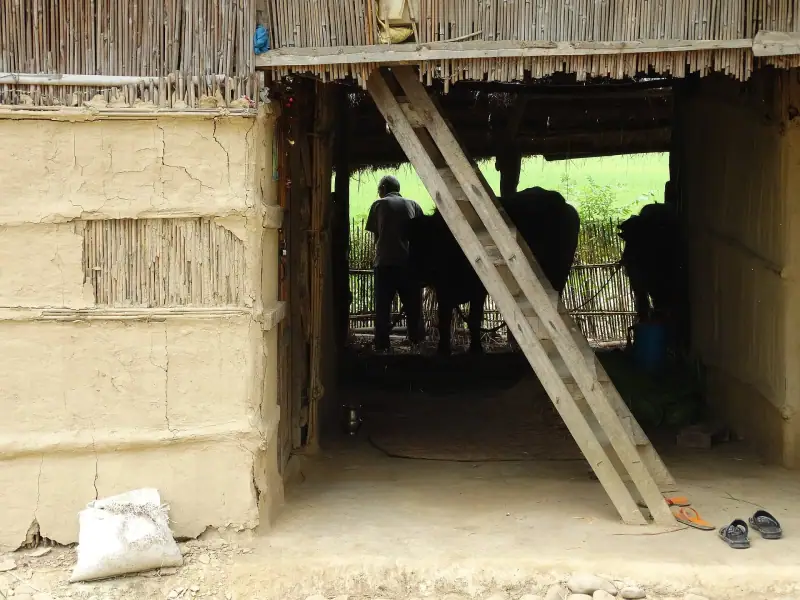
The village of Sauraha, on the northern edge of the park, is the most common starting point. It has lodging of all categories, agencies, restaurants and bike rental. The atmosphere is relaxed, turned toward nature, and the river is a stone’s throw away.
Other areas exist, notably farther west, with more isolated and often pricier lodges. They suit you if you seek calm and immersion, but they require more logistics for transfers.
Types of lodging break down roughly as follows:
- Simple guesthouses: basic but clean rooms, suited to a small budget, with outings booked on the spot.
- Mid-range lodges: gardens, restaurant, naturalist staff, sometimes all-inclusive packages with activities.
- Luxury lodges: isolated setting at the forest edge, often offered as a package including transfers, meals and outings.
To choose, look at what the package includes (park entrance fees, guide, transfers) and read recent reviews. Pay attention to the establishment’s practices concerning elephants, a point on which opinions differ strongly (see below).
Stays in Chitwan
Guesthouses, jungle-edge lodges or boutique hotels: compare offers and reviews before booking.
Activities in the park
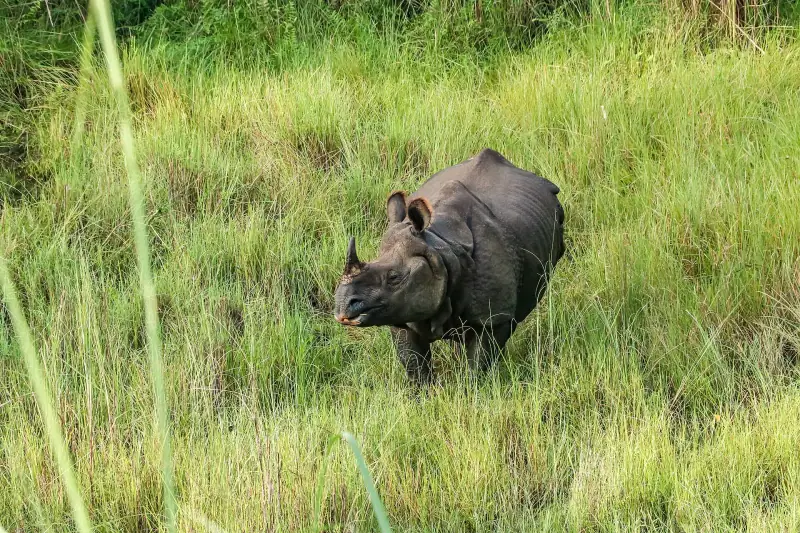
A stay in Chitwan is generally built around a few complementary activities, spread over two or three days.
The jeep safari
This is the option that covers the most ground. The vehicle runs along tracks and grasslands, with a guide who spots the animals. The outing lasts several hours, as a half day or a full day with a picnic. It is the best option if you want to maximize your chances of seeing a rhinoceros.
The guided walk
Walking in the forest with a naturalist guide changes the way you observe: you discover tracks, birds, termite mounds and plants, and you hear the sounds of the jungle. This activity requires a licensed guide and strict respect of his instructions, because you share the space with wild animals. Listen to the safety instructions before departure, and never move away from the group.
The canoe ride
Dugout canoes carved from a trunk glide silently on the river, with fine chances to watch gharials on the banks, kingfishers and other water birds. It is the most peaceful activity, ideal early in the morning or late in the afternoon.
Tharu villages and local culture
The Terai is the land of the Tharu people, with their own language, architecture and traditions. Some villages offer dance shows, visits and local meals. Choose initiatives run by the communities themselves, and ask permission before photographing residents.
Safaris and excursions in Chitwan
Jeep, canoe, walk with a naturalist guide: browse the offers and choose the formula that suits you.
Elephants: a question of ethics
Elephant rides have long been part of the tourist offer in Chitwan. They are now strongly criticized by many animal protection organizations, which denounce training methods and the loads carried by the animals.
For a more respectful trip, here are a few benchmarks:
- Prefer no-contact activities: jeep, guided walk, canoe.
- Ask your lodging how the elephants are treated, and about its policy on the matter.
- Avoid shows and baths with tourists, which are rarely beneficial to the animals.
- Watch elephants from a distance, if visits to a breeding or conservation center interest you, after finding out about its practices.
Everyone remains free to choose, but it is better to decide with full knowledge than on the strength of a brochure.
When to go for a Chitwan safari
The Terai has its own rhythm, different from that of the mountains. For the season-by-season detail, see our guide when to go to Nepal. In summary:
- October to March: the dry season, the most pleasant. Mornings are cool, days mild, and observation is easier in winter, when vegetation is less dense.
- April to June: the heat becomes strong. Outings are early in the morning and late in the day, and midday is spent in the shade.
- July to September: the monsoon. The climate is humid, mosquitoes abound and some roads are difficult. Fewer visitors, but less comfort.
Also think of mosquitoes, present all year and especially active at dusk: long clothes, repellent and a mosquito net are advised.
Practical tips
- Length: two nights in the area, at a minimum, to enjoy the park without settling for a round trip.
- Clothing: favor neutral colors (green, beige, khaki), which blend into the scenery and disturb animals less. Avoid bright colors.
- Gear: binoculars, hat, sunscreen, repellent, reusable water bottle. A camera with a good zoom is useful for birds and rhinoceroses.
- Guide: book only outings led by licensed guides, and respect safety distances.
- Entrance fees: the park charges a fee and rates change: check the current amount with your lodging or a local agency.
- After the safari: continue to Kathmandu, Pokhara or the holy city of Lumbini, the Buddha’s birthplace, depending on your itinerary. For a relaxed stay after the jungle, see also our guide to Pokhara.
Chitwan is a good counterpoint to the rest of the trip: the air is hotter, the pace slower, and you leave with memories very different from those of the mountains. Two or three days are enough to see a rhinoceros, glide in a canoe at dawn and taste life in the Terai.
Frequently asked questions
How much time should you plan to visit Chitwan National Park?
Two nights, so three days counting arrival and departure, make a good minimum. That leaves time for a jeep outing, a guided walk and a canoe ride on the river, without rushing. With a single night, you will spend most of the time on the road.
Can you see tigers in Chitwan?
The Bengal tiger lives in the park, but it is discreet and rarely spotted during a stay of a few days. The most frequent encounters involve the Indian rhinoceros, deer, monkeys and many birds. Treat the tiger as a possible stroke of luck, not a goal.
Do you need a guide to enter the park?
Yes for forest activities, notably walks: they are done with a licensed naturalist guide. It is a matter of safety, because dangerous animals roam freely. Your lodging or a reputable local agency can arrange outings and entrance fees.
What is the best time for a Chitwan safari?
The dry season, from about October to March, is the most pleasant: bearable temperatures and vegetation easier to see through in winter. From April to June, the heat is strong and outings are mostly early in the morning or late in the day. During the monsoon, the climate is humid and some roads can be difficult.
What about elephant rides?
These activities are criticized by many animal protection groups, who worry about the elephants' living and training conditions. For a more responsible trip, favor the jeep, a walk with a guide or the canoe, and find out about your lodging's practices.
More Nepal guides
Keep reading
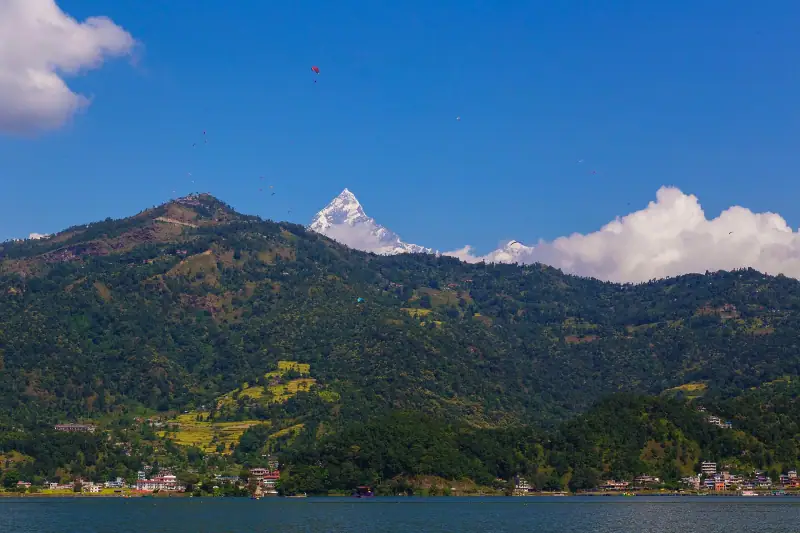
Paragliding in Pokhara: Prices, Booking Ahead or on Site, Season and Requirements
Tandem paragliding in Pokhara: rough budget, booking the day before or online, best months, Sarangkot takeoff, age, weight and insurance to check.
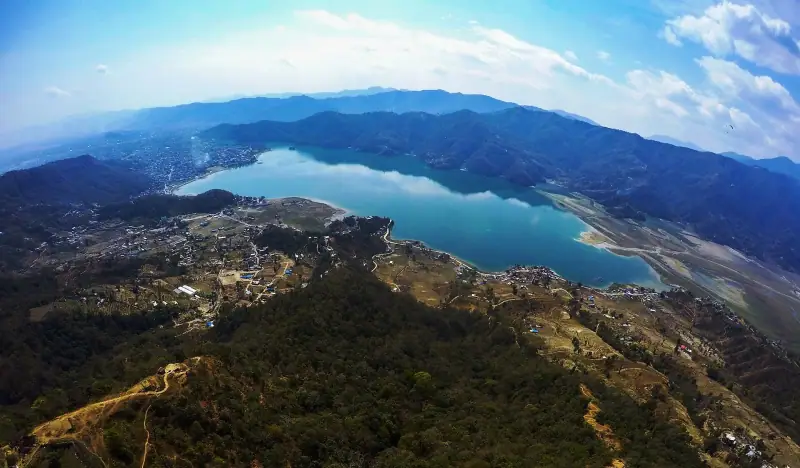
Things to Do in Pokhara: Lake, Peace Pagoda and Himalayan Views
What to do in Pokhara? Phewa Lake, Peace Pagoda, Sarangkot, paragliding, caves and the Mountain Museum: ideas for 2 to 4 days.
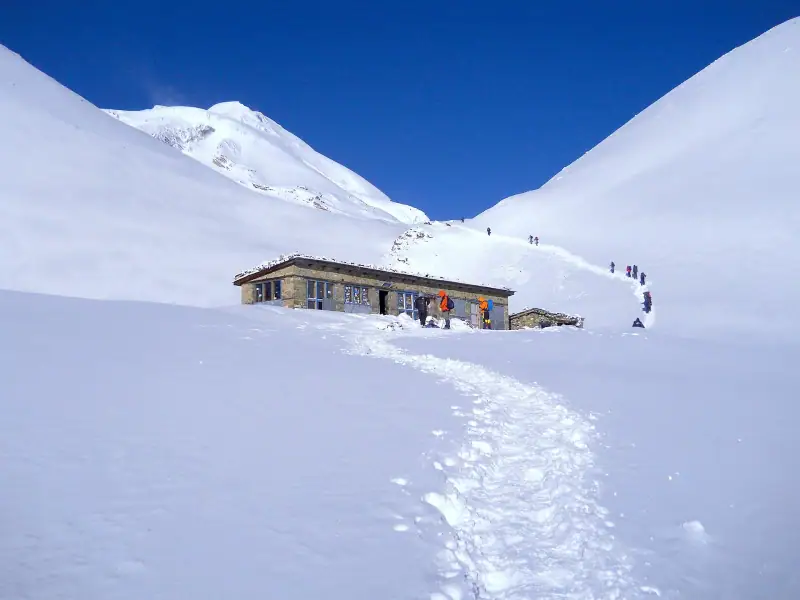
Annapurna Treks: Which Circuit to Choose (Poon Hill, Sanctuary, Circuit)
Annapurna treks: compare Poon Hill, Annapurna Base Camp and the Annapurna Circuit. Length, difficulty, altitude, season and permits to choose well.
Ready-made
Nepal itineraries
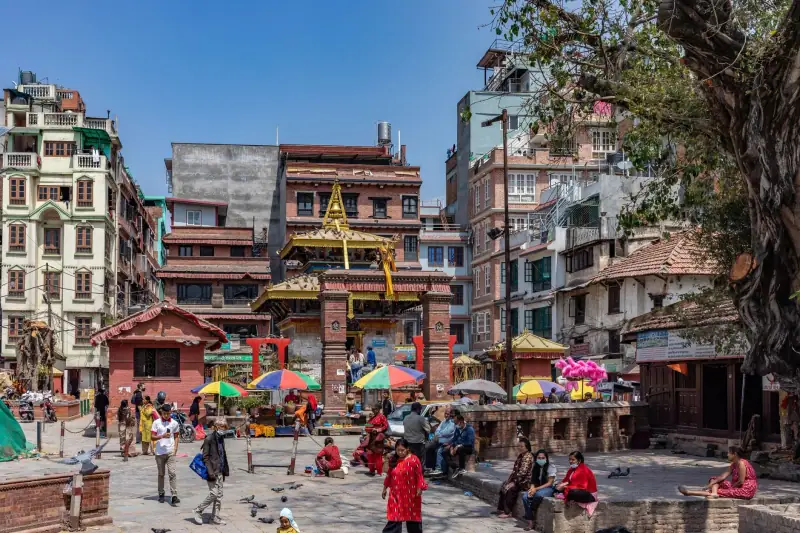
3 days
Kathmandu in 3 Days: Day-by-Day Itinerary, Temples, Newar Cities and Tips
A 3-day itinerary for Kathmandu and its valley: Durbar Square, Swayambhunath, Pashupatinath, Boudhanath, Patan and Bhaktapur, with transport and tips.
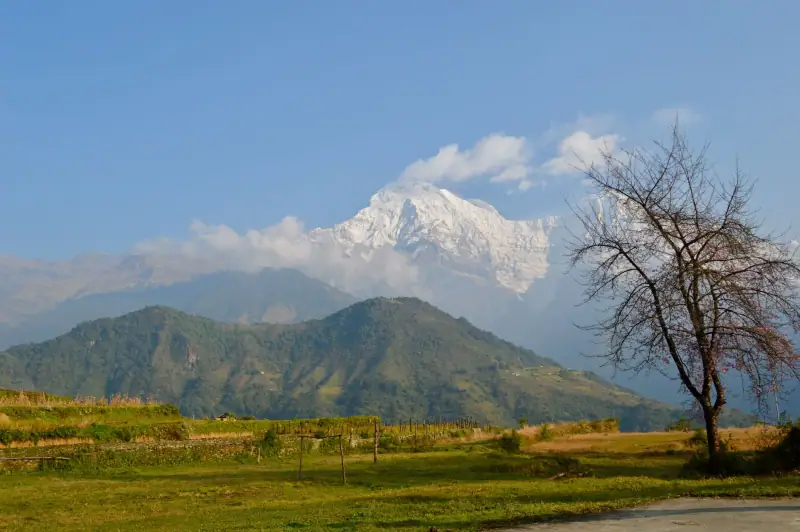
10 days
Nepal in 10 Days: Kathmandu, Pokhara and the Poon Hill Trek
A 10-day Nepal itinerary: Kathmandu temples, Pokhara's lake and a short 4-day Poon Hill trek, with tips, permits and a rough budget.
12 days
Nepal with Kids: A 12-Day Family Itinerary with Gentle Stages and Tips
KathmanduPokharaBandipurChitwan