Where to stay
Where to stay in Oaxaca: neighborhoods, types of lodging and tips
We may earn a commission when you book through links on this page, at no extra cost to you. We don't visit or try the places we cover: we summarize published sources. How we work
In short
- The historic center, around the Zócalo and Santo Domingo church, is the most practical choice: almost everything is on foot. Jalatlaco is calmer and about fifteen minutes' walk away.
- Plan three nights to see the city, a market and Monte Albán; four to five nights if you add excursions to the central valleys.
- Book far ahead for the Guelaguetza (July), Día de Muertos (early November) and the Christmas period.
- Oaxaca is at about 1,500 m (4,900 ft): nights are cool for part of the year and air conditioning is rarely essential.
Oaxaca is one of the most endearing cities in Mexico: renowned food, lively markets, crafts, Baroque churches in green stone and colonial patios. The good news for travelers is that the city center is compact and can be covered almost entirely on foot. The choice of neighborhood therefore matters less than in Mexico City, but it still influences noise, atmosphere and budget.
In this guide, we review the main areas to stay in, the main types of lodging, the periods when you absolutely must book ahead, and a few concrete tips for choosing well. We name no specific property: the offer changes fast, and it is better to compare recent reviews for your dates. To prepare the rest of your stay, also see our article on what to see in Oaxaca.
Hotels in Oaxaca
Compare lodging in the historic center and Jalatlaco for your dates.
The historic center: everything on foot around the Zócalo
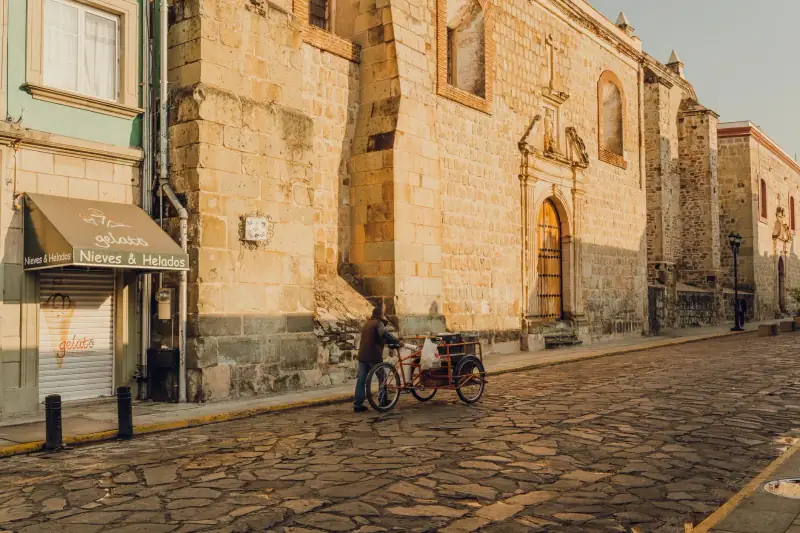
The historic center is the obvious choice for a first stay. It is organized around the Zócalo, the big square lined with arcades and terraces, and the cathedral. From there start the liveliest streets, including the pedestrian Macedonio Alcalá street, which leads to the church and former convent of Santo Domingo, one of the city’s most emblematic monuments.
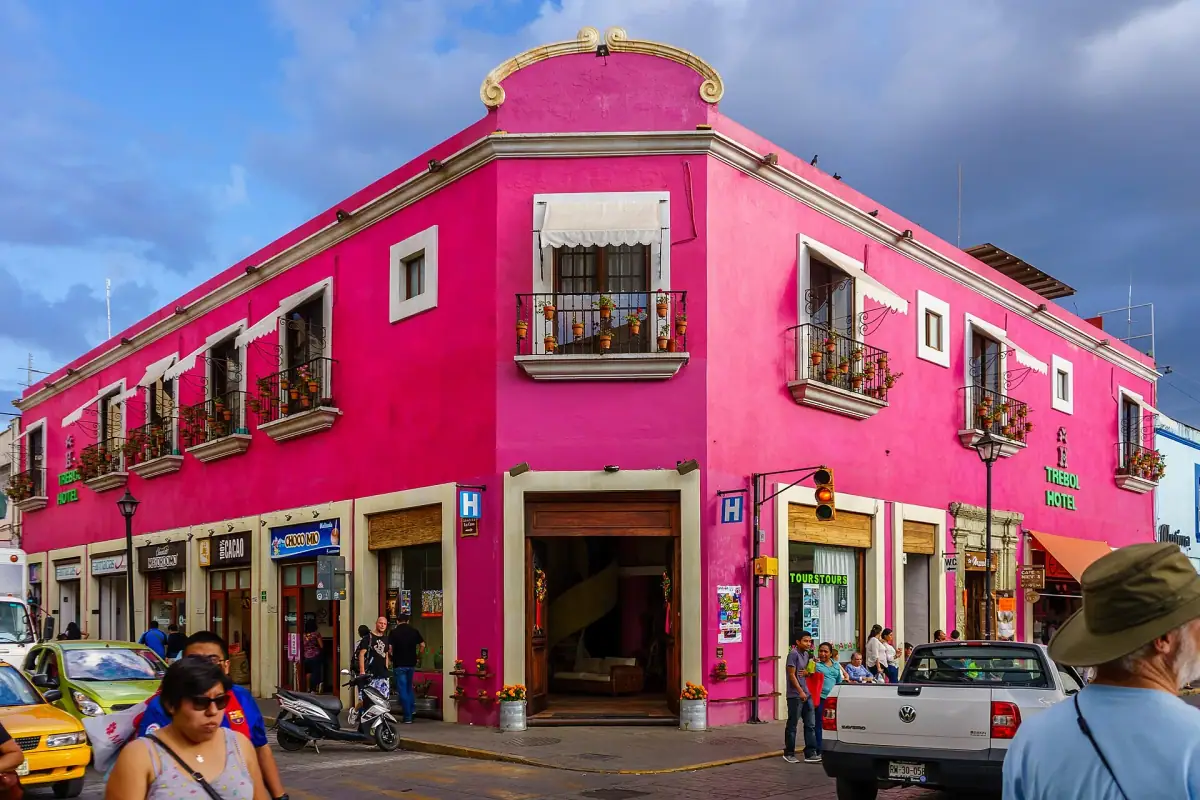
Sleeping here means you can go out in the morning for a coffee, walk to the markets, come back for a mid-day break and go out again in the evening without taking any transport. Many properties occupy former colonial houses with an interior patio, often planted with bougainvillea and potted plants. This setting is a big part of the charm of the stay.
The main drawback is noise. The streets near the Zócalo are lively late into the evening, with music, brass bands at parades and fireworks at festivals. If you are a light sleeper, choose a room facing the patio rather than the street, and check recent reviews about noise. Move a few streets away from the Zócalo to find more calm without losing walking access.
This area suits first stays, short stays, travelers without a car and those who want to enjoy the restaurants and bars. It is also the easiest for organizing excursions: most agencies and guided tour departures are nearby.
Jalatlaco: the colorful, quiet neighborhood
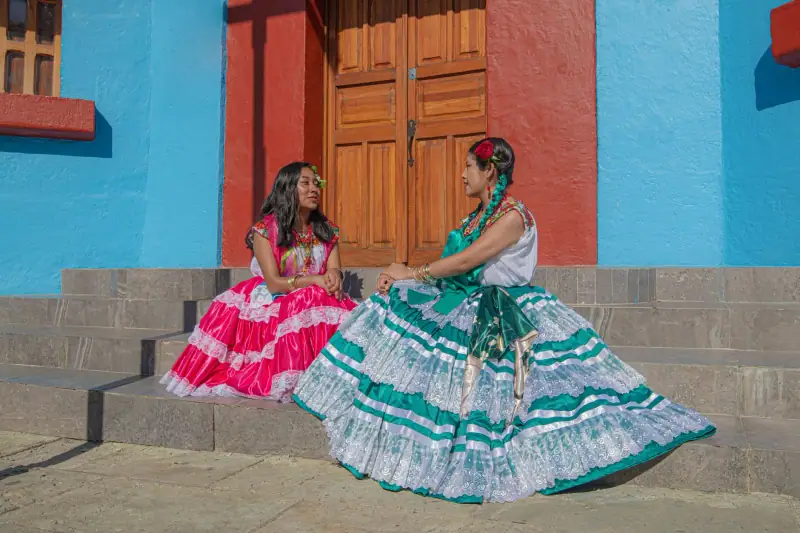
Jalatlaco, northeast of the center, is one of travelers’ favorite neighborhoods. Its cobbled streets, low brightly colored houses and small church give it the air of a village in the city. You find cafés, small restaurants, craft shops and many charming places to stay, often calmer than those near the Zócalo.
The neighborhood is a short walk from the center, on the order of fifteen minutes depending on where you stay. The walk is pleasant by day, and the streets are quieter in the evening. To get back late, a taxi is still more comfortable, as some streets are poorly lit.
Jalatlaco suits couples, solo travelers who like photography, and those who stay several days. Prices there are comparable to the center, with a large offer of small hotels and guesthouses. It is an excellent compromise between historic atmosphere and calm.
Xochimilco: the quiet charm of an old neighborhood
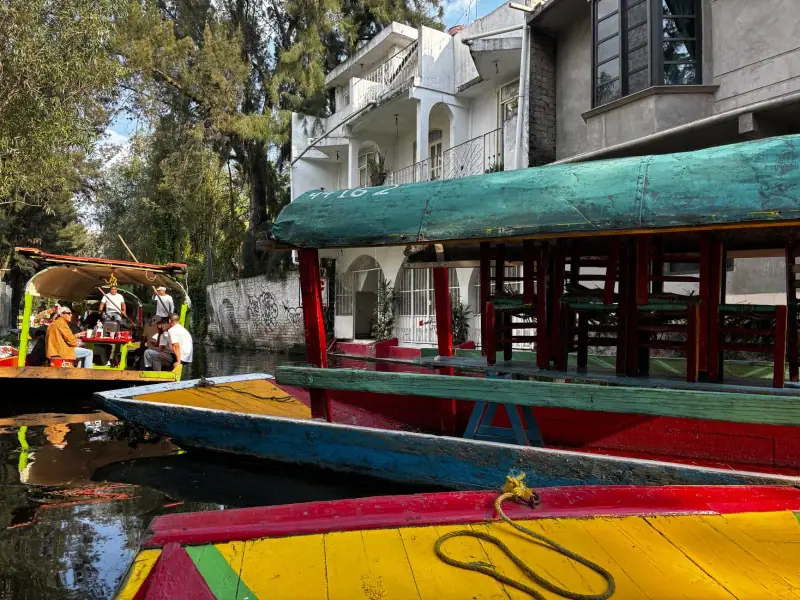
North of the center, the Xochimilco neighborhood (not to be confused with the Mexico City canals of the same name) is a former residential area known for its cobbled streets, old houses, stone walls and aqueduct. The atmosphere is calm, more local, with fewer shops than in the center.
The neighborhood appeals to those seeking a change of scene and tranquility after days of sightseeing. It is a reasonable walking distance from the center, but the walk is a bit longer than from Jalatlaco and some streets climb slightly. The lodging offer is more limited: mostly guesthouses and a few small hotels.
Reforma and the residential neighborhoods: for tight budgets and long stays
North of the center, the Colonia Reforma area is a more residential neighborhood, with more recent restaurants and quiet streets. It suits long stays, remote workers and those who prefer to stay in an apartment with a kitchen. Distances to the center are greater, which makes taxis useful, but they remain cheap by capital-city standards.
Neighborhoods farther from the center can offer good prices and more space, but you will lose Oaxaca’s main advantage: getting around on foot. For a stay of a few days, it is generally better to stay within the historic center, Jalatlaco or Xochimilco.
Excursions from Oaxaca
Monte Albán, craft villages, mezcal: guided visits from Oaxaca.
Types of lodging in Oaxaca
The offer is varied and falls into a few main categories. Each fits a travel style.
Boutique hotels and guesthouses
This is the city’s emblematic type of lodging: a former colonial house turned into a small hotel, with a patio, thick walls and just a few rooms. Rooms can be dark or fairly cool in winter because of the thick walls, but the atmosphere is unique. Many serve breakfast in the patio. These are often the best options for couples and for a stay of a few nights.
Upper-category hotels
A few larger hotels, set in former convents or big restored houses, offer a higher level of comfort: pool, restaurant, spa. They suit travelers who want full services, or families who need space.
Hostels
Hostels are numerous in the center and Jalatlaco. They offer dorms and private rooms, a shared kitchen and often a terrace. They are ideal for tight budgets and for meeting other travelers. Check reviews on noise and cleanliness, and make sure lockers are provided.
Apartments and rentals
For a stay of a week or more, an apartment lets you cook, notably with market produce. Check the exact location and access, the presence of a fan or heating, and the host’s reputation. Respect the building’s rules, as late noise is frowned upon.
Lodging on the coast
If your trip includes a getaway to the Pacific coast, for example Puerto Escondido or Mazunte, the lodging there is very different: bungalows, cabins, small hotels facing the sea. These are destinations in their own right, to compare separately, and the trip from the city of Oaxaca takes several hours, so it is better to devote at least two or three nights to it.
When to book: festivals and busy periods
Oaxaca is a very busy destination during the big festivals. Three periods call for planning ahead.
- July, Guelaguetza: this celebration of dances and traditions from the state’s regions draws many visitors. Lodging is expensive and fills quickly.
- Late October and early November, Día de Muertos: one of the most sought-after periods of the year, with parades, altars, street decorations and cemetery vigils. Book well ahead, sometimes several months.
- December: the year-end holidays, including the Night of the Radishes on December 23, also fill the city.
For dates and program details, see our article on festivals and celebrations in Mexico. Outside these periods, the offer is plentiful and prices more moderate. Our guide to the best time to visit Mexico will help you choose your dates.
How to choose by profile
- First stay, short stay: the historic center, to do everything on foot. Ask for a room on the patio.
- Couple, charming atmosphere: Jalatlaco or a boutique hotel in a colonial house.
- Tight budget: a hostel or a private room in a guesthouse, in the center or Jalatlaco.
- Family: a hotel with a courtyard or pool, or an apartment near the center.
- Long stay or remote work: an apartment in the residential neighborhoods, with a good internet connection checked in the reviews.
- Food lovers: the center, near the markets and restaurants. See our guide to the markets of Mexico City and Oaxaca to plan your meals.
Practical tips for booking and settling in
A few habits simplify organization.
- Check the location on the map: an address “in Oaxaca” can be several kilometers from the center. Look at the real distance to the Zócalo.
- Read recent reviews about noise: especially in the center, where festivals, brass bands and fireworks are frequent.
- Think about cool nights: at about 1,500 meters (4,900 ft), winter nights can be cool. Check that the room has blankets or a space heater.
- Check cancellation terms: they are useful if your flight dates move.
- Check hot water and accessibility: old houses sometimes have narrow stairs, impractical with heavy suitcases.
- Bring cash: some small properties do not take cards well, or apply a surcharge. For the overall budget, see our article on the budget for a trip to Mexico.
Flights to Mexico
Compare flights to Mexico before booking your lodging in Oaxaca.
Getting to Oaxaca and getting around from your lodging
Oaxaca has an airport, linked to Mexico City by domestic flights, and a bus station served by long-distance buses, notably from Mexico City, Puebla or Chiapas. From the airport, the trip to the center is by taxi or shared shuttle; ask about the fare at the official counter before getting in.
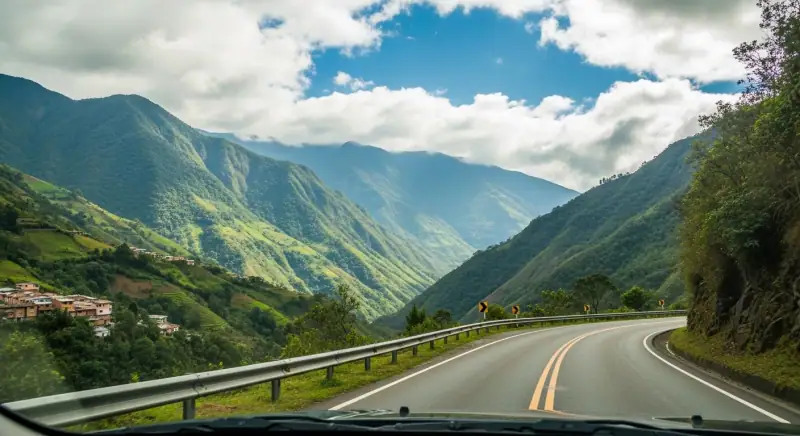
Once in town, walking is the main way to get around. For farther neighborhoods, taxis are cheap by big-city standards. For excursions to Monte Albán, the craft villages or Hierve el Agua, compare guided visits, day taxis and colectivos according to your budget and time. Mountain roads are sometimes winding: if you are prone to motion sickness, ask your doctor or a travel clinic.
A successful stay in a few words
For a first stay, settle in the historic center or Jalatlaco, choose a colonial house with a patio, book far ahead if you come for a festival and keep time to wander. Oaxaca is discovered slowly: markets in the morning, patios in the afternoon, terraces in the evening. Well-located lodging lets you enjoy this rhythm without needless transport.
Finally, think about protection during the trip: consider travel insurance before you leave.
Frequently asked questions
Which neighborhood should you stay in for a first stay in Oaxaca?
The historic center, around the Zócalo and Santo Domingo church, is the most practical choice: almost everything is on foot. Jalatlaco, a bit to the northeast, offers a calmer atmosphere and colorful streets, while staying a few minutes' walk from the center.
How many nights should you plan in Oaxaca?
Three nights let you see the city, a market and a site like Monte Albán. Four to five nights are preferable if you want to add excursions to the central valleys (craft workshops, mezcal villages, Hierve el Agua).
Do you need to book far ahead?
Yes for the big festivals, notably the Guelaguetza in July, Día de Muertos in early November and the Christmas period. The best-located lodging is full weeks ahead. The rest of the year, booking a few days ahead is generally enough.
Do you need to rent a car in Oaxaca?
Not to stay in the city: the center is covered on foot and taxis are affordable. For excursions, organized tours, day taxis and colectivos are often simpler than driving on mountain roads.
Is Oaxaca safe for travelers?
The historic center is very busy with tourists and can be visited without major difficulty by applying the usual precautions: belongings kept close, trusted taxis at night. Check your government's official travel advice before you go, especially if you leave the city.
Does the lodging have air conditioning?
Oaxaca is at about 1,500 meters (4,900 ft) of altitude: nights are cool for part of the year and air conditioning is rarely essential. A fan is generally enough in the hot season, from March to May.
More Mexico guides
Keep reading

Sleeping near Cancún airport: late arrival or early flight, which option to choose?
Night arrival or dawn flight: should you sleep near Cancún airport? Nearby hotels, transfers, budget and alternatives in town, explained.

Where to stay on the Riviera Maya: Cancún, Playa del Carmen or Tulum?
Cancún, Playa del Carmen, Tulum or Bacalar: compare the bases for staying on the Riviera Maya by budget, travel style and excursions.
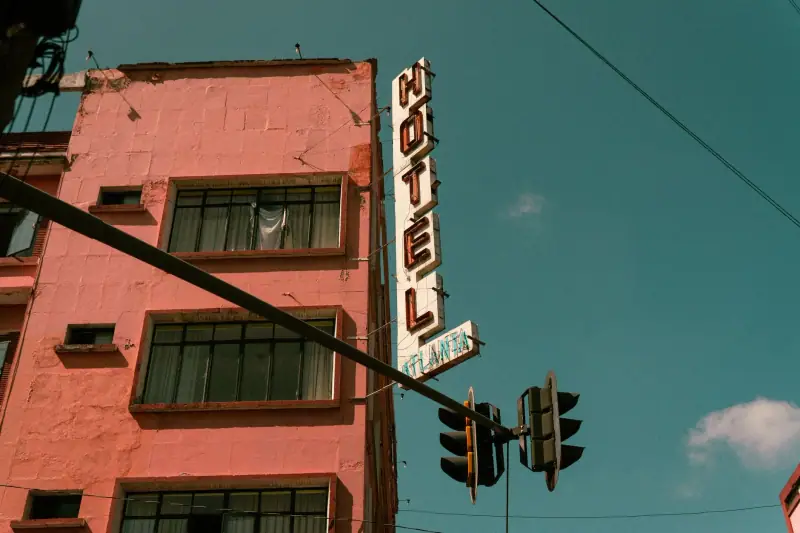
Where to stay in Mexico City: the best neighborhoods for your trip
Roma, Condesa, Centro Histórico, Polanco, Coyoacán: compare the neighborhoods to stay in Mexico City by budget, interests and travel style.
Ready-made
Mexico itineraries

7 days
Yucatán road trip in 7 days: Cancún, Valladolid, Mérida and Chichén Itzá
TulumValladolidMérida
Can be adapted in the planner
7 days
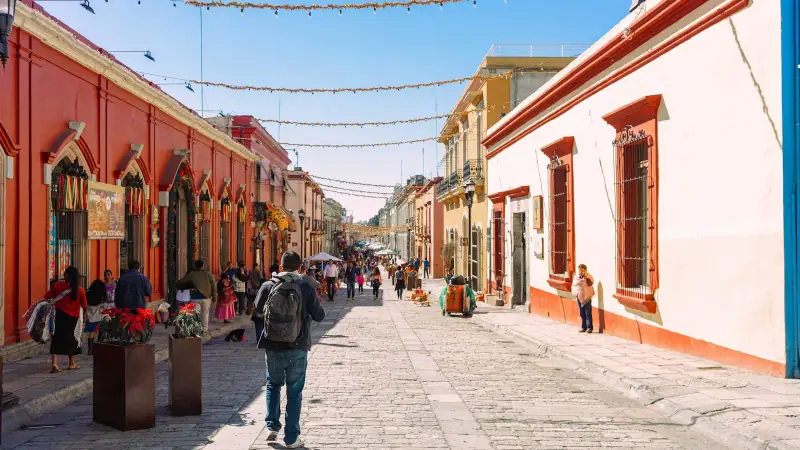
Mexico City, Puebla and Oaxaca in one week without a car: a realistic bus itinerary
Mexico CityPueblaOaxaca
3 days
3 days in Mexico City: a day-by-day itinerary for a first stay
What to do in 3 days in Mexico City? Historic center, museums, Coyoacán, Xochimilco or Teotihuacán: a realistic itinerary with altitude and transport tips.