Itineraries
Kenya in 7 days: Naivasha, Nakuru and the Masai Mara without rushing
We may earn a commission when you book through links on this page, at no extra cost to you. We don't visit or try the places we cover: we summarize published sources. How we work
Day by day
- Day 1Arrival in Nairobi and recovery
- Day 2Road to Lake Naivasha, first nature outing
- Day 3Lake Nakuru in the morning, then road to the Masai Mara
- Day 4Full-day safari in the Masai Mara
- Day 5Second day in the Masai Mara
- Day 6Return to Nairobi
- Day 7Departure depending on your flight time
Where to sleep
- Nairobi1 night
- Naivasha1 night
- Masai Mara3 nights
- Nairobi1 night
In short
- One main axis west of Nairobi: Lake Naivasha, Lake Nakuru, then the Masai Mara, with three bases (Naivasha 1 night, Mara 3 nights, Nairobi 2 nights).
- Naivasha to the Mara is about 200 km (124 mi), five to six hours; the Mara to Nairobi about 270 km (168 mi), five to seven hours.
- The great migration in the Masai Mara is possible from July to October, but never guaranteed. Book Mara camps months ahead for that period.
- A domestic flight from Nairobi to the Mara is optional: it saves time and effort at a higher cost.
A week in Kenya is short, but it is enough to experience a proper safari if you accept not seeing everything. The classic mistake is stacking parks and spending your days on the road. This seven-day itinerary makes the opposite choice: a single main axis, from Nairobi to the west, with stages that follow on logically.
The common thread is simple: Nairobi, Lake Naivasha, Lake Nakuru, then the Masai Mara, before the return to the capital. You go from lake and cliff landscapes in the Rift Valley to the great savanna, with a gentler first safari before the main event. The road times given here are rough estimates: they vary a lot with traffic, weather and the condition of the tracks. Confirm them with your agency or your lodging.
If you are still unsure about the length, compare with our 10-day itinerary, which adds Amboseli and the coast.
Overview: 7 days, 3 bases
Here is the general outline:
- Day 1: arrival in Nairobi and recovery
- Day 2: road to Lake Naivasha, first nature outing
- Day 3: Lake Nakuru in the morning, then road to the Masai Mara
- Day 4: full-day safari in the Masai Mara
- Day 5: second day in the Masai Mara
- Day 6: return to Nairobi
- Day 7: departure depending on your flight time
Three bases are enough: Naivasha (one night), the Masai Mara (three nights) and Nairobi (two nights, at the start and at the end). Fewer bags to repack, more time to look. Before booking, check the entry requirements for Kenya and the choice of season.
Day 1: arrival in Nairobi, taking it easy
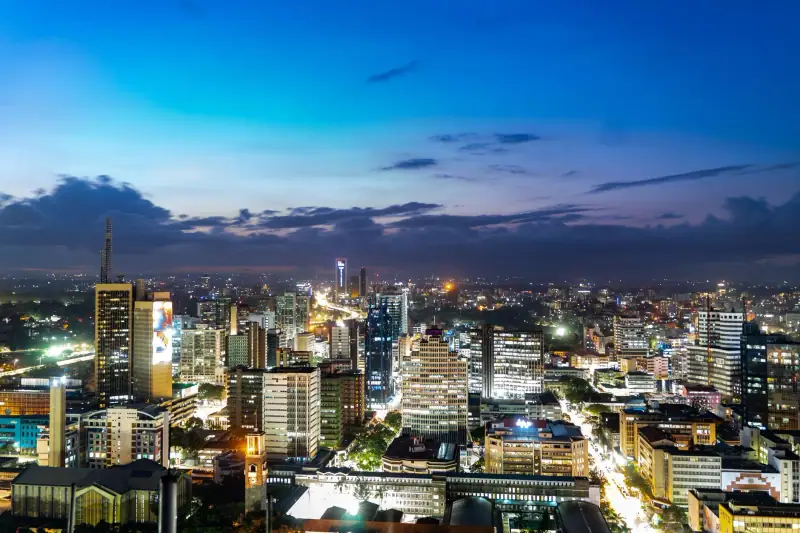
Most long-haul flights land in the evening or overnight. Do not plan anything important that day. Sleep in a quiet area, near the airport or in a residential area such as Karen or Westlands, and use the time to change a little money, buy a SIM card and recover from jet lag. Before you travel, check your carrier’s international plan or consider a travel eSIM.
If you arrive early in the morning and feel fit, you can fit in a short visit in town. Our guide to what to do in Nairobi in 2 days offers ideas that work with a morning arrival. Otherwise, save your strength: the following days are busier.
One logistics tip: ask your lodging or your agency to confirm the next day’s transfer. Departures are early, and traffic in the capital can turn a short trip into a long wait.
Flights to Nairobi
Compare offers for your dates before locking in your safari nights.
Day 2: from Nairobi to Lake Naivasha
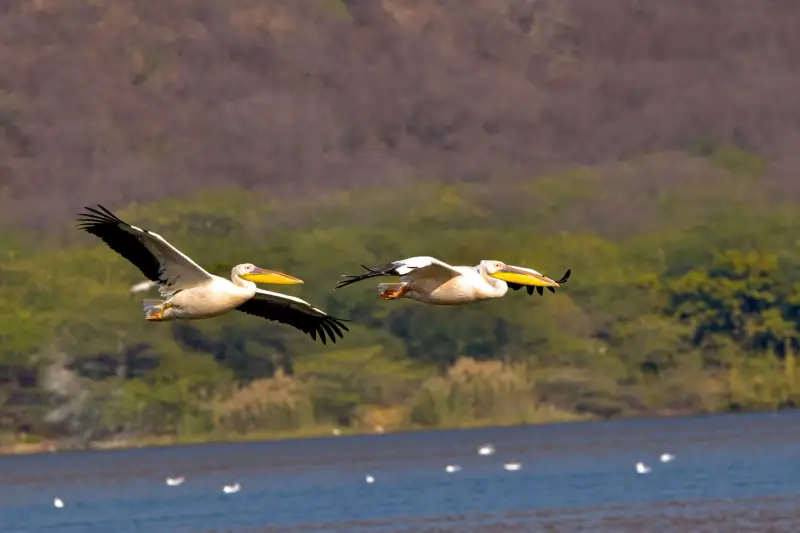
Lake Naivasha is about 90 km (56 mi) from Nairobi, but the road goes through very busy areas and over the Rift Valley escarpment: generally allow two to three hours depending on traffic. Leave early in the morning to arrive before lunch. On the way, a stop is possible at the viewpoint overlooking the Rift Valley, often very busy with craft sellers.
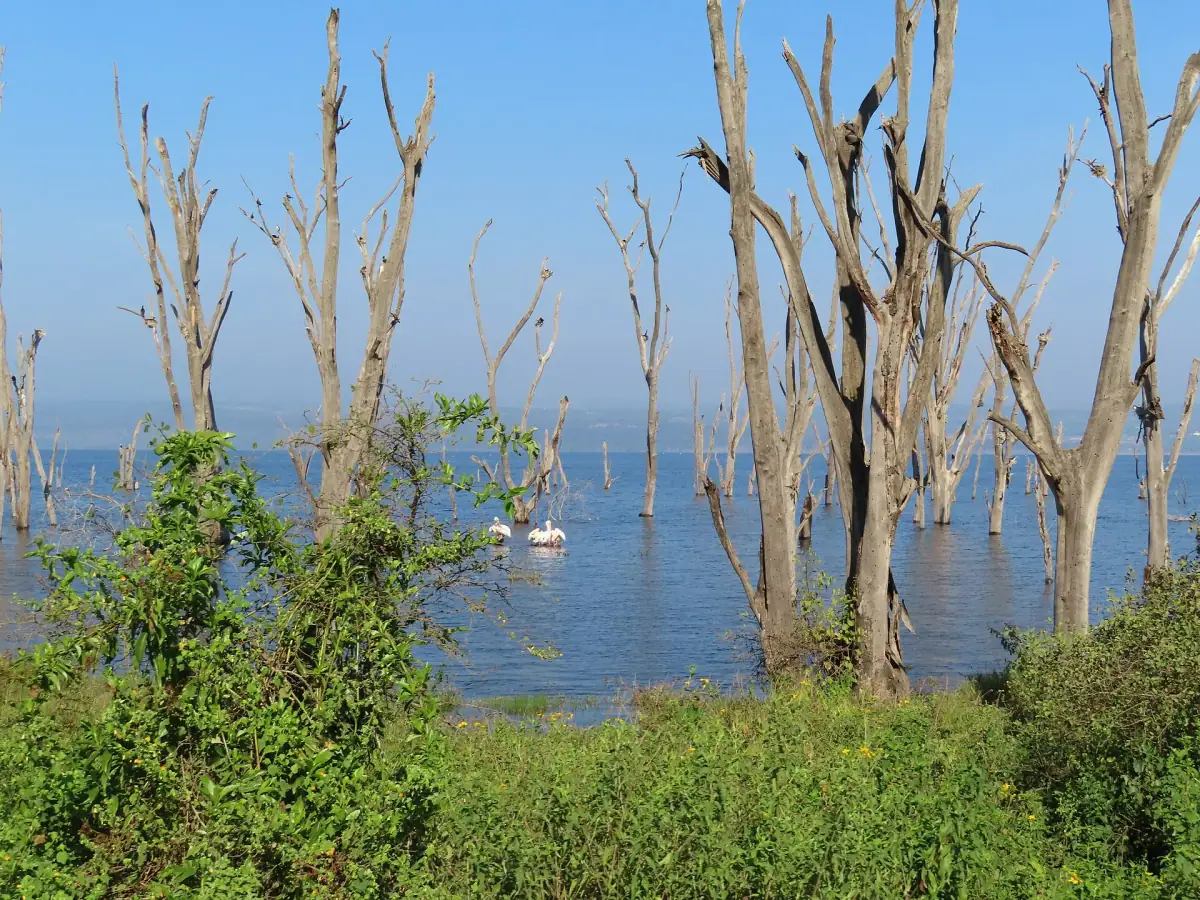
Naivasha is a freshwater lake surrounded by farms and wetlands. It attracts a good bird population and, in the water, hippos that you often see on a boat ride. Outings are offered by most lakeside lodgings, usually in late morning or late afternoon.
For a more active outing, Hell’s Gate National Park is one of the few parks in the country where you can travel by bike or on foot, among cliffs and zebras, giraffes and buffaloes. The absence of large predators in this area explains its special status, although caution is still needed. For a full overview of activities in the area, read our article on Lake Naivasha and Lake Nakuru.
The night is spent by the lake. Lodging ranges from camping to more comfortable lodges: see our guide to where to stay in Kenya to choose according to your budget.
Stays in Naivasha
Lakeside lodges, camps and guesthouses: compare for your budget.
Day 3: Lake Nakuru, then on to the Masai Mara
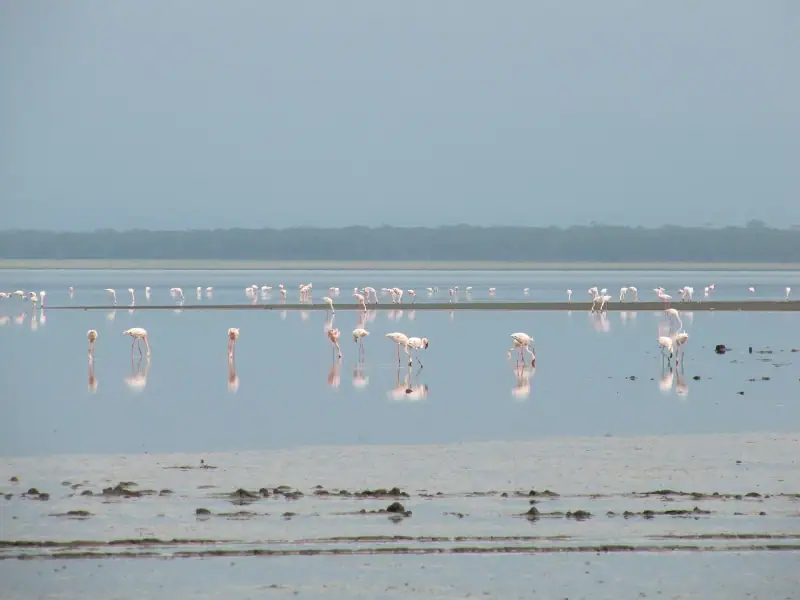
The third day is the busiest: a first safari in the morning, then a long road. Leave Naivasha very early for Lake Nakuru National Park, about 60 km (37 mi) away. This park is known for its white rhinos, Rothschild’s giraffes, buffaloes and many birds. Flamingos visit the lake, but their numbers vary greatly from year to year depending on the water level: do not count on a guaranteed spectacle.
A morning is enough for a full circuit, with a guide or in a suitable vehicle. Leave the park in late morning.
Then comes the road to the Masai Mara. From Naivasha, the distance is about 200 km (124 mi) via Narok, the last big town before the reserve. The last kilometers are on unpaved track, sometimes very bumpy: allow five to six hours of driving in total, more if you start from Nakuru. This stage can be done in one day with a driver-guide, but it is tiring. If your budget allows, an alternative is to reach the Mara by plane from Nairobi, adjusting the order of the stages. Our guide to a safari in Kenya for a first trip details the modes of transport.
Arrive at the camp or lodge before nightfall. Driving at dusk is discouraged, whether on intercity roads or on the approach to the reserve.
Days 4 and 5: the Masai Mara, two full days
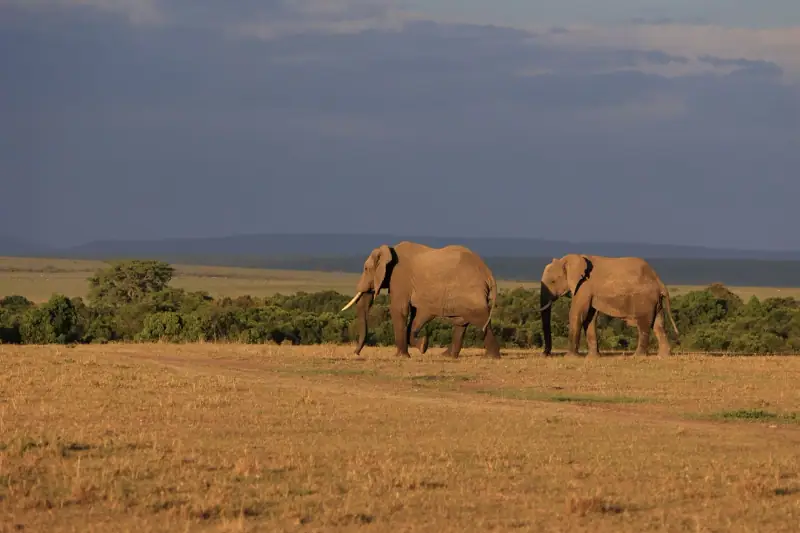
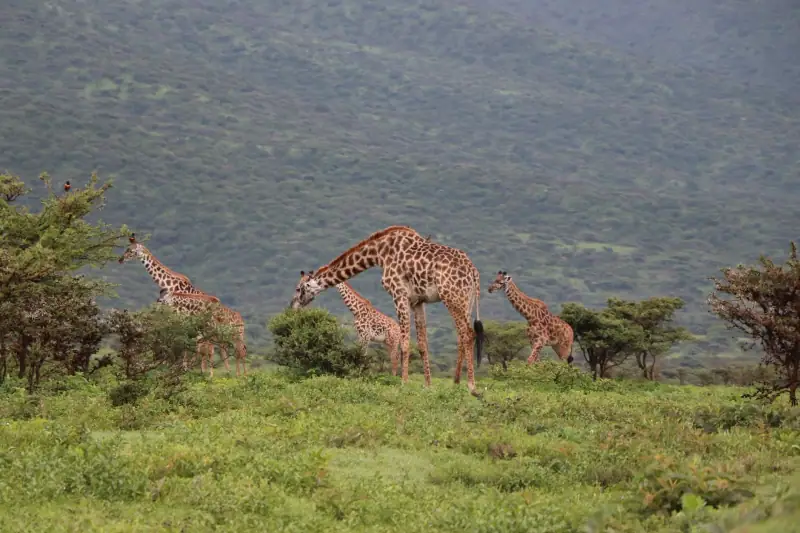
The Masai Mara is the high point of the trip. The wide open plains make viewing easier: lions, cheetahs, elephants, giraffes, hyenas and large herds of herbivores are regularly seen there. Leopards are more discreet, but common around rivers and thickets.
A typical day breaks down like this:
- Dawn safari: the light is beautiful, predators are still active, the temperature is pleasant.
- Back at camp in mid-morning for a late breakfast or lunch.
- Midday break: wildlife rests during the heat.
- Late-afternoon safari: back at camp before nightfall.
Some packages offer a bush picnic and a full day in the reserve. It is more tiring, but lets you go farther, especially to the Mara River during the migration.
From July to October, the big herds of wildebeest and zebras cross the Mara River. These scenes are spectacular but never guaranteed: it all depends on the weather, the water level and the behavior of the herds. Outside the migration period, the resident wildlife already offers excellent sightings. To learn everything about the reserve, see our Masai Mara guide.
Optional experiences include a visit to a Maasai village, to be approached with care, checking that the money really goes to the community, and a hot-air balloon at sunrise, to be booked in advance and paid for separately. Camps also offer guided walks on the edge of the reserve.
Masai Mara safaris
Guided safaris, day trips and experiences with a local guide.
Days 6 and 7: back to Nairobi and departure
Day 6 is devoted to the return. From the Masai Mara, the road to Nairobi is about 270 km (168 mi), with a first part on unpaved track. Allow five to seven hours depending on the condition of the road and traffic at the entrance to the capital, often heavy late in the day. Leave after a last short safari at sunrise, or straight after breakfast if your flight is early the next day.
If you chose the domestic flight from a Mara airstrip, the trip is much shorter, but schedules are rigid and luggage is limited. Small planes generally require soft bags with a restricted weight: check the conditions with the airline or your agency.
Sleep in Nairobi to be sure not to miss your return flight. If your plane leaves in the evening of day 7, you can fit in a last visit, for example the Giraffe Centre or Nairobi National Park, as long as you keep a comfortable margin for the airport. Plan to arrive there at least three hours before an international flight.
Stays in Nairobi
One night to wrap up the trip near the airport or in a quiet neighborhood.
Budget and organizing the week
The budget depends mostly on the type of lodging on safari, the season and the mode of transport. Camps and lodges in the Masai Mara are the most expensive items, plus park entry fees, charged in dollars and revised regularly. Check the official rates of the Kenya Wildlife Service and of the Masai Mara reserve when you book. Our article on the budget for Kenya details the spending items.
A few tips for organizing the week:
- Book early for July to October: Mara camps fill up months ahead.
- Choose a driver-guide for the parks: he or she spots wildlife and knows the tracks.
- Pack layers: mornings are cool, especially in Naivasha and the Mara, and days are hot.
- Bring binoculars: they completely change the viewing of birds and distant cats.
- Keep cash in small bills for tips and local purchases.
- Take out travel insurance covering medical costs and repatriation.
For gear, our article on useful accessories for Kenya lists the essentials to bring.
Variations to adapt the itinerary
Shorter or gentler: drop Lake Nakuru and spend two nights in Naivasha. You lose the rhinos, but you gain half a day of rest before the long road to the Mara.
More safari: add a fourth night in the Masai Mara by moving to eight days. This is the most worthwhile change, as time spent in the reserve is what counts most.
Less road: take a domestic flight from Nairobi to the Mara out and back, and keep Naivasha for one night at the start, right after Nairobi. You cut out the long Naivasha-Mara road, at the cost of a flight and a higher budget.
With the coast: a week is not enough to add Diani without sacrificing the Mara. If the beach appeals, move to the ten-day format, described in the 10-day Kenya itinerary.
Mistakes to avoid
- Underestimating travel times: a 200 km (124 mi) trip is not driven at 80 km/h (50 mph). Always allow a margin.
- Driving at night: it is discouraged because of the state of the roads, pedestrians and livestock.
- Forgetting the season: in the long rains, some tracks become difficult and some camps close.
- Booking at the last minute in high season: the best camps are full long in advance.
- Neglecting protection: sunscreen, a hat, mosquito repellent and enough drinks. For health recommendations, ask your doctor or a travel clinic, and see the official travel health pages (CDC in the US, TravelHealthPro in the UK).
Bottom line
A week in Kenya is an ideal format for a first safari: enough to experience the Rift Valley and the Masai Mara, short enough to fit regular time off. The key is not to multiply the stages and to book early. Then adapt the pace to your budget and your tolerance for long roads, and set out with realistic expectations: wildlife has to be earned, and that is what makes each sighting precious.
Frequently asked questions
Is one week enough for a first trip to Kenya?
Yes, as long as you stay on a single main axis. This itinerary stays in the west of the country, between Nairobi, the Rift Valley and the Masai Mara, with no mandatory domestic flight. To add the coast or Amboseli, aim for ten days or more.
How many nights should you plan in the Masai Mara?
Two nights is a reasonable minimum; this itinerary has three, which leaves two full days of safari. The arrival day and the departure day are largely taken up by the road.
Do you need to fly to the Masai Mara?
It is not mandatory. The road can be done in a safari vehicle with a driver-guide, but it is long and includes stretches of track. The domestic flight from Nairobi saves time and comfort, at an extra cost. Compare both options with your agency.
Can you do this itinerary with a rental car?
For Nairobi, Naivasha and Nakuru, it is possible if you are comfortable with local driving. For the Masai Mara, a suitable vehicle and a guide are strongly advised, as tracks vary and the guide spots wildlife far better.
What period should you choose for this itinerary?
From June to October, the dry season makes travel easier and the great migration is possible in the Masai Mara, generally from July to October. January and February also suit. The long rains from March to May complicate the tracks.
Is this tour suitable for children?
Yes, with an adapted pace. The five- to six-hour road days are the main point of caution. Hell's Gate by bike, Lake Naivasha by boat and short safaris are generally enjoyed by younger children. Check the minimum age required by each camp or lodge.
More Kenya guides
Keep reading

Late arrival in Nairobi (JKIA): where to sleep the first night before a safari
Landing in Nairobi at night with a safari the next day? Hotel near JKIA or in Karen: transfer, late check-in, travel time and tips to choose well.
Diani Beach: guide to Kenya's finest beach
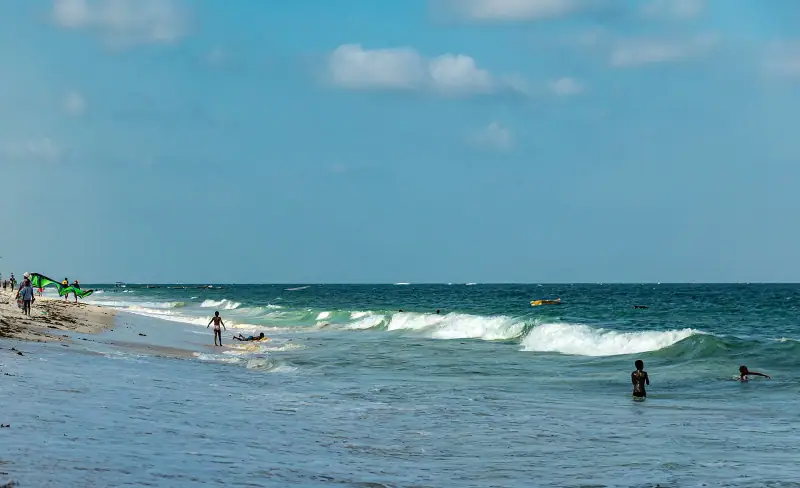
Diani Beach in Kenya: access, best time, beaches, colobus monkeys, snorkeling, kitesurfing and excursions for a beach stay after safari.
Gedi ruins near Watamu: prices, hours and a half-day visit
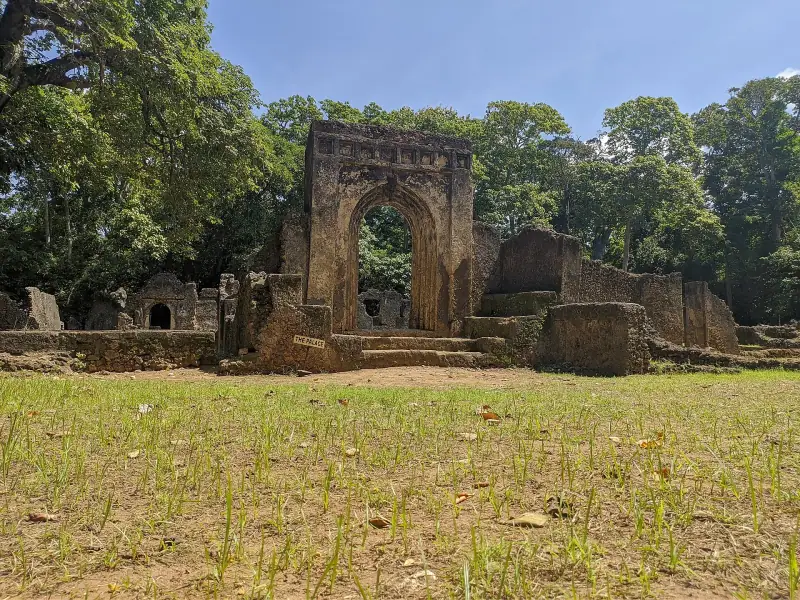
Gedi (Gede), a Swahili town listed by UNESCO in 2024: access from Watamu and Malindi, rates to confirm, visit length, monkeys and practical tips.
Ready-made
Kenya itineraries
10 days
Kenya in 10 days: Nairobi, Amboseli, Masai Mara and Diani Beach
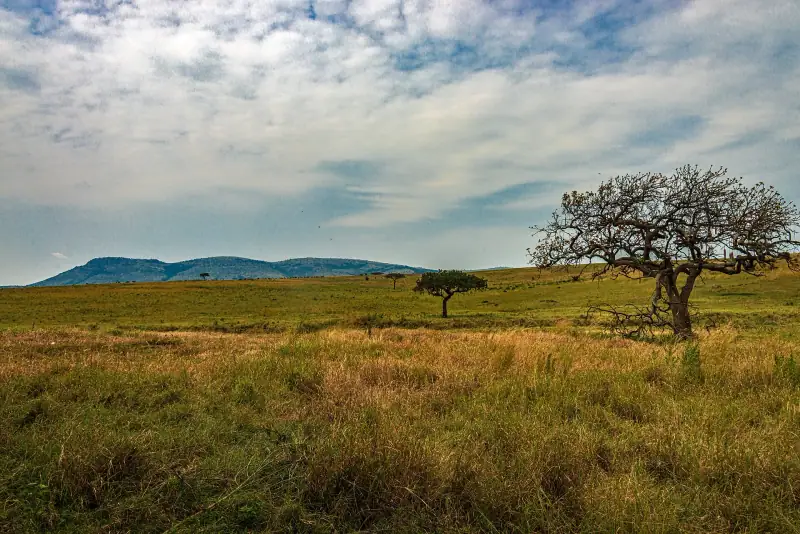
A day-by-day 10-day Kenya itinerary: Nairobi, Amboseli facing Kilimanjaro, a Masai Mara safari, then relaxing on Diani Beach. Budget and tips.