Things to do
Lake Naivasha and Lake Nakuru: activities and wildlife viewing
We may earn a commission when you book through links on this page, at no extra cost to you. We don't visit or try the places we cover: we summarize published sources. How we work
In short
- Plan two days minimum, three ideally: Naivasha (boat in the morning, Hell's Gate afternoon or next day) and Lake Nakuru National Park (half a day to a full day).
- Nairobi to Naivasha is about 90 km (56 mi), 1 h 30 to 3 h depending on traffic; Naivasha to Nakuru is a little under 70 km (43 mi).
- Hell's Gate is one of the rare Kenyan parks where you can walk or bike; Crescent Island lets you walk among giraffes and zebras.
- Nakuru is known for white and black rhinos; flamingo numbers vary strongly from year to year, so treat them as a bonus.
About a hundred kilometers from Nairobi, the Rift Valley offers travelers a gentle alternative to the big savanna parks. Its lakes, volcanic cliffs and reserves let you combine boat rides, walking, biking and safari, without the long days on rough tracks of the Masai Mara. It is also an excellent stop before or after a more distant safari.
This guide details the activities at Lake Naivasha, Hell’s Gate National Park and Lake Nakuru National Park, with tips for organizing your days, choosing the right period and avoiding frequent mistakes.
Why choose the Rift Valley
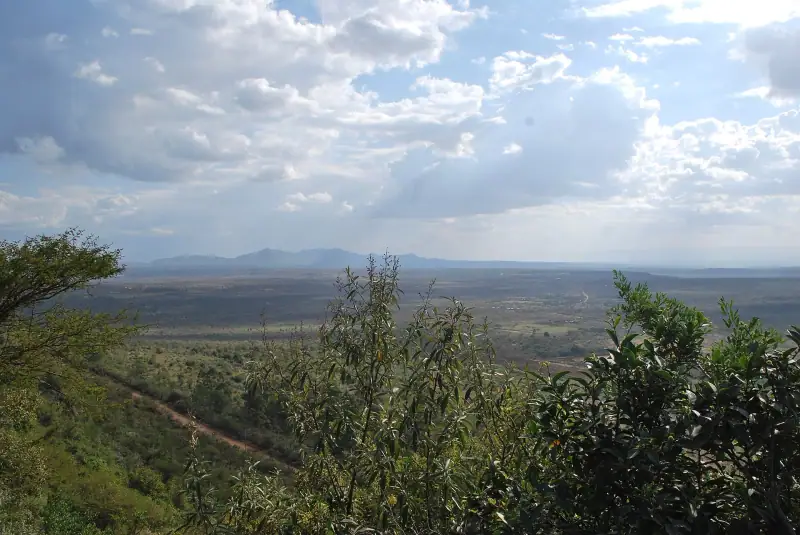
The Rift Valley crosses Kenya from north to south, and its portion near the capital groups several lakes and spectacular landforms. Landscapes vary between calm waters, grassy valley floors, volcanic rock cliffs and fever tree acacia forests, recognizable by their yellow-green bark.
Three reasons to make it a stop:
- Proximity to Nairobi: a trip of only a few hours, with no domestic flight.
- Variety of activities: boat, walking, biking and vehicle safari are all possible within a small radius.
- A quieter pace: days can be shorter than on a classic safari, which suits families and travelers who dislike long trips.
If you are preparing your first safari, our guide to a safari in Kenya for a first trip will help you place this stop in your overall plan.
Lake Naivasha: boat and birdwatching
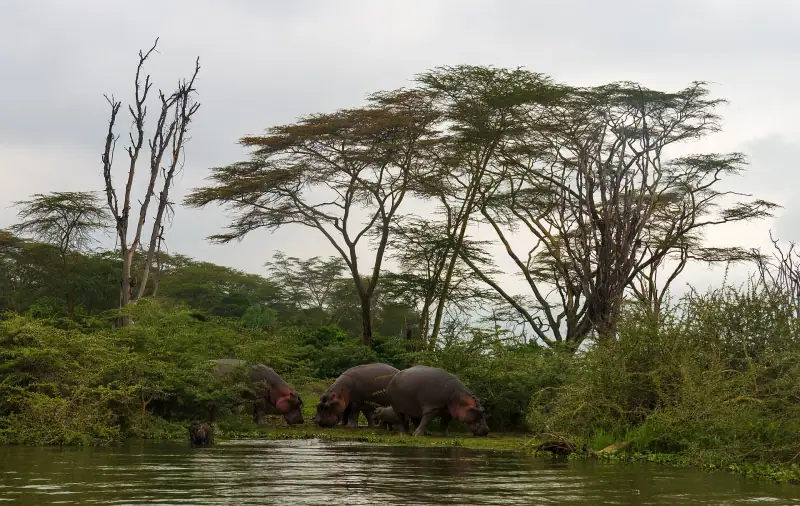
Lake Naivasha is a freshwater lake at altitude, lined with papyrus and acacias. It is best discovered by motorboat, with a local guide, often in the morning, when the light is soft and the water calmer.
What you can see
On an outing on the water, you generally see hippos, resting near the papyrus areas, as well as many birds: pelicans, cormorants, herons and fish eagles. The African fish eagle, with its white head, is one of the most photographed birds. Keep a prudent distance from hippos: boatmen know the places where they can be approached safely, so follow their instructions.
Crescent Island
Crescent Island is a private reserve on the lake, where you walk among giraffes, zebras, gazelles and elands. The absence of large predators lets you walk close to the animals, which is a change from vehicle safaris. Access conditions (boat, entry fee, hours) change: ask your host before going.
Sleeping near Lake Naivasha
Lakeside lodges, camps and hotels: compare offers for your dates.
Hell’s Gate: biking and walking among the cliffs
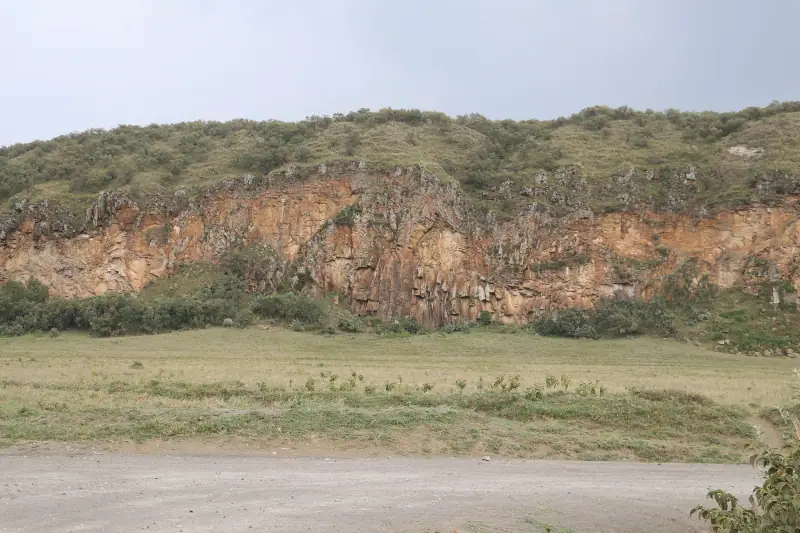
Hell’s Gate National Park is near Lake Naivasha. It is known for its volcanic rock cliffs, gorges and rock formations, including the famous Fischer’s Tower. Unlike most parks in the country, you can get around on foot or by bike.
Renting a bike and setting off
Bike rental shops are generally found near the park entrance. The terrain is fairly gentle on the valley floor, but heat and sun can tire you: bring enough water, a hat and sunscreen. Check the bike’s condition (brakes, tires, saddle) before leaving.
Along the way you see zebras, baboons, warthogs, gazelles and antelopes. Large predators are few, but you should never approach the animals or feed them.
Gorges and hot springs
Walking in the gorges is one of the park’s most striking activities. It is best done with a local guide, who knows the passable routes and watches the weather: in case of rain, some gorges can present flash-flood risks. The park is also known for its geothermal activity, used nearby to produce electricity.
Excursions from Nairobi
Days at Naivasha, Hell's Gate and Nakuru with transport and guide, bookable online.
Photographing wildlife without disturbing it
A telephoto lens or a good zoom changes the experience a lot: it lets you keep your distance from animals while capturing details. Shoot in early-morning and late-afternoon light, avoid flash and switch off the vehicle’s engine when framing a nearby animal. For birds, rest the camera on a bean bag or a cushion rather than holding it at arm’s length: the image will be sharper.
Lake Nakuru National Park: rhinos and landscapes
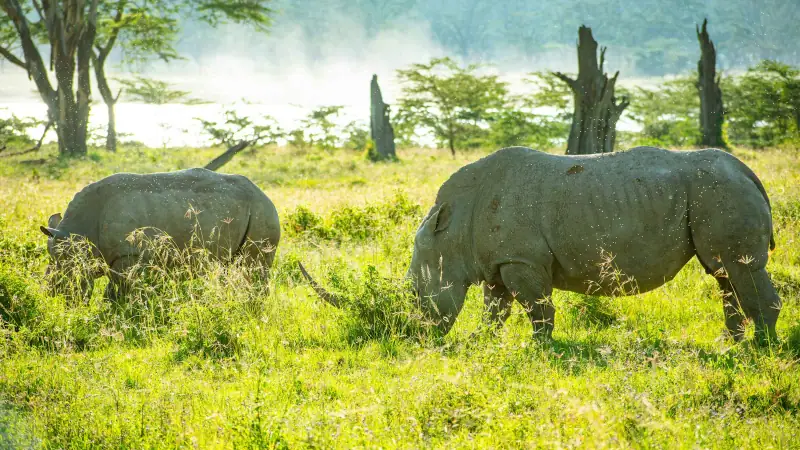
Lake Nakuru National Park, north of Naivasha, is organized around a shallow salt lake. It is above all known for its rhino populations, white and black, which can be seen in a relatively small area. It is one of the best places in the country to hope to see them in the wild.
Animals to spot
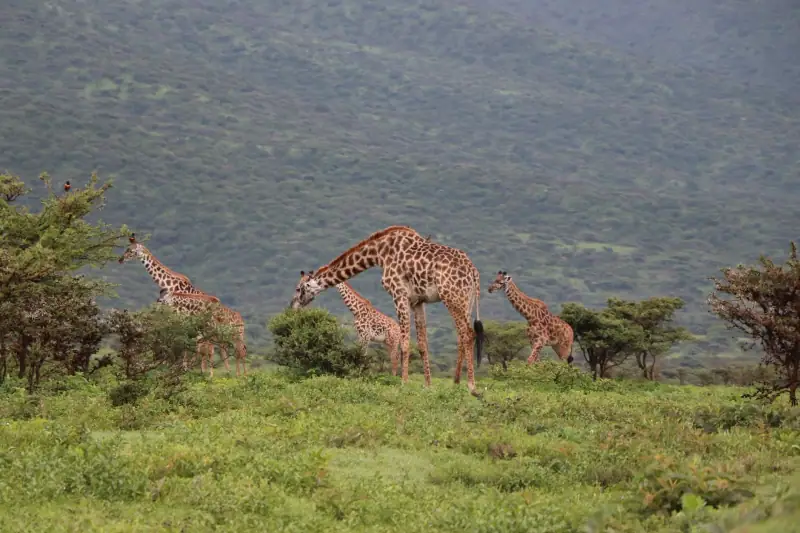
Besides rhinos, you come across giraffes (including Rothschild’s giraffes, depending on the period), buffaloes, zebras, waterbucks, impalas and baboons. The cats, lions and leopards, are present but more discreet: do not expect to see them for sure.
Flamingos and birds
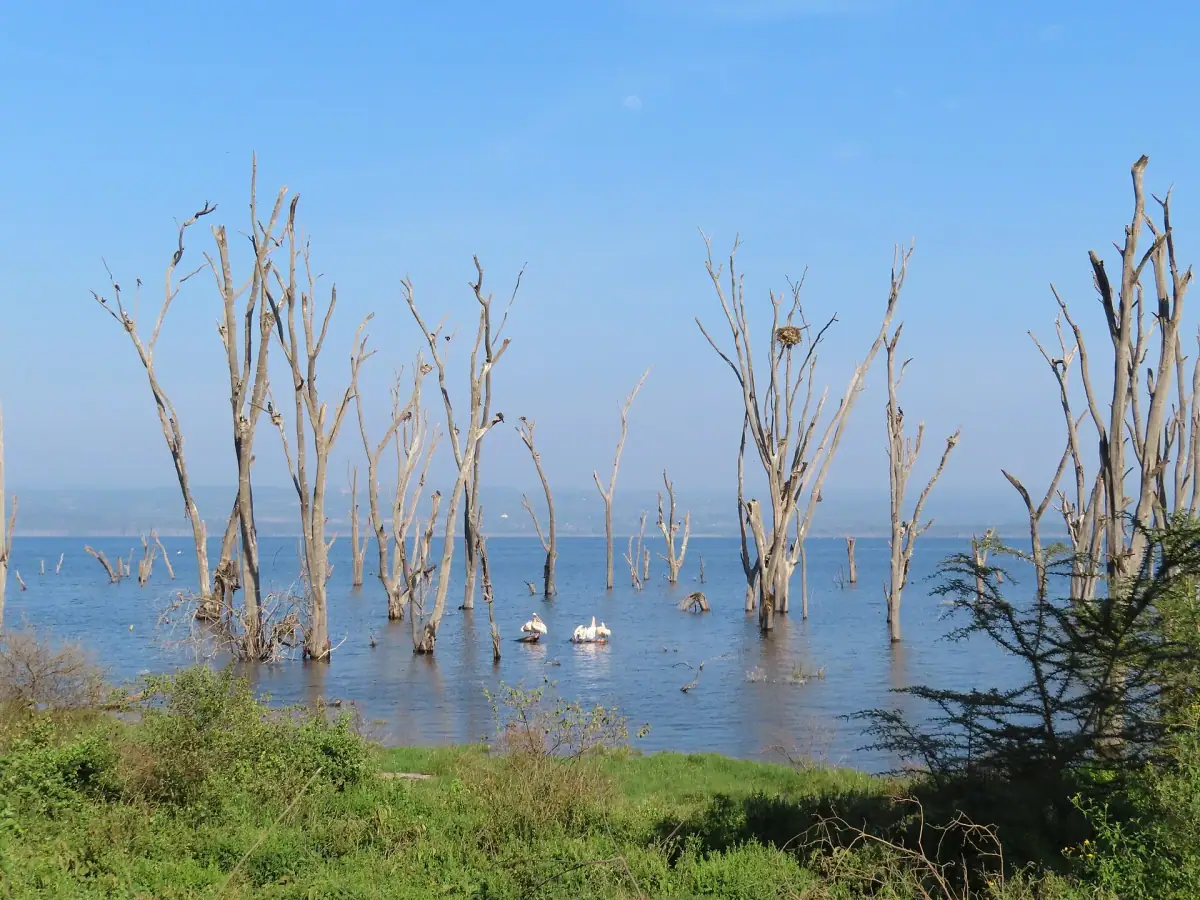
The lake was long famous for its gatherings of lesser flamingos, which color the shore pink. Their presence depends, however, on variations in the water level and composition: some years they are numerous, other years far fewer. The park also shelters hundreds of bird species, making it a favorite with birdwatchers.
The viewpoint over the lake
Several viewpoints let you look at the lake from above. Plan to go up in late morning or late afternoon, when the light is beautiful, and take the chance for a picnic break at the designated spots.
Organizing your stay: length, trips, lodging
The road between Nairobi and Naivasha is about 90 km (56 mi), and the one between Naivasha and Nakuru a little under 70 km (43 mi). These distances remain well within a comfortable day by car, but heavy traffic can lengthen the trips. Plan to leave Nairobi early.
A typical 3-day program
- Day 1: road from Nairobi to Naivasha, settle in, boat on the lake in late afternoon.
- Day 2: Hell’s Gate by bike or on foot in the morning, rest or Crescent Island in the afternoon.
- Day 3: road to Lake Nakuru park, half-day to full-day safari, then return to Nairobi or continue to another park.
This itinerary fits very well into a longer trip, like the one described in our 10-day Kenya itinerary.
Getting around
You can travel with a driver-guide, with an agency or in a rental car. Driving in Kenya is on the left, and you should stay careful on heavily used roads, especially at night, when driving is discouraged.
Flights to Nairobi
Compare flights for your dates before booking your Rift Valley stops.
Where to stay
Around Lake Naivasha, lodging ranges from campsites to lodges and hotels with a lakeside garden. At Nakuru, you find lodging in town or near the park. To compare options, our guide to where to stay in Kenya details the types of lodging and price markers.
When to go and what to plan
The dry season, from June to October then January to February, is the most comfortable: easier tracks, clear skies and easier viewing. Rainy periods, particularly March to May and November, give greener landscapes but make some tracks slipperier. See our guide when to go to Kenya to refine your dates.
At this altitude, mornings and evenings can be cool: pack a light fleece in addition to summer clothes.
Useful gear
- Binoculars, essential for birdwatching.
- A hat, sunscreen and sunglasses.
- Comfortable closed shoes for Hell’s Gate.
- A light windbreaker and enough water.
- Mosquito repellent. For health advice, ask your doctor or a travel clinic, and see the official travel health pages (CDC in the US, TravelHealthPro in the UK).
Safety tips and respect for wildlife
- Never approach hippos or buffaloes, even from a boat or on a bike.
- Do not feed baboons or monkeys, which can become insistent.
- Stay in the vehicle on safari, except at authorized spots.
- Keep your belongings out of sight in the car and at the hotel.
- Think about travel insurance covering assistance and repatriation.
The short version
Naivasha, Hell’s Gate and Nakuru form a trio of complementary activities: water, walking and safari in just a few days. It is a very good way to discover Kenyan wildlife at your own pace, away from the crowds, before or after a big safari. Plan two to three days, leave early, bring your binoculars, and keep a little flexibility: nature always decides what you will see.
Frequently asked questions
How long should you plan for Naivasha and Nakuru?
Two days minimum, three ideally. Naivasha suits one day (boat in the morning, Hell's Gate in the afternoon or the next day), and Lake Nakuru National Park takes half a day to a full day.
Can you get to Naivasha from Nairobi without an organized safari?
Yes. The road from Nairobi is paved and the distance is about 90 km (56 mi), but traffic, notably trucks, can lengthen the trip noticeably. Allow between 1 h 30 and 3 h depending on departure time.
Is it possible to walk or bike in a Kenyan park?
Yes, in Hell's Gate National Park, where you can get around on foot or by bike, which is rare in Kenya. Large predators are few there, but stay vigilant and follow the rangers' instructions.
Are flamingos always present at Nakuru?
No. Their numbers vary strongly from year to year depending on the level and composition of the water in the Rift Valley lakes. So do not base your whole trip on their presence and treat them as a bonus.
What animals do you see in Lake Nakuru park?
The park is known for its white and black rhinos, giraffes, buffaloes, zebras and many birds. It offers good opportunities to see rhinos in a relatively compact setting.
Do you need a 4x4 for these sites?
Park tracks are easier than in the Masai Mara, but a vehicle with raised ground clearance is still advised, especially after rain. Many travelers go through a driver-guide or an agency.
What is the best period?
The dry season (June to October, and January to February) offers more passable tracks and easier viewing. Rainy periods make roads less pleasant but landscapes greener.
More Kenya guides
Keep reading
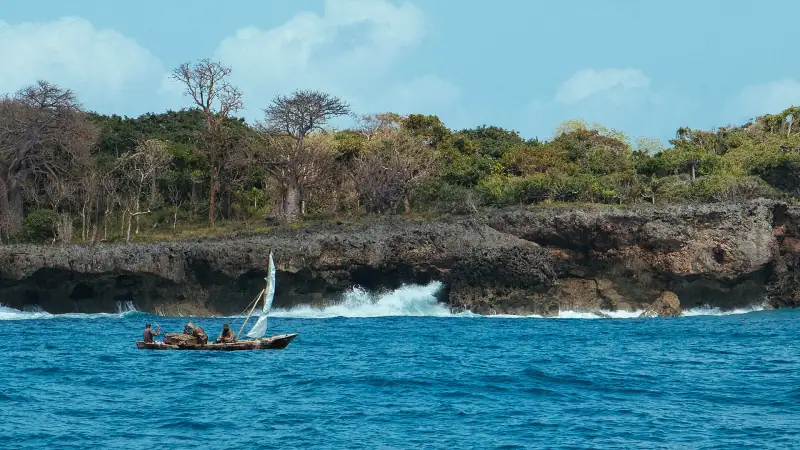
Wasini and Kisite-Mpunguti day trip from Diani: dolphins, snorkeling, prices and booking
Day trip from Diani to Wasini and Kisite-Mpunguti Marine Park: schedule, indicative prices, dolphins, snorkeling, booking in advance or locally.
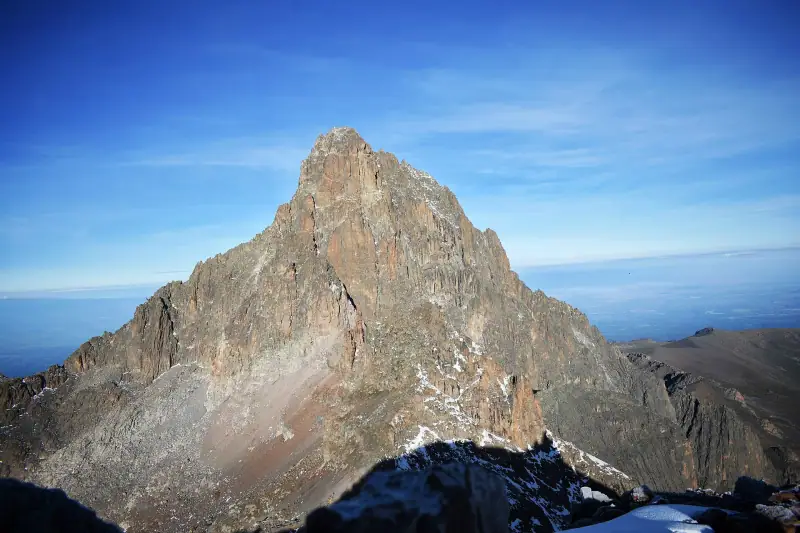
Mount Kenya: hiking and climbing Point Lenana from Nanyuki
Hiking Mount Kenya: Sirimon, Naro Moru and Chogoria routes, climbing Point Lenana, acclimatization, seasons, gear and tips from Nanyuki.
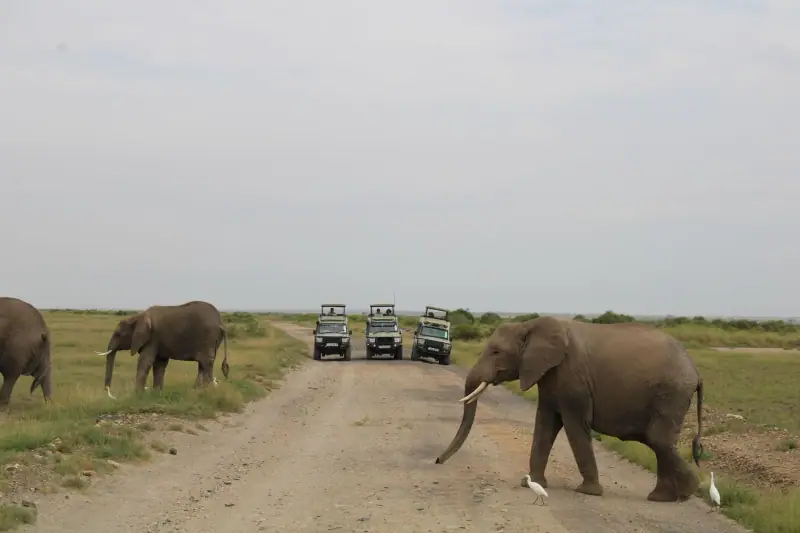
A first safari in Kenya: parks, lodging and tips
First safari in Kenya: choosing a park (Masai Mara, Amboseli, Nairobi), organizing the stay, understanding the packages and preparing for wildlife viewing.
Ready-made
Kenya itineraries
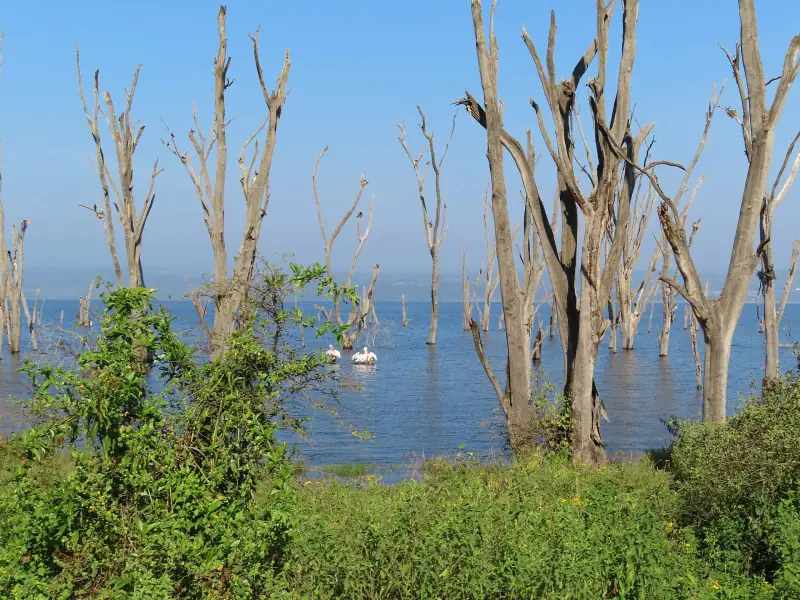
7 days
Kenya in 7 days: Naivasha, Nakuru and the Masai Mara without rushing
NairobiNaivashaMasai MaraNairobi
10 days
Kenya in 10 days: Nairobi, Amboseli, Masai Mara and Diani Beach
A day-by-day 10-day Kenya itinerary: Nairobi, Amboseli facing Kilimanjaro, a Masai Mara safari, then relaxing on Diani Beach. Budget and tips.