Where to stay
Where to stay in Kenya: lodges, safari camps and beach hotels
We may earn a commission when you book through links on this page, at no extra cost to you. We don't visit or try the places we cover: we summarize published sources. How we work
In short
- Four families of lodging: lodges, tented camps, city hotels and guesthouses, and coastal hotels, residences and villas; most trips combine at least two.
- Safari lodging is often full board; park entry fees, drinks, transfers and some activities may be charged separately, which changes the final budget.
- Karen and Westlands are often cited as quieter areas in Nairobi; for a layover, choose lodging with an airport shuttle.
- Book several months ahead for high season (dry season and migration); two nights in a park rarely allow you to enjoy it fully, three are often more comfortable.
Choosing where to stay in Kenya is largely choosing the style of your trip. Between a lodge on the edge of the savanna, a tented camp where you hear the animals at night, a Nairobi hotel for a layover or a residence on the Indian Ocean, the range is wide and very contrasted. Rates, comfort and atmosphere vary from one area to another.
This guide presents the main types of lodging, the areas to choose and the points to check before booking. It complements our guide to a safari for a first trip and the one on the best time to go.
The main types of lodging in Kenya
Four main families share the market, and most trips combine at least two.
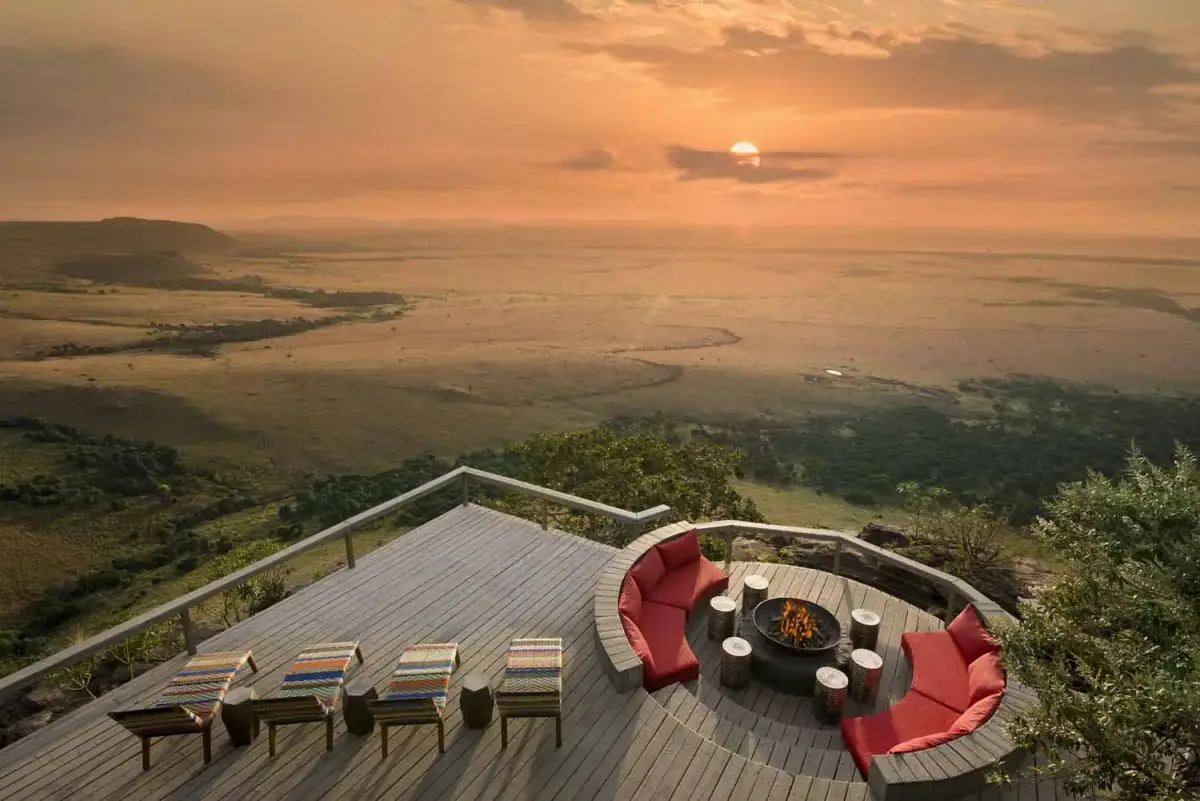
- Lodges: solid buildings, often built on the edge of or inside a park, with a restaurant, bar and sometimes a pool. They suit those looking for comfort and services.
- Tented camps: spacious tents on a floor, with a bed, electricity (often limited) and private bathroom. They offer stronger immersion in the landscape and the sounds of the night.
- City hotels and guesthouses, useful for layovers and nights before or after a flight.
- Coastal hotels, residences and villas, for the beach part of the stay.
For safari lodging, the plan is often full board: meals included, and depending on the property some game drives. Read carefully what is included. Park entry fees, drinks, transfers and some activities can be charged separately, which clearly changes the final budget.
Sleeping in Nairobi: layover and practical areas
Almost all travelers pass through Nairobi, if only for one night. The capital is sprawling and traffic can be heavy: choosing a well-located area avoids losing time on the day of the safari departure or the return flight.
The residential areas of Karen and Westlands are often cited for their quieter atmosphere and wide range of lodging, from guesthouses to big hotels. Karen, greener, is close to the Karen Blixen Museum and Nairobi National Park. If you only have a layover between two flights, lodging with a shuttle from the airport simplifies things. To plan your stay, see our guide to what to do in Nairobi in 2 days.
A few useful habits: ask your lodging to arrange transfers with a trusted driver, avoid getting around on foot at nightfall and check the flight arrival times before booking a room.
Stays in Nairobi
Compare hotels and guesthouses by area and your dates.
The Masai Mara: lodges and camps on the savanna
The Masai Mara is the country’s most famous safari destination, and it has the widest choice of lodging. You find comfortable lodges, tented camps of different levels and smaller camps, sometimes set up in conservation areas next to the reserve.
The choice of location matters as much as the type of lodging. Sleeping inside the reserve or near an entrance gate reduces track time before the first sightings. A camp in a private conservation area may offer fewer vehicles around the animals and sometimes extra activities, such as night or walking outings, depending on local regulations.
A few points to check before booking:
- The location relative to the area where animals concentrate depending on the season.
- The included game drives and the possibility of a dedicated or shared vehicle.
- The type of tent or room: private bathroom, electricity, mosquito net.
- The number of rooms: a small camp is often quieter than a big lodge.
Safari high season generally corresponds to the dry season and the period of the great wildebeest migration, from summer to early fall. The most sought-after properties fill up early: plan to book several months ahead.
Masai Mara safaris
Browse the excursions and safaris offered, with lodging or as day trips.
Amboseli: sleeping facing Kilimanjaro
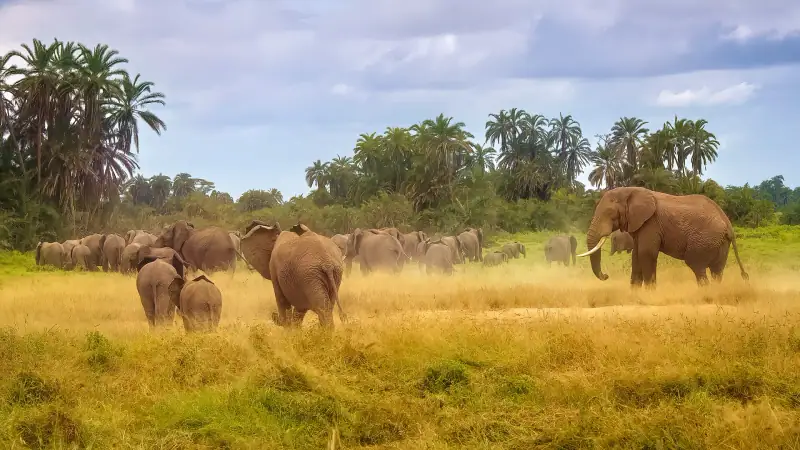
Amboseli is known for its large herds of elephants and, in clear weather, for the view of Kilimanjaro, across the Tanzanian border. Lodges and camps are spread inside the park and around its edges.
The massif is often more visible early in the morning and late in the day, as clouds build up during the day. A room or tent with a clear view is therefore a big plus, but do not rely only on photos: visibility depends on the weather. The landscape is open and dusty in the dry season, greener after the rains.
Amboseli combines easily with other stages, notably Tsavo or a return to Nairobi. Still, check the road times announced by your lodging and plan an early departure: tracks and traffic often lengthen the day.
Lake Naivasha: a stop in the Rift Valley
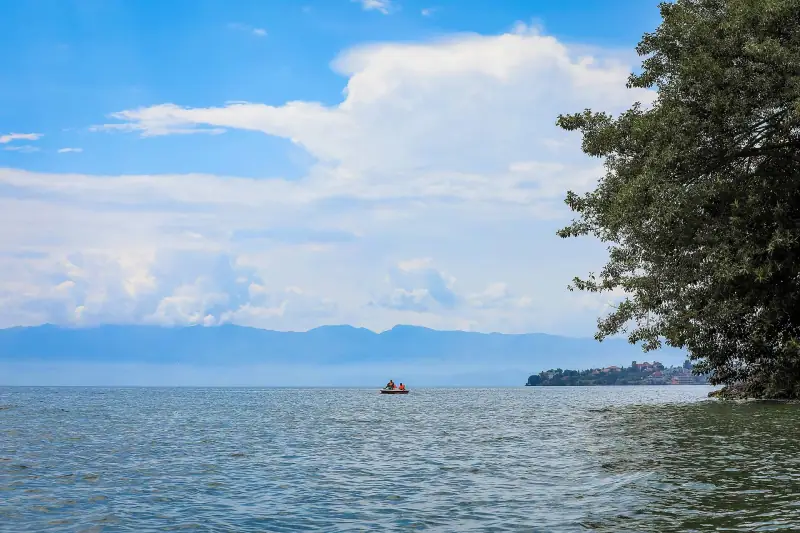
Lake Naivasha, in the Rift Valley, is a popular stop on the road between Nairobi and the Masai Mara. It breaks up a long travel day and varies the activities: a boat ride on the lake, birdwatching, a bike or walking outing in some protected areas.
Lodging there is quieter and often surrounded by gardens, with a lake setting very different from the savanna. It is a good option for a first night after arriving in Nairobi, if you want to avoid staying in town, or for a last night before heading to the airport.
Flights to Nairobi
Compare offers for your dates before locking in your stay.
Diani Beach: beach lodging after safari

Diani Beach, south of Mombasa, is the busiest beach resort on the Kenyan coast. A long beach of pale sand, lined with coconut palms and reefs, stretches out there facing the Indian Ocean. For many travelers, it is a great stop to rest after several days of safari.
The range is varied: big all-inclusive hotels, residences and apartments for independent stays, small charming places. A few criteria to choose:
- Beach access: check whether the lodging is directly on the seafront or a few minutes’ walk away.
- Tides: on this coast, low tide strongly changes the look of swimming depending on the spot.
- The type of plan: half board, full board or all-inclusive, to compare with your wish to go out for dinner.
- The atmosphere: some areas are livelier, others quieter.
The trip from Nairobi is most often by plane to Mombasa or Ukunda, then by road; ask your lodging about the transfer.
Stays in Diani Beach
Beach hotels, residences and small places: compare before booking.
Lamu: sleeping in an old Swahili town

Farther north, Lamu island offers a completely different atmosphere. Its old town, a UNESCO World Heritage site, is a maze of narrow alleys where you get around on foot or by donkey, with no cars in the old center. Lodging there often takes the form of restored Swahili houses, with a patio, rooftop terrace and traditional decor.
It is a stay for those who want calm and a change of scene rather than a lively beach. Before booking, check the access conditions and your government’s official travel advice for this area of the country in advance. Entry rules and advice depend on your passport: travel.state.gov (US), GOV.UK (UK), travel.gc.ca (Canada), Smartraveller (Australia) (checked November 2026).
How to choose according to your budget and travel style
Kenya allows very different trips, and lodging is often the first spending item, along with safaris. A few general markers:
- Small budget: guesthouses in town, simple camps near the parks, modest hotels on the coast. Comfort is more basic, but the trip is still rewarding.
- Mid-range budget: comfortable lodges and tented camps, mid-range beach hotels. This is the choice of most travelers.
- High budget: small exclusive camps in conservation areas, luxury lodges, beachfront villas. Rates there can be far higher.
Prices vary strongly with season, location and plan. Always compare on identical dates, and look at what is really included before judging a rate.
Tips for booking well
- Plan ahead: in high season, the best safari lodging goes early.
- Read the cancellation conditions: bush trips depend on flights and transfers.
- Check transfers: some lodges are several hours of track from an airstrip or a main road.
- Allow margins: avoid scheduling an international flight on the same day you return from safari.
- Think about health: a mosquito net in good condition and repellent are useful. For health advice, ask your doctor or a travel clinic, and see the official travel health pages (CDC in the US, TravelHealthPro in the UK).
- Plan the length of your stay: two nights in a park rarely give enough time to enjoy it fully, three are often more comfortable.
Choosing your lodging well comes down to balancing comfort, location and budget. By mixing a layover in Nairobi, a stay in a camp or lodge on the savanna and a few days on the coast, you get a complete and balanced trip.
Frequently asked questions
Where should you stay on a first trip to Kenya?
The most common pattern combines one or two nights in Nairobi on arrival, a stay in a safari lodge or camp in a park (Masai Mara, Amboseli), then a few days of relaxation on the coast, for example at Diani Beach.
What is the difference between a lodge and a safari camp?
A lodge is a solid building with rooms, a restaurant and sometimes a pool. A camp uses furnished tents, with a bed, private bathroom and a setting closer to nature. The comfort level varies strongly in both cases.
What does full board mean on safari?
It generally includes meals and often game drives, depending on the property. Always check what is included: drinks, park entry fees, transfers and activities are sometimes charged separately.
Do you need to book ahead?
Yes, especially for small camps and for the safari high season, which coincides with the dry season. Booking several months ahead gives more choice and better rates.
Where should you stay in Nairobi?
Residential areas such as Karen or Westlands are generally preferred by travelers for their calmer atmosphere and perceived safety. For a simple layover, choose lodging near the airport or with a shuttle.
Is the coast suitable for a stay after safari?
Yes, it is a very classic combination. The Swahili coast, with Diani Beach, Watamu or Lamu island, offers beaches and a relaxed atmosphere after several days on the tracks.
More Kenya guides
Keep reading

Late arrival in Nairobi (JKIA): where to sleep the first night before a safari
Landing in Nairobi at night with a safari the next day? Hotel near JKIA or in Karen: transfer, late check-in, travel time and tips to choose well.

Where to stay in Diani Beach: which area and which type of hotel
Where to stay in Diani Beach? North, central and south areas, all-inclusive hotels, residences and small places: tides, seasons and tips to choose well.

Where to stay in Nairobi: which neighborhood before or after a safari
Where to stay in Nairobi? Karen, Westlands, Kilimani, downtown or near the airport: neighborhoods compared, safety, transport and booking tips.
Ready-made
Kenya itineraries
7 days
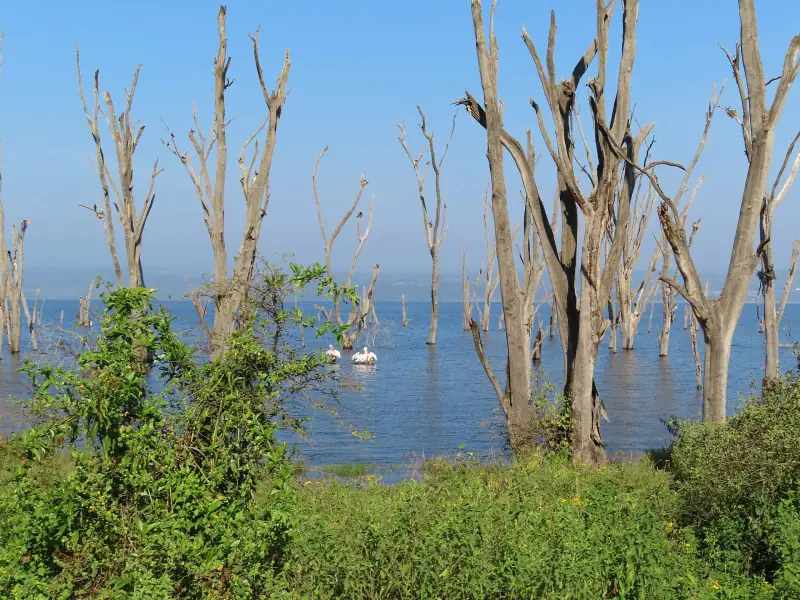
Kenya in 7 days: Naivasha, Nakuru and the Masai Mara without rushing
NairobiNaivashaMasai MaraNairobi
10 days
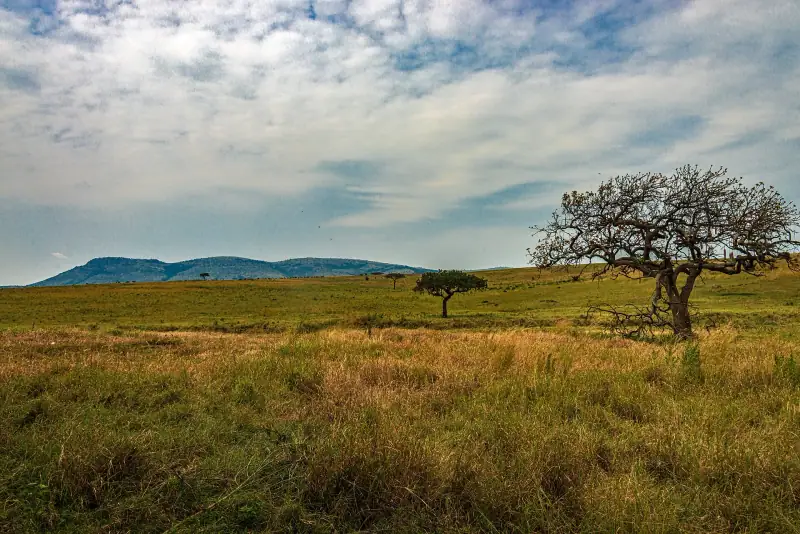
Kenya in 10 days: Nairobi, Amboseli, Masai Mara and Diani Beach
A day-by-day 10-day Kenya itinerary: Nairobi, Amboseli facing Kilimanjaro, a Masai Mara safari, then relaxing on Diani Beach. Budget and tips.