Things to do
A first safari in Kenya: parks, lodging and tips
We may earn a commission when you book through links on this page, at no extra cost to you. We don't visit or try the places we cover: we summarize published sources. How we work
In short
- The Masai Mara is the classic first-safari choice (at least three nights); Amboseli suits two nights; Nairobi National Park works for a half day or a day.
- Game drives happen mostly early in the morning and late in the afternoon; a good guide matters more than the lodge's luxury.
- Options range from small-group tours (cheapest) to private safaris and tailor-made stays through a local agency; check what park entry fees include.
- Pack a soft bag if you take small-plane domestic flights, where baggage limits are strict; no sighting of a given species is ever guaranteed.
Going on safari in Kenya is often a lifelong dream: waking before dawn, leaving camp in a 4x4 and watching the savanna light up in front of herds of elephants or zebras. The country is one of Africa’s most renowned safari destinations, and for a first time it is easy to get lost among the parks, packages and types of lodging.
This guide helps you make the right choices: which park to visit, how long to stay, what a typical day looks like, which package to choose and how to prepare. For the calendar question, also see our guide when to go to Kenya.
How a safari in Kenya works
A classic Kenyan safari takes place in a 4x4 vehicle or adapted minibus, with a pop-up roof that lets you watch and photograph standing up. A driver-guide accompanies you: he or she knows the terrain, communicates with other guides to spot animals and explains their behavior.
Game drives happen mostly early in the morning and late in the afternoon, when the heat is lower and animals are most active. Midday is generally devoted to rest, lunch at the camp or lodge, or even a shorter outing.
Several parameters determine the quality of the experience:
- The choice of park or reserve: each has its own personality, wildlife and landscapes.
- The season: in the dry season, animals concentrate around water points and vegetation is lower.
- The guide: a good guide makes all the difference, far more than the comfort of the vehicle.
- The length: the longer you stay, the more your chances of varied sightings increase.
Flights to Nairobi
Compare offers for your dates before locking in your safari.
The Masai Mara, the benchmark for a first safari
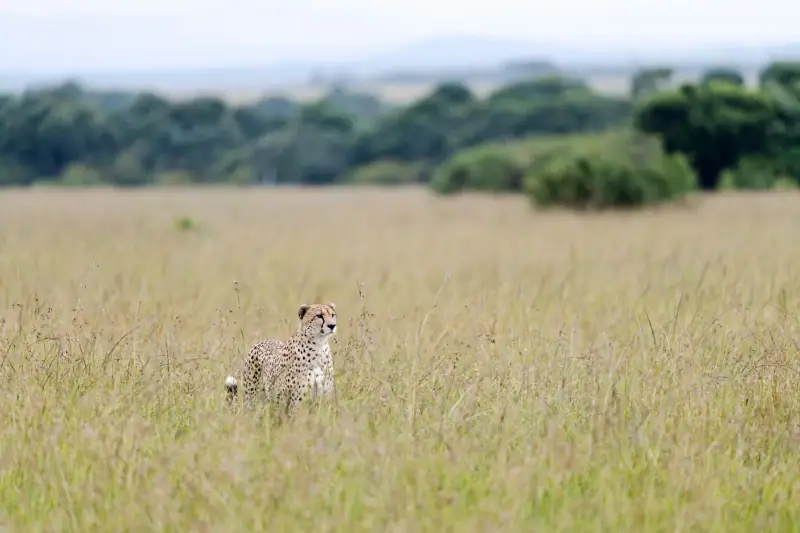
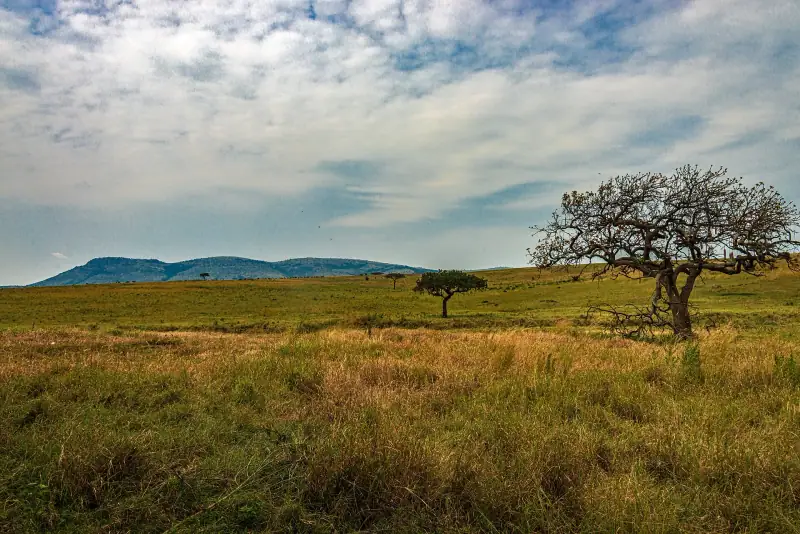
The Masai Mara is probably the country’s most famous reserve. Its vast open plains, dotted with acacias, offer remarkable visibility. Elephants, giraffes, zebras, buffaloes, hippos and big cats such as lions are regularly seen. It is also where the great wildebeest migration takes place, between July and October roughly, depending on the year.
Around the national reserve are several private conservation areas (conservancies). They belong to local communities who lease their land to camps, with a limit on the number of vehicles. These areas often allow activities the main reserve does not, such as walking safaris or night outings, and a generally less crowded experience.
Getting to the Masai Mara
Two main options exist from Nairobi: the road or a domestic flight to an airstrip near the camps. The road is cheaper but long, with a condition that varies by stretch and weather. The flight is faster and more comfortable, but more expensive. Check travel times with your agency or camp when you book, as they depend on conditions and the arrival point.
How long to stay?
Allow at least three nights to really enjoy the Mara: this leaves time for several morning and evening outings, without rushing. During the migration, an extra night increases your chances of witnessing a river crossing, which is never guaranteed.
Safaris and excursions
Guided safaris in the Masai Mara, Amboseli or Nairobi National Park.
Amboseli, elephants facing Kilimanjaro
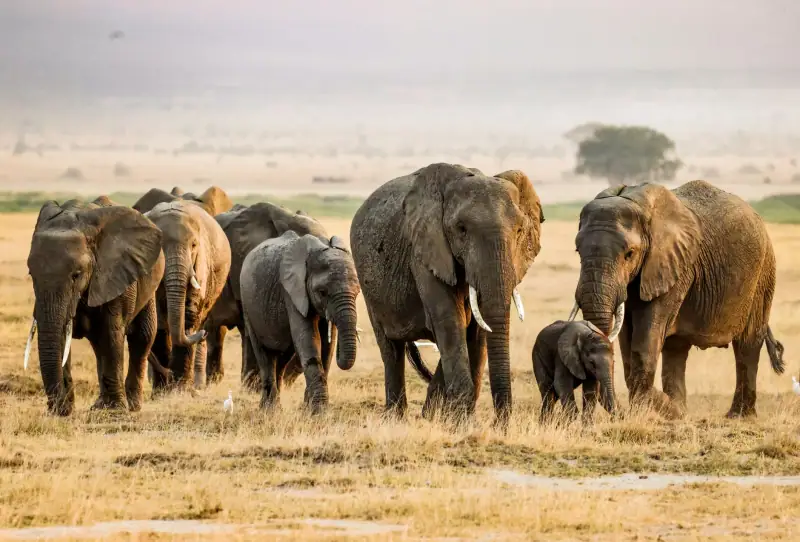
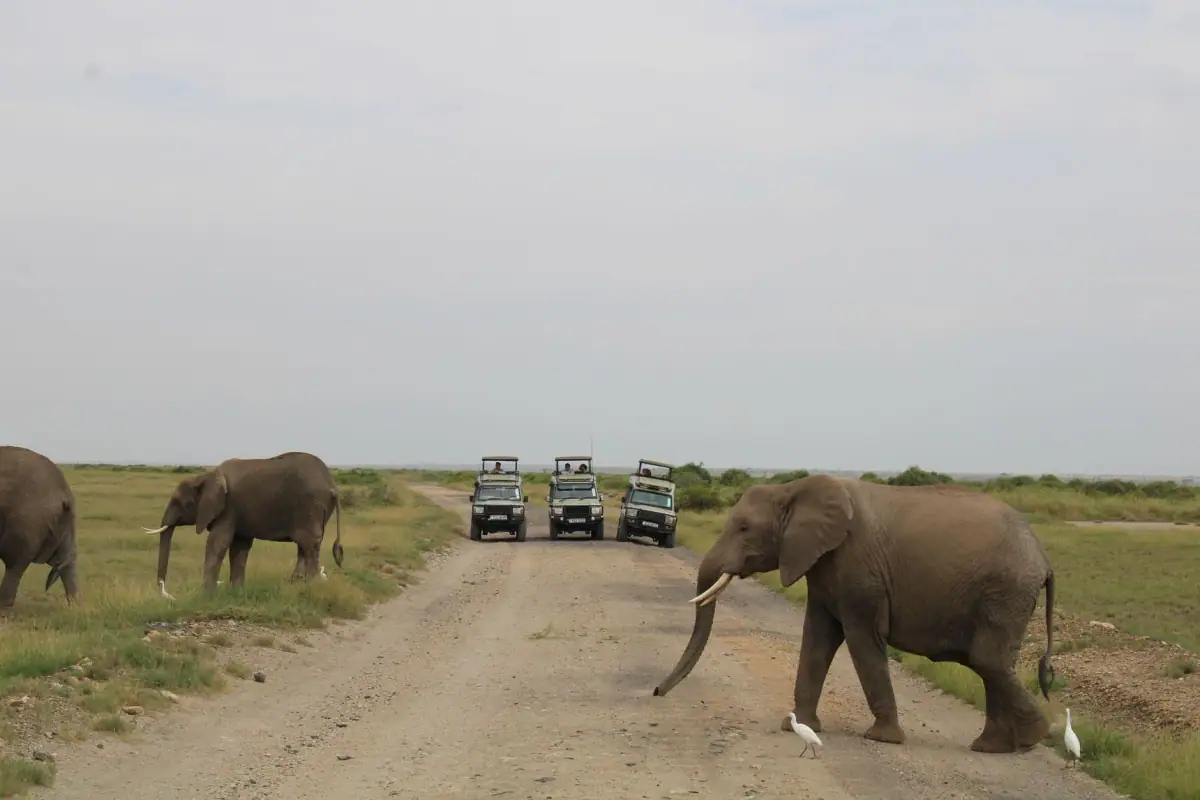
Amboseli National Park, in the south of the country near the Tanzanian border, is famous for its large herds of elephants and for the view of Kilimanjaro, which rises across the border in Tanzania. The landscapes combine dusty plains, marshy areas and open savanna.
The view of the summit is mostly clear early in the morning and late in the day: the massif often clouds over at midday. Be patient, and do not book your stay only for this image, as it is never assured.
Amboseli is smaller than the Masai Mara and is best done in two nights. It combines easily with other stages in southern Kenya, or with a stay on the coast.
Nairobi National Park, a safari at the capital’s gates
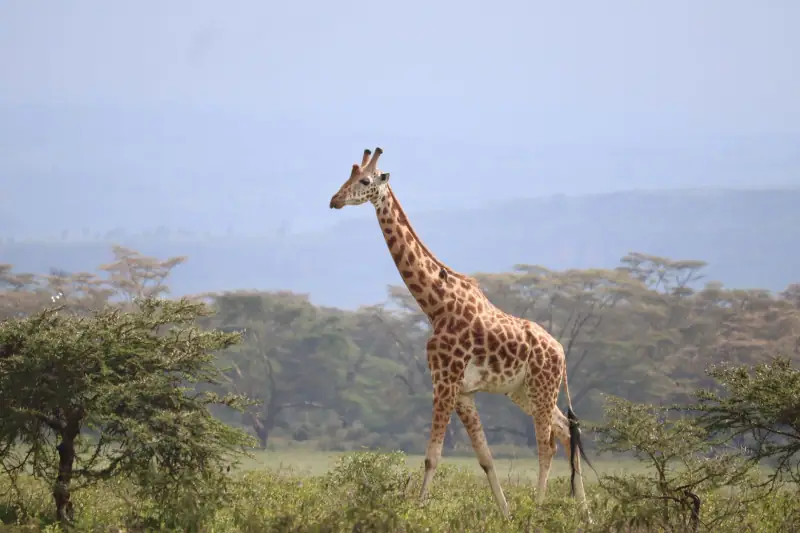
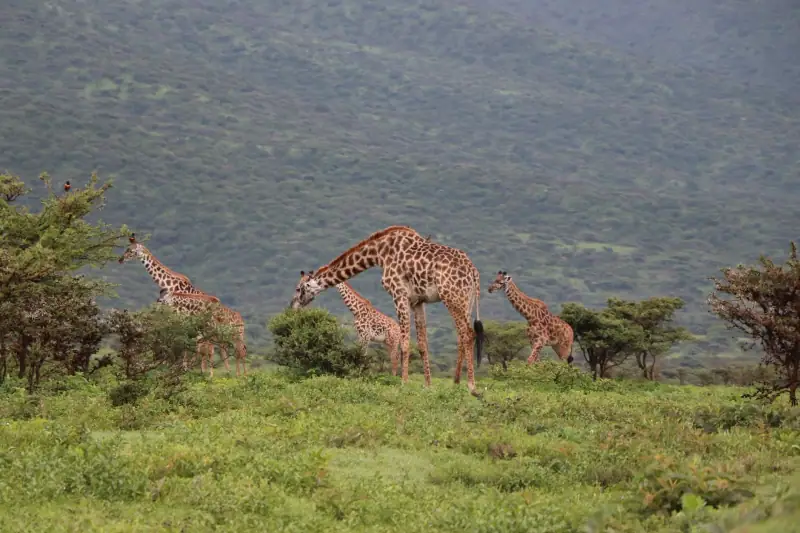
Nairobi has a rare feature: a national park right at the edge of the city. You come across giraffes, zebras, buffaloes, antelopes and, with a bit of luck, lions and rhinos, with the capital’s skyscrapers in the background.
It is an excellent option if your time is limited, if you have a layover in Nairobi or if you want to try a first safari before heading farther. A half day or a day is enough. Many travelers combine this visit with another site in the region.
Stays in Nairobi
A night before or after safari, to recover from the flight and prepare for the bush.
Lake Naivasha and the Rift Valley
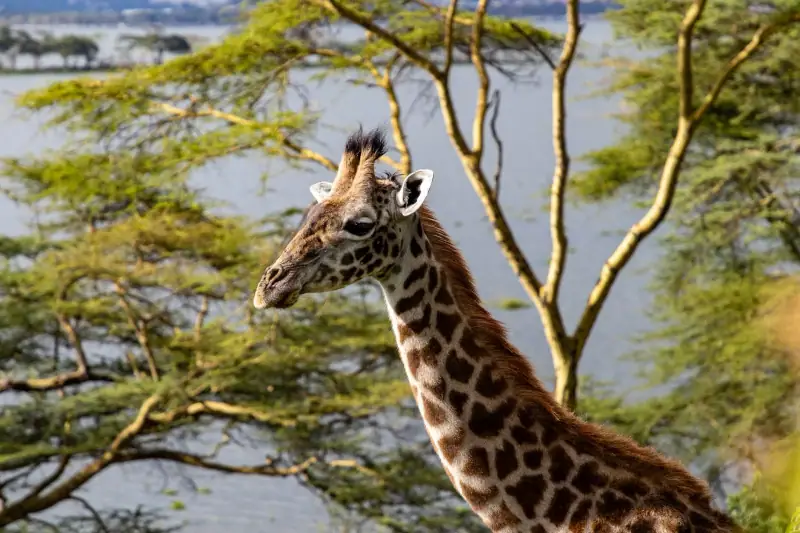
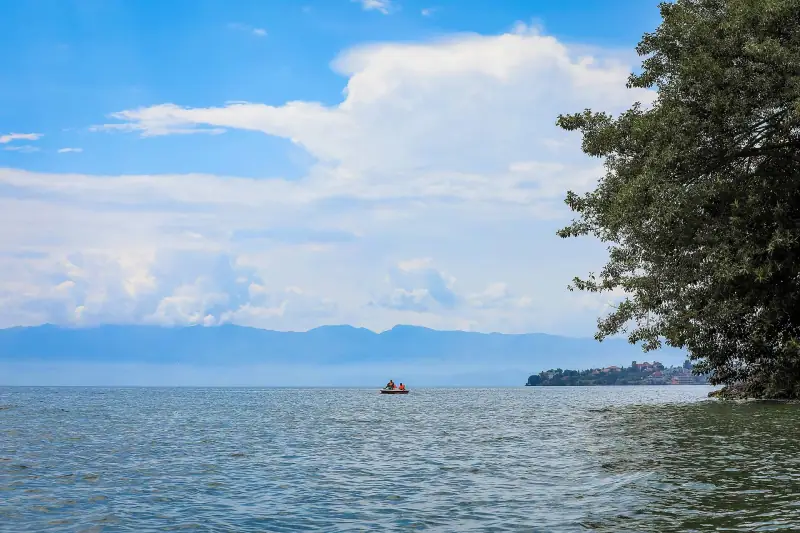
Lake Naivasha, in the Rift Valley, is a popular stop between Nairobi and the Masai Mara. It offers a pleasant contrast with the savanna: a big freshwater lake, many birds and the chance to see hippos on a boat trip.
Activities that complement a classic safari are also possible there, such as biking or walking in some neighboring conservation areas. It is a good stop to break up the road to the Mara and enjoy a quiet night before setting off again.
The different types of safari lodging
The choice of lodging strongly influences the atmosphere and budget of your safari. In general, you find:
- Lodges: solid buildings, often with a terrace over the savanna, full meal service and hotel-like comfort.
- Tented camps: spacious tents with a bed, private bathroom and electricity generally limited to certain hours. The atmosphere is closer to nature.
- Mobile or simple camps: cheaper, for travelers ready to accept less comfort.
- Lodging on the edge of the parks: often cheaper, but involving travel time to enter the reserve.
Rates vary a lot with season and comfort level; always ask what is included (meals, drinks, outings, park entry fees) before comparing two offers.
Organized safari or tailor-made trip?
There are three main ways to organize a safari:
- The small-group tour: the cheapest, with a fixed program and a shared vehicle. Ideal for a first trip if you like simplicity.
- The private safari: a vehicle and a guide just for you, with a pace suited to your wishes. It is more expensive, but more flexible, notably for photography.
- A tailor-made stay through a local agency: you choose parks, camps and length. It is the most customizable formula.
Whatever the formula, check recent reviews, the cancellation conditions, the number of people per vehicle and what the park entry fees include. Avoid abnormally low-priced offers: they often hide savings on the guide, the vehicle or the number of outings.
Activities around the parks
Hot-air balloon flights, village visits and day trips.
A typical day on safari
Here is what a day in a bush camp generally looks like:
- At daybreak: coffee or light tea, then departure for the first game drive, when animals are active.
- Late morning: back at camp for breakfast or brunch.
- Midday: rest, reading, watching from the camp terrace.
- Late afternoon: second outing, until sunset.
- Evening: dinner at camp, often around a fire, then a night to the sounds of the savanna.
Some camps also offer full-day outings with a picnic, which lets you explore farther without returning at noon.
Preparing well before departure
- Formalities: Kenya asks for an electronic travel authorization before arrival. Entry rules depend on your passport. Check the official travel advice of your government before you book: travel.state.gov (US), GOV.UK (UK), travel.gc.ca (Canada), Smartraveller (Australia), and the official Kenyan government site (checked November 2026).
- Health: ask your doctor or a travel clinic several weeks before departure, and see the official travel health pages (CDC in the US, TravelHealthPro in the UK).
- Insurance: take out insurance covering medical costs and repatriation.
- Luggage: choose a soft bag rather than a rigid suitcase, notably if you take domestic flights in a small plane, where baggage limits are strict.
- Photography: a telephoto lens is very useful; also think of extra memory cards and batteries.
- Binoculars: essential for spotting birds and distant animals.
- Respect for wildlife: stay in the vehicle, speak quietly and never feed the animals.
Mistakes to avoid on a first safari
- Wanting to see everything in a few days: multiplying parks in a week means spending most of the time on the road.
- Neglecting the season: check current conditions before booking.
- Choosing on price alone: the guide and group size matter more than the lodge’s luxury.
- Leaving without a margin: keep free time for the unexpected, notably in the rainy season.
- Focusing on the “Big Five”: lion, leopard, elephant, buffalo and rhino are only part of the show. Giraffes, zebras, hippos and birds deserve as much attention.
A successful first safari depends less on the park chosen than on preparation: good length, good guide, good pace and realistic expectations. Once these elements come together, the Kenyan savanna almost always keeps its promises.
Frequently asked questions
Which park should you choose for a first safari in Kenya?
The Masai Mara is the most classic choice: a high density of animals, open landscapes and the chance to see large predators. Amboseli appeals for its elephants and its view of Kilimanjaro, and Nairobi National Park suits a short getaway from the capital very well.
How many days should you plan for a safari?
Three to four days there let you enjoy a park like the Masai Mara. To combine several reserves (Mara, Amboseli, Lake Naivasha), a week to ten days is more comfortable and limits long road days.
Can you do a safari without a guide?
In most large parks, it is preferable to go with a driver-guide: he or she knows the tracks, spots the animals and respects the reserves' regulations. Tracks can be difficult, especially in the rainy season, and a 4x4 is generally recommended.
Do you need to be fit for a safari?
A vehicle safari does not require particular physical effort, but days are long, with dawn departures and sometimes bumpy tracks. Walking safaris, offered in some areas, require decent fitness.
What clothing should you bring for a safari?
Choose neutral-colored clothes (beige, khaki, green), in layers: mornings are cool and days hot. Add a hat, sun protection, sunglasses, a windbreaker and good closed shoes.
Are animals guaranteed?
No safari guarantees the sighting of a specific species: the animals are free. That said, Kenya's big parks offer excellent chances of seeing elephants, giraffes, zebras, lions and buffaloes, especially in the dry season and in the cool hours of the day.
More Kenya guides
Keep reading
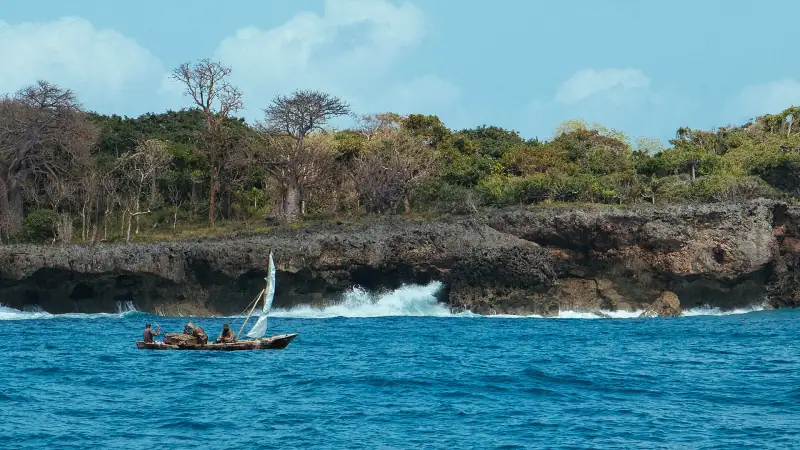
Wasini and Kisite-Mpunguti day trip from Diani: dolphins, snorkeling, prices and booking
Day trip from Diani to Wasini and Kisite-Mpunguti Marine Park: schedule, indicative prices, dolphins, snorkeling, booking in advance or locally.
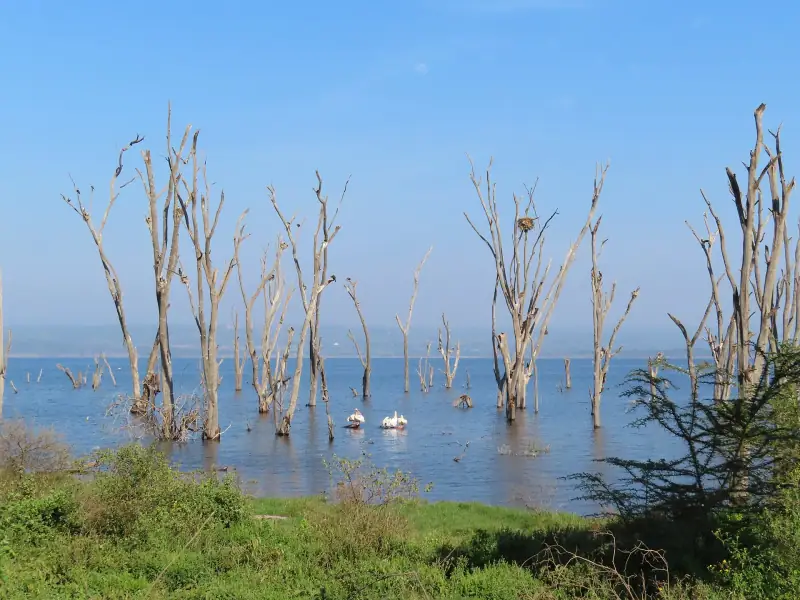
Lake Naivasha and Lake Nakuru: activities and wildlife viewing
Boat rides, biking in Hell's Gate, rhinos and flamingos at Nakuru: tips to organize two to three days of activities in Kenya's Rift Valley.
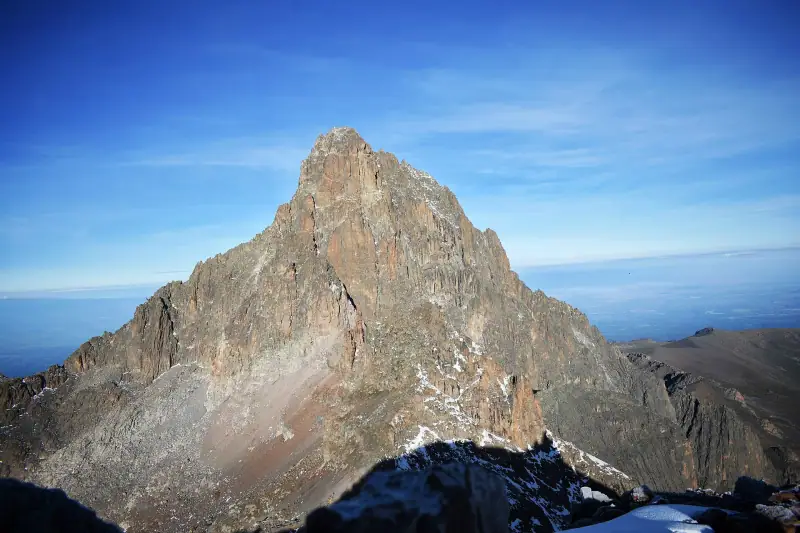
Mount Kenya: hiking and climbing Point Lenana from Nanyuki
Hiking Mount Kenya: Sirimon, Naro Moru and Chogoria routes, climbing Point Lenana, acclimatization, seasons, gear and tips from Nanyuki.
Ready-made
Kenya itineraries
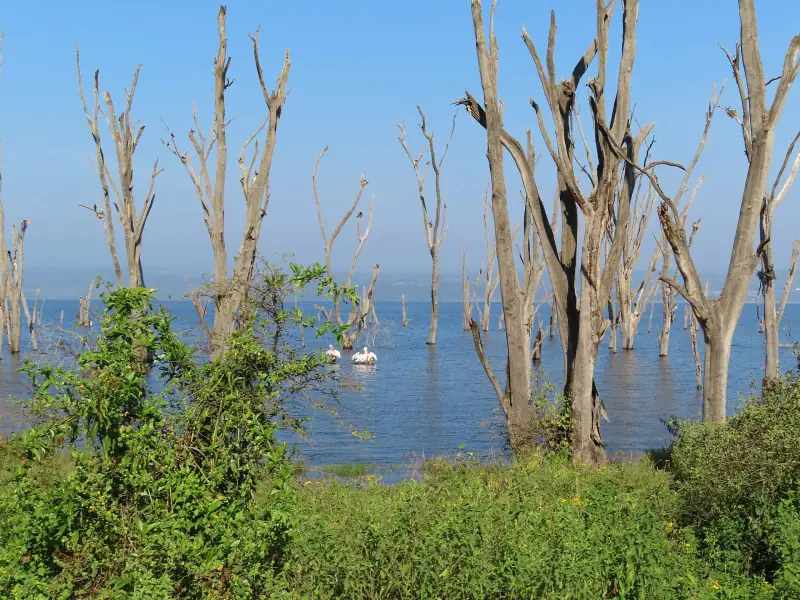
7 days
Kenya in 7 days: Naivasha, Nakuru and the Masai Mara without rushing
NairobiNaivashaMasai MaraNairobi
10 days
Kenya in 10 days: Nairobi, Amboseli, Masai Mara and Diani Beach
A day-by-day 10-day Kenya itinerary: Nairobi, Amboseli facing Kilimanjaro, a Masai Mara safari, then relaxing on Diani Beach. Budget and tips.