What to see
Masai Mara: guide to the reserve, safari, migration and tips
We may earn a commission when you book through links on this page, at no extra cost to you. We don't visit or try the places we cover: we summarize published sources. How we work
In short
- Three nights is a reasonable minimum; if you hope to see a Mara River crossing, plan four nights or more.
- Herds of wildebeest and zebras generally arrive between July and August and stay until about October; river crossings most often happen in August to September, with no date guaranteed.
- Conservancies around the national reserve limit vehicles and often allow night and walking safaris; many travelers combine both.
- Road from Nairobi takes several hours (generally half a day); a domestic flight of about one hour saves a day. A 4x4 with a driver-guide is the simplest option.
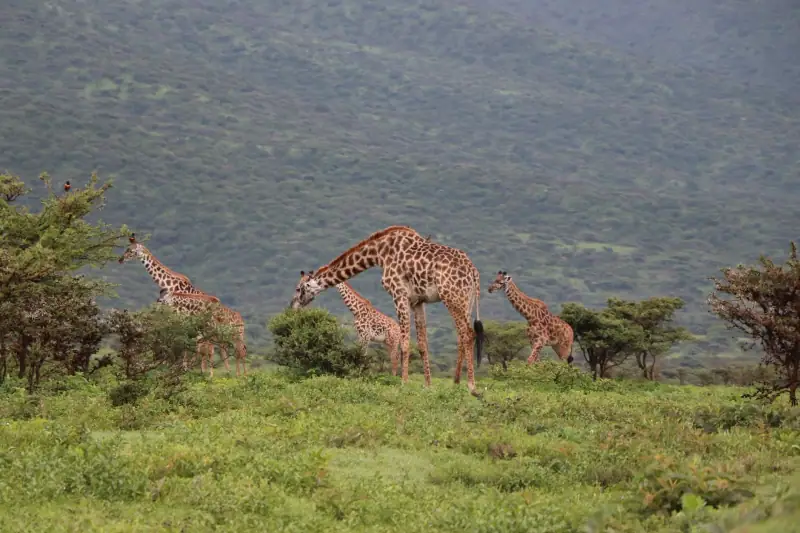
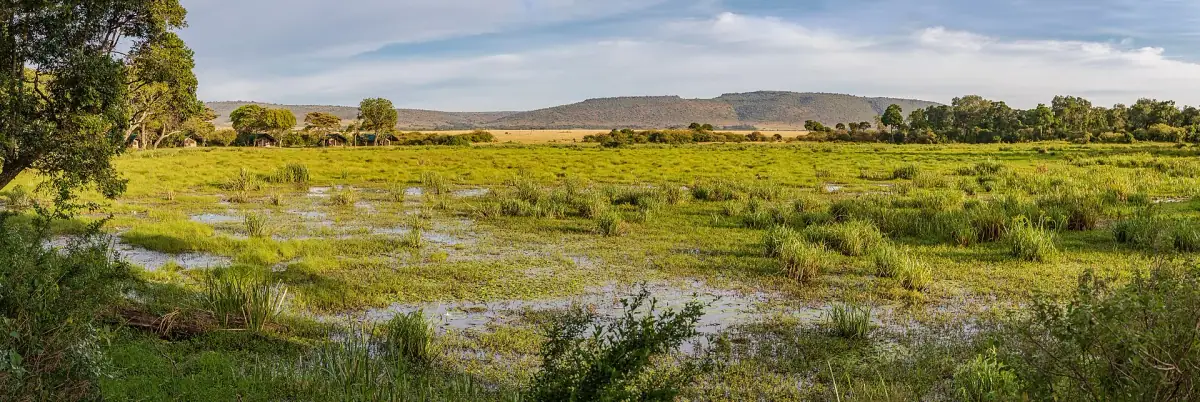
The Masai Mara is Kenya’s most famous reserve, and probably one of the finest safari settings in Africa. In the southwest of the country, against the Tanzanian border, its vast grassy plains dotted with acacias shelter exceptional wildlife: lions, cheetahs, elephants, giraffes, hippos and, every year, immense herds of migrating wildebeest.
This guide presents the reserve, the wildlife you can see there, the great migration, the different ways to visit it and tips for organizing a successful stay. To place this park within your whole trip, you can complement it with our guide to a safari in Kenya for a first trip.
The Masai Mara at a glance
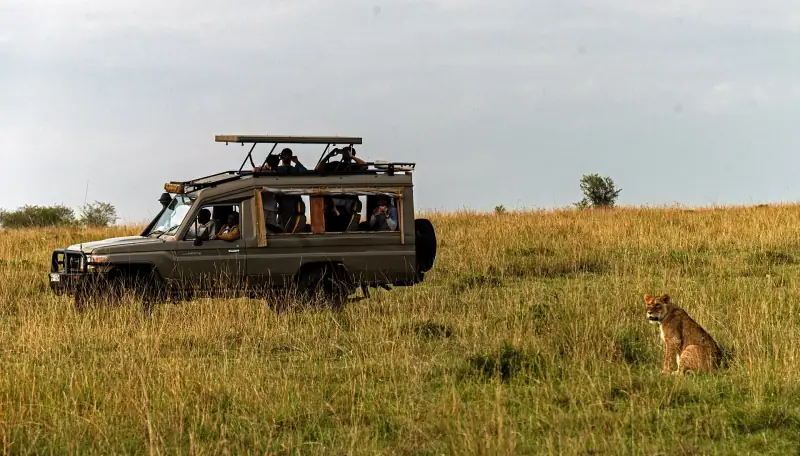
The Masai Mara National Reserve is in Narok County, in southwest Kenya. It extends, on the Kenyan side, the immense Serengeti ecosystem in Tanzania: animals ignore the border and move freely from one country to the other.
The name “Mara” comes from a Maa word meaning “spotted”, referring to the clumps of trees and shadows that dot the plain. The Mara River crosses the reserve and is an essential landmark: hippos, crocodiles and, in season, the famous wildebeest crossings are concentrated around it.
This is Maasai country. The Maasai people live around the reserve, and several neighboring areas are now managed as conservancies, in partnership with local communities.
Wildlife of the Masai Mara
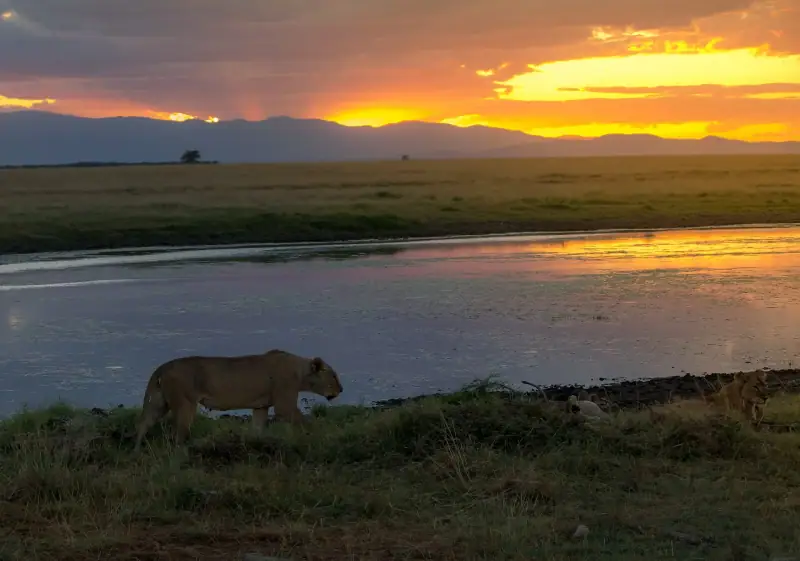
The Masai Mara is known for the density of its wildlife and the ease of seeing large predators. Open landscapes let you spot animals from afar, and the driver-guides, often from the region, know the habits of each territory very well.
- Big cats: lions are frequently seen in groups, sometimes right next to vehicles. Cheetahs hunt on the open plains, and the leopard, more discreet, is looked for in trees and thicket areas.
- Herbivores: elephants, buffaloes, giraffes, zebras, topis, impalas and gazelles are present all year.
- Hippos and crocodiles: seen in the Mara River, notably where the banks are accessible.
- The black rhino: present but rare, it takes patience and luck.
- Birds: many species, including raptors, vultures and large ground birds, delight birdwatchers.
A field tip: the best sightings happen early in the morning and late in the afternoon, when animals are active and the light is softer. It is also the main argument for sleeping directly in or near the reserve.
The great wildebeest migration
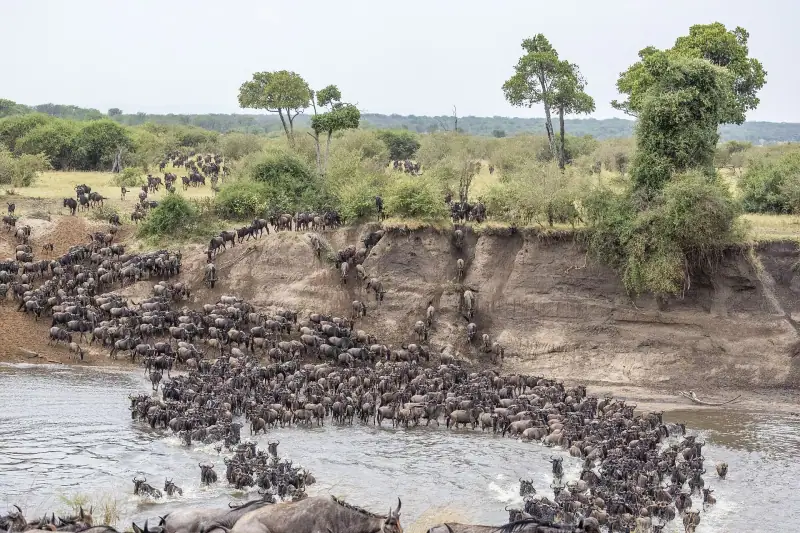
This is the event that draws travelers from around the world. Every year, very large herds of wildebeest, accompanied by zebras and gazelles, make a circuit between Tanzania and Kenya, following the rains and fresh grazing.
General markers, to be taken with caution:
- The first herds arrive in the Masai Mara generally between July and August.
- Mara River crossings most often happen between August and September.
- The herds head back south from about October.
The migration is a natural phenomenon, not a scheduled show. Crossings can happen several times a day or be delayed by several days, and herds sometimes change direction. To improve your chances, stay several nights, accept spending long hours by the water and do not plan too tight a schedule. The details of the seasons are in our guide when to go to Kenya.
Even outside the migration, the park remains fascinating: residents such as lions, elephants and giraffes are present all year, and there are often fewer visitors outside high season.
National reserve or conservancy?
Around the national reserve, several private conservancies are managed with Maasai landowners. This choice noticeably changes the experience.
The national reserve
This is the historic heart of the Masai Mara, with the best-known landscapes and access to the river crossings. Access is paid by a park entry fee, generally per person per day: ask your lodge or agency, as rates change and vary by season. In high season, the most famous viewpoints can draw many vehicles.
The conservancies
Conservancies limit the number of beds and vehicles. The atmosphere is calmer and the rules more flexible: they often offer night safaris, walking safaris or encounters with Maasai guides, which is generally prohibited in the national reserve. They are especially appreciated by travelers looking for a more intimate experience.
Many travelers combine both: one or two nights in a conservancy, then outings in the reserve for the river.
What activities to do?
- 4x4 safari: the basic activity, generally two outings a day (dawn and late afternoon), sometimes a full day with a picnic.
- Hot-air balloon flight: a famous experience that lets you admire the savanna at sunrise, often completed by a bush breakfast. Book in advance; flights depend on weather conditions.
- Visit to a Maasai village: a cultural encounter offered by many lodges. Choose respectful initiatives, organized with the community, rather than overly staged visits.
- Walking and night safaris: possible in some conservancies, with specialized guides.
- Photography: the light at the start and end of the day is ideal. A zoom and binoculars are very useful.
Sleeping near the Masai Mara
Lodges, tented camps and other lodging to compare by season.
How to get to the Masai Mara
Most travelers start from Nairobi. Two main options exist.
By car or 4x4 minibus
The road trip takes several hours, generally half a day, depending on the condition of the roads and the entry point chosen. The last kilometers are often on track. It is the most economical option, and lets you see the Rift Valley landscape on the way. On an organized stay, the driver-guide accompanies you in the park.
By plane
Domestic flights link Nairobi to several airstrips in the region, for a trip of about one hour. It is more expensive, but saves a day on the road, which is welcome when the stay is short. Check baggage limits, generally flexible (soft bags recommended).
For the Masai Mara, an off-road vehicle with a driver-guide remains the simplest and safest.
Where to stay in the Masai Mara
Lodging ranges from comfortable tented camps to luxury lodges, often with a view of the savanna. A few criteria to choose:
- Location: sleeping in the reserve or in a conservancy lets you leave very early at dawn, whereas lodging on the edge adds travel time.
- Type of plan: full board with safaris included is common and simplifies the budget.
- Season: from July to October, camps quickly fill up, book several months ahead.
For a wider overview of lodging solutions in the country, see our guide to where to stay in Kenya.
Practical tips
- Formalities: Kenya asks for an electronic travel authorization before arrival. See our article on the Kenya ETA. Entry rules depend on your passport: check the official travel advice of your government before you book, travel.state.gov (US), GOV.UK (UK), travel.gc.ca (Canada), Smartraveller (Australia), and the official Kenyan government site (checked November 2026).
- Clothing: wear neutral colors (beige, khaki, green), layers for cool mornings, a hat and a windbreaker for dawn outings.
- Health: ask your doctor or a travel clinic, and see the official travel health pages (CDC in the US, TravelHealthPro in the UK).
- Respect for wildlife: stay in the vehicle, speak quietly and never demand that your guide get too close to the animals.
- Tips: it is customary to thank the driver-guide and camp staff. Ask your host about common practice.
- Insurance: take out travel insurance covering medical costs and repatriation.
- Network: phone coverage is patchy in the reserve; plan to download your maps and documents before departure. Check your carrier’s international plan or use a travel eSIM.
The Masai Mara is a destination you prepare for, but one that richly rewards the effort: sunrises over the savanna, closeness to big animals and, with a bit of luck, the impressive spectacle of a river crossing. Combine it with Amboseli (our Amboseli guide) to discover two very different faces of the country.
Frequently asked questions
How many days do you need to visit the Masai Mara?
Three nights there is a reasonable minimum: they leave time for several dawn and late-afternoon safaris, and for not depending on a single outing to see big cats. If you hope to witness a Mara River crossing, plan four nights or more.
When can you see the great migration in the Masai Mara?
Herds of wildebeest and zebras generally arrive between July and August and stay until about October. Mara River crossings most often happen from August to September, but they depend on rain and herd movement: no date is guaranteed.
Can you see the Big Five in the Masai Mara?
Yes, lion, elephant, buffalo and leopard are present in the reserve, as well as the black rhino, rarer and harder to see. The Masai Mara is one of the best places in the country for big cats, but no sighting is guaranteed.
Is the Masai Mara suitable for children?
Yes, as long as you choose a suitable pace: safaris are long and 4x4 trips are bumpy. Some camps set a minimum age for outings or offer more flexible private safaris. Check before booking.
Do you need a guide to visit the Masai Mara?
In practice, yes. Tracks are numerous, poorly signposted and wildlife viewing takes a trained eye. Most visitors go with a driver-guide, through their lodge or an agency, in a suitable 4x4 vehicle.
National reserve or conservancy: which to choose?
The national reserve offers the most famous landscapes and the migration, but it is busier. Conservancies, private areas surrounding the reserve, limit the number of vehicles and often allow extra activities such as walking or night safaris. Many travelers combine both.
More Kenya guides
Keep reading
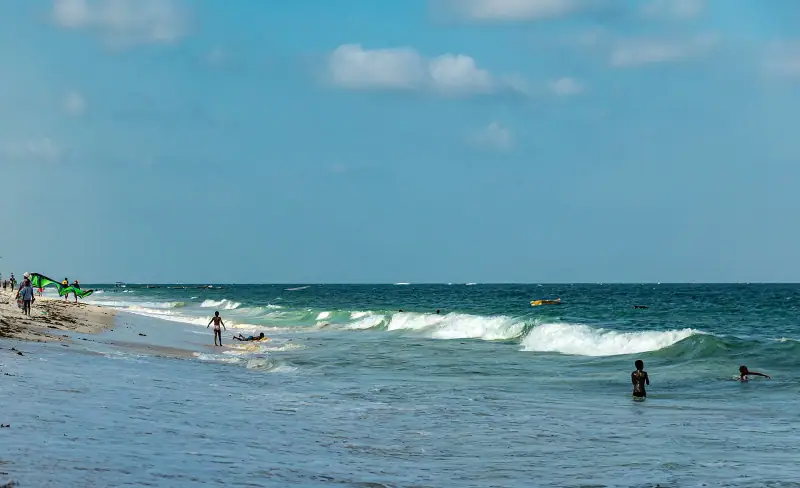
Diani Beach: guide to Kenya's finest beach
Diani Beach in Kenya: access, best time, beaches, colobus monkeys, snorkeling, kitesurfing and excursions for a beach stay after safari.
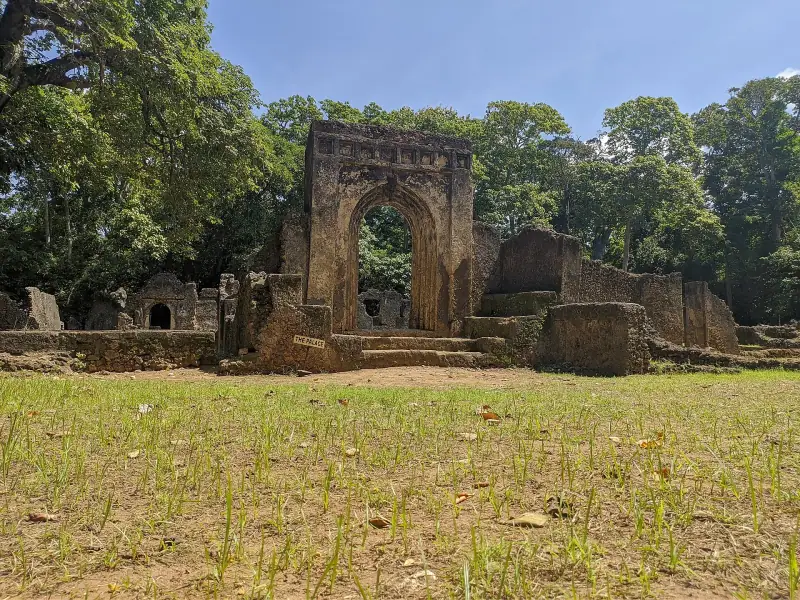
Gedi ruins near Watamu: prices, hours and a half-day visit
Gedi (Gede), a Swahili town listed by UNESCO in 2024: access from Watamu and Malindi, rates to confirm, visit length, monkeys and practical tips.
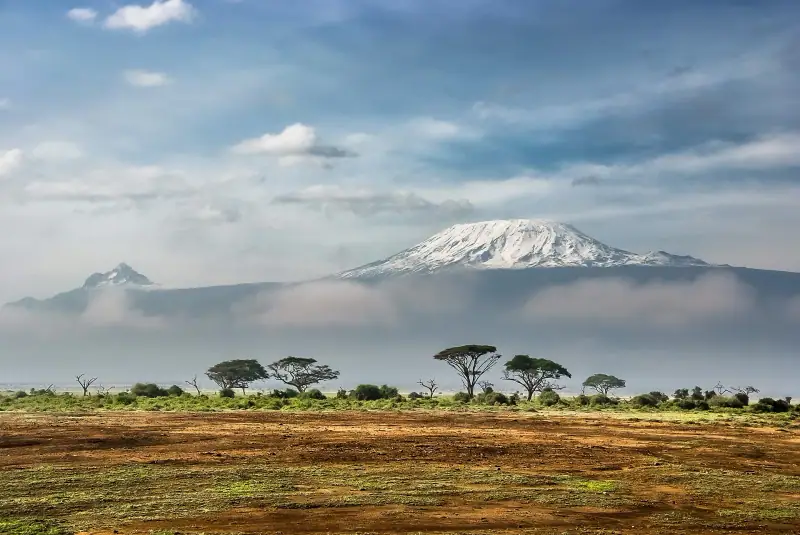
Amboseli: guide to the national park, elephants and Kilimanjaro
Visiting Amboseli in Kenya: elephants facing Kilimanjaro, best time, length of stay, where to stay and tips to prepare your safari.
Ready-made
Kenya itineraries
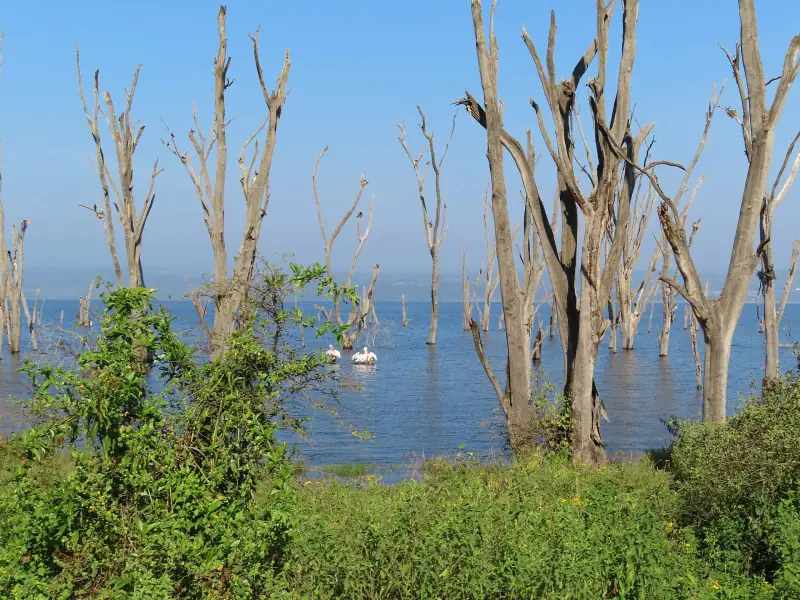
7 days
Kenya in 7 days: Naivasha, Nakuru and the Masai Mara without rushing
NairobiNaivashaMasai MaraNairobi
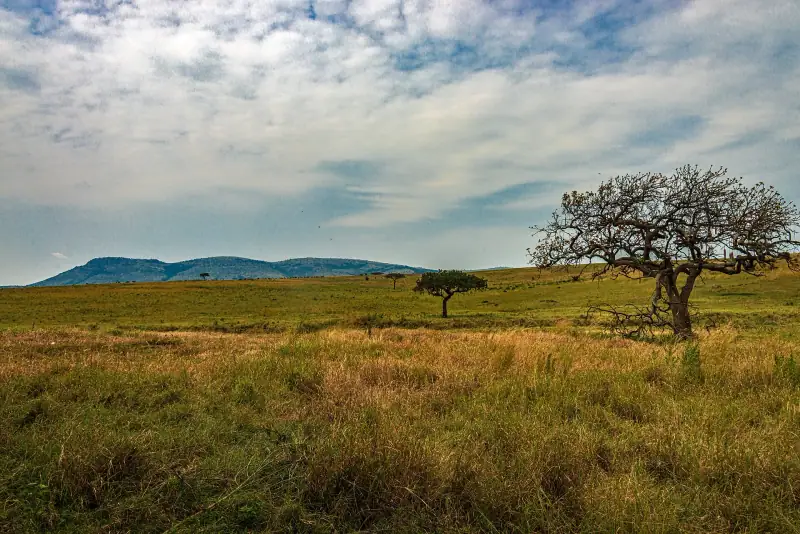
10 days
Kenya in 10 days: Nairobi, Amboseli, Masai Mara and Diani Beach
A day-by-day 10-day Kenya itinerary: Nairobi, Amboseli facing Kilimanjaro, a Masai Mara safari, then relaxing on Diani Beach. Budget and tips.