What to see
Complete guide to visiting Kenya: regions, safari, beaches and budget
We may earn a commission when you book through links on this page, at no extra cost to you. We don't visit or try the places we cover: we summarize published sources. How we work
In short
- About ten days make a balanced first trip: Nairobi, one or two parks (Amboseli, Masai Mara) and a few beach days on the coast.
- The dry season, June to October, is the most popular, with the great migration in the Masai Mara (generally July to October); long rains run March to May.
- Safari is the biggest expense: park fees (paid in US dollars by non-residents), lodges and vehicles. A driver-guide is usually the simplest option for the parks.
- Entry rules depend on your passport; Kenya asks for an electronic travel authorization (ETA) before departure. Check the official sources before you book.
Kenya is one of the most complete destinations in East Africa. In a single trip you can watch big cats on the savanna, see elephants file past at the foot of Kilimanjaro, stroll through an old Swahili town listed by UNESCO, then end with your feet in the Indian Ocean. The country straddles the equator, stretches from tropical beaches to highlands and the deserts of the north, and brings together very different peoples and cultures.
This complete guide is the starting point for planning your trip. It presents the country’s main regions, the cities to know, the highlights, the best time to go, transport, lodging and budget, with links to all the site’s detailed articles to go deeper on each subject.
All our guides to Kenya
Before getting into detail, here is the list of the site’s articles, sorted by theme. Each one goes deeper into one aspect of your trip.
Planning your trip
- When to go to Kenya: seasons, migration and weather month by month
- Entry requirements for Kenya: ETA, passport, health and insurance
- Formalities for Kenya: passport, ETA, vaccines, insurance
Safari, parks and itineraries
- A safari in Kenya for a first trip
- Masai Mara: guide to the reserve, safari, migration and tips
- Amboseli: guide to the national park, elephants and Kilimanjaro
- Kenya in 10 days: Nairobi, Amboseli, Masai Mara and Diani
Cities and beaches
Where to sleep and eat
- Where to stay in Kenya: lodges, safari camps and beach hotels
- Kenyan cuisine: 15 specialties to try
Kenya at a glance
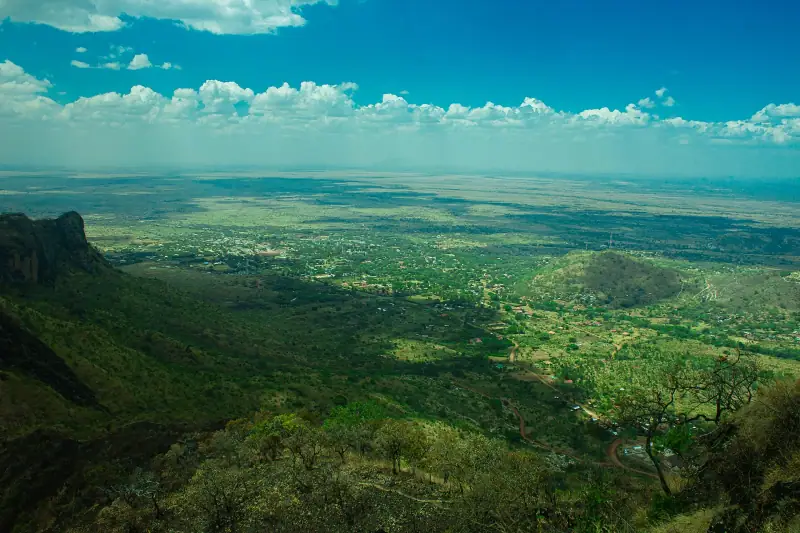
Kenya is in East Africa, between Tanzania to the south, Uganda to the west, Ethiopia and South Sudan to the north, Somalia to the east and the Indian Ocean to the southeast. The capital, Nairobi, sits on the highlands at about 1,700 m (5,580 ft) above sea level, which gives it a much milder climate than you would imagine at the equator.
The official languages are English and Swahili. English is widely spoken in tourism, and a few words of Swahili are always appreciated: jambo (hello), asante (thank you), karibu (welcome), pole pole (slowly) or hakuna matata (no worries), which guides love to slip in. The currency is the Kenyan shilling. Kenya is on UTC+3 (East Africa Time) all year, as there is no clock change.
The terrain explains the variety of landscapes: the Rift Valley crosses the country from north to south, lined with lakes; Mount Kenya, Africa’s second-highest peak at more than 5,000 m (16,400 ft), towers over the highlands; the plains of the south hold the great savannas; the Indian Ocean coast unrolls its beaches fringed with coral reefs.
The main regions of Kenya
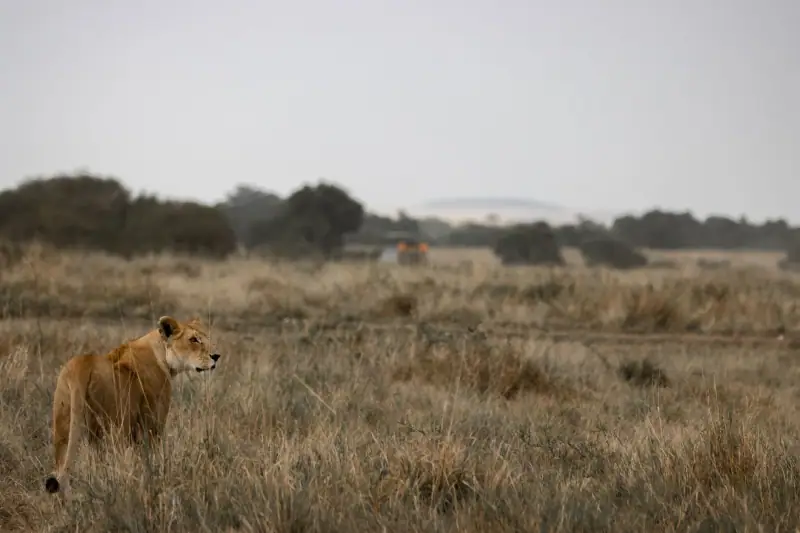
To get organized, it helps to think of the country in six main groups. They correspond to the areas most travelers visit.
Nairobi and the highlands
Nairobi is the country’s air gateway. It is also an unusual city: a national park, with lions and giraffes, begins a few kilometers from downtown. Around the capital, the highlands are covered in tea and coffee plantations and lead toward Mount Kenya and the town of Nanyuki, located on the equator.
The Rift Valley: Naivasha and Nakuru
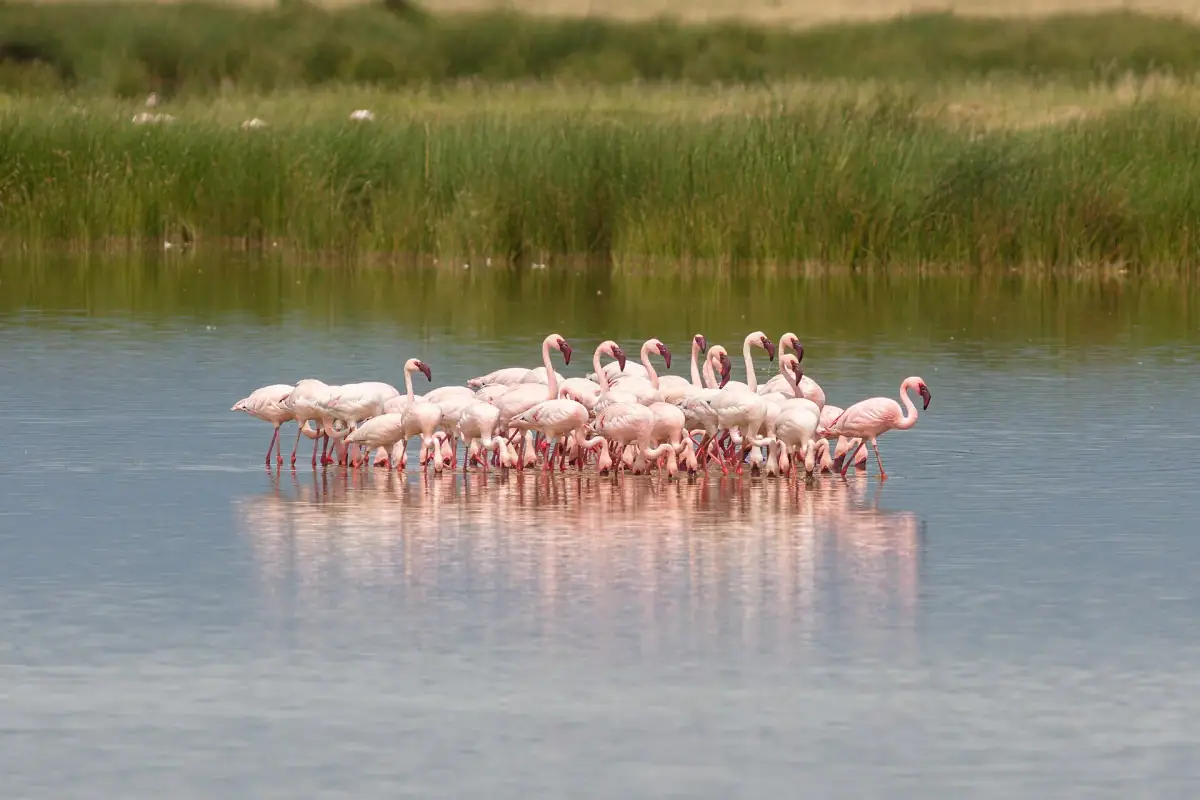
About a hundred kilometers (62 mi) northwest of Nairobi, the Rift Valley offers spectacular landscapes: escarpments, lakes, volcanoes and farms. Lake Naivasha lends itself to boat rides among hippos and birds, while other lakes in the valley are known for their waterbirds. It is a pleasant stop between Nairobi and the Masai Mara.
The Masai Mara
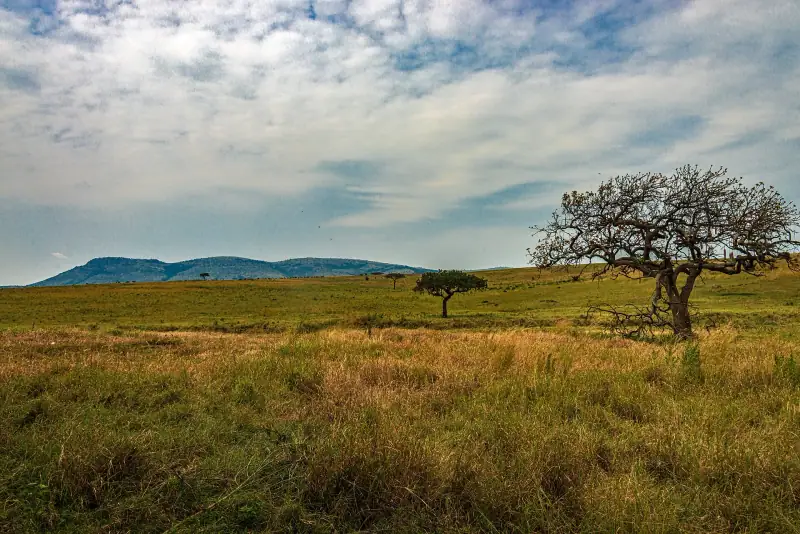
This is the country’s most famous reserve, the Kenyan extension of Tanzania’s Serengeti ecosystem. It is known for its big cats and for the great wildebeest migration, generally seen between July and October. Our Masai Mara guide details the types of safari, the neighboring conservancies and the lodging.
Amboseli and Tsavo
Amboseli, in the south, is known for its large herds of elephants with Kilimanjaro, on the Tanzanian side, as a backdrop. Farther east, Tsavo is one of the country’s largest protected areas, divided into Tsavo East and Tsavo West, with landscapes of arid savanna, hills and reddish soil. For Amboseli, read our guide to Amboseli National Park.
Samburu and the north
Drier, the north of the country is home to species that are harder to see in the south, adapted to dry environments. The Samburu reserve is organized around a river that attracts animals. It is a region for travelers who have time and want to get off the classic circuits.
The Swahili coast
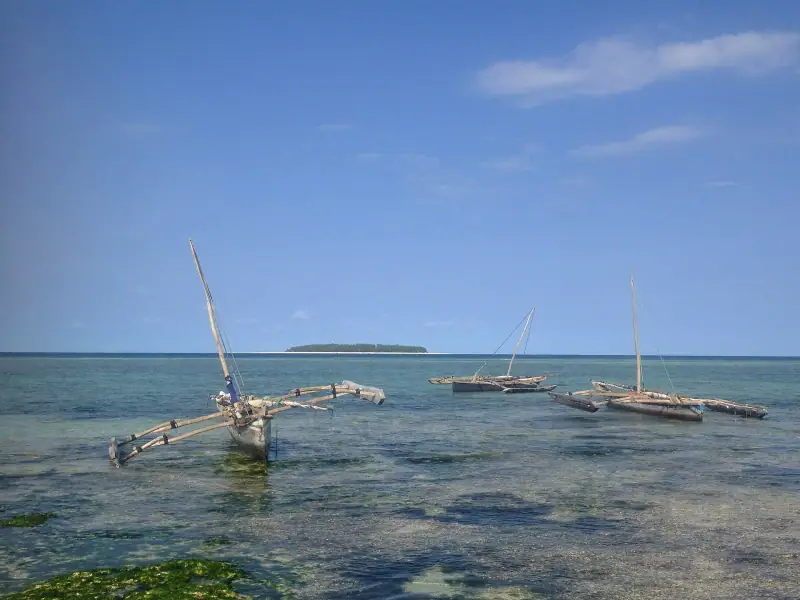
From Mombasa to Lamu, the Indian Ocean coast mixes beaches, reefs, mangroves and Swahili culture, the fruit of centuries of trade with Arabia, Persia and India. Diani Beach is the busiest beach resort, Watamu is known for its underwater world, Lamu for its old town without cars.
Flights to Nairobi
Compare offers for your dates before locking in your itinerary.
Cities to know
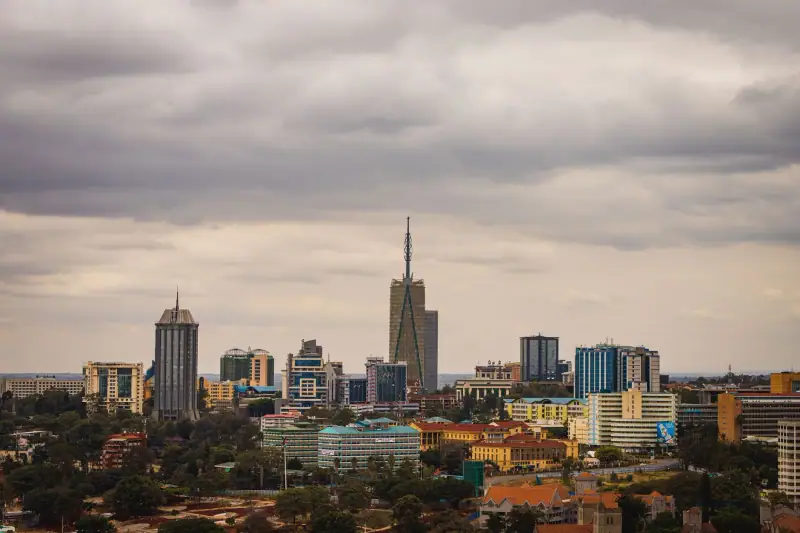
Nairobi
A busy, sprawling capital, Nairobi is an almost obligatory stopover. You come for the nearby national park, the elephant orphanage, the Karen neighborhood and the museums. Allow at least a day and a half to two days, especially if you arrive on an overnight flight. Our article What to do in Nairobi in 2 days offers a realistic plan.
Mombasa
The country’s second city and East Africa’s main port, Mombasa is known for its old town and its Portuguese-built fort, a World Heritage site. The city is hot, dense and lively. Many travelers only pass through, but it deserves half a day if you like history.
Diani Beach
About thirty kilometers (19 mi) south of Mombasa, with the ferry crossing at Likoni depending on the route chosen, Diani Beach is the most popular seaside destination. You find a long beach of pale sand, hotels of every level, water activities and a few boat excursions. Find all the details in our Diani Beach guide.
Lamu
On the north coast, Lamu island holds the country’s oldest Swahili town still inhabited, listed by UNESCO. Here the alleys are narrow, donkeys are the main means of transport and traditional dhows sail the channel. You get there by plane from Nairobi or Mombasa, then by boat.
Naivasha and Nanyuki
Naivasha is the lakeside stop of the Rift Valley. Nanyuki, in the highlands, is a base for Mount Kenya and for private reserves. These two towns are useful for travelers who want to complete a classic circuit.
Kenya’s highlights
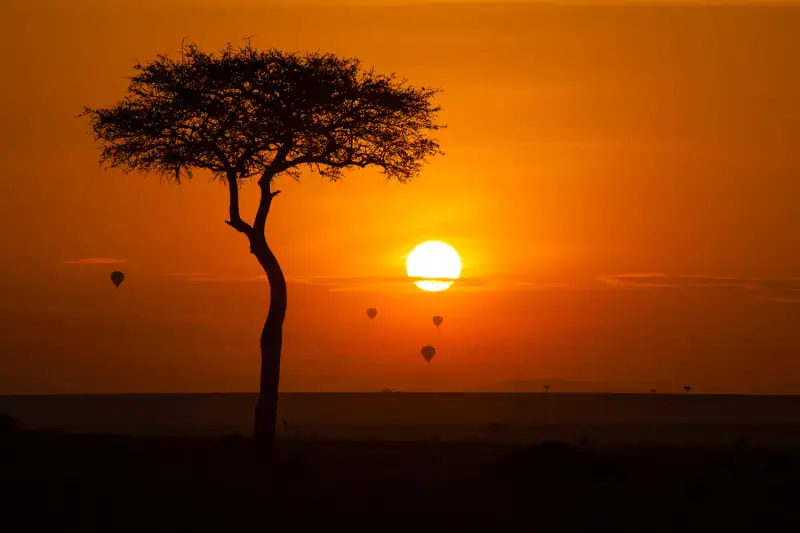
Safari in the Masai Mara
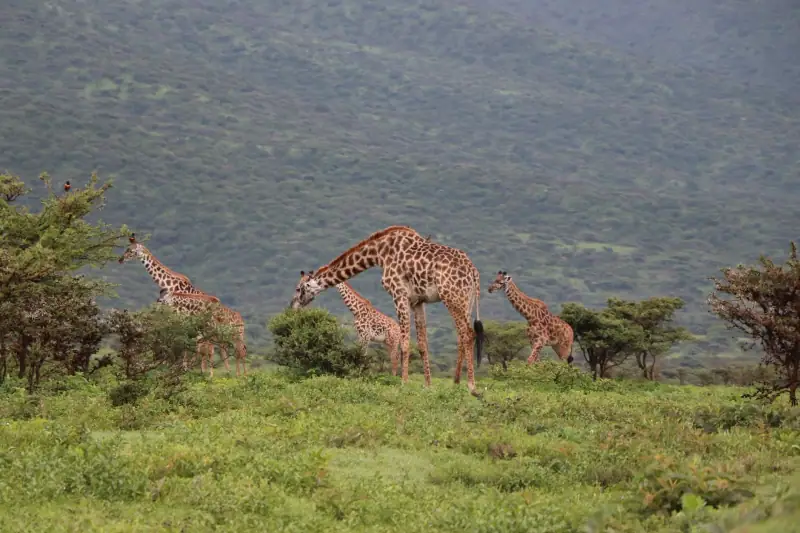
If you could do only one thing, this would be it. Lions, leopards, cheetahs, elephants, giraffes, buffaloes, hippos: the Masai Mara has an exceptional density of wildlife. Between July and October, herds of wildebeest and zebras arrive from the Serengeti, with the Mara River crossings that made the place famous. Plan at least two to three nights there to leave time for sightings. To prepare your first safari, see our guide to a safari in Kenya for a first trip.
The elephants of Amboseli
Amboseli is the dream spot for photographing elephants with Kilimanjaro behind them. The summit clears mostly early in the morning and late in the day. The park is smaller and easier to cover than others, which makes it an excellent first stop on a safari.
Nairobi National Park
A national park at the gates of a capital, with the silhouette of skyscrapers in the background: it is a singular sight. It is a good option for a short safari, before a flight or on arrival.
Lake Naivasha and the Rift Valley
Boat rides, hikes in a crater, bike outings: the Naivasha region offers activities that differ from vehicle safaris. It is also a good place to break the journey west.
Samburu and the north
For experienced travelers or those returning to Kenya, Samburu offers dry landscapes, a central river and species typical of arid environments.
Tsavo
The vast spaces of Tsavo suit fans of immensity and calm. Distances there are large: allow a margin in your schedule.
The beaches of the coast
After days on the tracks, the coast is a welcome contrast. Diani for its seaside atmosphere, Watamu for its marine environment, Lamu for Swahili culture and a change of scene.
Mount Kenya
For hikers, Mount Kenya is a high-altitude experience, with moorland landscapes, remnant glaciers and rocky peaks. The climb needs preparation and is done with a guide, preferably in the dry season.
Kenya safaris and excursions
Guided safaris, day trips and activities to book ahead.
When to go to Kenya
You can visit Kenya almost all year, but the calendar matters. The country alternates dry and rainy seasons:
- June to October: main dry season, high tourist season, migration in the Masai Mara.
- November to December: short rains, green landscapes, lower rates outside the year-end holidays.
- January to February: short dry season, hot, very good for safari and for the beach.
- March to May: long rains, tracks sometimes difficult, but quiet parks and lower rates.
For a first trip, aim for June to October or January-February. Our article When to go to Kenya details the weather month by month and offers recommendations according to your plans (family, budget, migration, hiking).
Formalities and health
Before booking, check the entry requirements. Kenya requires an electronic travel authorization (ETA) to be obtained online before departure, and a valid passport. Entry rules depend on your passport. Check the official travel advice of your government before you book: travel.state.gov (US), GOV.UK (UK), travel.gc.ca (Canada), Smartraveller (Australia), and the official Kenyan government site (checked November 2026). Rules can change, so rely only on official sites, and read our articles Entry requirements for Kenya: ETA, passport, health and insurance and Formalities for Kenya: passport, ETA, vaccines, insurance.
On health, ask your doctor or a travel clinic several weeks before departure, and see the official travel health pages (CDC in the US, TravelHealthPro in the UK). Take out travel insurance with medical assistance and repatriation; it is essential for a stay in the bush, far from hospitals.
Getting to Kenya
Most travelers arrive at Nairobi’s international airport. Several international airlines serve the Kenyan capital, with or without stops. Overnight flights are common, which lets you arrive in the morning and start the trip the next day. Mombasa also has an international airport, useful if you want to start on the coast.
Book early for July-August and the year-end holidays, the periods of highest demand. Itineraries with a stop can lower the price, but allow comfortable connections.
Getting around Kenya
Between the main cities
- Plane: small domestic airlines link Nairobi to the main parks, Mombasa, Diani and Lamu. It is fast, but baggage is strictly limited and soft bags are preferred.
- Train: a modern railway line links Nairobi to Mombasa in a few hours, making it a comfortable alternative to flying. Book ahead in high season.
- Bus and minibus: widely used by Kenyans, they are inexpensive but poorly suited to a tourist trip with stages in the bush.
To the parks
The Masai Mara is reached by road from Nairobi in several hours, or by a short domestic flight. Amboseli is a little closer and is a half-day drive. Naivasha is more accessible, about an hour and a half to two hours from the capital depending on traffic, which can be very heavy. In every case, allow plenty of time: a short distance on the map can mean a long day on poor roads.
Should you rent a car?
In the parks, a safari vehicle with a driver-guide is the simplest option: the tracks are demanding, driving is on the left and the guide spots wildlife far more easily than you. Self-drive rental can make sense for independent trips on paved roads, but requires caution: traffic is heavy around Nairobi, and driving at night is discouraged.
Where to stay in Kenya
The lodging offer is wide and varies by region:
- Safari lodges: solid buildings in or next to the parks, with a restaurant and views of the savanna. Comfort is generally high.
- Tented camps: equipped tents, sometimes very comfortable, with an atmosphere closer to nature. They are often set up in conservancies.
- City hotels: in Nairobi or Mombasa, from a simple business hotel to a more upscale property.
- Beach hotels and resorts: in Diani and Watamu, with half-board or all-inclusive packages.
- Swahili houses: in Lamu, some old houses welcome travelers.
High season, from July to October, means booking several months ahead in the Masai Mara. Our guide Where to stay in Kenya compares the types of lodging and explains how to choose according to your budget and plans.
Stays in Nairobi
Hotels and guesthouses for the first or last night of your trip.
Which itinerary to choose?
The most classic for a first stay is a circuit of about ten days: arrival in Nairobi, two parks, then relaxing by the sea. Our Kenya in 10 days offers a realistic sequence between Nairobi, Amboseli, the Masai Mara and Diani.
A few markers for building your own plan:
- One week: Nairobi, then one or two parks. The Masai Mara alone, or Amboseli plus the Masai Mara.
- Ten days: a safari circuit plus a few beach days.
- Two weeks: add Lake Naivasha, Samburu, or extend along the coast to Lamu.
- Three weeks and more: Mount Kenya, Tsavo, the north of the country, or an extension into Tanzania.
Avoid multiplying stages: in Kenya, journeys are long, and a slower trip lets you enjoy each place more. A minimum of two nights per safari stage is a good rule.
Eating in Kenya
Kenyan cooking is simple, tasty and strongly marked by local produce. Ugali (a cornmeal paste), sukuma wiki (sautéed collard greens), nyama choma (grilled meat) and mandazi (fried dough) are among the essentials. On the coast, Swahili influence brings coconut milk, spices, fish and seafood. Safari lodges generally offer international menus, with a few local dishes.
For a detailed presentation, read our article on Kenyan cuisine and its specialties. To avoid stomach trouble, drink bottled water with an intact cap and be careful with raw vegetables in little-visited places.
Budget: what to expect
Kenya is a destination where the budget can vary by a factor of three or more. The main spending items are:
- The international flight, very variable by season.
- Safari: park entry fees (paid in US dollars by non-residents and revised regularly), vehicle, driver-guide, lodging and meals. This is the heaviest item.
- Lodging: a simple camp or a luxury lodge, the difference is considerable.
- Domestic flights or the train, if you link several stages.
- The beach: more affordable than safari, with a wide range of hotels.
- Meals and tips: moderate in town, higher at lodges, where meals are generally included.
A few tricks to hold down spending:
- Travel outside high season, notably in November or between March and May, accepting a risk of rain.
- Share the safari vehicle and driver-guide among several travelers.
- Combine a more accessible park such as Amboseli with a stay on the coast rather than multiplying parks.
- Compare “all-inclusive” packages: for a safari, they avoid unpleasant surprises.
Always check the official rates of parks and agencies before booking: they change regularly and we deliberately do not repeat them here. On money, Kenyan shillings can be obtained from ATMs; bank cards are accepted in most hotels and lodges, but keep a little cash for tips and small purchases. Mobile payment is very widespread in the country.
Practical tips before you go
- Luggage: choose a soft bag if you take domestic flights, as the weight limit is often strict.
- Clothing: neutral colors (beige, khaki, green) for safari, a warm jacket for mornings and evenings, a hat and sunglasses.
- Gear: binoculars, a camera with a zoom, a spare battery. Remember a type G plug adapter (the plug used in the UK).
- Plastic bags: plastic bags have been banned in Kenya for several years. Avoid bringing any in your luggage.
- Health items: sunscreen, mosquito repellent, a first-aid kit.
- Connection: a local SIM card is easy to buy on arrival in Nairobi, and coverage is decent in cities and on the coast, more hit-and-miss in the parks. Before you go, check your carrier’s international plan or use a travel eSIM.
- Respect for wildlife: stay in the vehicle, follow the guide’s instructions, never feed the animals.
- Photos of people: always ask permission before photographing someone, especially in villages.
Traveling responsibly
Tourism is a pillar of the Kenyan economy and funds a large part of wildlife protection. For your trip to have a positive impact, choose community conservancies, which pay part of their revenue to local people, lodgings that employ local staff and qualified guides. Avoid shows that exploit animals or staged village visits: ask questions and favor authentic exchanges.
Also respect safe distances from animals: a good guide knows when to stop and when to back off. The temptation to get closer for a better photo must never outweigh the well-being of the wildlife.
Where to start?
If you are preparing your first trip, here is a simple reading order. Start with When to go to Kenya to set your dates, check the entry requirements, then choose your type of stay with our guide to a safari for a first trip. Then build your route with the 10-day itinerary, book your lodging and keep a little time for Nairobi and for Diani beach.
Kenya rewards travelers who take their time. Between sunrises on the savanna, time with guides and communities, and evenings by the ocean, it offers one of the most memorable trips on the African continent. Karibu Kenya: welcome!
Frequently asked questions
How long do you need to visit Kenya?
Allow about ten days for a balanced first trip: Nairobi, one or two parks (Amboseli, Masai Mara) and a few beach days on the coast. A week is enough for a safari alone; two weeks let you add Lake Naivasha, Samburu or Lamu without rushing.
What is the best time to visit Kenya?
The dry season from June to October is the most popular, with the great migration in the Masai Mara. January and February are an excellent alternative, hotter and quieter. The long rains, from March to May, are the trickiest period for the tracks.
Do you need a visa or authorization to enter Kenya?
Entry rules depend on your passport. Kenya asks for an electronic travel authorization (ETA) to be obtained before departure. Conditions change: always check the official Kenyan government site and the official travel advice of your government before you book (checked November 2026), and see our dedicated article on formalities.
Is Kenya a safe destination for travelers?
The tourist areas (parks, the coast, Nairobi in its busy neighborhoods) welcome many visitors every year. Still, apply the usual precautions in town and check your government's official travel advice, which recommends against certain border areas.
What budget should you plan for a trip to Kenya?
Kenya is not a cheap destination once safari is involved: park fees, lodges and vehicles weigh heavily. The budget varies enormously with the comfort you choose, from a few nights in a simple camp to luxury lodges. The coast and Nairobi let you rebalance the budget.
Can you combine safari and beach in the same trip?
Yes, it is the most common formula. You generally string together Nairobi, one or two parks, then a flight or the train to Mombasa before heading to Diani, Watamu or Lamu to rest.
Do you need to rent a car in Kenya?
For the parks, a safari vehicle with a driver-guide is generally the simplest solution, as the tracks are demanding and driving on the left is disorienting. Renting a car mainly makes sense for independent trips on paved roads, for example around Naivasha or on the coast.
More Kenya guides
Keep reading
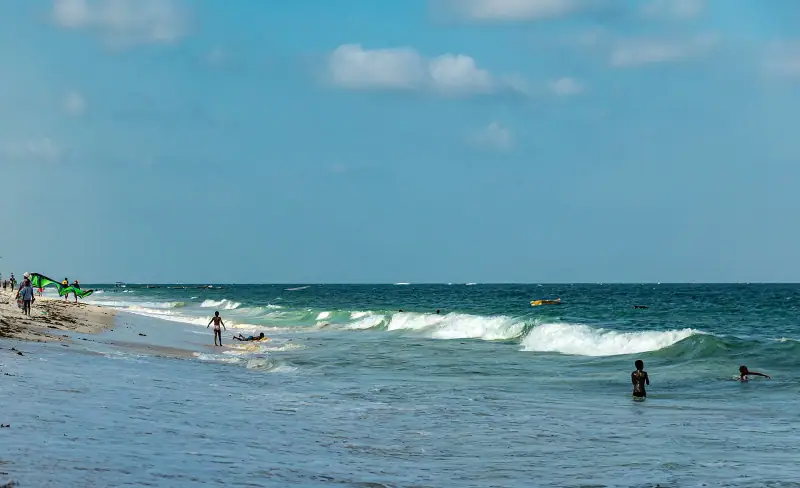
Diani Beach: guide to Kenya's finest beach
Diani Beach in Kenya: access, best time, beaches, colobus monkeys, snorkeling, kitesurfing and excursions for a beach stay after safari.
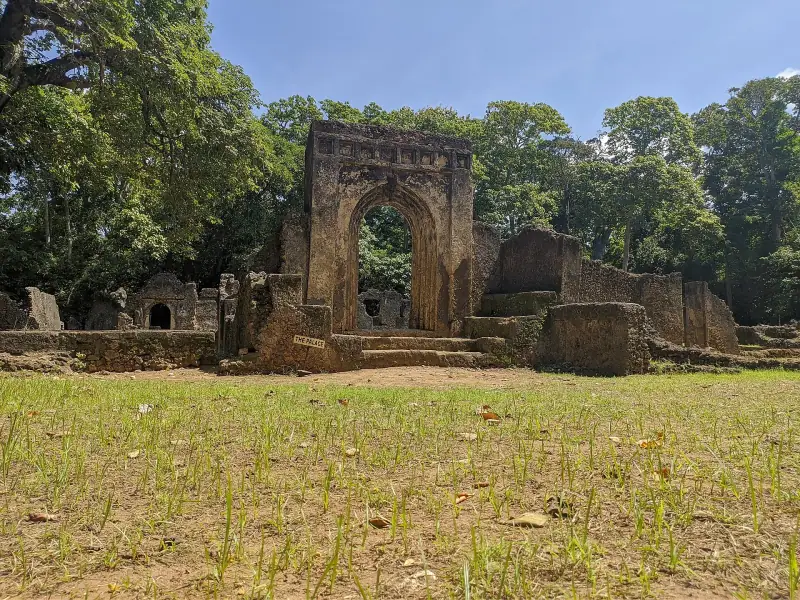
Gedi ruins near Watamu: prices, hours and a half-day visit
Gedi (Gede), a Swahili town listed by UNESCO in 2024: access from Watamu and Malindi, rates to confirm, visit length, monkeys and practical tips.
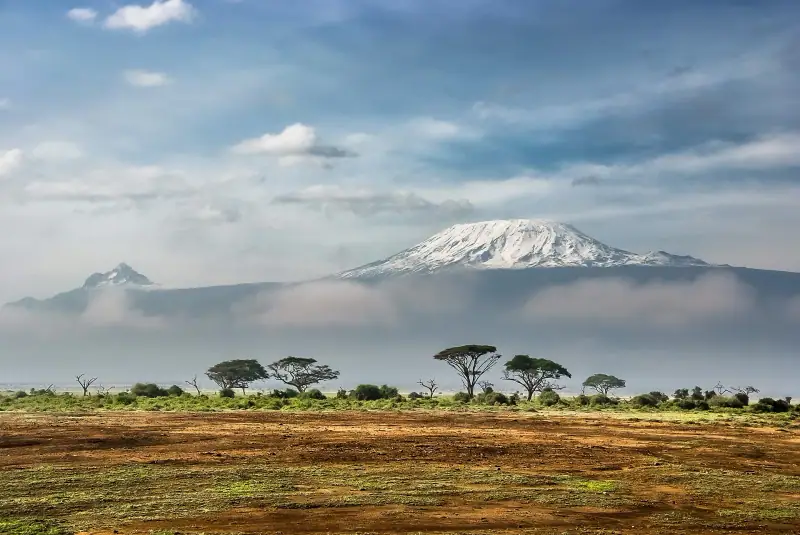
Amboseli: guide to the national park, elephants and Kilimanjaro
Visiting Amboseli in Kenya: elephants facing Kilimanjaro, best time, length of stay, where to stay and tips to prepare your safari.
Ready-made
Kenya itineraries
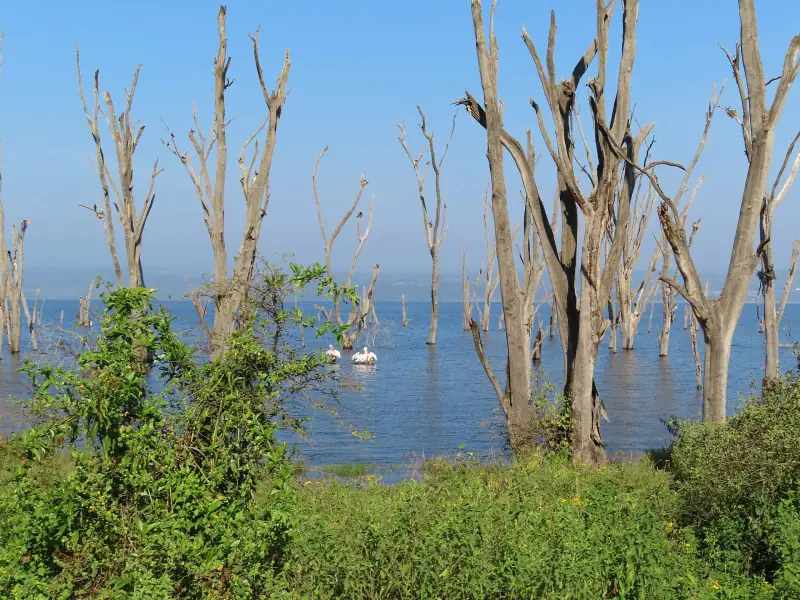
7 days
Kenya in 7 days: Naivasha, Nakuru and the Masai Mara without rushing
NairobiNaivashaMasai MaraNairobi
10 days
Kenya in 10 days: Nairobi, Amboseli, Masai Mara and Diani Beach
A day-by-day 10-day Kenya itinerary: Nairobi, Amboseli facing Kilimanjaro, a Masai Mara safari, then relaxing on Diani Beach. Budget and tips.