Things to do
Skiing in Japan: Hokkaido, Niseko, Hakuba, powder, season and budget
We may earn a commission when you book through links on this page, at no extra cost to you. We don't visit or try the places we cover: we summarize published sources. How we work
In short
- The ski season runs from December to April, peaking in January and February. Niseko (Hokkaido) is the most developed resort; Hakuba (Nagano) is easier to reach from Tokyo.
- 2026-2027 one-day adult lift passes: 8,800 to 13,500 yen at Niseko United, 11,100 yen in the Hakuba Valley, before flights, lodging and gear.
- Niseko United is scheduled to open on November 28, 2026; Happo-one (Hakuba) on December 1, 2026. Dates can change, so check each resort's site.
- Skiing off-piste is best done with a professional guide and safety gear; check that your travel insurance covers skiing.
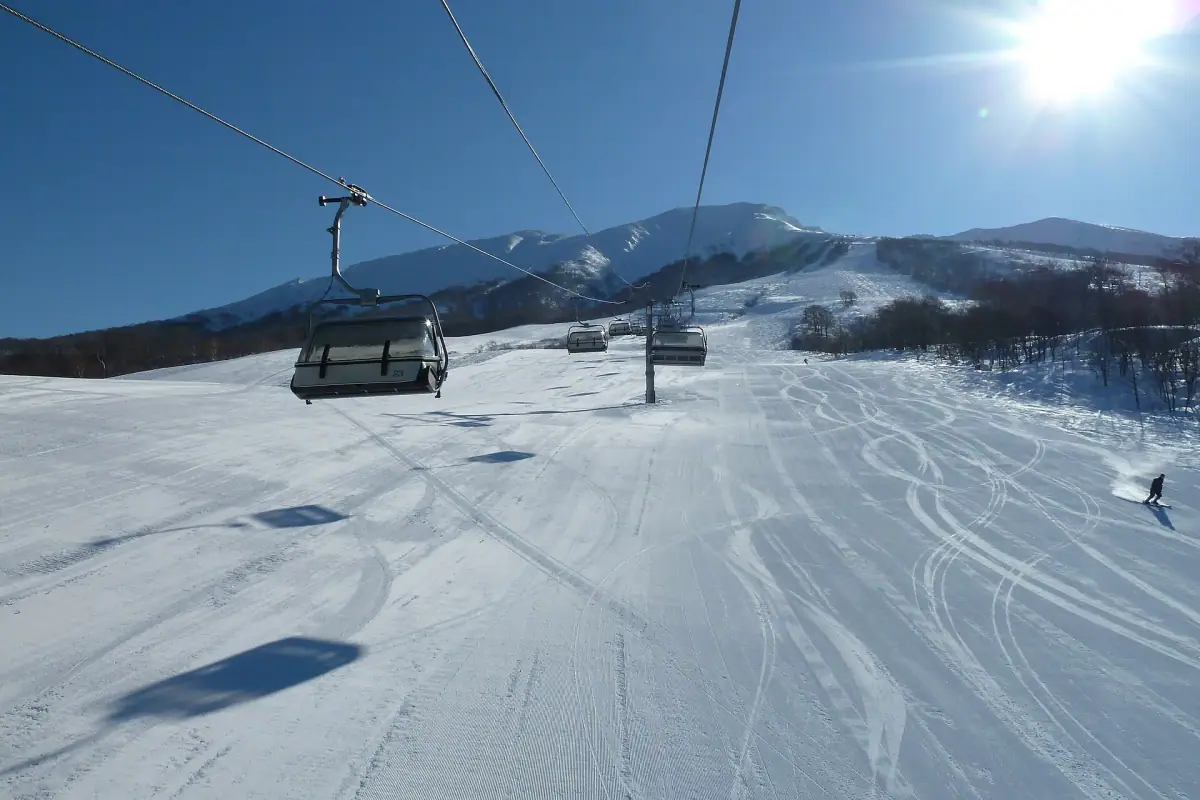
Skiing in Japan appeals to many travelers: light snow, birch forests, hot spring baths after the slopes and food that is a change from Alpine chalets. The country receives some of the heaviest snowfall on the planet, thanks to cold winds from the Sea of Japan, and powder snow is especially prized here. What remains is choosing the right region, the right time and a realistic budget.
In short: the ski season runs from December to April (peak in January-February). Niseko, in Hokkaido, is the most developed resort; Hakuba, in the Japanese Alps of Nagano, is easier to reach from Tokyo. A one-day lift pass costs 8,800 to 13,500 yen at Niseko and 11,100 yen at Hakuba for 2026-2027, before flights, lodging and gear.
This guide compares the two main destinations and covers access, prices taken from the official sites for the 2026-2027 season, lodging and non-ski activities. To place winter within the whole year, also see our article on the best time to visit Japan.
When to ski in Japan: season and powder
According to the Japan National Tourism Organization, the ski season generally runs from December to April depending on the resort, with a peak in January and February. Hokkaido and the high mountains of Nagano get snow first. Christmas and New Year are the busiest times: prices rise and lodging fills up early.
For 2026-2027, the opening dates announced by the resorts (subject to change) are:
- Niseko United: opening scheduled for November 28, 2026 for all four areas. The announced closing is April 4, 2027 at Niseko Village, April 11 at Hanazono and May 5 at Annupuri and Grand Hirafu.
- Happo-one (Hakuba): opening planned for December 1, 2026, flagged as provisional by the resort.
- Other resorts in the Hakuba Valley: dates not found at the time of writing; check each resort’s website.
An announced opening does not guarantee deep snow from day one. For powder, aim for the heart of winter: January and February. Early in the season, snow cover can be limited; in March, days get longer and the snow is heavier, but prices drop.
Niseko, Hokkaido’s benchmark
The tourism office presents Niseko as the largest and most developed resort in Hokkaido. It is very welcoming to English speakers and has a striking view of Mount Yotei, a cone-shaped volcano. The area groups four resorts: Annupuri, Niseko Village, Grand Hirafu and Hanazono, which the official site sums up as “one mountain, four resorts.”
Powder fans find runs and guided off-piste terrain, plus a far wider choice of restaurants, bars and services than at most Japanese resorts. The downside: it is also one of the most expensive and most crowded destinations in the country in high season.
Getting to Niseko
Hokkaido is reached via Tokyo, with a domestic flight of about 90 minutes to New Chitose Airport. The Niseko United website then lists, from that airport:
- direct bus: about 2 h 30, 6,000 yen, reservation required;
- train then local bus: about 3 h, 6,200 yen, no reservation;
- rental car: about 2 h, from 8,000 yen per day, reservation required;
- private transfer: about 2 h, from 25,000 yen.
Winter driving takes practice (snowy roads, suitable tires): for a first stay, the bus is simplest.
Compare stays in Niseko
Apartments, hotels and lodges near the slopes: filter by dates, budget and distance to the lifts.
Hakuba, the Japanese Alps of Nagano
Hakuba is in Nagano Prefecture, at the foot of the Northern Alps. The valley, which stretches nearly 30 kilometers (19 mi), groups ten resorts (including Happo-one, Hakuba47, Goryu, Tsugaike and Cortina) and hosted events at the 1998 Winter Olympics. The valley’s “All-Mountain” pass lets you use several resorts on the same day.
The tourism office notes that lodging there is more affordable than in Niseko, but that the resorts are farther apart: plan on shuttles or a car. Hakuba can be reached from Narita or Haneda in 4 to 5 hours by direct transfer, which avoids a domestic flight. Details on Japanese trains are in our guide to getting around Japan.
If you are already in Nagano on a cultural itinerary, the hike along the old post road described in our article on the Nakasendo between Magome and Tsumago is better done outside ski season, but it shows the region from another side.
Niseko or Hakuba: how to choose
| Criterion | Niseko (Hokkaido) | Hakuba (Nagano) |
|---|---|---|
| Area | 4 linked resorts | 10 resorts, shared pass |
| Atmosphere | Very international, well equipped | More spread out, more affordable |
| Access from Tokyo | Domestic flight, then 2 h 30 to 3 h | 4 to 5 h by direct transfer |
| 2026-27 opening | November 28, 2026 | December 1, 2026 at Happo-one |
Recommendation: choose Niseko if powder and comfort matter more than budget and you have at least a week. Choose Hakuba if you want to combine skiing with a stay in Tokyo, or keep costs down. For a first trip to Japan, add a few days of sightseeing before or after: our two-week itinerary gives ideas for linking stops.
Other resorts worth knowing
The tourism office mentions several other destinations:
- Hokkaido: Rusutsu, Furano, Sapporo Teine and Tomamu, often less crowded than Niseko.
- Nagano: Nozawa Onsen and Shiga Kogen, next to Hakuba.
- Tohoku: Zao Onsen and Appi Kogen, suited to families.
- Niigata and Gunma: Gala Yuzawa and Kagura, reachable on a day trip from Tokyo.
We did not collect prices for these resorts: check their official sites. For families, our 10-day itinerary with children covers the constraints of traveling with younger kids; there, daycare exists but is often offered only in Japanese.
Budget: lift passes, gear, lodging
2026-2027 lift passes
Taken from the official sites (prices in yen, taxes included):
Niseko United, 1-day pass
| Period | Adult | Child (ages 4-12) | Youth (ages 13-15) |
|---|---|---|---|
| Nov 28-Dec 11, 2026 and Mar 23-Apr 4, 2027 | 8,800 | 5,300 | 7,500 |
| Dec 12-23, 2026 and Mar 1-22, 2027 | 12,600 | 7,600 | 10,700 |
| Dec 24, 2026-Feb 28, 2027 | 13,500 | 8,100 | 11,500 |
Multi-day passes exist; their prices were not legible on the page consulted, so check the resort’s site.
Hakuba Valley, “All-Mountain” pass
| Duration | Adult (13 and over) | Child (ages 6-12) |
|---|---|---|
| 1 day | 11,100 | 6,400 |
| 3 days | 32,200 | 18,100 |
| 5 days | 53,400 | 29,700 |
| 7 days | 74,500 | 41,700 |
Children under 6 ski free. The pass is not valid for night skiing or the night shuttle.
Gear, lessons and nights
The Japan National Tourism Organization gives, as a guide, equipment rental from 3,300 yen and lodging from 5,000 yen a night: these are floor prices, far below Niseko apartment rates over the holidays. Lessons with an English-speaking instructor should be booked in advance. For an overall budget, our Japan budget guide details meals, transport and everyday spending; add lift passes, rental and any domestic flight.
A few ways to cut the bill
- Ski in early season or in March: the Niseko pass is cheaper than in high season.
- Book lodging several months ahead for the holidays.
- Compare a multi-day pass with the daily rate.
- Eat at village restaurants or at the konbini (convenience store): our tips are in the article on the konbini in Japan.
Where to stay in Hakuba
Compare hotels, chalets and guesthouses in the valley according to the resort where you plan to ski.
Off-piste, safety and insurance
Off-piste skiing attracts many skiers, but the rules differ by resort. The tourism office states that some, such as Shiga Kogen, withdraw the lift pass if you go out of bounds, and that elsewhere rescue costs are not covered by the resort. A professional guide, an avalanche transceiver, a shovel and a probe are the basics for leaving the groomed runs; get the day’s conditions from the resort.
Insurance is a point not to overlook: an injury in the mountains can lead to large bills. If you buy a policy, read the general terms to confirm that skiing is covered, on and off the piste, what the limit is for search and rescue, and what is covered for medical costs and repatriation abroad.
What to do away from the slopes
A winter stay is not only skiing; our article on Japan in winter: onsen, snow festivals and activities covers the festivals, Shirakawa-go and the snow monkeys. A few ideas, to complete according to the resort:
- Onsen in the snow: an open-air bath in cold weather is one of the country’s strongest images. Our guide to onsen and their etiquette explains how to go about it.
- Guided outings: snowshoe walks or snowmobile trips, winter activities around Niseko or Hakuba. Offers vary from one season to the next; check the activities offered and their reviews.
- Sapporo, Hokkaido’s big city, for a food stop (ramen, seafood): see our regional ramen styles.
Winter activities in Niseko and Hakuba
Snowshoeing, mountain outings, lessons: see the available activities, schedules and traveler reviews.
Preparing your trip
Clothing and accessories
Bring technical layers, warm gloves, a neck gaiter and sunglasses; ski equipment can be rented there. Our article on accessories for Japan completes this list for the rest of the trip. Cold drains phone batteries quickly: keep them close to your body.
Entry and staying connected
Entry rules do not change in winter: see our page on entry formalities for Japan. To stay connected, check your carrier’s international plan or use a travel eSIM; our comparison of SIM cards and eSIMs explains the options. Saily offers data plans in more than 150 countries, so check the offer for Japan: see Saily plans (partner link).
Staying before or after the mountain
Many travelers spend a night in Tokyo before or after the resort. Our guide to where to stay in Tokyo lists convenient neighborhoods; for an early flight, see also the page on hotels near Narita and Haneda airports.
Find your flight to Japan
Compare flights to Tokyo for your dates: prices vary widely between the Christmas holidays and the rest of winter.
Bottom line
For skiing in Japan, the central question is the trade-off between powder, comfort and budget. Niseko offers the most complete area in Hokkaido, Hakuba an easier gateway from Tokyo and more affordable lodging. In both cases, book early, aim for January or February for snow and March for prices, and check dates and prices on the resorts’ sites before paying.
Sources
Frequently asked questions
When is the best time to ski in Japan?
The season generally runs from December to April, with a peak in January and February according to the Japan National Tourism Organization. Christmas and New Year are the busiest weeks. Niseko announces an opening on November 28, 2026; always check the dates on the resort's website.
Niseko or Hakuba: which should you choose?
Niseko, in Hokkaido, is the largest and most developed resort and is used to international visitors. Hakuba, in the Japanese Alps of Nagano, groups ten resorts, with more affordable lodging but areas farther apart. Hakuba is easier to reach from Tokyo.
How much does a lift pass cost?
For 2026-2027, the adult one-day pass for Niseko United is listed at 8,800 to 13,500 yen depending on the period, and the Hakuba Valley pass at 11,100 yen. Prices can change, so check the official sites before booking.
Do you need to know how to ski to visit Japan in winter?
No. Resorts offer lessons, including for beginners and children, but English-speaking instructors should be booked in advance in high season. Non-skiers can enjoy onsen, snowshoe walks or the city of Sapporo.
Can you ski off-piste in Japan?
Some resorts forbid it or penalize it, up to withdrawing your lift pass. Elsewhere, rescue costs are not covered by the resort. Off-piste skiing is best done with a professional guide, safety equipment and suitable insurance.
Do you need travel insurance to ski in Japan?
It is strongly advised: medical and repatriation costs abroad can be high. Check the policy terms to confirm skiing is covered, on and off the piste, and what limit applies.
Can you ski on a day trip from Tokyo?
Yes. The tourism office presents some Niigata resorts, such as Gala Yuzawa, as reachable on a day trip from the capital. To enjoy powder over several days, it is better to stay overnight there.
More Japan guides
Keep reading
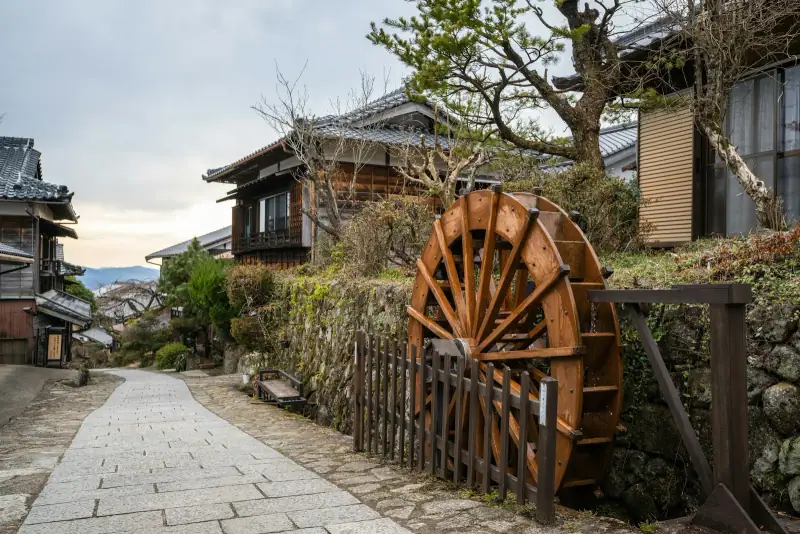
Nakasendo: hiking from Magome to Tsumago, a practical guide to the Kiso Valley
Magome-Tsumago hike on the old Nakasendo road: access from Nagoya or Takayama, duration, difficulty, luggage, seasons and tips to do it well.
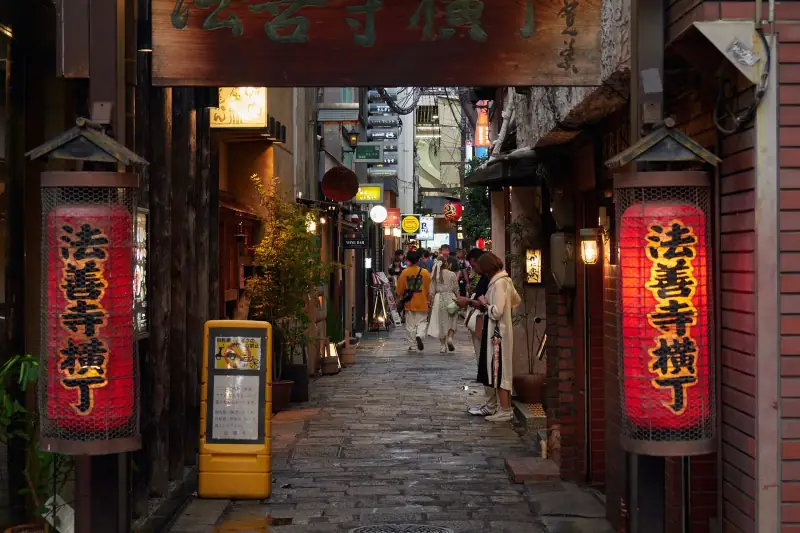
What to do in Osaka: the highlights of Japan's food capital
Dotonbori, Osaka Castle, Shinsekai, Umeda, Universal Studios Japan: what to do in Osaka in 2 to 3 days, how to organize and which excursions to add.
Japan budget: what a trip costs, item by item, and how to spend less
Lodging, transport, meals, activities: the real cost of a stay in Japan, three budget profiles priced in yen, euros and dollars, and tips to save.
Ready-made
Japan itineraries
5 days
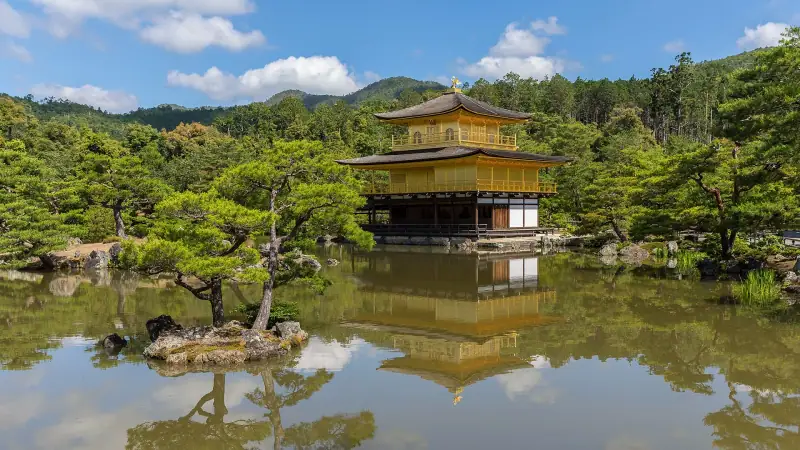
Kyoto, Nara and Osaka in 5 days: a day-by-day itinerary
A 5-day Kansai itinerary: Kyoto temples, Nara deer and Osaka street food, with transport, tips and mistakes to avoid.
10 days
Japan in 10 days with kids: stops, journeys and a realistic pace
TokyoHakoneKyoto
5 days
Tokyo, Hakone and Mount Fuji in 5 days: a detailed itinerary
A 5-day itinerary through Tokyo, Hakone and the Mount Fuji lakes: trains, onsen, volcano views, budget and mistakes to avoid on a first trip.