Things to do
Irish pubs and traditional music: sessions, etiquette and tips
We may earn a commission when you book through links on this page, at no extra cost to you. We don't visit or try the places we cover: we summarize published sources. How we work
In short
- A session is an informal gathering of musicians playing traditional tunes around a pub table, with no stage. Entry is usually free; you buy at the bar.
- Ask the bartender whether there is music tonight, and arrive early: the best seats go fast, especially in summer and on weekends.
- In a group, each person buys a round in turn. Order and pay at the bar, keep your voice down during tunes and applaud at the end of a set.
- Good bets for music include Dublin, Galway, Doolin and Dingle, but a village pub on a weeknight can be the best evening.
In Ireland, the pub is not just a place to drink a beer. It is a shared living room, a place for conversation, music and sometimes meals, where the village and travelers meet around the same bar. Spending an evening in a pub, listening to musicians playing without microphones in a corner of the room, is one of the most memorable experiences of a stay on the island, and yet one of the simplest to enjoy.
This guide explains how to choose a pub, understand a traditional music session, respect local customs and avoid visitor mistakes. For the food side, our article on Irish food and its specialties is a good complement to this read.
The Irish pub: much more than a bar
The word comes from public house, and it describes the function of the place fairly well: a house open to all. In villages, the pub is often the center of social life. People talk about the weather, local sports and news from the area, and it is not unusual for a stranger to speak to you at the bar.
Several features show up almost everywhere:
- a warm decor, with wood, banquettes and sometimes a fireplace or stove;
- a bar where you order and pay for your drinks right away, without waiting at a table;
- small partitioned spaces called snugs in some older pubs, where you can sit apart;
- hot dishes offered in many places, from lunch to early evening.
Since 2004, smoking has been banned inside Irish pubs, which makes the atmosphere much more pleasant than you might imagine. Smokers gather outside, sometimes under a shelter or in a yard.
What is a traditional music session?
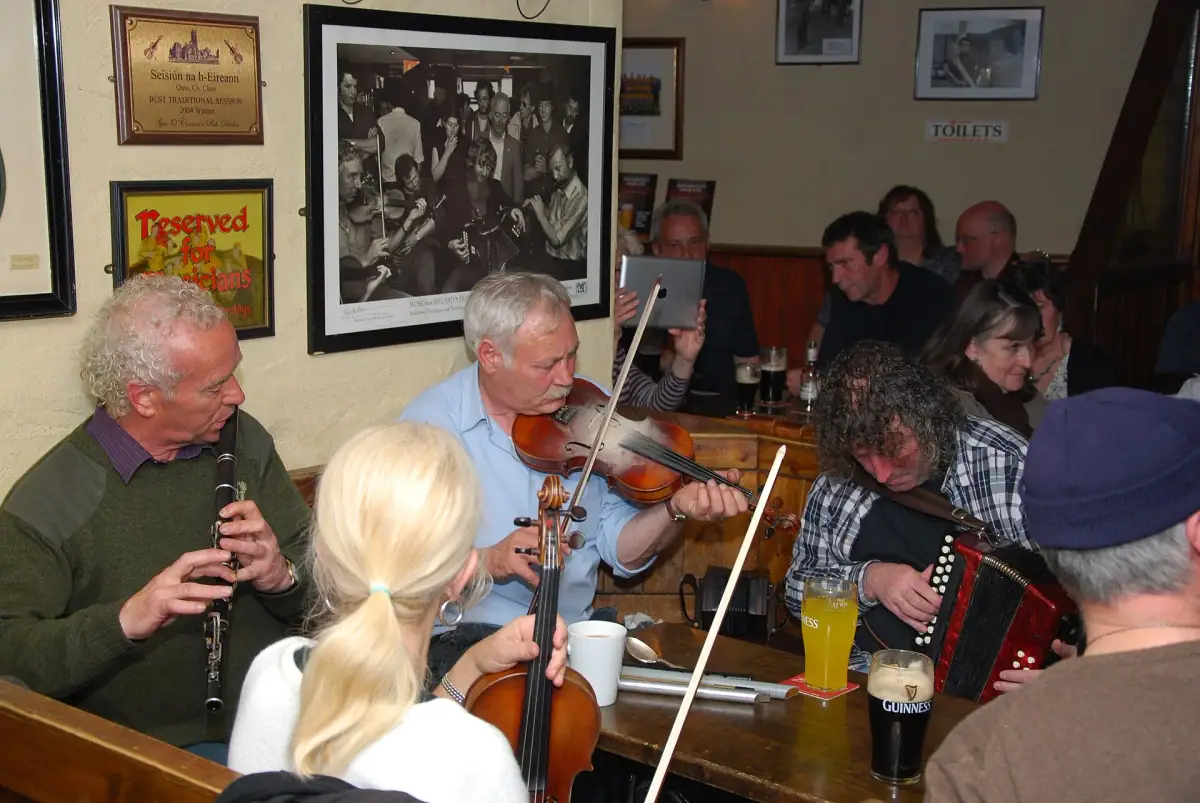
A session (seisiún in Irish) is a time when musicians gather to play traditional music together. Unlike a concert, it is not designed for an audience: the musicians play first for themselves and for the pleasure of sharing a repertoire. The public is invited to listen, tap a foot and enjoy the atmosphere.
A few distinctive traits:
- the musicians often sit around a big table in a corner of the pub, rather than on a stage;
- the repertoire rests on dance tunes strung together in sets, such as reels, jigs, hornpipes and polkas, along with slow airs and songs;
- the level varies widely, from passionate amateurs to professional musicians;
- musicians join the session on arrival and leave it on departure, which changes the sound of the evening.
So there is not always a precise time or posted program. That is part of the charm, but also the reason it is better to ask at the pub.
Instruments to recognize
Knowing the names of the instruments makes listening more interesting. You will most often hear:
- the fiddle, very common, which carries the main melody;
- the wooden flute and the tin whistle, a small six-hole metal flute;
- the accordion and the concertina, which bring breath and rhythm;
- the four-string banjo and the guitar or bouzouki for accompaniment;
- the bodhrán, a frame drum held in one hand and struck with a small stick;
- the uilleann pipes, the Irish bagpipe blown with bellows, rarer and softer than the Scottish bagpipe.
If you are lucky enough to hear a sean-nós (“old style”) singer, you will notice a very ornamented style, performed unaccompanied. Songs can be in Irish or English.
Guided pub crawls, traditional music evenings and walking tours with a local guide: compare offers and traveler ratings.
Where to hear traditional music
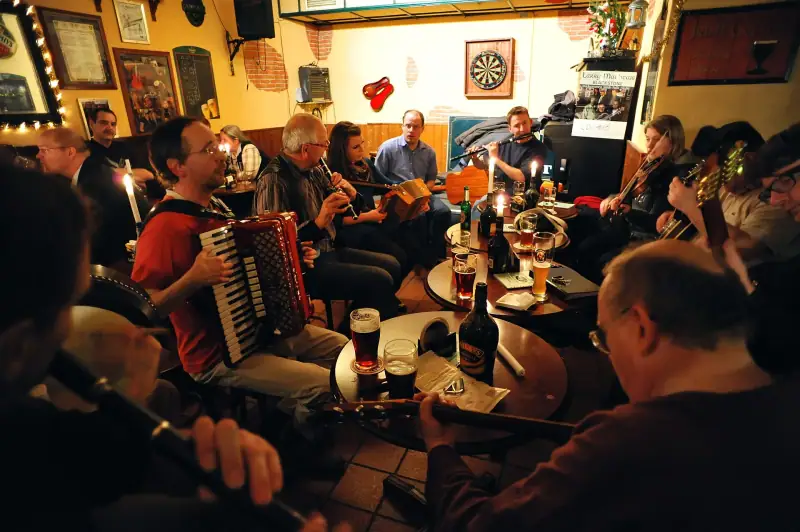
Music is played all over the country, but some places have a particular reputation.
Dublin
The capital offers a wide choice, from the tourist pub to the neighborhood pub. The Temple Bar district concentrates many places with live music almost every night. The atmosphere there is lively and international, but pricier than elsewhere. For a more local feel, just move a few streets away from the center. If you are preparing your stay, our itinerary for visiting Dublin in 3 days leaves a free evening ideal for a pub, and where to stay in Dublin helps you choose a neighborhood close to the action.
Galway
A student and party town on the west coast, Galway is known for its lively pedestrian streets and pubs where music rings out regularly. It is a good base if you follow our Connemara and Galway road trip in 3 days.
Doolin and County Clare
The little village of Doolin, near the Cliffs of Moher, is known among enthusiasts for its musical tradition. It combines easily with the visit described in our article on the Cliffs of Moher and the Burren: a day of walking on the cliffs, then a music evening to finish. To stay nearby, see our comparison Doolin, Lahinch or Liscannor.
Dingle and Kerry
The Dingle peninsula has many pubs for a small town, and many offer music in the evening. It is a natural stop on our Kerry and Dingle road trip in 4 days. Some pubs there also serve as multi-purpose gathering places, which makes them very typical.
Small villages
The best evenings are often the most unexpected: a village pub where three or four local musicians meet on a weeknight. Do not hesitate to ask locals or your host which pub has music that very night.
How to choose a good pub for music
A few clues to spot a pub where music is really the focus of the evening:
- Listen from the street: if you hear acoustic instruments without heavy amplification, that is a good sign.
- Look at the layout of the room: a big table with free chairs and instrument cases beside it often indicates a session.
- Ask the bartender: a simple question like “Is there music tonight?” is enough. The answer is generally honest and useful.
- Arrive early: the best seats go quickly, especially in summer and on weekends.
- Beware the postcard effect: the most photographed pubs are not always the most authentic. A lesser-known pub, a bit off the beaten path, often has a better atmosphere.
Hotels, B&Bs and hostels in central Dublin, Galway or Dingle: compare locations so you can walk home after the evening.
Etiquette rules to know
The Irish pub is relaxed, but it has its customs. Respecting them earns you the goodwill of the locals.
The round system
When you are in a group, each person pays for a round in turn. If someone buys you a drink, you are expected to return the favor. If you only want to pay for your own drinks, say so from the start, without embarrassment.
Ordering at the bar
Table service is not expected in most pubs. Stand at the bar, wait your turn without waving a bill and place your order when the bartender looks at you. Payment is made right away, by card or in cash. Our guide on the budget in Ireland gives pointers on the cost of living, including drinks.
Respecting the musicians
During a session, a few simple habits make all the difference:
- lower your voice and avoid phone calls during tunes;
- do not interrupt to ask for a specific title: wait for a pause;
- do not film from up close without asking, especially with flash;
- do not try to join in on an instrument unless invited;
- applaud at the end of a set, it is appreciated.
Cheers: saying “Sláinte”
The usual toast is “Sláinte” (pronounced roughly “slawn-cha”), which means “health” in Irish. Saying it while raising your glass always pleases.
What to order in a pub
For a first evening, you have several choices:
- a pint of stout (Guinness or another): ask for it and allow time for it to be poured properly;
- a local craft beer: independent breweries are increasingly present;
- an Irish cider, often served with ice;
- a whiskey for enthusiasts, to sip neat or with a little water;
- a tea or coffee, perfectly normal if you do not drink alcohol. Non-alcoholic drinks and non-alcoholic beers are also much more common than before.
The pub also serves food: soups, fish and chips, stews and hot sandwiches. Remember to check kitchen hours, which can end early in small villages, as we explain in our guide to Irish food.
Festivals and highlights of Irish music
If you plan your trip around music, several events are worth the detour. The Fleadh Cheoil na hÉireann, the big annual festival of traditional music, brings musicians and spectators together in a different town depending on the year. Many towns also hold local festivals of music, dance and song, especially in summer and early fall. Dates and places change every year: check the official program before booking your accommodation, because towns fill up quickly.
St Patrick’s Day, March 17, is the other big moment: parades, music and packed pubs all over the country. If you want a calmer atmosphere, another period will be more comfortable. Our article on when to go to Ireland details the seasons and their advantages.
Pubs, perfect on rainy days
It is impossible to talk about Ireland without mentioning rain. The pub then becomes an ideal refuge: you warm up, eat, read or chat. Many travelers deliberately plan a pub evening after a long day of driving or walking, such as during the visit to Glendalough and the Wicklow Mountains. Think about your gear too: our selection of essential accessories for Ireland helps you stay dry.
Drinking and driving: a rule not to forget
If you rent a car, caution is essential. Driving is on the left, roads are narrow and alcohol limits are strict. Plan a designated driver, a taxi or accommodation within walking distance. In rural areas, taxis are few and sometimes need to be booked ahead, especially on weekends. For rental, see our guide on renting a car in Ireland.
Distillery and brewery tours and local experiences, with free cancellation on most activities.
Practical tips for a good evening
To finish, here are a few tips that avoid disappointments:
- Bring photo ID: you may be asked for it to prove your age.
- Dress simply: no particular outfit is required, but bring a jacket for getting from the street to the pub.
- Keep some change or a card: most pubs accept cards, but small villages may prefer cash.
- Stay curious: ask about the tunes, the instruments, the stories behind the airs. Musicians like to talk about them when the session allows.
- Take your time: a pub evening has no set pace. You stay, you listen, you order a second round, and the evening flies by.
In short
An evening in an Irish pub with traditional music is an accessible, friendly and inexpensive experience that says more about the country than many visits to monuments. Choose a pub where they play acoustically, arrive early, order at the bar, respect the musicians and let the atmosphere carry you. Whether in Dublin, Galway, Doolin or a Kerry village, you will leave with tunes in your head and probably a few new friends.
Frequently asked questions
What is a traditional Irish music session?
It is an informal gathering of musicians who play together, often seated around a pub table, dance tunes (reels, jigs, hornpipes) learned by ear. There is generally no stage or program: tunes follow one another in sets of several, and musicians join the session as the evening goes on.
Do you have to pay to attend a session in a pub?
In most pubs, entry is free: you simply buy drinks at the bar. Some very touristy places or organized concerts may ask for a ticket, which is then announced in advance. Musicians at informal sessions are not always paid, which explains the relaxed context.
What time do music sessions start?
Times vary from pub to pub and season to season. Music often starts early in the evening, around 9 pm, but some pubs also hold sessions in the late afternoon, especially on Sundays. The surest way is to ask the staff or check the pub's notices.
Can you take children to a pub in Ireland?
Many pubs welcome families during the day and early evening, especially when they serve meals. Later in the evening the atmosphere becomes that of a bar and minors are generally asked to leave. The legal drinking age is 18.
How does the round system work?
In a group, each person takes a turn paying a round for everyone. If you are accepted into a round, it is polite to buy yours in turn. If you do not wish to take part, say so clearly from the start and pay for your own drinks.
Should you tip in an Irish pub?
It is not an obligation. You order and pay at the bar, and it is common to round up or leave a small coin if the service was attentive, especially for table service or a meal. Nothing is expected for a simple pint.
Do you need to speak English to enjoy an Irish pub?
Basic English is enough to order and exchange a few words. Irish accents can be surprising at first, but locals are generally patient with visitors, and the music needs no words.
More Ireland guides
Keep reading
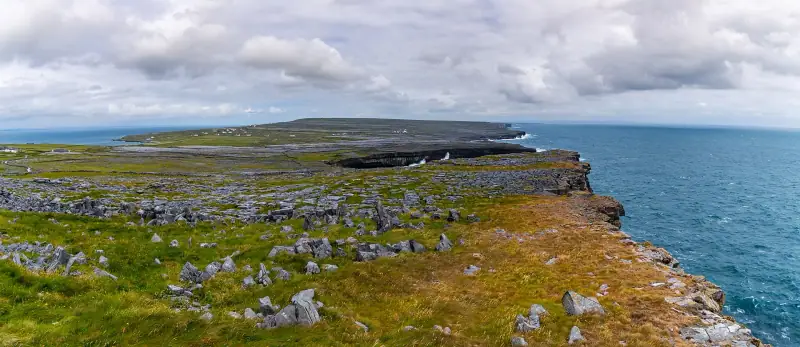
Aran Islands: visiting Inis Mór by bike from Galway
Visiting the Aran Islands from Galway: ferry, bike rental, Dún Aonghasa, villages and tips for a day or a night on Inis Mór, without stress.
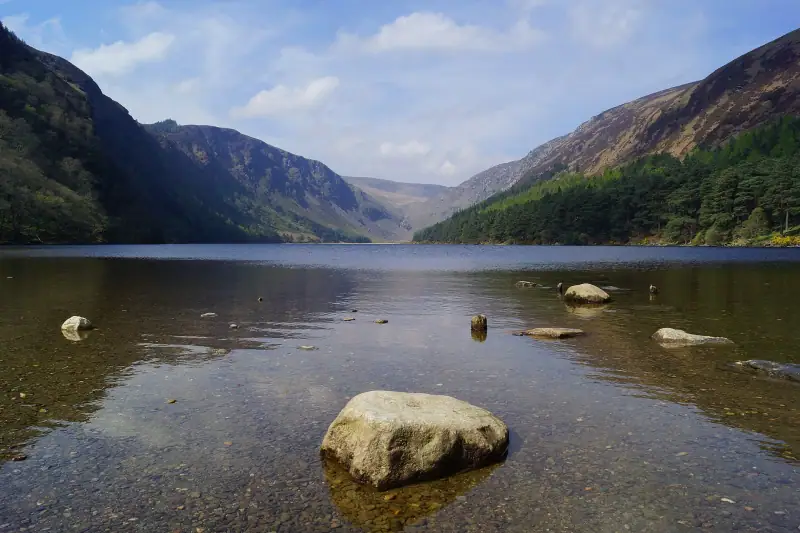
Glendalough and the Wicklow Mountains: a day trip from Dublin
How to visit Glendalough and the Wicklow Mountains from Dublin: monastery, lakes, hikes, Powerscourt, access by bus or car and practical tips.
Budget for a trip to Ireland: real costs and 3 priced profiles
What budget to plan for Ireland? Real costs by category (lodging, transport, meals, activities), three priced profiles and tips to spend less.
Ready-made
Ireland itineraries
4 days
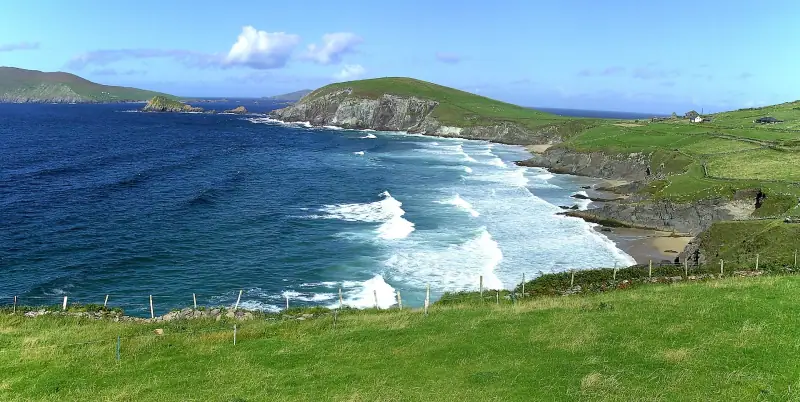
Kerry and Dingle road trip in 4 days: complete itinerary
KillarneyDingle
7 days
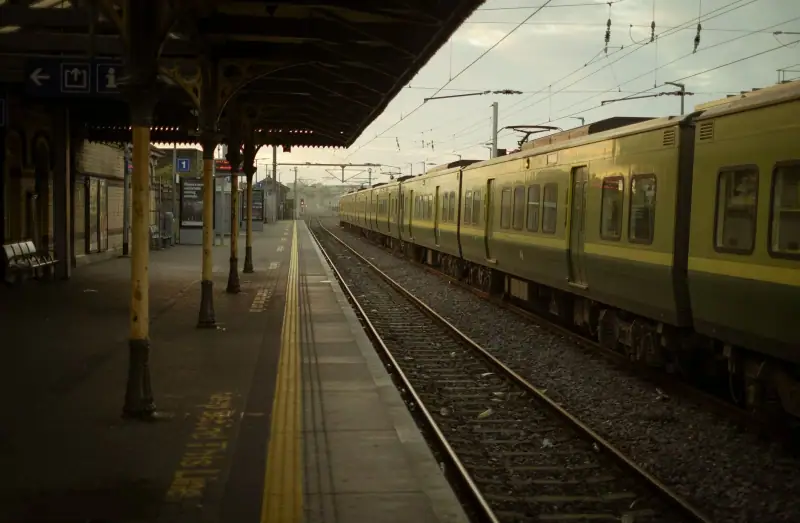
Ireland in 7 days without a car: a realistic train and bus itinerary
DublinGalwayKillarney
3 days
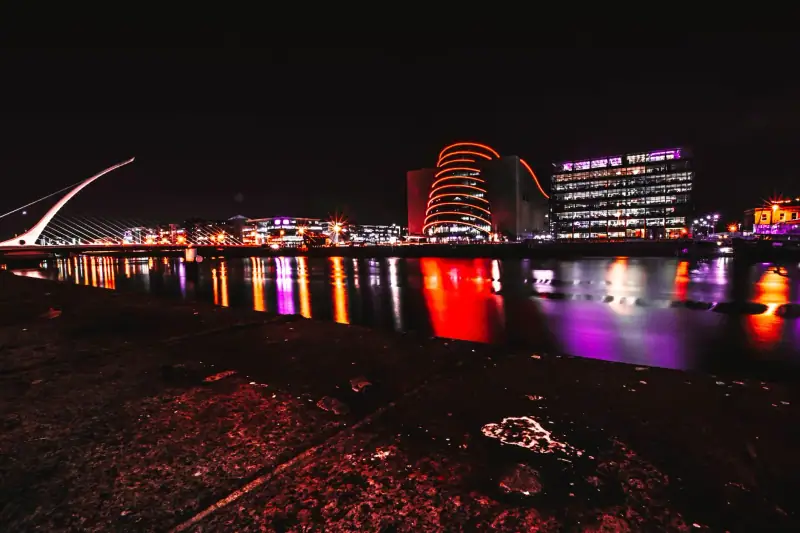
Visiting Dublin in 3 days: day-by-day itinerary
What to do in Dublin in 3 days? Trinity College, Guinness Storehouse, Kilmainham Gaol, Temple Bar and a trip to Howth: a walking itinerary with tips.