Where to stay
Where to stay in Húsavík: neighborhoods and types of lodging
We may earn a commission when you book through links on this page, at no extra cost to you. We don't visit or try the places we cover: we summarize published sources. How we work
In short
- The harbor area is the most practical for a first stay: whale watching departures, restaurants, cafés and museums are a few minutes on foot.
- One night covers a whale watching trip and a walk around the center; two nights keep a weather margin and allow an excursion to Ásbyrgi, Goðafoss or Lake Mývatn.
- The town is small: in summer, book several months ahead, preferably with free cancellation.
- A car or organized tour is almost essential for the sights around Húsavík, since public transport is limited.
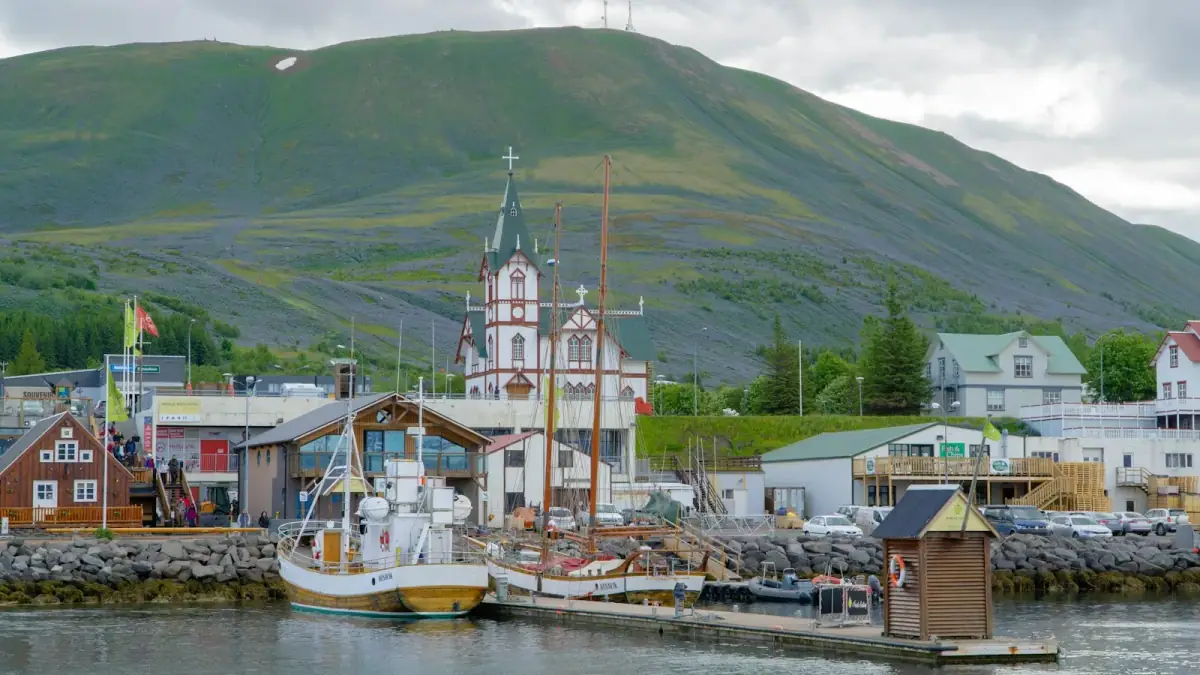
With roughly two thousand inhabitants, Húsavík is one of the smallest towns to have gained an international reputation: it is nicknamed the European capital of whale watching. Its fishing port, colorful houses and white-and-red wooden church overlooking Skjálfandi Bay make it a much-loved stop in North Iceland. But that modest size has a concrete consequence for travelers: lodging is limited, rooms go fast in summer, and choosing the right area matters more than you might think.
This guide presents the areas where you can unpack, the available types of lodging, the points to check before booking and how to adapt your choice to the length and season of your trip. For an overview of the country, start with our guide to where to stay in Iceland; for what to do once there, see visiting Húsavík: what to see and do.
How to choose where to stay in Húsavík
Three questions simplify the decision before you compare addresses.
Are you coming by car? Without a vehicle, stay near the harbor: you can walk to the boat trips, museums and restaurants. With a car, lodging farther out, or even a farm in the countryside, becomes a good option. Our article on driving and renting a car in Iceland details the rules to know, especially in winter.
How long are you staying? For a one-night stop on the road north, simplicity comes first: an address that is easy to find, with obvious parking and evening arrival possible. For two or three nights, an apartment with a kitchen or a guesthouse with a common area changes the stay.
Which season? Whales are seen mostly from spring to autumn, with peak crowds in summer. Summer nights are very bright; in winter, days are short, but the northern lights become possible. Our guide to when to visit Iceland helps you choose the period.
One last point: the town is small, and its areas are only a few minutes apart. The real difference therefore lies in the view, the noise, the parking and the distance to the harbor, rather than in long drives.
The harbor area: the most practical option
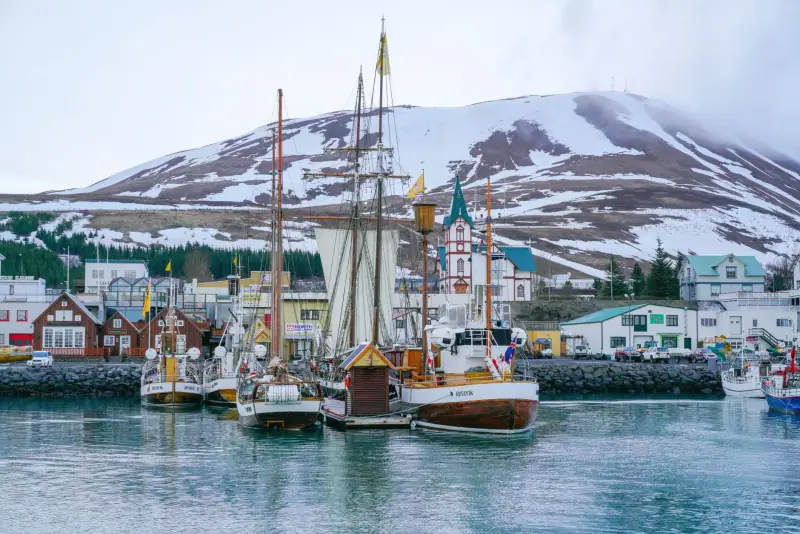
The harbor is the heart of Húsavík. Whale watching trips leave from here, and cafés, restaurants, shops and museums are concentrated around it. Several hotels and guesthouses are a few steps away.
Advantages. Everything is done on foot. You can reach your boarding in a few minutes, leave the car where it is and have dinner without driving again. For a first stay, this is the area that requires the least organization.
Drawbacks. It is the most sought-after area, so often the most expensive in high season. Summer activity can last late into the evening, and the harbor remains a working zone: some rooms face quays where people get busy early in the morning. Ask about the room’s orientation before booking.
Who it suits. First stays, travelers without a car, stopover nights and whale enthusiasts who want to board without stress.
Tip: in summer the sun stays visible very late and curtains are not always blackout. Ask before booking, or bring a sleep mask.
Places to stay in Húsavík
Compare hotels, guesthouses and apartments in Húsavík, and check the exact location, parking and cancellation terms.
The center around the church: a small-town atmosphere
Climbing slightly from the harbor, you reach the streets of the center, where Húsavík’s wooden church stands, one of the most photographed buildings in town. You find single-family houses converted into bed and breakfasts, a few small hotels and apartments for travelers.
Advantages. The harbor is still within walking distance, but the atmosphere is more peaceful once the day ends. The colorful wooden houses offer a typical setting, and parking is generally simpler than at the quayside.
Drawbacks. Supply is small and fills up quickly. Older houses sometimes have average sound insulation, simple rooms and shared bathrooms. Check the room details before confirming.
Who it suits. Couples, travelers who prefer a small place to a big hotel, and those who want the harbor without the noise.
The upper town: calm and views of the bay
The streets climbing behind the center form a residential area dominated by single-family houses and a few rental apartments. Some lodgings enjoy an open view over Skjálfandi Bay and the mountains on the opposite shore, often still snow-covered in spring.
Advantages. Calm, views and often better value. The open horizon is also an asset if you hope to see the northern lights: our article on the northern lights in Iceland explains how to maximize your chances.
Drawbacks. There are fewer shops nearby, and the climb can be tiring with a suitcase or on icy sidewalks in winter. The wind, frequent on the coast, is felt more at height.
Who it suits. Stays of several nights, travelers with a car and families who prefer quiet.
The northern headland: close to the baths and the sea
North of town, a headland overlooks the bay and holds, among other things, a geothermal bath facing the sea, reached in a few minutes from the harbor. The area is more open, windier and less built up than the center.
Advantages. Open panoramas, a real end-of-the-world feeling and the proximity of a bathing spot that is welcome after a day at sea. Nearby lodgings often enjoy beautiful evening light.
Drawbacks. The setting is exposed to the elements, and there are almost no services nearby. The center can be reached on foot, but the walk can be unpleasant in strong wind or great cold.
Who it suits. Couples, bathing fans and travelers who like open landscapes.
Around Húsavík: farms and small villages
If you have a car, the surrounding countryside is an attractive alternative. In the valleys and along the coast, farms converted into bed and breakfasts, holiday homes and small guesthouses offer a rural setting, sometimes with meals at your host’s. You can also choose to stay farther away, on the shores of Lake Mývatn, a base a little over an hour’s drive inland.
Advantages. Silence, a darker sky for the northern lights, the welcome of families who know the region well and, sometimes, lower prices.
Drawbacks. The car becomes essential, including for dinner. In winter, road conditions and weather call for caution: check the forecast and traffic conditions before heading out in the evening. To plan what comes next, our North Iceland itinerary details the distances between stops.
Who it suits. Travelers with a car, couples, and those aiming for a quiet stay of several nights.
Rent a car to explore the north
Compare rental companies to reach Ásbyrgi, Goðafoss and Mývatn at your own pace from Húsavík.
Types of lodging in Húsavík
Beyond the area, the type of lodging determines comfort, freedom and budget.
Hotels
Hotels are few but well placed, near the harbor or the center. They offer a front desk, breakfast and sometimes an on-site restaurant. It is the simplest solution for a night, especially in winter, when you appreciate the services. Always compare the total price, breakfast included.
Guesthouses and bed and breakfasts
Very common in Iceland, guesthouses range from a simple room with a shared bathroom to a private room with its own bathroom. They are often run by individuals, which brings local advice, for example on boat trip schedules. Check whether breakfast is included, whether linens are provided and whether the reception can be reached at your arrival time.
Apartments and houses
For families, groups and stays of two nights or more, lodging with a kitchen is often the best value. Preparing your own breakfasts and a few dinners eases the budget, which matters in an expensive country (see our guide to the budget for Iceland). Read the terms: cleaning fees, deposit, self check-in procedure.
Hostels and dorms
Budget options exist but remain modest in a town of this size. They suit solo travelers and small budgets, with a shared kitchen. In summer, places vanish: book early.
Camping
The town’s campsite opens in the summer season, and its dates vary. The northern climate is changeable: bring a sturdy tent, warm layers and a plan B in case of bad weather. Outside the season, camping is not recommended. For campers, wild camping is regulated in Iceland: park in designated spots.
Farm stays
Farms offer a rural setting, sometimes with meals served there. Ideal for a quiet stop by car, provided you plan for distances and weather.
Summary table: which area for which traveler?
| Profile | Recommended area | Lodging type |
|---|---|---|
| First stay, no car | Harbor | Hotel, guesthouse |
| Couple looking for charm | Center around the church | Bed and breakfast, small guesthouse |
| Quiet stay with a view | Upper town | Apartment, house |
| Baths and open landscapes | Northern headland | Guesthouse, apartment |
| Road trip by car | Countryside or Lake Mývatn | Farm, holiday home |
| Small budget, cooking | Center or upper town | Apartment, hostel |
| One-night stopover | Harbor or center | Hotel or guesthouse with parking |
This table is a general guide. Rates vary widely by season, and high-season rates are well above low-season ones.
When to book, and by season
Summer, from June to August, is the most in-demand period: very long days, open roads, many boat trips. Because the town is small, lodging fills up fast, and the last rooms are expensive or far away. Book several months ahead if possible.
Spring and early autumn are good compromises: boat trips still run, crowds are smaller and rates lower. Winter appeals for the northern lights and snowy landscapes, but days are short, the weather can disrupt roads, and some places close or cut their hours. Check before booking.
In every case:
- favor rates with free cancellation, useful if the weather postpones your boat trip;
- check the final total (taxes, cleaning fees, breakfast) to compare on a fair basis;
- confirm the possible arrival time, especially if you come after a long drive;
- ask how self check-in works if the reception is closed in the evening.
How many nights in Húsavík?
One night. Enough for a stop on the road north: a whale watching trip, dinner at the harbor, a walk to the church. It is a minimum, which leaves little margin if the sea is rough.
Two nights. The ideal length: one day for the town and the sea, another for an excursion, for example to Ásbyrgi canyon or Lake Mývatn. It also gives a second chance if a trip is canceled because of weather.
Three nights or more. Relevant if Húsavík serves as a base for the northern loop. Our guide to where to stay in Akureyri lets you build a stay split between the two towns: the road between them is short and pleasant.
Boat trips and excursions in the north
Compare whale watching trips and day excursions from Húsavík.
Practical tips for sleeping well in Húsavík
Hot water. In many Icelandic lodgings, hot water is geothermal and may have a slight sulfur smell. It is harmless and part of the country.
Light. In summer, nights are very bright: a sleep mask is a good investment. In winter, daylight is short, so plan your activities accordingly.
Wind. On the coast it can be strong and icy even in summer. A windbreaker and a sheltered room help you sleep well.
Meals. In a small town, restaurants sometimes cut their hours outside the season: if you arrive late, ask your host where to eat, or bring food if you have a kitchen.
Geothermal baths. Bathing is part of local life; our guide to hot springs in Iceland gives pointers on geothermal bathing and the hygiene rules to follow.
To or from Reykjavik. If you continue to the capital, also read our guide on where to stay in Reykjavik to complete your plan.
Key takeaways
- The harbor is the simplest choice for a first stay without a car.
- The center near the church brings charm, the upper town calm and views, the northern headland open landscapes.
- With a car, farms and Lake Mývatn offer a unique setting, at the cost of daily drives.
- Book early in summer, with free cancellation when possible, and plan two nights to keep a margin against the weather.
- Think about parking, the kitchen and how dark the room gets: these are the three details that change a stay the most.
Frequently asked questions
What is the best neighborhood to stay in Húsavík?
For a first stay, the streets near the harbor are the most practical: boat trip departures, restaurants, cafés and museums are a few minutes' walk away. The upper part of town suits you better if you want calm and an open view over Skjálfandi Bay.
How many nights should you plan in Húsavík?
One night is enough for a whale watching trip and a tour of the center. Two nights are more comfortable: they leave a margin if the weather postpones the boat trip and allow an excursion to Ásbyrgi, Goðafoss or Lake Mývatn.
Do you need a car to stay in Húsavík?
Not for the town itself: the center is small and walkable. For the sights around it (Lake Mývatn, Goðafoss, Ásbyrgi canyon, the Tjörnes peninsula), a car or an organized tour is almost essential, since public transport is limited.
When should you book lodging in Húsavík?
The town is small and its capacity limited: in summer, book several months ahead. The whale watching season attracts many travelers, especially from May to September. Favor rates with free cancellation, since the weather can change your plans.
Can you see the northern lights from Húsavík?
Yes, in the right season (late summer to spring) and under a clear sky. The town is dimly lit: moving a few minutes away from the street lamps gives a darker sky. No sighting is guaranteed; it depends on solar activity and clouds.
Is there a campsite in Húsavík?
Yes, the town has a campsite open in the summer season. Opening dates vary from year to year: check them before you go and bring wind- and rain-resistant gear, as the northern climate is changeable.
Húsavík or Akureyri: where to stay to explore the north?
Akureyri offers more choice, restaurants and shops. Húsavík is smaller, closer to the whales, Ásbyrgi and Mývatn, with a fishing-port atmosphere. Many travelers combine the two, with a night or two in each.
More Iceland guides
Keep reading
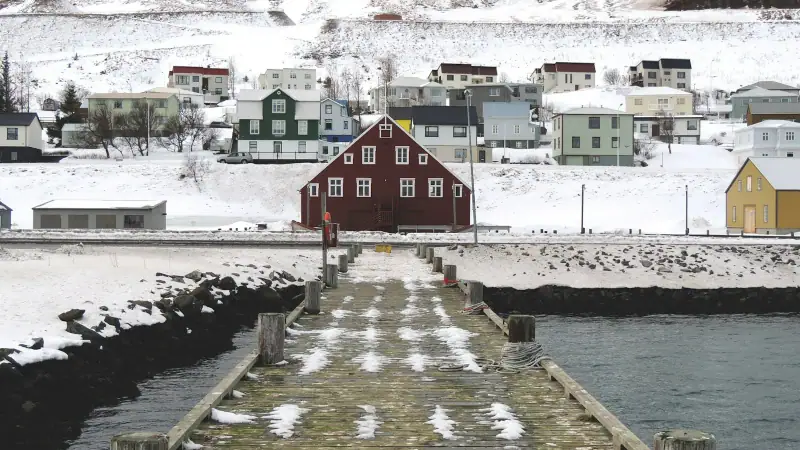
Where to stay in Ísafjörður: neighborhoods and types of lodging
Spit center, old quarter, Hnífsdalur or nearby villages: compare Ísafjörður's areas and lodging to choose where to stay in the West Fjords.
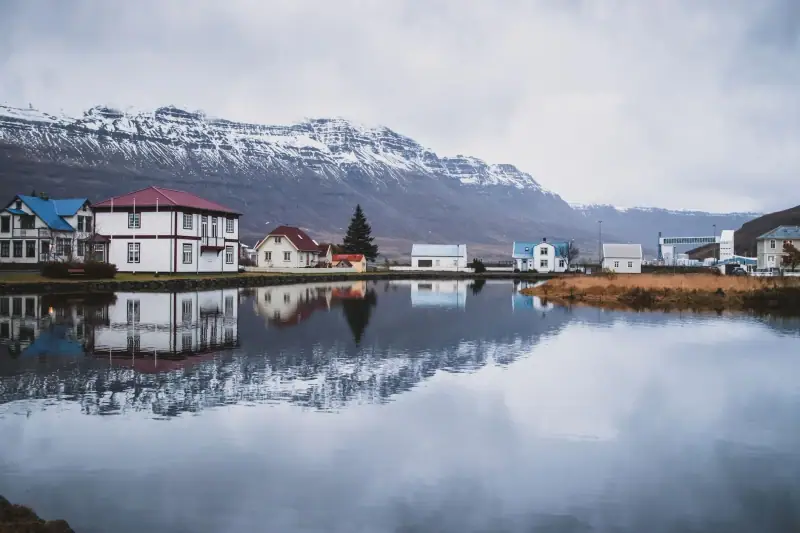
Where to stay in Höfn: neighborhoods and types of lodging
Harbor, town center, waterfront or countryside around Höfn: compare areas and lodging types to choose where to stay on Iceland's southeast coast.
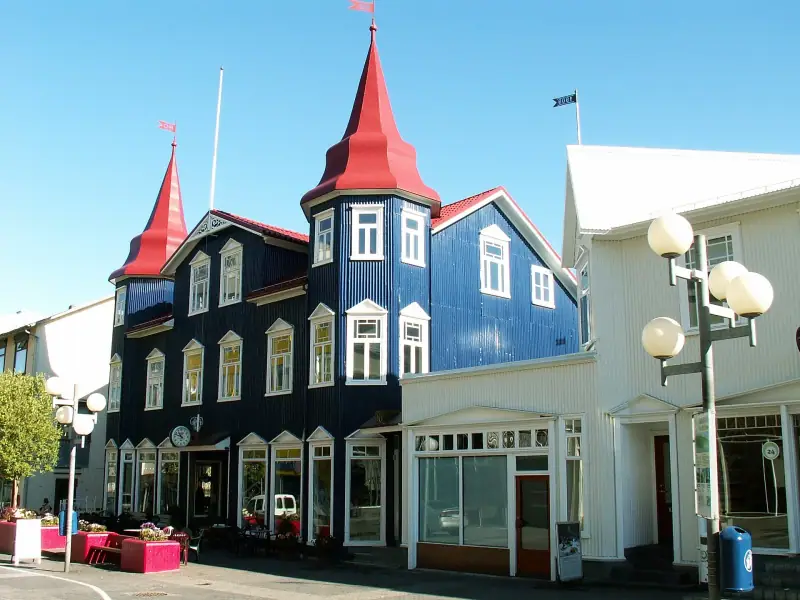
Where to stay in Akureyri: neighborhoods and types of lodging
Town center, old town, Brekka, Glerárhverfi or the forest edge: compare Akureyri's neighborhoods and lodging types to choose where to stay in the north.
Ready-made
Iceland itineraries
4 days
Iceland's south coast: a 4-day itinerary from Reykjavik to Jökulsárlón
A 4-day south coast Iceland itinerary: Seljalandsfoss, Skógafoss, Vík, Reynisfjara and Jökulsárlón lagoon, with distances, stops and practical tips.
3 days
North Iceland in 3 days: Goðafoss, Mývatn and Húsavík
Lake Mývatn areaHúsavík
2 days
Snæfellsnes Peninsula: a 2-day itinerary from Reykjavik
Visit Iceland's Snæfellsnes Peninsula: Kirkjufell, Arnarstapi, Djúpalónssandur, Búðir and Stykkishólmur. A 2-day itinerary with drive times and tips.