Where to stay
Where to stay in Maui: guide by area
We may earn a commission when you book through links on this page, at no extra cost to you. We don't visit or try the places we cover: we summarize published sources. How we work
In short
- Kihei offers the best value on the sunny south coast; Kaanapali is the reference resort area; Wailea is the most luxurious and quietest.
- A car is essential wherever you stay on Maui; Lahaina is the only area where you may manage without one for a short stay.
- Nightly prices (the article gives euros): Kihei from €100 (~$115), Kaanapali €250-1,500 (~$290-1,740), Wailea €350-2,500 (~$405-2,900).
- Add about 18 to 19% in taxes to the advertised price, plus resort fees at big resorts. Book 3 to 6 months ahead in high season.
Maui is often considered the most romantic of the Hawaiian islands. Nicknamed “The Valley Isle” because of the central valley that separates its two volcanic massifs, the island offers a truly remarkable variety of landscapes: golden sand beaches on the west coast, lush rainforest on the Road to Hana, volcanic summits above 3,000 meters (9,800 ft) at Haleakala, and sugarcane fields on the central plain. This diversity is also reflected in the lodging areas, each offering a radically different travel experience.
Choosing where to stay on Maui is a strategic decision that shapes your whole trip. Unlike Oahu, where everything is concentrated around Honolulu, Maui spreads its attractions across its whole surface, and distances can be deceiving. This detailed guide reviews each lodging area of the island to help you find the perfect place for your budget, travel style and priorities. To compare with lodging on Oahu, see our article on where to stay in Honolulu.
Kaanapali: the reference resort
Kaanapali was the first planned resort area in all of Hawaii, developed in the 1960s on a former royal golf course. Today this 5 km (3 mi) coastal strip in northwest Maui holds the island’s biggest resorts, lined up along one of the most beautiful beaches in the whole archipelago.
Why choose Kaanapali?
The exceptional beach. Kaanapali Beach stretches for nearly 5 kilometers (3 mi) of immaculate white sand lined by crystal-clear turquoise water. Black Rock (Pu’u Keka’a), a black lava promontory at the north end of the beach, is one of the best snorkeling spots on Maui. Every evening, a diver lights torches and leaps from the rock in a spectacular sunset ritual.
Upscale infrastructure. Kaanapali offers everything you expect of a resort area: sumptuous pools, spas, golf courses, fine-dining restaurants and shops. Whalers Village, a small open-air shopping center on the beach, offers shopping and dining with your feet almost in the sand.
Geographic position. Kaanapali is ideally located for exploring Maui’s west coast. Lahaina is 10 minutes by car, Kapalua 15 minutes, and the road to Haleakala or the Road to Hana is easy to reach via the main highway.
Downsides of Kaanapali
- Very high prices: it is one of the most expensive areas in all of Hawaii
- Resort atmosphere: you will be surrounded mainly by American and Japanese tourists
- Car needed: to leave the resort bubble and explore the island, a rental car is essential
- Frequent wind: in the afternoon, the trade winds can blow hard and make the beach less pleasant
Lodging budget in Kaanapali
| Category | Price per night | Examples |
|---|---|---|
| Mid-range | €250-400 (~$290-465) | Kaanapali Beach Hotel, Aston at The Whaler |
| Upscale | €400-700 (~$465-810) | Westin Maui, Marriott’s Maui Ocean Club |
| Luxury | €700-1,500 (~$810-1,740) | Hyatt Regency Maui, Sheraton Maui Resort |
Who is it for?
Kaanapali suits honeymooners, families with a comfortable budget and anyone who wants a complete resort experience with a dream beach included. If your priority is relaxing by the pool with cocktails and sunsets, this is your area.
Lahaina: historic charm and nightlife
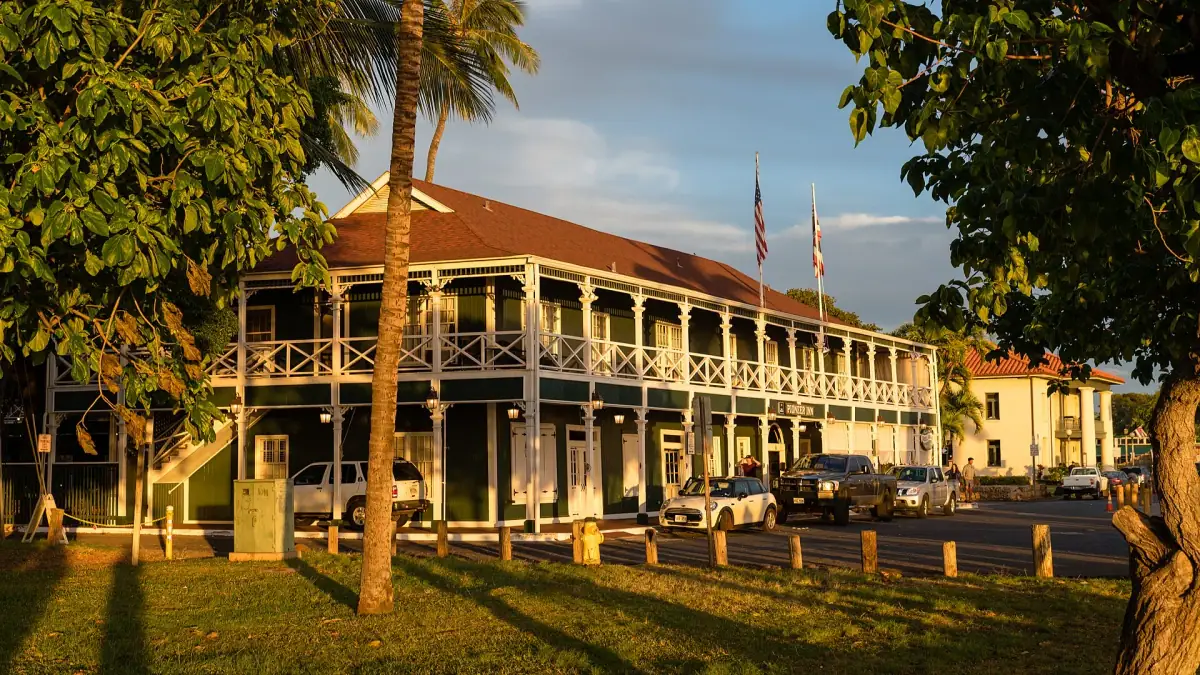
Lahaina is the former capital of the Kingdom of Hawaii and a former whaling port that has kept a unique historic charm. Front Street, the main artery lined with colorful wooden buildings from the 19th century, is considered one of the most beautiful streets in all of Hawaii. Note that Lahaina suffered major damage in the 2023 fires, and gradual rebuilding is bringing this emblematic town back to life.
Why choose Lahaina?
Unique character. Unlike the sanitized resort areas, Lahaina has a real identity with its art galleries, independent restaurants, lively bars and giant banyan tree planted in 1873. This is where you will best feel the history and culture of Maui.
Evening life. Lahaina is the only place on Maui with real nightlife. The restaurants and bars of Front Street stay lively late, and several venues offer live music every night.
The harbor. Lahaina’s small harbor is the departure point for many boat trips: whale watching (December to April), snorkeling at Molokini, catamaran sunsets and scuba diving.
Downsides of Lahaina
- No big beach: the beaches in Lahaina itself are small and not spectacular
- Heat: Lahaina is one of the hottest areas on Maui, with little breeze
- Rebuilding under way: some areas remain construction sites after the 2023 fires
- Difficult parking: finding a space downtown is sometimes a challenge
Lodging budget in Lahaina
| Category | Price per night | Examples |
|---|---|---|
| Budget | €130-200 (~$150-230) | Lahaina Inn, Maui Guest House |
| Mid-range | €200-350 (~$230-405) | Lahaina Shores (check the reopening status of each property after the 2023 fires) |
| Upscale | €350-550 (~$405-640) | Lahaina Ocean’s Edge |
Who is it for?
Lahaina is ideal for travelers who want a small coastal-town atmosphere with restaurants, bars and culture. Perfect for couples who prefer authenticity to resorts and for solo travelers who enjoy social life.
Wailea: absolute luxury
Wailea is Maui’s most luxurious area, on the island’s southwest coast. Developed more recently than Kaanapali, this upscale resort area offers even more sumptuous resorts, championship golf courses and five successive golden sand beaches linked by a 2.5 km (1.5 mi) coastal path.
Why choose Wailea?
Magnificent beaches. Wailea Beach, Polo Beach, Ulua Beach, Mokapu Beach and Keawakapu Beach are five perfect crescents of sand, generally less crowded than Kaanapali. The water is calm and ideal for swimming and snorkeling. The Wailea Beach Path runs along the coast and offers stunning sunset views.
The ideal climate. Maui’s south coast is the sunniest and driest area of the island. While the north can be cloudy and rainy, Wailea enjoys more than 300 days of sunshine a year. That is a considerable advantage, especially if you travel in winter.
Calm and space. Wailea is designed to give a sense of exclusivity. The resorts are spaced apart, the beaches are never packed and the general mood is peaceful and sophisticated. It is the antithesis of the bustle of Waikiki.
Fine-dining restaurants. Wailea has some of the best restaurants in all of Hawaii: Ferraro’s, Morimoto, Spago, Duo Steak & Seafood. The food scene is on par with major cities.
Downsides of Wailea
- Very high budget: prices are the highest on Maui, even in all of Hawaii
- Exclusive feel: Wailea can seem too quiet and too “perfect” for some travelers
- Relative isolation: restaurants and activities outside the resorts are limited
- Car essential: to explore the rest of Maui, a car is essential
Lodging budget in Wailea
| Category | Price per night | Examples |
|---|---|---|
| Mid-range | €350-500 (~$405-580) | Residence Inn by Marriott Wailea |
| Upscale | €500-900 (~$580-1,045) | Grand Wailea, Fairmont Kea Lani |
| Ultra-luxury | €900-2,500 (~$1,045-2,900) | Four Seasons Maui, Andaz Maui at Wailea |
Who is it for?
Wailea is the destination of choice for honeymoons with a big budget, wedding anniversaries, travelers who want the best of the best and everyone for whom luxury and tranquility are top priorities.
Kihei: the best value
Kihei is the answer to the question everyone asks: can you stay on Maui’s sunny coast without blowing your budget? The answer is yes, and this is where. This town spread over 10 km (6 mi) of coast, just north of Wailea, offers the same exceptional climate at a fraction of the price.
Why choose Kihei?
A controlled budget. Kihei is the most affordable area on Maui’s west and south coasts. Condominiums with a full kitchen let you shop and cook, considerably reducing the food budget. For advice on managing your overall Hawaii budget, see our Hawaii budget guide.
Excellent beaches. Kamaole Beach Parks I, II and III are three golden sand beaches that are perfectly maintained, with showers, restrooms and shaded green spaces. Sugar Beach, north of Kihei, is one of the longest beaches on Maui. All these beaches are free and rarely crowded.
Local life. Kihei is a real town where permanent residents live, not an artificial resort area. You will find Safeway and Foodland supermarkets, excellent and affordable local restaurants, food trucks, independent surf shops and a relaxed, typically Hawaiian atmosphere.
Central position. Kihei is perfectly positioned to explore the whole island. Haleakala is 1 h 15 by road, Lahaina 30 minutes, the airport 20 minutes and the Road to Hana 2 hours. It is an excellent base camp.
Downsides of Kihei
- Urban look: Kihei lacks the architectural charm of Lahaina and the polish of Wailea
- Sprawl: the town stretches along South Kihei Road without a real downtown
- Traffic: South Kihei Road can be congested at rush hour
- No nightlife: evening options are limited to a few bars
Lodging budget in Kihei
| Category | Price per night | Examples |
|---|---|---|
| Budget | €100-170 (~$115-195) | Maui Sunset, Kihei Kai Nani |
| Mid-range | €170-280 (~$195-325) | Kamaole Sands, Mana Kai Maui |
| Upscale | €280-450 (~$325-520) | Aston at the Maui Banyan, Wailea Ekolu |
Who is it for?
Kihei is perfect for budget-conscious families, long-stay travelers, surfers and anyone who puts good value first without sacrificing beach and climate quality. It is also an excellent choice for a first trip to Maui.
Paia: the tropical bohemian
Paia is a former sugarcane plantation village turned small bohemian town on Maui’s north shore. The official starting point of the famous Road to Hana, Paia attracts surfers, artists, yogis and travelers looking for authenticity.
Why choose Paia?
A unique atmosphere. Paia gives off a mood you find nowhere else on Maui: colorful art galleries, vintage clothing shops, organic cafes, yoga studios and vegetarian restaurants. It is the alternative Maui, that of locals and expats.
Ho’okipa Beach. A few minutes from Paia, Ho’okipa Beach is the most famous windsurfing spot in the world. Even if you don’t practice, the sight of windsurfers and kitesurfers in the waves is extraordinary. At the end of the day, green sea turtles come to rest on the sand.
The gateway to the Road to Hana. Paia is the last place to fill up on gas and buy supplies before setting out on the Road to Hana. Staying here lets you leave early in the morning and avoid the crowds on this legendary road. You can also discover other hikes in Hawaii from this base.
Reasonable prices. Lodging in Paia is mostly small guesthouses, B&Bs and Airbnb rentals at gentler prices than the west coast.
Downsides of Paia
- Wetter climate: the north shore gets more rain than the south and west coasts
- No big swimming beach: the beaches around Paia are beautiful but often windy with strong currents
- Limited choice: few traditional hotels, mainly rentals
- Remote: the west coast resorts are 45 minutes away by road
Lodging budget in Paia
| Category | Price per night | Examples |
|---|---|---|
| Budget | €90-150 (~$105-175) | Paia Inn (simple rooms), local Airbnbs |
| Mid-range | €150-280 (~$175-325) | Paia Inn (suites), vacation houses |
| Upscale | €280-500 (~$325-580) | Luxury villas with ocean views |
Who is it for?
Paia is ideal for surfers, adventurous couples, solo travelers and anyone looking for an authentic experience far from standardized resorts. Also perfect as a base for exploring the Road to Hana and the north shore.
Hana: paradise in isolation
Hana is Maui’s most isolated village, reachable only by the famous Hana Highway and its 620 curves. This small town of 1,200 people at the end of the world has stayed in another time, with no traffic lights, no fast food and no shopping mall.
Why choose Hana?
Total disconnection. Hana offers what most visitors look for without finding it elsewhere on Maui: total isolation in a spectacular natural setting. Here the pace slows down naturally.
Wild beaches. Hamoa Beach, regularly ranked among the most beautiful beaches in the world, is a crescent of gray volcanic sand lined with green cliffs. Red Sand Beach, more secluded (its trail is dangerous and officially discouraged), offers a unique red sand ringed by lava rocks.
Nature everywhere. Waterfalls, natural pools, giant bamboo groves, tropical gardens: the nature around Hana is incomparably rich. Haleakala National Park extends to the coast with the Kipahulu district and its famous Pools of Oheo.
Downsides of Hana
- Accessibility: the Road to Hana takes 2 h 30 to 4 h from the airport
- Limited services: one small supermarket, a few restaurants, no pharmacy
- High prices: isolation makes everything more expensive, food included
- Patchy internet: the mobile network is weak or even absent in places
Lodging budget in Hana
| Category | Price per night | Examples |
|---|---|---|
| Budget | €120-200 (~$140-230) | Airbnb cabins, campgrounds |
| Mid-range | €200-400 (~$230-465) | Hana Kai Maui, vacation rentals |
| Luxury | €500-1,200 (~$580-1,390) | Hana-Maui Resort (Hyatt) |
Upcountry: the tropical mountain
Upcountry Maui refers to the slopes of Haleakala between 300 and 1,200 meters (980 and 3,940 ft) in elevation, including the small towns of Makawao, Kula and Pukalani. This is rural Maui, with ranches, lavender farms, vineyards and cool temperatures.
Why choose the Upcountry?
Fresh air. At altitude, temperatures are 5 to 10 °C (9 to 18 °F) lower than on the coast. Nights are cool and mornings often misty. It is a perfect setting for anyone who doesn’t do well in tropical heat.
Authentic Maui. Makawao is a former cowboy town with art galleries in the old saloons. Kula is the land of organic farms and proteas (spectacular flowers). This is where you will meet the most long-time residents.
Haleakala. Sleeping in the Upcountry lets you reach the Haleakala summit (3,055 m / 10,023 ft) in 30 to 45 minutes for sunrise. From the coast, allow 1 h 30 to 2 h, which means getting up at 3 am.
Downsides of the Upcountry
- No beach: the coast is 20-40 minutes away by car
- Limited lodging: mainly B&Bs and rentals, few hotels
- Car required: no public transport
- Cool evenings: bring warm clothes
Upcountry lodging budget
| Category | Price per night | Examples |
|---|---|---|
| Budget | €80-140 (~$93-160) | Local B&Bs, Airbnb rooms |
| Mid-range | €140-250 (~$160-290) | Farm cottages, vacation houses |
| Upscale | €250-450 (~$290-520) | Lumeria Maui (wellness resort) |
Area comparison table
| Area | Average budget/night | Beach | Restaurants | Atmosphere | Car needed |
|---|---|---|---|---|---|
| Kaanapali | €400-700 (~$465-810) | Excellent | Resorts | Luxury resort | Yes |
| Lahaina | €200-350 (~$230-405) | Average | Very good | Lively town | Not for the town |
| Wailea | €500-900 (~$580-1,045) | Excellent | Fine dining | Quiet luxury | Yes |
| Kihei | €170-280 (~$195-325) | Very good | Good and affordable | Relaxed | Yes |
| Paia | €150-280 (~$175-325) | Surf/wind | Bohemian | Alternative | Yes |
| Hana | €200-400 (~$230-465) | Wild | Limited | Isolated | Yes (required) |
| Upcountry | €140-250 (~$160-290) | None | A few good ones | Rural | Yes (required) |
Which area to choose for your profile?
First trip to Maui: Kihei for a controlled budget, or Kaanapali for the complete resort experience. Both areas offer excellent access to the island’s main attractions.
Honeymoon: Wailea without hesitation for absolute luxury, or Hana for romantic adventure. If you are planning a multi-island trip, our complete Hawaii guide will help you organize the whole journey.
With family: Kihei for budget and practicality, or Kaanapali if you want resort infrastructure (pools, kids clubs, activities).
Solo traveler / adventurer: Paia for the bohemian atmosphere and the surfer community, or Hana for total disconnection.
Long stay (2 weeks+): Kihei with a condominium that has a kitchen keeps the budget under control over time.
Entry rules depend on your passport. Check the official travel advice of your government before you book: travel.state.gov (US), GOV.UK (UK), travel.gc.ca (Canada), Smartraveller (Australia) (checked November 2026).
Practical tips for lodging on Maui
Book early. Maui is the most in-demand Hawaiian island. In high season (December to March and June to August), the best lodging is full 3 to 6 months ahead. To decide when to go, see our guide to the best time to visit Hawaii.
A rental car is essential. Whatever your lodging area (except perhaps Lahaina for a short stay), you will need a car. Book it at the same time as your flight and lodging: rates climb sharply at the last minute.
Condominiums vs hotels. For a stay of 5 nights or more, condominiums are often better value than hotels. A full kitchen saves on meals (€50-80 a day for a couple, about $58-93), and space is clearly greater. Many platforms offer condos in all areas of Maui.
Lodging tax. Hawaii applies a transient accommodations tax (TAT) of 11% since January 1, 2026 (10.25% before) plus a 3% county surcharge, on top of the general excise tax (GET) of about 4.5% on Maui (up to 4.712% passed on). In total, add about 18 to 19% to the advertised price to get the real cost per night.
Resort fees. Most big resorts in Kaanapali and Wailea charge “resort fees” of €30 to €50 a night (about $35-58) on top of the room rate. These fees cover Wi-Fi, beach chairs, parking or activities. Always check the total cost before booking.
Maui offers a range of lodging as varied as its landscapes. Whether you choose the luxury of Wailea, the buzz of Lahaina, the value of Kihei or the authenticity of Paia, each area guarantees a unique experience on this exceptional island. The key is to choose according to your priorities and budget, then let the magic of Maui do the rest.
Frequently asked questions
Which side of Maui should you choose?
The west coast (Kaanapali, Kapalua; Lahaina is rebuilding after the 2023 fires) has the most beautiful beaches and the best sunshine. The south coast (Wailea, Kihei) is calmer and offers excellent value.
Kaanapali or Wailea?
Kaanapali for a lively resort atmosphere with a spectacular beach; Wailea for a more luxurious, intimate setting and less crowded beaches.
Do you need a car on Maui?
Yes, a car is essential on Maui. Public transport is very limited and the main attractions (Haleakala, Road to Hana) are far from the hotel areas.
How much does a hotel cost on Maui?
Prices range from €150 (about $175) in Kihei for a condo to over €700 (about $810) in the resorts of Kaanapali or Wailea. See our cheap hotels for budget options.
Is Paia worth the detour?
Yes, Paia is a charming bohemian village with excellent restaurants and a relaxed surf vibe. It is the ideal starting point for the Road to Hana.
More Hawaii guides
Keep reading
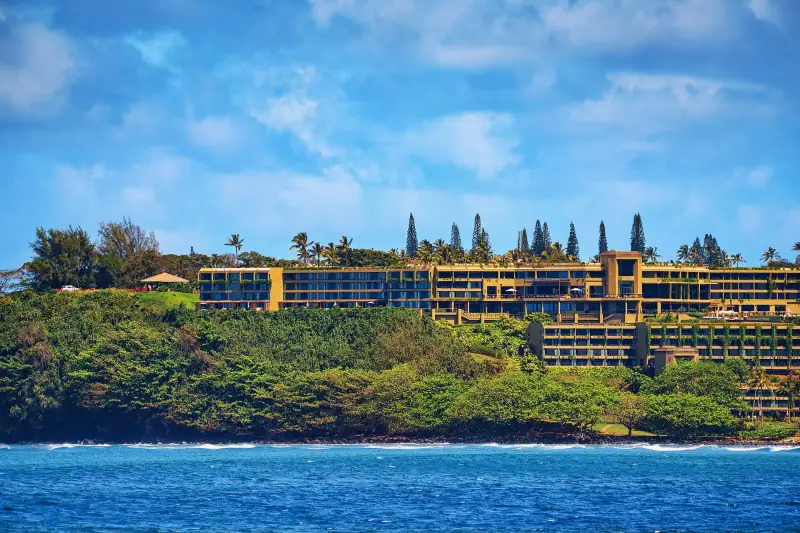
Where to stay in Kauai: complete guide to the best lodging
Which area to choose for staying in Kauai? Poipu, Princeville, Kapaa or Lihue: a full comparison of areas, lodging types and budgets.
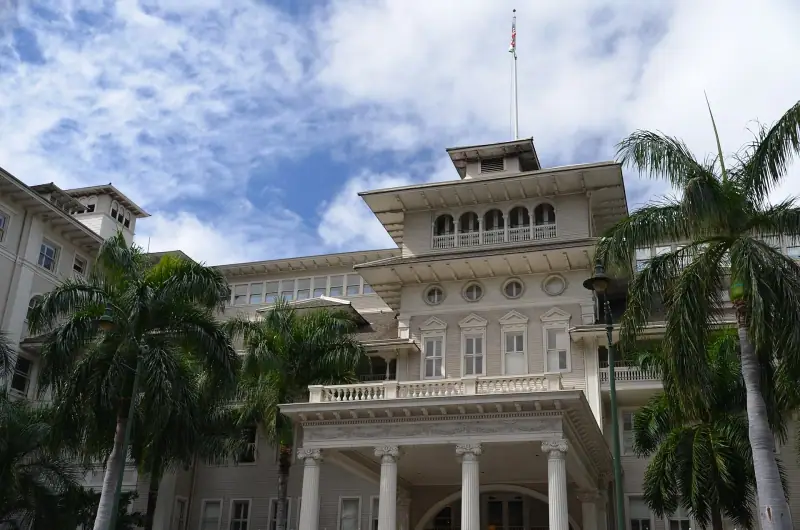
Where to stay in Waikiki: guide by area
The best areas to stay in Waikiki for your budget: beachfront, Diamond Head, Kuhio Avenue and the Ala Moana edge compared.
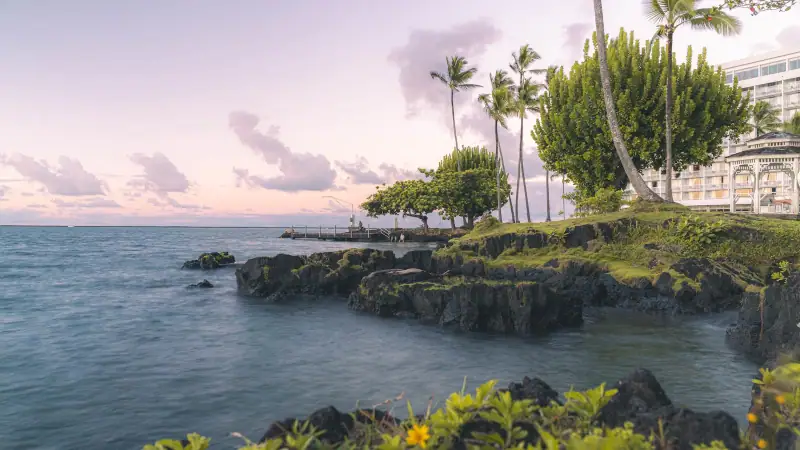
Where to stay on Big Island: complete guide to the best areas
Kailua-Kona or Hilo, Kohala Coast or Volcano Village? How to choose where to stay on Big Island according to your budget and what you want to do.
Ready-made
Hawaii itineraries
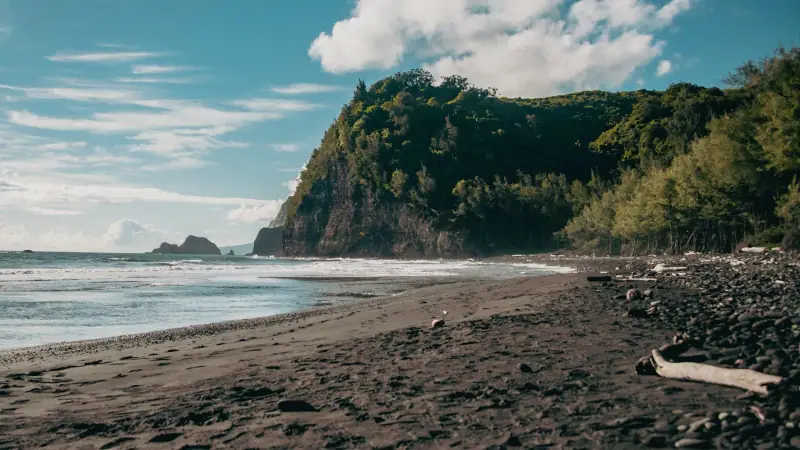
5 days
Big Island road trip in 5 days
Kailua-KonaVolcano VillageHilo or Hamakua Coast
7 days
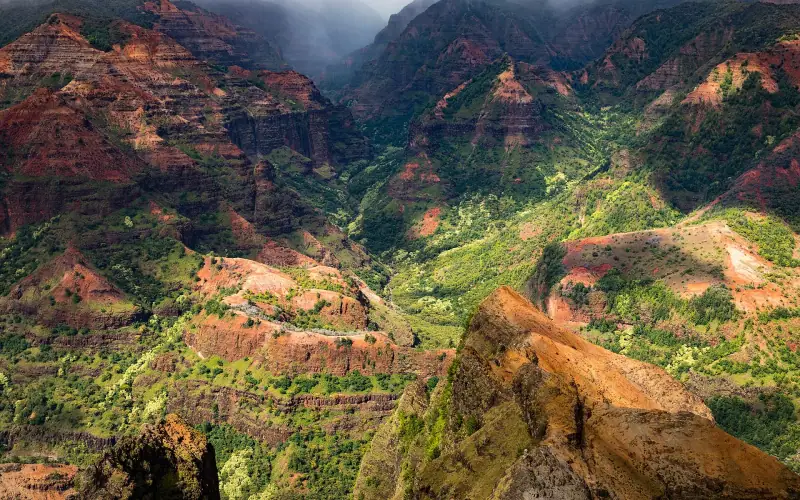
Kauai 7-day itinerary: the best road trip on the wild island
A detailed 7-day Kauai itinerary: Na Pali Coast, Waimea Canyon, Hanalei Bay and the best beaches. Day-by-day plan for an unforgettable road trip.
7 days
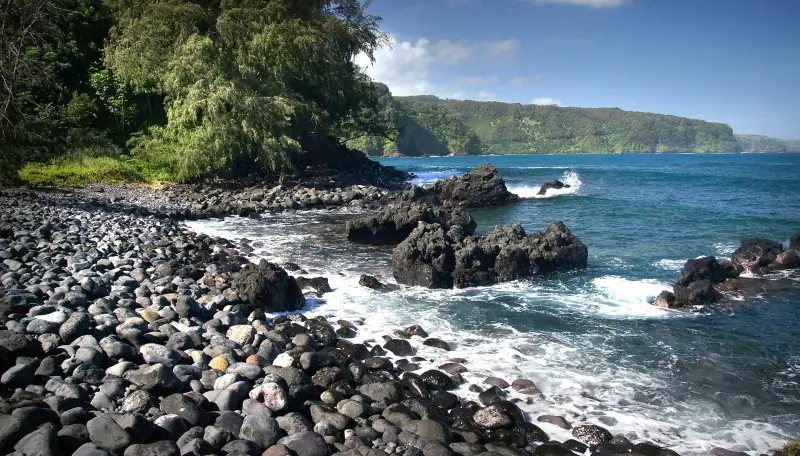
Maui 7-day itinerary: the complete guide to planning your trip
Maui in 7 days: Road to Hana, Haleakala, Wailea and Kaanapali beaches. A day-by-day plan to discover the pearl of the Hawaiian archipelago.