Where to stay
Where to stay on Big Island: complete guide to the best areas
We may earn a commission when you book through links on this page, at no extra cost to you. We don't visit or try the places we cover: we summarize published sources. How we work
In short
- The Kohala Coast and Kailua-Kona (west coast) are the most versatile choice: sunshine, big beaches and many resorts. Hilo suits travelers who want a local feel and waterfalls.
- Volcano Village is the base to explore Hawaii Volcanoes National Park over several days; its entrance is under 2 km (1.2 mi) from the village.
- Nightly prices (the article gives euros): Kohala resorts from €500 (~$580), Kona €150-350 (~$175-405), Hilo €80-200 (~$93-232), Volcano Village €120-250 (~$140-290).
- The article suggests splitting a 7 to 10 day stay between the west coast and Hilo or Volcano, and booking 3 to 6 months ahead in high season.
Big Island, the island of Hawaii in the strict sense, which gives its name to the whole archipelago, is both a fascinating and a puzzling destination. At some 10,400 km² (4,000 sq mi), it is larger than all the other islands of the archipelago combined, and it holds white sand beaches, black sand beaches, rainforest, volcanic deserts, snow-capped summits above 4,000 meters (13,100 ft) and the largest active volcanic park in the United States. This diversity is its main asset, but it also makes choosing where to stay considerably harder.
Unlike Oahu or Maui, Big Island has no natural “tourist capital”. The island is split into two opposite climate zones: the west coast (Kona and the Kohala Coast), dry, sunny and home to most of the resorts and popular beaches; and the east coast (Hilo and the rainforest), rainy, green and more authentically Hawaiian. Added to these two poles are niche areas: the volcanic center near the national park, the temperate heights of Waimea, and the coffee country of South Kona.
This guide helps you choose your base according to your traveler profile, your budget and your priorities. To prepare your whole stay, see our complete Big Island guide and our Big Island road trip.
The Kohala Coast: the paradise of luxury resorts
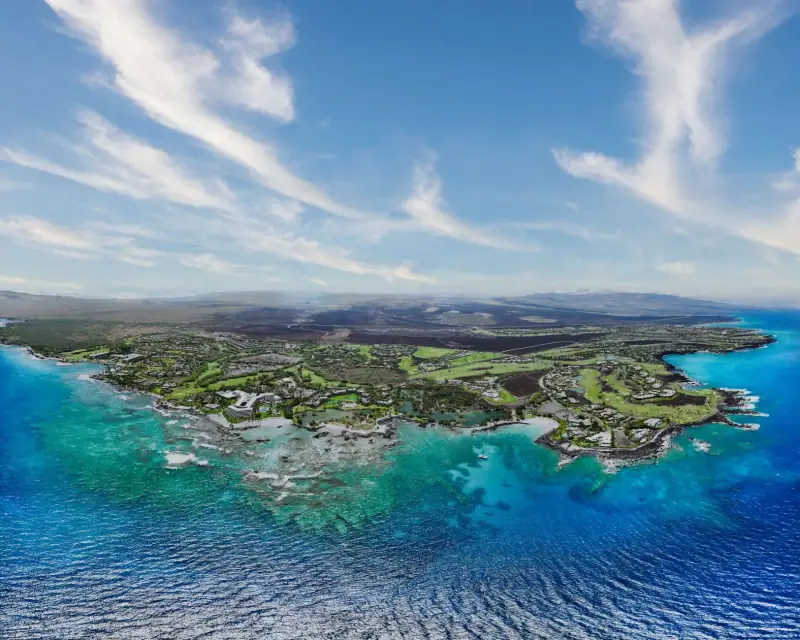
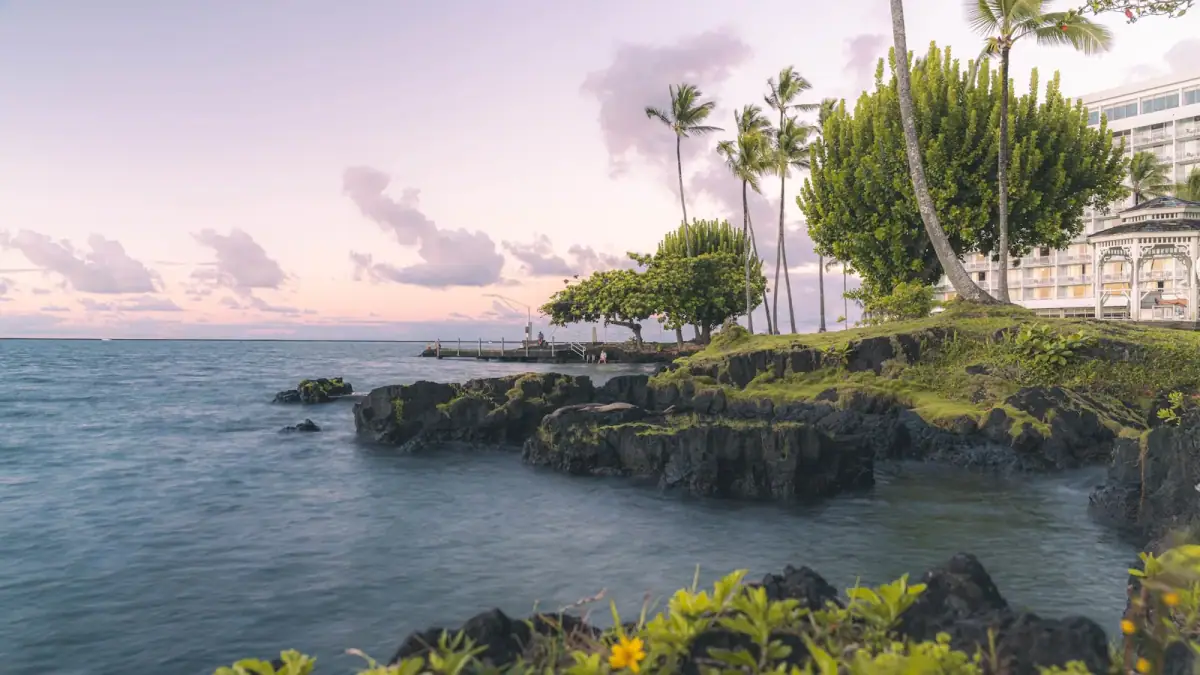
The Kohala Coast (sometimes called the “Gold Coast”) is Big Island’s hotel zone par excellence. Located on the northwest coast of the island, between Kona airport and the northern tip, this strip of black volcanic land is dotted with five-star resorts that created their own beaches, gardens and lagoons where a barren lava flow once spread.
What the Kohala Coast has to offer
The contrast between the dryness of the black lava and the immaculate luxury of the big resorts creates a unique look in all of Hawaii. These properties are practically villages in their own right: several restaurants, spas, world-renowned golf courses, wave pools, private beaches and water sports centers. If you want an “all-inclusive” experience of tropical luxury, the Kohala Coast is one of the best addresses in the United States.
Among the public beaches reachable from this area, Hapuna Beach State Recreation Area is regularly ranked among the most beautiful in the United States: a wide crescent of white sand, clear water and generally excellent swimming conditions from May to September. Mauna Kea Beach (Kauna’oa Beach), next to the Mauna Kea Beach Hotel, is also open to the public with a daily quota of parking spaces, so arrive early.
Golf fans will find exceptional courses here, with fairways cut between lava fields and panoramic views of the Pacific. The resorts’ water sports centers offer snorkeling, kayaking, scuba diving and catamaran trips.
Lodging on the Kohala Coast
The big resorts of the Kohala Coast are among the most exclusive properties in all of Hawaii:
Iconic resorts: The Mauna Kea Beach Hotel is a historic property that opened in 1965 and embodies classic Hawaiian elegance with its tropical gardens, its collection of Asian art and its dream beach. The Fairmont Orchid, part of the Mauna Lani complex, offers a more contemporary setting with direct access to the sea. The Hilton Waikoloa Village stands out for its spectacular design: navigable interior canals, a shark aquarium and access to an artificial beach. These properties generally run between €500 and €1,500 a night (about $580-1,740) depending on the room and season.
Slightly more affordable options: The Waikoloa Beach Marriott Resort & Spa offers quality resort amenities (several pools, access to two lovely beaches, restaurants) at rates often lower than its direct neighbors, at between €350 and €700 a night (about $405-810).
Condos and villas in Waikoloa: Waikoloa village has a range of condos and houses to rent with access to the neighboring resorts’ facilities (pools, tennis courts) at more reasonable prices than a resort itself. It is an excellent option for families or groups.
Resorts on the Kohala Coast
Compare the best luxury lodging on Big Island with free cancellation.
Downsides of the Kohala Coast
- High prices: among the most expensive lodging in all of Hawaii
- Distance from the volcano park: allow 2 h 30 to 3 h of driving to Hawaii Volcanoes National Park
- Artificial feel: the resorts were built on raw lava, so the sense of Hawaiian authenticity is limited
- Resort fees: mandatory resort fees (usually $40 to $60 per night) are added to the advertised rate
Kailua-Kona: the lively town on the west coast
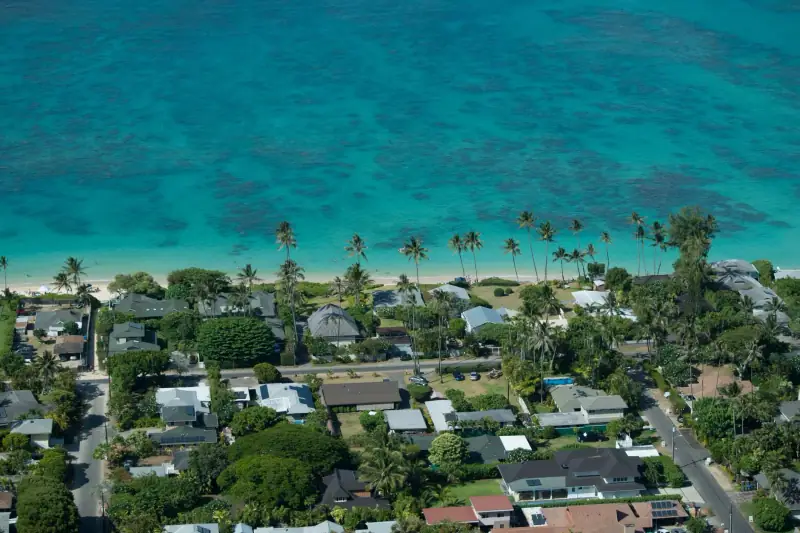
About 45 to 50 minutes south of the Kohala Coast (from Waikoloa), Kailua-Kona is Big Island’s main tourist town. Its atmosphere is that of an active, laid-back beach resort, with a waterfront lined with restaurants, shops and bars, a busy marina and easy access to the island’s best diving activities.
What makes Kailua-Kona unique
Diving with manta rays. Kailua-Kona bay is one of the most renowned places in the world to swim with giant manta rays, notably on night dives around the feeding spots known as “Manta Village” and “Manta Heaven”. Dozens of local operators offer guided trips every evening.
The Kings’ coast (Ali’i Drive). This coastal boulevard of about 9.5 km (5.9 mi) is Kailua-Kona’s main artery. Along it are Ahu’ena Heiau (an ancient Hawaiian temple), Hulihe’e Palace (the former residence of Hawaiian kings, now a museum) and a string of restaurants, cafes and souvenir shops with views of the bay.
Kona coffee. The Kona region is one of the only areas in the United States where coffee is grown commercially. Coffee farms dot the slopes of Hualalai and Mauna Loa, in the heights of the North and South Kona districts. Tours and tastings are offered all year.
Honokohau Harbor. This is the departure point for sport fishing trips (Big Island is world famous for blue marlin), catamaran cruises and dives.
Lodging in Kailua-Kona
Kailua-Kona offers the widest range on the west coast, from small budget hotels to oceanfront condos:
- Mid-range hotels: several chain hotels (Courtyard, Hampton Inn) and independent hotels have rooms between €150 and €320 a night (about $175-370)
- Condos on Ali’i Drive: many condo complexes line the waterfront, with equipped apartments overlooking the bay at €120 to €280 a night (about $140-325), an excellent option for week-long stays
- B&Bs and guesthouses: a few family-run places in the hills above Kona offer a more intimate feel at €100 to €200 a night (about $115-232)
- Hostels: rare but available for tight budgets (dorms from €40-50 a night, about $46-58)
Car rental on Big Island
Essential to explore the island. Book from Kona or Hilo airport.
Downsides of Kailua-Kona
- Touristy and busy: the atmosphere can lack authentic charm in high season
- Traffic jams: the main road (Queen Ka’ahumanu Highway) can be very congested at rush hour
- Limited beaches in town: the best beaches are a 20 to 45 minute drive north (Kohala Coast)
Hilo: Hawaiian authenticity on the east side
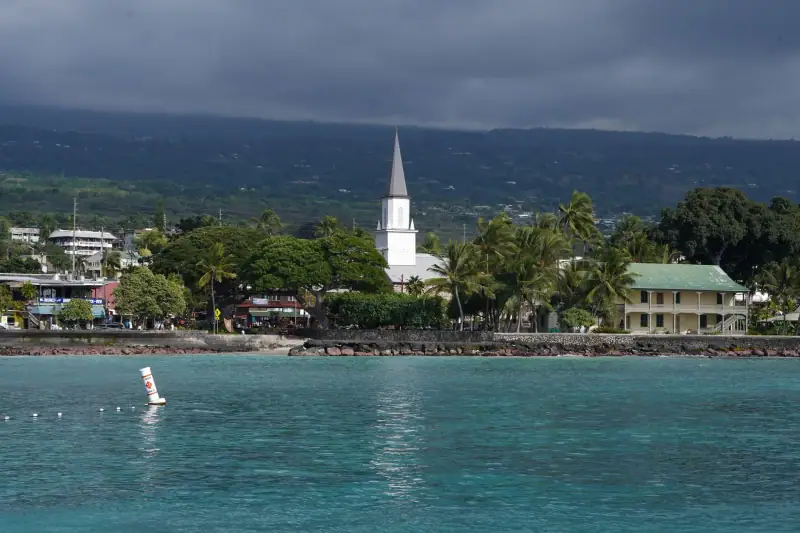
Two hours’ drive from Kailua-Kona across the island (or about 1 h 30 to 2 h via Saddle Road), Hilo is another planet. Big Island’s second city receives an average of 3,200 mm (126 in) of rain a year, which gives it exceptionally lush vegetation and keeps it out of the tourist flows that sometimes saturate the west coast. That is precisely why many experienced travelers prefer it.
What Hilo offers
A preserved historic downtown. Hilo’s waterfront, with its shops dating from the 1920s-1950s, its Wednesday and Saturday farmers market, its Art Deco buildings and quiet streets, is one of the most authentic downtowns in all of Hawaii. The independent bookstore, the local art galleries and the Hawaiian-Asian fusion restaurants give the town a soul that the west coast resorts struggle to offer.
Spectacular waterfalls. Rainbow Falls (Waiānuenue Falls), 3 km (2 mi) from downtown, can be reached by car and a 5-minute walk. The 24-meter (80 ft) waterfall that pours into a pool surrounded by banana trees often creates a rainbow in the morning in sunny weather. About 25-30 minutes by road (24 km / 15 mi north), Akaka Falls drops 135 meters (443 ft) in one unbroken fall into a gorge lined with giant ferns, one of the most beautiful waterfalls in the United States.
Hawaii’s botanical gardens. The Hawaii Tropical Bioreserve & Garden, about 14 km (9 mi) north of Hilo, is a private botanical garden set in a canyon on the Pacific shore, with more than 2,000 tropical species. Entry is paid but the visit is well worth the trip.
Proximity to the volcano park. Hilo is about 45-50 minutes by road from the entrance of Hawaii Volcanoes National Park, much closer than the Kohala Coast resorts. That is a major advantage if exploring the volcanoes is your priority.
Black sand beaches. Big Island’s east coast has several fascinating black volcanic sand beaches, notably Richardson Ocean Park in Hilo itself.
Lodging in Hilo
Hilo offers Big Island’s most affordable options for town lodging:
- Bayfront hotels: the iconic hotel on the Hilo Bay waterfront (the Grand Naniloa Hotel, now a Doubletree affiliate) has rooms with bay views between €130 and €250 a night (about $151-290), the town’s most emblematic property
- Chain hotels: a few national brands have rooms between €100 and €180 a night (about $116-209)
- B&Bs and guesthouses: a fine selection of family-run places in historic houses from the 1920s-1940s, between €80 and €160 a night (about $93-186), excellent value
- Vacation rentals: whole houses and apartments in residential neighborhoods, ideal for families
Downsides of Hilo
- Frequent rain: Hilo is one of the wettest cities in the United States; rainy mornings followed by clear afternoons are the norm
- Fewer white sand beaches: classic sandy beaches are few on the east coast
- Distance from the resorts: if you booked activities on the Kohala Coast, the round trips can be tiring
Volcano Village: in volcano country
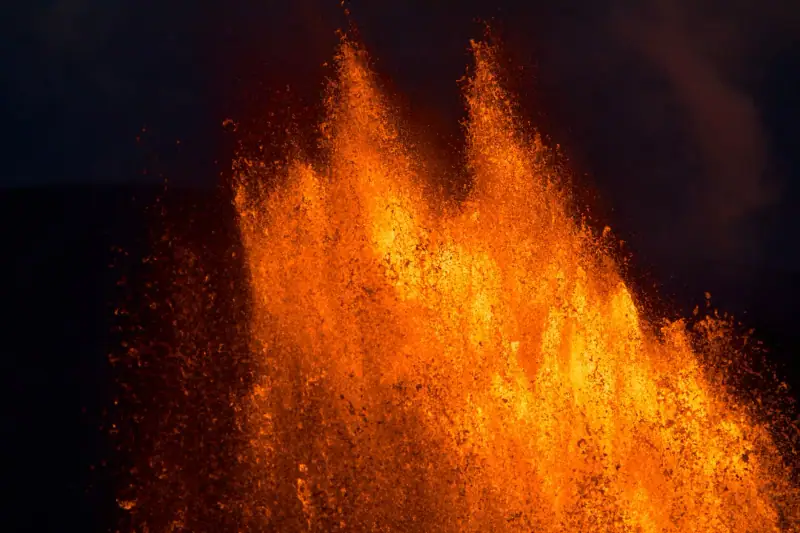
About 45 minutes southwest of Hilo (and 2 h 30 from Kailua-Kona), Volcano Village is a discreet hamlet tucked into a forest of tree ferns and ōhiʻa lehua at about 1,200 meters (3,940 ft). The main entrance of Hawaii Volcanoes National Park is less than 2 km (1.2 mi) from the village, which is its main draw.
Why choose Volcano Village
Unique access to the park. Staying in Volcano Village means being able to enter the national park at sunrise (before the day’s crowds), watch, depending on volcanic activity, the lava glow from the edge of Halemaʻumaʻu crater at dusk, and get back to your lodging without a two-hour drive. For volcano enthusiasts or landscape photographers, that is an invaluable advantage.
The mysterious forest atmosphere. Misty mornings, tree ferns filtering the light and the smell of sulfur that sometimes drifts from the crater create a unique mood, very different from the sunny beaches of the west coast. The altitude also brings cooler temperatures (15 to 22 °C / 59 to 72 °F in the daytime), pleasant after the heat of the coast.
Absolute calm. Volcano Village has only a few hundred permanent residents. No nightclubs, no shopping malls, no lines at restaurants. A complete change of scene.
Lodging in Volcano Village
Lodging is almost entirely B&Bs and boutique lodges, often in wooden houses from the 1910s-1940s:
- Forest B&Bs: the dominant format in Volcano Village, with rooms between €120 and €220 a night (about $140-255), breakfast included. Local owners are generally a goldmine of information about the park
- Cottages and standalone cabins: a few lodges offer private cottages with a fireplace and garden, between €150 and €300 a night (about $175-350)
- Camping in the national park: official campgrounds (Nāmakanipaio, Kulanaokuaiki) let you sleep inside the park itself, under the stars, for about $15-20 per site. Reserve on Recreation.gov, ideally several months ahead. Check which campgrounds are open on the park website (nps.gov/havo): some have closed after storms in 2026
Downsides of Volcano Village
- Isolation: very few restaurants and shops in the village, so you need to plan your meals
- Distance from beaches: the nearest ones (east coast) are 45 minutes away, the Kohala Coast 2 h 30
- Frequent overcast weather: the altitude and dense vegetation often create gray skies and light drizzle
Waimea (Kamuela): the temperate center of Big Island
Often overlooked by travelers, Waimea (also called Kamuela to avoid confusion with other Hawaiian towns of the same name) is a ranch town of green hills in the north-center of the island, at about 900 meters (2,950 ft). It is one of the coolest areas on Big Island and one of the most authentically Hawaiian.
Why consider Waimea
Waimea is about 30 minutes from the Kohala Coast and 1 h 10 to 1 h 20 from Hilo, which makes it a central base for exploring both coasts. The town is home to Parker Ranch, one of the largest private ranches in the United States, whose history goes back to the 19th century. Puʻukoholā Heiau National Historic Site, a Hawaiian temple built by Kamehameha I, is about twenty minutes away.
Lodging in Waimea is limited but interesting: a few boutique hotels, B&Bs in ranch houses and vacation rentals with views of the green pastures and Mauna Kea. The cool temperatures (15 to 22 °C / 59 to 72 °F) and often clear skies (with little rain on the leeward slope of Kohala) make it a pleasant base for those who want to explore the island unconventionally.
Comparison of lodging areas
| Area | Sun | Beach | Volcanoes | Price | Best for |
|---|---|---|---|---|---|
| Kohala Coast | ☀️☀️☀️ | ⭐⭐⭐⭐⭐ | 2 h 30 | $$$$$ | Luxury, well-off families |
| Kailua-Kona | ☀️☀️☀️ | ⭐⭐⭐ | 2 h | $$$ | Diving, entertainment |
| Hilo | ⛅☀️ | ⭐⭐ | 45 min | $$ | Authenticity, budget |
| Volcano Village | ⛅ | 45 min | ⭐⭐⭐⭐⭐ | $$$ | Volcanology, photos |
| Waimea | ⛅☀️ | 30 min | 1 h 30 | $$ | Central exploration |
Which type of lodging to choose on Big Island?
Luxury resorts
The big resorts of the Kohala Coast offer complete experiences: private or semi-private beaches, spectacular pools, renowned spas, fine-dining restaurants and organized water activities. Most charge mandatory “resort fees” of $40 to $70 a night on top of the advertised rate, so build them into your budget.
Condos and vacation rentals
Condos are often the best value on Big Island, especially for stays of 5 days or more. A fully equipped kitchen saves significantly on meals (restaurants are expensive on the island, especially in the resorts). Focus on Kailua-Kona (the Ali’i Drive waterfront) and Waikoloa (near the Kohala Coast) for the best choice. Check that the listing shows a valid TVR (Transient Vacation Rental) number.
B&Bs and boutique lodging
Big Island has a nice selection of B&Bs, particularly in Hilo, Volcano Village and in the hills of South Kona (coffee country). These places offer an authentic experience, often in historic houses with tropical gardens, and the local owners are a valuable resource for activity tips. Expect generally between €80 and €200 a night (about $93-232), breakfast included.
Camping
Big Island has several remarkable campgrounds, notably in Hawaii Volcanoes National Park (reserve on Recreation.gov), in state parks (Hapuna Beach, Mauna Kea) and in county parks. Camping in the national park gives an unmatched closeness to the volcanoes, but demand is very high: reserve several months ahead for high season.
Our recommendation by traveler profile
| Profile | Recommended area |
|---|---|
| Families with children | Kohala Coast or Kailua-Kona (safe beaches, well-equipped resorts) |
| Romantic couples | Kohala Coast (luxury) or Volcano Village (mysterious atmosphere) |
| Tight budget | Hilo or South Kona B&Bs |
| Volcano enthusiasts | Volcano Village (2 km / 1.2 mi from the park) |
| Divers and water sports fans | Kailua-Kona (manta diving, marina) |
| 7 to 10 days, complete exploration | Combine 4-5 nights in Kona + 3-4 nights in Hilo or Volcano |
| Short stay (3-4 days) | Kailua-Kona or Kohala Coast (airport nearby, good weather guaranteed) |
| Nature and hiking fans | Hilo or Volcano Village |
The most rewarding strategy for discovering Big Island is often to split your stay between the west and east coasts. Spend 3 to 4 nights in Kailua-Kona or on the Kohala Coast for beaches, diving and snorkeling, then move to Hilo or Volcano Village for 3 to 4 nights devoted to waterfalls, rainforest and volcanoes. This two-base plan lets you see the essentials of the island without spending hours on daily drives. To organize your itinerary, see our Big Island road trip and our guide to Hawaii’s volcanoes.
Whichever area you choose, book your lodging as early as possible, ideally 3 to 6 months ahead for high season (July-August, December-January). And don’t forget to book your car at the same time: without your own vehicle, exploring Big Island is practically impossible.
Frequently asked questions
What is the best area to stay on Big Island?
The Kohala Coast and Kailua-Kona (west coast) are the most versatile choice: guaranteed sun, big beaches, many resorts and good road connections. Hilo suits travelers who prefer local contact and being close to waterfalls and rainforest. Volcano Village is ideal if you want to explore the national park over several days.
Do you need a car on Big Island?
Absolutely, a car is essential on Big Island. It is the largest island of the Hawaiian archipelago (about 10,400 km² / 4,000 sq mi) and public transport is very limited. Without a car you are practically stuck. Book your vehicle at the same time as your lodging, because stock runs out quickly in high season.
Which airport should you use for Big Island?
Big Island has two airports: Kona International Airport (KOA) on the west coast, the busiest, ideal if you are staying on the Kohala Coast or in Kailua-Kona; and Hilo International Airport (ITO) on the east coast, close to central Hilo and the volcano park. Choose your airport according to your first lodging.
How much does a hotel night cost on Big Island?
Prices vary enormously by area. On the Kohala Coast, the big luxury resorts start at €400-500 a night (about $465-580) and can exceed €1,000 (about $1,160). In Kailua-Kona, mid-range hotels run between €150 and €350 (about $175-405). In Hilo you will find options between €80 and €200 a night (about $93-232). Volcano Village has B&Bs and lodges between €120 and €250 (about $140-290).
Is it better to stay in Kona or Hilo?
These two towns offer very different experiences. Kona (west coast) has sun, beaches, water sports and the feel of an active beach resort. Hilo (east coast) is more authentic and less touristy, with waterfalls, botanical gardens and strong Hawaiian culture. Ideally, combine both areas over 7 to 10 days.
Can you sleep near Hawaii Volcanoes National Park?
Yes, Volcano Village is a charming hamlet about 1.5 km (0.9 mi) from the entrance of Hawaii Volcanoes National Park. Several B&Bs and small lodges offer lodging among tree ferns and ʻōhiʻa forests, with a calm, mysterious atmosphere. It is the ideal choice if you want to see sunrise over the craters or, depending on volcanic activity, the lava glow in the evening.
What is the cheapest season to stay on Big Island?
Rates are generally lower from September to November (after the American summer and before the holidays) and in April-May (after Easter). Avoid the American school vacations of July-August, Thanksgiving and Christmas-New Year, when prices soar and quality lodging sells out very quickly.
More Hawaii guides
Keep reading
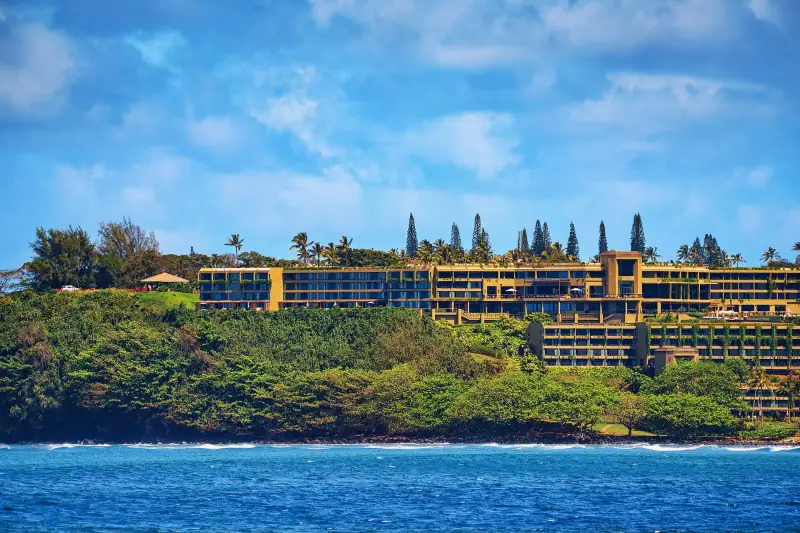
Where to stay in Kauai: complete guide to the best lodging
Which area to choose for staying in Kauai? Poipu, Princeville, Kapaa or Lihue: a full comparison of areas, lodging types and budgets.
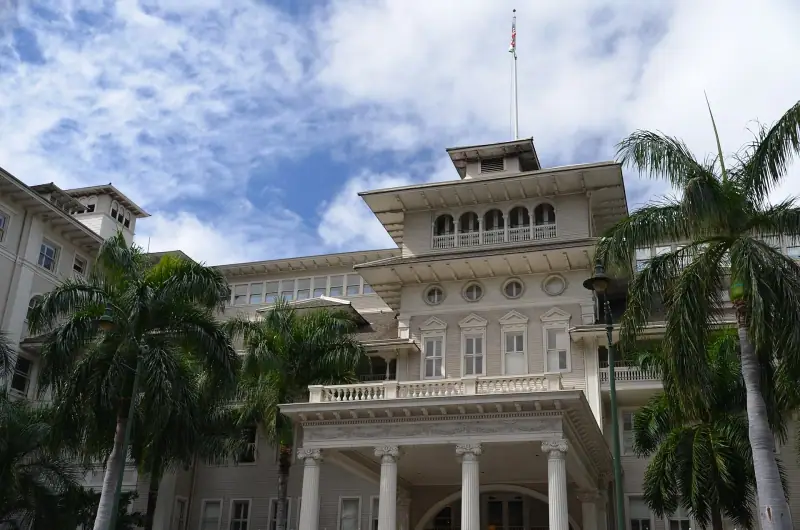
Where to stay in Waikiki: guide by area
The best areas to stay in Waikiki for your budget: beachfront, Diamond Head, Kuhio Avenue and the Ala Moana edge compared.
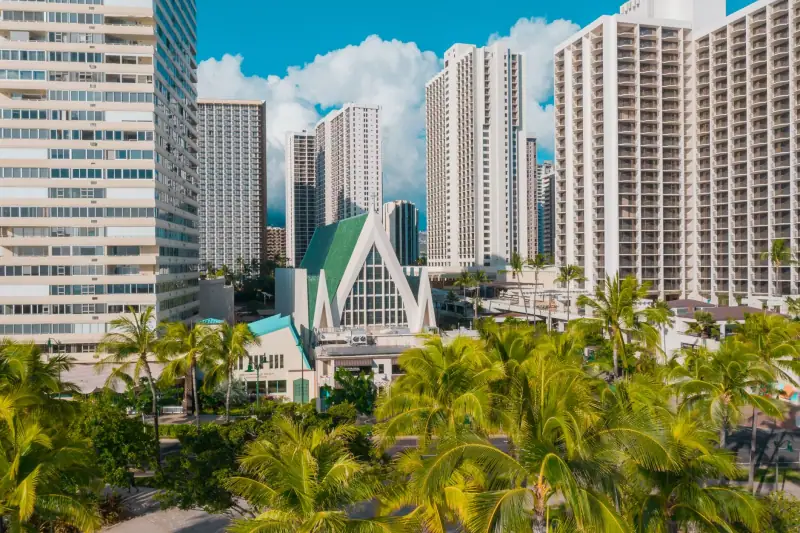
Where to stay in Honolulu: the best neighborhoods
The best neighborhoods to stay in Honolulu for your budget and travel style: Waikiki, Ala Moana, Chinatown, North Shore, Kailua. Complete guide.
Ready-made
Hawaii itineraries
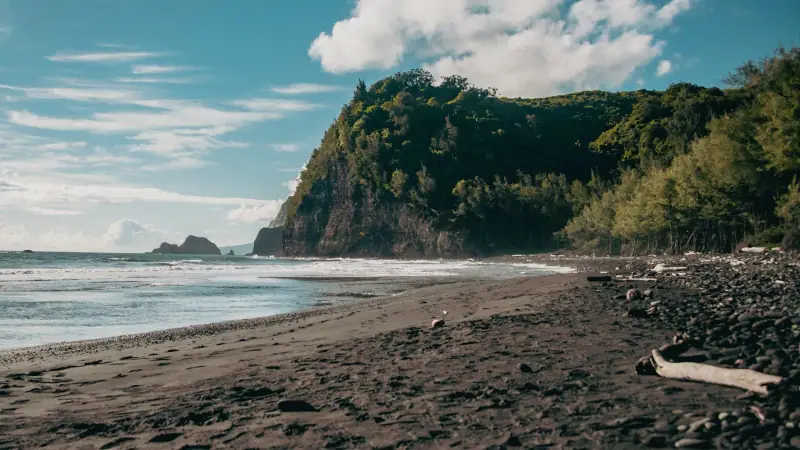
5 days
Big Island road trip in 5 days
Kailua-KonaVolcano VillageHilo or Hamakua Coast
7 days
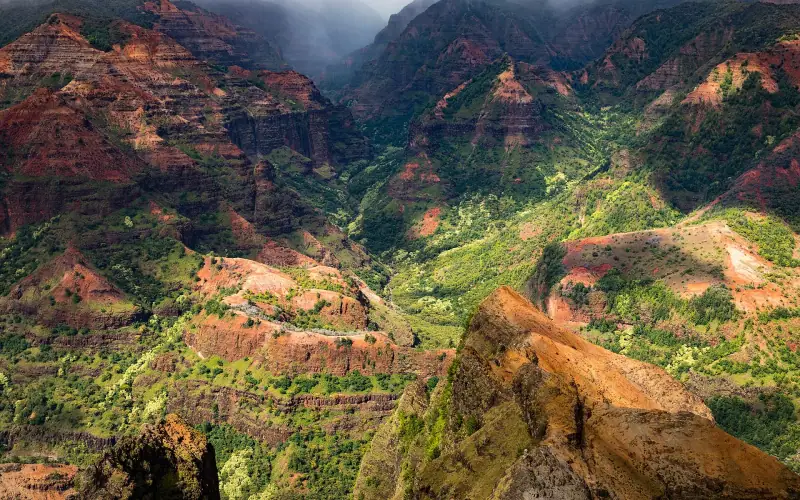
Kauai 7-day itinerary: the best road trip on the wild island
A detailed 7-day Kauai itinerary: Na Pali Coast, Waimea Canyon, Hanalei Bay and the best beaches. Day-by-day plan for an unforgettable road trip.
7 days
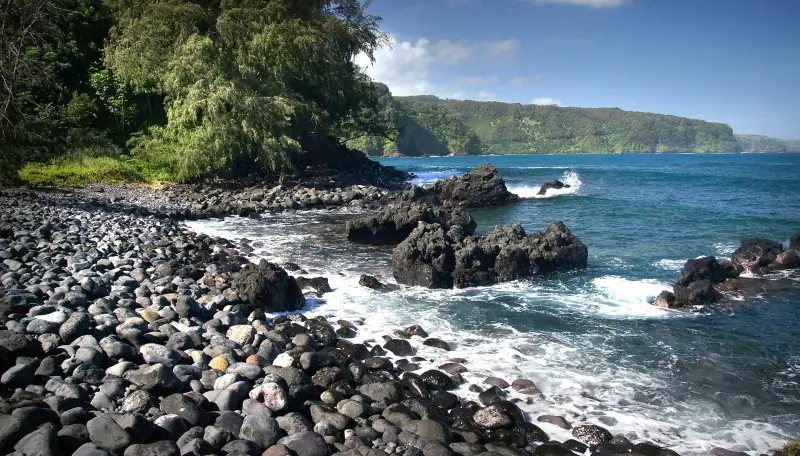
Maui 7-day itinerary: the complete guide to planning your trip
Maui in 7 days: Road to Hana, Haleakala, Wailea and Kaanapali beaches. A day-by-day plan to discover the pearl of the Hawaiian archipelago.