Where to stay
Where to stay in Munich: neighborhoods and types of lodging
We may earn a commission when you book through links on this page, at no extra cost to you. We don't visit or try the places we cover: we summarize published sources. How we work
In short
- The Altstadt (old town around Marienplatz) is the simplest choice for a first stay, with the main sights on foot, but it is among the most expensive areas.
- Maxvorstadt is a calmer, student-flavored alternative near the big museums; Glockenbach and Haidhausen have the bars and restaurants.
- Oktoberfest, from mid-September to early October, sharply raises prices and fills hotels, sometimes nearly a year ahead. Trade fairs have a similar effect.
- From the airport, the S-Bahn is the simplest and cheapest way to the center, about forty minutes, with no change from the main station.
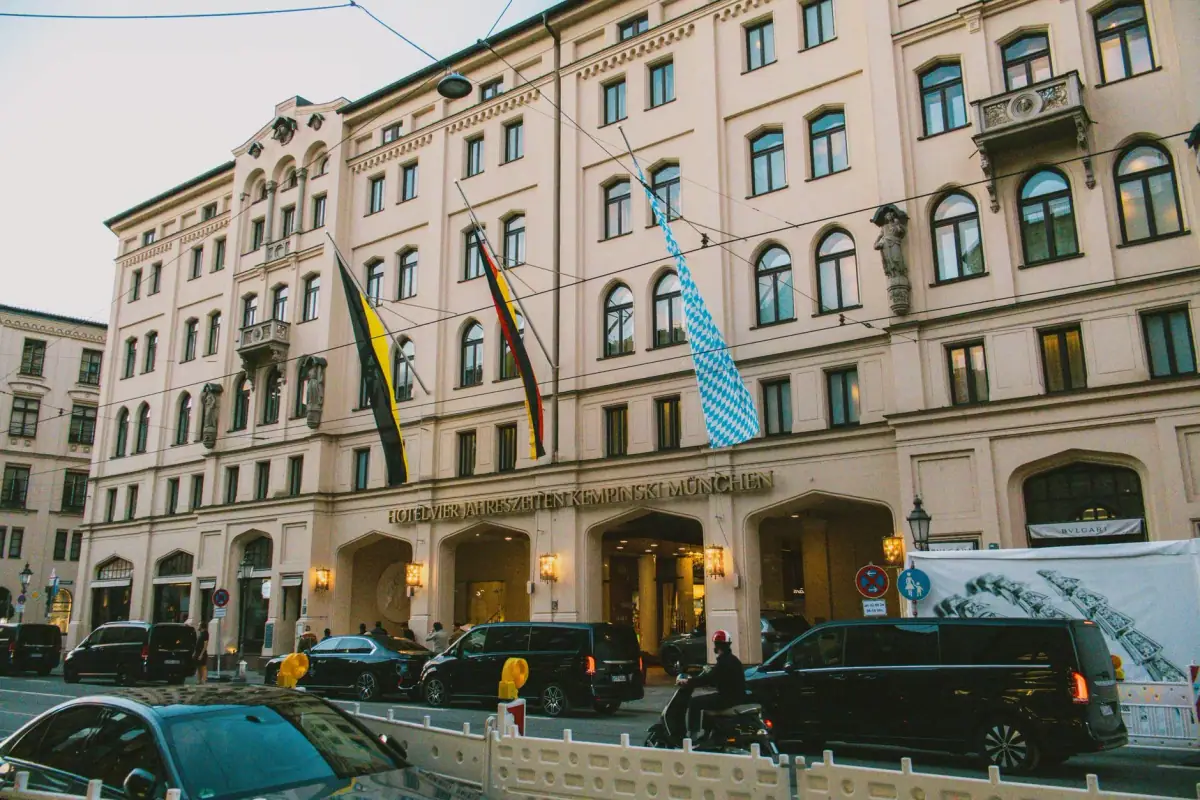
Munich is a human-scale city, clean and very well served by transport, but it is also one of the most expensive cities in Germany for lodging. The choice of neighborhood therefore weighs on the budget as much as on the atmosphere of the stay. Between the old town, the student districts, the lively streets of Glockenbach and the more residential areas, each area suits a different kind of trip.
This guide presents the main neighborhoods for sleeping, the different types of lodging (hotels, hostels, apartments, places on the outskirts) and the points to check before booking, especially during Oktoberfest. If you then want to plan your days, see our 3-day Munich itinerary.
Getting your bearings in Munich
The historic center of Munich is compact. Most major sights (Marienplatz, the Frauenkirche, the Viktualienmarkt, the Residenz) lie within an area you can cross on foot in a few dozen minutes. Around this core, the neighborhoods form a ring: Maxvorstadt and Schwabing to the north, Haidhausen to the east, Glockenbach and the Isarvorstadt to the south, and the station area to the west.
Public transport is efficient: the subway (U-Bahn), city trains (S-Bahn), trams and buses work with a zone system and a shared network. The S-Bahn crosses the center in an east-west tunnel, which quickly links the airport, the main station, Marienplatz and the east of the city. When choosing lodging, the rule is therefore the same as in any big German city: it is better to be a few minutes’ walk from a well-served station than closer to the center as the crow flies but poorly connected.
Another important point: supply is uneven depending on the time of year. Munich hosts trade fairs, conferences and, of course, the beer festival. During these periods prices go up and availability goes down, even in outlying neighborhoods. More on this below.
Compare lodging in Munich: rates vary a lot with the neighborhood, the season and events. Compare availability for your dates and check the distance to the nearest station.
The Altstadt: sleeping in the heart of the old town
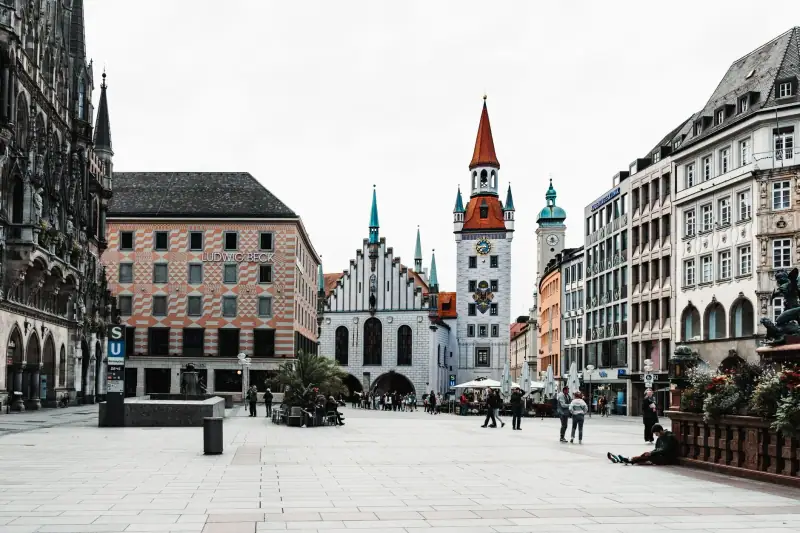
The Altstadt, the old town, is the obvious choice for a first stay. You are a few steps from Marienplatz and its neo-Gothic town hall, the Frauenkirche, the Viktualienmarkt and many traditional beer halls. You can go back to the hotel to rest in the middle of the day, go out in the evening without depending on transport and keep transit to a minimum.
The main drawback is the price: hotels in the center are among the most expensive in the city, and the rooms are often small. The atmosphere is also very touristy during the day, then clearly calmer in the evening on some streets, because the old town is mostly commercial and not very residential. A good part of the main streets is pedestrian, which is pleasant but can complicate arriving by car or taxi with luggage.
The Altstadt suits travelers with little time, couples who want a romantic stay of a few days and anyone who hates losing time in transport. For a tight budget, however, it is rarely the best choice.
Maxvorstadt: museums, university and student atmosphere
Northwest of the old town, Maxvorstadt is the district of the big museums. The Kunstareal groups several art museums, including the famous Pinakotheken, and the university draws a student population that animates the cafés, bookshops and small restaurants. The district is more relaxed than the center, with airy streets and fine 19th-century buildings.
It is an excellent compromise: you are about twenty minutes on foot from Marienplatz, or a few U-Bahn stops away, while enjoying somewhat more reasonable prices and a more lived-in atmosphere. The main station is also reachable on foot from the south of the district, which makes it practical for travelers arriving by train.
Maxvorstadt appeals to art and culture lovers, to travelers staying several days and to those who prefer to stay in a lively neighborhood rather than an area of offices and shops. It suits less if you want the nightlife of the southern districts.
Glockenbach and Gärtnerplatz: bars, restaurants and nightlife
South of the old town, the Glockenbach district, around Gärtnerplatz and its theater, is one of the areas most loved by locals. Cafés, bars, restaurants, small shops and designer boutiques follow one another on streets that are lively until late. The district is also known for its open and festive atmosphere.
It is close to the Isar river, whose banks are very popular as soon as the weather is nice: walks, picnics and swimming for the bravest. The center is a few minutes’ walk away, which makes Glockenbach an interesting base for those who want both the proximity of the sights and real neighborhood life.
The flip side is noise: if you are a light sleeper, ask for a room on the courtyard side and read recent reviews on this specific point. Since rents are high, lodging consists mostly of small hotels and apartments.
Sleeping in Glockenbach: to go out on foot in the evening and stay close to the Isar, compare lodging in the district. Read recent reviews on the noise level before booking.
Haidhausen: village feel, gardens and beer halls
East of the Isar, Haidhausen has kept a village atmosphere, with its lanes, squares and small houses. It is a popular residential district, with many restaurants, bars and cafés around Weißenburger Platz and in the neighboring streets. The center can be reached on foot in about twenty minutes, and the Ostbahnhof station, important for trains as well as the S-Bahn, sits at the edge of the district.
The atmosphere is calmer than in the center, more family-oriented, and prices are often somewhat more reasonable. It is a good option if you are traveling with family, staying longer or preferring a less touristy setting. The S-Bahn connections from the Ostbahnhof are convenient for reaching both the airport and the center.
Schwabing: elegance, parks and grand avenues
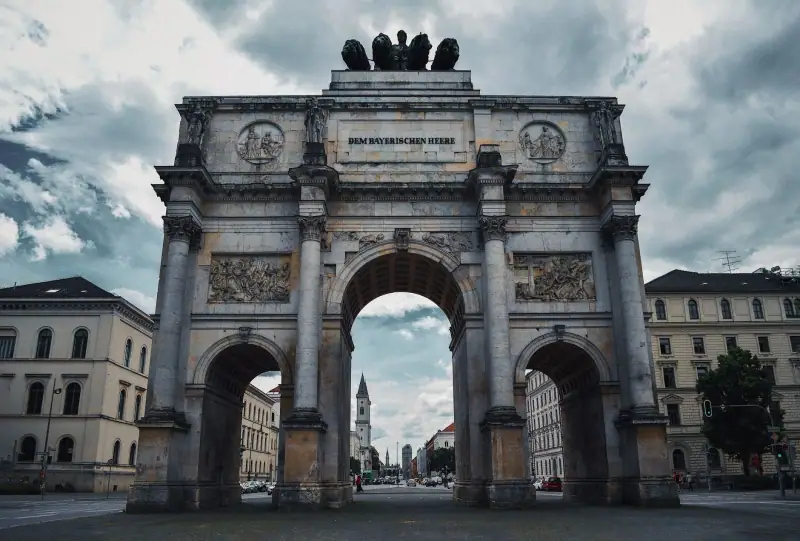
Farther north, Schwabing is a large district historically associated with artists and students. It offers wide avenues, handsome facades, cafés and easy access to the big park of the Englischer Garten, one of the largest urban parks in Europe. There are also varied restaurants and several places to go out.
It is a pleasant base for travelers who like walking in parks, running in the morning or simply sleeping in peace in a green residential area. The U-Bahn links Schwabing to the center in a few minutes. Rates vary: you can find small hotels with good value, but the best-located addresses are expensive.
Near the main station: practical, but choose with care
The Hauptbahnhof is the main rail hub of Munich and the starting point for many trips to Bavaria and the Alps. Staying nearby makes arrivals and departures much easier, especially with luggage or early schedules. The old town is a few minutes away on foot or by transport.
The area has many hotels at all prices, which makes it a common option, especially for modest budgets. It is, however, more impersonal, very busy and lively at all hours, and the atmosphere varies from one street to the next. A simple rule: look at recent photos and traveler reviews, and prefer streets slightly set back from the station axis. Neighboring areas, such as the one bordering the south of Maxvorstadt, are more pleasant.
Types of lodging in Munich
Hotels
Munich offers a full range of hotels, from large chain properties to small family-run places. Hotels in the center and near the station are the most plentiful. Check what is included in the rate, especially breakfast, which varies a lot from one hotel to another, and the cancellation conditions, usually better with a flexible rate.
Hostels and budget lodging
For small budgets and solo travelers, hostels offer dorm beds or private rooms, often near the main station. This is the simplest way to limit costs in an expensive city. Check recent reviews on cleanliness and noise, and see whether a locker is provided.
Apartments and rentals
For a stay of several days, with family or in a group, an apartment brings space and a kitchen. Availability is uneven and local regulations may govern some short-term rentals: preferably choose clear listings with recent reviews, and read the cancellation conditions carefully.
Lodging on the outskirts
Staying on the outskirts, for example near an S-Bahn station, often costs less, provided you check the real travel time to the center. Check the train frequency, any change and the last departure in the evening. A saving of a few euros per night can be wiped out by a long daily commute.
Guided tours in Munich: once you are settled, a walking tour with a guide helps you understand the history of the city and of Bavaria. Compare durations, languages and departure points before you book.
Oktoberfest, trade fairs and seasons: when to book
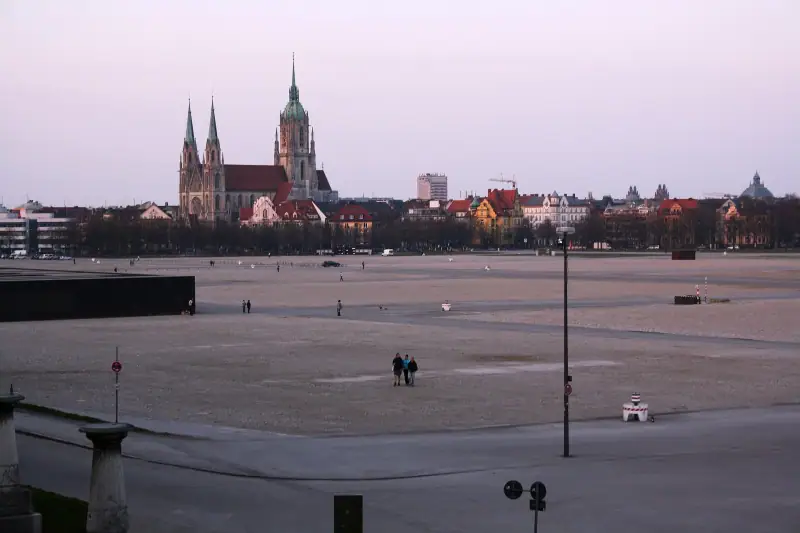
This is the point that surprises travelers the most. Oktoberfest, held from mid-September to early October, pushes prices up very sharply and fills most hotels in the city and the surrounding area. If you want to go, book very early, sometimes almost a year ahead, and expect rates well above normal. If you prefer to avoid the crowds, simply avoid those dates.
The big trade fairs and conferences, held all year in the city, have the same effect on a smaller scale. December, with the Christmas markets, is also in high demand. On the other hand, late fall, early winter outside the holidays and early spring often offer better prices. Our guide on when to go to Germany details the seasons, and the one on the budget for Germany will help you set a realistic ceiling for lodging.
Which neighborhood for your profile?
- First short stay: the Altstadt, to do everything on foot.
- Culture and museums: Maxvorstadt, calm and well located.
- Going out and restaurants: Glockenbach, or Haidhausen for a slightly quieter atmosphere.
- Family or longer stay: Haidhausen or Schwabing, more residential and green.
- Day trips by train and small budget: the area around the main station, choosing the street carefully.
If your budget is limited, widen the search around the S-Bahn and U-Bahn stations of the neighboring districts: lodging a little farther out but well connected often costs less than an address in the center.
Tips for booking well
Always check three points: the walking distance to a station, the cancellation conditions and recent reviews. Also read what is included in the rate, and see whether a tourist tax is added at booking, which can vary from one property to another.
To get in from the airport, the S-Bahn is the simplest and cheapest option. For your trips to the Alps or the royal castles, for example Neuschwanstein and Füssen, the train from the main station is often enough. A car only makes sense if you plan several stops outside the city: you can then compare rental companies.
Rent a car to leave Munich: useful for the Bavarian Alps or the Romantic Road. Compare rental companies for your dates and check the pick-up conditions.
Finally, consider travel insurance to cover mishaps before departure, and see our entry requirements for Germany for your documents. Entry rules depend on your passport; check the official travel advice of your government before you book.
Combining Munich with other stops
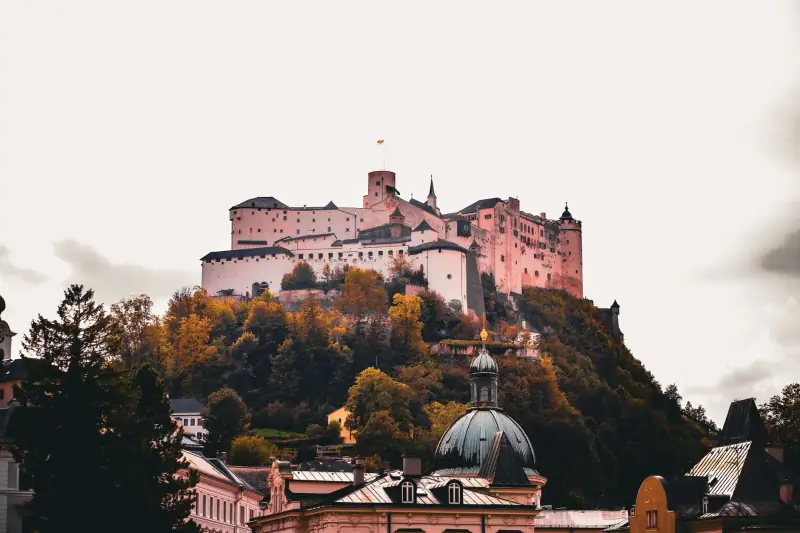
Munich is an excellent base for Bavaria, but also a starting point for neighboring countries. You can extend a trip to Austria, with Salzburg or Innsbruck. For another big German city, compare with our guide to where to stay in Berlin.
Frequently asked questions
What is the best neighborhood to stay in Munich the first time?
The Altstadt, the old town around Marienplatz, is the simplest choice: the main sights are all on foot. Maxvorstadt, just to the north, offers a calmer, more student-flavored alternative, with the big museums nearby.
Is it a good idea to stay near the main station?
It is very practical if you arrive by train or leave early on a day trip, because the Hauptbahnhof is the city's main rail hub. The surrounding area is lively and a little impersonal: look at recent reviews and the exact street before booking.
Where should you stay in Munich to go out in the evening?
The Glockenbach district, around Gärtnerplatz, and Haidhausen concentrate bars and restaurants. Schwabing also has a long tradition of nightlife. These areas are livelier in the evening than the old town.
Do hotel prices really soar during Oktoberfest?
Yes, rates rise sharply during the beer festival, held from mid-September to early October, and rooms are booked very far in advance. Major trade fairs have a similar effect. Check the calendar before fixing your dates.
How do you get from Munich Airport to the city center?
The airport is linked to the center by the S-Bahn, in about forty minutes, with no change from the main station. A taxi is possible but clearly more expensive. Check which ticket to buy for the airport zone.
Do you need a car to stay in Munich?
No, the U-Bahn, S-Bahn, trams and buses cover the city well, and parking in the center is expensive and limited. A car is only useful if you plan trips to the Alps or the royal castles.
More Germany guides
Keep reading
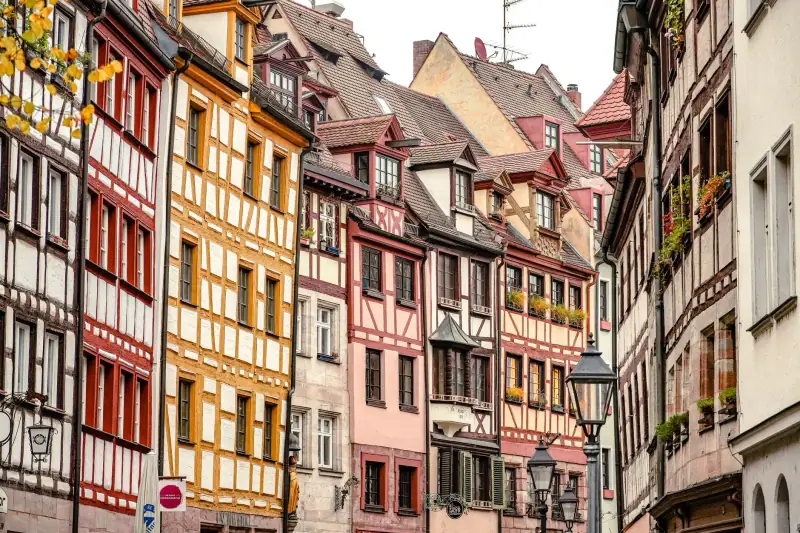
Where to stay in Nuremberg: neighborhoods and types of lodging
Which neighborhood to pick in Nuremberg? Altstadt, station, Gostenhof, Sankt Johannis, Südstadt: atmospheres, transport, lodging types and booking tips.
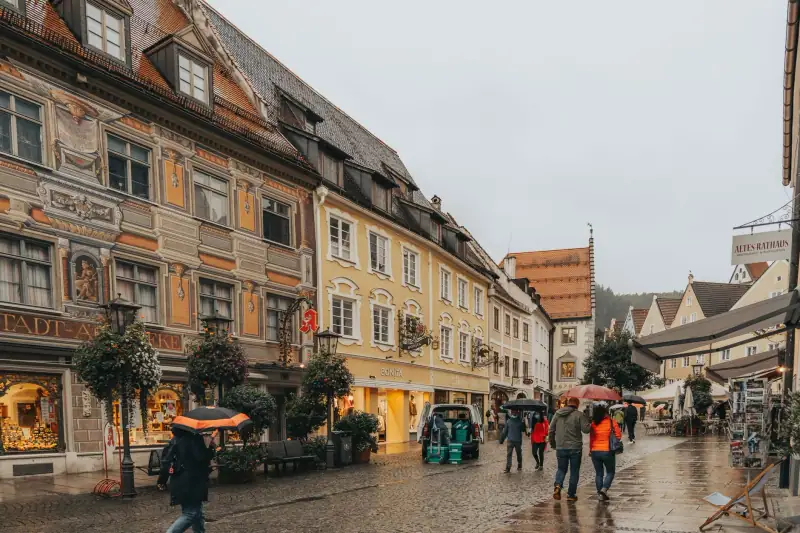
Where to stay in Füssen: areas and types of lodging
Where to stay in Füssen, near Neuschwanstein? Old town, station, Hohenschwangau, Schwangau, lakes: atmospheres, lodging types and tips for booking well.
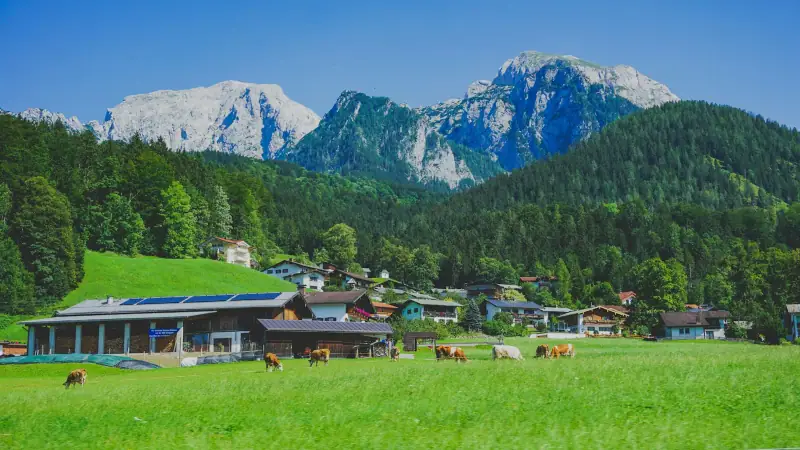
What to see in Bavaria: Munich, castles, the Alps and medieval towns
What to see in Bavaria: Munich, Neuschwanstein, the Romantic Road, Bamberg, Regensburg, Berchtesgaden and the Alps. Tips for planning your trip.
Ready-made
Germany itineraries
3 days
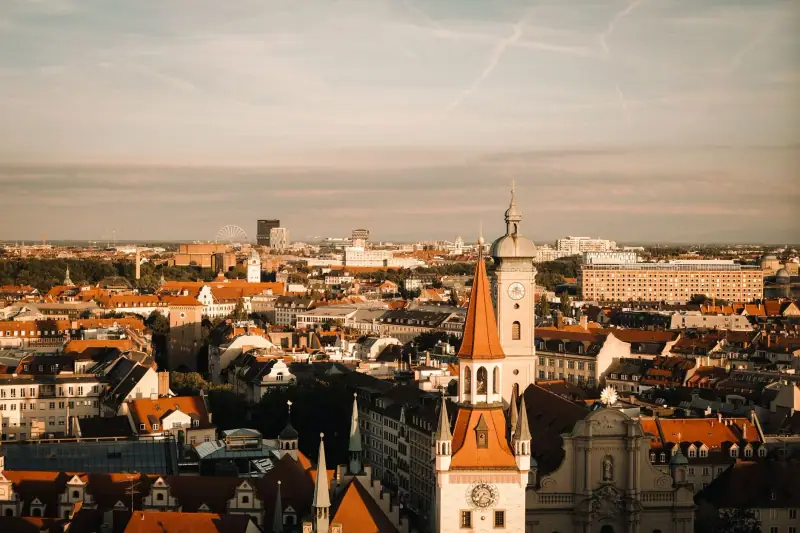
Munich in 3 days: an itinerary through the old town, museums and parks
What to do in Munich in 3 days? Marienplatz, Residenz, Englischer Garten, Nymphenburg, museums and beer halls: a day-by-day itinerary with practical tips.
3 days
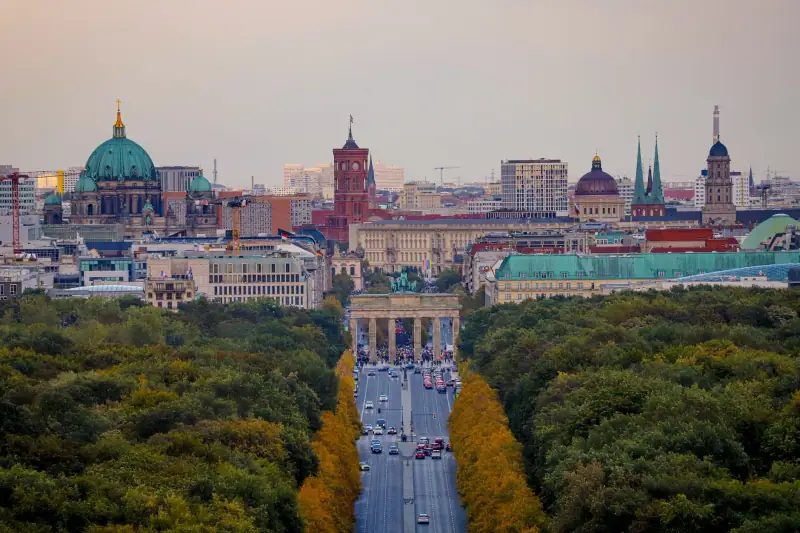
Berlin in 3 days: a day-by-day itinerary
What to see in Berlin in 3 days: Brandenburg Gate, Reichstag, Museum Island, Wall memorial, Potsdam and neighborhoods. A clear day-by-day itinerary.
3 days
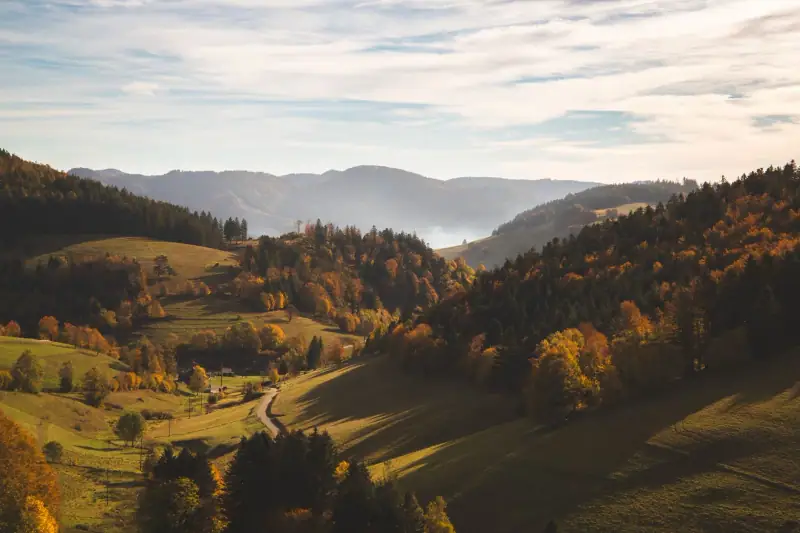
Black Forest in 3 days: a road trip itinerary from Baden-Baden to Freiburg
A 3-day Black Forest itinerary: Baden-Baden, Triberg, Gutach, Freiburg im Breisgau, Titisee and Feldberg. Stops, drives, tips and where to stay.