What to see
Visiting Bora Bora: a practical guide to planning your stay
We may earn a commission when you book through links on this page, at no extra cost to you. We don't visit or try the places we cover: we summarize published sources. How we work
In short
- Bora Bora is about 270 km (168 mi) northwest of Tahiti, reached by a domestic flight of about 50 minutes. The airport is on a motu, so a boat shuttle completes the trip.
- Three to four nights are enough to go around the island (about 30 km / 19 mi), enjoy the lagoon and add one or two excursions.
- The lagoon excursion (rays, blacktip sharks, snorkeling, lunch on a motu) is the outing that justifies the trip.
- You do not need an overwater bungalow: the lagoon, Matira Point and the excursions are reachable from the main island.
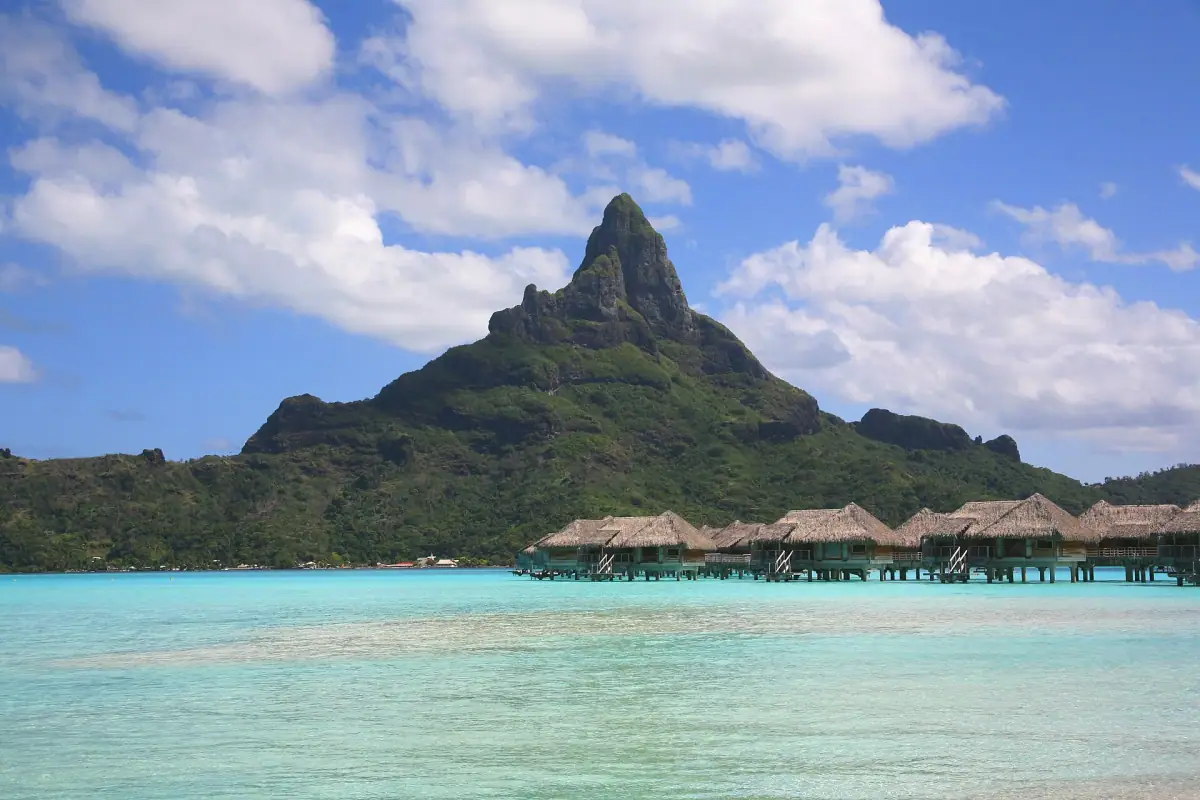
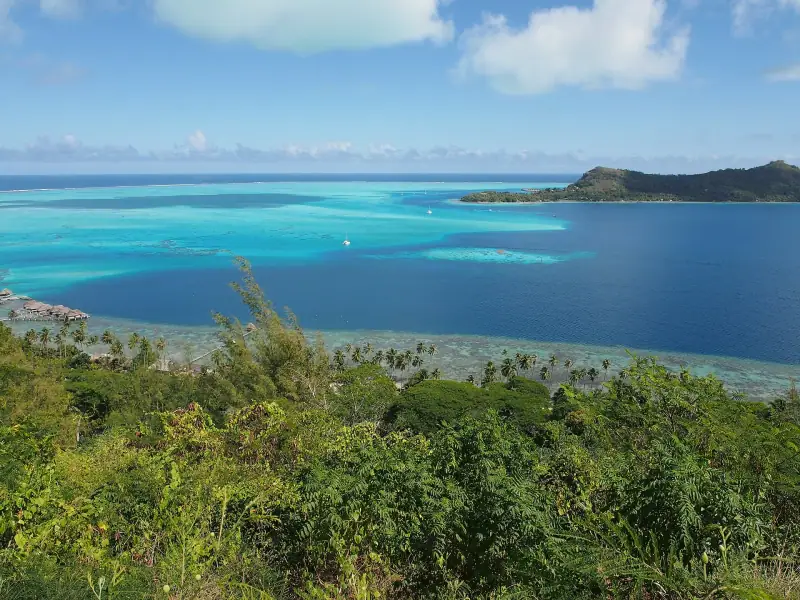
Bora Bora is one of the most famous images of French Polynesia: a lagoon in shades of blue, a volcanic silhouette at the center and a ring of small sandy islets. Yet behind the postcard, the island is much more than a honeymoon backdrop. You can hike here, dive, discover local history and stay without necessarily sleeping over the water. This guide helps you understand how to get there, what to see, where to sleep and how to organize your days.
Bora Bora at a glance: geography and atmosphere
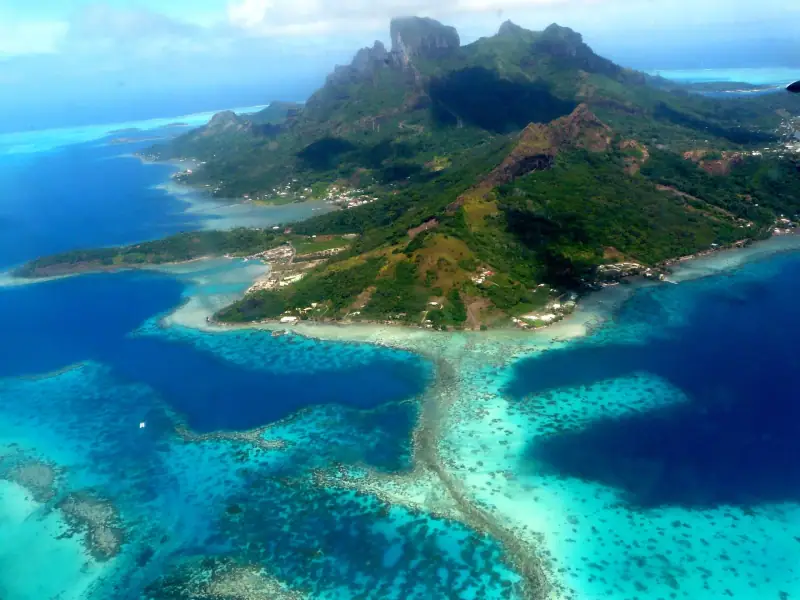
Bora Bora belongs to the Leeward Islands, in the Society archipelago. It is a high island of volcanic origin, surrounded by a lagoon protected by a barrier of motu, those small coral islets. It lies about 270 km (168 mi) northwest of Tahiti. The main island is fairly small: its ring road is about thirty kilometers (19 mi) long, which makes it easy to explore in a day.
The most emblematic point is Mount Otemanu, which rises to about 700 m (2,300 ft). Its summit is not accessible to ordinary hikers: the rock is unstable and the climb is reserved for experienced mountaineers. You admire it from the lagoon, the coast or the motu.
The main village, Vaitape, holds most of the shops, services, the shuttle dock and a few restaurants. The rest of the island is a mix of discreet villages, gardens, public beaches and hotels of all categories. The atmosphere is peaceful, more turned toward the water than toward nightlife.
How to get to Bora Bora
Flights to French Polynesia
Compare flights to reach Tahiti, the entry point of the trip.
The entry point is generally Tahiti. After a long-haul flight to Faa’a airport, near Papeete, you take a domestic flight to Bora Bora, about 50 minutes. This leg is operated by French Polynesia’s domestic airline and it is advisable to book it at the same time as the international flight, as seats can go quickly in high season.
One peculiarity often surprises travelers: Bora Bora’s airport is on a motu, not on the main island. On arrival, a boat shuttle takes you to Vaitape or straight to your hotel, depending on the package chosen. Check with your host how the arrival and return transfers work, including the times relative to your flight.
If your international flight arrives late, or your connection is tight, planning a night on Tahiti is often more comfortable. That way you avoid jet-lag fatigue and the risk of missing the domestic flight. Our guide to the best time to visit French Polynesia also helps you choose your dates.
Going around the island
The ring road is the simplest way to discover Bora Bora. It follows the lagoon, passes through villages and offers many viewpoints of Mount Otemanu. You can cover it by car, scooter, bike or on a guided “truck” excursion, those small open vehicles common across the Pacific.
Plan half a day if you stop often, and a full day if you add a swim and a meal. Here is what is worth including:
- Viewpoints over the lagoon: many stops let you photograph Mount Otemanu and the motu.
- World War II remains: the island served as a logistics base for US forces from 1942. A few guns remain on the heights, and guided tours let you see them.
- Marae, ancient Polynesian places of worship, some of which are signposted on the island.
- Small shops and stalls along the road, where you find fruit, crafts and sometimes fish.
Cycling is pleasant, as the road is mostly flat, but the heat and sun call for an early start and carrying water.
The lagoon, Bora Bora’s real attraction
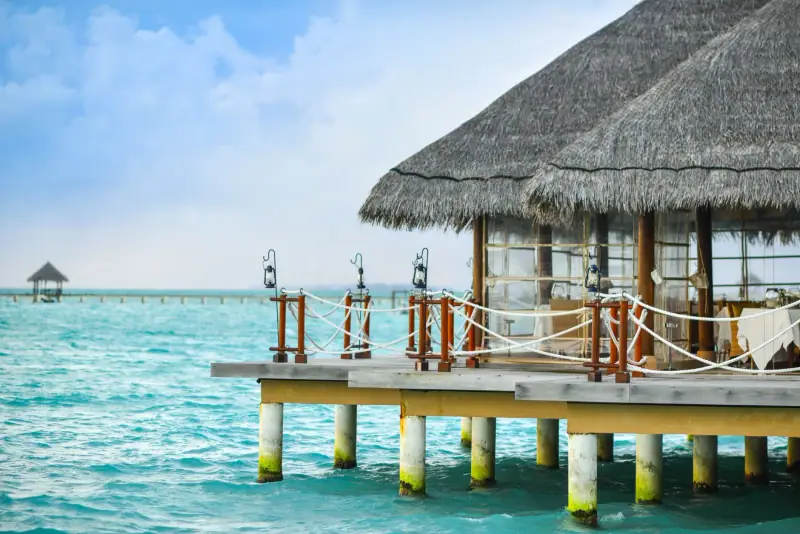
The lagoon is the main reason for the visit. It is generally calm, shallow over wide areas and very clear. Boat excursions are therefore central to the experience.
Rays, sharks and snorkeling
Most half-day or full-day excursions combine several stops: a stingray viewing area, a spot frequented by blacktip sharks and a snorkeling site on the coral heads. These animals are used to boats, but remain wild. Follow the guide’s instructions, do not touch the coral and do not feed the animals yourself.
Lunch on a motu
Many outings stop on a motu for a lunch of grilled fish and fruit, often prepared there. It is a good way to taste local food; our article on Polynesian specialties and raw fish will help you choose what you like.
Diving
The lagoon and the outside of the barrier offer popular dive sites, with rays, sharks and reef fish. The island’s dive centers offer introductory dives as well as outings for certified divers. For diving on the atolls, which is wilder, see our guide to diving in Rangiroa and Fakarava.
Beaches: Matira and the others
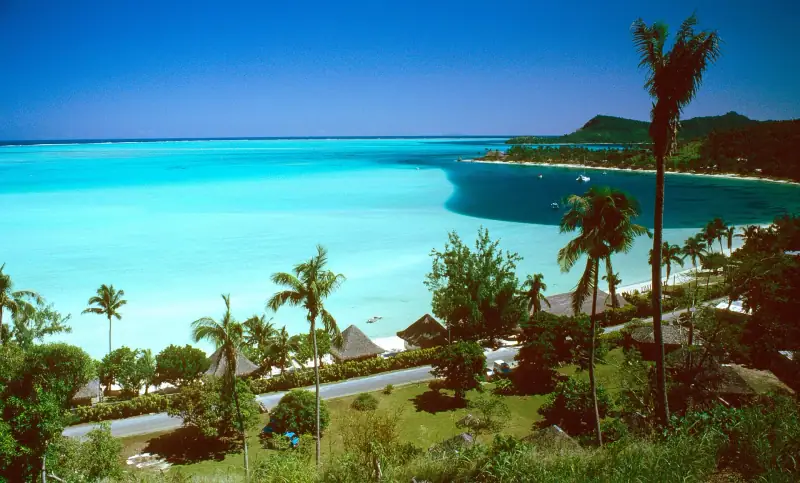
Bora Bora does not have long wild beaches along its whole coast, but it has one very well-known spot: Matira Point, in the south of the island. Its pale sand and shallow water make it one of the few easily accessible public beaches, away from the overwater hotels. People come to swim, stroll and watch the sunset.
The motu offer other beaches, but access generally depends on a boat or a hotel. If you want to sleep on a motu, keep in mind that transfers are by boat, with schedules to respect when going out to dinner or returning to the main island.
Hikes and viewpoints
The island is not a major hiking destination, but a few outings are possible. Some walks, often led by local guides, take you up to the heights to look down on the lagoon. Others follow former military paths or cross tropical vegetation.
A few tips:
- Preferably choose a guided outing, as the trails are not always marked.
- Start early in the morning, when the heat is bearable.
- Bring water, sunscreen and good shoes.
- Turn back if it rains: the trails become slippery.
Visiting Bora Bora in 2 or 3 days: a sample program
If you are looking for how to visit Bora Bora without spending a week there, the island suits a short stay well, provided you group your outings. Here is a realistic sequence, to adapt to your flight times and the weather.
- Day 1, the island loop: arrival, shuttle transfer from the airport motu, then the ring road late in the day. Finish with sunset at Matira Point.
- Day 2, the lagoon: full-day boat excursion with stops for rays, blacktip sharks, snorkeling and lunch on a motu. This is the outing that justifies the trip: if you do only one, choose this one.
- Day 3, at your own pace: a dive or introductory dive, a guided visit of the World War II remains, or simply a beach day before the return flight.
With only two nights, keep the island loop and the lagoon excursion, and leave the rest. Leave some margin before the return domestic flight: the boat transfer to the airport is part of the travel time. For a longer stay or one combined with other islands, our 8-day Leeward Islands itinerary details the sequence with Huahine and Raiatea.
Visiting Bora Bora without sleeping in an overwater bungalow
Many travelers think you have to book a bungalow on the water to enjoy Bora Bora. That is not the case: the lagoon, Matira Point and the excursions are accessible from the main island, and the boat outings leave from Vaitape and from several accommodations.
Sleeping on the main island has three concrete advantages:
- A more manageable budget, since lodging is the first expense item.
- More freedom in the evening, without depending on a shuttle to go to dinner.
- Simple access to the ring road, the shops and Vaitape’s snack bars.
If you want the overwater experience, a compromise is to spend a single night there at the end of the stay and lodge elsewhere the rest of the time. Our guide where to stay in Bora Bora: overwater, hotel or guesthouse compares these options in detail, and the one on Maupiti, the quieter neighbor offers an alternative to add to the stay.
Where to stay in Bora Bora
Where to stay in Bora Bora
Compare guesthouses, hotels and bungalows for your dates.
Lodging is the main expense item. There are three main families.
Overwater bungalows
This is the classic image of Bora Bora. These bungalows on the lagoon edge or over the water are expensive and in high demand. They suit travelers who want to make the lodging part of the experience: lagoon view, direct water access, full services.
Hotels and residences on the main island
More accessible, these places let you stay near Vaitape or the ring road. They suit travelers who want to combine swimming, excursions and restaurants without depending on a boat every evening.
Family guesthouses
Staying in a guesthouse is a more affordable option and closer to local daily life. It is less common here than on Moorea or on the atolls, but it exists. Our guide to family guesthouses in French Polynesia explains how to read reviews, included meals and transfers.
What budget to plan?
Bora Bora is one of the most expensive islands in French Polynesia. Prices vary greatly with the season and type of lodging, and it is hard to give reliable figures without checking current rates. Here instead are the items to watch:
- Lodging: a very large gap between guesthouse, island hotel and overwater bungalow.
- Meals: most products are imported, which raises restaurant prices. Half board can be economical if offered.
- Transfers: airport shuttle, trips between the motu and the main island.
- Excursions: lagoon tour, diving, guided visits. Compare packages and look at what is included.
- The domestic flight: book early.
To limit spending, sleep on the main island, eat sometimes at snack bars and food trucks, and choose one or two big excursions rather than multiplying small outings.
When to go to Bora Bora
The dry season, generally May to October, is the most pleasant: less rain, milder temperatures and a calmer sea. The wet season, from November to April, is hotter and rainier, but it also offers sunny days and sometimes lower rates. To compare month by month, see our article on when to go to French Polynesia.
Combining Bora Bora with other islands
Sleeping on Tahiti before the flight
A night in Papeete simplifies the connection to Bora Bora.
Bora Bora fits very well into a multi-island trip. The most common pattern is to arrive on Tahiti, spend a few nights on Moorea, then head to the Leeward Islands. Our three-day Moorea itinerary can serve as a base for that stage.
Travelers who want to avoid the crowds can complete the stay with Huahine or Raiatea, which are calmer, before finishing with a day or two on Tahiti. If you like diving, a detour to the Tuamotu is easy to add.
Our tips for a successful stay
- Book early: domestic flights, lodging and excursions go quickly in high season.
- Plan a comfortable budget: better to shorten the stay than to spoil it by skimping on transfers.
- Protect yourself from the sun: reef-friendly sunscreen, hat, sunglasses and UV-protective shirt.
- Respect the lagoon: do not touch the coral, do not take away shells or sand.
- Check transfers: as the airport is on a motu, confirm the shuttle time before each departure.
- Stay flexible: tropical weather can change a boat outing.
Bora Bora can be a dream stay or a disappointment if you come unprepared. With a few well-chosen nights, a lagoon excursion and a little time to do nothing, it largely lives up to its reputation.
Frequently asked questions
How long do you need to visit Bora Bora?
Three to four nights are enough to go around the island, enjoy the lagoon and add one or two excursions. If you mostly want to rest, five nights let you avoid rushing anything.
How do you get to Bora Bora from Tahiti?
The most common way is the domestic flight from Papeete, about 50 minutes. The airport is on a small islet (motu): a boat shuttle then takes you to the main island or the hotels.
Is Bora Bora only for wealthy travelers?
No. The overwater hotels are very expensive, but the island also has family guesthouses and simpler lodging. You do need to plan a high budget for meals and excursions, though.
What is the best time to visit Bora Bora?
The dry season, generally May to October, offers steadier and less humid weather. The rainy season, from November to April, is still workable but more changeable.
Do you need to rent a car in Bora Bora?
It is not essential. The ring road is short, and you can do it by bike, scooter or car. Many travelers combine local transport with organized boat outings.
Can you swim with rays and sharks?
Yes, lagoon excursions offer watching and snorkeling with rays and blacktip sharks. Choose a reputable operator, follow the instructions and do not feed the animals.
What should you visit in Bora Bora in two days?
Devote one day to the island loop on the ring road, with a stop at Matira Point, and one day to the lagoon excursion: rays, blacktip sharks, snorkeling and lunch on a motu.
Can you visit Bora Bora without sleeping in an overwater bungalow?
Yes. The lagoon, public beaches and excursions are accessible from the main island, where you find hotels, residences and guesthouses far cheaper than the overwater bungalows.
More French Polynesia guides
Keep reading
Complete guide to visiting French Polynesia: islands, budget, tips
Visiting French Polynesia: islands not to miss, when to go, getting there, where to stay, budget and itineraries. The pillar guide to plan your trip.
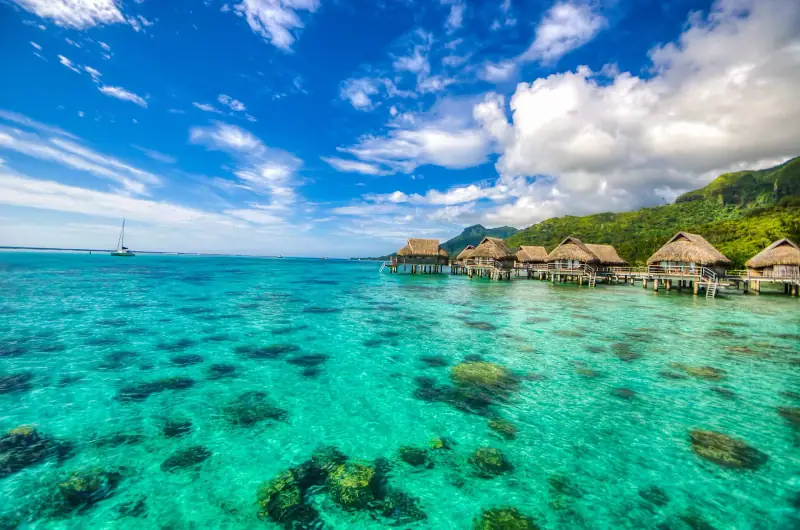
Visiting Tahiti: what to see and do on the main island
What to see on Tahiti: Papeete and its market, island loop, waterfalls, Point Venus, Teahupo'o and the peninsula. Itinerary, transport, budget and tips.
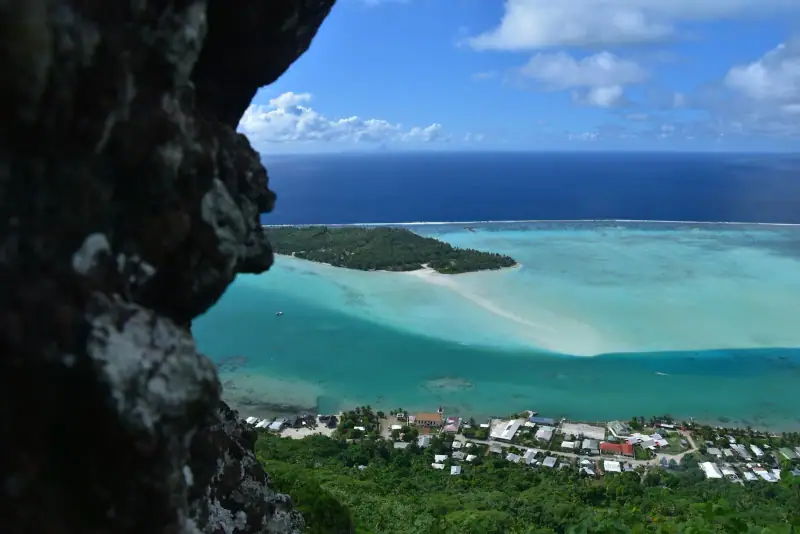
Maupiti: how to get there from Bora Bora by boat or plane
Maupiti from Bora Bora: ferry or plane, duration, a pass sometimes closed by swell, how many nights to plan, what to see on the island and where to stay.
Ready-made
French Polynesia itineraries
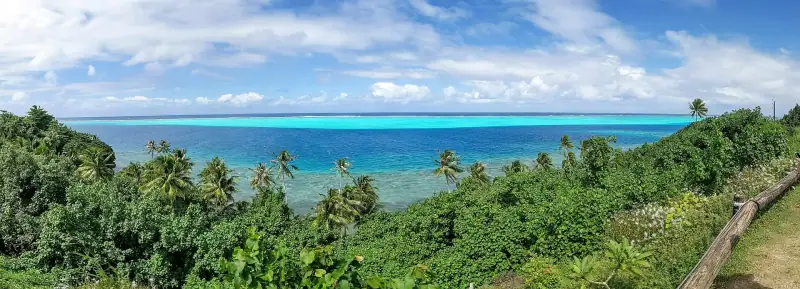
8 days
8-day Leeward Islands itinerary: Huahine, Raiatea, Taha'a and Bora Bora
An 8-day Leeward Islands itinerary: Huahine, Raiatea, Taha'a and Bora Bora, with transport, stays, excursions, budget and tips for linking the islands.
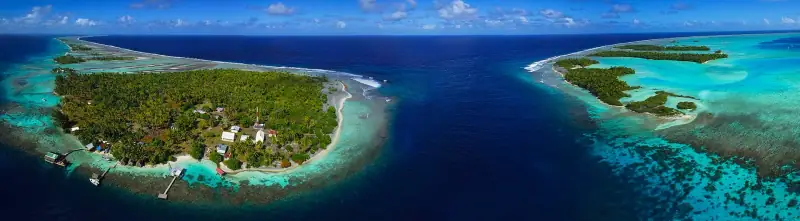
7 days
7-day Tuamotu itinerary: Rangiroa, Tikehau and Fakarava
Plan 7 days in the Tuamotu: Rangiroa, Tikehau and Fakarava in family guesthouses, Air Tahiti flights, diving, snorkeling, budget and atoll tips.
10 days
10-day French Polynesia itinerary: Tahiti, Moorea and Bora Bora
TahitiMooreaBora Bora