What to see
Complete guide to visiting French Polynesia: islands, budget, tips
We may earn a commission when you book through links on this page, at no extra cost to you. We don't visit or try the places we cover: we summarize published sources. How we work
In short
- French Polynesia has 118 islands and atolls in five archipelagos. All international flights land at Tahiti-Faa'a airport, near Papeete.
- Allow at least ten days to combine Tahiti, Moorea and a Leeward island such as Bora Bora; two weeks lets you add a Tuamotu atoll.
- The dry season, roughly May to October, is the most stable. July and August are the busiest and most expensive.
- The currency is the Pacific franc (XPF), about 119 XPF to the euro. Family guesthouses are far cheaper than overwater hotels.
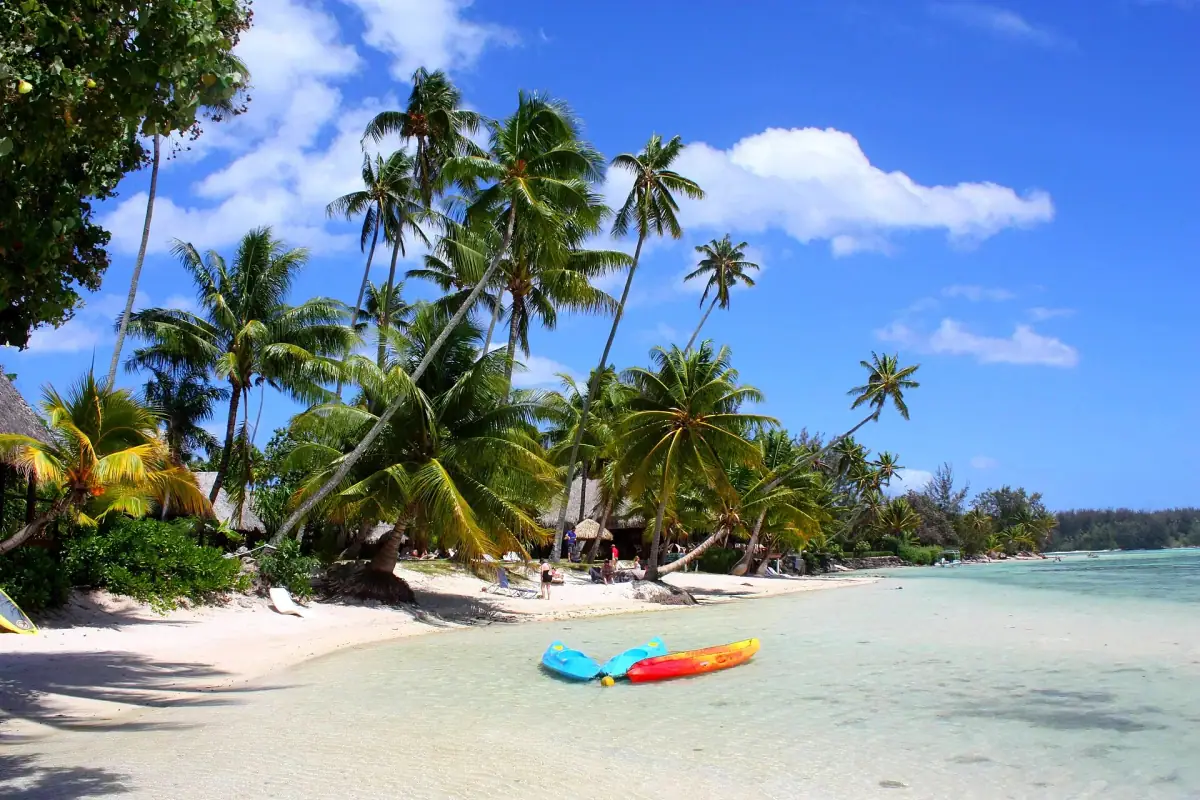
French Polynesia evokes images that seem almost too perfect: a turquoise lagoon, a volcanic silhouette, an outrigger canoe and palm trees. Yet behind the postcard lies a huge territory made up of islands very different from one another, with their own landscapes, rhythms and budgets. Choosing where to go, how long to stay and how to organize your trip takes a little method.
This complete guide is the site’s reference article. It presents the destination, its five archipelagos, the highlights, the best time to go, getting there, ways of getting around, types of accommodation and budget. At each step, it points to our detailed articles to go deeper on a specific topic.
About French Polynesia
French Polynesia is a French overseas collectivity located in the heart of the South Pacific, thousands of kilometers from any continent. It groups 118 islands and atolls spread over five archipelagos. The land areas are tiny, but the whole spans a stretch of ocean comparable to the area of Europe, which explains the importance of planes and boats in daily life.
The population is about 280,000, overwhelmingly concentrated on Tahiti, the main island. French and Tahitian (reo tahiti) are spoken, and you will quickly hear the first words of welcome: Ia ora na to say hello, Mauruuru to say thank you. Polynesians call their country fenua, a word that means land, country and community at once.
For a traveler, French Polynesia is a destination of lagoons, volcanoes and Oceanic culture. It can be explored on foot or by boat, diving or by bike, and suits honeymoons as well as family trips or trips with friends. The key point: this is not a “one island, one week” destination. Each archipelago offers its own experience, and a successful stay mostly comes down to choosing the right stops.
Currency and local time
The currency is the Pacific franc (XPF), pegged at a fixed rate to the euro: about 119 XPF to 1 euro. A handy rule of thumb is to divide prices by 120 to get a rough euro figure; check a current exchange rate for your own currency. As for the clock, local time does not change with the seasons. Allow two or three days to adjust to the time difference.
The five archipelagos at a glance
To find your way, you need to understand the geography. The five archipelagos do not share the same geology or atmosphere, and that is what makes the possible combinations so varied.
The Windward Islands: Tahiti and Moorea
The Windward Islands form the eastern part of the Society archipelago. They include Tahiti, with the capital Papeete and the international airport, and Moorea, its neighbor, reachable by ferry or a few minutes by plane. This is the administrative, economic and tourist heart of the country. The relief is spectacular, with vegetation-covered peaks, deep valleys and waterfalls.
The Leeward Islands: Bora Bora, Huahine, Raiatea and Taha’a
Farther west, the Leeward Islands gather Bora Bora, Huahine, Raiatea and Taha’a. They are reached by domestic flight from Tahiti. This is where you find the most famous lagoons, motu (coral islets) and major cultural sites. These islands are ideal for combining relaxation and discovery.
The Tuamotu: the atolls
The Tuamotu are a vast group of atolls, those coral rings that encircle a lagoon. Rangiroa, Fakarava and Tikehau are among the most visited. The mood is wilder, there is almost no relief and the sea is the star: diving, snorkeling, pink beaches and white sand.
The Marquesas: wild Polynesia
In the northeast, the Marquesas are high islands with dizzying cliffs, deep valleys and landscapes profoundly different from the rest of the country. There is almost no lagoon, but raw nature, archaeological sites and a strong cultural identity. Nuku Hiva and Hiva Oa are the best-known islands. The artist Paul Gauguin and the singer Jacques Brel are buried on Hiva Oa.
The Austral Islands: authenticity in the south
In the south, the Austral Islands, with Rurutu and Tubuai, remain little visited. They are appreciated by travelers looking for calm, hiking and, depending on the season, humpback whale watching. Note also the Gambier Islands, very remote and rarely included in a first trip.
Tahiti and Papeete: the country’s gateway
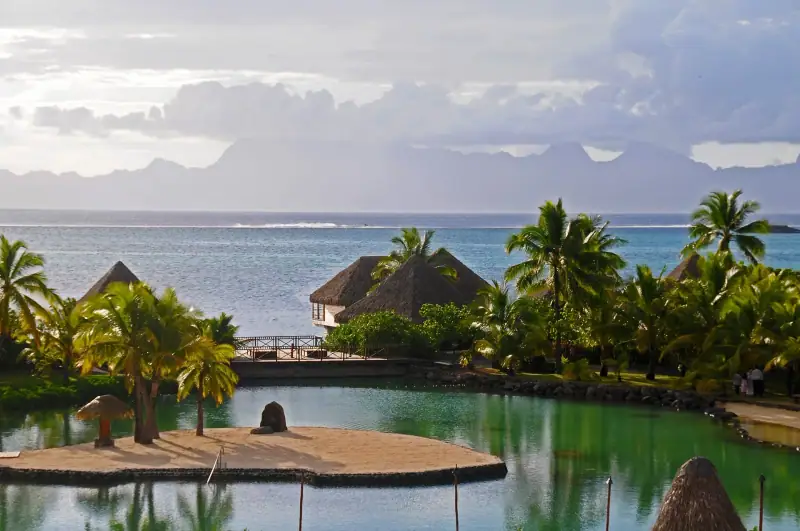
All international flights land at Tahiti-Faa’a airport, near Papeete. Many travelers stay only one night before heading to another island, which is a pity: Tahiti deserves one to three days.
Papeete is the capital and the country’s largest city. Its waterfront, central market and food trucks (set up in the evening on the harbor) give a first taste of Polynesian life. The market is the ideal place to feel the local atmosphere: flowers, fruit, fish, crafts, monoi and pearls.
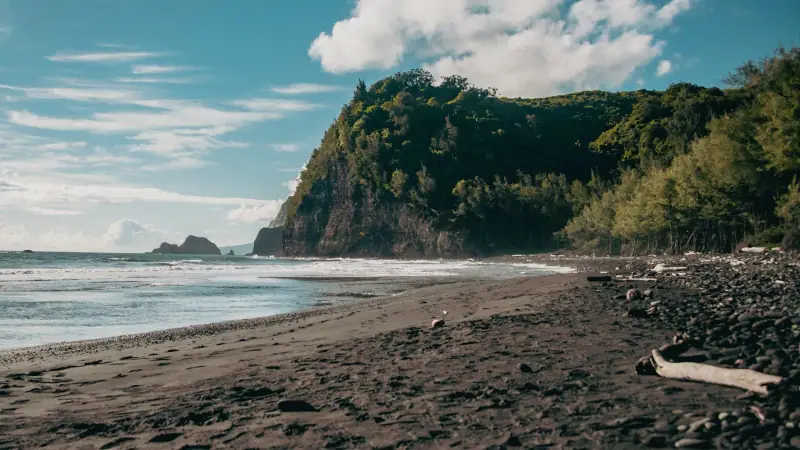
Beyond the capital, the island of Tahiti has a ring road that takes you to black-sand beaches, waterfalls, gardens, cultural sites and the wilder Tahiti Iti peninsula. The inland valleys can be reached on a guided excursion or by 4x4.
To plan your days there, read our guide to visiting Tahiti and what to see and do on the main island.
Moorea: nature 30 minutes from Tahiti
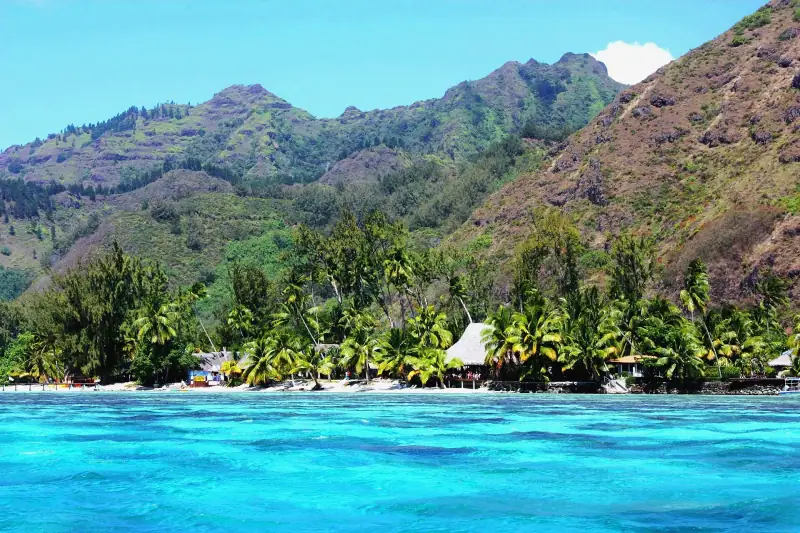
Moorea is often nicknamed Tahiti’s “sister island”. You can see it from Papeete, and the ferry crossing takes about 25 to 45 minutes depending on the boat. It is perfect as a first approach to French Polynesia: jagged mountains, two big deep bays, pineapple plantations, hiking trails, an easy-access lagoon and a very varied range of accommodation, from family guesthouses to lagoon-side hotels.
The island loop, about 60 km (37 mi), is done by car, scooter or bike. There are many viewpoints over the mountains, bays and lagoon. Typical activities are snorkeling with rays and blacktip sharks, hiking to a belvedere, watching dolphins and, from about July to October, humpback whales.
If you have little time, Moorea is the most rewarding choice: it offers maximum variety for minimum transport. Our three-day Moorea itinerary gives a day-by-day program, from the island loop to hikes and lagoon activities.
Bora Bora: the world’s most famous lagoon

Bora Bora is the island that makes people dream, with Mount Otemanu rising above a lagoon of many shades of blue. It lies about 270 km (168 mi) northwest of Tahiti, reached by a domestic flight of about 50 minutes. The airport is on a motu, which means a short boat shuttle to reach the main island.
People come for lagoon excursions, snorkeling, diving, beaches like the one at Matira Point, and sunsets. The island is also known for its overwater hotels, but it is possible to stay in more modest lodging. The ring road is about thirty kilometers (19 mi) long, so it can be covered in a day.
Our article on visiting Bora Bora details access, activities and the accommodation to consider. Keep in mind that it is advisable not to spend too many nights there if your budget is tight: three or four nights are generally enough to enjoy it.
Huahine, Raiatea and Taha’a: authentic Polynesia
Next to Bora Bora, three islands deserve a detour, especially if you are looking for more calm.
Huahine is often described as the quietest and greenest of the Leeward Islands. It is actually two islands joined by a small bridge, surrounded by a lagoon. It is appreciated for its archaeological sites, peaceful villages and lagoon excursions. It is a good choice for travelers who want to get away from the crowds.
Raiatea is considered the sacred island of Polynesia. The Taputapuatea site, a group of marae (places of worship and gathering), has been a UNESCO World Heritage site since 2017. It is one of the most important cultural places in the Pacific. The island is also a major yachting center.
Taha’a, which shares the same lagoon as Raiatea, is nicknamed the “vanilla island” because of its plantations. You can visit vanilla and pearl farms there, and find motu appreciated for their calm.
These islands are reached by flight from Tahiti, and Raiatea and Taha’a are easily linked to each other by boat. They suit a stop of a few days in a family guesthouse.
Rangiroa and Fakarava: the Tuamotu atolls
Excursions and activities in French Polynesia
Lagoon, snorkeling, diving and boat trips to book in advance.
Atolls are an experience apart. Rangiroa is one of the largest atolls in the world, with a lagoon so vast it feels like being out at sea. It is known for pass diving, where you meet sharks, rays and reef fish, as well as for snorkeling and excursions to beaches and secondary lagoons.
Fakarava is a UNESCO biosphere reserve. The atoll is known for its passes, very rich in marine life, and for its peaceful atmosphere. Activities include diving, snorkeling, cycling on the main road and discovering small villages.
These destinations suit people who love the sea and quiet, not those looking for hikes or cultural sites. For diving, see our article on diving in Rangiroa and Fakarava, which presents the passes, the animals you meet and safety tips.
Keep in mind that food is often more expensive on the atolls, as almost everything arrives by boat or plane. It is therefore best to book a meal plan at your guesthouse.
The Marquesas and the Austral Islands: going further
If you have three weeks or are returning to French Polynesia, these two archipelagos broaden the horizon.
In the Marquesas, the trip is above all on land: hiking, cliffs, horses, valleys, archaeological sites and crafts (wood and stone carving, traditional tattooing). Distances between islands and the scarcity of flights call for careful organization. Some travelers choose a mixed cargo ship to discover several islands of the archipelago, an out-of-the-ordinary experience that requires flexibility.
In the Austral Islands, Rurutu and Tubuai offer gentle landscapes, limestone cliffs, caves and preserved village life. Rurutu is particularly known for humpback whale watching, in season.
In both cases, plan inter-island flights booked well in advance, family guesthouse accommodation and a good margin in your schedule to absorb possible delays.
What to see and do: the highlights
Here is a selection to build your program around your interests.
- The lagoon: snorkeling, kayaking, paddleboarding, boat trips with a stop on a motu. This is the central experience of any stay.
- Diving: Tuamotu passes, drop-offs around Moorea and Bora Bora, watching sharks and rays.
- Hiking: Moorea’s belvederes, Tahiti’s valleys, trails in the Marquesas and Austral Islands. Go with a guide for routes at altitude.
- Polynesian culture: marae, dance, song, tattooing, crafts. The Heiva, the big festival of traditional dance and song, takes place every year on Tahiti, generally in July.
- Humpback whales: they can be watched from about July to October, with guided outings respecting distance rules.
- The Tahitian pearl: visit a pearl farm on Taha’a, in the Tuamotu or on Tahiti.
- Surfing: the Teahupo’o spot, south of Tahiti, is known worldwide and hosted the surfing events of the Paris 2024 Olympic Games; to watch the wave without surfing, read our guide to Teahupo’o, access and the boat trip.
- Local food: raw fish in coconut milk, ma’a tahiti, tropical fruit. Our article on specialties and raw fish tells you what to taste and where.
The idea is not to do everything. Choose three or four activities that really appeal to you and organize your itinerary around them.
When to go to French Polynesia
French Polynesia has a tropical climate, with two main seasons.
- The dry season, roughly May to October: milder temperatures, less humidity, steadier weather. This is the most sought-after period, especially in July and August, with higher prices and accommodation that fills up fast.
- The wet season, roughly November to April: hotter, more humid and stormier, with sometimes intense showers. Nature is very green, rates can be lower and the transition months (April, May, November) are often appreciated.
The climate varies by archipelago, and the Marquesas or the Tuamotu do not follow exactly the same pattern as Tahiti. Cyclones are possible in the hot season, though rare. Consider insurance that covers cancellation.
Events also affect the ideal date: humpback whales between July and October, Heiva festivities in July. Our dedicated article goes month by month through the pros and cons: see it to choose the best time to go to French Polynesia.
Getting to French Polynesia
The journey is long. All international flights land at Tahiti-Faa’a airport, near Papeete, often early in the morning or in the evening.
A few tips for this trip:
- Book early: the ticket is the biggest item of the budget, and fares rise ahead of school holidays and summer.
- Plan a night on Tahiti on arrival if your connection to another island is tight.
- Check the entry conditions of any stopover: if you connect through another country, an additional travel document may be required depending on your nationality.
- Keep a complete carry-on bag: a change of clothes, medicines, chargers and documents.
Entry rules depend on your passport. Check the official travel advice of your government before you book: travel.state.gov (US), GOV.UK (UK), travel.gc.ca (Canada), Smartraveller (Australia) (checked November 2026).
Getting around French Polynesia
Getting around is part of the experience, and it must be built into your schedule and budget.
Between the islands
The plane is the main means of transport to reach distant islands. The domestic airline serves the Leeward Islands, the Tuamotu, the Marquesas and the Austral Islands. It offers combined fares between several islands, often better value than tickets bought separately. Book them at the same time as your international flight if possible, as seats go quickly in high season.
The ferry links Tahiti and Moorea, with a crossing of about 25 to 45 minutes depending on the boat. It is the cheapest option. A short flight is also available, handy if you arrive from afar. For the distant archipelagos, some mixed cargo ships accept passengers: interesting for flexible, curious travelers.
On the ground
On the main islands, a rental car or scooter is practical for going around the island at your own pace. On Tahiti and Moorea, it is almost essential if you want to see several sights in one day. On Bora Bora, a bike or a group excursion is often enough. On the atolls, you get around mostly by bike, on foot or by boat. Guesthouses often arrange transfers from the airport or the dock.
A few useful rules: drive on the right, respect speed limits (often low), avoid driving at night on poorly lit roads and carry cash for small rentals or local taxis.
Where to stay in French Polynesia
Accommodation is the item where your choice changes the budget most. There are four main families.
- Family guesthouses: rooms or bungalows with a local family, a warm welcome and often meals served there. They offer the best value and direct contact with local culture.
- Lagoon-side hotels: classic comfort, pool, restaurant and activities. Practical for families.
- Overwater bungalows: the most famous image of French Polynesia, at high rates. One or two nights are enough to treat yourself to the dream.
- Rentals and residences: studios or houses with a kitchen, useful for long stays and families.
A good strategy is to alternate: a few nights in family guesthouses for discovery and savings, then a more luxurious stop on the island you dream of. Book early, especially for July-August and school holidays, as small properties have few rooms.
To compare options, read our guide to family guesthouses in French Polynesia, which explains how to choose according to the island and type of stay.
Stays in French Polynesia
Compare guesthouses, hotels and bungalows for your dates.
What budget to plan
French Polynesia has a reputation for being expensive, and that is partly justified: remoteness, the import of many products and the cost of domestic transport weigh on prices. But the gap is huge depending on travel style.
The main expense items are:
- The international flight, often the heaviest.
- Inter-island flights or ferries, which add up with each island you add.
- Accommodation, with a considerable gap between a guesthouse and a luxury hotel.
- Meals, expensive, except at food trucks, markets and guesthouse meal plans.
- Activities, from free hiking to paid excursions and dives.
A few levers to control the bill: travel outside peak seasons, limit the number of islands, choose family guesthouses with half board, eat at food trucks and buy local products. Rather than comparing single prices, compare complete packages.
Our article on the budget for a trip to French Polynesia details each item and gives concrete ways to save. Always check current rates before booking, as they change with the season and the airlines.
Which itinerary to choose by length of stay
The best itinerary depends on your time and tastes. Here are simple benchmarks.
- One week: Tahiti and Moorea, or Tahiti and a Leeward island. This is a minimum, and it requires limiting transfers.
- Ten days: Tahiti, Moorea and Bora Bora. This is the classic route, well balanced between nature, culture and lagoon. Our ten-day itinerary details it step by step.
- Two weeks: add Huahine or an atoll such as Rangiroa or Fakarava, to change the mood.
- Three weeks and more: widen to the Marquesas or the Austral Islands, or simply take more time on each island.
A golden rule: do not multiply the islands. Each change of island eats half a day between transfers, waiting and settling in. Three or four stops fully lived are better than seven skimmed.
Practical tips before you go
A few habits make the trip simpler.
- Health: ask your doctor or a travel clinic, and see the official travel health pages (CDC in the US, TravelHealthPro in the UK). Bring protection against mosquitoes. Care is comprehensive on Tahiti but more limited on remote islands, hence the value of good travel insurance.
- Sun: the sun is very strong. Use sunscreen suited to marine environments and wear a UV-protective shirt for snorkeling.
- Respect for the environment: do not touch the coral, do not feed the animals, and respect local rules about marae and private property. Many motu and plots of land are private.
- Money: cards are accepted in the main establishments, but keep cash in Pacific francs for markets, food trucks and guesthouses.
- Electricity: check the socket type and voltage against your devices, and ask your accommodation about its equipment.
- Network: coverage is good on the main islands and more patchy on the atolls and remote archipelagos. Check your carrier’s international plan or use a travel eSIM.
- Pace: adopt the local pace. Days start early, meals are often earlier, and slowness is part of the trip.
All our guides to prepare your trip
To go further, here are the articles available on the site, grouped by theme.
Destinations
Itineraries
Practical
- When to go to French Polynesia
- Budget for a trip to French Polynesia
- Formalities: passport, health, insurance, customs
Accommodation
Activities
- Diving in Rangiroa and Fakarava
Food
- What to eat in French Polynesia: raw fish and specialties
More articles will complete this list over the months: keep checking the site before you leave.
Mistakes to avoid
To finish, here are the most frequent traps for travelers planning a first stay.
- Trying to see everything: the distance between islands is deceptive on a map. Limit yourself to three or four stops.
- Booking the inter-island flight too late: seats are limited and fares rise in high season.
- Neglecting the first night: after a long journey, a late arrival followed by a connection is exhausting. Plan a night on Tahiti.
- Underestimating the meal budget: without a guesthouse meal plan, meals weigh heavily. Alternate food trucks, markets and restaurants.
- Forgetting insurance: cancellation, repatriation and medical costs are essential protections for this destination.
- Ignoring local weather: even in the dry season, a rainy day can come. Keep a spare day for important activities.
Frequently asked questions
How long do you need to visit French Polynesia?
Plan at least ten days to combine Tahiti, Moorea and a Leeward island such as Bora Bora. Two weeks lets you add a Tuamotu atoll without rushing. With three weeks, you can consider the Marquesas or the Austral Islands.
What is the best time to go to French Polynesia?
The dry season, from about May to October, is the most stable and pleasant. The wet season, from November to April, is still workable but hotter, rainier and more changeable depending on the island.
How much does a trip to French Polynesia cost?
The international flight is the biggest expense, followed by accommodation and inter-island flights. The gap between a family guesthouse and an overwater hotel is very large: the choice of islands and lodging can make the budget vary threefold or more.
Do you need a visa or a passport for French Polynesia?
Entry rules depend on your passport. Check the official travel advice of your government before you book: travel.state.gov (US), GOV.UK (UK), travel.gc.ca (Canada), Smartraveller (Australia) (checked November 2026).
Can you travel in French Polynesia without booking a luxury hotel?
Yes. Family guesthouses are found on most islands and offer good value, with a warm welcome and often meals served there. They let you save luxury hotels for a single stop of the trip.
How do you get between the islands?
Between Tahiti and Moorea, the ferry or a very short flight works. For the other archipelagos, the domestic airline is the most common way. Some distant destinations, such as the Marquesas, can also be reached by mixed cargo-passenger ship.
Which island should you choose for a first trip?
Many travelers combine Tahiti for culture and landscapes, Moorea for nature and Bora Bora for the lagoon. If you like diving, add Rangiroa or Fakarava; if you prefer calm, Huahine is a good choice.
More French Polynesia guides
Keep reading
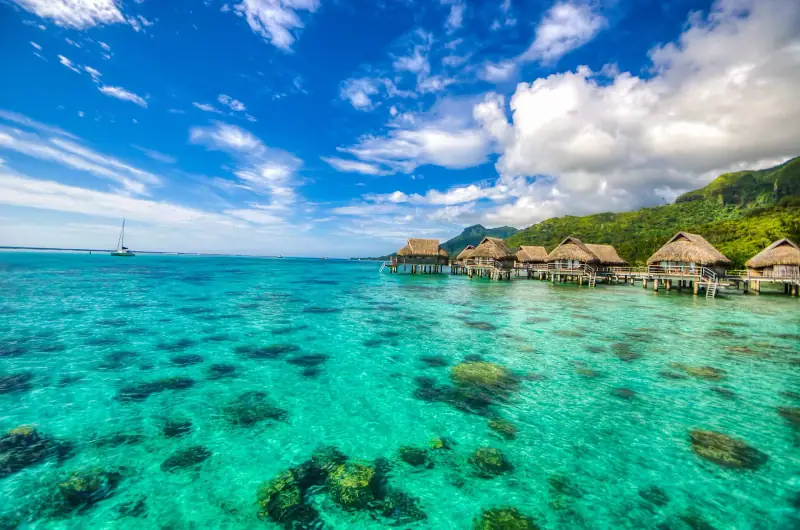
Visiting Tahiti: what to see and do on the main island
What to see on Tahiti: Papeete and its market, island loop, waterfalls, Point Venus, Teahupo'o and the peninsula. Itinerary, transport, budget and tips.
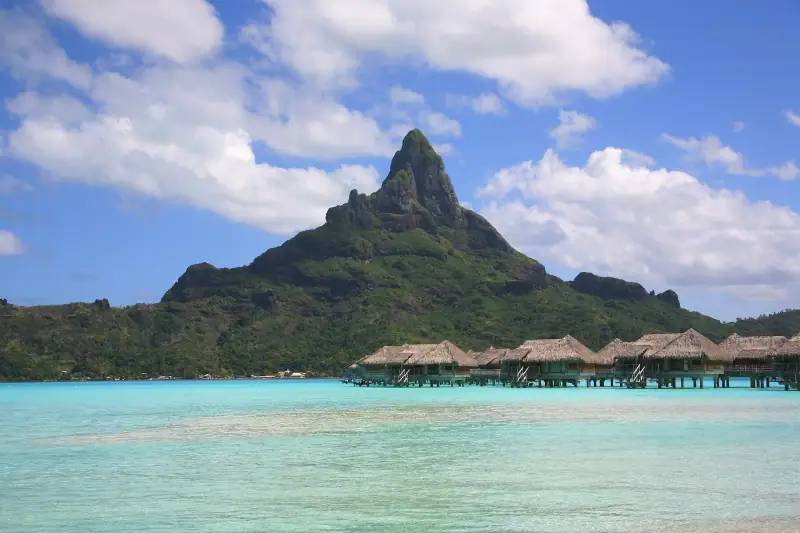
Visiting Bora Bora: a practical guide to planning your stay
Visiting Bora Bora: getting there from Tahiti, best spots, lagoon, Mount Otemanu, beaches, lodging, budget and tips for making the most of the island.
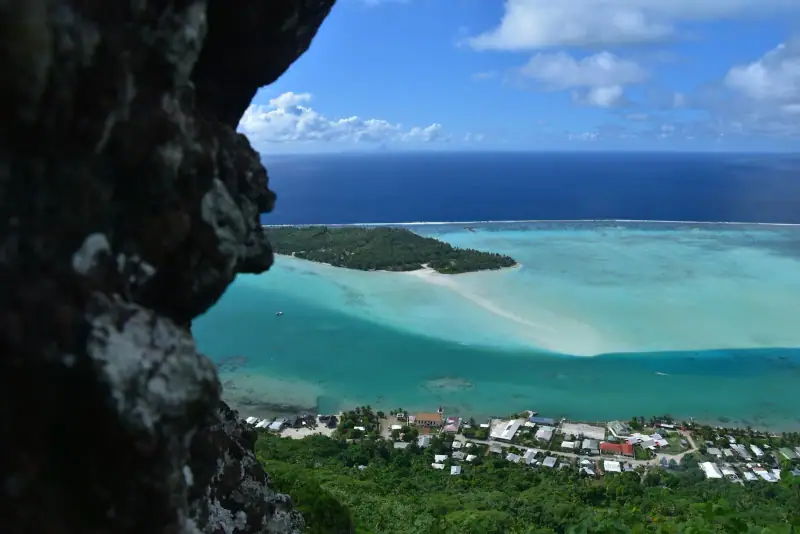
Maupiti: how to get there from Bora Bora by boat or plane
Maupiti from Bora Bora: ferry or plane, duration, a pass sometimes closed by swell, how many nights to plan, what to see on the island and where to stay.
Ready-made
French Polynesia itineraries
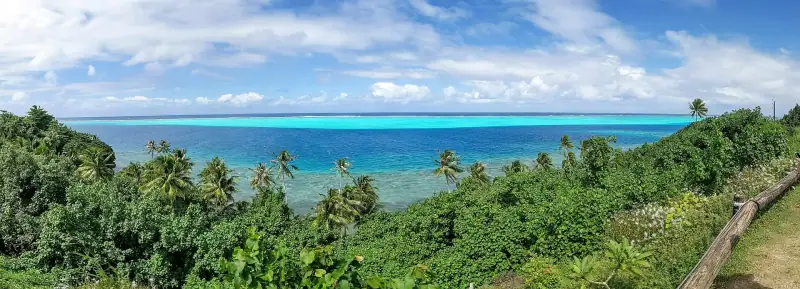
8 days
8-day Leeward Islands itinerary: Huahine, Raiatea, Taha'a and Bora Bora
An 8-day Leeward Islands itinerary: Huahine, Raiatea, Taha'a and Bora Bora, with transport, stays, excursions, budget and tips for linking the islands.
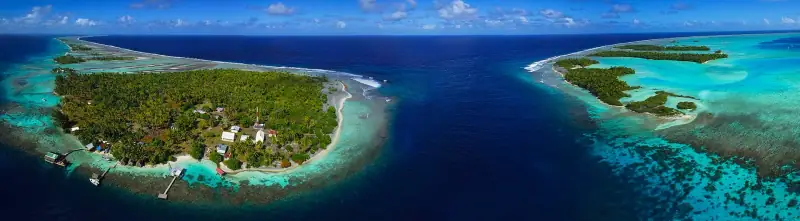
7 days
7-day Tuamotu itinerary: Rangiroa, Tikehau and Fakarava
Plan 7 days in the Tuamotu: Rangiroa, Tikehau and Fakarava in family guesthouses, Air Tahiti flights, diving, snorkeling, budget and atoll tips.
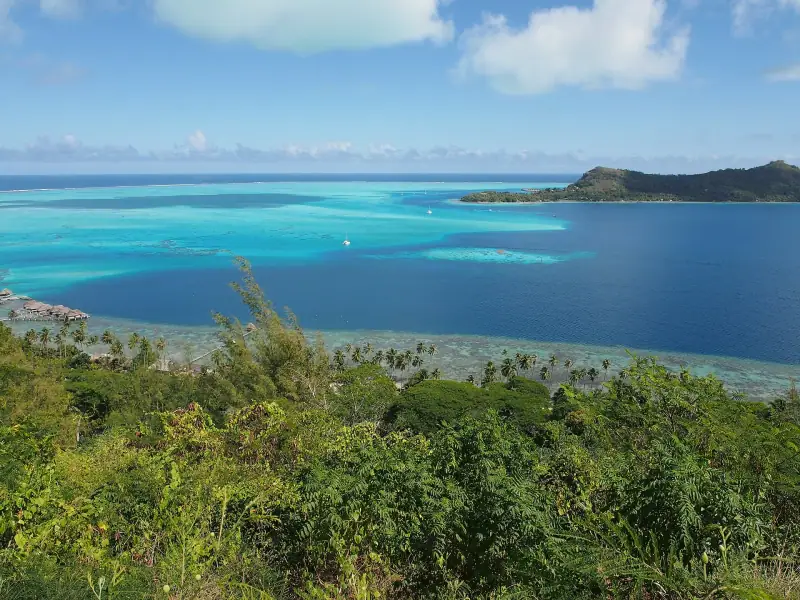
10 days
10-day French Polynesia itinerary: Tahiti, Moorea and Bora Bora
TahitiMooreaBora Bora