What to see
Visiting Hatta: what to see and do from Dubai
We may earn a commission when you book through links on this page, at no extra cost to you. We don't visit or try the places we cover: we summarize published sources. How we work
In short
- Hatta is about 130 km (81 mi) southeast of Dubai city, roughly 1 h 30 by road outside heavy traffic.
- One day covers the dam, the heritage village, a viewpoint and an outdoor activity; stay a night to hike or combine activities without rushing.
- The best period is November to March; from May to September the heat is intense even at altitude.
- Bring water, sunscreen and your passport: the road passes close to the Omani border and checks are possible.
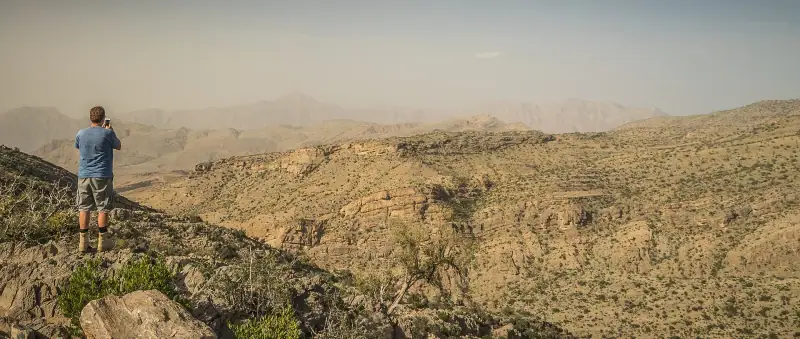
An hour and a half by road from Dubai’s skyscrapers, the scenery changes completely. The dunes give way to brown rocky mountains, dry valleys and a turquoise lake nestled behind a dam. This is Hatta, a small enclave of the emirate of Dubai that has become, in recent years, the most accessible nature destination from the city.
In short: Hatta is easy to visit in a day from Dubai. Leave early in the morning, kayak or pedal-boat on the dam lake, visit the heritage village, climb to a viewpoint, then try an adventure activity at the Wadi Hub if you travel with kids or active people. Bring water, sunscreen and your passport.
Hatta in brief: a mountain enclave
Hatta is a town of the emirate of Dubai, but it is not attached to the main territory: it lies in the Hajar Mountains, to the east, near the border with Oman. Travel sources give a distance of about 130 km (81 mi) from Dubai and a trip of about 1 h 30 by car in good conditions. It is far enough to feel like a change of scene, and close enough to come back in the evening.
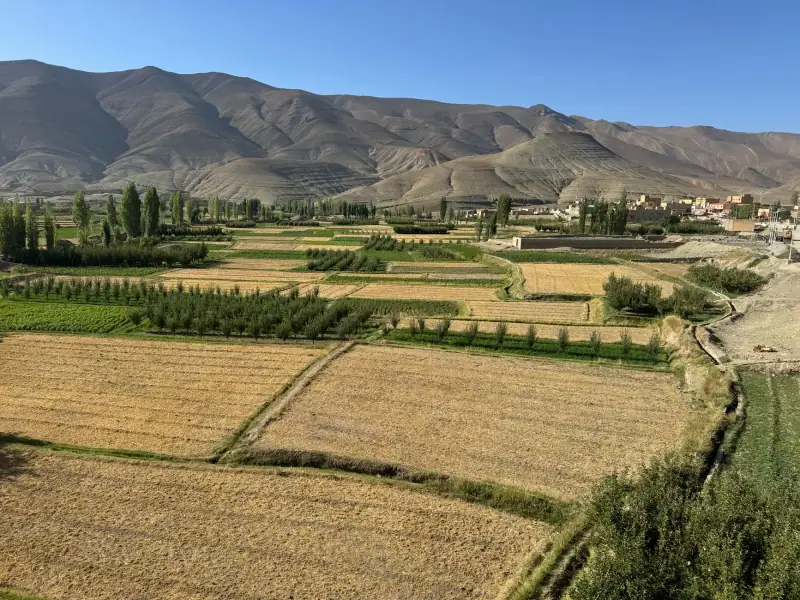
The contrast is striking. In Dubai, everything is glass, concrete and air conditioning. In Hatta, the horizon is made of rocky ridges, wadis (dry valleys that sometimes fill after rain) and small villages. The air is a bit cooler than by the sea, especially in the morning, although summer remains very hot. Residents live at a quiet pace, and visitors come mostly on weekends for outdoor activities.
Hatta has seen major tourism developments: a leisure park by the dam, a restored heritage village, trails, viewpoints and an adventure zone. This makes it a good complement to the city, described in our complete guide to Dubai, for travelers who want to see something other than towers and shopping malls.
How to get to Hatta from Dubai
Hatta day trip from Dubai
Without a car, compare one-day Hatta excursions with transfer from Dubai, their stops, durations and cancellation terms.
Hatta is less well served than Dubai’s central districts, so choose how you will get there before leaving.
Rental car. This is the most flexible option. The road is easy, well maintained, and crosses an increasingly mountainous landscape. You set your own schedule, can stop to photograph a viewpoint and can link several sights without depending on a driver. The trip takes about 1 h 30 outside rush hour; leaving Dubai can be very busy on Fridays and weekends.
Taxi or ride-hailing. Possible for a group, but a round trip with waiting is expensive, and the return can be complicated if you have not booked a driver for the day. Agree and confirm the terms before getting in.
Public transport. A bus service links Dubai to Hatta, but timetables, departure stations and frequency change. Check the official app of Dubai’s transport authority before planning your day. Our guide to getting around Dubai explains how transport cards and useful apps work. Once there, distances between sights are short, but walking in the sun is tiring.
Organized excursion. Several agencies offer full-day tours of about nine hours from Dubai, combining the dam, the heritage village, a park and sometimes activities. It is the simplest format if you do not want to drive.
Rent a car for Hatta
Compare rental companies by dates, budget and the type of vehicle you want.
An important point: the road between Dubai and Hatta runs alongside, and depending on the route briefly crosses, areas close to Omani territory. Always keep your passport with you and read the terms of your rental contract, because some insurance limits driving outside the Emirates. For general entry requirements, see our article on entry requirements for Dubai: they depend on your passport, so check the official travel advice of your government: travel.state.gov (US), GOV.UK (UK), travel.gc.ca (Canada), Smartraveller (Australia) (checked November 2026).
The Hatta Dam and its turquoise lake
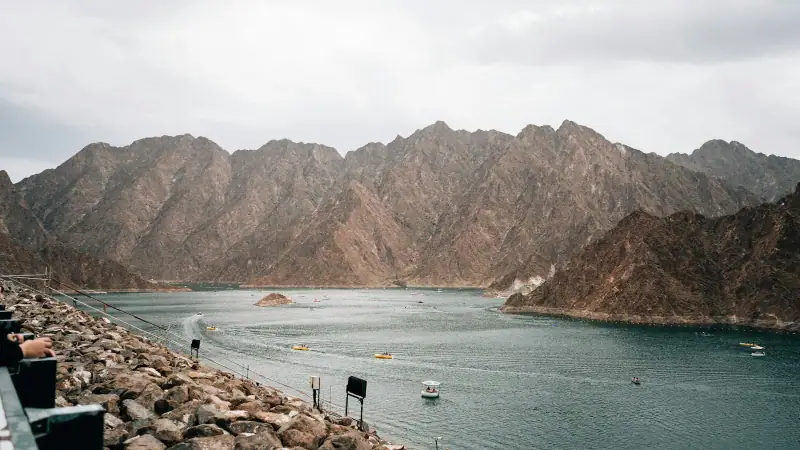
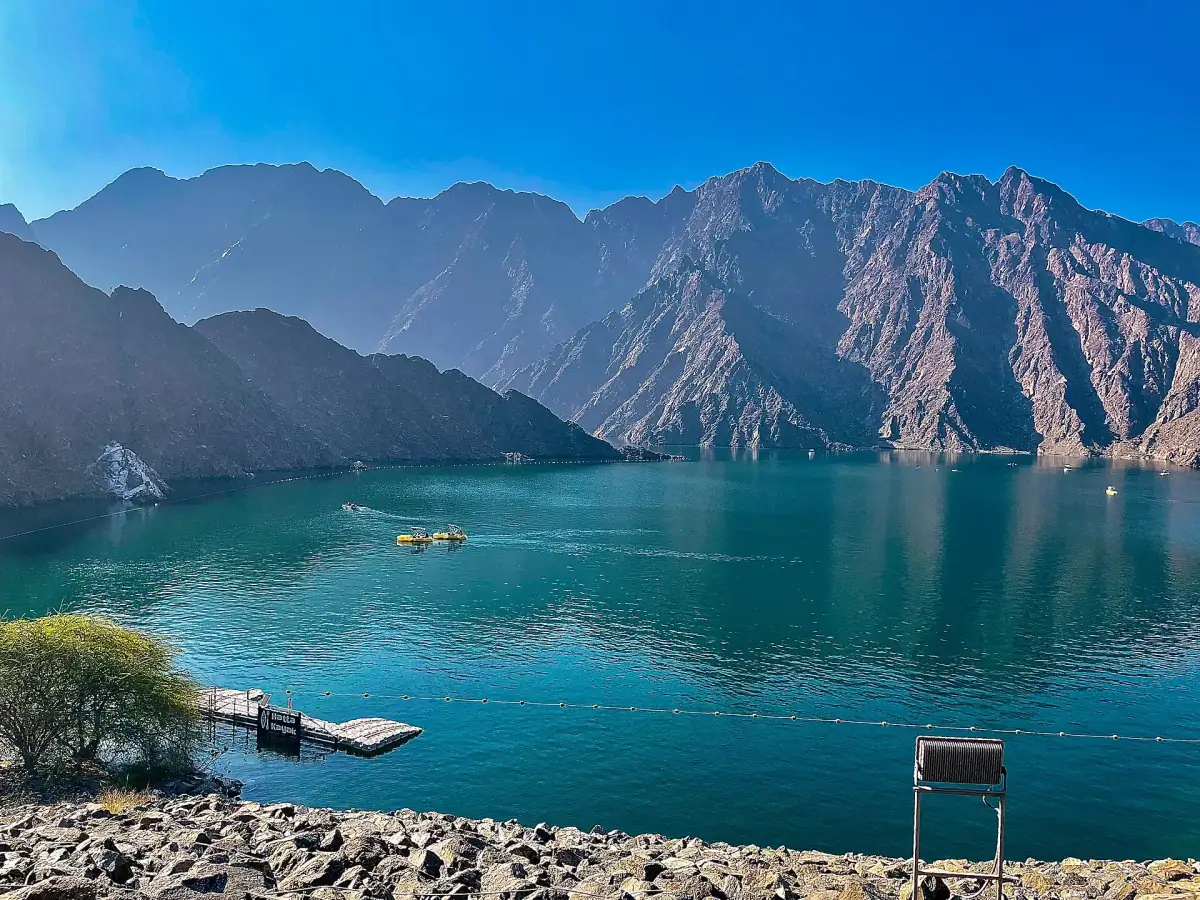
The Hatta Dam is the emblematic image of the place. Held in a mountain hollow, the water takes on a turquoise color that contrasts with the brown rocks. The spot has been developed for leisure, with quays, relaxation areas and zones where kayaks and other boats can be rented.
Paddling on this lake is the most popular activity. The water is generally calm, which suits beginners and families. Picture the atmosphere: silence, rock walls reflected, a few birds, and the modern city seeming very far away. For good photos, come in the morning, when the light is soft and the air cooler.
A few useful tips:
- wear a hat, sunglasses and sun protection, because there is very little shade on the water;
- keep your belongings in a waterproof bag if you kayak;
- listen to the staff’s safety instructions and wear the life jacket provided;
- confirm rates and hours on site or with the operator: they change by season and day of the week;
- avoid the hottest hours in summer, when the glare on the water is intense.
Sun protection matters for the day at Hatta: at the dam as on the trails, shade is rare, so bring high-SPF sunscreen and reapply it regularly.
The Hatta heritage village
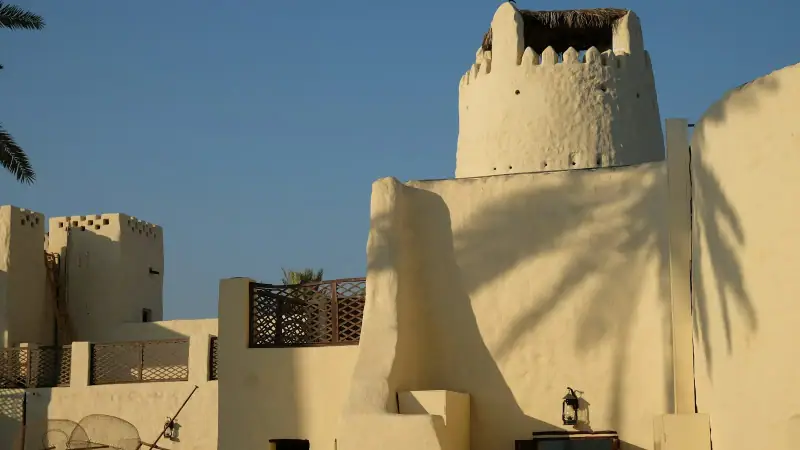
The Hatta Heritage Village is a restored traditional village, set at the foot of the mountains. You will see mud and stone houses, watchtowers, old forts and traditional irrigation systems. The site shows how the region’s inhabitants lived before modernization: oasis farming, water management, defense of the territory and crafts.
The visit is quiet and done on foot, in one to two hours depending on your interest. The buildings are modest, but the whole gives a faithful picture of life in the mountains several generations ago. Kids enjoy climbing the towers and going from room to room. Photographers will find interesting textures, perspectives and light.
For a comparison with urban heritage, read our article on Sharjah, the emirate of museums: the contrast between Hatta’s rural life and Sharjah’s city heritage sheds light on the region’s history. As with all cultural sites, hours and opening days vary: check them before going.
The Wadi Hub: outdoor adventure
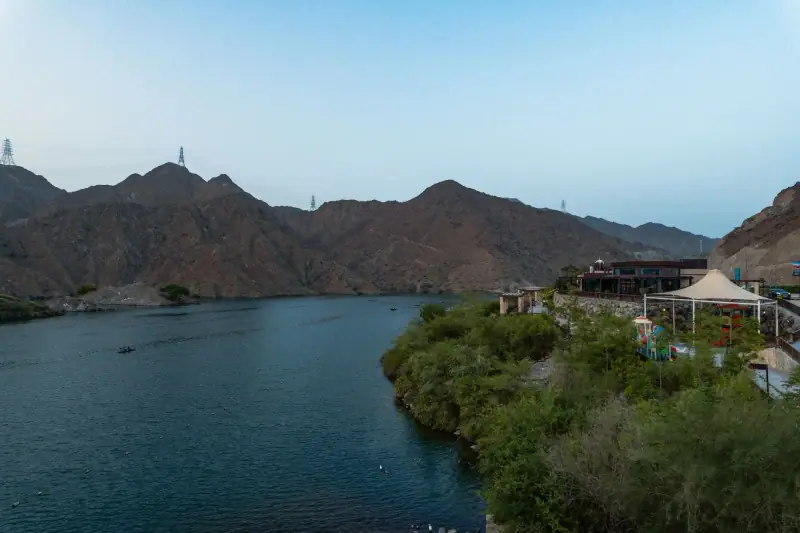
The Hatta Wadi Hub is the town’s outdoor activity hub. Located a few kilometers from the center of Hatta, it has several attractions designed for families and thrill-seekers: suspended nets, zip line, archery or axe throwing, depending on the time of year. Each activity has its own age and height limits, often from age 5 for the simplest ones.
It is a good choice if you travel with teenagers or want to add a fun moment to the day. Book ahead on weekends and holidays, because crowds can be heavy. Prices vary by activity and season: check the official information before going.
A few tips:
- wear closed shoes, essential for most activities;
- bring water and a snack, since food options there are limited;
- arrive early, before the midday heat;
- check weather conditions, since some activities are suspended in strong wind or unsettled weather.
Viewpoints and the Hajar Mountains
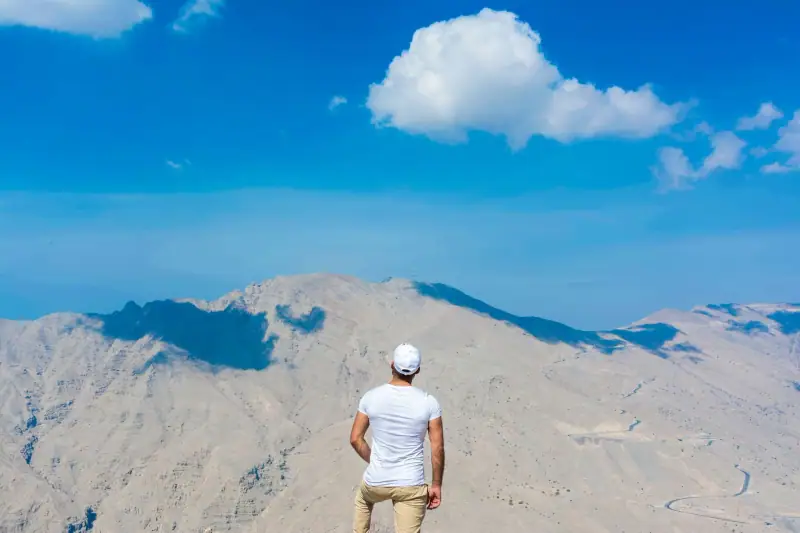
Hatta is above all a landscape. The Hajar Mountains form the range that extends toward Oman, and the reliefs around the town offer panoramas worth the detour. Hatta Hill Park has an open view of the ridges and valleys, with the “Hatta” sign on the hill, a classic souvenir photo.
Other viewpoints dot the surroundings: secondary dams, ridge roads, paths that climb to flat areas. Without equipment or a guide, stay on marked trails, bring plenty of water and do not wander off in full sun. Wadis can be dangerous after heavy rain, because flash floods are frequent in the region: check the weather before entering a valley.
If you prefer desert to mountains, our guide to the Dubai desert safari covers a completely different world, sandier and more spectacular in the evening. The two experiences complement each other well.
Hiking and nature sports
The Hatta region attracts walkers and mountain bikers. Developed trails offer easy to moderate walks, on rocky terrain, with views of the lake or the ridges. Routes vary in difficulty and length: choose them according to the season and your own level.
A few common-sense tips for hiking in Hatta:
- leave early in the morning and be back before midday;
- bring at least a liter and a half (about 50 oz) of water per person;
- wear good walking shoes, not sandals;
- tell someone your route and check that your phone gets a signal;
- avoid solo hikes in isolated areas.
Mountain biking and other outdoor sports are also popular around the town. If you do not have your own gear, ask the organizers about rental and guided options. Conditions change from one season to another.
Hatta Pools and the watercourses
The Hatta mountains also have natural basins carved in the rock, known as Hatta Pools. These pools of cool water attract curious visitors, especially after rainy seasons. Access depends on the water level, the weather and current safety instructions: some areas may be closed or hard to reach. It is wise to ask locally before planning a swim.
Never go alone to an isolated watercourse and do not swim in areas marked as off-limits. If in doubt, just photograph the landscape from the developed spots. Respect the environment, leave no trash and do not trample the fragile vegetation that borders the water points.
The bee garden and local products
Hatta is known for its mountain honey. A garden dedicated to bees welcomes visitors curious about this local craft and the plants that feed the hives. You can learn how honey is produced, then buy a jar as a souvenir. It is a short, unusual visit that families enjoy.
You will also find dates, crafts and souvenirs in small shops and at stands in the area. Prices vary from one seller to another; compare two or three offers before buying, and keep change for small stands. To learn more about what people eat in the region, our article on what to eat in Dubai gives useful pointers.
Where to eat in Hatta
Food options are more limited than in Dubai. You will find cafés, small restaurants and fast-food outlets around the dam and the town center. For a fuller meal, have lunch in a traditional restaurant in the center, where grilled meat dishes, fragrant rice and warm bread are often served. Some places are livelier on weekends, others may close earlier on weekdays.
The safest approach is to bring water, fruit and a snack. This way you do not depend on opening hours, especially during Ramadan: most restaurants are then closed during the day, and eating or drinking in public is discouraged. Our article on rules and customs in Dubai covers these customs, which apply in Hatta too.
Stay overnight in Hatta or go back to Dubai?
Lodging in Hatta
For a night in the mountains, compare places to stay in Hatta for your dates and budget.
Most visitors leave in the evening. One day is enough to see the essentials, and the return road is simple. But staying overnight has advantages: you enjoy the morning cool, you avoid a long double trip in one day, and you can hike without watching the clock. The evening is also peaceful, with a starry sky little affected by city lights.
Places to stay in the region are few but varied: simple hotel rooms, lakeside lodgings, fitted caravans or mountain lodges. Book ahead for winter weekends, when attendance is highest. If you prefer to stay in Dubai, our guide where to stay in Dubai will help you choose the right neighborhood.
When to visit Hatta
The best period runs from November to March. Temperatures are mild, sometimes cool in the morning, which suits paddling, walking and spending the whole day outside. Winter weekends are busier, though, with more people at the dam and the Wadi Hub.
From May to September, the heat is intense, even in the mountains. If you come at this time, limit yourself to a brief visit early in the morning or late in the afternoon and carry plenty of water. Our article on the best time to go to Dubai covers the climate throughout the year.
Rain is rare and irregular, but it can turn wadis into torrents within minutes. Respect official warnings and never cross a flooded watercourse.
Practical tips for your day
Gear. Closed shoes, hat, sunglasses, sunscreen, a light jacket for the winter morning, a swimsuit and a towel if you plan to get wet. A waterproof bag is a plus for kayaking.
Water and food. Bring more water than you think you need, even in winter. An insulated bottle keeps water cool throughout the day.
Dress. Hatta is more relaxed than Sharjah, but dress modestly in villages and near residential areas. Avoid swimwear outside the designated areas.
Money. Cards are accepted at most organized activities, but keep a little cash for small stands. Our budget for Dubai will help you estimate your spending.
Network. Mobile coverage can be patchy in the valleys. Download your maps offline before leaving.
Border. Do not venture toward the border without knowing the entry rules. For a wider trip in the region, plan the crossing properly, with the entry conditions and routes checked in advance.
A one-day itinerary in Hatta
Here is a simple outline, to adapt to the season and your pace:
- 7:00 am: leave Dubai, to avoid the morning traffic and arrive before the heat.
- 9:00 am: arrive at the dam, kayak or pedal boat on the lake, photos in the soft light.
- 11:00 am: visit the heritage village, its watchtowers and restored houses.
- 12:30 pm: lunch in a restaurant in the center or a picnic in the shade.
- 2:00 pm: adventure activities at the Wadi Hub or an easy walk on a trail, depending on the season.
- 4:00 pm: viewpoint at Hatta Hill Park, when the light gilds the ridges.
- 5:30 pm: head back to Dubai before the heavy evening traffic.
If your trip is longer, alternate this excursion with the Abu Dhabi trip from Dubai, which focuses more on major monuments, or with an evening in the desert. Hatta adds the touch of nature that is often missing from a city-centered trip.
Should you visit Hatta?
Yes, if you are looking for a counterpoint to Dubai’s pace. Hatta has neither the excess of the skyscrapers nor the cultural richness of Sharjah, but it offers what the city cannot: space, silence, water, mountains and outdoor activities for everyone. Families, hiking fans and travelers seeking different landscapes will find plenty there.
You just need to accept a few constraints: leave early, protect yourself from the sun, check hours and plan your transport. In exchange, you will come back with images very different from those usually brought back from the Emirates, and with a view of another side of Dubai.
Frequently asked questions
Where is Hatta and how long does it take to get there from Dubai?
Hatta is an enclave of the emirate of Dubai nestled in the Hajar Mountains, near the border with Oman. It is about 130 km (81 mi) southeast of Dubai city, about 1 h 30 by road outside heavy traffic.
Do you need a visa or passport to go to Hatta?
No additional visa is needed to visit Hatta, which is part of Dubai. Bring your passport or an ID anyway: the road passes very close to the Omani border and checks are possible. Check the current instructions before you leave.
What is the best time to visit Hatta?
From November to March, temperatures are comfortable for walking, paddling and spending a whole day outside. In summer, the heat is very strong, even at altitude: go very early in the morning or in the late afternoon.
Is one day enough to visit Hatta?
Yes. One day lets you see the dam, the heritage village, a viewpoint and an outdoor activity. To hike, stay overnight or combine several activities without rushing, plan a night.
Can you kayak at the Hatta Dam?
Yes, kayak rentals are offered on the dam lake, with generally calm waters. Rates, hours and safety conditions vary by season: confirm them with the operator before you go.
Is Hatta suitable for children?
Yes, it is a popular family outing: pedal boat or kayak rides, a heritage village, green spaces and adventure courses for older kids. Each activity has its own age limits, so check ahead.
Can you go from Hatta to Oman during the same excursion?
Hatta is near the border, but crossing into Oman requires meeting the entry conditions (possible visa, vehicle insurance, rental rules). For a combined trip, plan it properly rather than improvising.
More Dubai guides
Keep reading
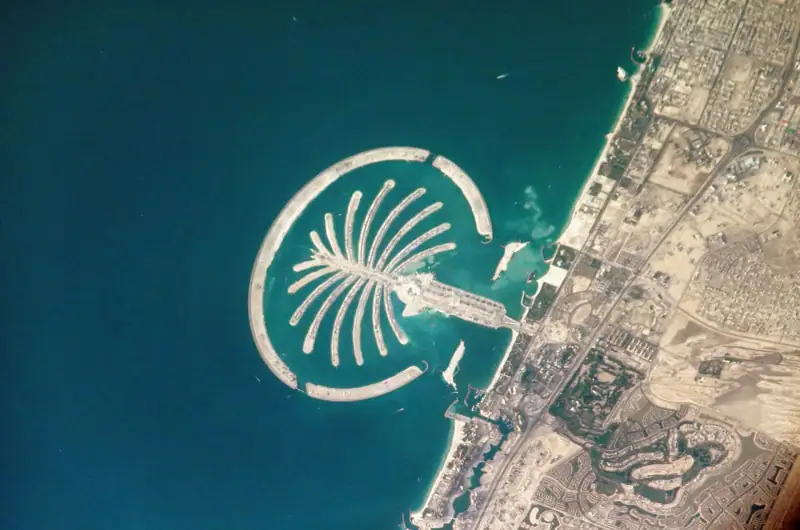
Visiting Palm Jumeirah: what to see and do on Dubai's palm-shaped island
Palm Jumeirah: Atlantis, Aquaventure, The Pointe, monorail, beaches and a viewpoint. Our guide to visiting Dubai's artificial island and planning your day.
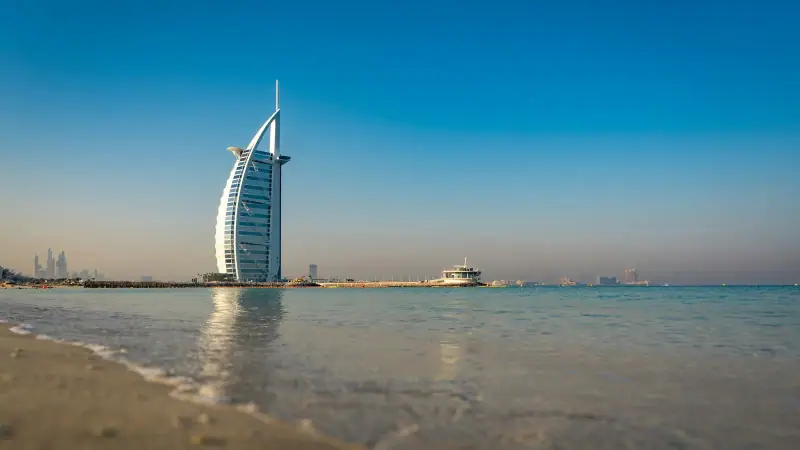
Visiting Jumeirah: what to see and do
Jumeirah, Dubai's residential waterfront: public beaches, mosque, Burj Al Arab, Kite Beach, La Mer. Our guide to planning your visit.
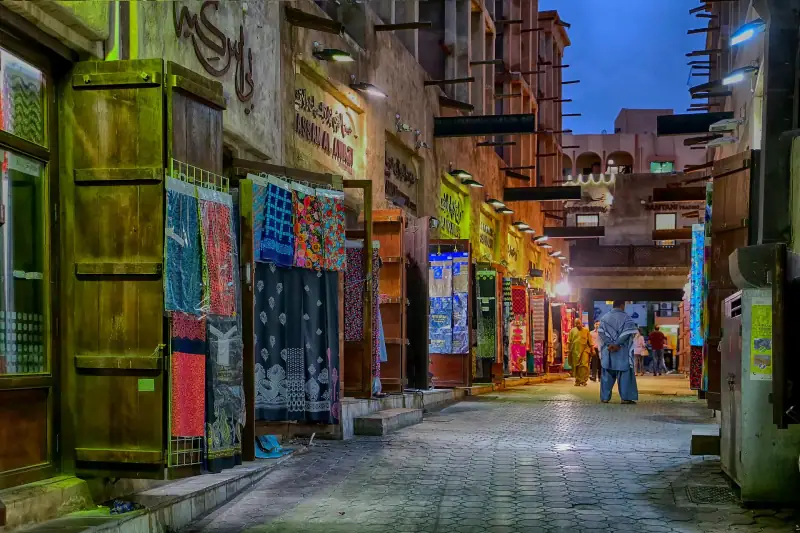
Visiting Deira: what to see and do in Dubai
Deira, the Dubai of the souks: gold and spice souks, abra crossing of the Creek, dhow wharves, Heritage House and practical tips to plan your visit.
Ready-made
Dubai itineraries
5 days
Dubai in 5 days with kids: stops, travel times and a realistic pace
Dubai in 5 days with children: a plan by area, distances and travel times, hotel breaks and ways to cope with the heat.
7 days
One week in Dubai: a day-by-day itinerary, from the modern center to the desert
Seven days in Dubai: Downtown, old Dubai, the coast, the desert, day trips to Abu Dhabi and Sharjah or Hatta. A day-by-day plan with transport and tips.
4 days
4 days in Dubai: a day-by-day itinerary for a first stay
A 4-day Dubai plan: Downtown and Burj Khalifa, old Dubai and the souks, Marina and Palm Jumeirah, and the desert. Transport, pacing and tips.