What to see
Complete guide to visiting Dubai: neighborhoods, highlights, budget and tips
We may earn a commission when you book through links on this page, at no extra cost to you. We don't visit or try the places we cover: we summarize published sources. How we work
In short
- Four to five days are enough for a first visit: Downtown and the Burj Khalifa, old Dubai, a beach day, a desert safari and, if time allows, a day trip to Abu Dhabi.
- The best period is November to March; from June to September the heat often exceeds 40 °C (104 °F) and life moves indoors, with generally cheaper hotels.
- You can get around well without a car: metro, tram, taxis, ride-hailing and abras cover most sights.
- Local laws are strict (alcohol, drugs, public behavior, photos of people): read the rules and customs before you leave.
Dubai is a city of superlatives: the tallest tower in the world, artificial islands, shopping malls as big as neighborhoods, ski slopes in the middle of the desert. But reducing the emirate to its skyscrapers would miss the essentials. A few metro stops take you from an ultramodern waterfront to a merchants’ district where abras cross the Creek as they did decades ago, and a short drive takes you to dunes where the city seems never to have existed.
This complete guide is the starting point to prepare your trip. It presents the destination, its neighborhoods, the highlights, the best time to go, entry rules, transport, lodging and budget. At each step, links lead to our detailed articles on the topics that interest you.
Dubai in brief: a city-state on the Persian Gulf
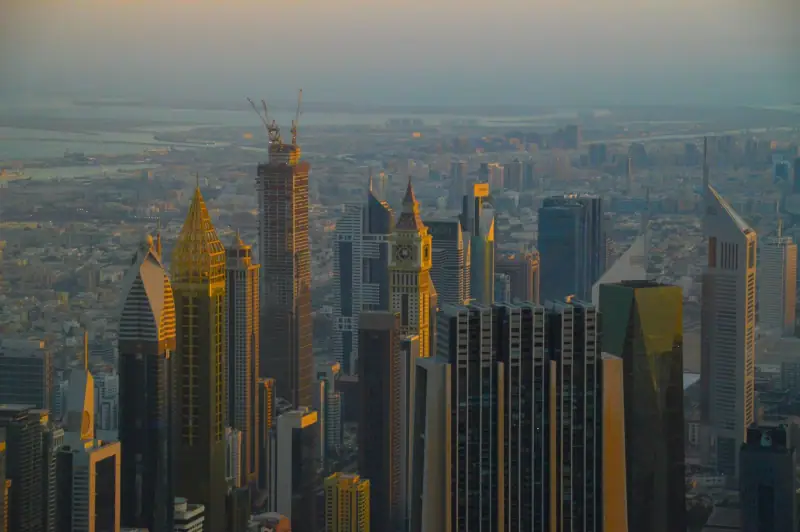
Dubai is one of the seven emirates that make up the United Arab Emirates, a federation founded in 1971 whose capital is Abu Dhabi. The emirate of Dubai occupies a coastal strip of the Persian Gulf, between the emirate of Abu Dhabi to the southwest and that of Sharjah to the northeast. The city stretches for several dozen kilometers along the sea, hence the impression of a metropolis with no real center.
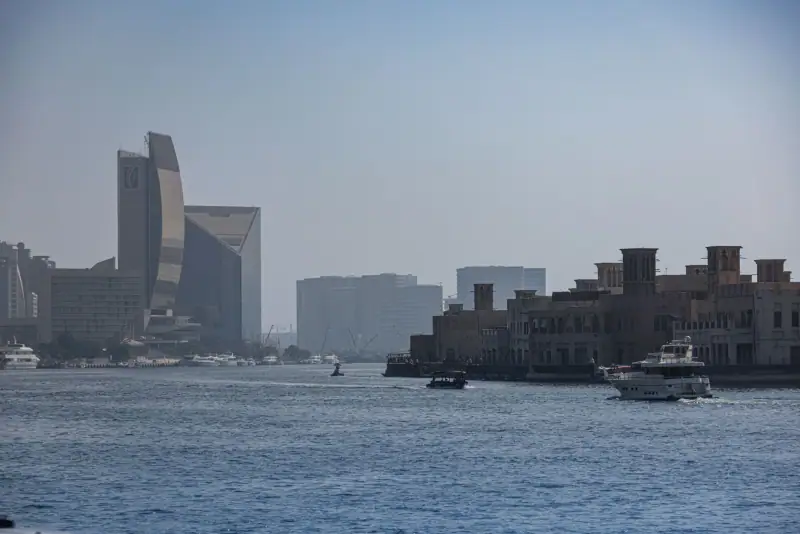
The starting point of its history is the Creek, an inlet that reaches inland and long served as a port for merchants, fishermen and pearl divers. The city first developed around this creek, before spreading southwest along the coast with the rise of trade and then tourism. The skyscrapers of Downtown and the Marina are therefore very recent, while the Creek district tells the story of the earlier city.
The population is one of the most cosmopolitan in the world: the vast majority of residents are expatriates, from South Asia, the Middle East, Africa and Europe. You feel it everywhere, in the food, the languages you hear and the places of worship. Arabic is the official language, but English is the everyday language and you will be understood easily in hotels, restaurants and transport. The currency is the UAE dirham (AED), and the country remains a conservative Muslim state in its laws and customs, even though tourists are very widely welcomed.
The main areas of Dubai: where to go and what to see
To find your way around, think of Dubai as a set of very different neighborhoods linked by a metro that runs along the coast. Here are the five main areas to know.
Downtown Dubai: the showcase of the modern city
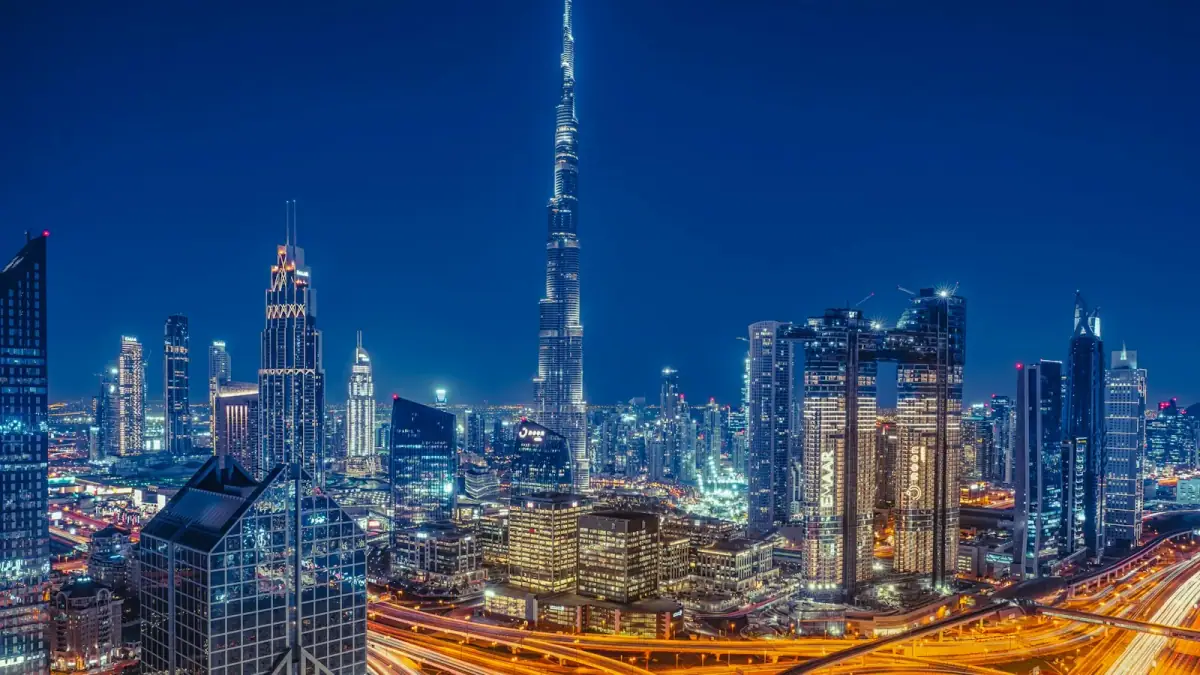
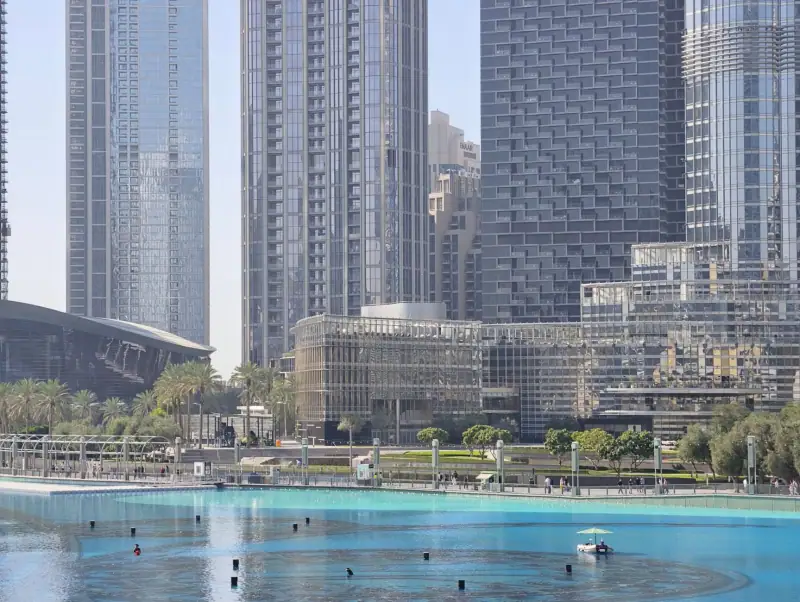
Downtown is the neighborhood of the Burj Khalifa, the tallest tower in the world at more than 800 meters (2,625 ft), of the Dubai Mall and of the fountains that dance in the evening on an artificial lake. It is a highlight of a first visit, both by day for the view from the panoramic floors and in the evening for the fountain show. Our article on the Burj Khalifa and Downtown Dubai details tickets, the best visiting times and how to organize the evening.
Old Dubai: the Creek, the souks and Al Fahidi
On both sides of the Creek, Deira and Bur Dubai keep the soul of the historic city. You cross the creek by abra, wander through the spice, gold and textile souks, and discover the Al Fahidi district, with its traditional houses with wind towers. It is the most traditional and most affordable area. Find all the details in our guide to old Dubai, the Creek and the souks.
Jumeirah, JBR and Palm Jumeirah: the seaside front
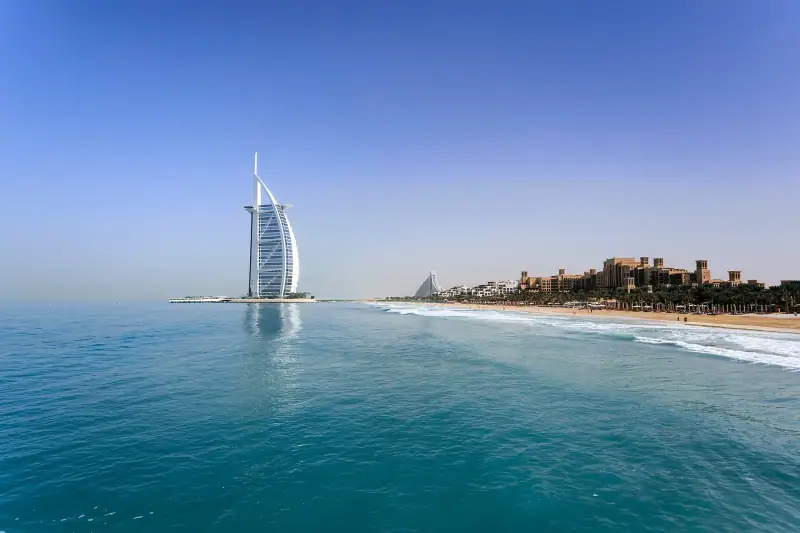
The coast southwest of the center is the realm of beaches, hotels and promenades. Jumeirah is a residential strip where you can glimpse the Burj Al Arab, the sail-shaped hotel. JBR has a long public beach and a lively pedestrian avenue. Palm Jumeirah, the artificial island shaped like a palm tree, concentrates the big resort hotels and is linked to the mainland by a bridge and a monorail.
Dubai Marina: towers, canal and promenade
The Marina is a district of towers built around an artificial canal, lined with a promenade of cafés and restaurants. It is lively in the evening, well served by the metro and tram, and very popular with families and couples who want the sea without leaving a real neighborhood.
The desert: dunes less than an hour from the city
Leave the city and you find yourself in ocher dune landscapes. The 4x4 safari, the sunset, the dinner in a camp and the camel rides are classics that we cover in our article on the Dubai desert safari.
The Dubai highlights not to miss
If you only have a few days, here is a suggested order of priority.
The Burj Khalifa and an evening in Downtown. Go up in the late afternoon to see the city bathed in golden light, then stay for the Dubai fountains. It is the best way to combine the daytime view and the night atmosphere.
An abra crossing of the Creek. For a tiny sum, these wooden boats link Bur Dubai to Deira. It is a pause that helps you understand where the city comes from.
The Deira souks. They are the best place to smell the spices, watch the gold trade and bargain for fabrics. Visit them in the morning or late afternoon, when the heat is lower.
A beach day. The public beaches of Jumeirah and JBR are accessible and let you enjoy the sea without paying for hotel access. Swimming is pleasant for much of the year.
The desert safari. It is the experience that contrasts most with the rest of the trip. Choose a late-day format to watch the sun set over the dunes.
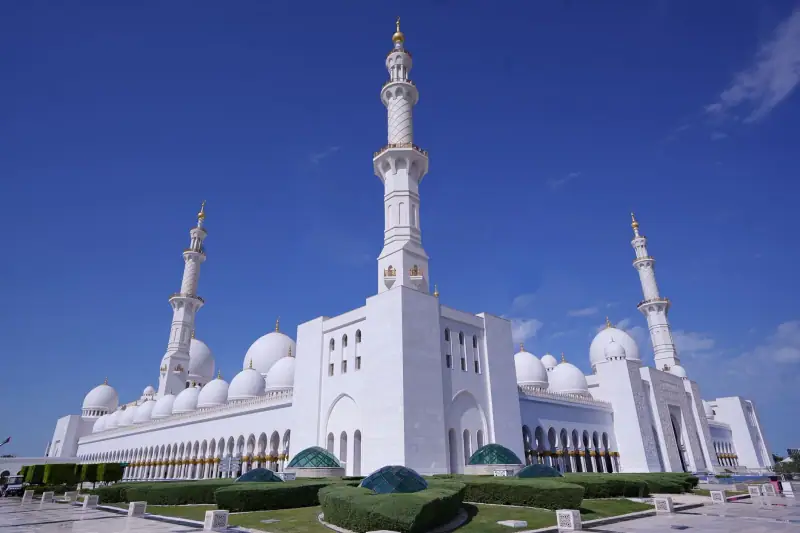
A day trip to Abu Dhabi. The federal capital can be visited in a day from Dubai. Its great white mosque and its Louvre museum make it a cultural counterpoint to the neighboring city. Our article on the day trip to Abu Dhabi from Dubai explains how to organize it.
Tickets and tours in Dubai
Burj Khalifa, safari, dhow cruise, excursions: compare activities and book ahead to avoid queues.
When to go to Dubai: seasons, heat and Ramadan
Dubai’s climate is desert, with an ideal season and an extreme season. From November to March, days are sunny and mild, with temperatures around 24 to 30 °C (75 to 86 °F) depending on the month. It is the high season: hotels are pricier and sights more crowded, but conditions for sightseeing are at their best. Evenings can be cool, especially in the desert, and a light jacket is useful.
April and October are transition months. The heat rises, but it remains bearable in the morning and evening, the sea is very warm and prices drop a little. You need to schedule outdoor visits early in the day or after sunset.
From June to September, the heat is intense and the humidity high on the coast, with temperatures often above 40 °C (104 °F) during the day. You can travel at this time, but you spend most of your time in shopping centers, museums, hotels and pools. In return, lodging rates are generally lower.
Ramadan, whose dates shift every year, changes the rhythm of the city: you should avoid eating, drinking or smoking openly in public during the day, some hours change, and the atmosphere becomes very lively after sunset. Everything you need to know about months, weather and periods to avoid is in our article on when to go to Dubai.
Getting to Dubai and preparing entry requirements
Flights
Dubai is served by a large international airport. Book early if you travel in December or January: flights and hotels fill up fast. Arriving in late morning or in the afternoon lets you reach your hotel by metro outside rush hour.
Flights to Dubai
Compare direct and connecting flights to find the schedule and price that suit you.
Visa, passport and customs
Entry rules depend on your passport. Check the official travel advice of your government before you book: travel.state.gov (US), GOV.UK (UK), travel.gc.ca (Canada), Smartraveller (Australia) (checked November 2026). Also check your passport’s validity and blank pages before you leave.
Customs rules are strict, especially on certain medicines, which may require a prescription, and on banned substances. Read our article on the entry requirements for Dubai before you pack: it details documents and customs.
Taking out travel insurance is a reasonable precaution, in particular to cover medical costs, which can be high abroad.
Getting around Dubai: metro, tram, taxi and abra
Contrary to what you might expect, you can get around Dubai very well without a car. The metro, with its red line running along the coast, serves the airport, old Dubai, Downtown and the Marina. A tram completes the network in the Marina and JBR area, and a monorail links Palm Jumeirah. All of it works with a rechargeable card, the Nol card, bought in stations.
Taxis are plentiful and affordable, and ride-hailing apps are widely used. They are handy for evenings, for less well-served areas such as Jumeirah, and for the last stretch of a trip. Allow more time at rush hour, when traffic is dense.
To cross the Creek, the abra remains the most picturesque way. It is paid in cash, for a very small sum: it is one of the few places where it helps to have a few coins on you.
A car is only worthwhile for trips outside the city, toward the desert, Hatta or the other emirates. In that case, learn the driving rules, which are very strict on drinking and driving and on speed. Our guide to getting around Dubai compares all the modes of transport and gives tips to avoid traffic jams.
Where to stay in Dubai: choosing your neighborhood
The choice of neighborhood shapes your trip far more than the hotel itself, because distances are large. Here are the essentials.
- Downtown: the most convenient for a first visit, with the Burj Khalifa, the Dubai Mall and the metro close at hand. Rates there are high.
- Dubai Marina and JBR: a good way to combine beach, restaurants and neighborhood life, especially for families or couples.
- Palm Jumeirah: for a relaxing stay at a big seaside resort, at the cost of a taxi ride to reach the sights.
- Deira and Bur Dubai: the historic neighborhoods, generally the most affordable, close to the airport and the souks.
- Jumeirah: a quiet residential feel near the sea, better suited to a second visit.
Our article where to stay in Dubai compares these areas in detail by profile. Whatever you choose, run a search on your exact dates: prices vary a lot by season and events, and you need to check whether taxes and service charges are included.
Hotels in Dubai
From a small Deira hotel to a Palm resort: compare places to stay by dates and area.
What to eat in Dubai: a world tour on a plate
Dubai’s food reflects its population. You find traditional Emirati cuisine, but also a very wide range of Lebanese, Indian, Pakistani, Iranian or Filipino food, fine-dining restaurants by international chefs and inexpensive stalls. A shawarma, a plate of spiced rice or a platter of mezze are among the simplest and tastiest meals.
The Deira and Bur Dubai neighborhoods are the best places for authentic, inexpensive street food. Shopping centers, hotels and waterfronts concentrate the pricier restaurants and brunches. Alcohol is served only in hotels and some licensed venues, at a significant markup: it is a cost to watch if you plan to go out in the evening.
Our article on what to eat in Dubai presents the specialties to try, good habits and mistakes to avoid. A food tour or a cooking class is also an excellent way to discover local cuisine with a guide.
Budget: how much to plan for a trip to Dubai
Dubai has a reputation as an expensive city, and that is true for beachfront lodging, alcohol and high-end experiences. But the city also lets you eat cheaply, enjoy free public beaches and get around by metro for a few dirhams per trip.
Lodging is the biggest expense, often half the budget or more. Next come meals, which vary widely depending on whether you eat in a casual restaurant or a luxury hotel, then activities, such as tickets for the Burj Khalifa observation floors, the safari or day trips. Transport costs little if you use the metro, but can add up fast if you take a taxi every time.
To help you cost your trip, our article on the budget for a stay in Dubai details costs item by item and offers three trip profiles for five nights, from economical to comfortable. Keep in mind that prices vary by season and promotions: treat them as benchmarks.
Rules and customs: respecting the country to travel well
Dubai is open to visitors, but it is governed by laws and customs you cannot ignore. A few points of caution:
- Dress: swimwear is normal at the beach and pool, but elsewhere avoid very short or revealing outfits, especially in mosques, souks and traditional areas.
- Alcohol: it is allowed for non-Muslims over 21 in licensed venues only, and drinking in public is prohibited. At the wheel, tolerance is zero.
- Photos: do not photograph people without their consent, especially women, or official or military buildings.
- Displays of affection: they should remain discreet in public.
- Drugs: the law is extremely severe, including for medicines that are legal in your country without a prescription.
None of this should spoil your trip: you just need to know it. Our article on the rules and customs in Dubai details everyday situations, from behavior in a mosque to the attitude to adopt during Ramadan.
Day trips around Dubai: Abu Dhabi, Sharjah and Hatta
Dubai is an excellent base for exploring the region, and distances remain reasonable.
Abu Dhabi is the most popular day trip. The capital of the Emirates is about an hour and a half by road from Dubai and can be visited in a day: its great mosque is one of the most striking buildings in the country, and the Louvre Abu Dhabi is a museum of art and civilizations on the waterfront. You can get there by car, by bus or on an organized tour.
Sharjah is the neighboring emirate, on Dubai’s border. Known for its cultural scene, museums and historic district, it is also more conservative: alcohol is strictly prohibited there. It is easily visited in half a day or a day from Dubai.
Hatta is a mountain enclave east of Dubai, near the border with Oman. People come for the rocky landscapes, the dam, outdoor activities and the calm, far from the city bustle. Allow about an hour and a half by road from central Dubai, which makes it a full day.
For the logistics of these trips, an organized transfer is often simpler than a rental car, unless you like driving. In all cases, leave early and check opening hours before you travel.
Itineraries: how to organize your stay
How you organize your trip depends on its length and your interests. Here is a general framework for four or five days.
- Day 1: Downtown. Arrival, settling in, then late afternoon at the Burj Khalifa and an evening in front of the fountains.
- Day 2: old Dubai. Morning in the souks and at Al Fahidi, abra crossing of the Creek, a meal in a small casual restaurant.
- Day 3: beaches and Marina. A day at Jumeirah or JBR beach, then a sunset walk in the Marina.
- Day 4: desert. Late-afternoon safari, with dinner in a camp on the way back.
- Day 5: day trip. Abu Dhabi, Sharjah or Hatta depending on your interests.
Our 4-day Dubai itinerary takes up this framework day by day, with suggested travel and timing. Adapt it to the season: in summer, keep outdoor visits to very early morning or evening, and keep the hot hours for air-conditioned places.
Practical tips for a successful trip
A few simple habits make the difference on the ground.
- Protect yourself from sun and heat: water at all times, sunscreen, hat and sunglasses, even in winter. The contrast between outdoor heat and the air conditioning of shopping centers is tiring: bring a thin jacket.
- Use the metro for long trips, and keep the taxi for evenings and the last kilometers.
- Book ahead tickets for very busy sights, such as the Burj Khalifa, to choose your time slot.
- Keep a little cash for abras and small purchases, since cards are accepted almost everywhere else.
- Check the fees shown for lodging: tourism tax and service charges can add to the starting price.
- Build in flexibility: sight hours, closing days and rates change, so it is better to check before you go.
- Respect local rules: they also protect travelers.
Dubai suits a short stay as well as a long vacation, families, couples or friends. By preparing the broad lines, you will avoid bad surprises and enjoy a destination unlike any other. Have a great trip!
Frequently asked questions
How many days do you need to visit Dubai?
Four to five days are enough for a first visit: Downtown and the Burj Khalifa, old Dubai, a beach day, a desert safari and, if time allows, a day trip to Abu Dhabi. A week leaves time to relax and to add Sharjah or Hatta.
What is the best time to go to Dubai?
From November to March, when days are sunny and mild. From June to September, the heat often exceeds 40 °C (104 °F) and most activities happen indoors, with generally cheaper hotels in return.
Do you need a visa to go to Dubai?
It depends on your passport. Check the official travel advice of your government before you book: travel.state.gov (US), GOV.UK (UK), travel.gc.ca (Canada), Smartraveller (Australia) (checked November 2026).
Is Dubai a safe destination for tourists?
Yes, street crime is low and visitors generally feel safe. The law, however, is strict (alcohol, drugs, public behavior, photos of people): read our advice on rules and customs before you leave.
Can you visit Dubai without renting a car?
Yes, it is even the simplest way. The metro, tram, taxis, ride-hailing and abras cover most sights. A car only becomes useful to explore the desert, Hatta or the other emirates on your own.
Is Dubai really expensive?
It can be, especially for lodging and alcohol, but you can also eat cheaply and most public beaches are free. It all depends on your travel style: our budget guide details three costed profiles.
Can you swim and sunbathe in a bikini in Dubai?
Yes, on public beaches and in hotels, swimwear is normal. Away from the beach and pool, dress more covered, especially in mosques, souks and traditional areas.
More Dubai guides
Keep reading
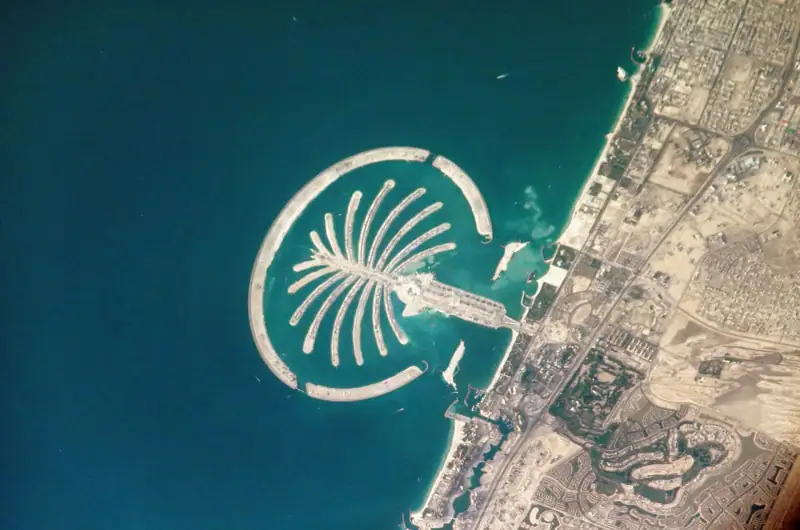
Visiting Palm Jumeirah: what to see and do on Dubai's palm-shaped island
Palm Jumeirah: Atlantis, Aquaventure, The Pointe, monorail, beaches and a viewpoint. Our guide to visiting Dubai's artificial island and planning your day.
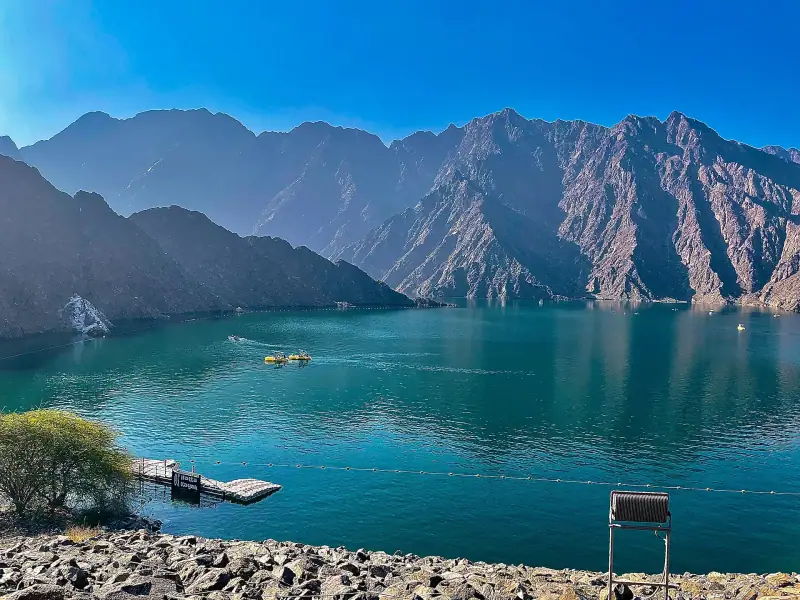
Visiting Hatta: what to see and do from Dubai
Hatta, Dubai's mountain enclave: dam and kayaking, heritage village, Wadi Hub, viewpoints and practical tips for a day trip.
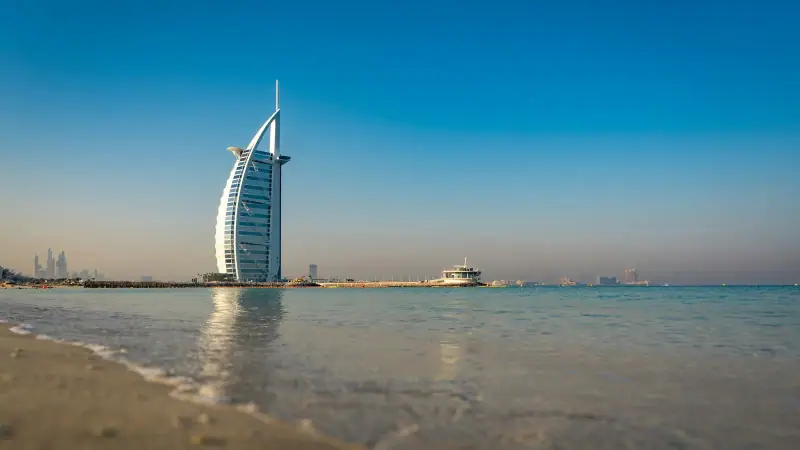
Visiting Jumeirah: what to see and do
Jumeirah, Dubai's residential waterfront: public beaches, mosque, Burj Al Arab, Kite Beach, La Mer. Our guide to planning your visit.
Ready-made
Dubai itineraries
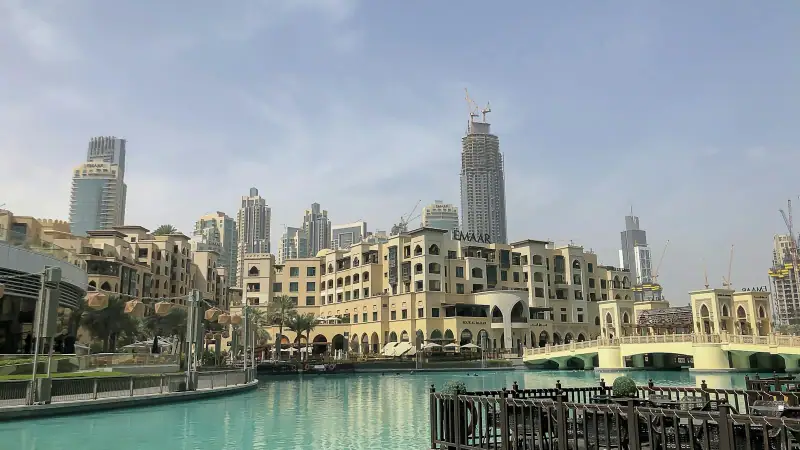
5 days
Dubai in 5 days with kids: stops, travel times and a realistic pace
Dubai in 5 days with children: a plan by area, distances and travel times, hotel breaks and ways to cope with the heat.
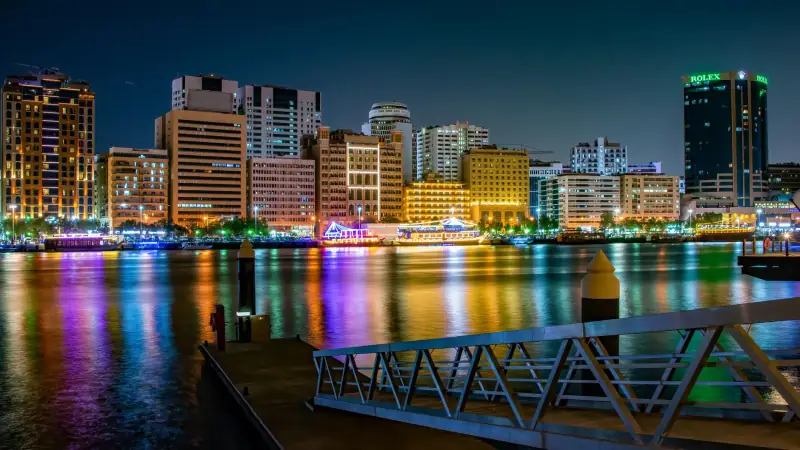
7 days
One week in Dubai: a day-by-day itinerary, from the modern center to the desert
Seven days in Dubai: Downtown, old Dubai, the coast, the desert, day trips to Abu Dhabi and Sharjah or Hatta. A day-by-day plan with transport and tips.
4 days
4 days in Dubai: a day-by-day itinerary for a first stay
A 4-day Dubai plan: Downtown and Burj Khalifa, old Dubai and the souks, Marina and Palm Jumeirah, and the desert. Transport, pacing and tips.