What to see
What to See in the White Périgord: Périgueux, the Isle Valley, Truffles and Villages
We may earn a commission when you book through links on this page, at no extra cost to you. We don't visit or try the places we cover: we summarize published sources. How we work
In short
- The White Périgord centers on Périgueux and the Isle valley, and is much quieter than the Black Périgord, with calmer roads and often lower prices.
- One day covers Périgueux; two to three days add truffles at Sorges and the valley to Saint-Astier and Neuvic; five days reach Mussidan and Montpon-Ménestérol.
- Black truffle is a winter product; in summer you can still visit the truffle museum and the truffle orchards, but not the seasonal markets.
- Périgueux can be visited on foot and has a train station; for Sorges, Saint-Astier, Neuvic or Mussidan a car is the simplest option.
When you plan a trip to the Dordogne, the Black Périgord and its châteaux take all the attention. Yet in the center of the department, another region deserves a detour: the White Périgord. Here there are no endless queues and no villages overrun in August. You find a rich heritage city, a peaceful river, lively markets, the capital of the black truffle and small towns of the Isle valley where people take their time.
This guide answers the question curious travelers ask: what is there to see in the White Périgord, and how do you organize it? It follows the natural axis of the region, from Périgueux to the southwest, based on information from the Dordogne tourist office. It mentions only places whose existence is established. Hours, prices and opening days change from season to season: always check them before you go.
The White Périgord in brief: a name, a landscape
The White Périgord takes its name from the pale color of the limestone soil, widespread in this part of the department. It extends around Périgueux and the Isle valley, the river that crosses the region before reaching the lands of Montpon-Ménestérol further west. In our complete Dordogne guide, it is described as the “urban and quiet” region: the one you visit for heritage, food and a slow pace.
Facing it, the Black Périgord concentrates caves, châteaux and summer crowds, as covered in what to see in the Black Périgord. The White Périgord plays a different tune: fewer superlatives, more surprises. Many travelers drive through without stopping; those who spend two or three days almost always leave won over.
A starting tip: organize your stay along a simple line, Périgueux, then Sorges to the northwest for truffles, then the Isle valley toward Saint-Astier, Neuvic and Mussidan. Each stop is close to the previous one, which avoids long days at the wheel. To buy truffles yourself, see the Dordogne truffle markets, day by day.
Périgueux: the capital of the White Périgord
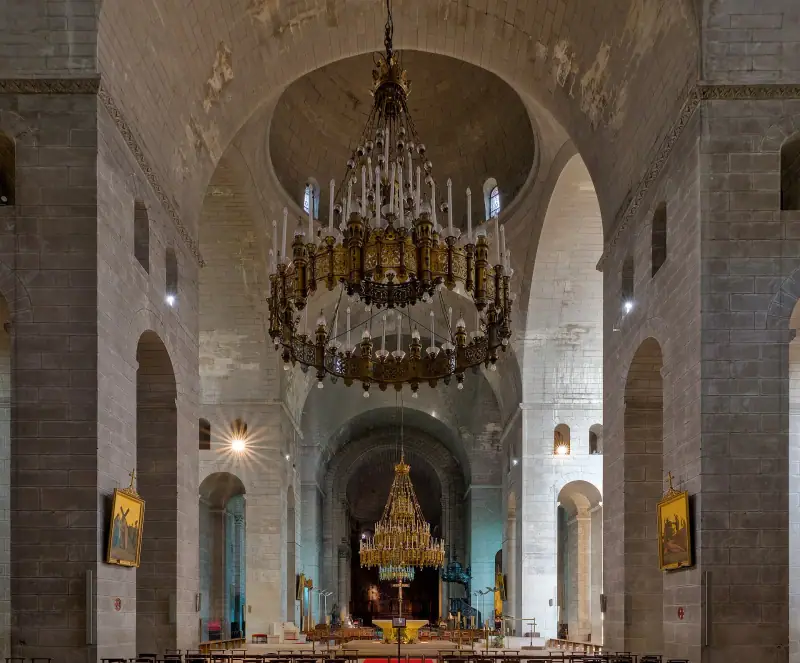
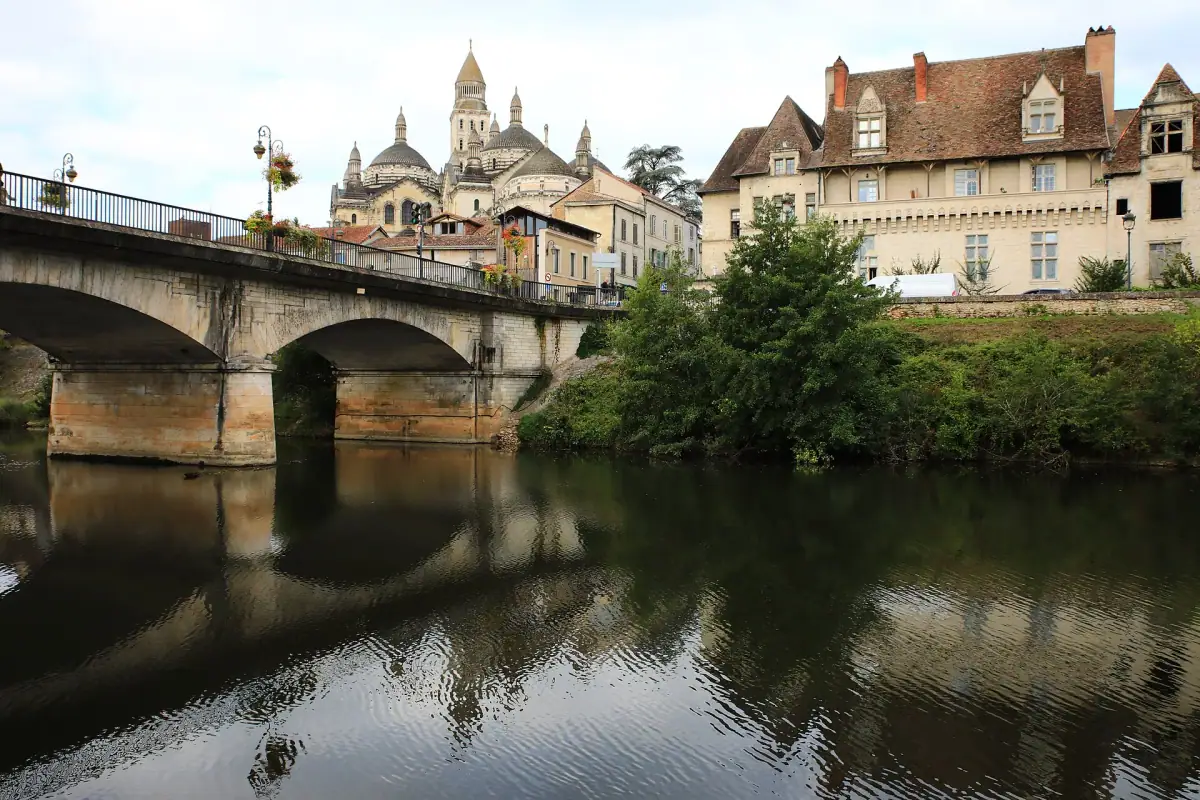
Périgueux is the natural gateway to the region, and probably its best surprise. The city grew out of two distinct towns: the Gallo-Roman Cité of Vesunna to the west and the medieval district of Puy-Saint-Front to the east. This double origin gives two complementary walks, described in detail in our guide to visiting Périgueux.
The highlights are:
- Saint-Front Cathedral, a UNESCO World Heritage Site as part of the Routes of Santiago de Compostela in France. Its white domes, Byzantine in inspiration, dominate the city, and its bell tower offers a view over the rooftops.
- The medieval and Renaissance district, with its cobbled streets, stone houses and the Place de l’Ancien Hôtel de Ville, ideal for a break on a café terrace.
- The Vesunna Gallo-Roman museum, which displays the remains of a large ancient house and tells the story of daily life in Roman times.
- The Périgord Museum of Art and Archaeology, valuable for prehistory, archaeology, medieval art and fine arts, and useful on a rainy day.
- Gamenson Park and the banks of the Isle, for walking, cycling or paddling a canoe right in the city center.
If you come on a market day, the producers’ market is a chance to fill your basket: walnuts, cheeses, confit, oils and seasonal vegetables. To know what to taste, read our piece on Périgord food specialties.
Sleeping in town changes the experience: in the evening the city empties of day visitors and the historic center becomes very pleasant. Our selection of where to stay in Périgueux compares the neighborhoods.
Stay in Périgueux
Hotels, B&Bs and apartments: compare availability to use the city as the base for your stay in the White Périgord.
Sorges-et-Ligueux-en-Périgord: the black truffle capital
Northwest of Périgueux, the village of Sorges-et-Ligueux-en-Périgord presents itself as the capital of the black truffle. It is one of the most original stops in the White Périgord, and one of the few where you really understand where this mythical product comes from.
The starting point is the truffle ecomuseum, created in 1982. It offers guided tours and a shop, and draws several thousand visitors a year. It explains how the fungus grows at the foot of oak trees, why it is so hard to cultivate and how it is hunted. The truffle orchard discovery trail, several kilometers long, then lets you walk among the trees and understand the landscape on the ground.
The village also keeps the Saint-Germain church and private manor houses, admired from the outside. For some nature, the Lanmary state forest has hiking trails. Depending on the season, truffle events, night markets or flea markets liven up the town: ask the tourist office.
Keep in mind that the black truffle is a winter product. If you visit in summer, you will see the museum and the truffle orchards, but not the seasonal markets. To taste it, restaurants in the area serve truffle dishes, with prices that vary a lot from year to year.
Tours and tastings in the Périgord
Local product tastings, cooking classes, walks and guided tours: compare the activities available for your dates.
Saint-Astier: church, château and big market
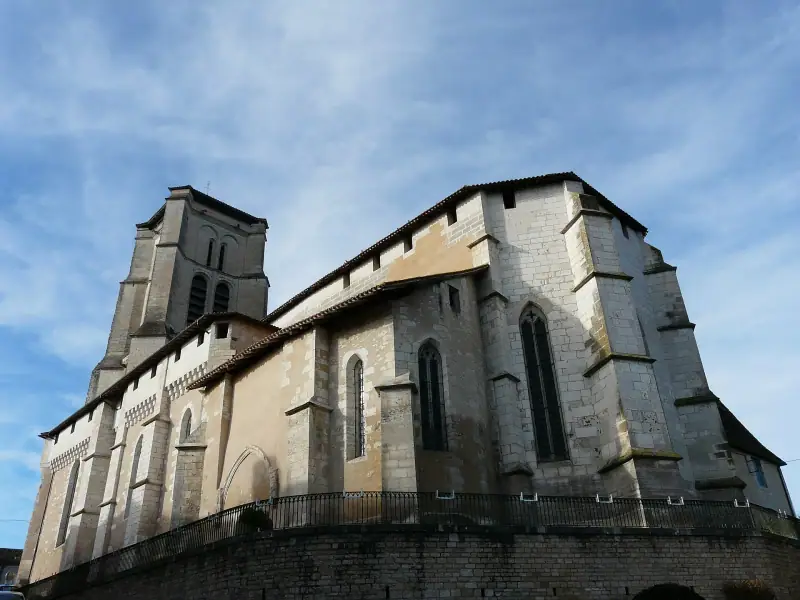
Saint-Astier lies about 20 km (12 mi) west of Périgueux, in the middle of the Isle valley. The small town is best known for its big market, described by the tourist office as the largest local market in the Dordogne, spreading across the town center. It is an excellent reason to time your visit for a market day: local produce, fruit, vegetables, clothing and a very local atmosphere.
Another landmark is the collegiate church, which overlooks the valley and stands on one of the routes to Santiago de Compostela. A few minutes from the center, the Château de Puyferrat, dating from the 16th century, offers guided tours centered on the history of the family who lived there. It is a human-scale château, far from the great fortresses of the Black Périgord, and that is exactly its charm.
Cyclists will like the greenway that runs along the Isle and links several towns of the valley: a simple and safe way to string together Saint-Astier, Neuvic and Mussidan without a car, if you like pedaling at your own pace.
Neuvic-sur-l’Isle: walnut oil and caviar
Further along the valley, Neuvic-sur-l’Isle offers two food stops that surprise many visitors.
The first is the Moulin de la Veyssière, a family mill still in operation that makes artisanal oils. You can see the production and stop at the shop to take home walnut oil, a Périgord classic for your suitcase. The second is the production of Neuvic caviar, from sturgeon raised in the region: guided tours with tasting are offered, along with a shop. It may seem unexpected in the Dordogne, but it is a fine illustration of local culinary creativity.
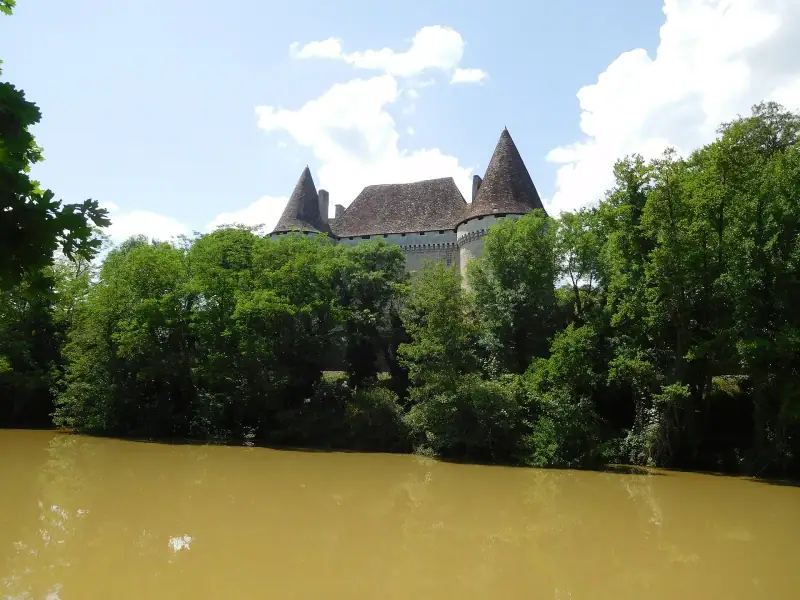
Neuvic also has a château, open to visitors in summer according to local guides, and a remodeled Romanesque church. Check opening periods before you go, as they depend on the season.
Mussidan: memory, traditions and the Double forest
Mussidan is a market town in the Isle valley that keeps alive the memory of World War II: according to the tourist office, about 350 people were arrested there in 1944, and the commemoration takes place every year on June 11. It is a strong moment for understanding the history of the Resistance in the Dordogne.
For the rest, the town offers a quiet visit:
- The André-Voulgre museum, set in a former Carthusian-style manor, presents Périgord traditions and trades, with guided tours.
- The Voulgre municipal park, popular with families, with children’s play areas, a pétanque court and summer shade.
- The “doubleaudes” houses, the traditional housing of the region, which you spot while strolling.
- The Notre-Dame du Roc church, a former 18th-century church built on the old castle chapel, now converted into a cinema.
At the town’s edge, the Double forest can be explored by bike or on foot on several marked loops. It is a very different nature from the cliffs of the Black Périgord: undergrowth, ponds and great calm.
Montpon-Ménestérol and Échourgnac: organs, gabarre and monks’ cheese
About fifteen minutes from Mussidan, Montpon-Ménestérol closes the tourist office route and turns out to be surprising. The town is nicknamed the organ capital of Aquitaine, with ten organs in the churches of Notre-Dame-de-l’Assomption and Saint-Pierre-ès-Liens de Ménestérol. Concerts and guided tours are organized: a treat for music lovers.
For nature, the Chandos leisure base sits on the Isle, along the greenway. You board a gabarre boat ride that passes through a manual lock, an experience described as unique in the Périgord. Paddlers will also find canoe departures on the Isle. If you want to compare with the Dordogne and its cliffs, our guide to canoeing down the Dordogne will help you choose.
A few minutes north, Échourgnac is worth a detour for its Parcot farm, a fine example of local half-timbered architecture, and for the Abbey of Notre-Dame de Bonne Espérance, known for a cheese aged in walnut wine. A last very tasty stop before heading on.
How to organize your stay in the White Périgord
Depending on the time you have, here are three options.
In 1 day: Périgueux. Saint-Front Cathedral, the Renaissance district, the Vesunna museum, lunch at the market. It is the ideal formula for a stop on the way to the Black Périgord.
In 3 days: Périgueux, Sorges, Saint-Astier. Day 1 in Périgueux. Day 2 for truffles at Sorges and the Lanmary forest. Day 3 for the Saint-Astier market, the Château de Puyferrat and the caviar or oil of Neuvic.
In 5 days: all of the White Périgord. Add Mussidan and the Double forest, then Montpon-Ménestérol, the Chandos gabarre and Échourgnac. This is the pace suggested by the tourist office, without racing against the clock.
If you want to combine the White Périgord with its neighbors, follow the 4-day itinerary through the Green, White and Purple Périgord, which links Périgueux, Brantôme and Bergerac. For a first visit to the Dordogne, see also the 3-day Dordogne itinerary.
Rent a car for the Isle valley
Sorges, Saint-Astier or Mussidan are easier to reach by car: compare the rental companies offered for your dates.
Practical tips for visiting the White Périgord
- Choose the right day: time Saint-Astier for its big market, and Périgueux for a producers’ market day to enjoy the atmosphere.
- Bet on the off-season: the White Périgord is pleasant all year. For truffles, winter is the best period. See when to go to the Dordogne to compare.
- Rent a car if you leave Périgueux: the article renting a car in the Dordogne covers the options.
- Think about cycling: the greenway along the Isle is ideal for a car-free day.
- Check hours: museums, châteaux and guided tours change hours by season, and several sites are closed on certain days.
- Plan the budget: the White Périgord is often cheaper than the Black Périgord, as explained in the Dordogne budget guide.
Who the White Périgord suits
The White Périgord suits travelers who like historic towns, local markets, food and atmospheres without crowds. It is also a very good option for a low-budget stay, or for an off-season getaway of a few days. It is less suited to those who dream of decorated caves and spectacular châteaux: for those, turn to the Black Périgord.
In short: make Périgueux your anchor, give one day to truffles and another to the Isle valley, and let its unexpected stops surprise you, from walnut oil to caviar to the organs of Montpon. You will find a more discreet Dordogne, but no less delicious.
Frequently asked questions
Where is the White Périgord?
The White Périgord covers the center of the Dordogne department. It is organized around Périgueux, the capital of the department, and the Isle valley, which runs southwest through Saint-Astier, Neuvic-sur-l'Isle and Mussidan.
Why is it called the White Périgord?
The name comes from the pale color of the limestone soil, widespread in this part of the Périgord. As with the Black, Green and Purple Périgord, it is a tourism and landscape division, not an administrative border.
How long do you need to visit the White Périgord?
One day is enough for Périgueux; two to three days let you add truffles at Sorges and the Isle valley as far as Saint-Astier and Neuvic. The Dordogne tourist office even offers a five-day route that goes on to Mussidan and Montpon-Ménestérol.
What should you see first in Périgueux?
Start with Saint-Front Cathedral and the Renaissance Puy-Saint-Front district, then go to the Cité district for the Vesunna Gallo-Roman museum and the Tour de Vésone. A dedicated guide covers the route for one day.
Is the White Périgord less touristy than the Black Périgord?
Yes, clearly. Sights are less crowded in summer, roads are calmer and prices are often lower. It is a good option for a more authentic Dordogne, or to add a few quiet days to a stay in Sarlat.
Where can you see truffles in the White Périgord?
Sorges-et-Ligueux-en-Périgord presents itself as the black truffle capital. The village has a truffle ecomuseum and a trail through the truffle orchards. Black truffle season is in winter: check the dates of markets and events before you come.
Do you need a car to visit the White Périgord?
For Périgueux alone, no: the city is walkable and has a train station. For Sorges, Saint-Astier, Neuvic or Mussidan, a car is the simplest way. A greenway runs along the Isle between several towns, a pleasant alternative by bike.
More Dordogne guides
Keep reading
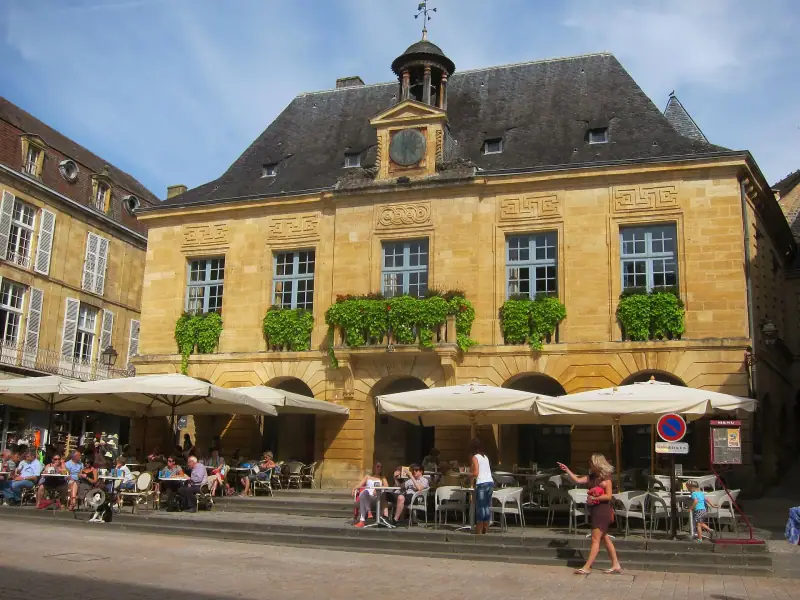
Visiting Sarlat-la-Canéda: What to See and Do in the Medieval Town
Visiting Sarlat-la-Canéda: cathedral, Place des Oies, medieval lanes, markets, Lanterne des Morts and day trips. A guide to plan your visit well.
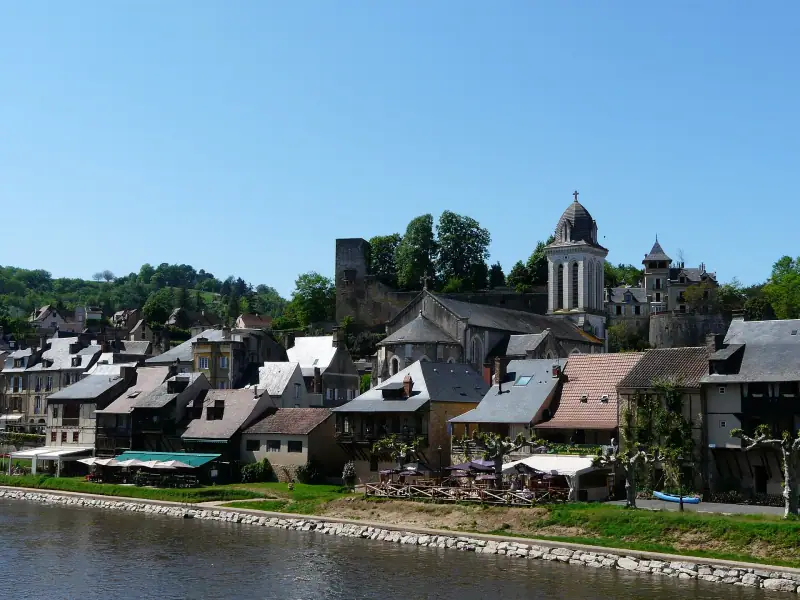
Visiting Montignac-Lascaux: What to See and Do on the Vézère
Visiting Montignac-Lascaux: old town on the Vézère, stilt houses, Lascaux IV, Regourdou, markets and walks. A guide to plan your stay in the Vézère Valley.
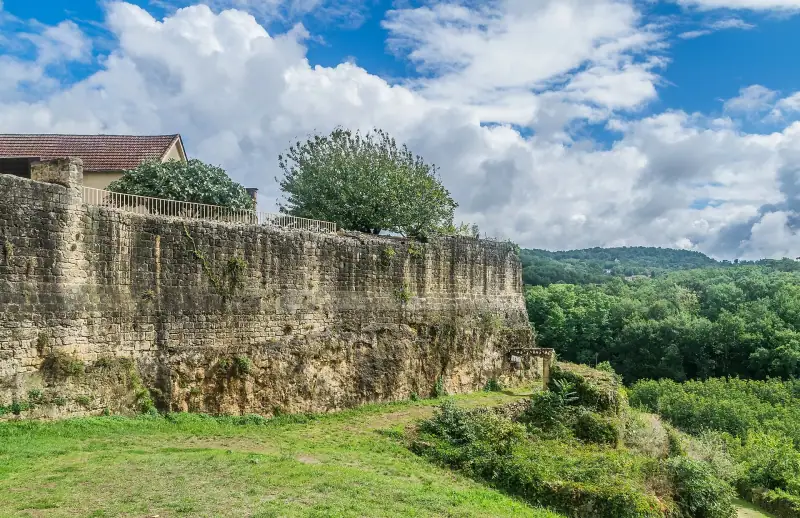
Visiting Domme: What to See and Do in the Hilltop Bastide of the Black Périgord
Visiting Domme: Porte des Tours, Templar graffiti, cave, Barre viewpoint, covered market and Thursday market. A guide to plan your Black Périgord visit.
Ready-made
Dordogne itineraries
7 days
One Week in the Dordogne: A Day-by-Day Itinerary
Sarlat-la-CanédaBrantômeBergerac
5 days
Dordogne in 5 Days with Kids: Stops, Kilometers and a Realistic Pace
Dordogne in 5 days with kids: an itinerary from Sarlat with distances, drive times, breaks and suitable activities, without overloaded days.
Can be adapted in the planner
3 days
3-Day Dordogne Itinerary: Sarlat, the Vézère and Châteaux
What to do in 3 days in the Dordogne? A day-by-day itinerary around Sarlat: Lascaux, the Vézère Valley, châteaux, villages and practical tips.
Can be adapted in the planner