Plan your trip
When to Go to the Dordogne? A Season-by-Season Guide
We may earn a commission when you book through links on this page, at no extra cost to you. We don't visit or try the places we cover: we summarize published sources. How we work
In short
- Spring (May-June) and early fall (September-October) offer the best compromise: pleasant temperatures, open sites, moderate crowds and gentler lodging prices than midsummer.
- July and August are fully open and lively but the hottest, busiest and most expensive; book lodging, car and popular visits very early.
- Fall is excellent for food lovers (walnuts, mushrooms, harvest around Bergerac); winter brings truffles and foie gras but seasonal closures and short days.
- Check opening dates on official sites, especially out of season.
The Dordogne can be visited all year, but it is not the same experience in May and in August, or in October and in January. Between the long days of summer, the mildness of spring, the golden forests of fall and the calm of winter, each season has its strengths and constraints. This guide helps you choose the period that fits your trip: cultural visits, river descent, food-focused stay, family getaway or romantic weekend.
The big trends to remember
Before going into detail, here is the summary you would give a friend:
- Spring (April to June): green landscapes, mild temperatures, open sites, still-reasonable crowds. A good pick for a first stay.
- Summer (July-August): everything is open, days are long and events many, but it is also the hottest, busiest and most expensive period.
- Fall (September to November): golden light, grape harvest, mushrooms and walnuts, falling crowds. An excellent choice for food lovers and photographers.
- Winter (December to March): peaceful mood, warm tables, truffle and foie gras. The trade-off: seasonal closures and short days.
The Périgord has a temperate oceanic climate, with hot summers and cool winters. Exact figures vary from year to year: always check the weather a few days before you leave rather than relying on an average.
Spring: the right balance
From April to June, the Périgord countryside is at its best. Meadows are green, gardens bloom, rivers are full and golden-stone villages can be visited without jostling. It is the ideal season for walking, cycling and strolling.
What you gain
- Moderate crowds in the best-known villages, notably Sarlat, La Roque-Gageac or Domme, except on long weekends around the May public holidays, when crowds can already be sizable.
- Pleasant temperatures for outdoor visits: perched châteaux, terraced gardens, ramparts.
- Generally gentler lodging prices than in summer, with more choice.
- The first river descents: operators gradually reopen, even if conditions depend on the year and the water level. Our canoe descent guide explains how to choose your route.
What to anticipate
The weather can be changeable: bring a waterproof jacket and closed shoes. Some businesses and sites open only from a set date in spring; check opening calendars before building your program. The May long weekends concentrate visitors: if you can, favor midweek.
Who it suits
Couples, gentle-hiking fans, families with young children who cannot stand heat, and everyone who wants to combine culture and nature. If you hesitate, this is the period to consider first.
Book early for summer and long weekends
Charming lodgings go quickly in July-August: compare availability in the Dordogne for your dates.
Summer: everything is open, but everything is full
July and August are the high-season months. Days are long, night markets and village events multiply, the river is lively, and all sites, restaurants and operators run at full speed.
Summer’s strengths
- A complete offering: all activities are available, from gabarre rides to châteaux and river swimming.
- Mild evenings: dinner on a terrace, food markets, open-air shows and festivals enliven the villages.
- An ideal setting for families on school vacation: water activities, parks, caves that are cool in hot weather.
Constraints not to underestimate
- Heat: some afternoons can be very hot. Keep physical activities for the morning or end of the day, and save the hot hours for a cave, a museum or a swim.
- Crowds: the best-known villages are saturated in the middle of the day. Arrive early, or stay in the evening when the day trippers have left.
- Parking and traffic: valley roads are busy, and car parks fill quickly. Our guide to renting a car and getting around the Dordogne helps you anticipate these difficulties.
- Prices and availability: lodging and rentals are booked long in advance. Very popular visits, such as the decorated caves of the Vézère Valley, can be full: see our guide to Lascaux and the Vézère Valley to prepare your booking.
Tips for enjoying summer
- Book very early lodging, car and timed-slot visits.
- Shift your hours: start early, take a break in the shade, and head out again in the late afternoon.
- Bring water, a hat and sunscreen for all outdoor visits.
- Alternate a day of visits and a day of relaxing by the water.
- Favor midweek for the busiest sites.
Visits and activities to book ahead
Caves, châteaux, gabarre rides: in high season, slots fill up fast.
Fall: golden light and seasonal flavors
For many regulars, September and October are the most beautiful months of the Périgord. The air is milder than in summer, tourists rarer, forests begin to take on gold and russet, and the local table is at its peak.
Why go
- The grape harvest enlivens the vineyards around Bergerac. It is the moment to push open the door of an estate and understand how local wines are born: see our guide to Bergerac, Monbazillac and Pécharmant wines.
- Seasonal products: walnuts, chestnuts, mushrooms and other undergrowth treasures turn up on market stalls and plates. Our guide to Périgord food specialties helps you plan your meals.
- The light: misty mornings over the valley and golden evenings delight photographers.
- Falling crowds, calmer visits and prices often more attractive than in high season.
Good to know
Days shorten quickly: plan outdoor visits earlier in the day. In early November, some sites and lodgings begin to close for the season. Check openings, especially for small businesses and producer visits. The weather can be rainy: keep a fallback option (museum, cave, tasting).
Who it suits
Food lovers, wine fans, hikers, photographers and everyone who prefers calm to summer buzz.
Winter: calm, convivial and tasty
From December to March, the Dordogne slows down. Roads are empty, villages quiet, and you discover an intimate Périgord, set to the rhythm of markets, fireplaces and slow-cooked dishes.
Winter’s pleasures
- A peaceful mood: Sarlat and its medieval lanes have great charm under low light, far from the crowd.
- Seasonal food: this is the time of foie gras, hearty dishes and, depending on the year, truffle at the specialized markets.
- Year-end events: Christmas markets and a festive atmosphere in several towns.
- Often lower prices and lodging that is easy to find, including cottages with a fireplace.
The limits
- Seasonal closures: many tourist sites, restaurants, operators and lodgings reduce hours or close for several weeks. A systematic check before you leave is essential.
- Short days, which limit the number of visits.
- Weather: fog, damp and cool are common in the valleys. Water activities are stopped or very reduced.
- An even stronger dependence on the car, with sparse local transport.
Who it suits
Couples seeking a romantic getaway, lovers of good food, and travelers who like quiet destinations. Less suited if you want to string together outdoor activities.
A canoe descent by season
Compare the water outings and guided rides offered in the valley.
Choosing your season by project
Depending on what you are looking for, the ideal period changes. Here are some pointers to help you decide.
For a first discovery
Go for May, June or September. You get to enjoy most sites without the summer crush, with pleasant temperatures and a wide choice of lodging. Our 3-day Dordogne itinerary works especially well on these dates.
For a family stay
If your school calendar fixes your dates, July-August is quite workable provided you book early and adapt the pace to the heat. If you have flexibility, early summer or September offers better comfort.
For water activities
Late spring and summer are the most favorable. The river is lively, operators are open and the water invites swimming. Out of season, possibilities are reduced.
For a food weekend
Fall is the big winner, with the grape harvest, walnuts and mushrooms; winter appeals to fans of festive products and warm tables.
For photography
Spring for dazzling greens, fall for ochers and morning mists. Summer offers fine evenings but harsher light in the middle of the day.
For a tight budget
Favor April-May, September-October or winter: lodging is generally cheaper than in July-August. Compare offers for your dates.
What to pack by season
The Périgord’s temperate climate does not rule out surprises. A few practical tips:
- In spring: easy-to-remove layers, waterproof jacket, walking shoes.
- In summer: light clothing, hat, sunscreen, swimsuit, closed sandals for trails, water bottle.
- In fall: sweater, windbreaker, waterproof shoes for damp undergrowth.
- In winter: warm clothes, hats and gloves, waterproof shoes.
In every season, comfortable shoes are essential: cobbled lanes, cliff paths and château stairs are the norm.
Getting to the Dordogne
Compare flights to Bergerac, Brive or Bordeaux to set your stay at the right time.
How to organize your stay once the season is chosen
Once the period is set, a few habits simplify planning:
- Fix your base: Sarlat to range around the Black Périgord, Périgueux or Brantôme for the north, Bergerac for the vineyards. Our guide to where to stay in Sarlat-la-Canéda helps you pick a neighborhood.
- Check openings of sites, restaurants and operators on their official sites, especially out of season.
- Book the must-dos (caves, lodging, car) ahead if you travel in high season.
- Allow a margin: winding roads lengthen drive times, and two visits well lived are better than four rushed.
- Keep a plan B for rainy days: caves, museums, tastings, covered markets.
In short
There is no bad season to go to the Dordogne, only a season suited to each project. Spring and early fall offer the best balance of weather, crowds and prices. Summer guarantees a full offering but demands planning and patience. Winter appeals to fans of calm and food, provided you accept seasonal closures. Choose your period, book what matters, and let yourself be carried by the valleys, the golden-stone villages and the Périgord table.
Frequently asked questions
What is the best time to visit the Dordogne?
Spring (May-June) and early fall (September-October) offer the best compromise: pleasant temperatures, open sites, moderate crowds and gentler lodging rates than in midsummer.
Can you visit the Dordogne in winter?
Yes, if you like calm. Sarlat, the Christmas markets and the food (truffle, foie gras) have a special charm, but some sites, restaurants and lodgings reduce hours or close. Check openings before you go.
When can you canoe on the Dordogne?
The descent season generally runs from spring to early fall, with peak crowds in July-August. Outside those months, the activity is quieter and depends on operators and river conditions: ask before you come.
Do you need to book ahead in summer?
Yes, it is strongly advised for lodging, certain very popular visits (such as the decorated caves) and restaurants in touristy villages. Out of season, booking is less critical.
When can you see fall colors in the Dordogne?
The oak and chestnut forests color in fall, generally from October to early November. The exact date varies with the year's weather.
Is it too hot in the Dordogne in summer?
It can get very hot on some afternoons in July-August. Plan outdoor visits for the morning or end of the day, and keep caves, museums and swimming for the hot hours.
Which period should you choose for a food-focused stay?
Fall is excellent: walnuts, mushrooms, the grape harvest around Bergerac. Winter showcases truffle and summer offers the markets best stocked with fruit and vegetables.
More Dordogne guides
Keep reading
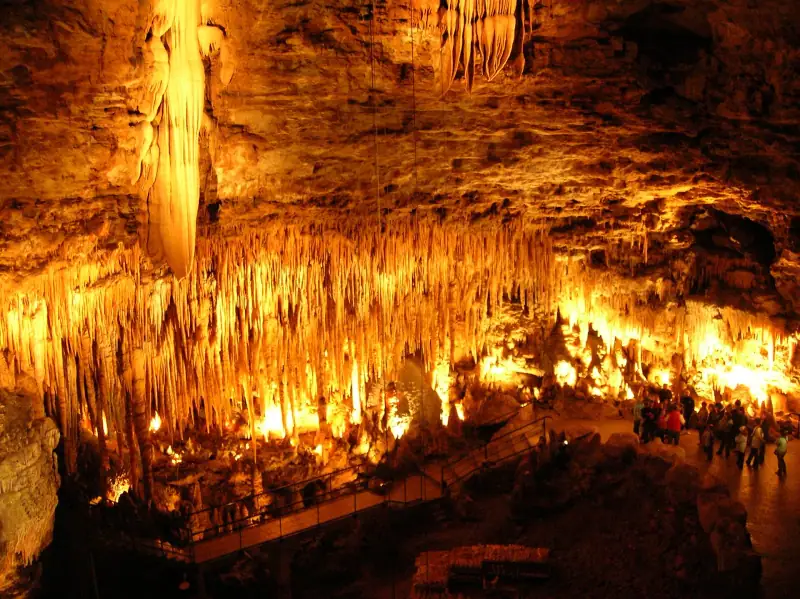
Proumeyssac Chasm: Prices, Hours, Booking and the Gondola Descent
Proumeyssac Chasm at Audrix: 2026 prices, hours by season, booking, gondola, strollers, dogs and tips for visiting without a wait.
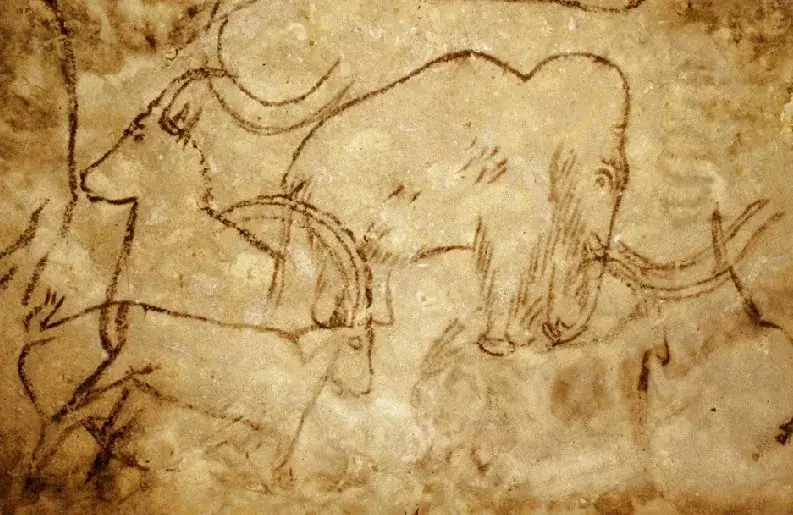
Rouffignac Cave: Train Visit, Prices, Booking and Opening Dates
Rouffignac Cave: prices, hours, booking (5 weeks ahead), length of the electric train ride and closure until March 28, 2027. Tips for families.
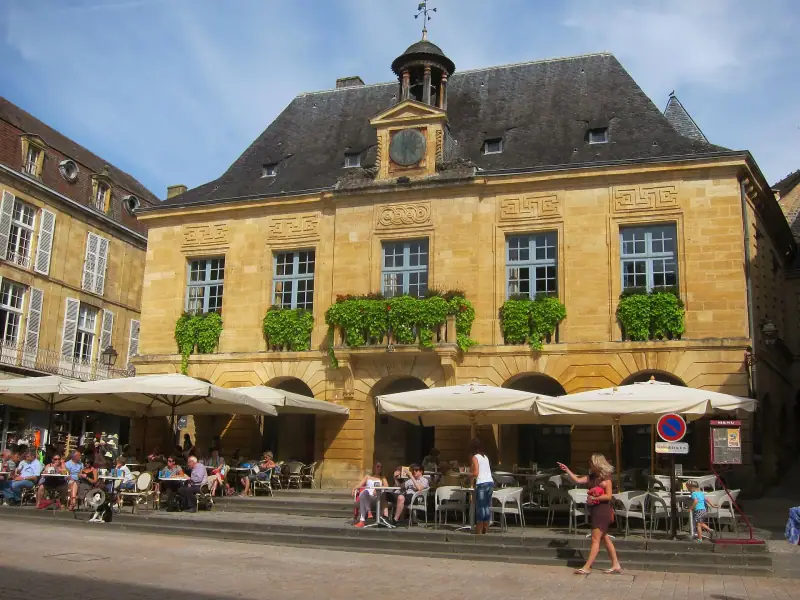
Visiting Sarlat-la-Canéda: What to See and Do in the Medieval Town
Visiting Sarlat-la-Canéda: cathedral, Place des Oies, medieval lanes, markets, Lanterne des Morts and day trips. A guide to plan your visit well.
Ready-made
Dordogne itineraries
7 days
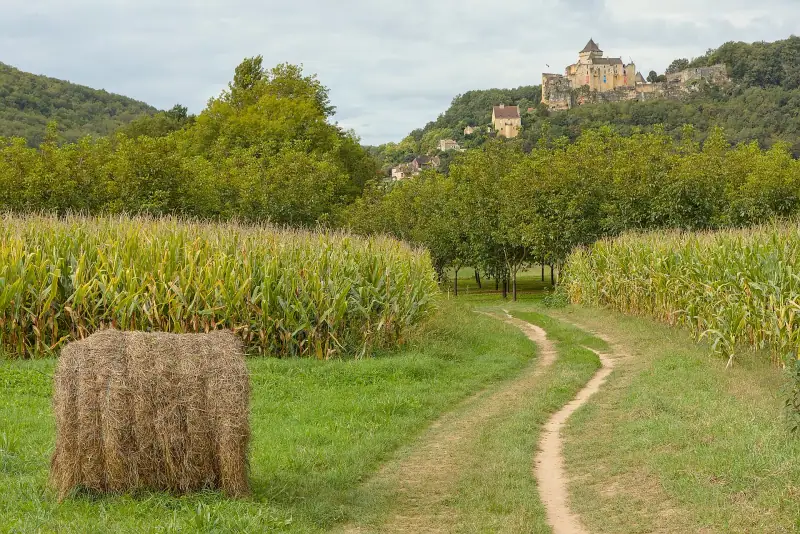
One Week in the Dordogne: A Day-by-Day Itinerary
Sarlat-la-CanédaBrantômeBergerac
5 days
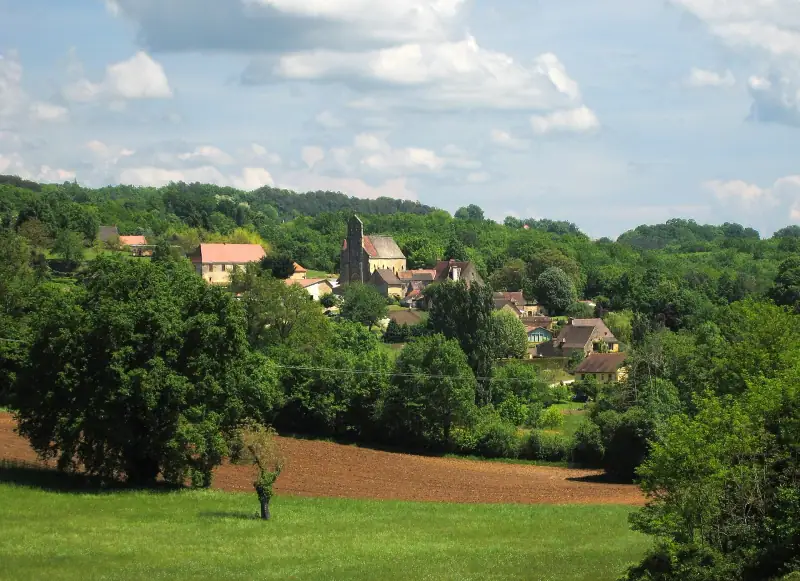
Dordogne in 5 Days with Kids: Stops, Kilometers and a Realistic Pace
Dordogne in 5 days with kids: an itinerary from Sarlat with distances, drive times, breaks and suitable activities, without overloaded days.
Can be adapted in the planner
3 days
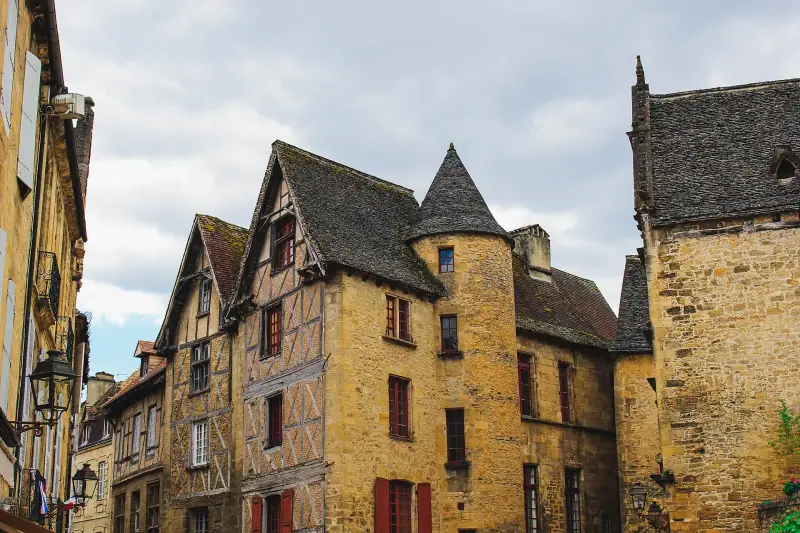
3-Day Dordogne Itinerary: Sarlat, the Vézère and Châteaux
What to do in 3 days in the Dordogne? A day-by-day itinerary around Sarlat: Lascaux, the Vézère Valley, châteaux, villages and practical tips.
Can be adapted in the planner