What to see
Visiting Périgueux: What to See and Do in the Capital of the Périgord
We may earn a commission when you book through links on this page, at no extra cost to you. We don't visit or try the places we cover: we summarize published sources. How we work
In short
- One day covers the essentials: the Puy-Saint-Front district with the cathedral, the Renaissance center, then the Cité district with its Gallo-Roman remains.
- Périgueux grew from two towns: Gallo-Roman Vesunna in the west and the medieval Puy-Saint-Front in the east, so everything is done on foot.
- The city has a train station with links from Bordeaux and other regional towns; Sarlat is about 65 km (40 mi) away and Brantôme about 25 to 30 km (16 to 19 mi).
- Market mornings take place several days a week, with a larger one on Saturday; in winter, foie gras markets (marchés au gras) run. Check dates with the tourist office.
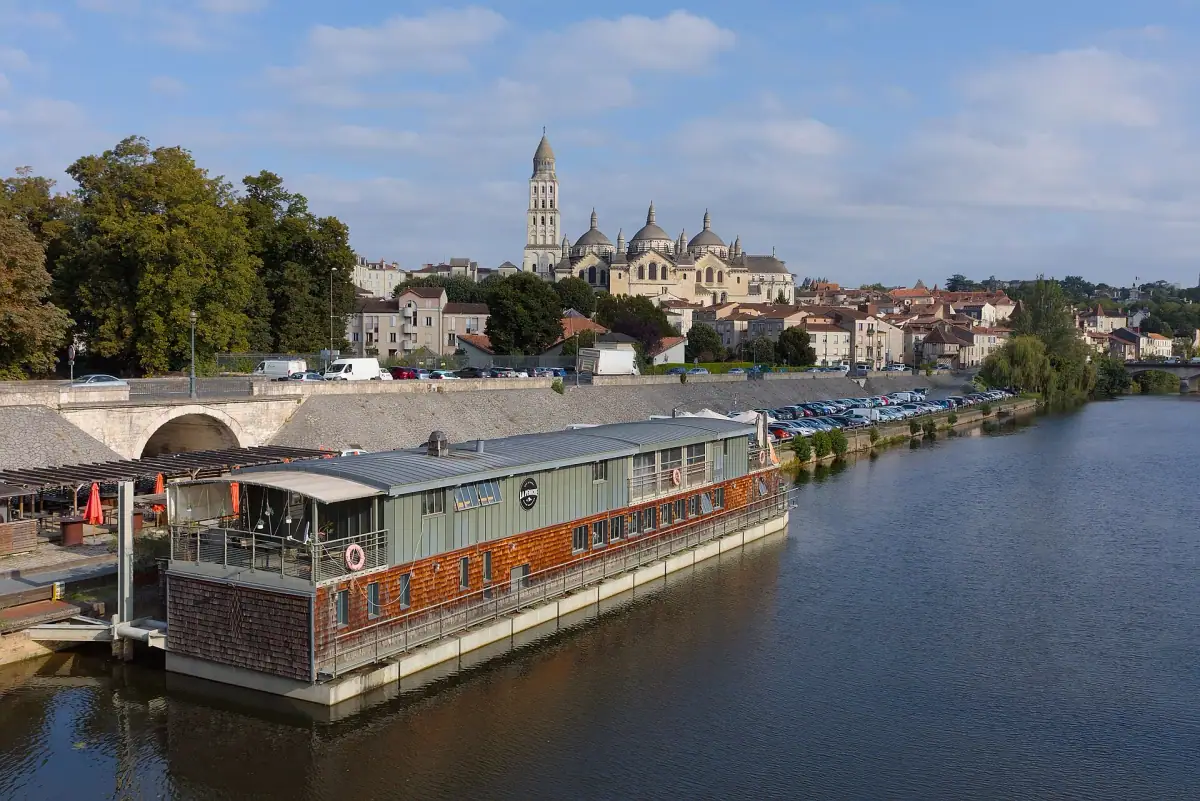
Many travelers cross the Dordogne without stopping in Périgueux, in a hurry to reach Sarlat or the Vézère Valley. That is a pity: the capital of the department, in the heart of the White Périgord, is one of the richest heritage cities in the region. Within a few hundred meters you meet Gallo-Roman remains, a Romanesque cathedral topped with domes, Renaissance lanes and quiet quays along the Isle.
This guide helps you organize your visit: the two main districts to walk, the monuments not to miss, the ideal time to come, the markets, the food and easy trips from the city. It deliberately mentions only well-known monuments and public places: hours, prices and opening days change from season to season, so check them with the tourist office.
Périgueux in brief: one city, two faces
To understand Périgueux, you need to know it was born from the joining of two distinct towns. In Gallo-Roman times the city was called Vesunna and occupied the area known as the Cité, west of today’s center. In the Middle Ages, around the tomb of Saint Front, a second town grew on a hill: the Puy-Saint-Front. The two settlements lived apart for a long time before merging, which explains the surprisingly readable layout of the city today.
In practice, this gives two complementary walks:
- The Puy-Saint-Front, to the east, with the cathedral, the Renaissance lanes, the squares and the markets. It is the living heart of the city.
- The Cité, to the west, with the ancient remains, the Tour de Vésone, the Gallo-Roman museum and the arena.
Between the two, a walk of a few dozen minutes along the river and the quays is enough. Everything is done on foot, which makes Périgueux an excellent stop for a day, including without a car.
Saint-Front Cathedral, star of the Périgord
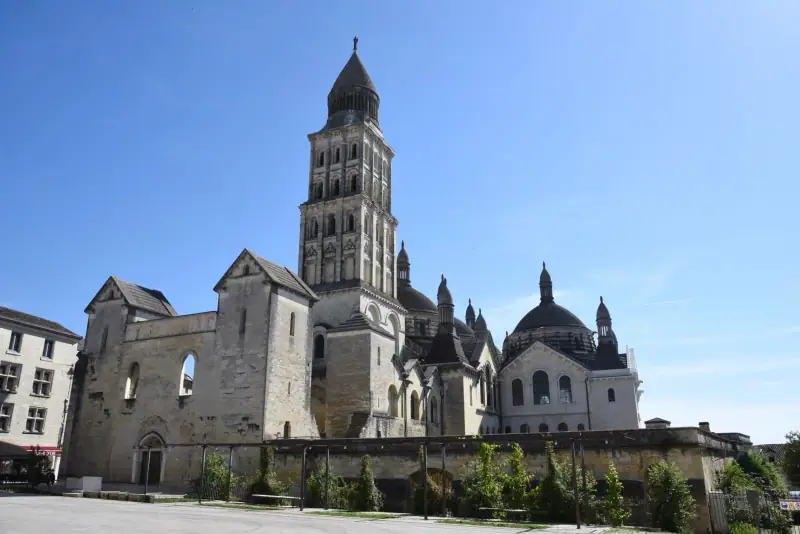
You cannot miss Saint-Front Cathedral: its white domes and pinnacles dominate the city from afar. Built mainly in the 12th century, it follows a Greek-cross plan topped with domes, a choice reminiscent of Eastern churches and, according to art historians, of St Mark’s Basilica in Venice. It was heavily restored in the 19th century, notably under the architect Paul Abadie, who then drew on it to design the Sacré-Cœur in Paris.
The building is a UNESCO World Heritage Site, as part of the Routes of Santiago de Compostela in France. It was indeed a stop for pilgrims crossing the Périgord.
Inside, the breadth of the space and the sobriety of the volumes are surprising. Look up at the domes, then take time to observe the large dimensions of the nave, very far from the usual Gothic cathedrals. Next door, the cloister, Romanesque and Gothic, offers a calm break away from the bustle of the square.
Allow an hour for the cathedral and its surroundings. Entry to the building is generally free, outside services, while some annex parts may be subject to hours and a guided tour.
The Puy-Saint-Front and the Renaissance district
At the foot of the cathedral, the Puy-Saint-Front district is the most pleasant to walk without a map. Its lanes, often pedestrian, are lined with timber-framed houses and Renaissance mansions, whose blond stone facades show mullioned windows, corner turrets and spiral staircases visible from courtyards open to the public.
A few landmarks to guide you:
- Rue Limogeanne, a pedestrian shopping street, has several remarkable Renaissance facades. Look up and push open carriage doors when they are open: the inner courtyards are often splendid.
- Place du Coderc and Place de la Clautre, two lively squares that host the markets and terraces.
- The Mataguerre tower, a remnant of the old medieval ramparts, a reminder that the city was fortified.
- The banks of the Isle, reached in a few minutes from the center, for a walk in the shade of plane trees with a nice view of the roofs.
This is also where most of the local-product shops are: walnuts, confit, foie gras, wines, walnut oil. If you want to know what to taste or bring home, our guide to Périgord food specialties will help you find your way.
Stay in Périgueux
Hotels, B&Bs and apartments in the historic center: compare availability to enjoy the city in the evening, when the passing tourists have left.
The Gallo-Roman Cité: Tour de Vésone and Vesunna museum
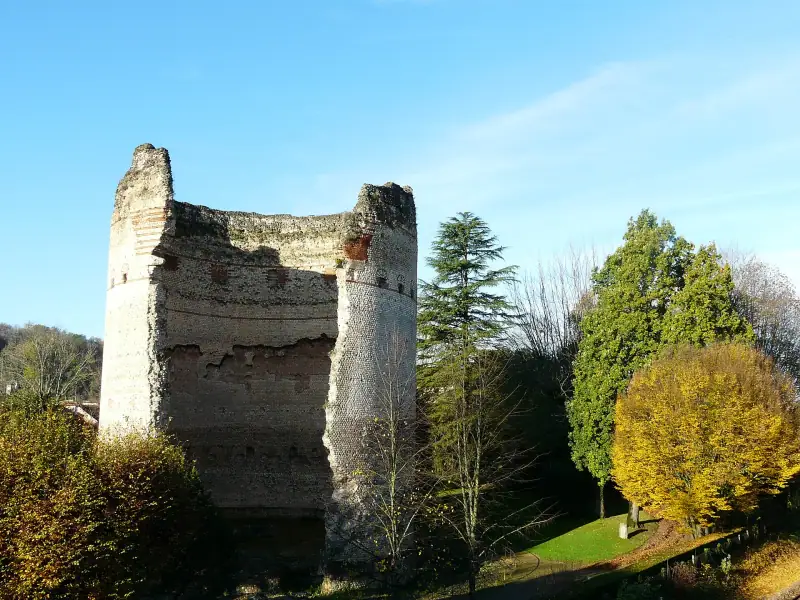
Of ancient Vesunna, spectacular traces remain. The most visible is the Tour de Vésone, a large stretch of cylindrical masonry that was the cella of a temple dedicated to the city’s tutelary deity. Standing alone in an open space, it gives a striking impression of austerity and age.
Right next to it, the Vesunna Gallo-Roman museum was designed by the architect Jean Nouvel. It is built around the remains of a large Roman house, the Domus of the Bouquets, which you view from above on a walkway under a vast glass hall. You see foundations, preserved walls and remains of painted decoration, along with everyday objects and architectural elements. It is a very educational visit, which speaks well to children and to those with no knowledge of Antiquity.
Nearby, you can also see the remains of the Roman arena, now part of a public park. The amphitheater was one of the largest in Gaul, but only a few stretches of wall and arcades remain; the site can be visited freely and suits a quiet break.
Allow about an hour and a half for this part of the visit, more if you take time to read the museum panels.
Saint-Étienne-de-la-Cité, the oldest cathedral
In the Cité district, the church of Saint-Étienne-de-la-Cité is the former cathedral of Périgueux, older than Saint-Front. It lost part of its nave and domes over the centuries, but keeps impressive volumes and Romanesque elements. Its sober silhouette, more severe than Saint-Front’s, offers an interesting counterpoint: you see how domed architecture developed in the region before reaching its most accomplished form on the neighboring hill.
The church can generally be visited freely or on guided tours offered by the tourist office. It makes a good stop between the Vesunna museum and the walk by the water.
The Périgord Museum of Art and Archaeology
If the weather turns, the Périgord Museum of Art and Archaeology, set in a former convent in the middle of the center, is a safe bet. It holds one of the richest prehistoric archaeology collections in the region, with objects from the major Vézère sites, as well as collections of decorative arts, painting and ethnography.
It is an excellent preparation for, or follow-up to, visiting prehistoric sites. If you plan a day of sightseeing in the area, pair it with our guide to Lascaux and the Vézère Valley, to place what you see in context.
Guided tours and activities around Périgueux
Guided tour of the historic center, Périgord product tastings, excursions in the Green Périgord: compare the activities available for your dates.
Périgueux markets: local produce
As throughout the Périgord, the market is a high point of the visit. The historic center hosts markets several mornings a week, with a bigger one on Saturday morning. Stalls overflow with seasonal fruit and vegetables, cheeses, cured meats, ducks, walnuts and mushrooms, not to mention the foie gras and duck confit that are so present in the region.
Winter brings a special atmosphere with the marchés au gras (foie gras and duck markets), which feature foie gras, confit and, depending on the season, black truffle. Exact dates vary from year to year: ask the tourist office before you go.
A few tips to enjoy them:
- Arrive before 10 am: stalls are better stocked and the crowd thinner.
- Keep some cash for small producers, even though cards are increasingly accepted.
- Ask to taste: producers often offer tastings of walnuts, cheeses or cured meats.
- Put together a picnic to take to the banks of the Isle or a park.
What to eat in Périgueux
Food is fully part of the visit. Périgueux is an ideal gateway to Périgord cooking: duck confit, magret, foie gras, porcini, Périgord salad, walnuts and, in season, truffle. The historic center has many restaurants, from the neighborhood bistro to the more gastronomic table.
A few pointers for choosing well:
- Favor short menus built on seasonal products and local producers.
- Be wary of overly touristy menus posted on the busiest squares.
- Book in the evening in high season, especially on weekends.
- Taste the local wines: the Bergerac vineyard, a little under an hour away by road, produces reds, whites and sweet wines. Our guide to Bergerac, Monbazillac and Pécharmant wines will give you good pointers.
For a sweet break, the pastry shops and chocolatiers of the center offer walnuts, cakes and regional specialties. That is often where the best edible souvenirs are found.
Périgueux in the evening and along the water
Once the groups have gone, the city changes mood. Terraces fill, stone facades light up and the floodlit cathedral takes on striking relief. In summer, events punctuate the city: concerts, street shows and festivals whose programs vary from year to year.
To enjoy the water, the simplest is to walk along the Isle. The quays offer fine views of the roofs and domes, especially at the end of the day. Walking and cycling routes run along the river, and several parks mark the way. It is a pleasant way to link the Puy-Saint-Front to the Cité without taking the busy streets.
If you can sleep in town, you will enjoy a city much calmer than Sarlat at the same hour, with the chance to dine without crowds, even in midsummer.
Planning your visit: access, parking, duration
Getting there by train. Périgueux is served by a station with links from Bordeaux and other regional towns. It is a practical option if you mostly stay in town. Check timetables on the official sites before booking.
Getting there by car. The city is well linked to the rest of the department. Sarlat is about 65 km (40 mi) away, Brantôme a little under thirty kilometers (19 mi). To explore the Périgord beyond Périgueux, a car is still the most flexible solution: see our guide to renting a car in the Dordogne.
Parking. The old heart is largely pedestrian. Leave your vehicle in a public car park on the edge of the historic center and finish on foot, especially on market days.
Duration. A day lets you see the essentials, a night in town lets you enjoy the city in the evening. If Périgueux is your base, allow two or three nights to combine city and excursions.
Shoes. The Puy-Saint-Front lanes are cobbled and sometimes sloping: bring comfortable shoes.
Season. Spring and early fall combine mild temperatures and moderate crowds. Our article on when to go to the Dordogne covers the seasons.
Easy trips from Périgueux
Périgueux is an ideal base for discovering the White Périgord and the Green Périgord:
- Brantôme, nicknamed the “Venice of the Périgord,” about 25 to 30 km (16 to 19 mi) to the north. Its abbey, bridges and terraces beside the Dronne make it an easy getaway, covered in our 4-day itinerary through the Green, White and Purple Périgord.
- Sarlat-la-Canéda, about 65 km (40 mi) away, for its very well-preserved medieval center. Our guide to visiting Sarlat-la-Canéda will help you organize the day.
- The Vézère Valley and Lascaux IV, for prehistory, about an hour by road.
- The Bergerac vineyard, for a day of tasting, about an hour by road.
To place Périgueux in an overview of the department, see our complete Dordogne guide.
Excursions in the Périgord
Gabarre boat ride, canoe descent, cave or château visits: compare excursions from the region.
A sample plan for one day in Périgueux
Here is a balanced suggestion, to adapt to the season and your pace:
- Morning: arrive early, coffee on Place de la Clautre or Place du Coderc, tour the market on the mornings it runs.
- Late morning: Saint-Front Cathedral and its cloister, then a walk in the Renaissance lanes, Rue Limogeanne included.
- Lunch: a local-produce table in a quiet lane, with a Périgord dish.
- Early afternoon: down to the Cité, Tour de Vésone and the Vesunna Gallo-Roman museum.
- Mid-afternoon: Roman arena, then the church of Saint-Étienne-de-la-Cité.
- Late afternoon: back along the banks of the Isle, a terrace break.
- Evening: dinner in the center and a last walk under the lit domes.
If you have two days, spend the second on the Périgord Museum of Art and Archaeology, then a trip to Brantôme.
Practical tips for your visit
- Book your lodging early in summer and during school-holiday periods.
- Start with the cathedral early in the morning to enjoy the light and calm.
- Bring a light jacket: evenings can be cool, even in summer.
- Ask for the map and events program at the tourist office: guided tours, special markets, concerts.
- Combine city and nature: half a day in the Green Périgord balances a day of heritage well.
- Think about the budget: our article on the budget for a stay in the Dordogne gives pointers for planning your spending.
A longer stay in the Périgord
Cottages, holiday homes and B&Bs around Périgueux and Brantôme: ideal to combine city, river and villages.
Who Périgueux suits
Périgueux suits travelers who like human-scale cities rich in layers of history: heritage fans, archaeology buffs, families looking for easy walks, food lovers who travel for the markets. It is less suited to those looking for the postcard setting of a hilltop village or wild nature: in that case, favor the Dordogne valley or the Green Périgord.
In short, one day is enough to understand the city’s interest, two to enjoy it fully and explore the White Périgord. Combined with Brantôme, Sarlat and the Vézère, it gives your stay a historical depth that many visitors discover too late.
Frequently asked questions
How long do you need to visit Périgueux?
One day is enough for the essentials: the Puy-Saint-Front district with the cathedral, the Renaissance center, then the Cité district with its Gallo-Roman remains. If you want to visit a museum or two without rushing and enjoy an unhurried lunch, plan a full day. With a night in town you also enjoy the city in the evening.
What are the must-sees in Périgueux?
The highlights are Saint-Front Cathedral, its domes and cloister, the Renaissance lanes of the Puy-Saint-Front, the Tour de Vésone, the Vesunna Gallo-Roman museum, the remains of the arena and the Périgord Museum of Art and Archaeology. A walk beside the Isle completes the visit nicely.
What day is the Périgueux market?
The traditional market in the historic center is held several mornings a week, with a bigger one on Saturday. In winter, marchés au gras (foie gras and duck markets) are organized around seasonal products. Days and hours may change, so check with the tourist office before you go.
Can you visit Périgueux by train?
Yes, Périgueux is one of the department's towns best served by rail, with links from Bordeaux and other regional towns. The station is within reasonable walking distance of the old center. Check timetables on the official sites before booking, as the service varies by season.
Where do you park in Périgueux?
The old center is largely pedestrian or limited-traffic. The simplest is to leave the car in one of the public car parks on the edge of the historic center or along the Isle, then finish on foot. On market days, arrive early.
Périgueux or Sarlat: which to choose?
Sarlat charms with its very uniform medieval setting and its position in the heart of the Black Périgord, but it is very busy in summer. Périgueux is a proper city, calmer and more varied, layering ancient remains, Romanesque art and a Renaissance district. If you have time, visit both: they are about 65 km (40 mi) apart.
Is Périgueux interesting for families?
Yes. Walks are short, the banks of the Isle suit a stroll and the Gallo-Roman remains speak easily to children. The Puy-Saint-Front cobbles are less comfortable with a stroller; a compact stroller or a baby carrier is more practical.
More Dordogne guides
Keep reading
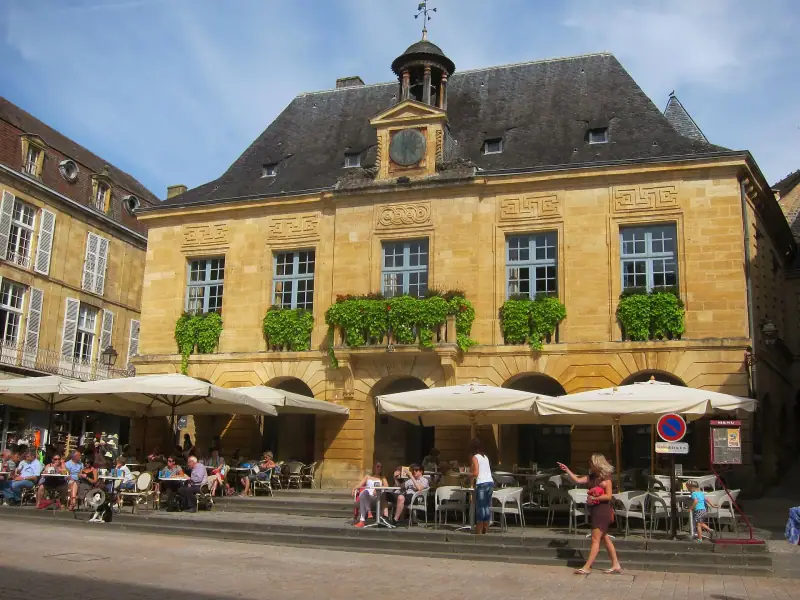
Visiting Sarlat-la-Canéda: What to See and Do in the Medieval Town
Visiting Sarlat-la-Canéda: cathedral, Place des Oies, medieval lanes, markets, Lanterne des Morts and day trips. A guide to plan your visit well.
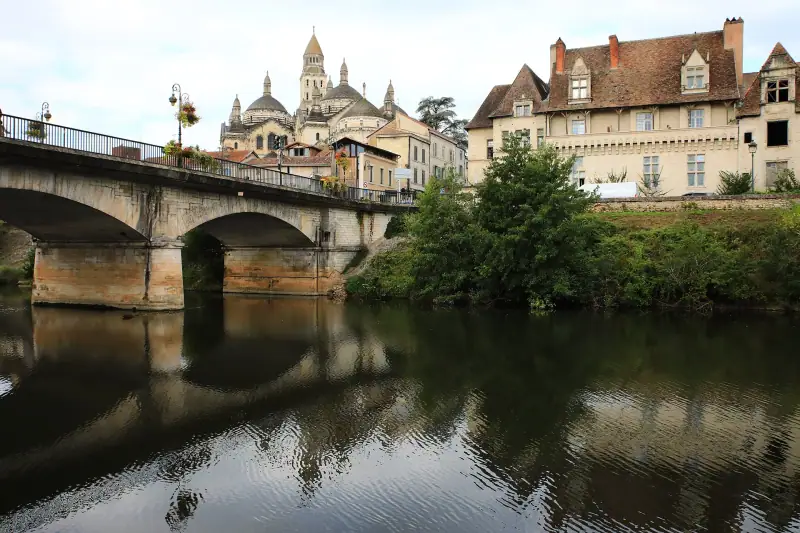
What to See in the White Périgord: Périgueux, the Isle Valley, Truffles and Villages
What to see in the White Périgord: Périgueux, truffles at Sorges, Saint-Astier, Neuvic, Mussidan and Montpon, for a quiet and authentic stay.
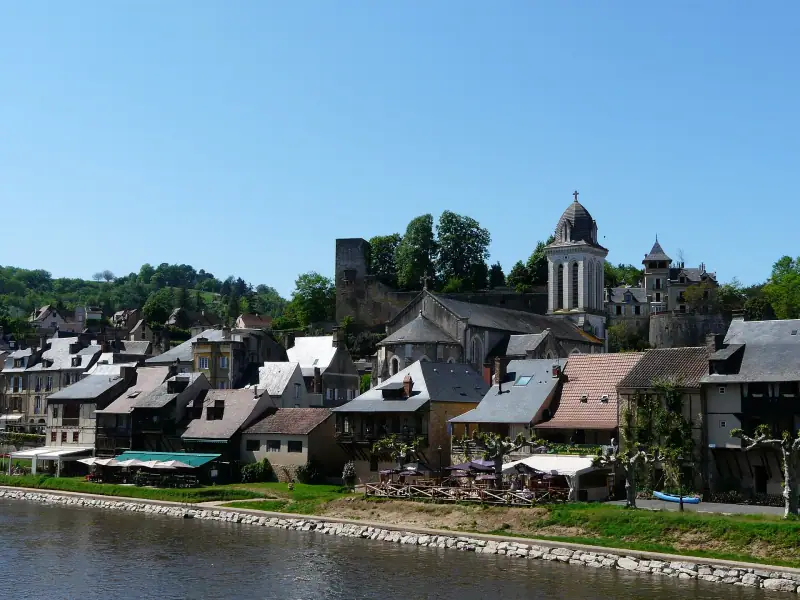
Visiting Montignac-Lascaux: What to See and Do on the Vézère
Visiting Montignac-Lascaux: old town on the Vézère, stilt houses, Lascaux IV, Regourdou, markets and walks. A guide to plan your stay in the Vézère Valley.
Ready-made
Dordogne itineraries
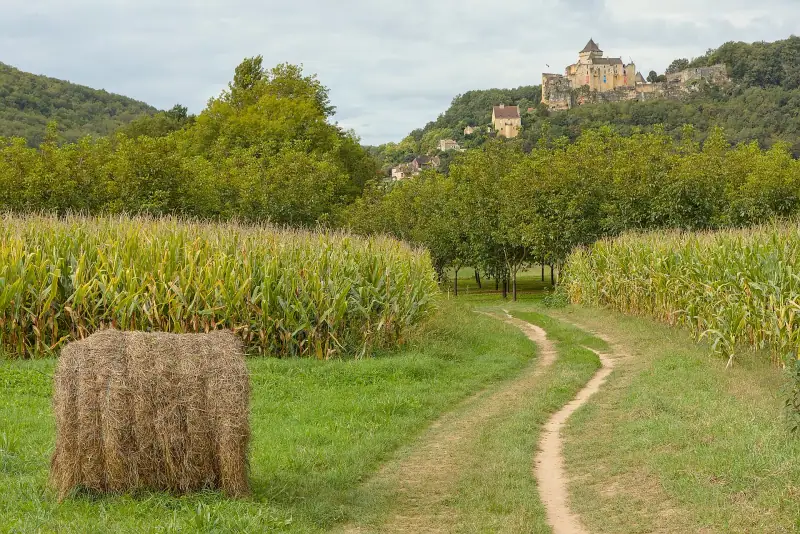
7 days
One Week in the Dordogne: A Day-by-Day Itinerary
Sarlat-la-CanédaBrantômeBergerac
5 days
Dordogne in 5 Days with Kids: Stops, Kilometers and a Realistic Pace
Dordogne in 5 days with kids: an itinerary from Sarlat with distances, drive times, breaks and suitable activities, without overloaded days.
Can be adapted in the planner
3 days
3-Day Dordogne Itinerary: Sarlat, the Vézère and Châteaux
What to do in 3 days in the Dordogne? A day-by-day itinerary around Sarlat: Lascaux, the Vézère Valley, châteaux, villages and practical tips.
Can be adapted in the planner